CUSTOM EXTRUSION

Custom Silicone Profile

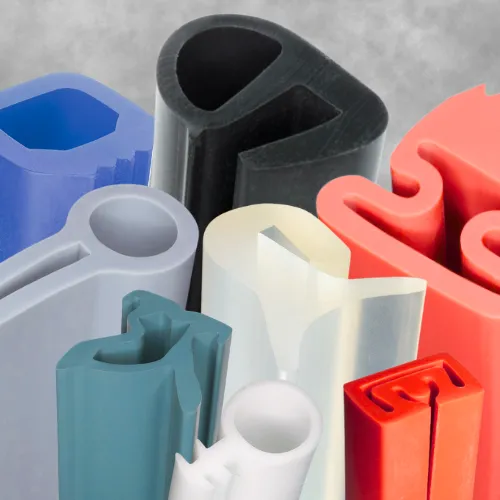
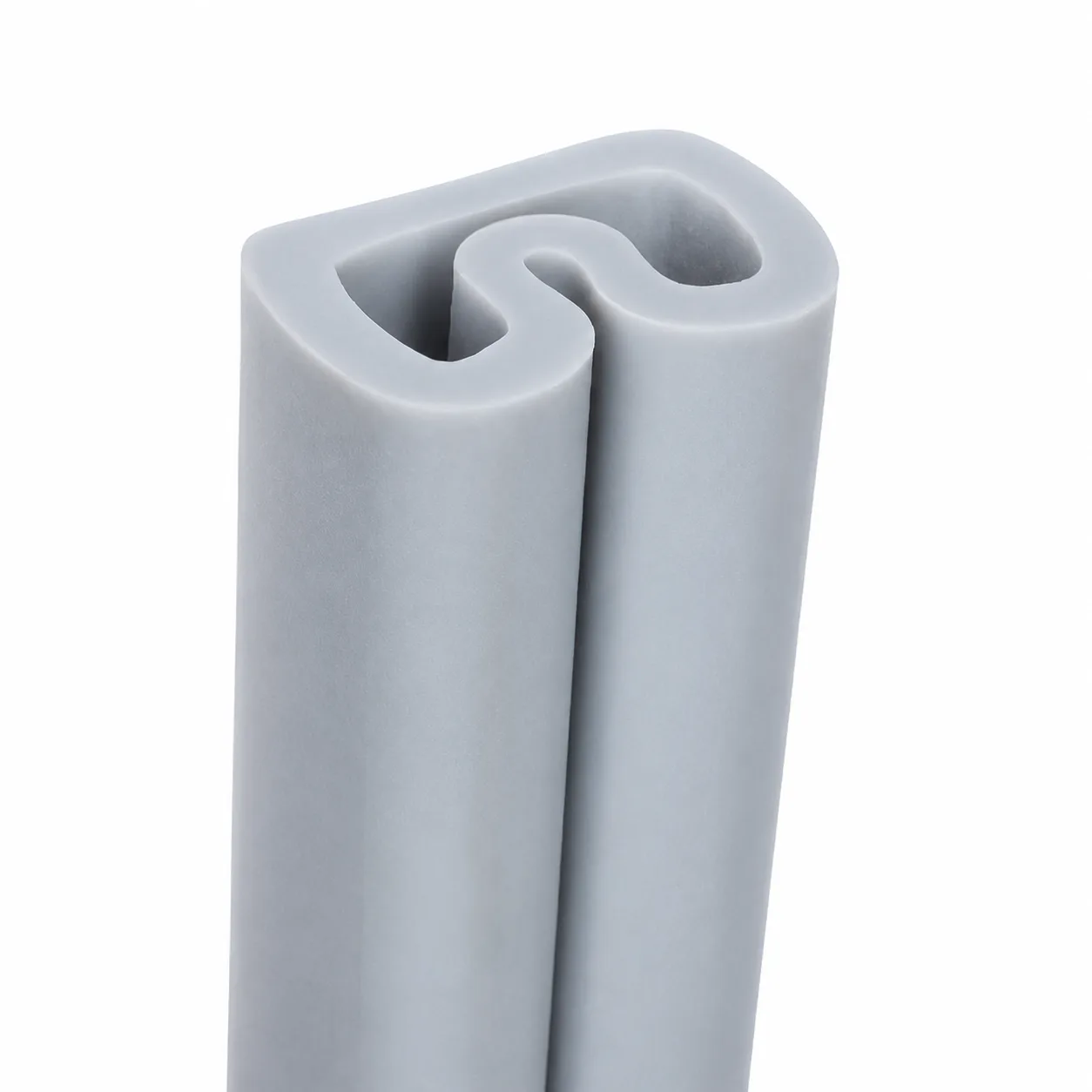
Extruded profiles manufactured to drawing with certified formulations for every industrial sector. From functional prototypes to full production runs.

Custom Silicone Profile
Tolerance ISO 3302-1 · E1/E2
Hardness 10–90 Shore A
Temperature –110 °C to +300 °C
Certifications FDA · CE 1935/2004 · EN 45545-2 · USP VI
Maximum ranges depending on formulation. Consult specification for each application.

A custom silicone profile is developed when standard sections do not fit the application. Specific geometries, multi-durometer configurations within a single part, or particular regulatory requirements demand a ground-up design. The starting point is a CAD drawing or physical sample; the result is an extruded profile that precisely meets the operating conditions.

We manufacture profiles with cross-sections from 2 mm to 200 mm wide, in quantities from functional prototypes to industrial production runs. We hold over 20 proprietary formulations covering everything from general-purpose silicone to compounds engineered for cryogenic service (–110 °C), continuous high temperature (+300 °C), fuel resistance, or EN 45545-2 rail compliance. Compound selection determines the final properties of the profile.

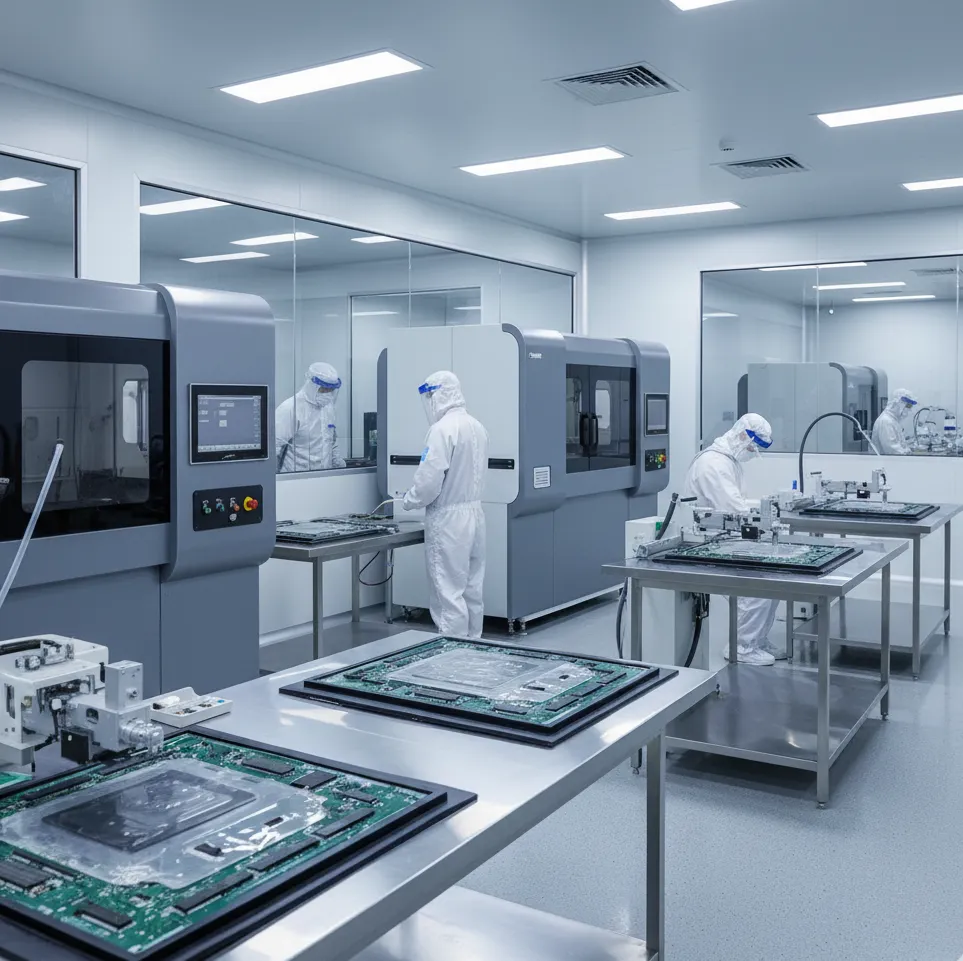
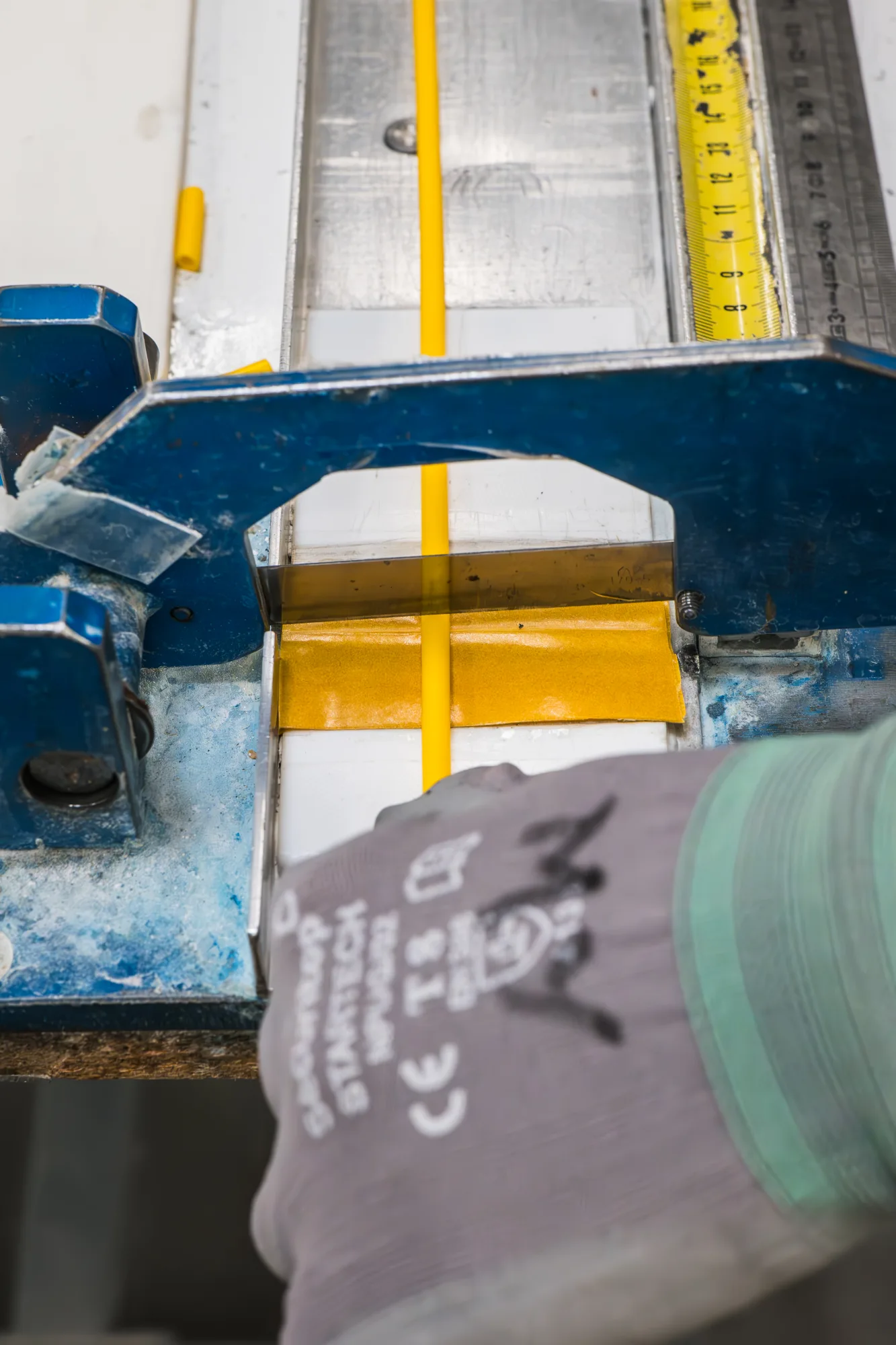
Each development progresses through tooling design, extrusion parameter optimisation and dimensional validation prior to production. Manufacturing takes place in an ISO 9001 and ISO 13485 certified environment, with an ISO 8 cleanroom available for medical applications. Profiles are supplied on reels or cut to length, with batch certificate and full traceability.

Standard or custom profile?

If your application requires a specific geometry, a combination of materials, or a particular certification not found in our catalogue, bespoke development is the way forward. If you need circular, square or rectangular sections in common dimensions, check our standard profiles first.

View standard profiles
Typologies

Profile types by construction

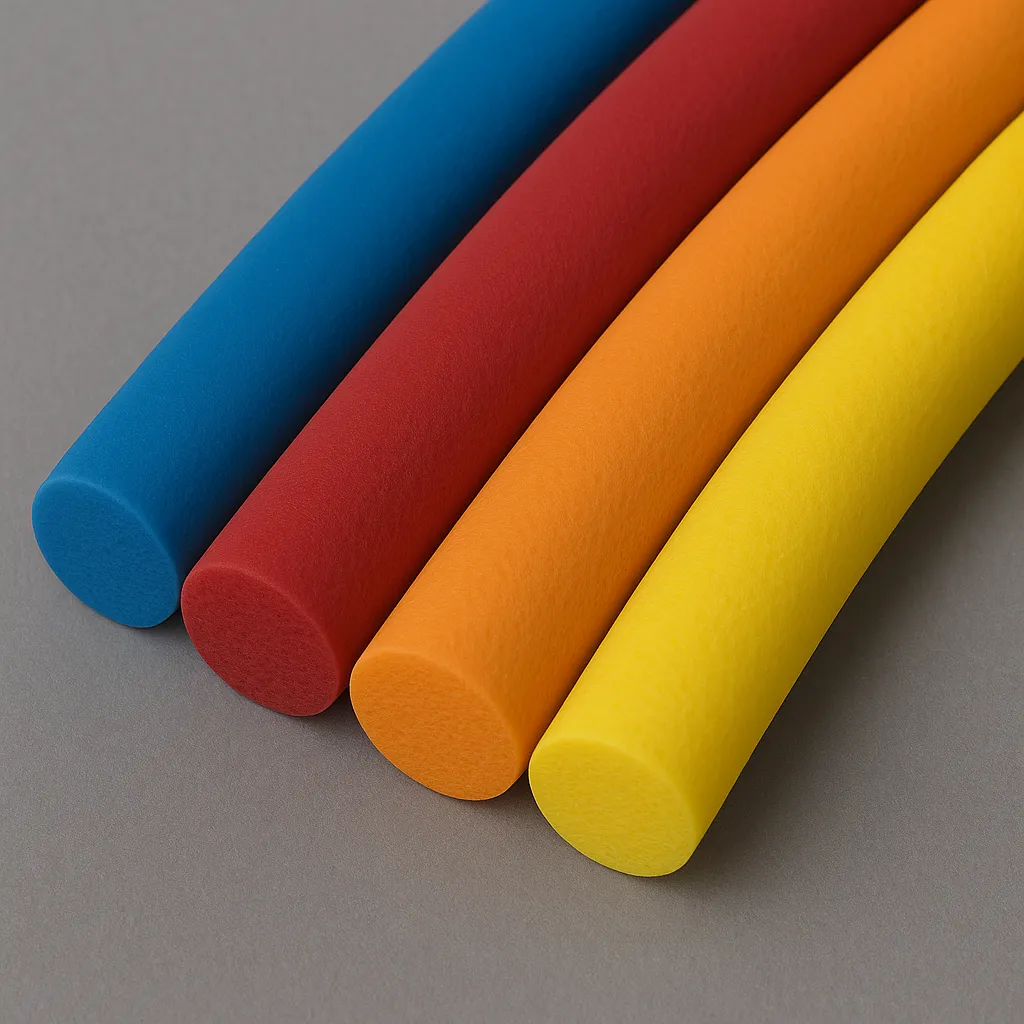
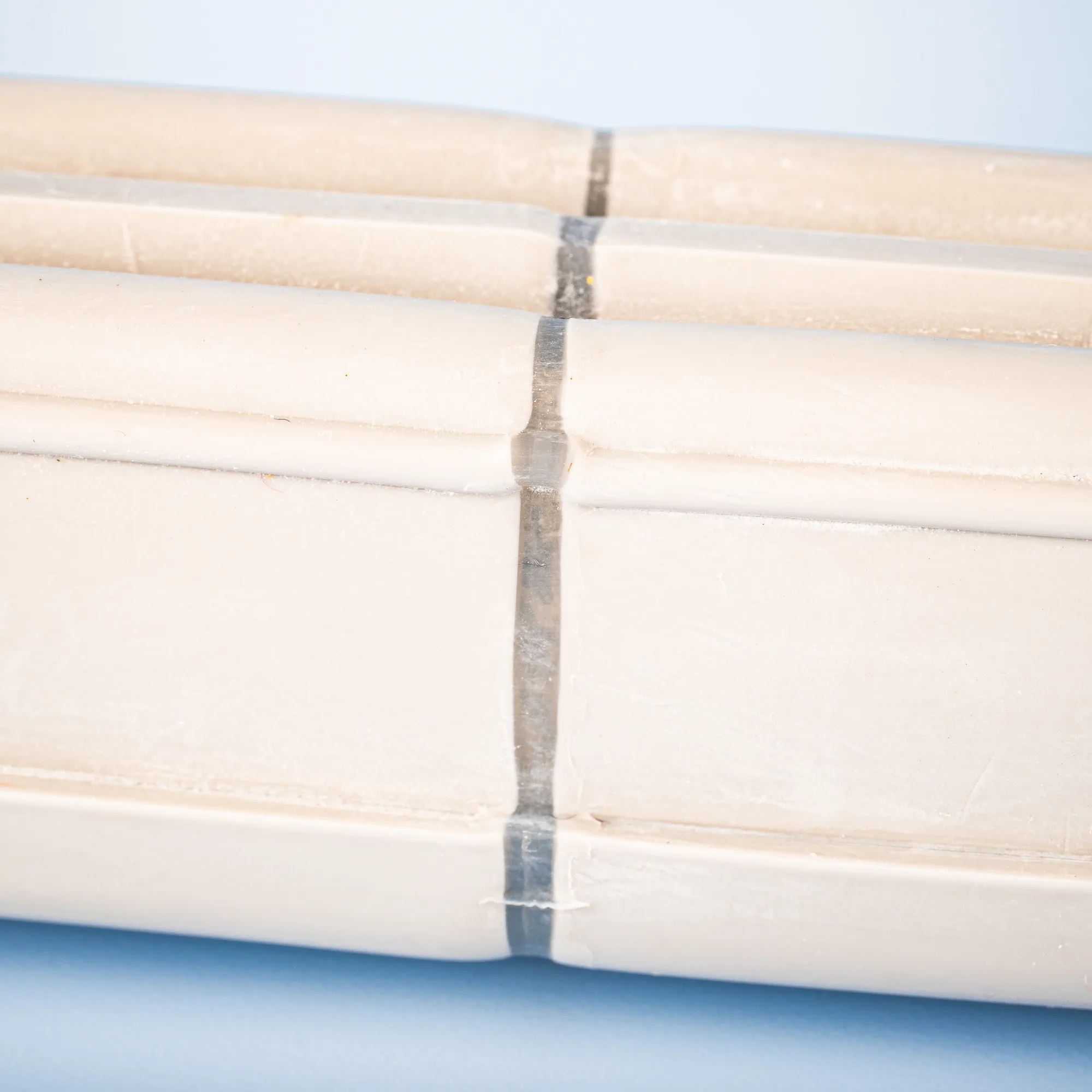
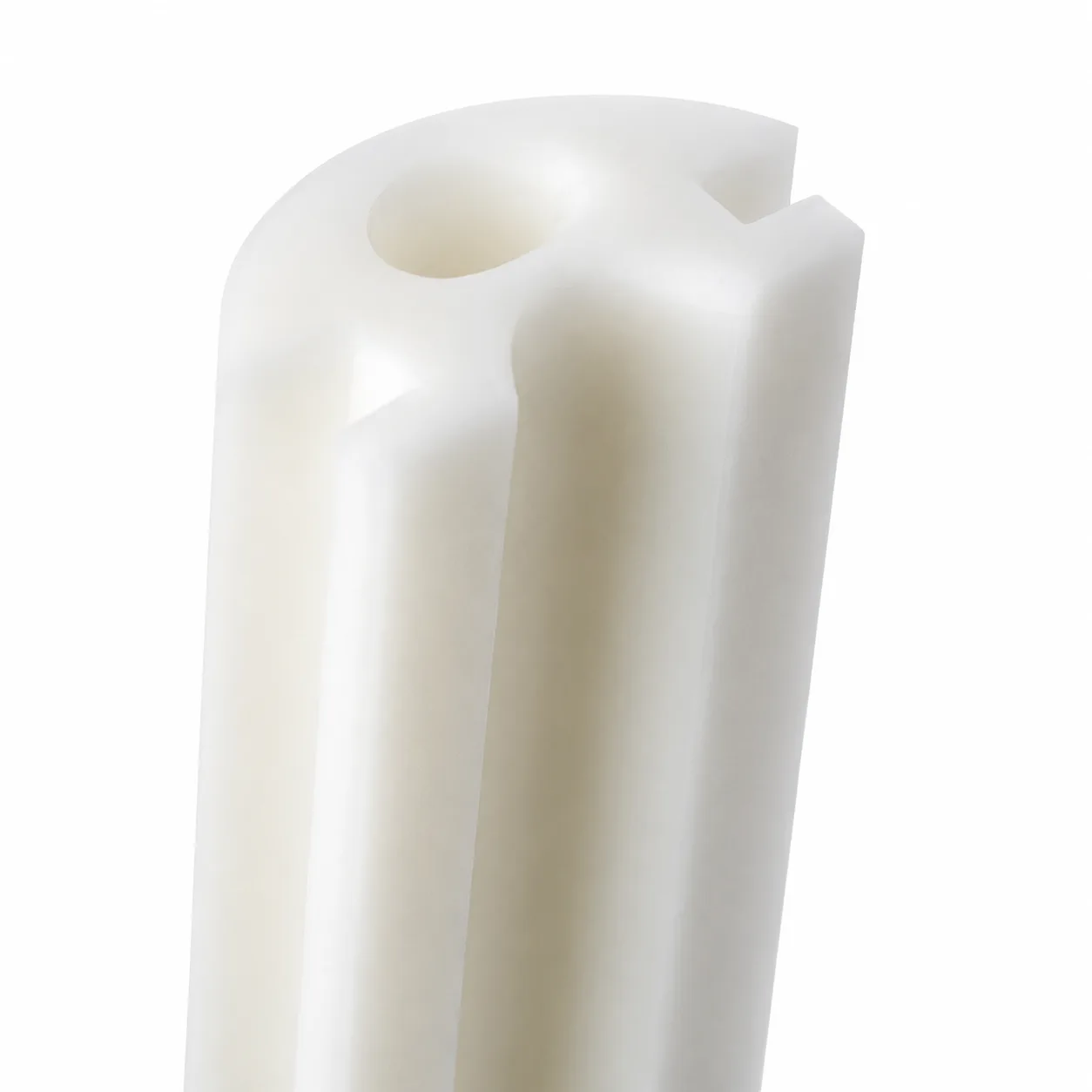
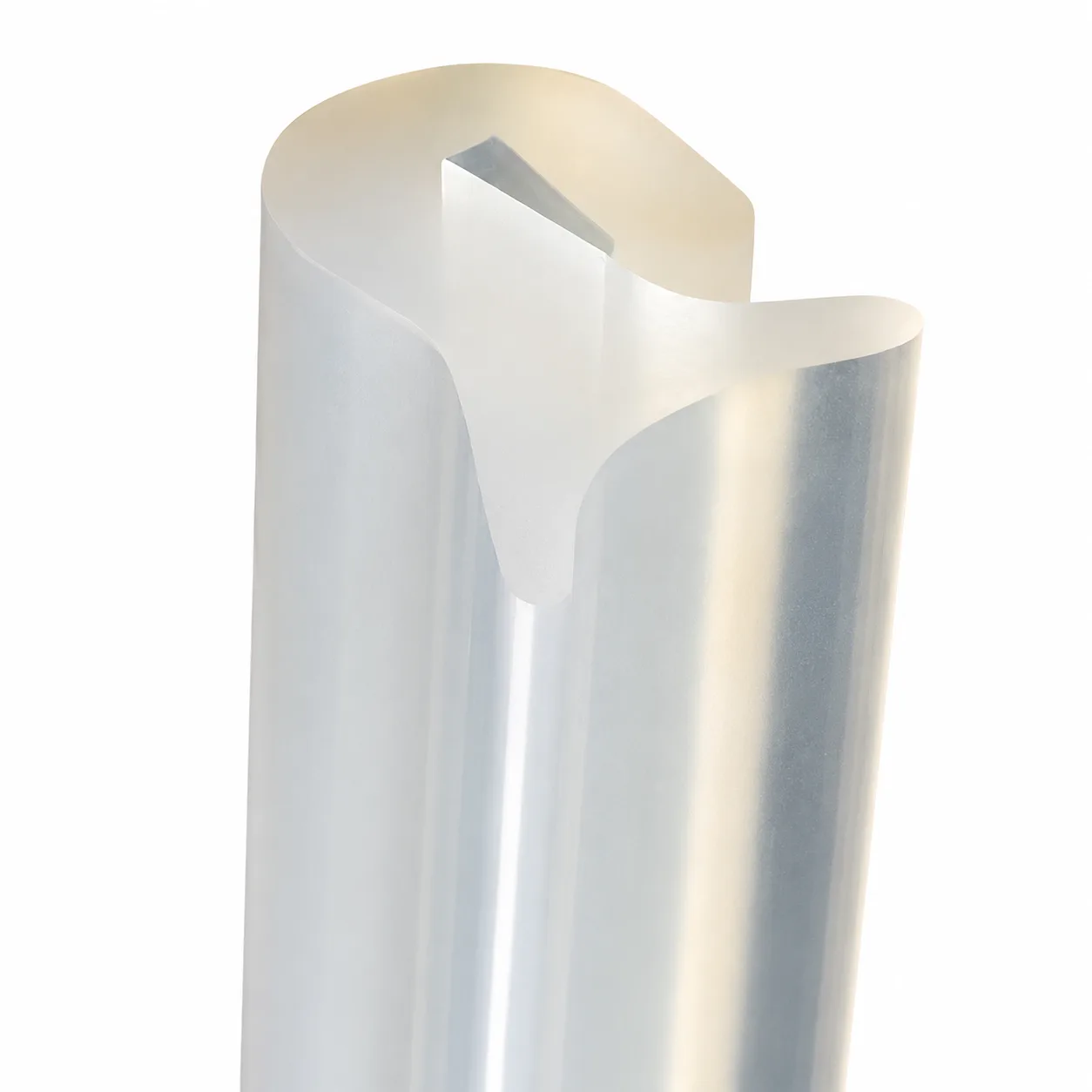
Solid profile (compact)

Solid profile (compact)

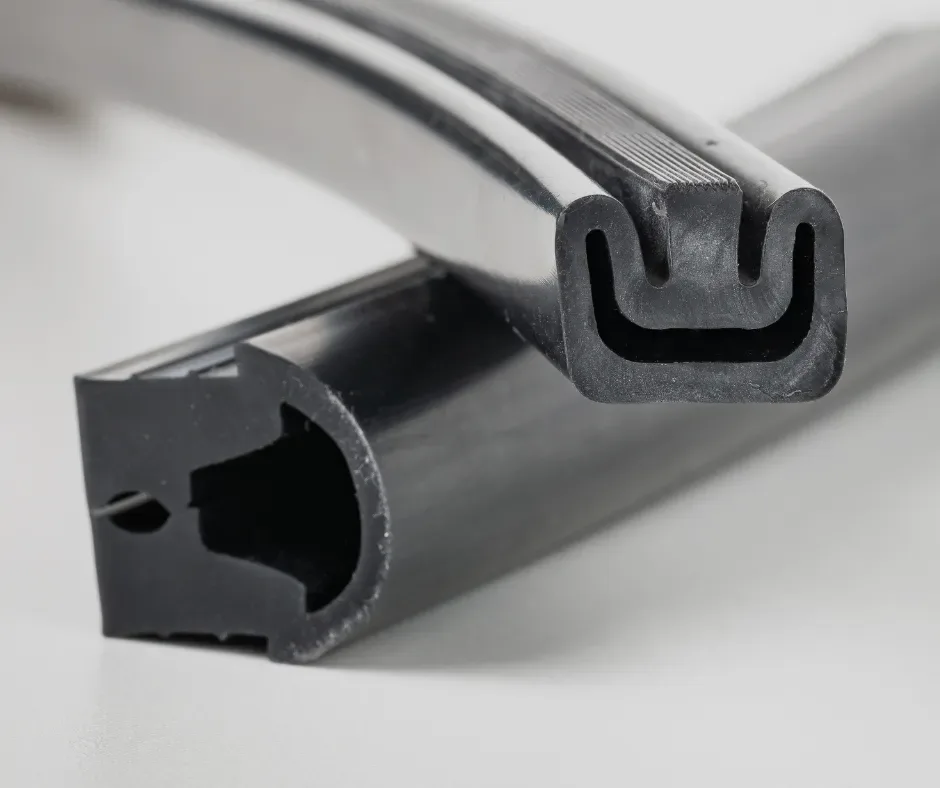
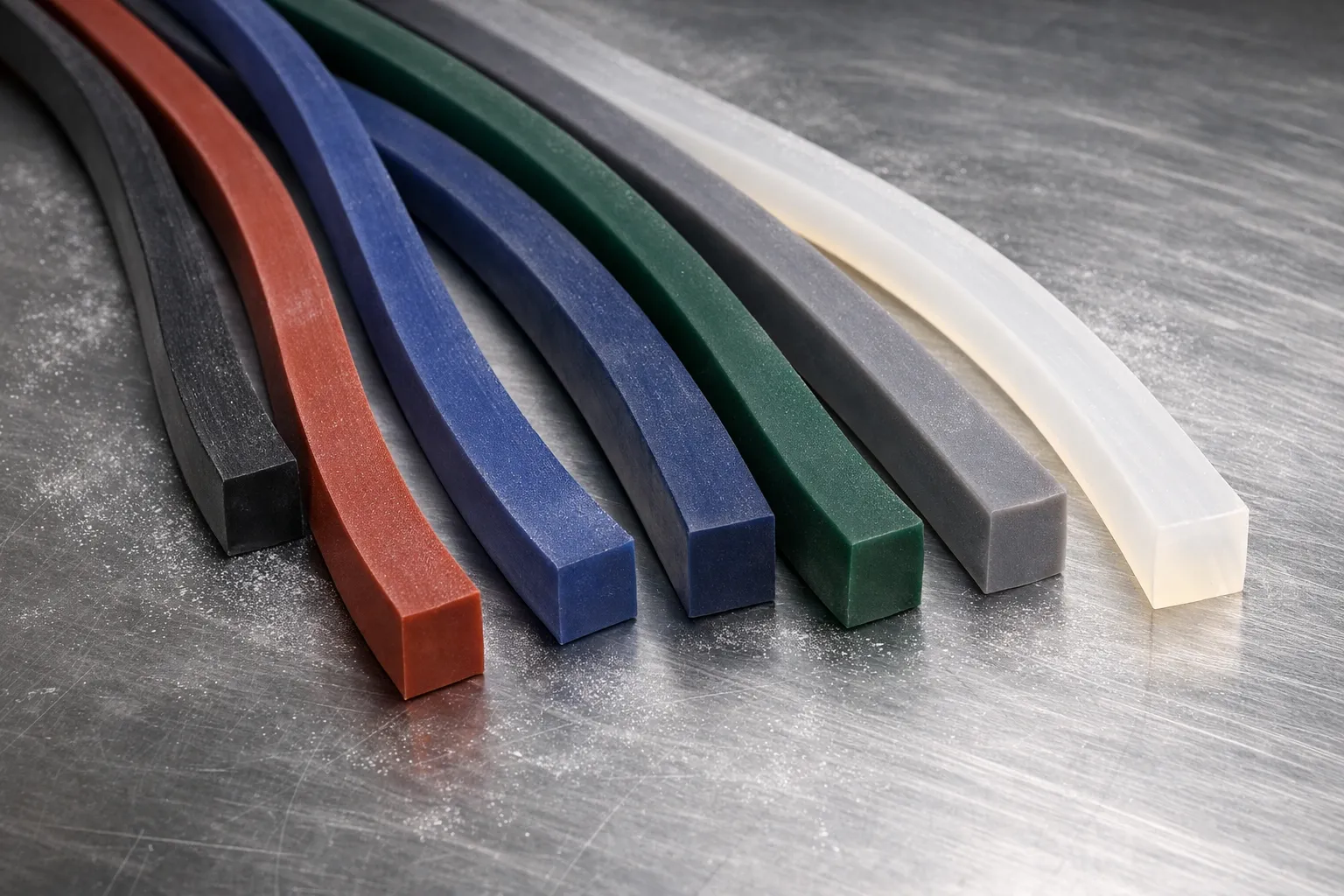
Single-compound solid cross-section. The most common construction for sealing gaskets, guides and sealing elements where uniform mechanical resistance is required. Available in all catalogue formulations.

Applications: P-section, T-section, U-section, D-section gaskets, perimeter seals, sliding guides.

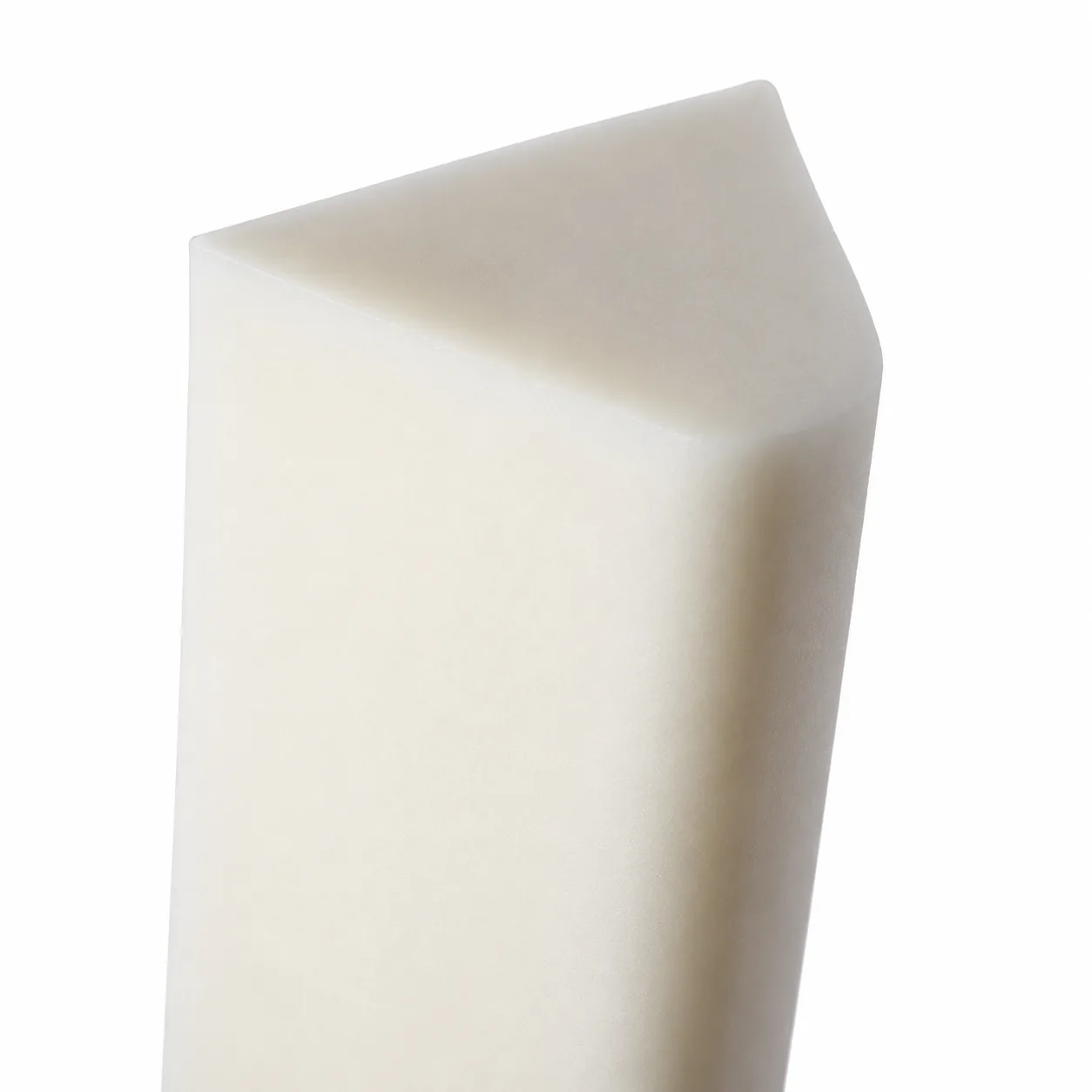
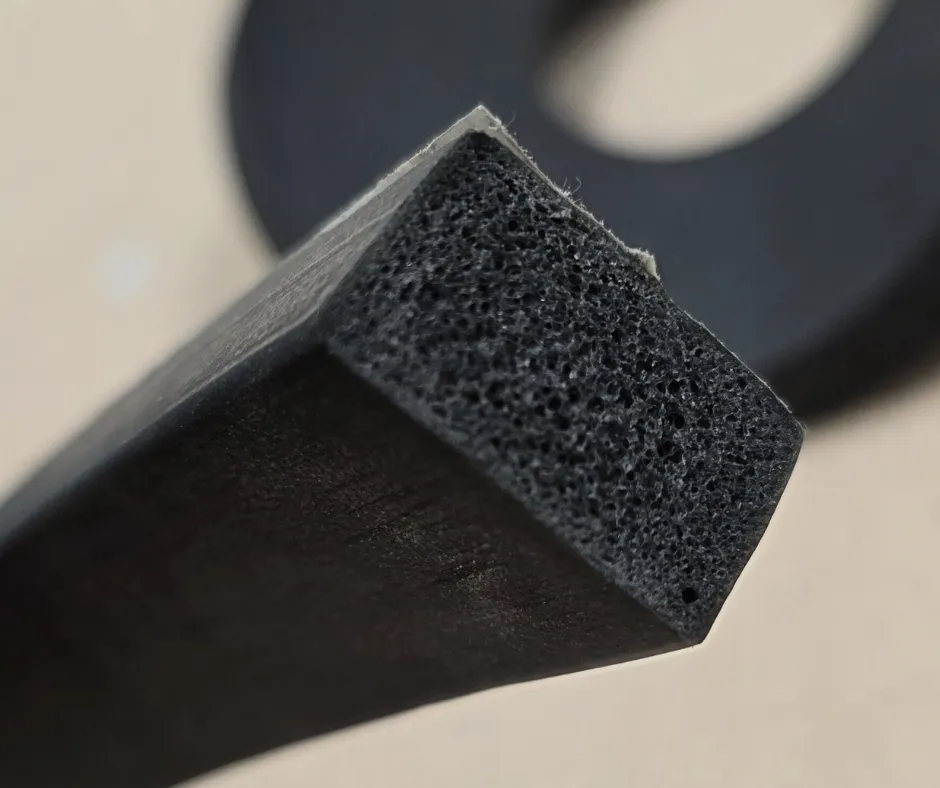
Sponge profile (cellular)

Sponge profile (cellular)

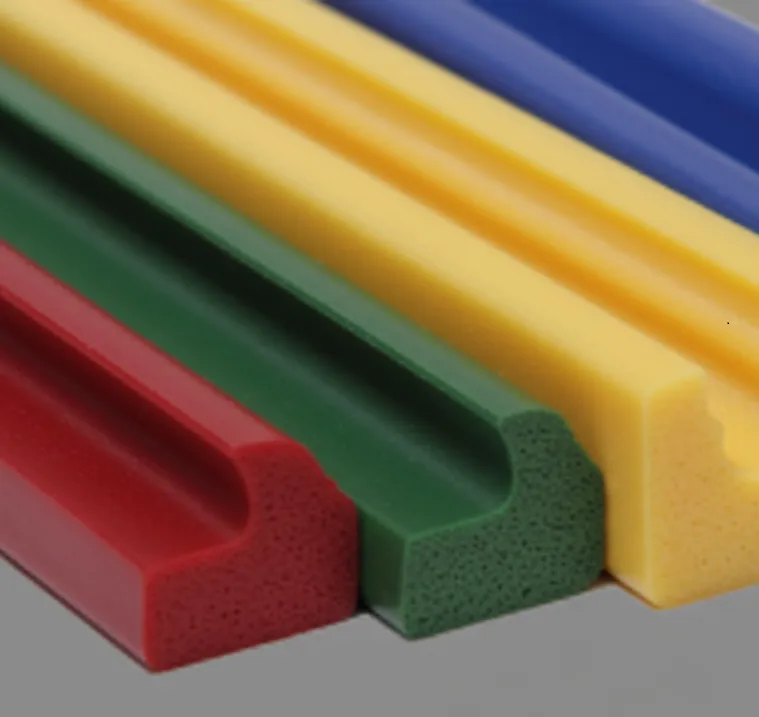
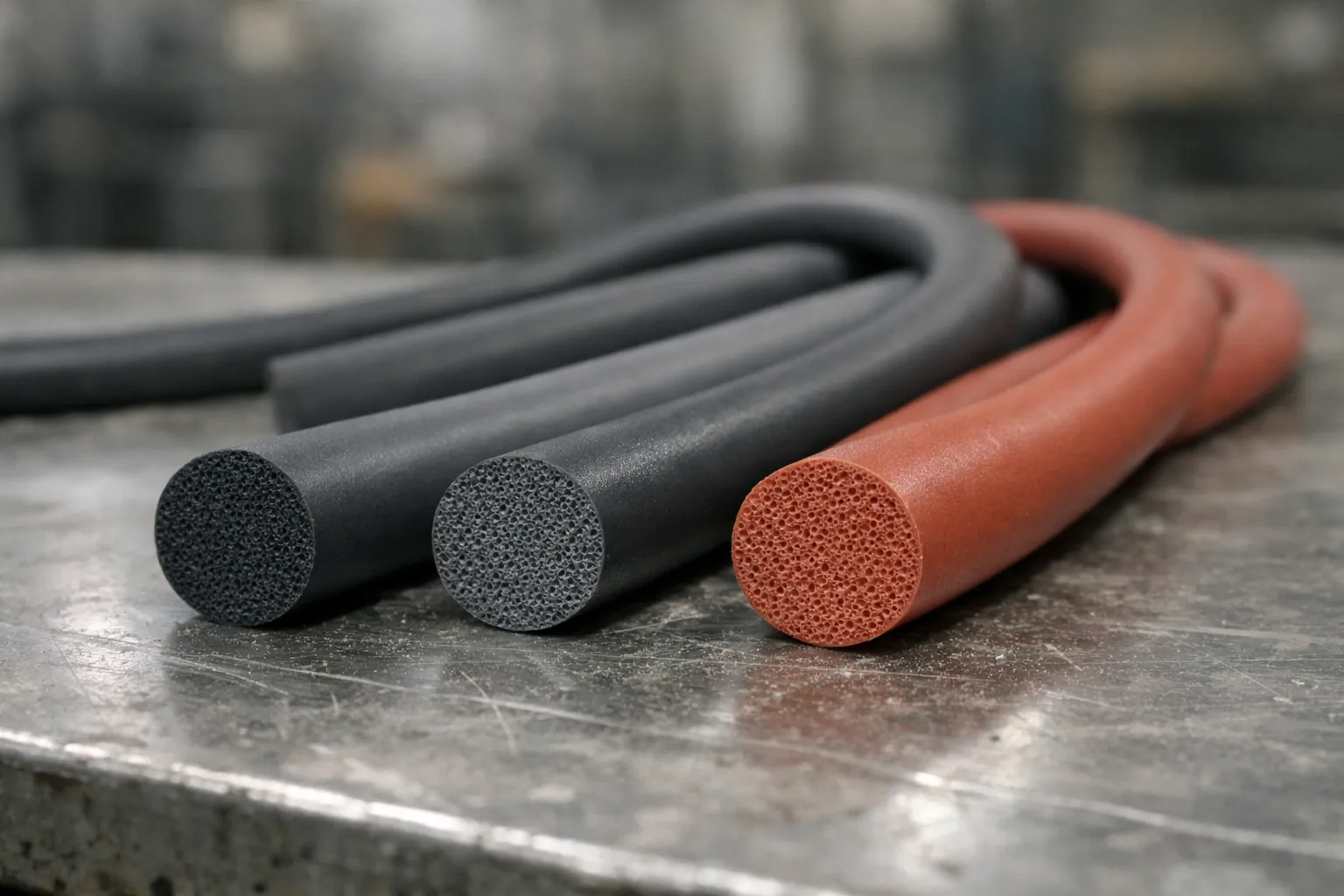
Expanded silicone with closed-cell structure. Delivers superior compressibility at low closure forces, ideal for seals where the substrate cannot withstand high pressure. Density range 0.5–0.8 g/cm³.

Applications: Door seals, compression gaskets for lightweight panels, acoustic insulation.

View sponge profiles
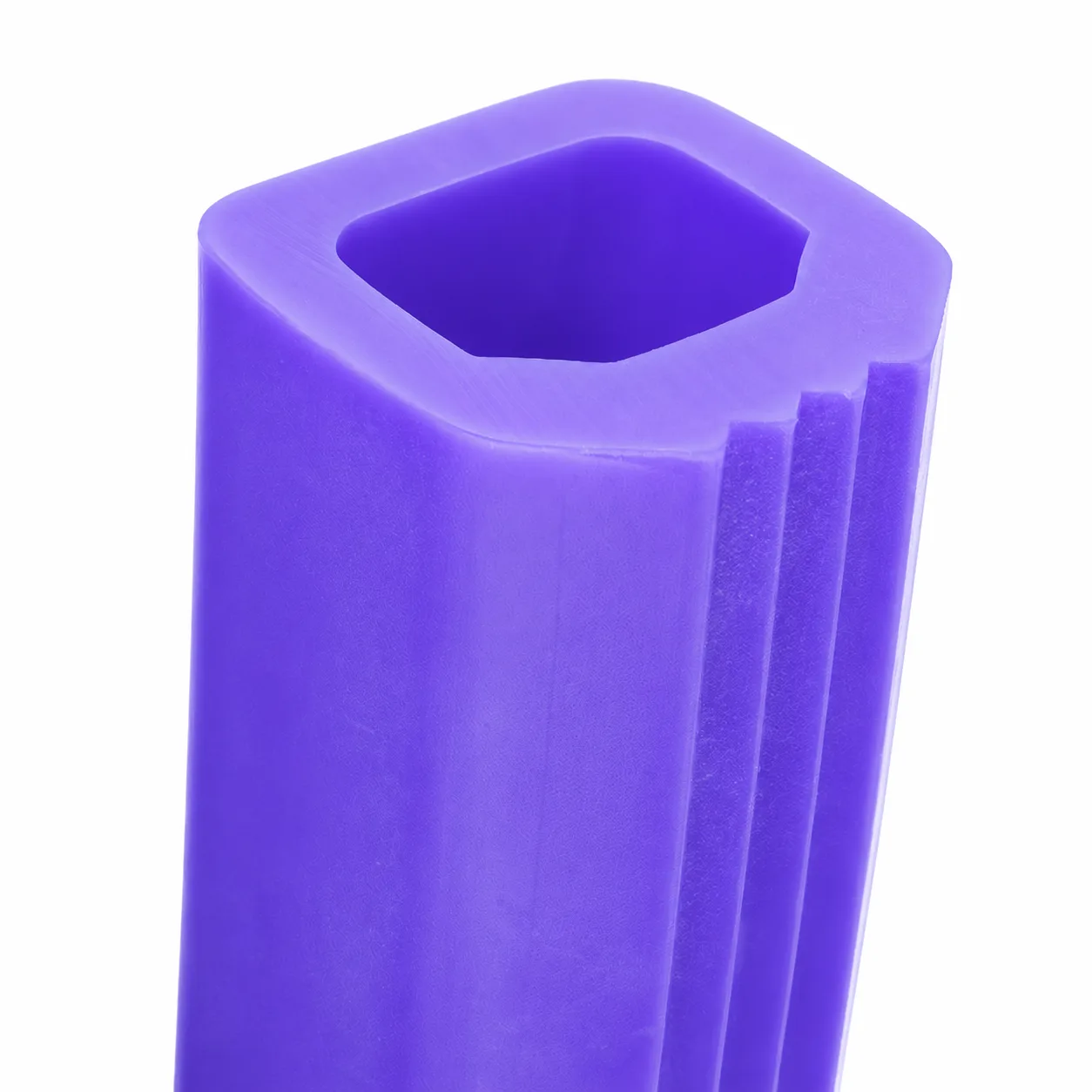
Co-extruded profile (multi-layer / multi-durometer)

Co-extruded profile (multi-layer / multi-durometer)

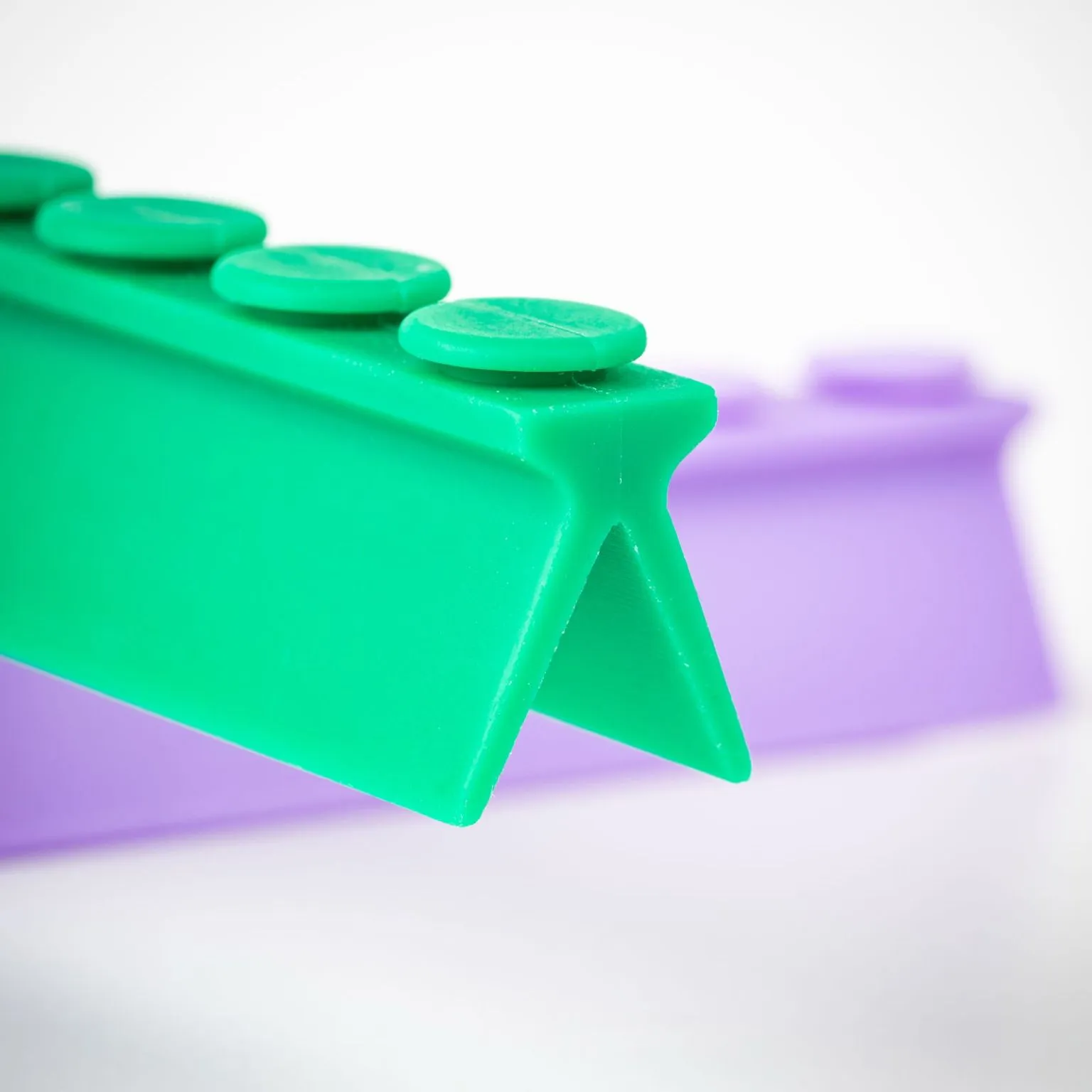
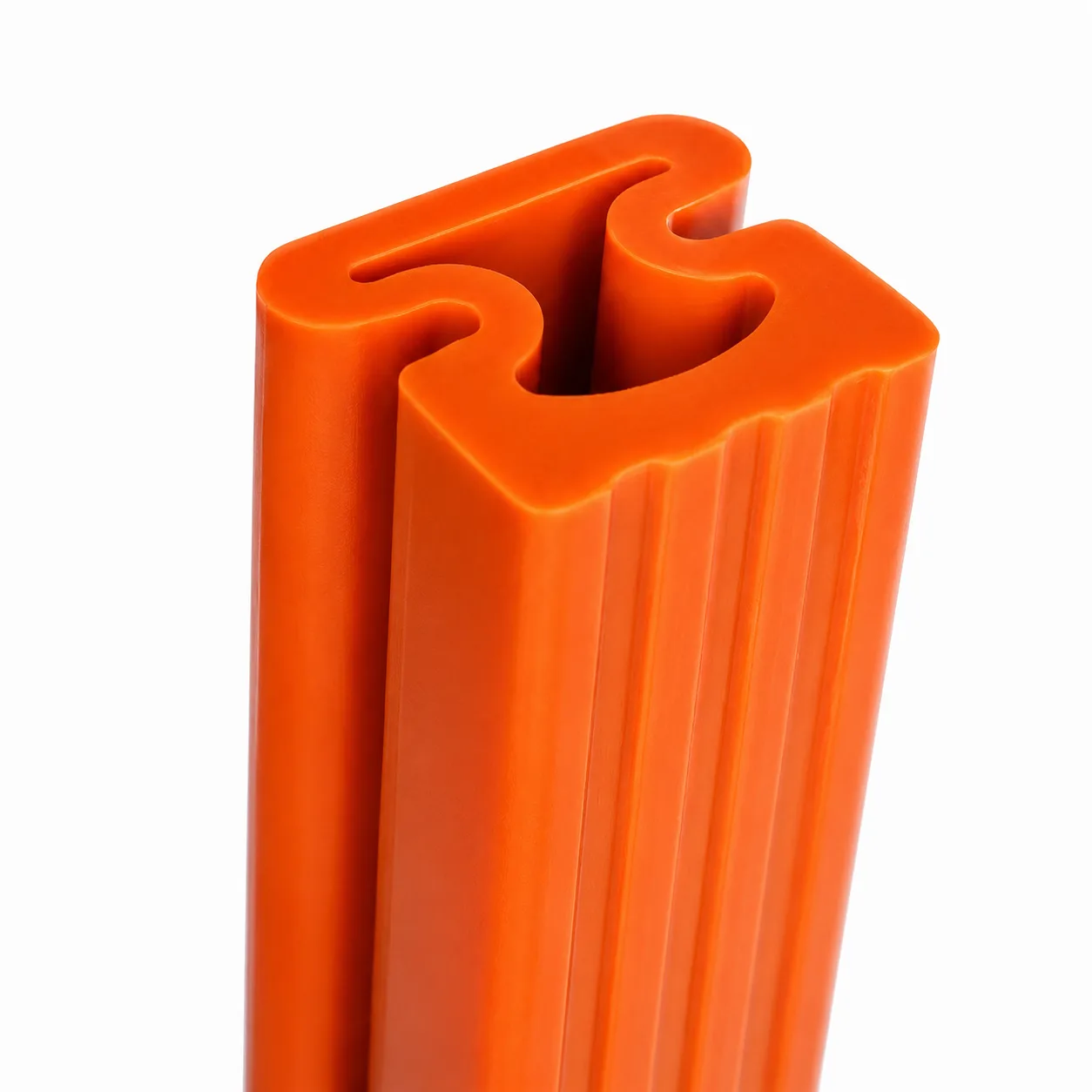
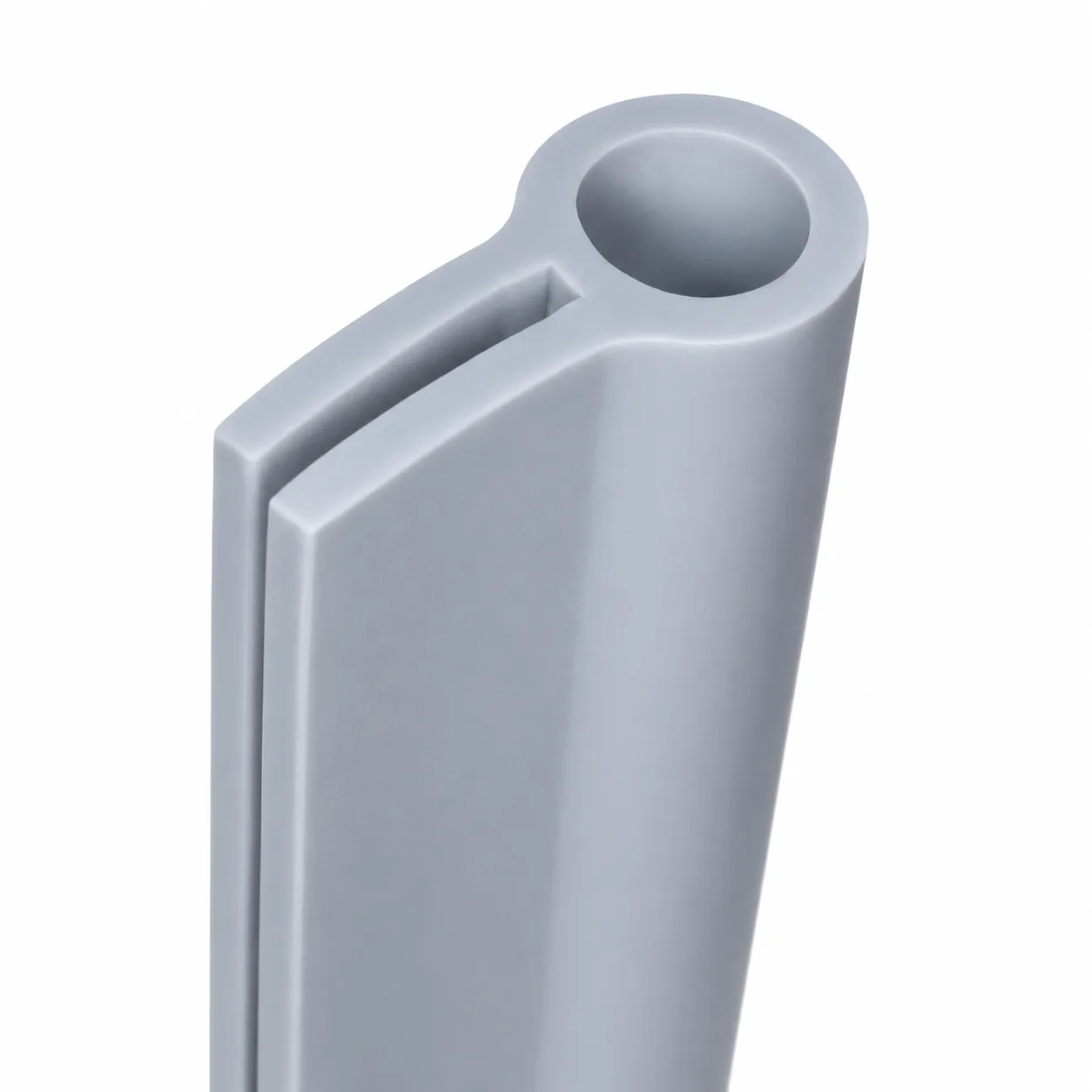
Two or more materials extruded simultaneously in a single part. Enables combination of a rigid base for anchoring with a flexible lip for sealing, or integration of materials with different properties in specific zones of the profile.

  • 70 Shore A base + 40 Shore A lip
  • Solid core + cellular exterior
  • Standard silicone + conductive silicone at contact zone

Applications: Glazing gaskets, seals with combined mounting and sealing requirements, two-colour profiles for identification.

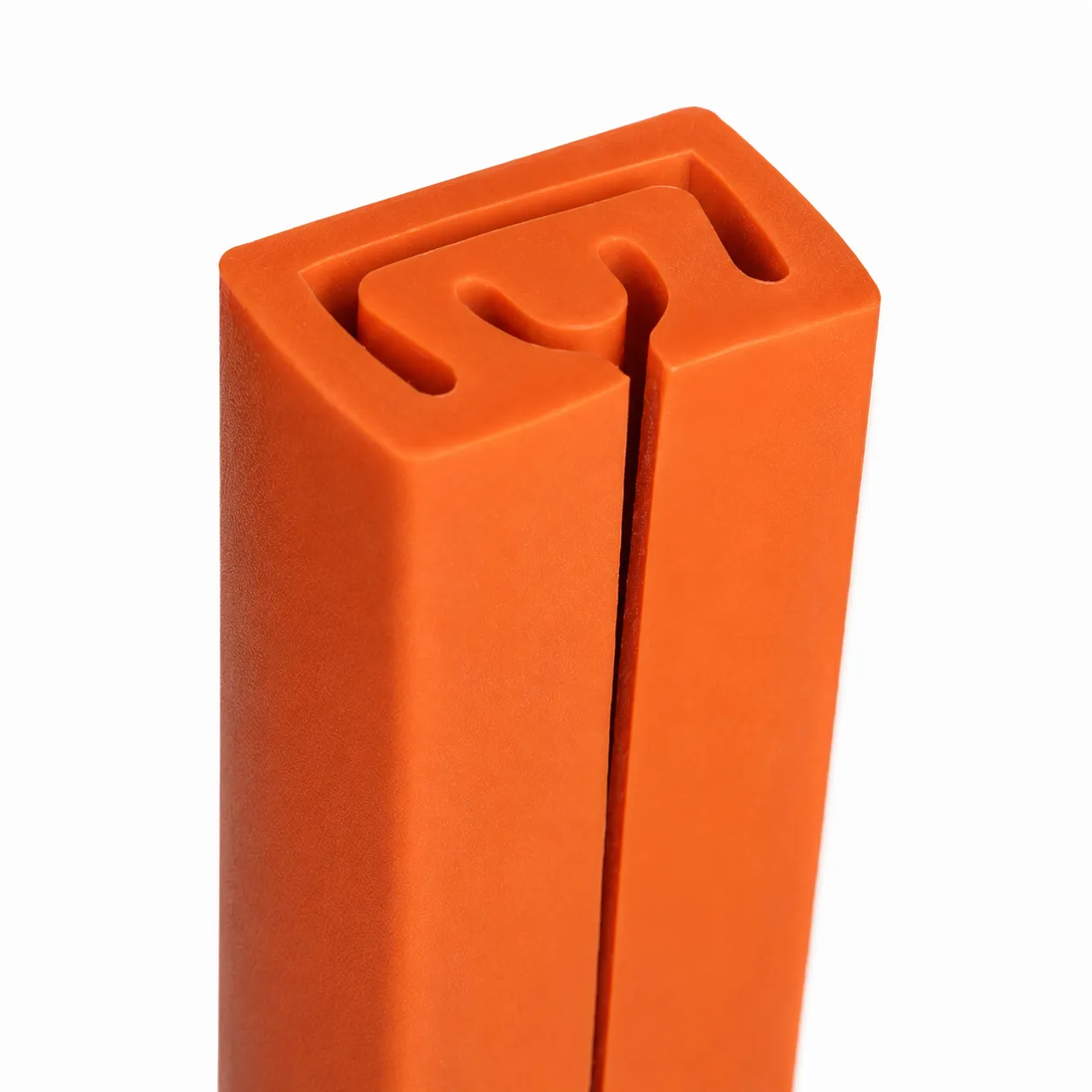
Profile with insert

Profile with insert

Profile extruded over a metal, textile or other core to increase tensile strength, rigidity, or facilitate installation. The insert is embedded during extrusion.

Applications: Profiles under tensile load, push-fit gaskets, seals in high-vibration environments.

Sections

Extruded profile sections and geometries

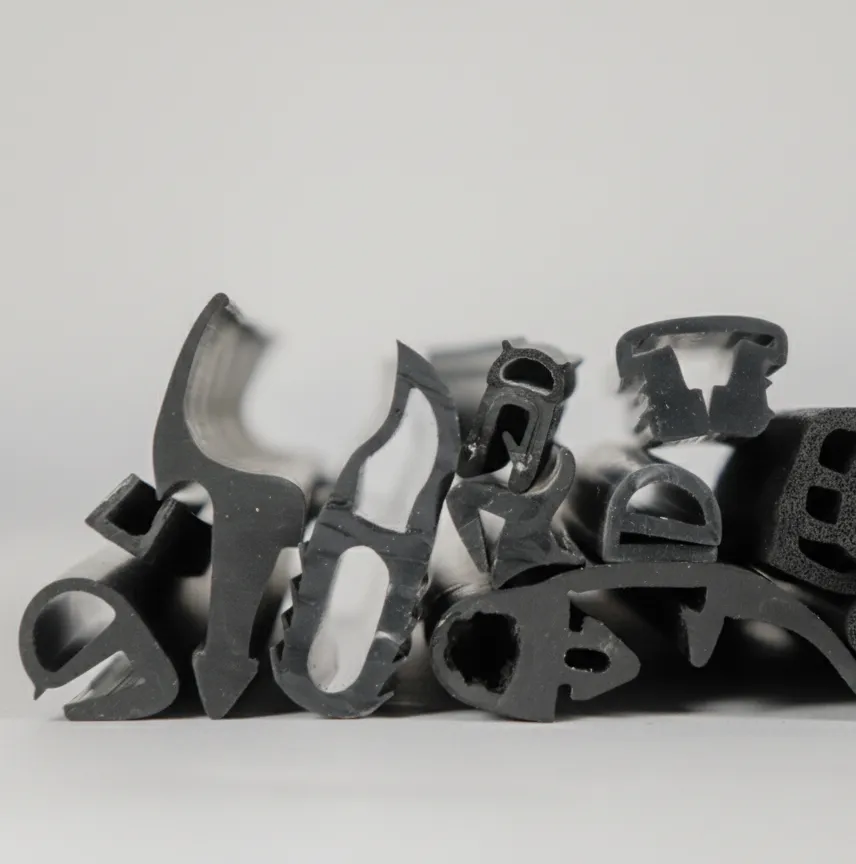
Profile geometry determines sealing behaviour, mounting method and required closure force. Each cross-section exhibits different mechanical response under compression. Selecting the correct shape is as critical as choosing the material.

D-Section Profile

Hollow semi-circular section

The hollow chamber deforms to absorb impact with minimal closure force. The flat base bonds or mechanically fixes to the substrate. This is the most widely used geometry where sealing with shock absorption is required.

When to use: Doors closing against frames, hinged covers, hatches with pressure closure.
Base width
From 5 mm
Height
From 4 mm
Wall thickness
Minimum 1 mm (solid), 1.5 mm (sponge)
Closure force
Low to medium

Variants: Solid, sponge, co-extruded (rigid base + flexible bulb).

P-Section Profile (Bulb Seal)

Bulb with anchor foot or lip

The bulb provides the contact surface and compressibility. The anchor foot inserts into a groove or channel in the frame. This is the reference gasket for glazing and bodywork applications.

When to use: Structural glazing, panel sealing with mounting groove, rail and road vehicle doors.
Bulb diameter
From 6 mm
Foot width
To suit destination groove
Recommended compression
15–25 % of bulb diameter
Closure force
Medium

Variants: Solid, sponge, with integrated metal clip, co-extruded.

U-Section / C-Section Profile

Open channel for edge protection

Press-fits over the edge of a sheet, panel or frame. Protects the edge and may incorporate a side sealing lip. Retention depends on the internal channel geometry and material hardness.

When to use: Sharp edge protection, sliding guides, panel trim profiles, door edges.
Channel opening
To suit substrate thickness (typical 1–5 mm)
Side lip
Optional, for additional sealing
Recommended hardness
50–70 Shore A for good retention

Variants: With single lip, with double lip, with internal metal reinforcement.

T-Section Profile

T-section for groove mounting

The stem inserts into a groove while the upper wings seal against the surface. Highly stable against lateral displacement.

When to use: Expansion joints, sealing between adjacent panels, spacers.
Wing width
To suit required contact surface
Stem depth
To suit groove depth

Variants: Symmetrical, asymmetrical, with sealing lips on wings.

E-Section Profile (double lip)

E-section with dual contact

Combines groove retention with dual sealing points. The two lips provide redundancy or allow sealing against surfaces at different heights.

When to use: Glass retention, sealing grooves with variable tolerance, dual safety seals.
Lip separation
To suit gap tolerance
Lip thickness
Minimum 0.8 mm

Variants: With rigid lip + flexible lip (co-extruded).

Single Lip Profile

Flexible blade with anchor base

The lip acts by light contact against the opposing surface. Dynamic sealing with very low friction. Ideal where there is relative movement between parts.

When to use: Wiper applications, sliding door seals, dynamic sealing against shafts or moving surfaces.
Lip length
To suit distance to contact
Lip thickness
0.5–2 mm
Attack angle
Defined by application

Variants: Single, double, with reinforced base.

Hollow Tubular Profile

Closed section with internal cavity

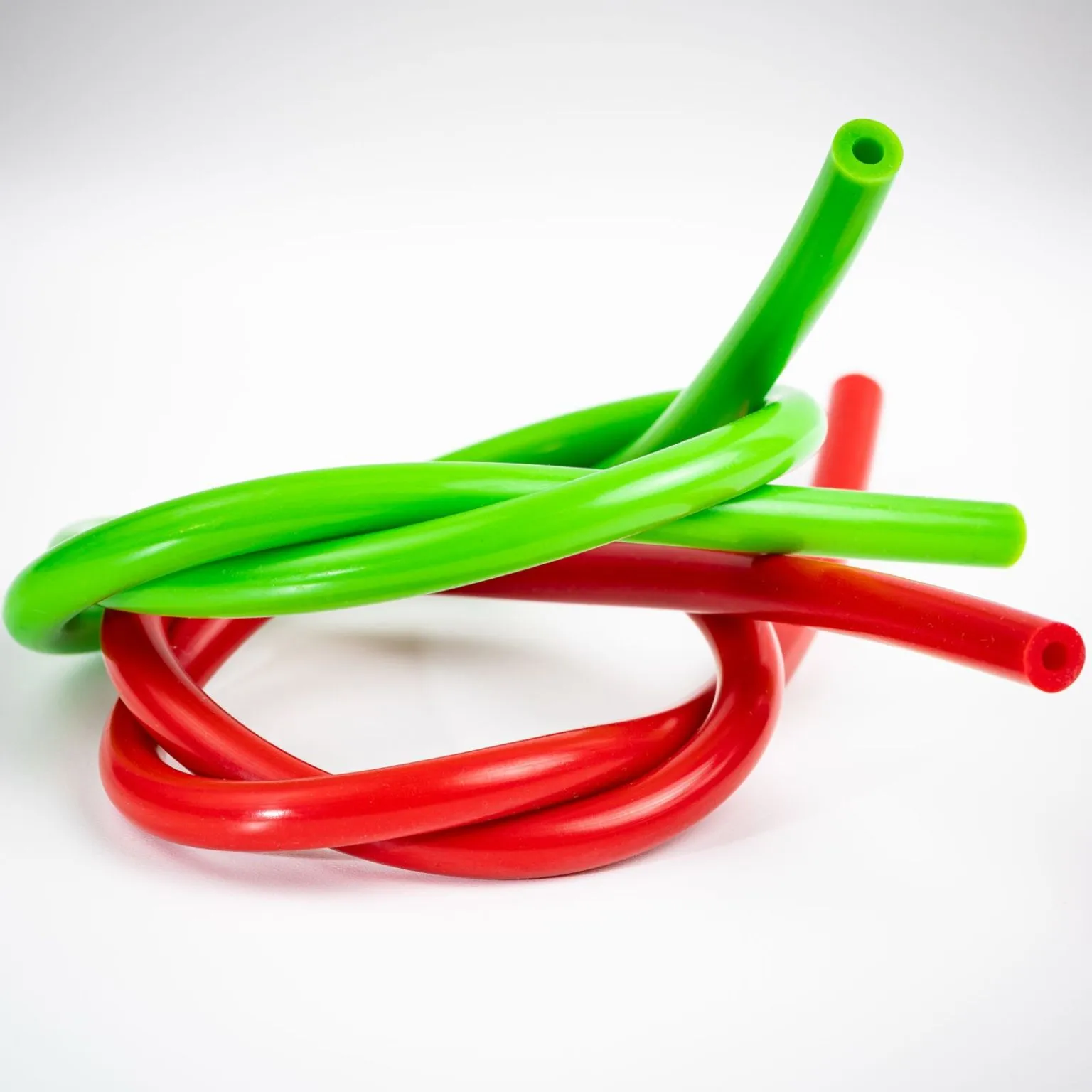
The internal cavity allows compression at very low closure force with excellent elastic recovery. Not to be confused with conveying tubing: here the function is sealing, not fluid transport.

When to use: Seals where the substrate is fragile or cannot withstand pressure, large-perimeter seals, lightweight doors.
Outside diameter
From 4 mm
Wall thickness
Minimum 1 mm
Closure force
Very low

Variants: Circular, oval, with side fixing fin.

Solid Cord Profile

Solid circular section

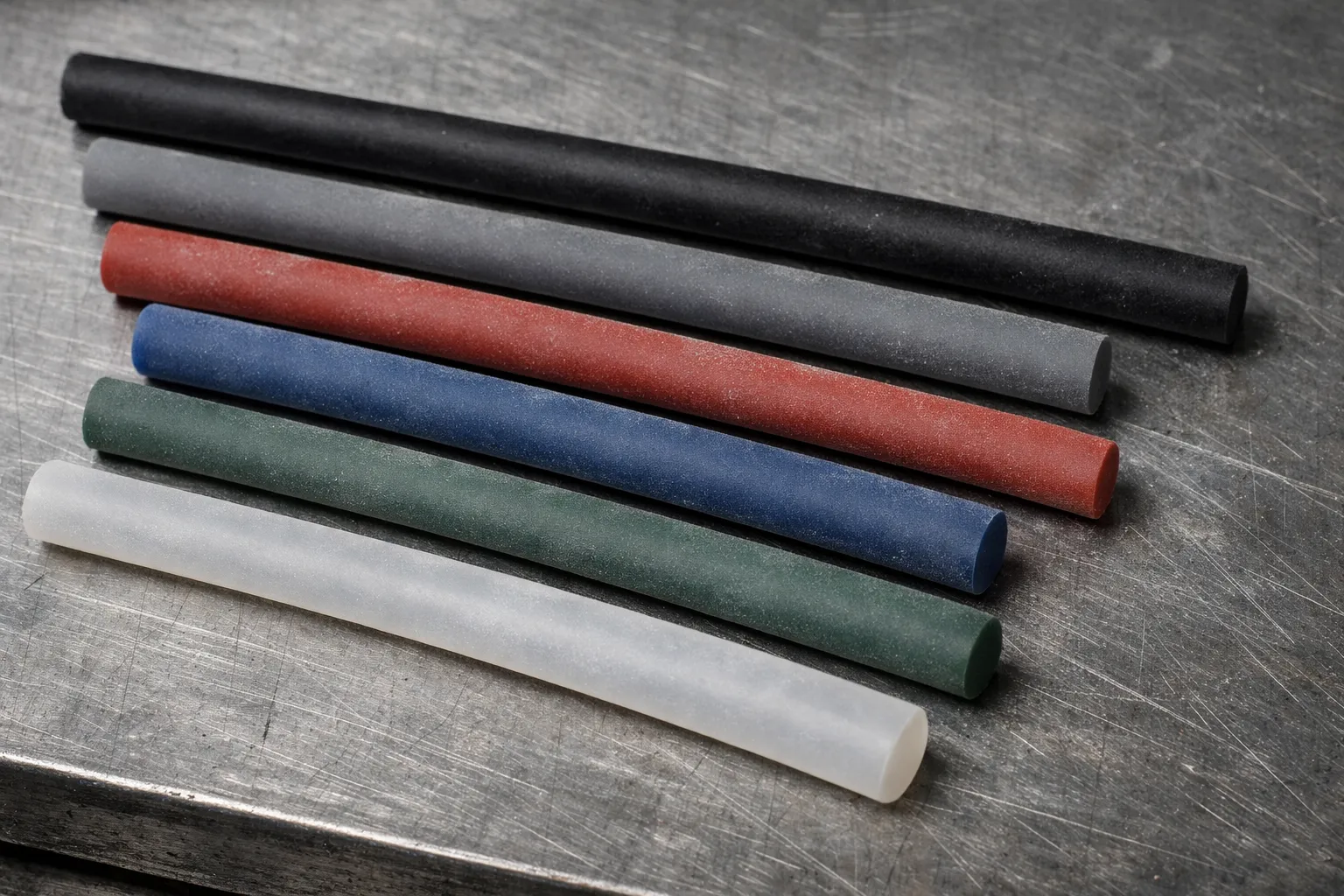
Solid section without cavity. Used as base stock for vulcanised O-ring fabrication, buffers, dampers and groove seals.

When to use: Non-standard O-rings, end stops, sealing in rectangular grooves.
Diameter
1 to 50 mm
Groove compression
15–30 % of diameter

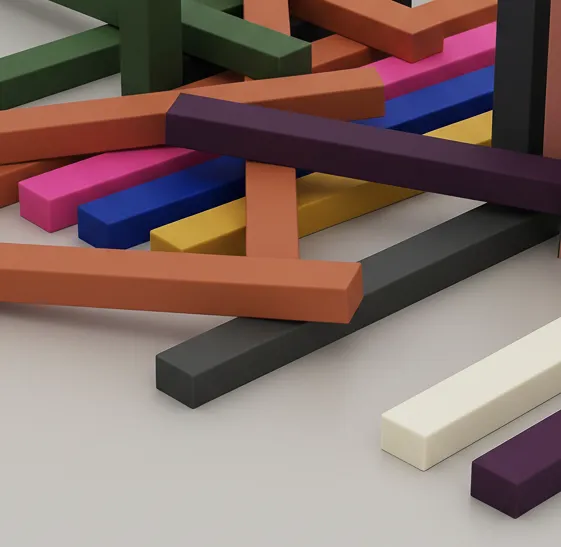
Variants: Circular, square, rectangular section.

View standard cords

Any geometry can be manufactured in solid, sponge or co-extruded form depending on application requirements. Special geometries (omega, trapezoidal, asymmetric, multi-lobe) are developed to drawing.

Materials

Which material does your profile need?

General-purpose silicone

Series 2 Series 12

The default choice when there are no special chemical, thermal or regulatory requirements. Good mechanical properties, wide hardness range and competitive cost.

Ideal for

Prototypes, general machinery, industrial seals without specific regulatory requirements.

Property VMQ Peroxide (Series 2) VMQ Platinum (Series 12)
Certifications FDA, CE 1935/2004, BfR, USP Class VI FDA, CE 1935/2004, BfR, USP Class VI, ISO 10993
Hardness range 10–90 Shore A 20–90 Shore A
Tensile strength (MPa min) 3.5–9.5 6–9
Elongation (% min) 125–950 100–1000
Tear strength (kN/m min) 10–23 17–30
Density (g/cm³) 1.07–1.23 1.11–1.20
Temperature range –60 to +200 °C –60 to +200 °C
Extended range Up to +300 °C with additive Up to +300 °C / +315 °C with additive

Series 12 (platinum-cured) offers higher purity and is preferred for food and medical applications. Series 2 (peroxide-cured) is more economical for general industrial use.

High tear strength silicone

Series 1 Series 10 Series 7

When the profile is subject to frequent assembly/disassembly, repeated mechanical stresses or tension during installation, tear resistance is the critical factor. These compounds double or triple the tear value of standard silicones.

Ideal for

Glazing profiles, inflatable seals, profiles with fine geometries (lips, fins), vibration environments.

Property HT Peroxide (Series 1) HT Platinum (Series 10) HT + Abrasion (Series 7)
Certifications FDA, CE 1935/2004, BfR FDA, CE 1935/2004, BfR, USP VI, ISO 10993 FDA
Hardness range 40–70 Shore A 40–80 Shore A 60 Shore A
Tensile strength (MPa min) 6–8 7–9 6.9–8
Elongation (% min) 500–600 320–760 400
Tear strength (kN/m min) 26–40 33–55 30–35
Density (g/cm³) 1.12–1.19 1.12–1.24 1.19
Temperature range –60 to +200 °C –60 to +200 °C –60 to +230 °C

Series 10 (platinum-cured) achieves up to 55 kN/m tear strength — exceptional for silicone. Series 7 adds abrasion resistance for friction environments.

Flame-retardant rail silicone (EN 45545-2)

Series 16 Series 33

Rolling stock requires profiles that comply with EN 45545-2 for fire, smoke and toxicity performance. Requirement sets R22 and R23 are the most common for gaskets and seals in vehicle interiors.

Ideal for

Rolling stock manufacturers, rail interior integrators, fleet maintenance.

Solid for extrusion (Series 16 — PEQ)

Hazard levels achieved HL1, HL2, HL3 (R22 and R23)
Limiting oxygen index (LOI) 32.7 %
Smoke optical density (Ds max) 84.7
Toxicity index (CIT) 0.06
Hardness range 30–85 Shore A
Validated colours Black RAL 9017, Blue-black RAL 5004
Tested thickness 3 mm
Solid for moulding (Series 16 — PMQ)

Hazard levels achieved HL1, HL2, HL3 (R22 and R23)
Limiting oxygen index (LOI) 35.1 %
Smoke optical density (Ds max) 45
Toxicity index (CIT) 0.06
Hardness range 30–85 Shore A
Validated colours Black RAL 9017, Grey, Cream
Tested thickness 3 mm

Flame-retardant sponge (Series 33)

Hazard levels achieved HL1, HL2 (R22 and R23)
Limiting oxygen index (LOI) 29 %
Smoke optical density (Ds max) 62.1
Toxicity index (CIT) 0.05
Validated colours Black, Grey, Cream
Tested thicknesses 3 mm and 10 mm

Typical geometries

  • Bulb seal for access doors
  • Window gasket with contact lip
  • Gangway profile between coaches
  • Perimeter seal for interior panels

Results correspond to the thicknesses indicated. For different thicknesses, consult certification feasibility. Tests performed by external laboratory to NF EN 45545-2:2020.

Food-grade silicone

Series 2 Series 12 Series 10 Series 15

Profiles in contact with food require formulations certified for the target market: FDA 21 CFR 177.2600 for USA, Regulation CE 1935/2004 for Europe, or BfR for Germany.

Ideal for

Food machinery manufacturers, packaging equipment, food processing, dairy and beverage industry.

Property General purpose (Series 2/12) High tear (Series 10) Sponge (Series 15)
Certifications FDA, CE 1935/2004, BfR FDA, CE 1935/2004, BfR, USP VI FDA, CE 1935/2004, BfR
Hardness range 10–90 Shore A 40–80 Shore A
Tensile strength (MPa min) 3.5–9.5 7–9 3
Elongation (% min) 125–950 320–760 600
Tear strength (kN/m min) 10–23 33–55 15
Density (g/cm³) 1.07–1.23 1.12–1.24 0.5–0.8
Temperature range –60/+200 °C –60/+200 °C –60/+200 °C

Use of certain pigments may invalidate food-contact certification. Consult compatibility before specifying colour.

Medical and pharmaceutical silicone

Series 12 Series 17 Series 30

Demonstrated biocompatibility per USP Class VI or ISO 10993, manufactured in ISO 8 cleanroom validated to ISO 14644. From external devices to compounds validated for short-term implantation.

Ideal for

Medical device manufacturers, laboratories, pharmaceuticals, diagnostic equipment.

Medical devices (Series 12)

Certifications USP Class VI, ISO 10993, FDA, CE 1935/2004
Manufacturing ISO 8 cleanroom
Hardness range 20–90 Shore A
Tensile strength (MPa min) 6–9
Elongation (% min) 100–1000
Tear strength (kN/m min) 17–30
Temperature range –60 to +200 °C

Short-term implantable <29 days (Series 17 — NUSIL grade)

Certifications USP Class VI, ISO 10993
Manufacturing ISO 8 cleanroom
Hardness range 25–80 Shore A
Tensile strength (MPa min) Up to 10.8
Elongation (% min) Up to 1200 (exceptional)
Tear strength (kN/m min) Up to 46.7 (exceptional)
Temperature range –60 to +200 °C
Options Radiopaque additive available

Peristaltic pumps (Series 30)

Certifications FDA, USP Class VI, ISO 10993
Manufacturing ISO 8 cleanroom
Hardness range 50–65 Shore A
Tensile strength (MPa min) 8–8.8
Elongation (% min) 400–500
Tear strength (kN/m min) 17–39
Temperature range –60 to +180 °C

Suction tubing manufactured with EQ1260T formulation is validated for integration into CE-marked medical devices.

High-temperature silicone

Series 9 Series 20 Series 7

When operating temperature exceeds the +200 °C limit of standard silicones. Formulations with thermal stability up to +300 °C continuous and +315 °C peak.

Ideal for

Industrial ovens, sterilisation equipment, vulcanisation machinery, high-temperature autoclaves.

Property Maximum T (Series 9) HT + High T (Series 20) HT + Abrasion (Series 7)
Certifications FDA FDA FDA
Continuous temperature –60 to +300 °C –60 to +270 °C –60 to +230 °C
Peak temperature +315 °C
Hardness range 40–70 Shore A 45–70 Shore A 60 Shore A
Tensile strength (MPa min) 6–8 7–8 6.9–8
Elongation (% min) 300–400 400–550 400
Tear strength (kN/m min) 12–17 30–36 30–35
Density (g/cm³) 1.11–1.20 1.12–1.20 1.19

Series 20 combines high temperature with high tear strength — ideal when the profile operates hot and experiences simultaneous mechanical stress.

Cryogenic silicone (PVMQ)

Series 5

Standard silicones maintain flexibility down to –60 °C. Below this, phenyl silicone (PVMQ) is required, which retains elasticity to –110 °C thanks to phenyl groups that prevent crystallisation.

Ideal for

Biological cryopreservation, liquid nitrogen containers, climatic chambers, aerospace industry, low-temperature research.

Property PVMQ (Series 5)
Temperature range –110 to +200 °C (+215 °C with additive)
Hardness 50 Shore A
Tensile strength (MPa min) 8
Elongation (% min) 550
Tear strength (kN/m min) 28
Density (g/cm³) 1.21

Excellent performance under vibration at low temperature. Good tear resistance.

Fluorosilicone fuel-resistant (FVMQ)

Series 13

When the profile will be in contact with hydrocarbons, mineral oils or organic solvents, standard silicone (VMQ) swells and degrades. Fluorosilicone (FVMQ) offers far superior chemical resistance due to trifluoropropyl groups.

Ideal for

Aerospace (fuel tanks), hydraulic systems, lubrication circuits, engines and transmissions.

Property FVMQ (Series 13)
Temperature range –60 to +170 °C (up to +220 °C with additive)
Hardness range 40–70 Shore A
Tensile strength (MPa min) 6–7
Elongation (% min) 160–400
Tear strength (kN/m min) 10–21
Density (g/cm³) 1.40–1.46

Chemical resistance

  • Aviation fuels (Jet A, JP-8)
  • Mineral and hydraulic oils
  • Aromatic solvents (toluene, xylene)
  • Brake fluids
  • Engine oils

FVMQ density (1.40–1.46 g/cm³) is significantly higher than standard VMQ (1.10–1.20 g/cm³). Consider in weight calculations for aerospace applications.

Electrically conductive silicone

Series 11

Carbon-filled formulation for electrostatic discharge (ESD) dissipation or electromagnetic interference (EMI) shielding. Controlled volume resistivity.

Ideal for

Electronics, ESD-sensitive equipment, ATEX environments, cabling and connector assemblies.

Property Conductive (Series 11)
Volume resistivity 4–12 Ω·cm
Temperature range –50 to +210 °C
Hardness range 50–70 Shore A
Tensile strength (MPa min) 5
Elongation (% min) 100–250
Tear strength (kN/m min) 5–10
Density (g/cm³) 1.11–1.16
Colour Black only

Available in black only due to conductive filler. Mechanical properties are lower than standard silicones. Extrusion possible subject to feasibility study.

Steam and autoclave resistant silicone

Series 14 Series 22

Repeated cycles of pressurised saturated steam degrade standard silicones: loss of elasticity, hardening, cracking. Optimised formulations maintain properties after hundreds of cycles.

Ideal for

Hospital and industrial autoclaves, sterilisation, dairy and brewing industry, CIP cleaning.

Property Steam + oils (Series 14) Steam + aromatics (Series 22)
Certifications FDA, BfR FDA
Temperature range –60 to +200 °C –60 to +200 °C
Hardness range 60–70 Shore A 40–80 Shore A
Tensile strength (MPa min) 8 6.4–7.9
Elongation (% min) 300–360 130–390
Tear strength (kN/m min) 15–18 9.5–14
Density (g/cm³) 1.16–1.20 1.11–1.36

Series 14 offers good compression set retention after autoclave cycles and resistance to cooling fluids. Series 22 is formulated for contact with aromatic oils at low concentrations.

Low compression set silicone

Series 4

In applications where the gasket is permanently compressed (flanges, bolted covers), compression set determines seal service life. This formulation minimises permanent deformation.

Ideal for

O-rings for permanent flanges, bolted cover seals, damping systems, any gasket compressed for years.

Property Low CS (Series 4)
Certifications FDA
Compression set (70h / 150 °C) 11–18 % (very low)
Temperature range –60 to +200 °C
Hardness range 40–80 Shore A (moulding) / 40–75 Shore A (extrusion)
Tensile strength (MPa min) 6–7.5
Elongation (% min) 100–350
Tear strength (kN/m min) 10–15
Density (g/cm³) 1.11–1.40

Also exhibits good oil resistance. Base colour beige translucent to opaque — pigmentation recommended.

General-purpose sponge silicone

Series 15

Closed-cell expanded silicone for seals requiring very low closure force. Ideal when the substrate is delicate or available closure force is limited.

Ideal for

Lightweight doors, sandwich panels, perimeter seals on pressure-sensitive materials, acoustic insulation.

Property Sponge (Series 15)
Certifications FDA, CE 1935/2004, BfR
Density 0.5–0.8 g/cm³ (depending on thickness)
Temperature range –60 to +200 °C
Tensile strength (MPa min) 3
Elongation (% min) 600
Tear strength (kN/m min) 15
Tolerances ISO 3302-1 E3

For EN 45545-2 certified sponge silicone, see Series 33.

Low mechanical stress silicone

Series 19

Economical formulation for applications where mechanical properties are non-critical. Suitable for static seals without assembly stress, prototypes, and decorative or positioning elements.

Ideal for

Prototypes, short runs with moderate mechanical requirements, spacers, positioning elements.

Property Series 19
Hardness range 45–85 Shore A
Tensile strength (MPa min) 6–8
Elongation (% min) 200–400
Tear strength (kN/m min) 12–16
Density (g/cm³) 1.37–1.44
Temperature range –60 to +200 °C
Base colour Cream

Higher density than other VMQ silicones due to filler formulation. Not recommended for profiles subject to repeated mechanical stress.

The default choice when there are no special chemical, thermal or regulatory requirements. Good mechanical properties, wide hardness range and competitive cost.

Ideal for

Prototypes, general machinery, industrial seals without specific regulatory requirements.

Property VMQ Peroxide (Series 2) VMQ Platinum (Series 12)
Certifications FDA, CE 1935/2004, BfR, USP Class VI FDA, CE 1935/2004, BfR, USP Class VI, ISO 10993
Hardness range 10–90 Shore A 20–90 Shore A
Tensile strength (MPa min) 3.5–9.5 6–9
Elongation (% min) 125–950 100–1000
Tear strength (kN/m min) 10–23 17–30
Density (g/cm³) 1.07–1.23 1.11–1.20
Temperature range –60 to +200 °C –60 to +200 °C
Extended range Up to +300 °C with additive Up to +300 °C / +315 °C with additive

Series 12 (platinum-cured) offers higher purity and is preferred for food and medical applications. Series 2 (peroxide-cured) is more economical for general industrial use.

When the profile is subject to frequent assembly/disassembly, repeated mechanical stresses or tension during installation, tear resistance is the critical factor. These compounds double or triple the tear value of standard silicones.

Ideal for

Glazing profiles, inflatable seals, profiles with fine geometries (lips, fins), vibration environments.

Property HT Peroxide (Series 1) HT Platinum (Series 10) HT + Abrasion (Series 7)
Certifications FDA, CE 1935/2004, BfR FDA, CE 1935/2004, BfR, USP VI, ISO 10993 FDA
Hardness range 40–70 Shore A 40–80 Shore A 60 Shore A
Tensile strength (MPa min) 6–8 7–9 6.9–8
Elongation (% min) 500–600 320–760 400
Tear strength (kN/m min) 26–40 33–55 30–35
Density (g/cm³) 1.12–1.19 1.12–1.24 1.19
Temperature range –60 to +200 °C –60 to +200 °C –60 to +230 °C

Series 10 (platinum-cured) achieves up to 55 kN/m tear strength — exceptional for silicone. Series 7 adds abrasion resistance for friction environments.

Rolling stock requires profiles that comply with EN 45545-2 for fire, smoke and toxicity performance. Requirement sets R22 and R23 are the most common for gaskets and seals in vehicle interiors.

Ideal for

Rolling stock manufacturers, rail interior integrators, fleet maintenance.

Solid for extrusion (Series 16 — PEQ)

Hazard levels achieved HL1, HL2, HL3 (R22 and R23)
Limiting oxygen index (LOI) 32.7 %
Smoke optical density (Ds max) 84.7
Toxicity index (CIT) 0.06
Hardness range 30–85 Shore A
Validated colours Black RAL 9017, Blue-black RAL 5004
Tested thickness 3 mm

Solid for moulding (Series 16 — PMQ)

Hazard levels achieved HL1, HL2, HL3 (R22 and R23)
Limiting oxygen index (LOI) 35.1 %
Smoke optical density (Ds max) 45
Toxicity index (CIT) 0.06
Hardness range 30–85 Shore A
Validated colours Black RAL 9017, Grey, Cream
Tested thickness 3 mm

Flame-retardant sponge (Series 33)

Hazard levels achieved HL1, HL2 (R22 and R23)
Limiting oxygen index (LOI) 29 %
Smoke optical density (Ds max) 62.1
Toxicity index (CIT) 0.05
Validated colours Black, Grey, Cream
Tested thicknesses 3 mm and 10 mm

Typical geometries

  • Bulb seal for access doors
  • Window gasket with contact lip
  • Gangway profile between coaches
  • Perimeter seal for interior panels

Results correspond to the thicknesses indicated. For different thicknesses, consult certification feasibility. Tests performed by external laboratory to NF EN 45545-2:2020.

Profiles in contact with food require formulations certified for the target market: FDA 21 CFR 177.2600 for USA, Regulation CE 1935/2004 for Europe, or BfR for Germany.

Ideal for

Food machinery manufacturers, packaging equipment, food processing, dairy and beverage industry.

Property General purpose (Series 2/12) High tear (Series 10) Sponge (Series 15)
Certifications FDA, CE 1935/2004, BfR FDA, CE 1935/2004, BfR, USP VI FDA, CE 1935/2004, BfR
Hardness range 10–90 Shore A 40–80 Shore A
Tensile strength (MPa min) 3.5–9.5 7–9 3
Elongation (% min) 125–950 320–760 600
Tear strength (kN/m min) 10–23 33–55 15
Density (g/cm³) 1.07–1.23 1.12–1.24 0.5–0.8
Temperature range –60/+200 °C –60/+200 °C –60/+200 °C

Use of certain pigments may invalidate food-contact certification. Consult compatibility before specifying colour.

Demonstrated biocompatibility per USP Class VI or ISO 10993, manufactured in ISO 8 cleanroom validated to ISO 14644. From external devices to compounds validated for short-term implantation.

Ideal for

Medical device manufacturers, laboratories, pharmaceuticals, diagnostic equipment.

Medical devices (Series 12)

Certifications USP Class VI, ISO 10993, FDA, CE 1935/2004
Manufacturing ISO 8 cleanroom
Hardness range 20–90 Shore A
Tensile strength (MPa min) 6–9
Elongation (% min) 100–1000
Tear strength (kN/m min) 17–30
Temperature range –60 to +200 °C

Short-term implantable <29 days (Series 17 — NUSIL grade)

Certifications USP Class VI, ISO 10993
Manufacturing ISO 8 cleanroom
Hardness range 25–80 Shore A
Tensile strength (MPa min) Up to 10.8
Elongation (% min) Up to 1200 (exceptional)
Tear strength (kN/m min) Up to 46.7 (exceptional)
Temperature range –60 to +200 °C
Options Radiopaque additive available

Peristaltic pumps (Series 30)

Certifications FDA, USP Class VI, ISO 10993
Manufacturing ISO 8 cleanroom
Hardness range 50–65 Shore A
Tensile strength (MPa min) 8–8.8
Elongation (% min) 400–500
Tear strength (kN/m min) 17–39
Temperature range –60 to +180 °C

Suction tubing manufactured with EQ1260T formulation is validated for integration into CE-marked medical devices.

When operating temperature exceeds the +200 °C limit of standard silicones. Formulations with thermal stability up to +300 °C continuous and +315 °C peak.

Ideal for

Industrial ovens, sterilisation equipment, vulcanisation machinery, high-temperature autoclaves.

Property Maximum T (Series 9) HT + High T (Series 20) HT + Abrasion (Series 7)
Certifications FDA FDA FDA
Continuous temperature –60 to +300 °C –60 to +270 °C –60 to +230 °C
Peak temperature +315 °C
Hardness range 40–70 Shore A 45–70 Shore A 60 Shore A
Tensile strength (MPa min) 6–8 7–8 6.9–8
Elongation (% min) 300–400 400–550 400
Tear strength (kN/m min) 12–17 30–36 30–35
Density (g/cm³) 1.11–1.20 1.12–1.20 1.19

Series 20 combines high temperature with high tear strength — ideal when the profile operates hot and experiences simultaneous mechanical stress.

Standard silicones maintain flexibility down to –60 °C. Below this, phenyl silicone (PVMQ) is required, which retains elasticity to –110 °C thanks to phenyl groups that prevent crystallisation.

Ideal for

Biological cryopreservation, liquid nitrogen containers, climatic chambers, aerospace industry, low-temperature research.

Property PVMQ (Series 5)
Temperature range –110 to +200 °C (+215 °C with additive)
Hardness 50 Shore A
Tensile strength (MPa min) 8
Elongation (% min) 550
Tear strength (kN/m min) 28
Density (g/cm³) 1.21

Excellent performance under vibration at low temperature. Good tear resistance.

When the profile will be in contact with hydrocarbons, mineral oils or organic solvents, standard silicone (VMQ) swells and degrades. Fluorosilicone (FVMQ) offers far superior chemical resistance due to trifluoropropyl groups.

Ideal for

Aerospace (fuel tanks), hydraulic systems, lubrication circuits, engines and transmissions.

Property FVMQ (Series 13)
Temperature range –60 to +170 °C (up to +220 °C with additive)
Hardness range 40–70 Shore A
Tensile strength (MPa min) 6–7
Elongation (% min) 160–400
Tear strength (kN/m min) 10–21
Density (g/cm³) 1.40–1.46

Chemical resistance

  • Aviation fuels (Jet A, JP-8)
  • Mineral and hydraulic oils
  • Aromatic solvents (toluene, xylene)
  • Brake fluids
  • Engine oils

FVMQ density (1.40–1.46 g/cm³) is significantly higher than standard VMQ (1.10–1.20 g/cm³). Consider in weight calculations for aerospace applications.

Carbon-filled formulation for electrostatic discharge (ESD) dissipation or electromagnetic interference (EMI) shielding. Controlled volume resistivity.

Ideal for

Electronics, ESD-sensitive equipment, ATEX environments, cabling and connector assemblies.

Property Conductive (Series 11)
Volume resistivity 4–12 Ω·cm
Temperature range –50 to +210 °C
Hardness range 50–70 Shore A
Tensile strength (MPa min) 5
Elongation (% min) 100–250
Tear strength (kN/m min) 5–10
Density (g/cm³) 1.11–1.16
Colour Black only

Available in black only due to conductive filler. Mechanical properties are lower than standard silicones. Extrusion possible subject to feasibility study.

Repeated cycles of pressurised saturated steam degrade standard silicones: loss of elasticity, hardening, cracking. Optimised formulations maintain properties after hundreds of cycles.

Ideal for

Hospital and industrial autoclaves, sterilisation, dairy and brewing industry, CIP cleaning.

Property Steam + oils (Series 14) Steam + aromatics (Series 22)
Certifications FDA, BfR FDA
Temperature range –60 to +200 °C –60 to +200 °C
Hardness range 60–70 Shore A 40–80 Shore A
Tensile strength (MPa min) 8 6.4–7.9
Elongation (% min) 300–360 130–390
Tear strength (kN/m min) 15–18 9.5–14
Density (g/cm³) 1.16–1.20 1.11–1.36

Series 14 offers good compression set retention after autoclave cycles and resistance to cooling fluids. Series 22 is formulated for contact with aromatic oils at low concentrations.

In applications where the gasket is permanently compressed (flanges, bolted covers), compression set determines seal service life. This formulation minimises permanent deformation.

Ideal for

O-rings for permanent flanges, bolted cover seals, damping systems, any gasket compressed for years.

Property Low CS (Series 4)
Certifications FDA
Compression set (70h / 150 °C) 11–18 % (very low)
Temperature range –60 to +200 °C
Hardness range 40–80 Shore A (moulding) / 40–75 Shore A (extrusion)
Tensile strength (MPa min) 6–7.5
Elongation (% min) 100–350
Tear strength (kN/m min) 10–15
Density (g/cm³) 1.11–1.40

Also exhibits good oil resistance. Base colour beige translucent to opaque — pigmentation recommended.

Closed-cell expanded silicone for seals requiring very low closure force. Ideal when the substrate is delicate or available closure force is limited.

Ideal for

Lightweight doors, sandwich panels, perimeter seals on pressure-sensitive materials, acoustic insulation.

Property Sponge (Series 15)
Certifications FDA, CE 1935/2004, BfR
Density 0.5–0.8 g/cm³ (depending on thickness)
Temperature range –60 to +200 °C
Tensile strength (MPa min) 3
Elongation (% min) 600
Tear strength (kN/m min) 15
Tolerances ISO 3302-1 E3

For EN 45545-2 certified sponge silicone, see Series 33.

Economical formulation for applications where mechanical properties are non-critical. Suitable for static seals without assembly stress, prototypes, and decorative or positioning elements.

Ideal for

Prototypes, short runs with moderate mechanical requirements, spacers, positioning elements.

Property Series 19
Hardness range 45–85 Shore A
Tensile strength (MPa min) 6–8
Elongation (% min) 200–400
Tear strength (kN/m min) 12–16
Density (g/cm³) 1.37–1.44
Temperature range –60 to +200 °C
Base colour Cream

Higher density than other VMQ silicones due to filler formulation. Not recommended for profiles subject to repeated mechanical stress.

How we work

From drawing to validated profile

Whether you have a detailed CAD drawing or just a hand sketch, the process is the same. The key is to properly define the operating conditions.

1

Specification receipt

2D/3D CAD drawing or physical sample. Definition of requirements: hardness, colour, operating temperature, required certifications, chemical environment. If you don't have a drawing, our technical team can help define the geometry from your application.

2

Formulation selection

Analysis of operating conditions to determine the appropriate compound. Verification of requirement compatibility (not all combinations are possible). Quotation with tooling cost breakdown and price per metre or piece.

3

Tooling design and manufacture

Extrusion die design considering material shrinkage and target tolerances. Machined in steel. Complex profiles may require adjustment iterations. Typical lead time: 2–4 weeks depending on complexity.

4

Extrusion trials and samples

Process parameter adjustment (temperature, speed, pressure). Manufacture of samples for dimensional validation. Sample dispatch for customer approval.

5

Production run

Manufacture to order with per-batch dimensional control and certificate of conformity. Supplied on reels or cut to length as required.

ISO 3302-1 tolerances
E1, E2 E3 L2
Management system
ISO 9001:2015 ISO 13485:2016 ISO 8 Cleanroom
Certifications
FDA 21 CFR 177.2600 CE 1935/2004 BfR XV USP Class VI ISO 10993 EN 45545-2
Standards
REACH RoHS

Need a custom silicone profile?

Send us your drawing or sample together with operating conditions: temperature, chemical environment, required certifications. Our technical team will advise on the most suitable formulation and provide a no-obligation quotation.

Request quotation
Contact us