














DYNAMIC SEALING

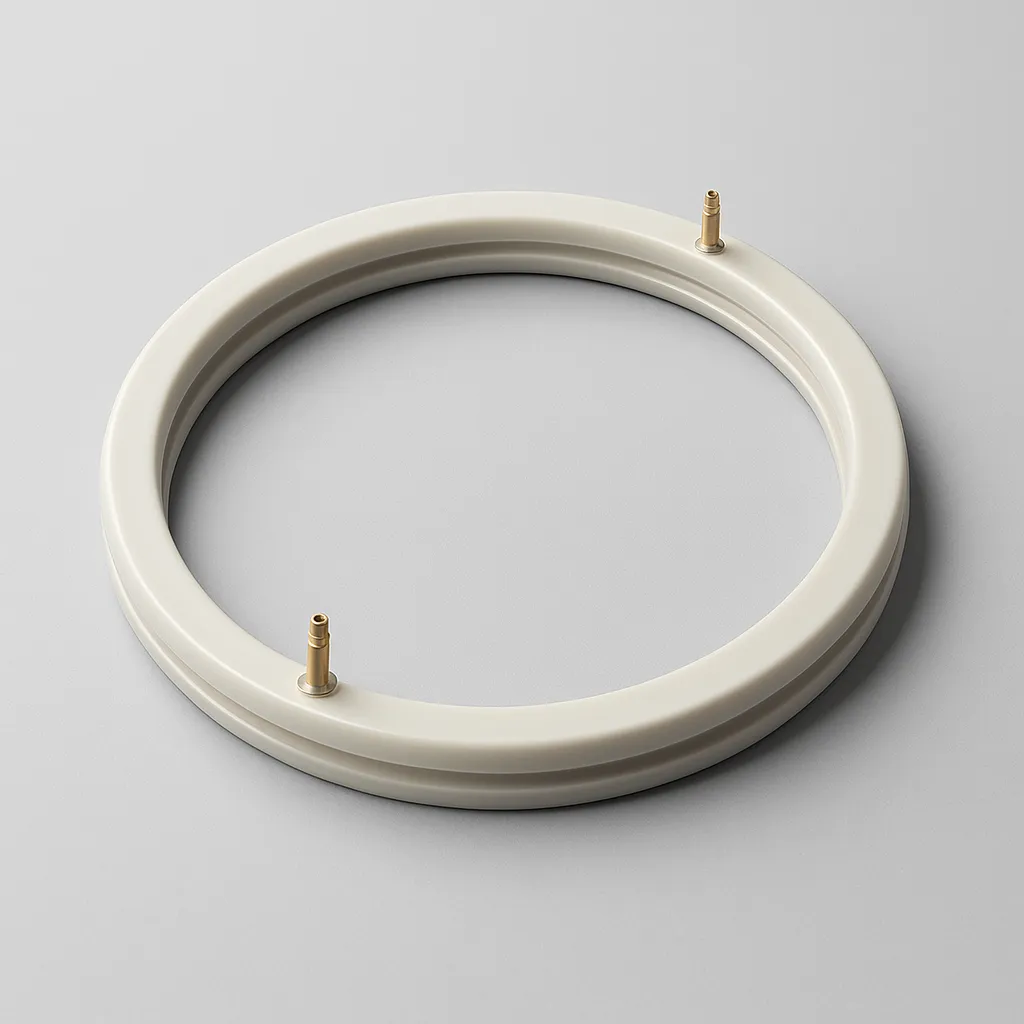
TIXAN'AIR® Silicone Inflatable Seal

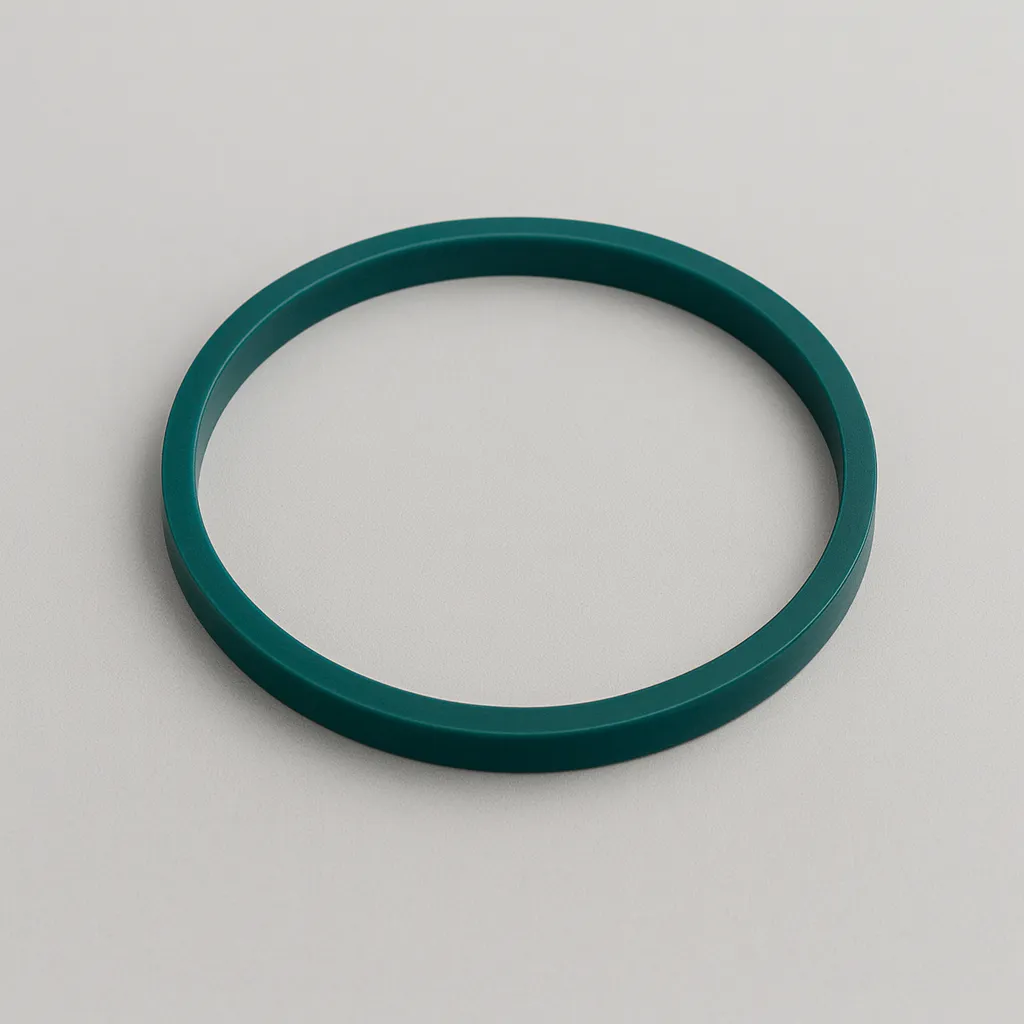
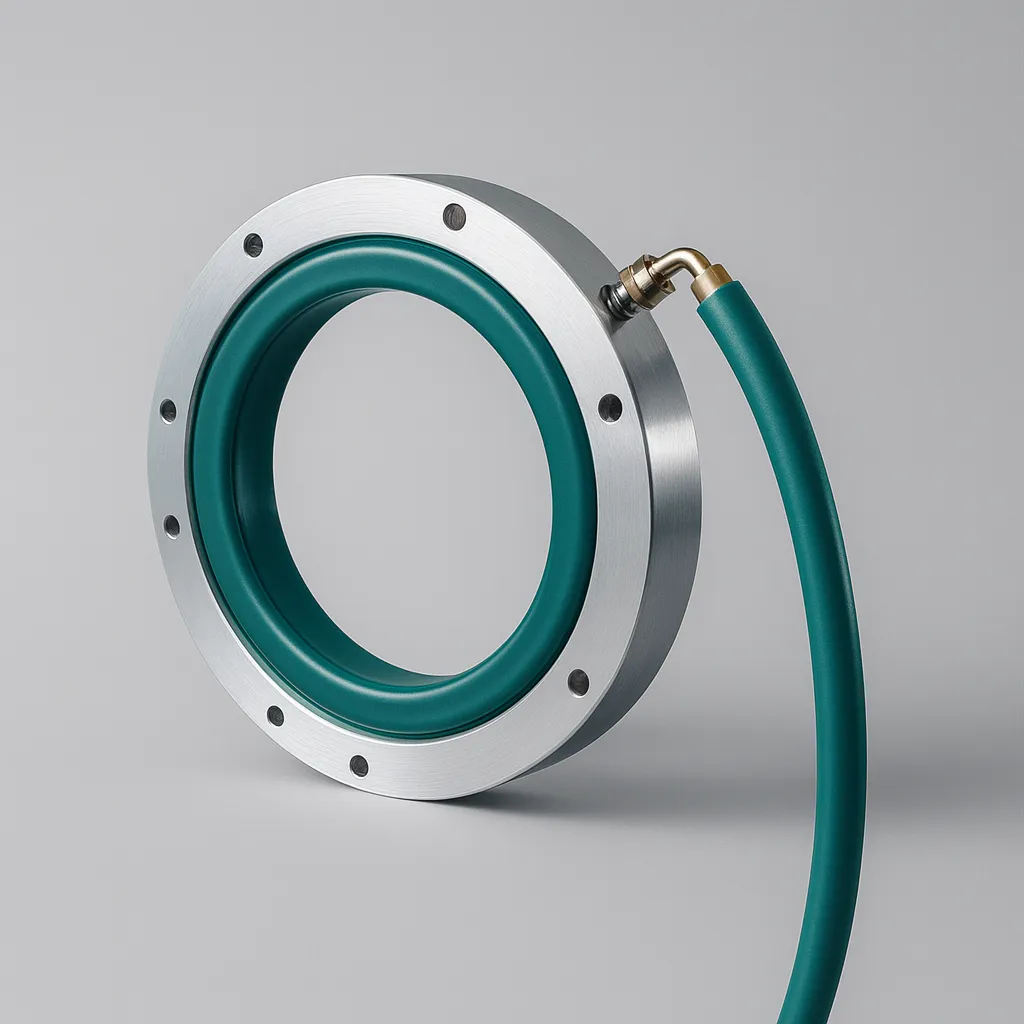
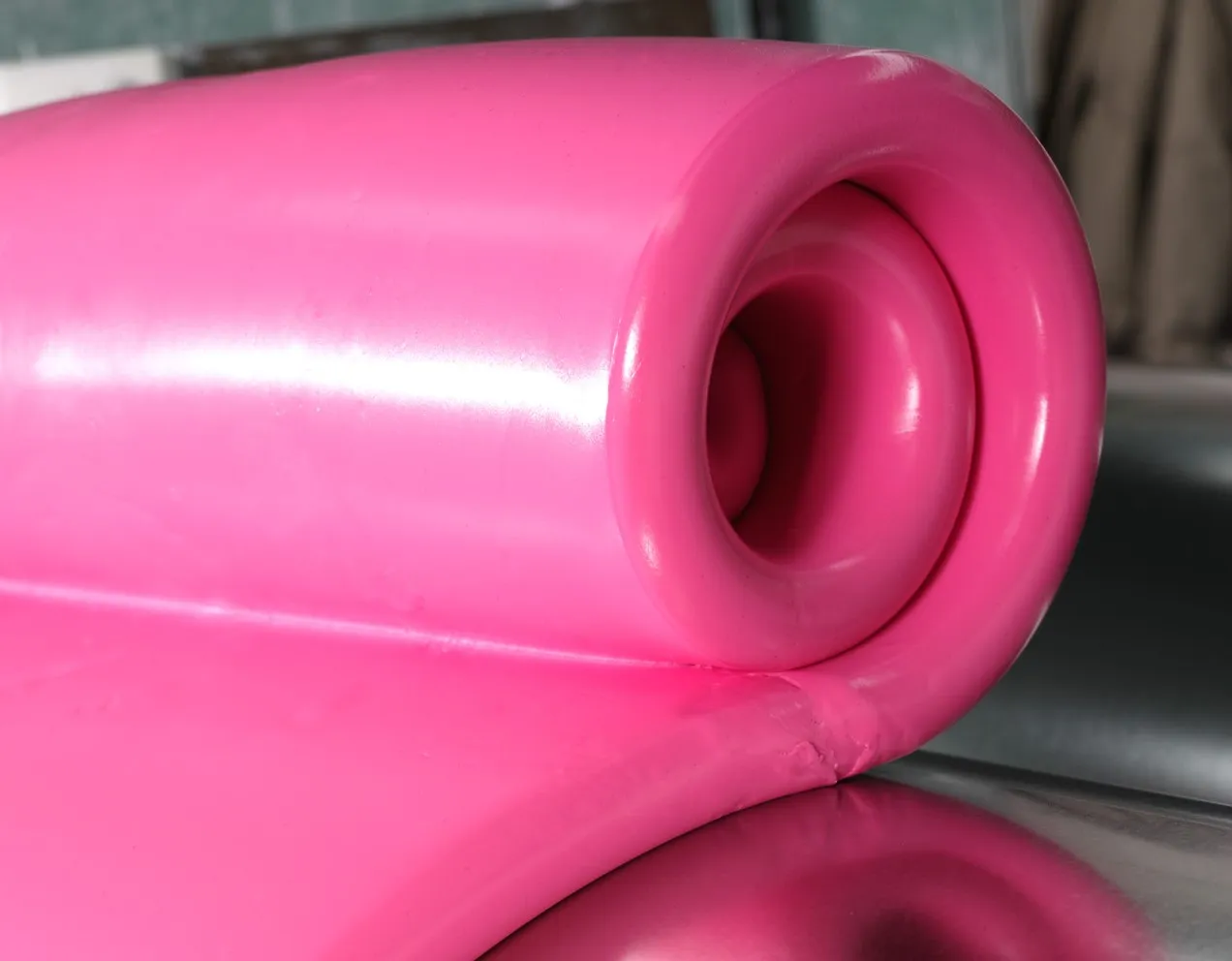
Pneumatic seals that create hermetic closure upon inflation and release when deflated. Controlled sealing between moving elements with expansion up to 25 mm. From single prototypes through to high-volume production runs.

TIXAN'AIR® Silicone Inflatable Seal
Max. expansion Up to 25 mm
Operating pressure 1–5 bar (profile dependent)
Temperature range –60 °C to +200 °C
Expansion modes Axial · Internal radial · External radial
Maximum values vary by profile type. Consult specification for each application.

Achieving reliable sealing between components with relative motion represents one of the most challenging problems to solve with conventional gaskets. When a door, hatch, shaft or panel must move freely during operation yet seal hermetically in the closed position, a seal capable of controlled retraction and expansion is required. This is precisely what the TIXAN'AIR® inflatable seal delivers.

The operating principle is straightforward: at rest, the seal remains retracted within its groove, permitting unimpeded movement of the adjacent component. Upon injection of the inflation medium (compressed air, water, nitrogen or other inert gas), the seal expands against the mating surface to create a hermetic seal whilst simultaneously locking the element in position. The system is compatible with binary logic automation and supports intermediate pressure states for proportional control.

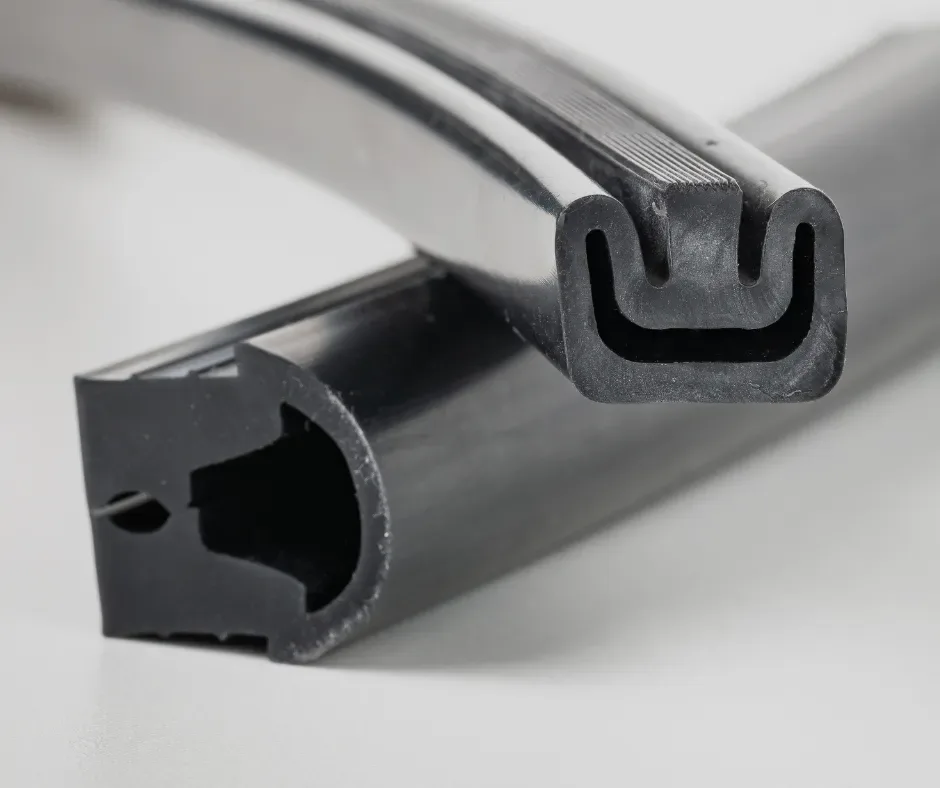
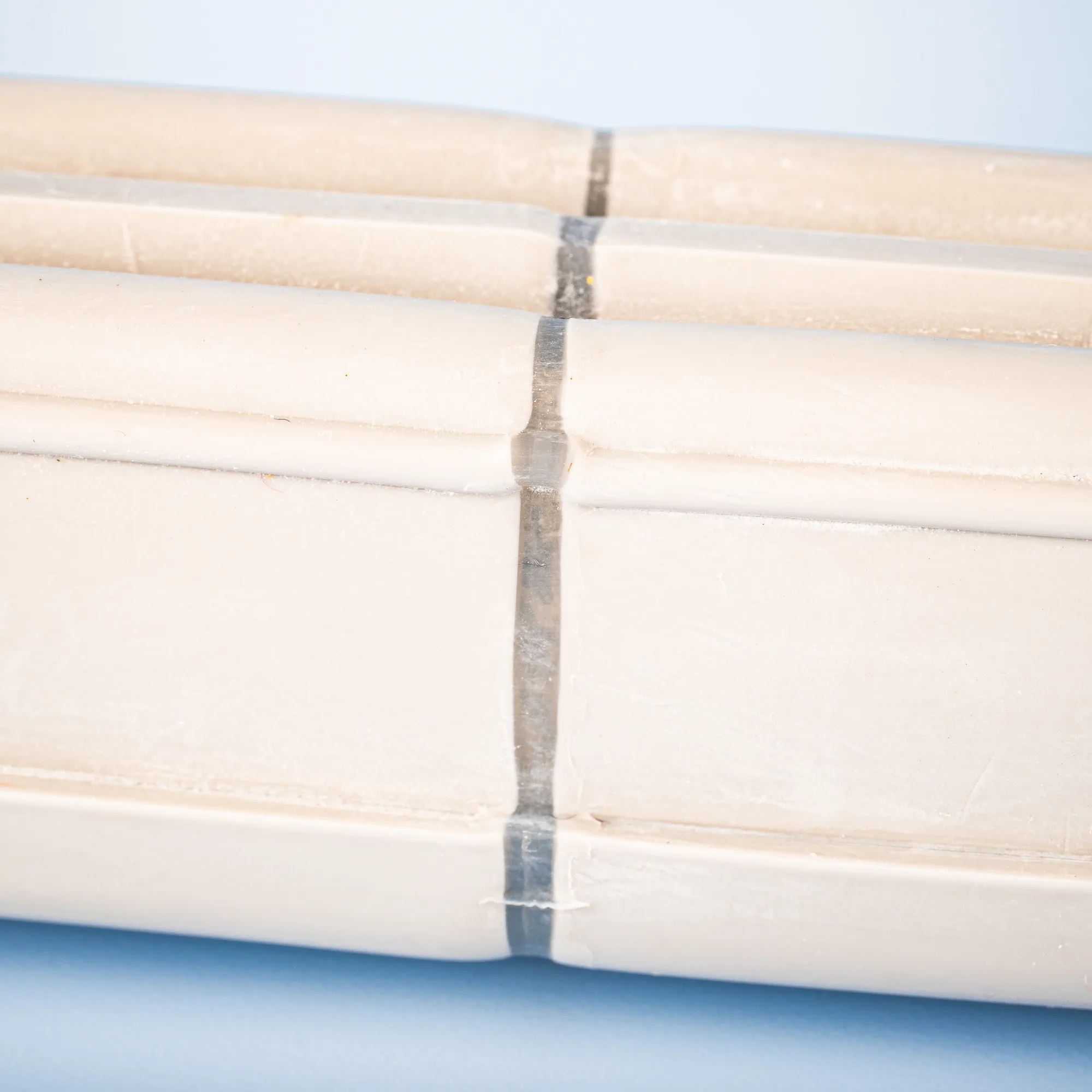
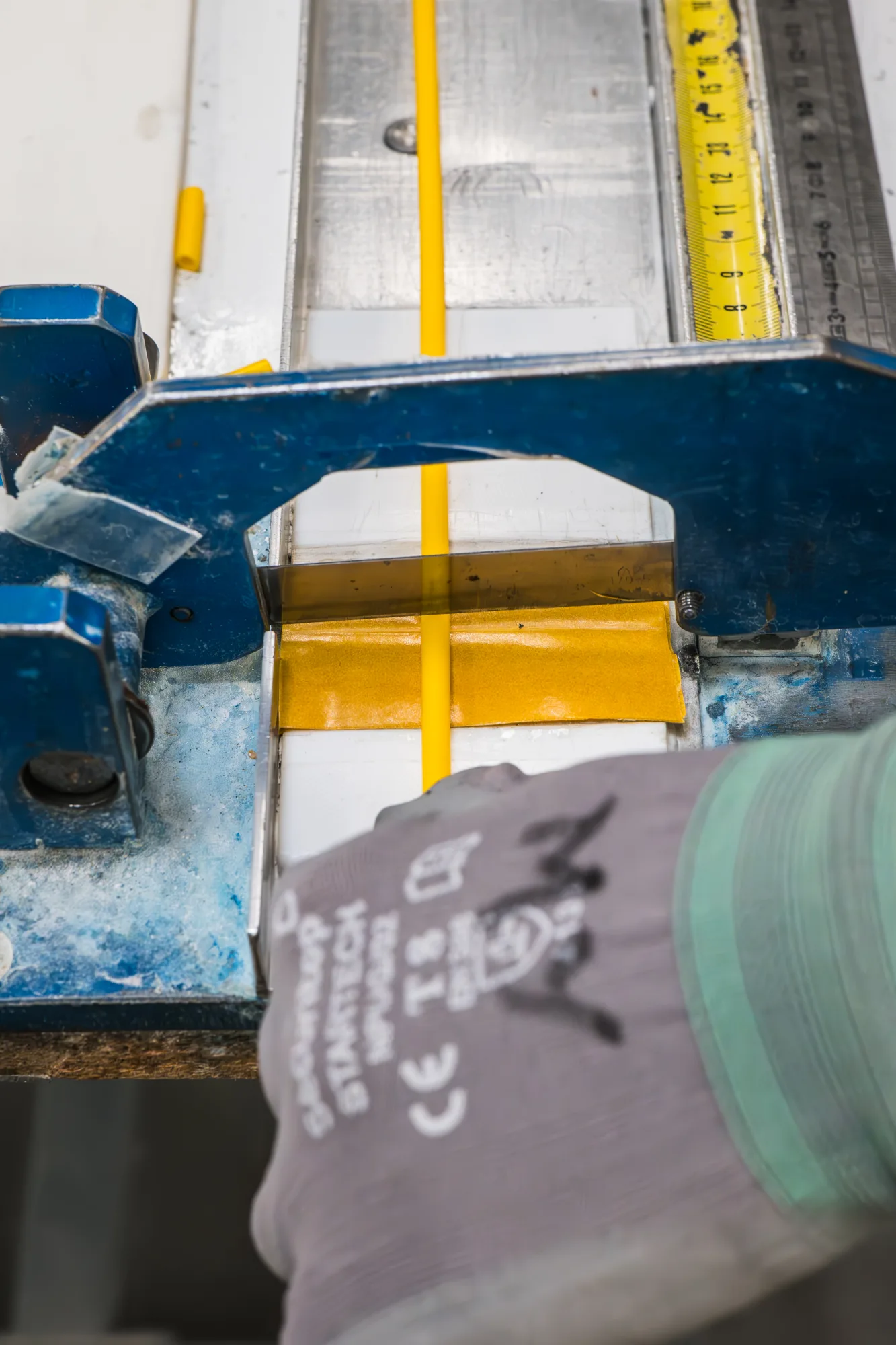
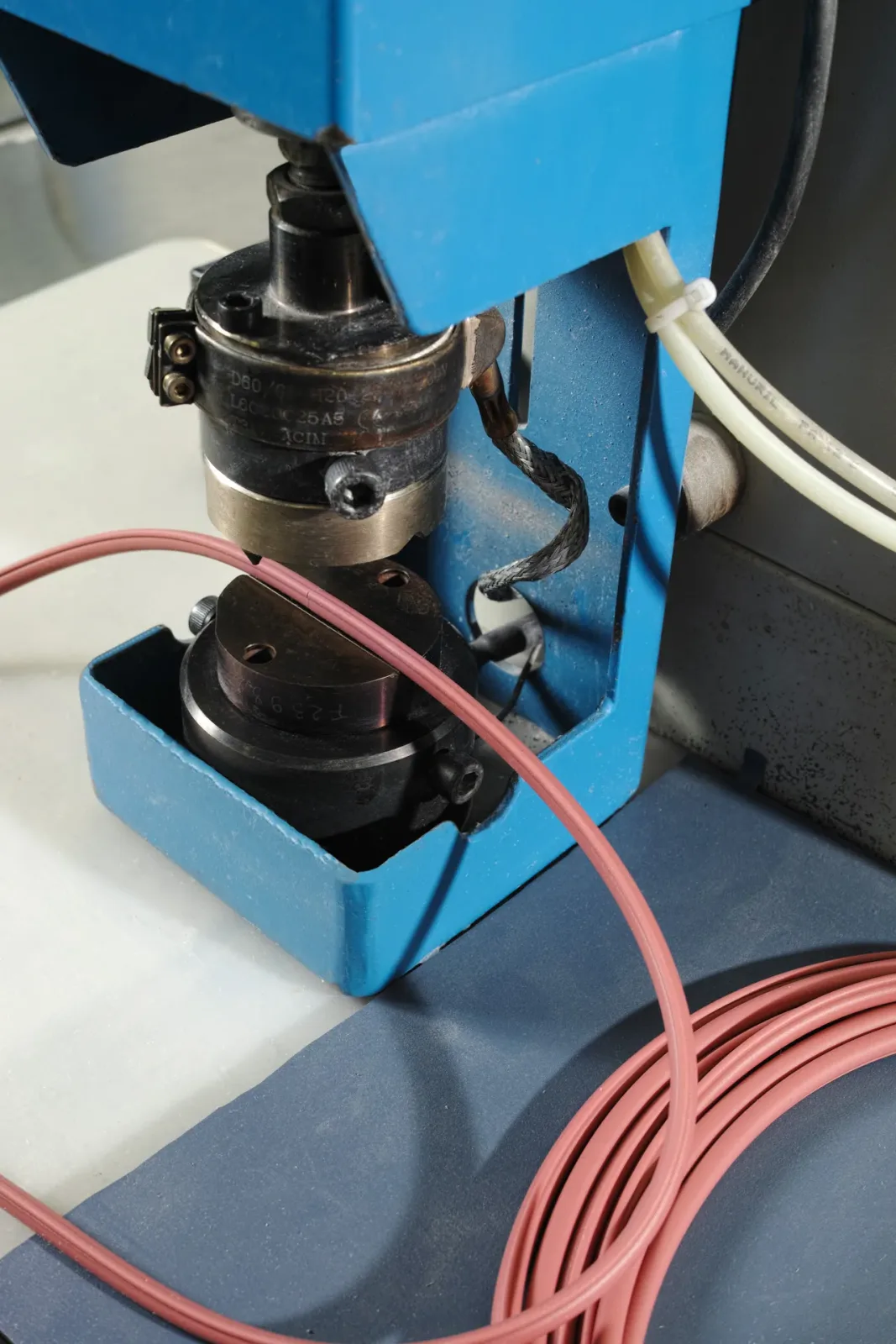
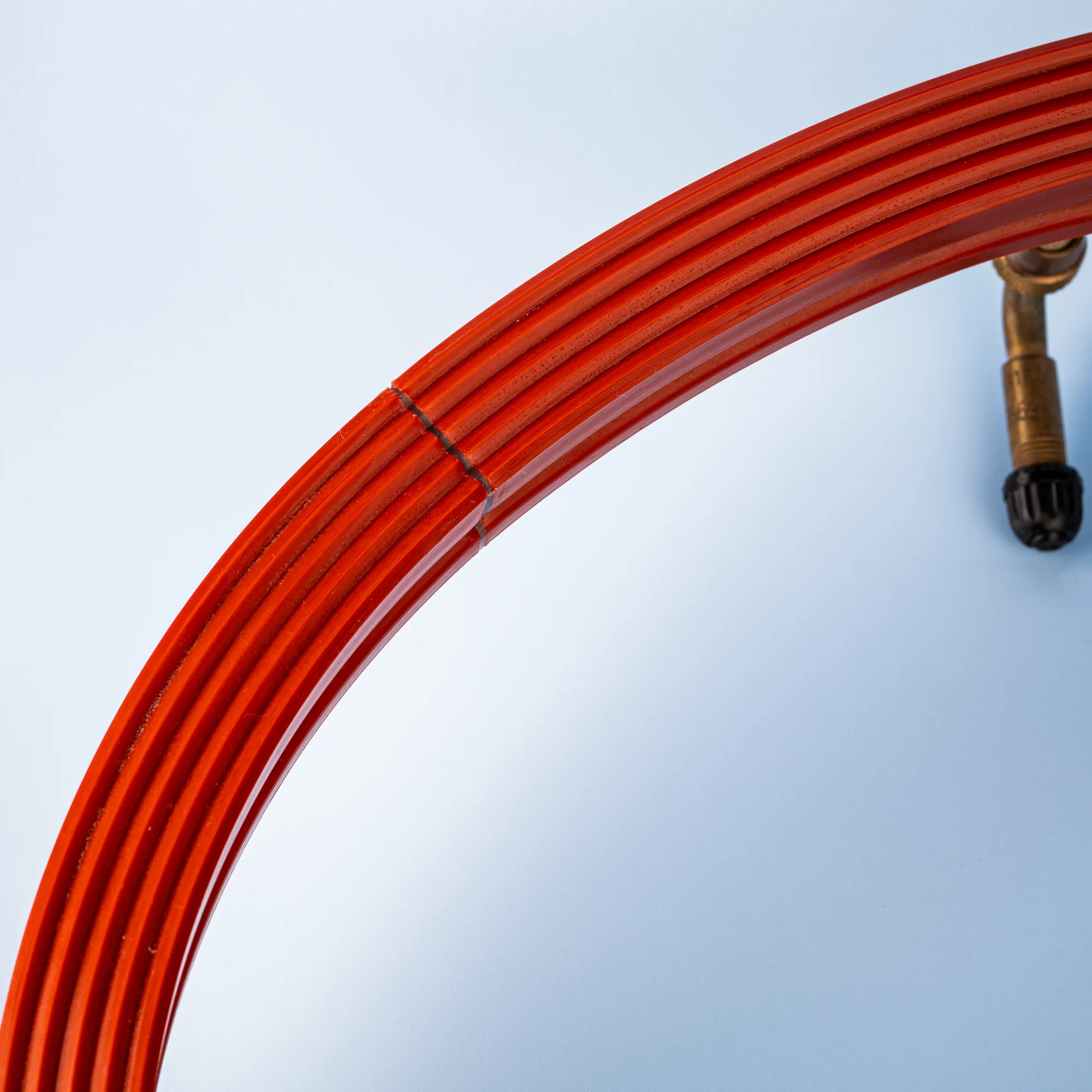
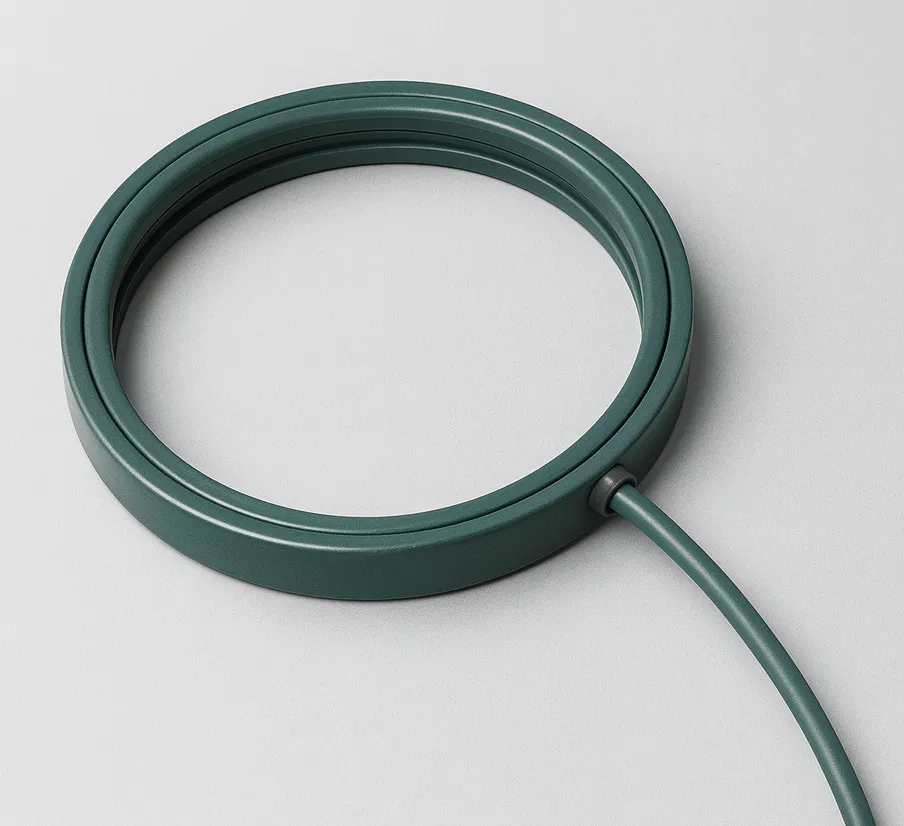
TIXAN'AIR® seals are manufactured from extruded high-performance silicone profiles, joined via a proprietary welding process that eliminates stress concentration at the interface. Profile ends are either closed upon themselves to form a continuous ring, or plugged for linear configurations. Each seal includes an overmoulded cone for the inflation valve and is supplied ready for installation.

Inflatable seal or static gasket?

If your application does not require relative movement between the surfaces to be sealed, a conventional gasket will prove simpler and more cost-effective. An inflatable seal is justified when you need to alternately release and lock components, when the gap between surfaces is variable, or when closing force must be precisely controlled. For static sealing applications, please refer to our conventional silicone gaskets.

View silicone gaskets
Operating Principle

How an inflatable seal works

At rest (retracted)

At rest (retracted)

The seal remains housed within its groove, with no contact against the mating surface. The moving element travels freely. For safety, seals are always installed slightly recessed relative to the groove edge.

Under pressure (expanded)

Under pressure (expanded)

Upon injection of the inflation medium at the specified operating pressure, the seal expands against the mating surface. The profile geometry and material elasticity ensure uniform contact distribution. The result is twofold: hermetic sealing between system interior and exterior, plus mechanical locking of the moving element.

  • Binary operation compatible with automated control systems (inflate/deflate)
  • Intermediate pressure states for graduated sealing force control
  • High cycle life owing to optimised profile geometry
  • Expansion capability up to 25 mm depending on profile design
  • Straightforward installation and integration into existing systems

Compatible inflation media

Compressed air
Nitrogen
Water
Other inert gases or fluids
Never inflate the seal when removed from its groove. Always observe the maximum pressure rating specified for each profile.
Sealing Direction

Expansion modes

Each TIXAN'AIR® profile can operate in three expansion directions depending upon installation orientation within the groove. The expansion direction determines the orientation of sealing force relative to the seal axis.

Axial expansion

Axial expansion (A.E.)

The seal expands perpendicular to the mounting plane. Sealing occurs against a frontal surface parallel to the groove base.

Radio mín.: R1

External radial expansion

External radial expansion (E.R.E.)

The seal expands outward from the axis of curvature. The seal is mounted on the internal diameter and seals against an external cylindrical surface.

Radio mín.: R3

Internal radial expansion

Internal radial expansion (I.R.E.)

The seal expands toward the axis of curvature. The seal is mounted on the external diameter and seals against an internal cylindrical surface (a shaft, tube or bore).

Radio mín.: R2

To ensure maximum efficiency, the minimum bend radius specified for each profile must be observed according to the selected expansion direction.

Profile Range

Available TIXAN'AIR® profiles

HP Profile — High Pressure, Small Deflection

1 to 3 bar (reference dependent) 1 to 5 mm

Specified when high sealing pressure is required with limited expansion. Compact profiles with cross-sections from 6.3×5 mm to 26×19 mm.

When to specify

High-pressure sealing where the gap between surfaces is small, precision hermetic closures, equipment with tight tolerances.

Reference No. L (mm) H (mm) L1 (mm) H1 (mm) Max. exp. (mm) Op. pressure (bar) R1 axial R2 int. rad. R3 ext. rad.
HP 6.3×5 5101 6.3 5 7.3 6 1 1 20 10 10
HP 14×10 5027 14 10 15 11 3 2 50 37.5 37.5
HP 16×12 5075 16 12 17 13 3 2 50 37.5 37.5
HP 16×14 5028 16 14 17 15 4 2 50 37.5 37.5
HP 16×14S 5057 16 14 17 15 4 3 37.5 37.5 37.5
HP 16×18 5064 16 18 17 19 4 3 80 80 80
HP 19×11 5030 19 11 20 12 3 3 85 50 50
HP 20×20 5032 20 20 21 21 4 3 50 50 50
HP 22×16 5029 22 16 23 17 4 3 50 50 50
HP 26×19 5031 26 19 27 20 5 3 50 50 50
HP 26×19S 5066 26 19 27 20 5 3 85 80 80

L / H: profile cross-section dimensions. L1 / H1: recommended groove dimensions.

R1, R2, R3: minimum bend radii (mm) for each expansion direction.

Values are indicative. Additional references available upon request.

VV Profile — Variable Volume

1 to 1.5 bar 7 to 20 mm

Profile with high expansion capability and low operating pressure. The variable volume geometry enables bridging of large gaps with controlled sealing force.

When to specify

Applications where the gap between surfaces is large or variable, sealing of large doors and hatches, systems with generous tolerances.

Reference No. L (mm) A (mm) L1 (mm) H1 (mm) Max. exp. (mm) Op. pressure (bar) R1 axial R2 int. rad. R3 ext. rad.
VV 14×10 5035 14 10 15 11 7 1 80 60 0
VV 16×17 5037 16 17 17 18 14 1 90 100 90
VV 18×15.5 5039 18 15.5 19 16.5 10 1 80 70 60
VV 24×20 5040 24 20 25 21 12 1.5 120 90 80
VV 32×32 5089 32 32 33 33 20 1.5 150 100 100
VV 22×13 5162 22 13 23 14 7 1.5 100 50 50
VV 34×25 5192 34 25 35 26 10 1.5 150 100 100

A: profile section height.

Values are indicative. Additional references available upon request.

TGD Profile — Low Pressure, Very Large Deflection

1.5 to 5 mbar (low pressure) 3 to 20 mm

Engineered to bridge very large gaps at low operating pressure. The TGD profile offers the maximum expansion capability in the range, with cross-sections up to 34×28 mm and expansion up to 20 mm.

When to specify

Sealed chamber doors, large hatches, systems where the distance between seal and mating surface is substantial, perimeter sealing of large equipment.

Reference No. L (mm) A (mm) L1 (mm) H1 (mm) Max. exp. (mm) Op. pressure (mbar) R1 axial R2 int. rad. R3 ext. rad.
TGD 16×14 5001 16 14 17 15 6 1.5 37.5 37.5 37.5
TGD 16×16 5004 16 16 17 17 3 2 50 50 50
TGD 16×20 5005 16 20 17 21 5 2 50 50 50
TGD 20×25 5011 20 25 21 26 12 2 50 50 80
TGD 20×32 5013 20 32 21 33 10 3 75 75 100
TGD 22×20 5065 22 20 23 21 6 5 75 75 75
TGD 25×30 5016 25 30 26 31 6 5 50 50 50
TGD 30×40 5023 30 40 31 41 20 5 100 150 150
TGD 34×28 5019 34 28 35 29 15 4 150 80 100

Operating pressure in mbar (millibar) for this profile type.

Values are indicative. Additional references available upon request.

BP Profile — Low Pressure

1.5 bar 8 to 15 mm

Large cross-section profiles for low pressure and mechanical mounting. The generous dimensions provide a wide contact surface and very high expansion capability.

When to specify

Mechanical assemblies where retention is via valves or gripsters, large doors and hatches, applications requiring extensive contact surface area.

Reference No. L (mm) H (mm) L1 (mm) H1 (mm) Max. exp. (mm) Op. pressure (bar) R1 axial R2 int. rad. R3 ext. rad.
BP 30×20 5056 30 20 31 21 8 1.5 100 80 70
BP 60×35.5 5105 60 35.5 61 36.5 15 1.5 170 100 80
BP 40×30 5122 40 30 41 31 10 1.5 150 80 70

BP profiles are particularly suited to mechanical retention methods (valves, gripsters).

Values are indicative. Additional references available upon request.

Specified when high sealing pressure is required with limited expansion. Compact profiles with cross-sections from 6.3×5 mm to 26×19 mm.

When to specify

High-pressure sealing where the gap between surfaces is small, precision hermetic closures, equipment with tight tolerances.

Reference No. L (mm) H (mm) L1 (mm) H1 (mm) Max. exp. (mm) Op. pressure (bar) R1 axial R2 int. rad. R3 ext. rad.
HP 6.3×5 5101 6.3 5 7.3 6 1 1 20 10 10
HP 14×10 5027 14 10 15 11 3 2 50 37.5 37.5
HP 16×12 5075 16 12 17 13 3 2 50 37.5 37.5
HP 16×14 5028 16 14 17 15 4 2 50 37.5 37.5
HP 16×14S 5057 16 14 17 15 4 3 37.5 37.5 37.5
HP 16×18 5064 16 18 17 19 4 3 80 80 80
HP 19×11 5030 19 11 20 12 3 3 85 50 50
HP 20×20 5032 20 20 21 21 4 3 50 50 50
HP 22×16 5029 22 16 23 17 4 3 50 50 50
HP 26×19 5031 26 19 27 20 5 3 50 50 50
HP 26×19S 5066 26 19 27 20 5 3 85 80 80

L / H: profile cross-section dimensions. L1 / H1: recommended groove dimensions.

R1, R2, R3: minimum bend radii (mm) for each expansion direction.

Values are indicative. Additional references available upon request.

Profile with high expansion capability and low operating pressure. The variable volume geometry enables bridging of large gaps with controlled sealing force.

When to specify

Applications where the gap between surfaces is large or variable, sealing of large doors and hatches, systems with generous tolerances.

Reference No. L (mm) A (mm) L1 (mm) H1 (mm) Max. exp. (mm) Op. pressure (bar) R1 axial R2 int. rad. R3 ext. rad.
VV 14×10 5035 14 10 15 11 7 1 80 60 0
VV 16×17 5037 16 17 17 18 14 1 90 100 90
VV 18×15.5 5039 18 15.5 19 16.5 10 1 80 70 60
VV 24×20 5040 24 20 25 21 12 1.5 120 90 80
VV 32×32 5089 32 32 33 33 20 1.5 150 100 100
VV 22×13 5162 22 13 23 14 7 1.5 100 50 50
VV 34×25 5192 34 25 35 26 10 1.5 150 100 100

A: profile section height.

Values are indicative. Additional references available upon request.

Engineered to bridge very large gaps at low operating pressure. The TGD profile offers the maximum expansion capability in the range, with cross-sections up to 34×28 mm and expansion up to 20 mm.

When to specify

Sealed chamber doors, large hatches, systems where the distance between seal and mating surface is substantial, perimeter sealing of large equipment.

Reference No. L (mm) A (mm) L1 (mm) H1 (mm) Max. exp. (mm) Op. pressure (mbar) R1 axial R2 int. rad. R3 ext. rad.
TGD 16×14 5001 16 14 17 15 6 1.5 37.5 37.5 37.5
TGD 16×16 5004 16 16 17 17 3 2 50 50 50
TGD 16×20 5005 16 20 17 21 5 2 50 50 50
TGD 20×25 5011 20 25 21 26 12 2 50 50 80
TGD 20×32 5013 20 32 21 33 10 3 75 75 100
TGD 22×20 5065 22 20 23 21 6 5 75 75 75
TGD 25×30 5016 25 30 26 31 6 5 50 50 50
TGD 30×40 5023 30 40 31 41 20 5 100 150 150
TGD 34×28 5019 34 28 35 29 15 4 150 80 100

Operating pressure in mbar (millibar) for this profile type.

Values are indicative. Additional references available upon request.

Large cross-section profiles for low pressure and mechanical mounting. The generous dimensions provide a wide contact surface and very high expansion capability.

When to specify

Mechanical assemblies where retention is via valves or gripsters, large doors and hatches, applications requiring extensive contact surface area.

Reference No. L (mm) H (mm) L1 (mm) H1 (mm) Max. exp. (mm) Op. pressure (bar) R1 axial R2 int. rad. R3 ext. rad.
BP 30×20 5056 30 20 31 21 8 1.5 100 80 70
BP 60×35.5 5105 60 35.5 61 36.5 15 1.5 170 100 80
BP 40×30 5122 40 30 41 31 10 1.5 150 80 70

BP profiles are particularly suited to mechanical retention methods (valves, gripsters).

Values are indicative. Additional references available upon request.

Material

Available silicone compounds

TIXAN'AIR® seals are manufactured from high-performance mechanical-grade silicone. Three formulations are available at different hardness grades, optimised to maximise service life under repeated inflation/deflation cycling.

Property EQ150 (50 Sh A) EQ160 (60 Sh A) EQ170 (70 Sh A)
Hardness Shore A (±5) 50 60 70
Tensile strength 7.5 MPa 8 MPa 8 MPa
Elongation at break 400 % 600 % 500 %
Tear resistance 35 kN/m 40 kN/m 35 kN/m
Density 1.14 g/cm³ 1.17 g/cm³ 1.19 g/cm³
Temperature range –60 to +200 °C –60 to +200 °C –60 to +200 °C

Guía de selección

EQ15050 Shore A
Maximum flexibility. Specified when low inflation force is required, when sealing against irregular surfaces, or when the substrate cannot withstand elevated pressure.
EQ16060 Shore A
Optimal balance between flexibility and mechanical resistance. The default selection for the majority of applications.
EQ17070 Shore A
Greater stiffness and pressure resistance. For high operating pressures or when superior dimensional stability is required.

All three formulations are high-performance VMQ silicone with tear resistance values of 35–40 kN/m, significantly exceeding standard silicone grades. Specialist formulations (food-contact, medical, rail EN 45545-2) available upon request for applications requiring certification.

Components

Inflation system accessories

Each TIXAN'AIR® inflatable seal requires additional components for operation: overmoulded cones to house the valve, inflation valves and retention elements. All components are supplied with the seal or available for separate order.

Overmoulded cones

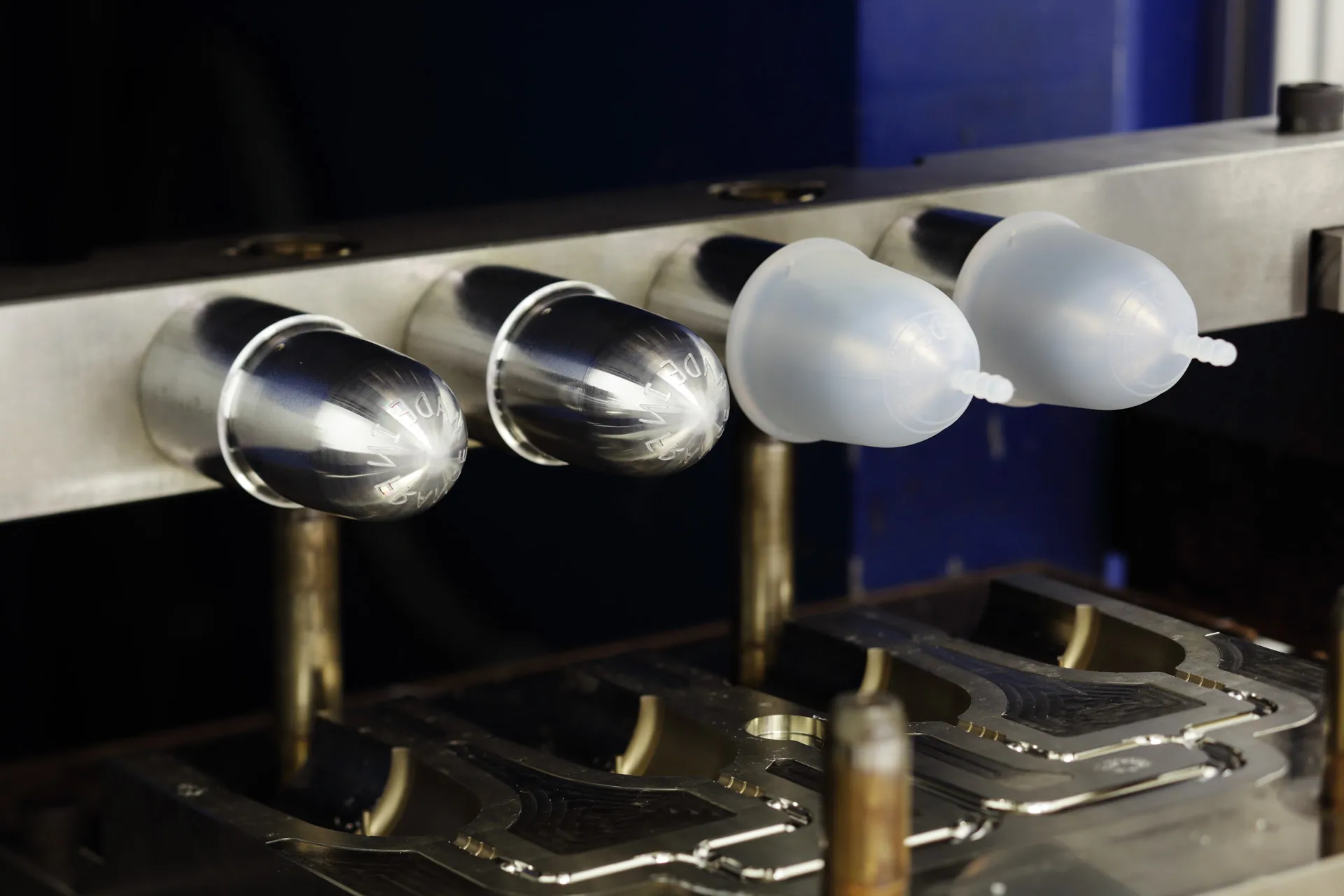
The overmoulded cone is the component connecting the inflation valve to the profile interior. It is overmoulded directly onto the seal during manufacture, creating a hermetic bond without weak points. Cone geometry is selected according to valve diameter and available space within the groove.

Reference Valve Ø (mm) Large Ø (mm) Small Ø (mm) H (mm) Valve groove Ø (mm) Large groove Ø (mm) Small groove Ø (mm) Groove H (mm)
906/1 6 12 10 6 6.5 12 10 6
908/3 8 14 14 6 8.5 14 14 6
908/5 8 14 13 6 8.5 14 12 6
908/7 8 12 10 6 8.5 12 10 6
910/1 10 14 12 6 10.5 14 12 6
910/3 10 21 14 10 10.5 21 14 10
910/6 10 16 13 8 10.5 16 13 8
910/8 10 20 10 9 10.5 20 10 9
912/2 12 20 17 8 12.5 20 18 8

Valve diameter tolerances are (–0.2; 0) mm. All other dimensions ±0.2 mm. Additional configurations available upon request.

Inflation valves

Stainless steel or brass valves for connecting the pneumatic system to the seal interior. Mounted through the overmoulded cone. Available in 5 standard configurations to suit different mounting envelopes and connection requirements.

Válvula 134
134

Valve stem M7.65×0.79 — Ø3 mm, compact configuration

Válvula 508
508

Valve stem M8 — 50×6 mm, with 20 mm extension

Válvula 308
308

Valve stem M8 — 50×6 mm, with 20 mm extension (variant)

Válvula 1033
1033

Valve stem M8 — 60×3 mm, low profile

Válvula 408
408

Valve stem M8 — 60×3 mm, 1/8 BSP connection

In addition to standard configurations, bespoke fittings can be manufactured to order. Do not over-tighten the valve: this may damage the cone and cause leakage.

Retention systems

Adhesive bonding

Using the adhesive recommended by Progress Silicones. Requires prior cleaning of seal and groove with alcohol or appropriate solvent, and application of primer if necessary. Curing time: 12–24 hours at ambient temperature before operation.

Mechanical retention

Via valve retention, gripsters or other mechanical elements. Preferred when periodic removal is required or when adhesive bonding is not viable due to substrate characteristics.

Installation

Installation procedure

Correct installation of the inflatable seal is critical to its performance and service life. Improper installation may result in malfunction or damage not covered by warranty.

01

Surface preparation

Clean the inflatable seal and groove or insertion zone with alcohol or appropriate solvent. Remove any sharp edges from the assembly. Apply primer if required.

Paso 1 de 4
02

Seal positioning

Position the deflated seal uniformly, commencing from the zone containing the inflation or positioning devices (valves, gripsters). Do not apply tension to the seal during installation.

Paso 2 de 4
03

Retention

If using adhesive: insert the seal into the groove previously coated with a thin layer of adhesive, position for use and apply pressure. Allow to cure for 12–24 hours at ambient temperature before operation.

Paso 3 de 4
04

Pneumatic connection

Connect the valve to the inflation device. Do not over-tighten the valve. Always observe the pressure ratings specified for the profile in use.

Paso 4 de 4
Advertencias importantes
  • Never inflate the seal when removed from its groove.
  • Always observe the maximum pressure ratings specified for each profile reference.
  • Do not apply tension to the seal during installation.
  • Failure to follow these procedures may result in malfunction not covered by warranty.

Which profile do you require?

Select according to your primary requirement. For combined requirements or non-standard profiles, contact our technical department.

Requisito Perfil Presión Expansión
High sealing pressure, small gap (<5 mm) HP 1–3 bar 1–5 mm
Large and variable gap, low sealing force VV 1–1.5 bar 7–20 mm
Very large gap, low sealing pressure TGD 1.5–5 mbar 3–20 mm
Large contact surface, mechanical retention BP 1.5 bar 8–15 mm
Maximum expansion (up to 25 mm) TGD / VV Variable 12–20 mm
Precision sealing with tight tolerances HP 1–3 bar 1–5 mm
Rapid binary automation HP / VV Variable Variable
How we work

Define your inflatable seal in 4 steps

The selection process follows the TIXAN'AIR® catalogue methodology. If you are uncertain about any step, our technical team will assist you in defining the solution.

1

Select the inflatable seal

Choose the profile family (HP, VV, TGD or BP) according to the required sealing pressure, desired expansion, operating environment and mounting type (circular, linear or bespoke).

2

Select the expansion type

Define the expansion direction: axial (A.E.), internal radial (I.R.E.) or external radial (E.R.E.) according to the orientation of the mating surface relative to the groove.

3

Select the retention system

Adhesive bonding using the adhesive recommended by Progress Silicones, or mechanical retention via valves, gripsters or other elements.

4

Select the valve

Choose the inflation valve (stainless steel or brass) according to inflation speed requirements, available space and profile position and geometry within the application.

Sistema de gestión
ISO 9001:2015 ISO 13485:2016

Require a TIXAN'AIR® inflatable seal?

Submit your application data: required sealing pressure, gap between surfaces, expansion direction, operating environment and mounting type. Our technical team will advise on the most suitable profile, hardness grade and accessories.

Request quotation
Contact us