








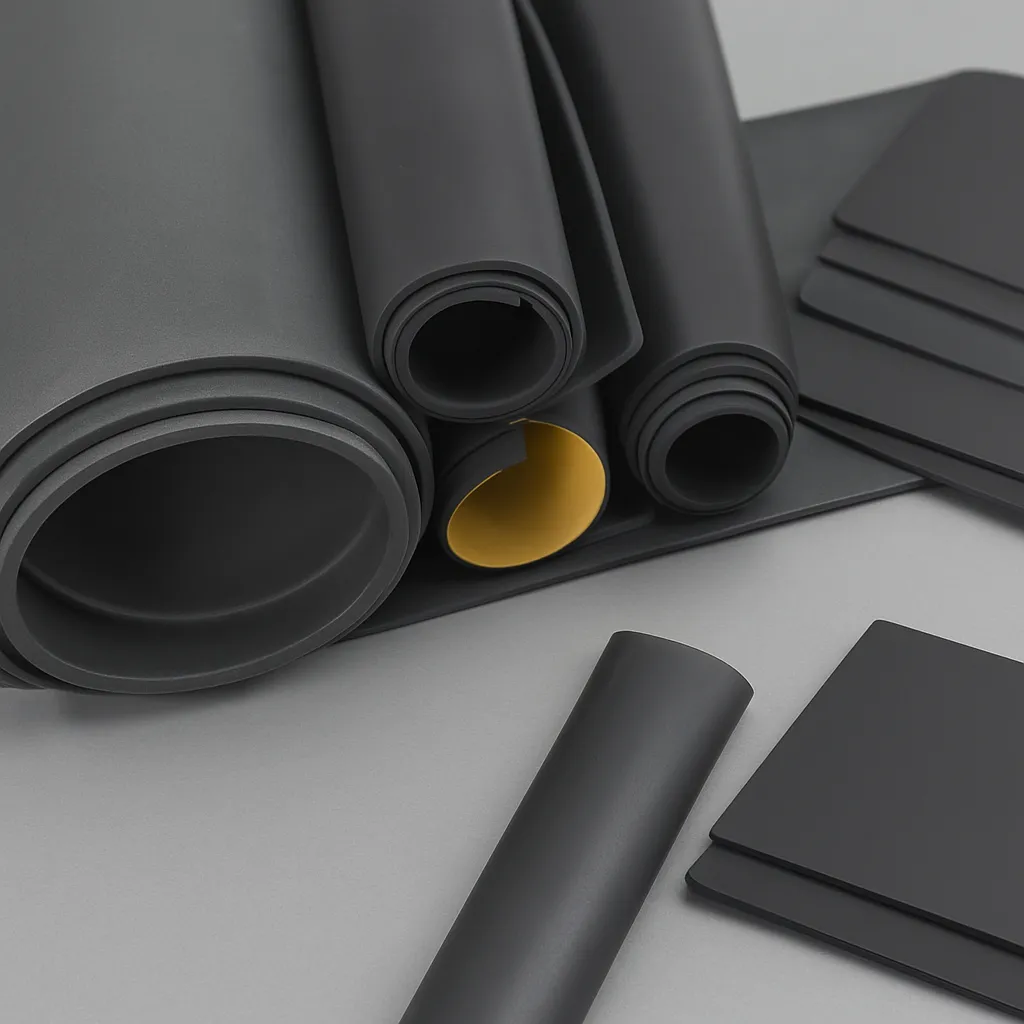
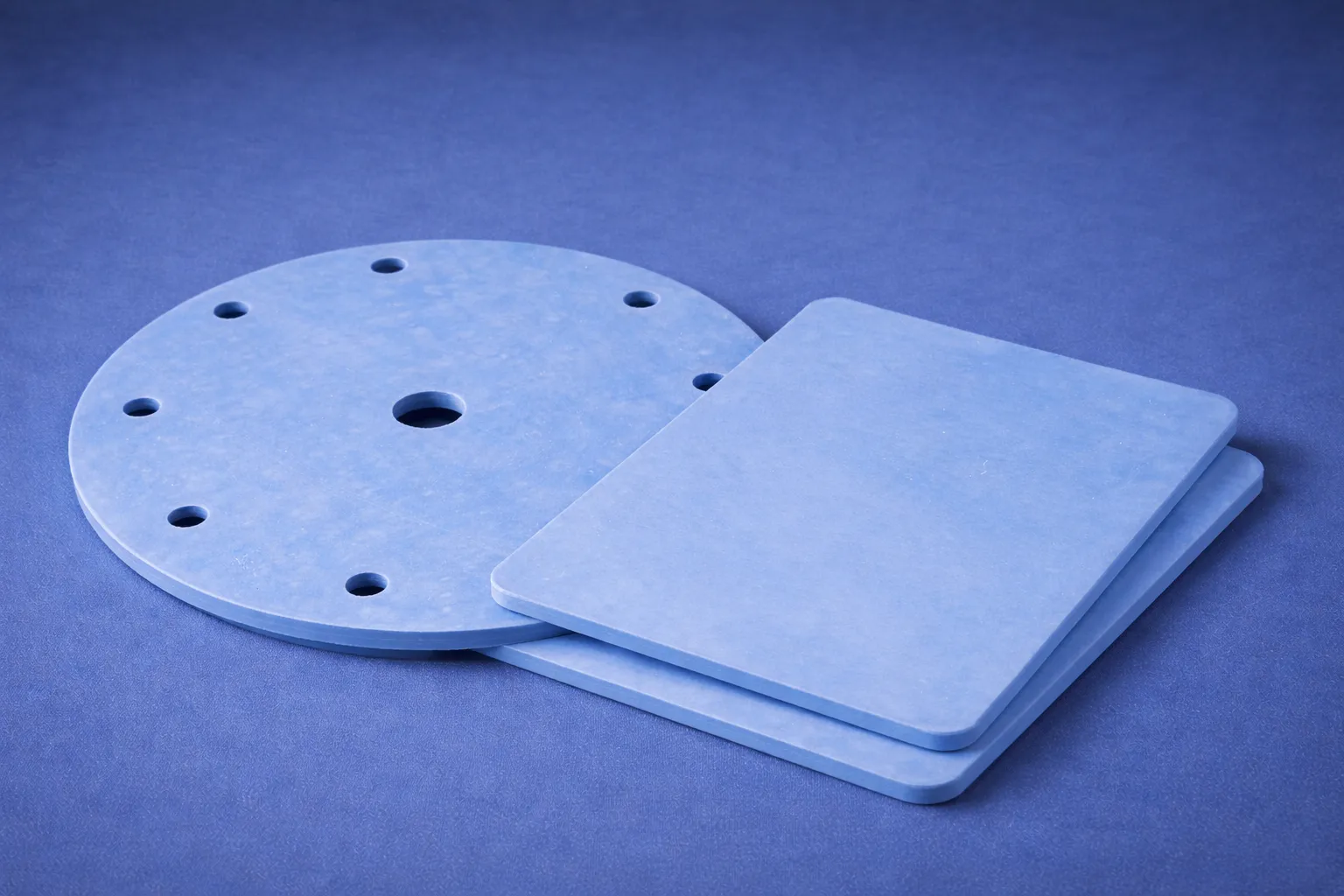
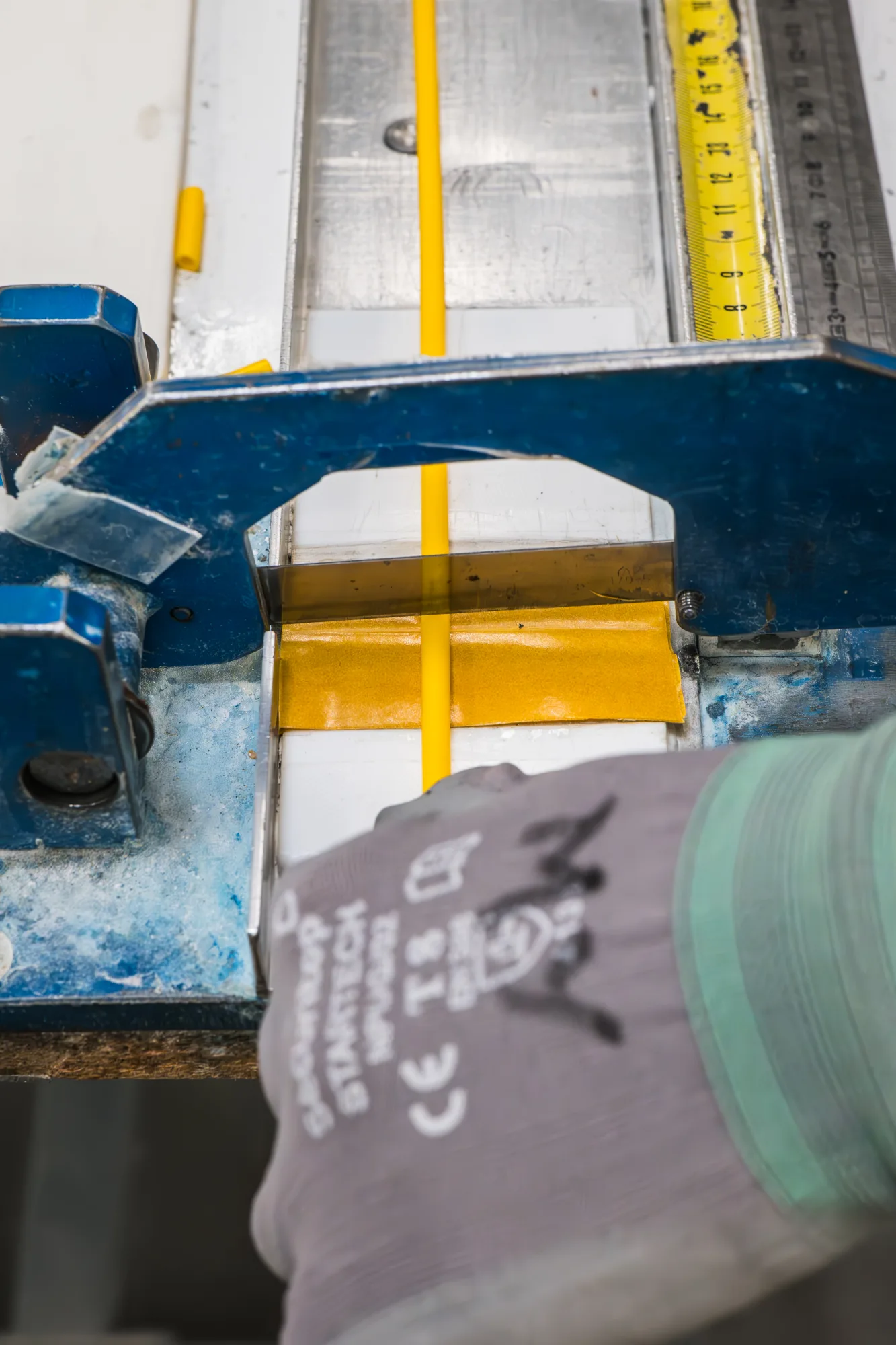
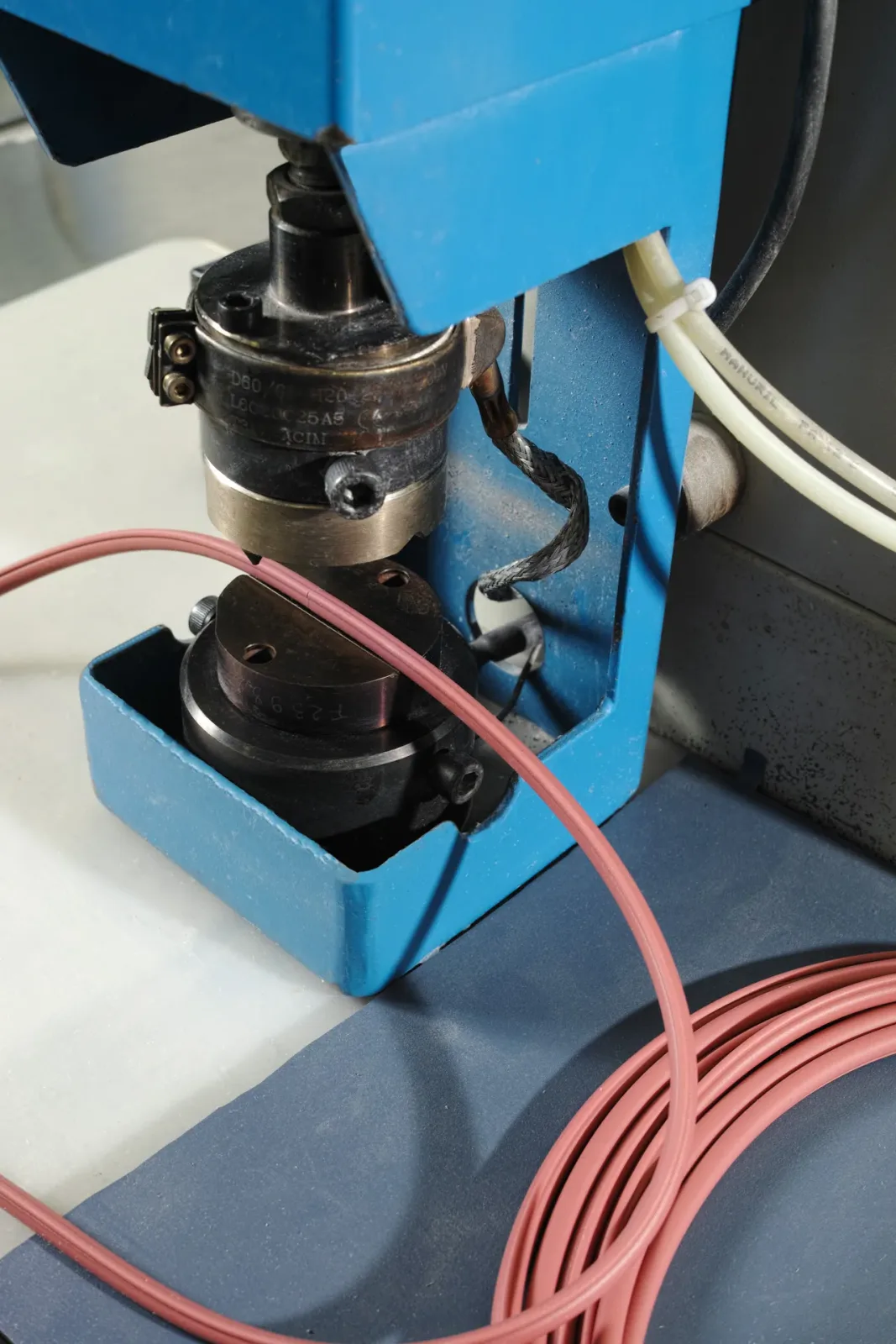






Industrial oven gaskets operate under high temperatures and constant compression. In continuous heat applications, incorrect hardness and geometry specifications lead to premature deformation, loss of sealing performance and excessively short maintenance cycles.
This article analyzes a real case operating continuously at 250 °C and explains how optimizing Shore A hardness, gasket geometry and post-curing increased service life by more than 300%, without changing the silicone technology.
1. Real operating conditions in industrial ovens
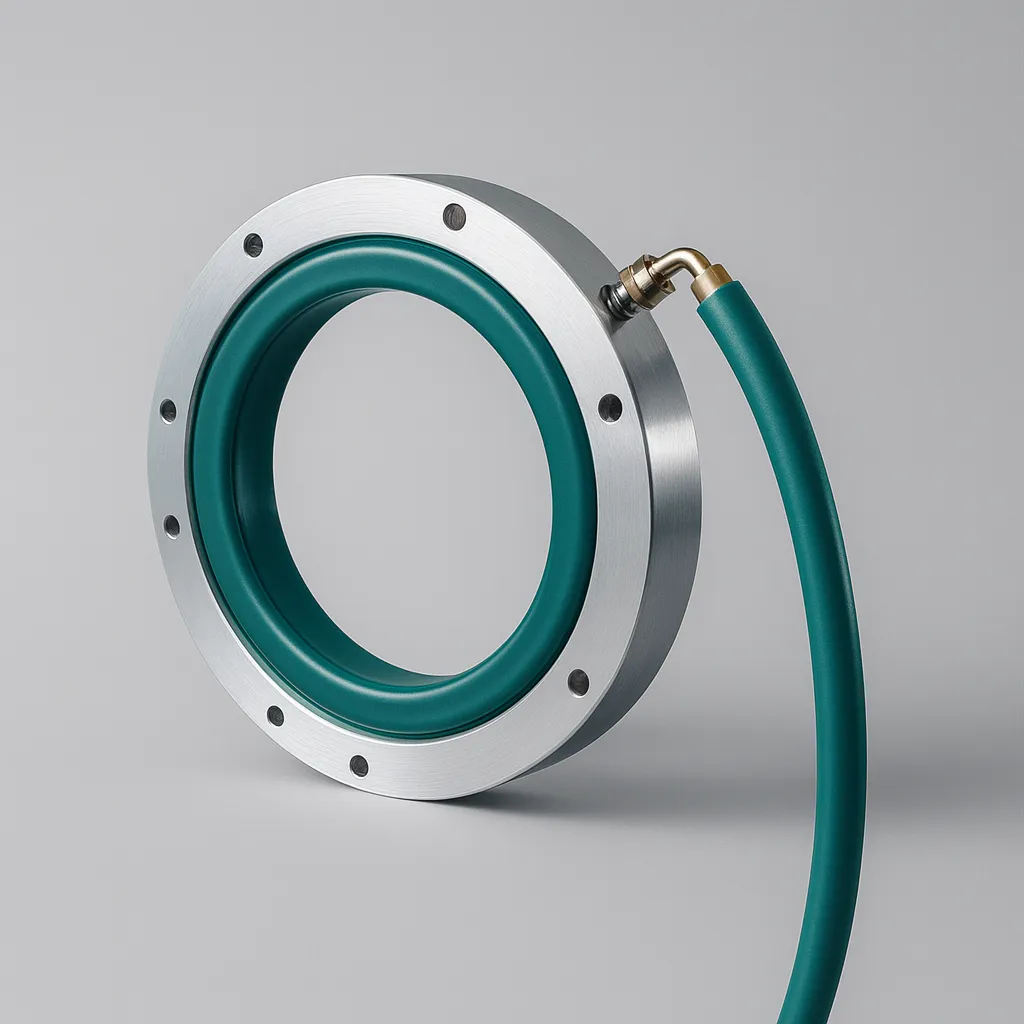
The gasket is installed on an industrial oven door operating continuously at 250 °C. Door closure generates high static compression during prolonged thermal cycles, typical of drying and heat treatment ovens.
- Continuous temperature: 250 °C
- Permanent static compression
- Daily thermal cycles
- Frequent maintenance access
2. Premature deformation caused by thermal creep and compression
The original gasket showed progressive flattening after only a few weeks of operation. Loss of effective height reduced contact pressure and caused thermal leakage, requiring frequent replacement.
3. Limitations of 50 Shore A hardness at high temperature
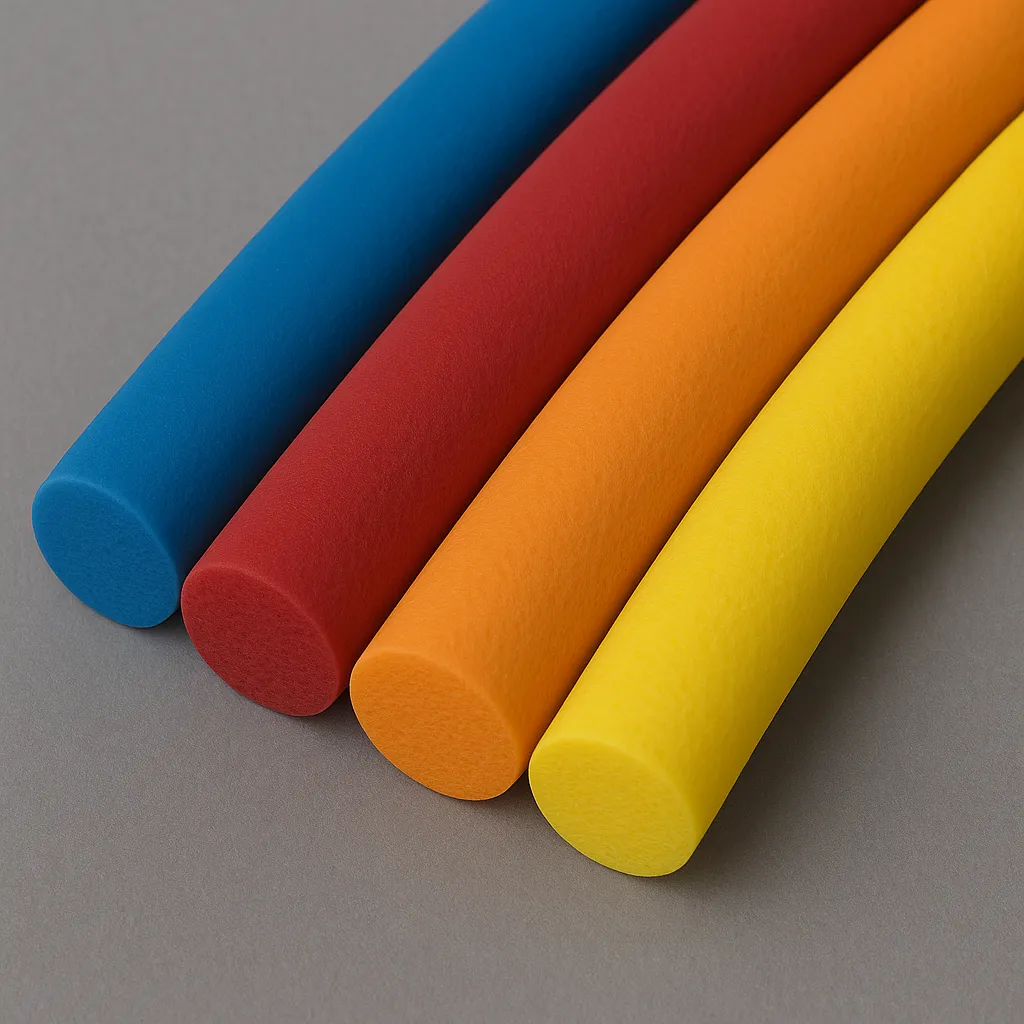
The gasket was originally manufactured in 50 Shore A HCR silicone. While suitable for standard sealing, at 250 °C thermal creep under constant compression led to excessive compression set.
4. Hardness adjustment to 65 Shore A
Increasing hardness to 65 Shore A significantly improved resistance to flattening and reduced compression set, while maintaining sufficient tolerance accommodation.
| Parameter | 50 Shore A | 65 Shore A |
|---|---|---|
| Compression resistance | Low | High |
| Compression set at 250 °C | >30 % | <20 % |
| Dimensional stability | Limited | Stable |
5. Gasket cross-section redesign
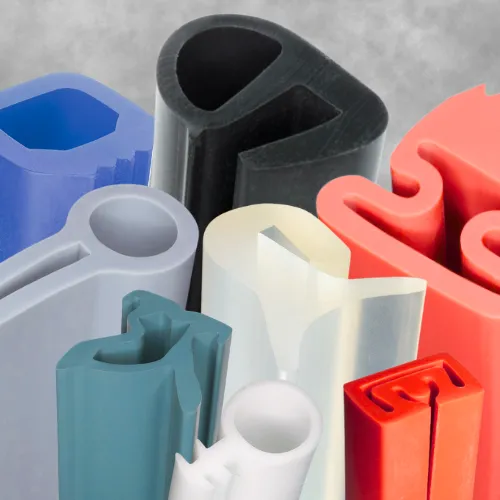
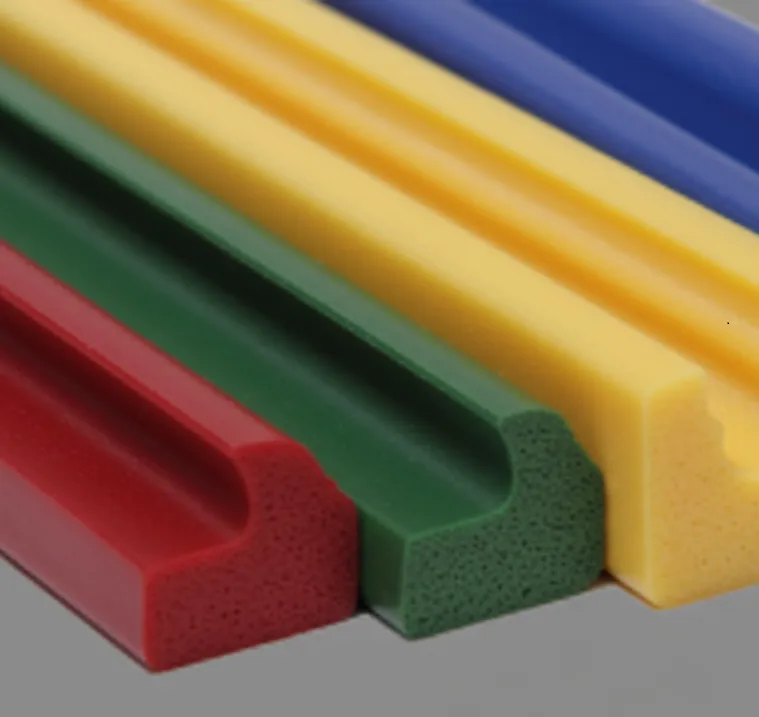
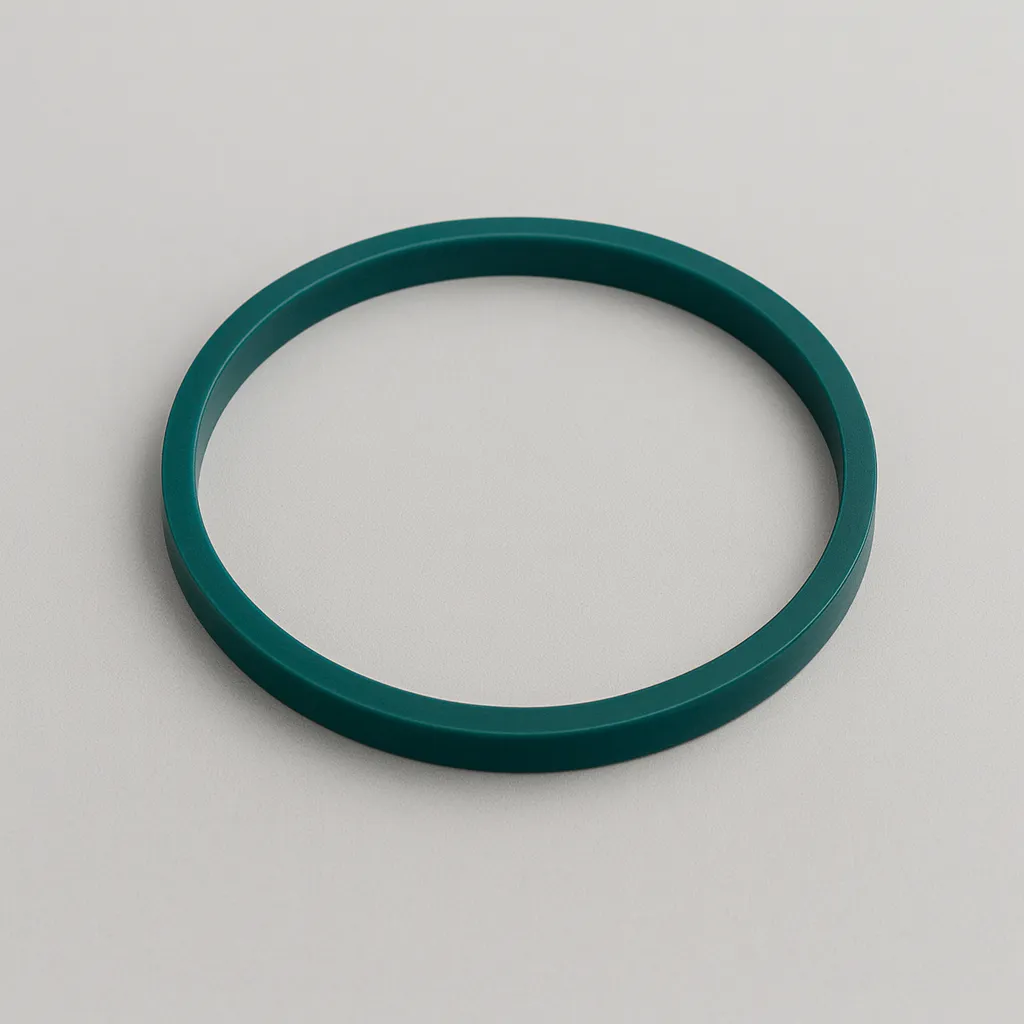
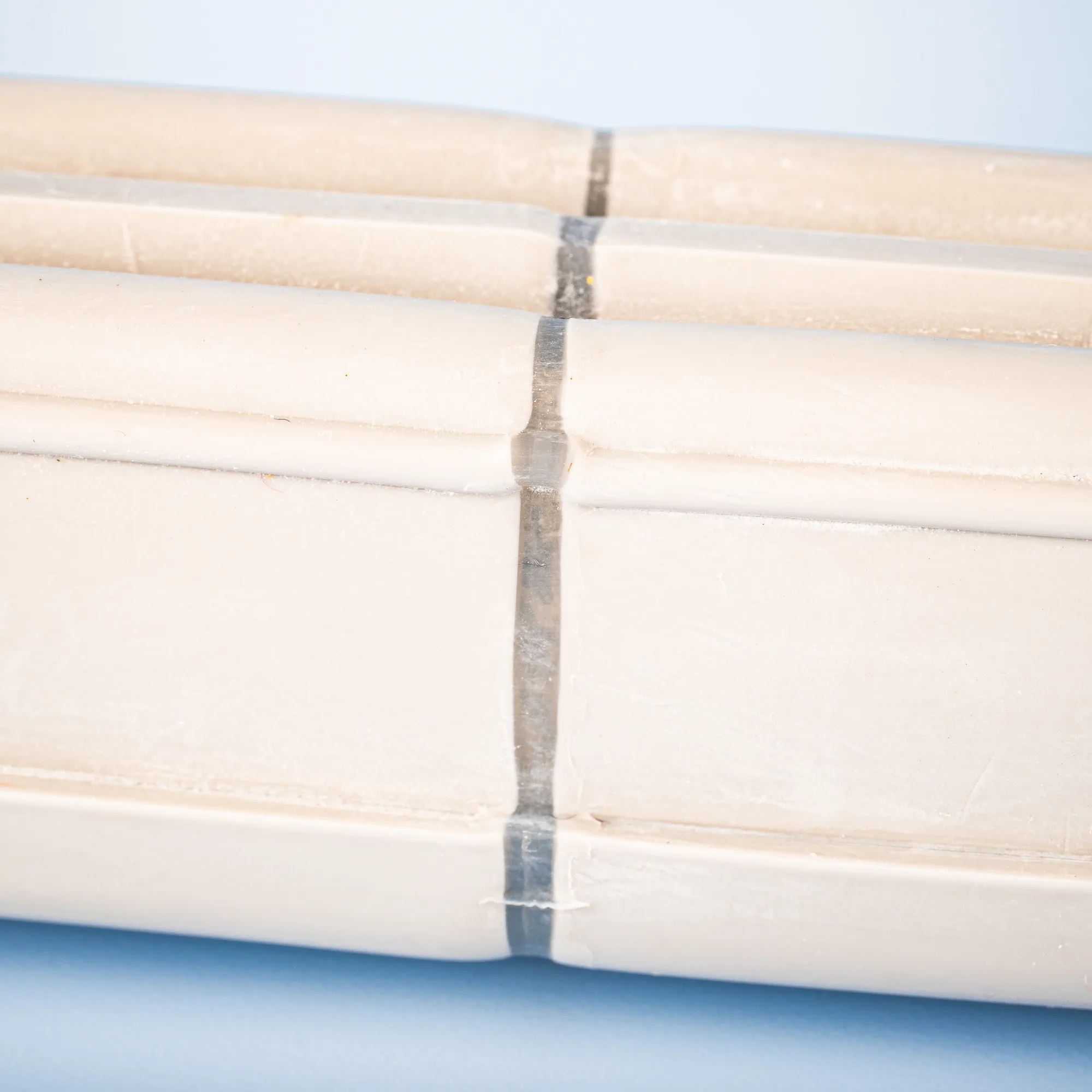
In addition to material selection, the gasket cross-section was redesigned to distribute compression loads more evenly. Radii and proportions were optimized to avoid stress concentration.
- Optimized radii to reduce pinching
- Balanced height-to-thickness ratio
- Uniform compression distribution
- Improved elastic recovery after cooling
6. Post-curing and thermal stability
A controlled post-curing process was introduced to complete elastomer crosslinking. This reduced residual volatiles and improved long-term thermal stability.
7. Results under real operating conditions
After implementing all changes, the gasket remained dimensionally stable during prolonged operation at 250 °C with no sealing loss.
| Indicator | Before | After |
|---|---|---|
| Maintenance cycle | 1× | 3× |
| Permanent deformation | High | Very low |
| Sealing performance | Unstable | Stable |
8. Technical conclusion
For industrial oven gaskets exposed to continuous heat, service life depends not only on the base material but also on correct hardness selection, geometry design and post-curing.
This case demonstrates that proper technical optimization can triple maintenance cycles while improving system reliability and reducing operating costs.
Technical validation of high-temperature gaskets
Our engineering team can validate hardness, geometry and curing processes for industrial oven applications.
Contact engineering →