










Flexible Silicone Heating Elements
Technical guide for heating products
Ohmvo Flexible Heat manufactures silicone-based heating elements for demanding industrial environments. Their products are deployed across railway, aerospace, food processing and chemical sectors where controlled, uniform heat delivery is required—often on complex or curved geometries. Unlike rigid heating elements, silicone allows for flexible, lightweight heaters that conform to irregular surfaces. Operating temperature ranges span -60°C to +270°C, and products meet stringent standards including EN 45545-2 for rolling stock fire safety. This page consolidates Ohmvo's five product families with their typical applications and technical specifications.
Product Selection Guide
| Your need | Ohmvo Solution |
|---|---|
| Heat drums or tanks with viscous fluids | OhmBelt |
| Custom heating blanket for flat or curved surfaces | OhmMat |
| Heating element integrated into composite structure | OhmMat Nano |
| EMI shielding or electrically conductive silicone | OhmShield |
| Thermal interface material for power electronics | OhmTherm |
Heating Belt for Industrial Drums
A silicone heating belt that wraps around cylindrical vessels to maintain process temperature or reduce viscosity of fluids that thicken when cold—resins, oils, honey, chemical feedstocks.
Typical Applications
- Chemical & petrochemical: Resins, solvents, intermediates
- Food processing: Chocolate, honey, cooking oils, syrups
- Pharmaceutical: Temperature-sensitive compounds
- General industrial: Any process where drum contents require heating to flow or dispense properly
How It Works
The belt wraps around the drum circumference and is secured using spring-loaded tensioners with metal eyelets. Connects to 230V AC supply and delivers uniform heat to the vessel wall. Two control variants are available:
- REG models: Adjustable capillary thermostat, 0°C to 150°C. User-selectable setpoint.
- KLX models: Fixed bimetallic cutout (Klixon). Automatic safety shutoff at preset threshold.
Specifications
| Parameter | Value |
|---|---|
| 0 | Supply voltage: 230V AC |
| 1 | Lead length: 2 metres |
| 2 | Ingress protection: IP67 (moisture and chemical resistant) |
| 3 | Expected service life: 20+ years under normal operating conditions |
REG models (adjustable thermostat)
Adjustable capillary thermostat, 0°C to 150°C
| Part number | Drum volume | Power rating | Dimensions |
|---|---|---|---|
ohmbelt-200-REG | 200 L | 1000 W | 1665 × 140 mm |
ohmbelt-120-REG | 120 L | 750 W | 1200 × 160 mm |
ohmbelt-60-REG | 60 L | 500 W | 935 × 160 mm |
ohmbelt-30-REG | 30 L | 300 W | 770 × 160 mm |
KLX models (fixed limiter)
Fixed bimetallic cutout (Klixon)
| Part number | Drum volume | Power rating | Dimensions |
|---|---|---|---|
ohmbelt-200-KLX | 200 L | 950 W | 1665 × 140 mm |
ohmbelt-120-KLX | 120 L | 750 W | 1200 × 160 mm |
ohmbelt-60-KLX | 60 L | 500 W | 935 × 160 mm |
ohmbelt-30-KLX | 30 L | 300 W | 770 × 160 mm |
Flexible Silicone Heating Blankets
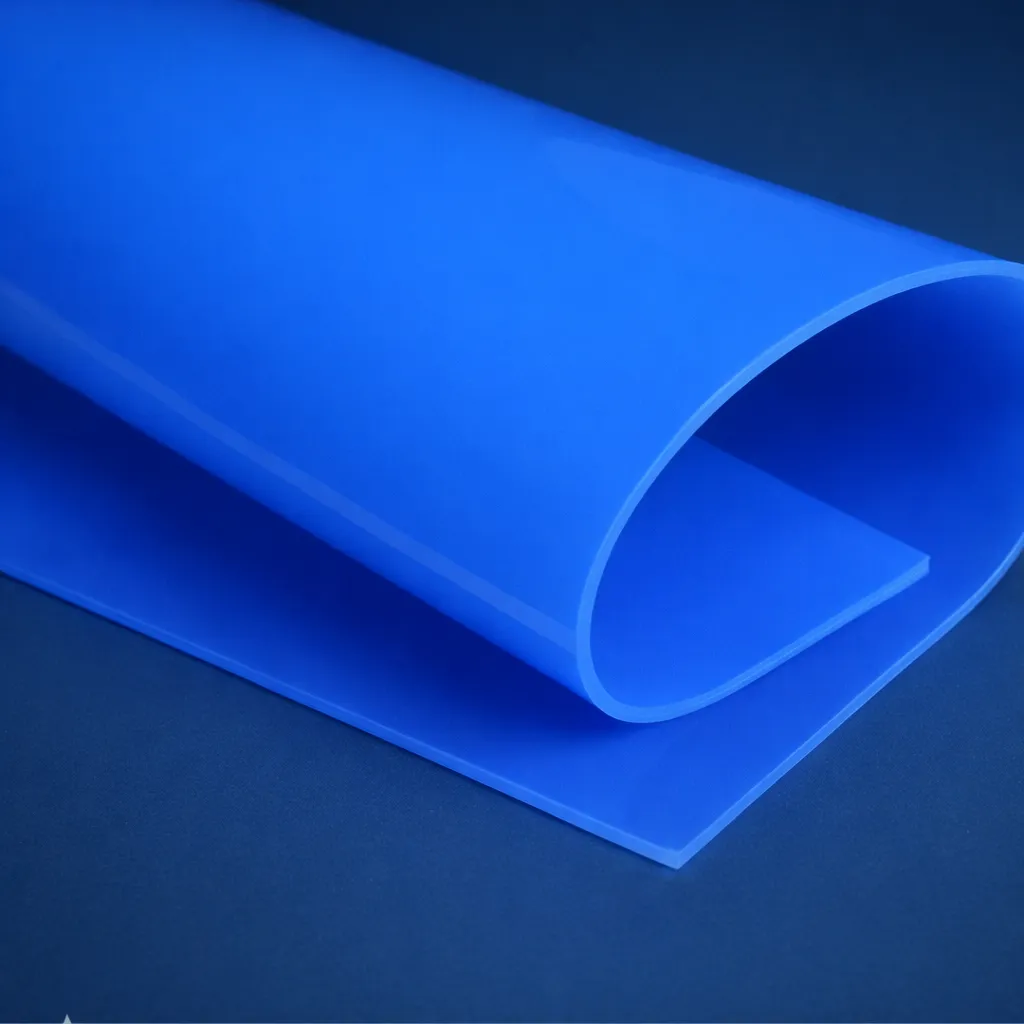
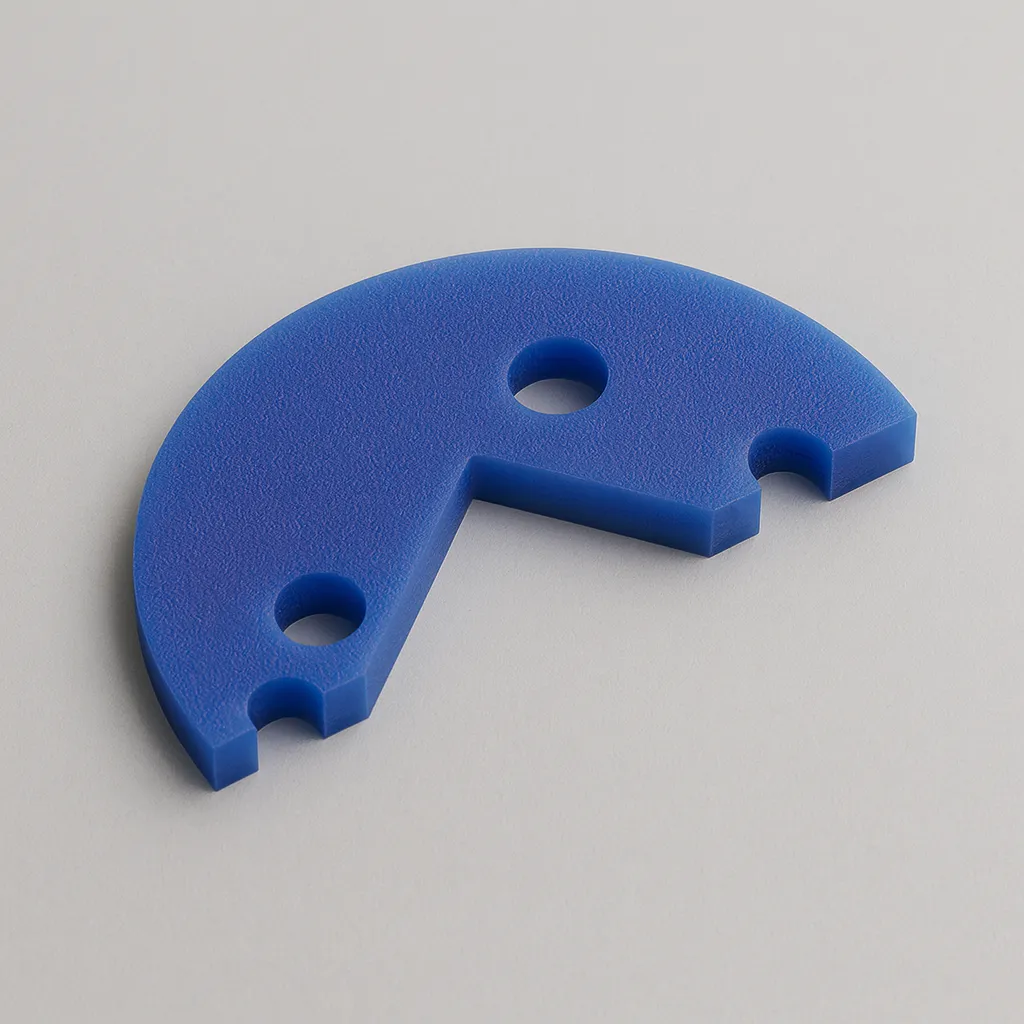
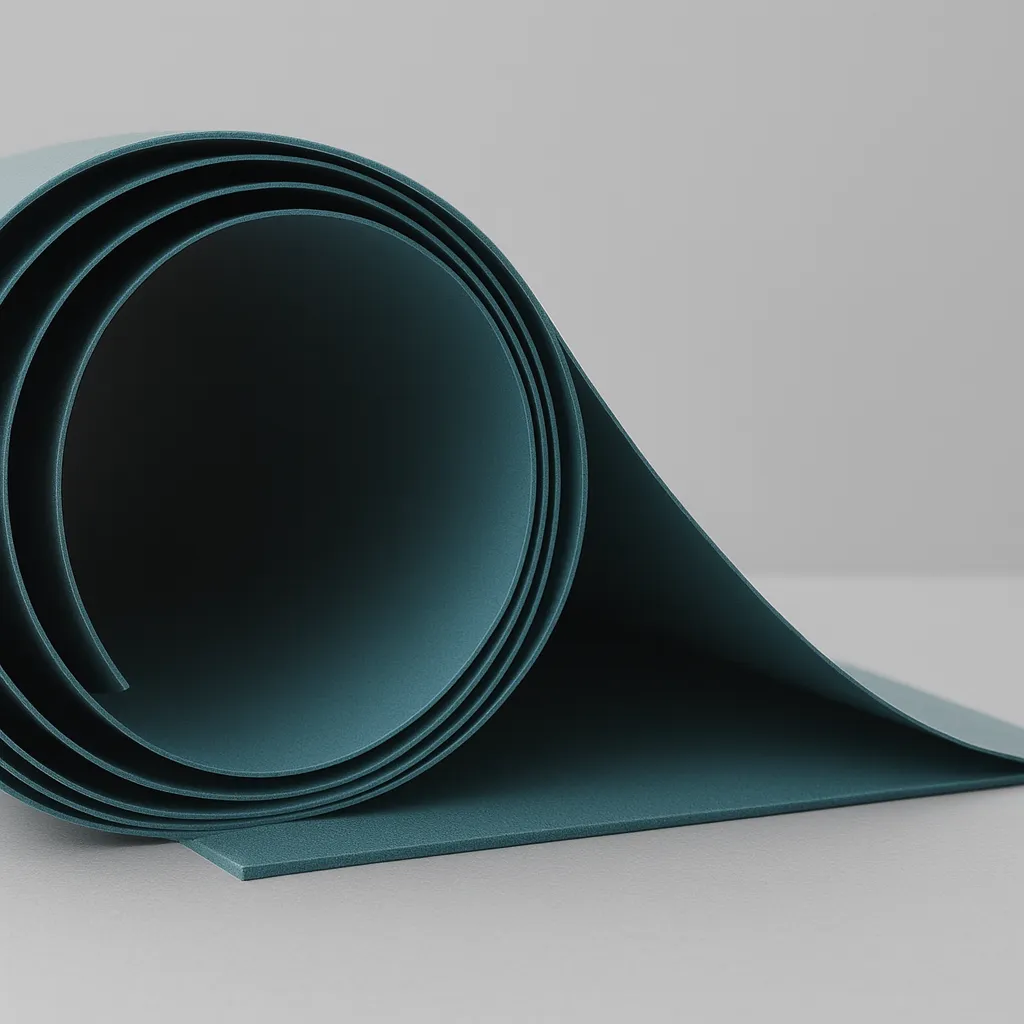
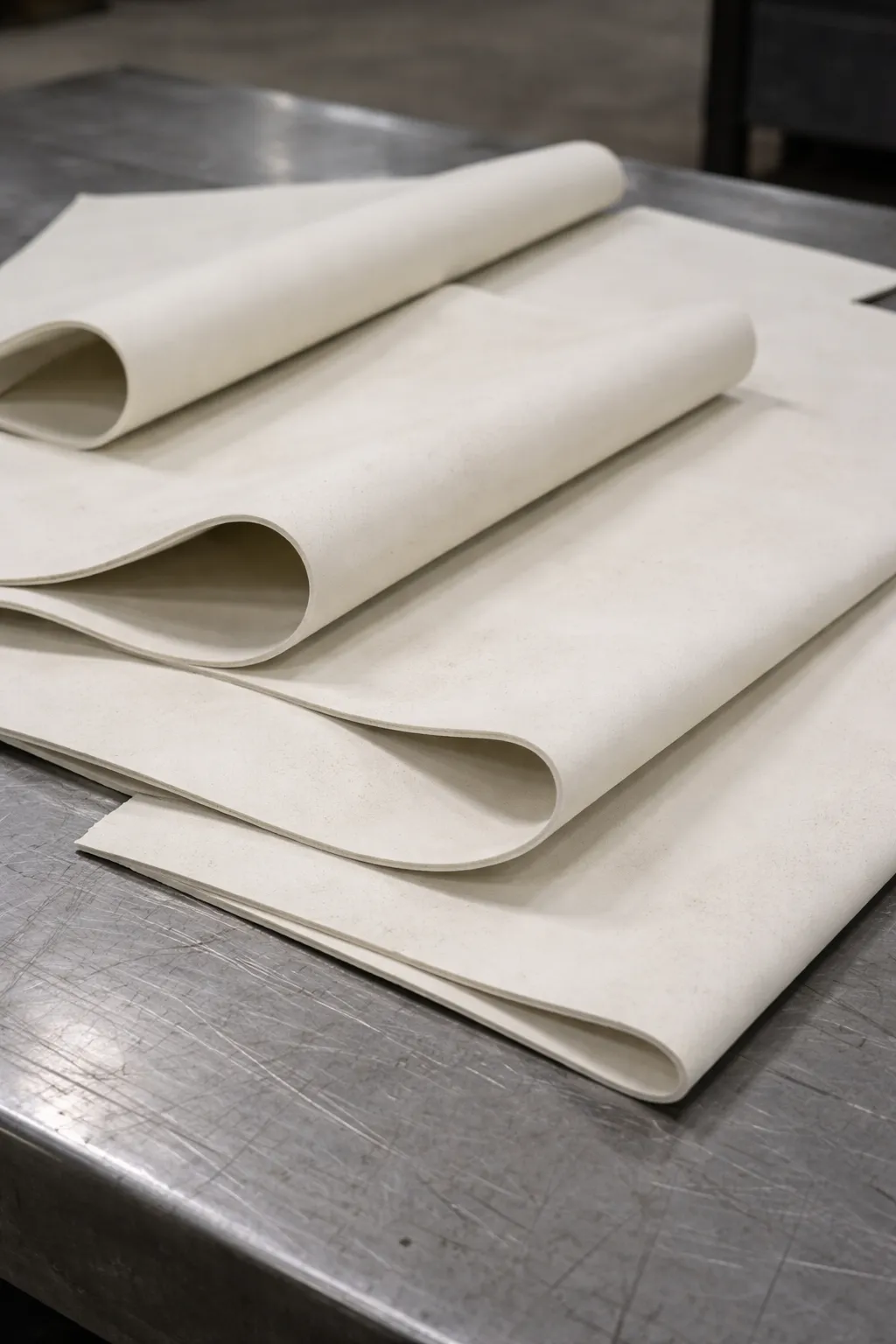
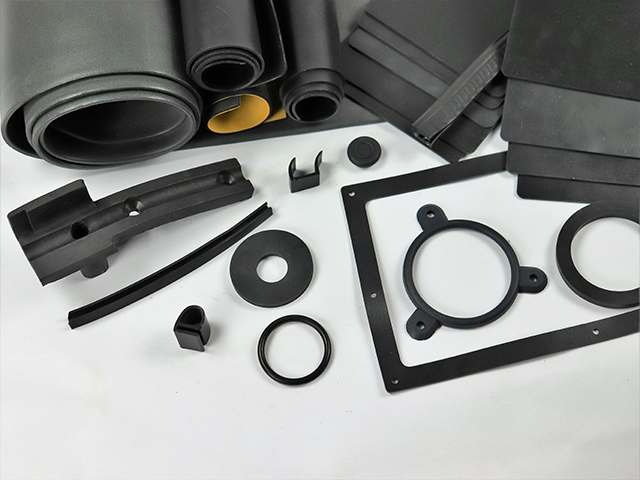
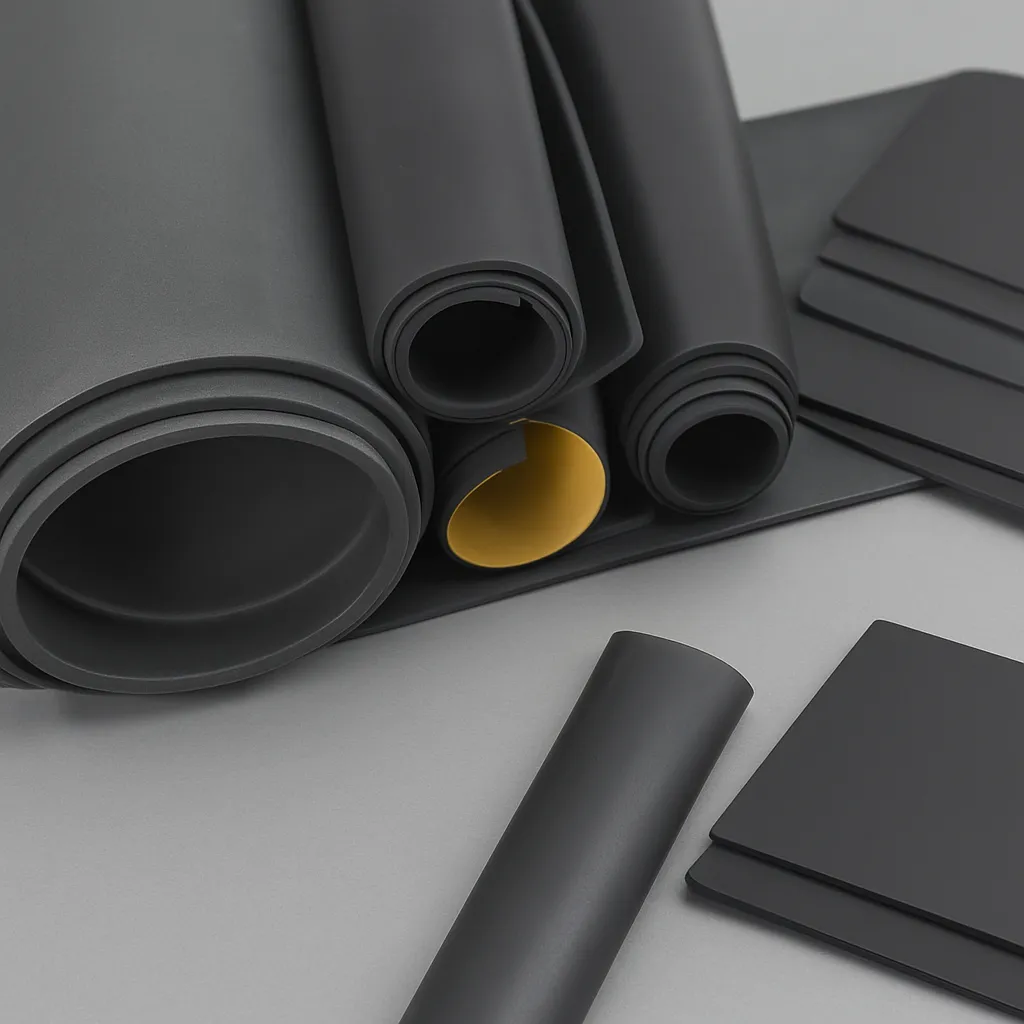
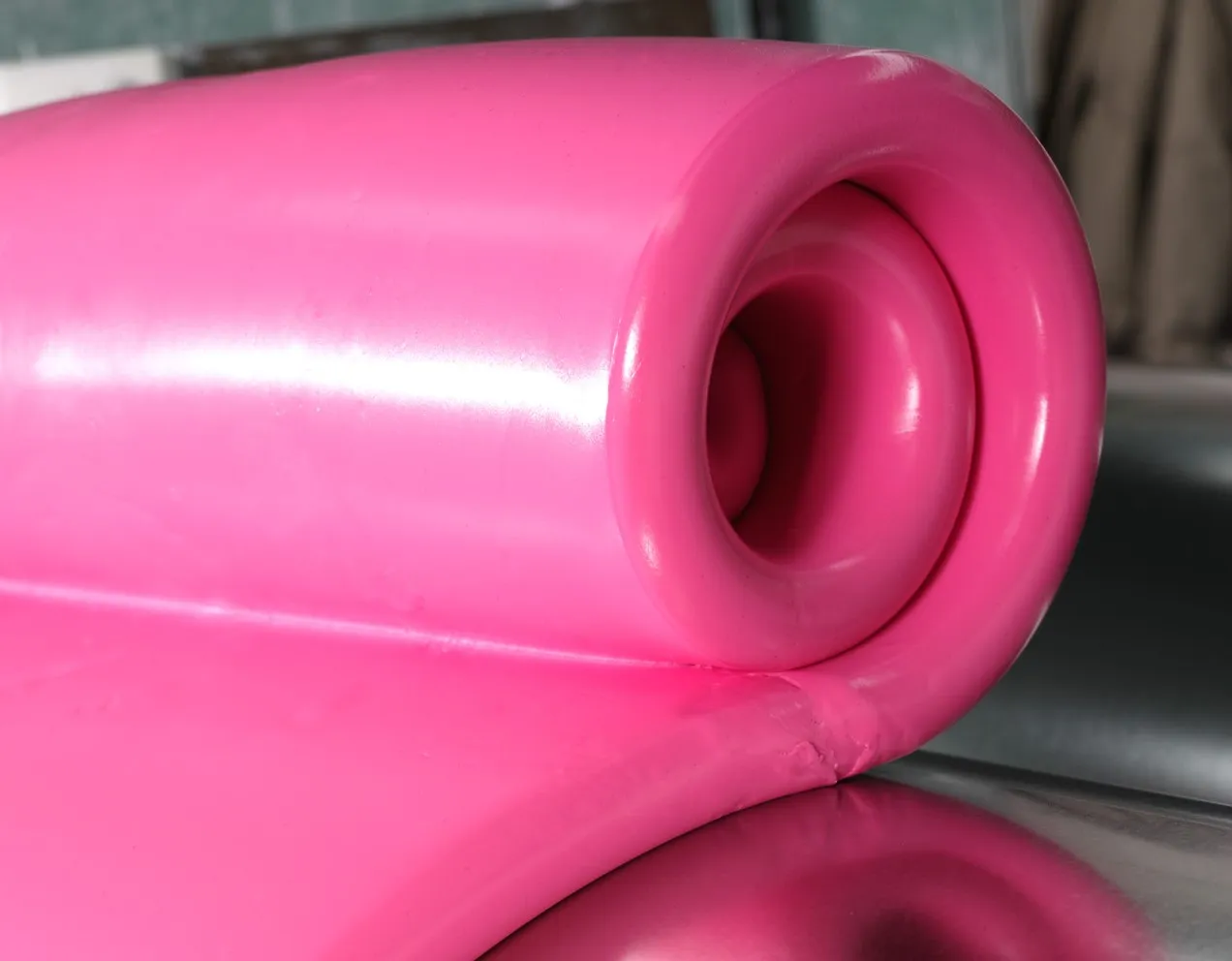
A silicone rubber mat with an etched foil heating circuit laminated within. Manufactured to bespoke dimensions and geometry—rectangular, circular, with cutouts, holes or complex profiles as required.
Typical Applications
- Aerospace: Component heating, anti-icing systems
- Railway: Door mechanisms, windows, water tanks (EN 45545-2 HL3 certified)
- Laboratory: Hot plates, incubators, sample warming
- Catering: Bain-marie bases, buffet warmers, heated surfaces
- Medical: Diagnostic equipment, defibrillator cabinets, patient warming
Technology
Why silicone? Silicone withstands extreme temperatures (-60°C to +200°C, up to 270°C on special order), remains flexible throughout its operating range, resists chemical attack and offers exceptional service life. Unlike Kapton or ceramic heaters, silicone conforms to curved surfaces without cracking or delamination.
Configuration options
- Integrated sensors: PT100 RTD or Type J/K thermocouples embedded within the mat
- PSA backing: Pressure-sensitive acrylic adhesive for permanent bonding
- ML System: Repositionable adhesive rated to 240°C for maintenance applications
Technical specifications
| Parameter | Value |
|---|---|
| 0 | Operating temperature: -60°C to +200°C (270°C on request) |
| 1 | Power density: Up to 4 W/cm² |
| 2 | Thermal conductivity: 1 W/m·K |
| 3 | Standard thickness: 0.9–1.0 mm |
| 4 | Ultra-thin option: 0.4 mm |
Nanoparticle Technology for High Efficiency
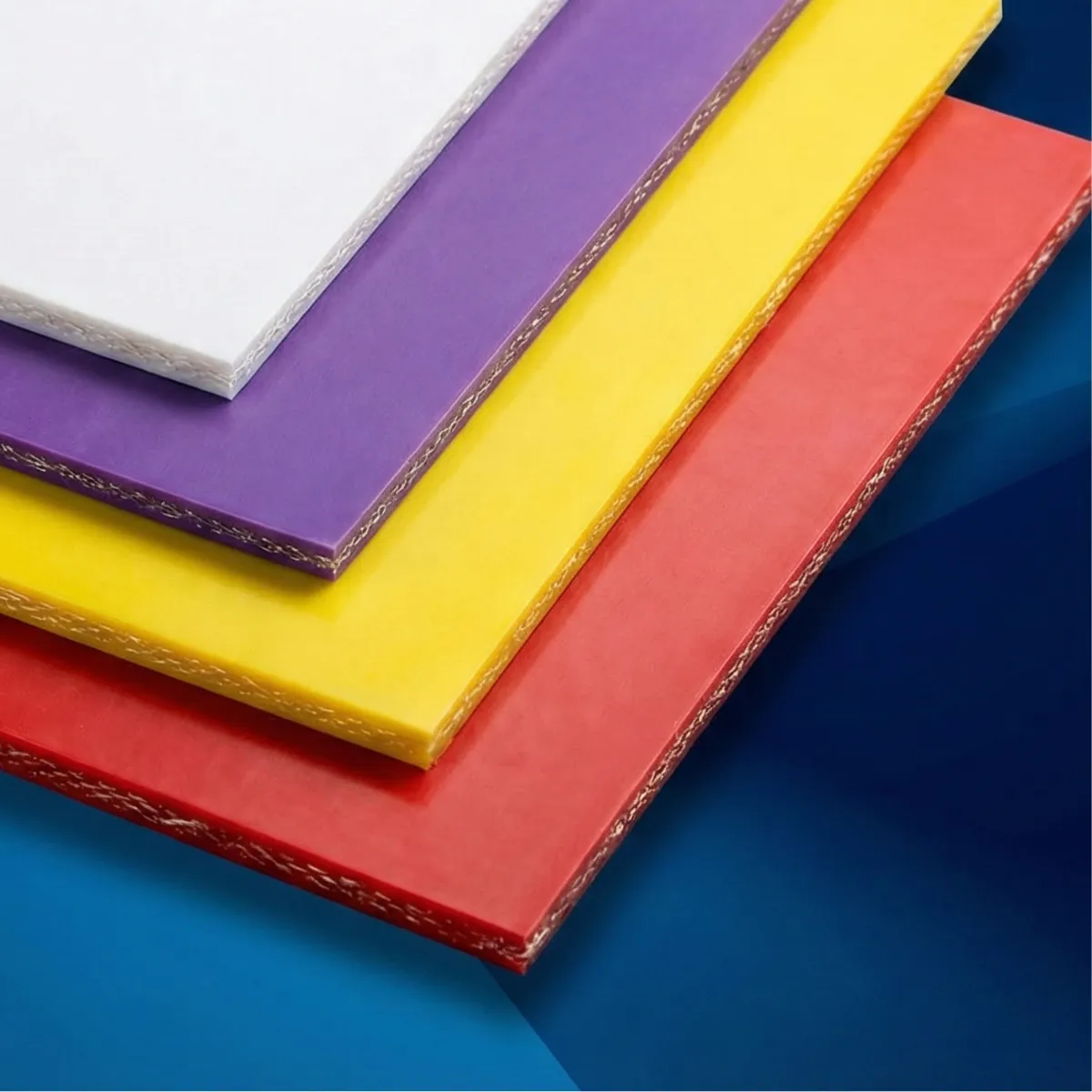
A micro-perforated silicone heater engineered for structural integration within composite laminates. The perforation pattern allows resin to flow through the heating element during layup, encapsulating it within the finished part without creating voids or delamination planes.
Patented technology (EP20382453), developed with CDTI funding.
Typical Applications
- Composite manufacturing: In-mould curing with embedded heat source
- Wind energy: Anti-icing systems embedded within turbine blades
- Aerospace: Structural panels with integrated de-icing or thermal management
- Automotive/EV: Structural components requiring embedded heating
Advantages
Conventional silicone heaters placed within composite layups create problems: resin cannot wet the heater surface properly, air pockets form, and the laminate is weakened. OhmMat Nano's permeable structure eliminates this issue—resin flows through, mechanical integrity is maintained.
Validated compatibility
Compatible materials and processes:
| Category | Compatible materials |
|---|---|
| Curing processes | RTM, VARTM (infusión vacío), Autoclave, Hand Lay-up, SMC |
| Matrix resins | Epoxi, Fenólica, Acrílica, Uretano, Vinilester |
| Reinforcement fibres | Fibra de vidrio, Fibra de carbono, Aramida (Kevlar) |
Test data
| Parameter | Value |
|---|---|
| 0 | Thermal cycling: >1000 cycles at 60–70°C, no degradation |
| 1 | Impact resistance: Passed 1.5m steel ball drop per EN 438 |
| 2 | Power stability: <4.2% variation after fatigue cycling |
| 3 | Fire certification: EN 45545-2 HL2/HL3 |
EMI Shielding with Conductive Silicone
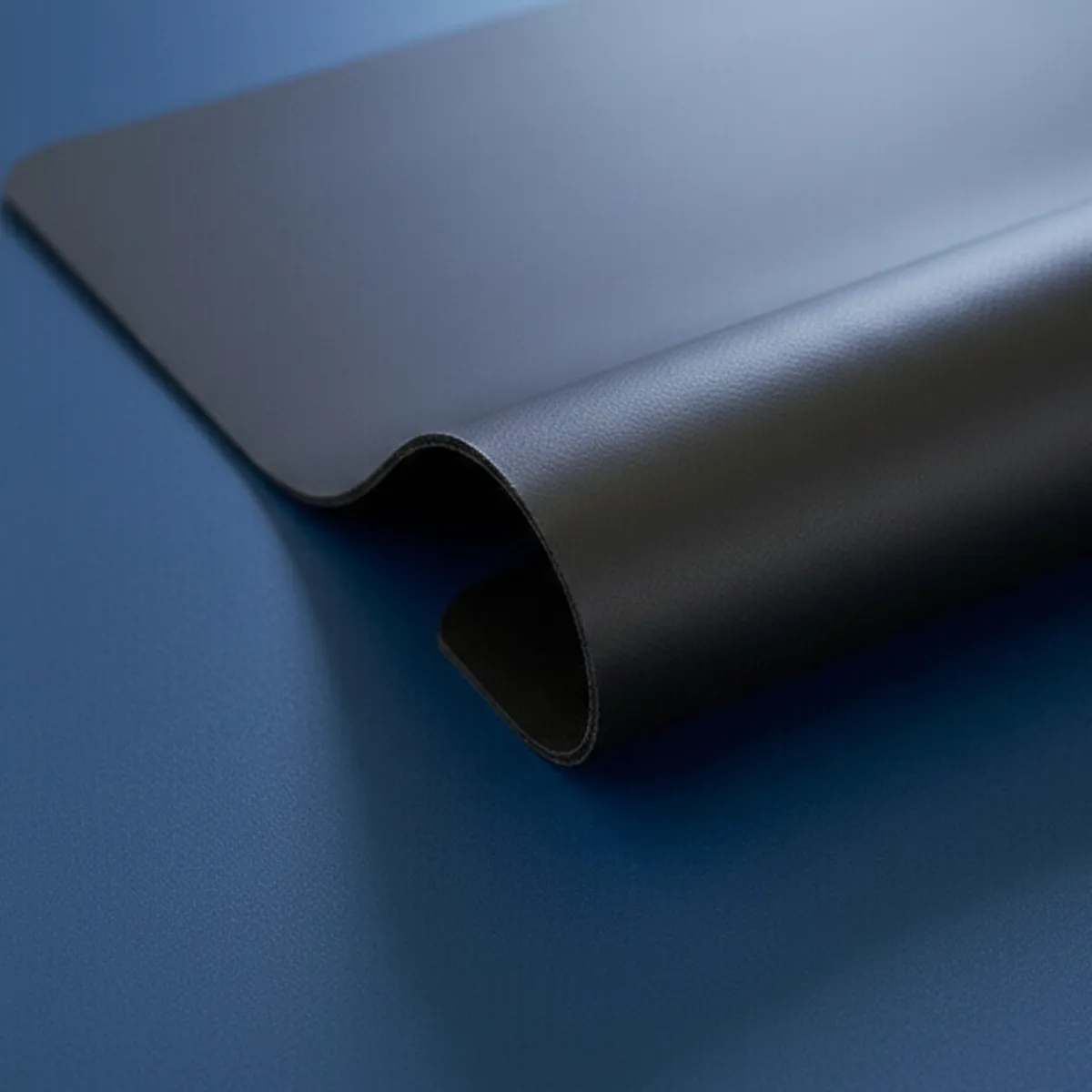
A silicone elastomer loaded with nickel-coated carbon particles, rendering it electrically conductive. Used to fabricate gaskets, sheets or moulded components that block electromagnetic interference (EMI) or provide electrostatic discharge (ESD) protection.
Typical Applications
- Electronics enclosures: Conductive gaskets between mating surfaces, shielded seals
- Telecommunications: Protection of sensitive RF equipment
- Medical devices: Flexible electrodes for electrosurgery (HF applications)
- Defence: EMI-hardened equipment housings
Technology
Why conductive silicone? Combines the mechanical advantages of silicone (flexibility, thermal stability, chemical resistance, longevity) with tuneable electrical conductivity. Resistivity can be specified to suit the application.
Technical properties
| Property | Value | Unit |
|---|---|---|
| Volume resistivity | 0,5 - 4500 | kΩ·cm |
| Surface resistivity | 0,5 - 1000 | kΩ/cm |
| Hardness | 60 - 70 | Shore A |
| Density | 2,0 | g/cm³ |
| Available thickness | 0,12 - 4 | mm |
| Maximum width | 580 | mm |
| Operating temperature | -60 a +180 | °C |
High Performance Thermal Interface
A gap-filling thermal interface material (TIM) placed between a heat-generating component (power semiconductor, LED array, processor) and a heatsink. Its function is to eliminate air gaps and provide an efficient thermal path.
Typical Applications
- Power electronics: Inverters, switch-mode power supplies, motor drives
- LED lighting: High-power luminaire thermal management
- Automotive/EV: Battery pack thermal management, power electronics cooling
- Telecommunications: Network equipment, 5G antenna systems, base stations
TIM Technology
Why use a TIM? Air is a poor thermal conductor. Even when two metal surfaces appear to be in contact, microscopic gaps trap air and create thermal resistance. A TIM fills these voids and dramatically improves heat transfer to the heatsink.
Technical specifications
| Property | Value |
|---|---|
| Thermal conductivity | Hasta 3 W/m·K |
| Available thickness | 0,15 mm a 3,0 mm |
| Hardness | 45 - 55 Shore 00 (muy compresible) |
| Operating temperature | -60°C a +200°C |
| Reinforcement | Fibra de vidrio |
Certifications & Standards Compliance
Ohmvo products meet the requirements of safety-critical sectors:
- EN 45545-2 HL3: Railway fire & smoke — highest hazard level
- EN 50264, EN 50306: Railway rolling stock cables
- EN 438: High-pressure laminates
- ISO 9001:2015: Quality management system
Custom Engineering
This technical sheet presents standard references and material capabilities. For specific needs — particular geometry, non-standard voltage, mold integration — contact the Ohmvo engineering department directly.
VISIT OHMVO WEBSITE