
Development and manufacturing of FVMQ and PVMQ silicone components for aeronautical and aerospace systems. Production under EN 9100 / ISO 9001 system and certified ISO 8 Cleanroom environment. Formulations tested according to FAR 25.853, UL94 V-0, and NF L17-153 Class 53.

Custom-cut flat silicone gaskets for tight sealing.

Silicone O-rings in standard and special sizes according to ISO 3601.
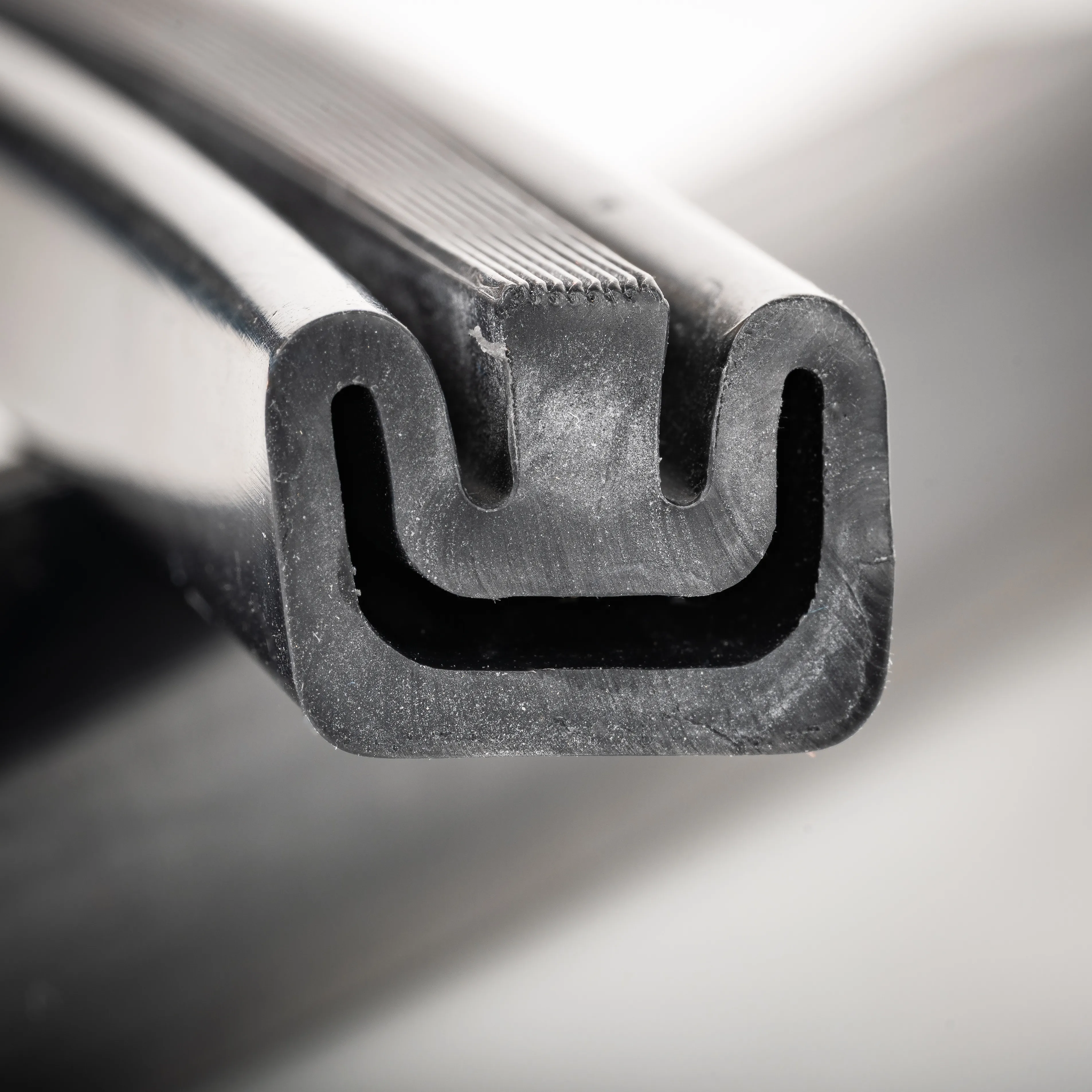
Extruded profiles according to blueprint or custom design.
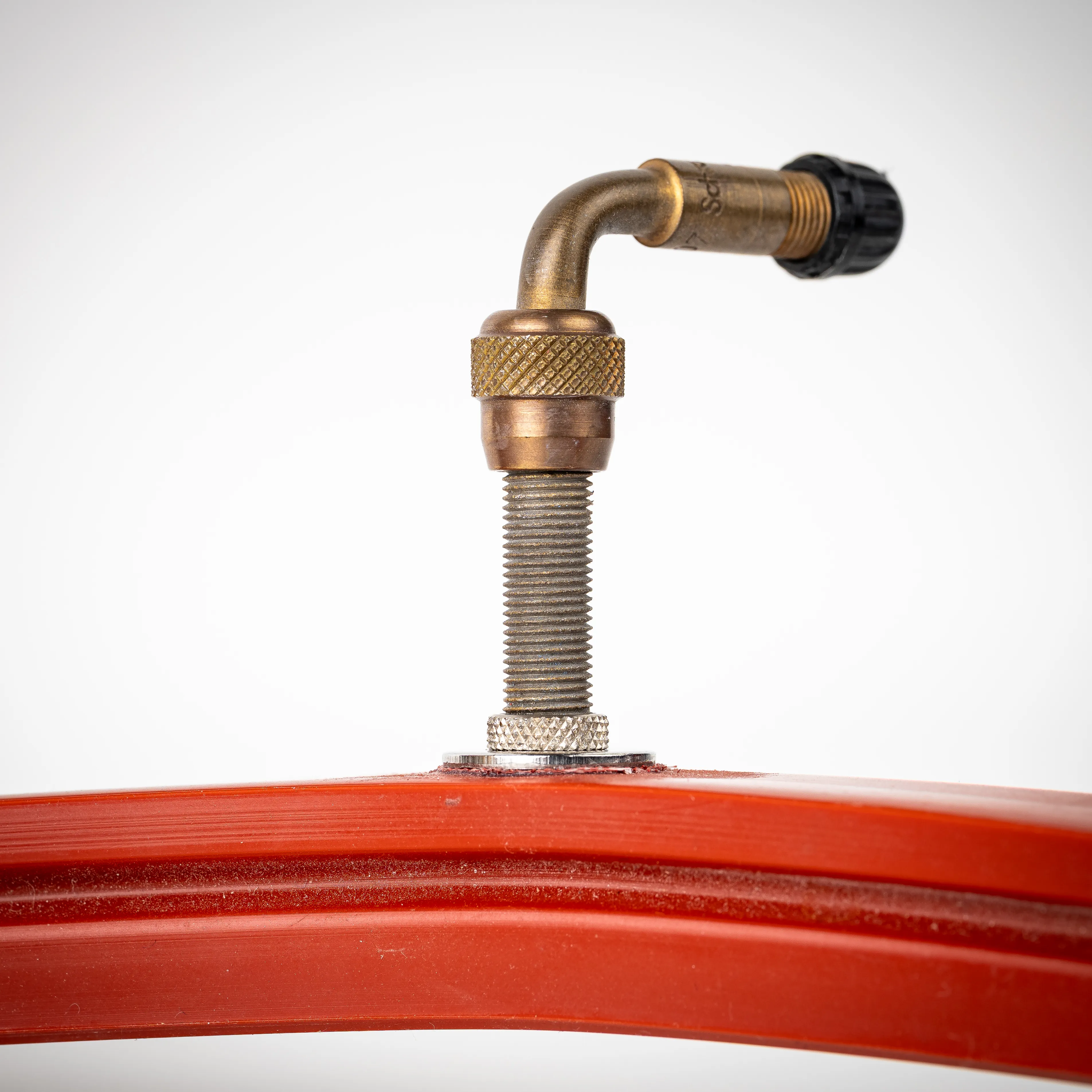

Reinforced and braided tubing for pressure and vacuum resistance.

Compression molded parts with high dimensional accuracy.
Silicona catalizada por peróxido para zonas de motor, conductos de aire caliente y entornos con ciclos térmicos severos.
Silicona catalizada por platino de alta pureza, compatible con sala blanca. Juntas de precisión y piezas con requisitos dimensionales estrictos.
Blindaje EMI/RFI para conectores y equipamiento de aviónica. Disponible exclusivamente en negro.
Silicona celular ligera para juntas de compuertas, paneles de acceso y perfilería.
ProSilicones64 is a specialized European manufacturer of technical silicone for aeronautical and aerospace applications.
The industrial alliance between Progress Silicones (France) and Establecimientos OR64 (Spain) integrates an infrastructure with an ISO 8 cleanroom, EN 9100 / ISO 9001 certification, and production capacity of over 200 tons converted annually with controlled batch purity.
All formulations are tested compliant with FAR 25.853, UL94 V-0, and NF L17-153 Class 53, ensuring full aeronautical compliance.
Certificates of conformity are issued exclusively after the manufacturing and validation of the first production batch, in accordance with the traceability records of the EN 9100 and ISO 9001 systems.


