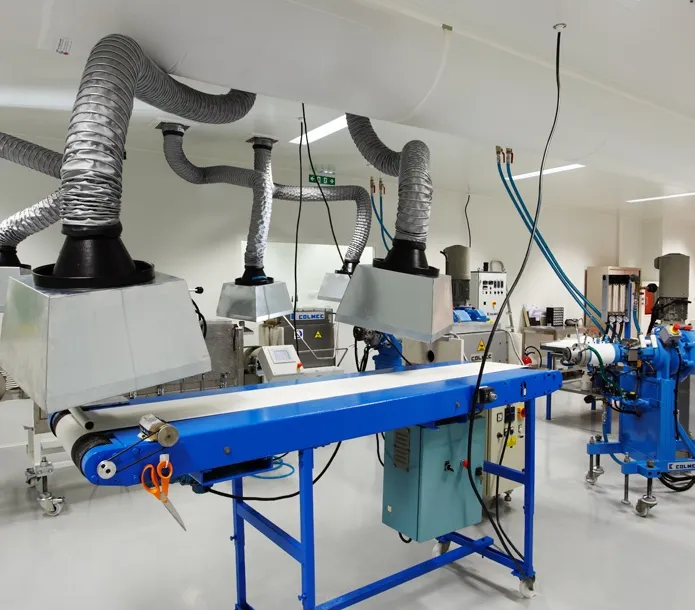

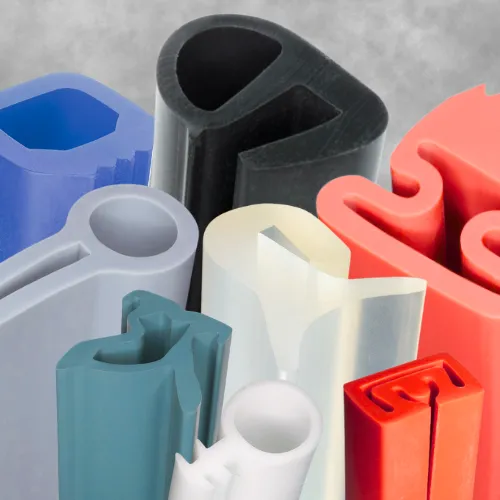
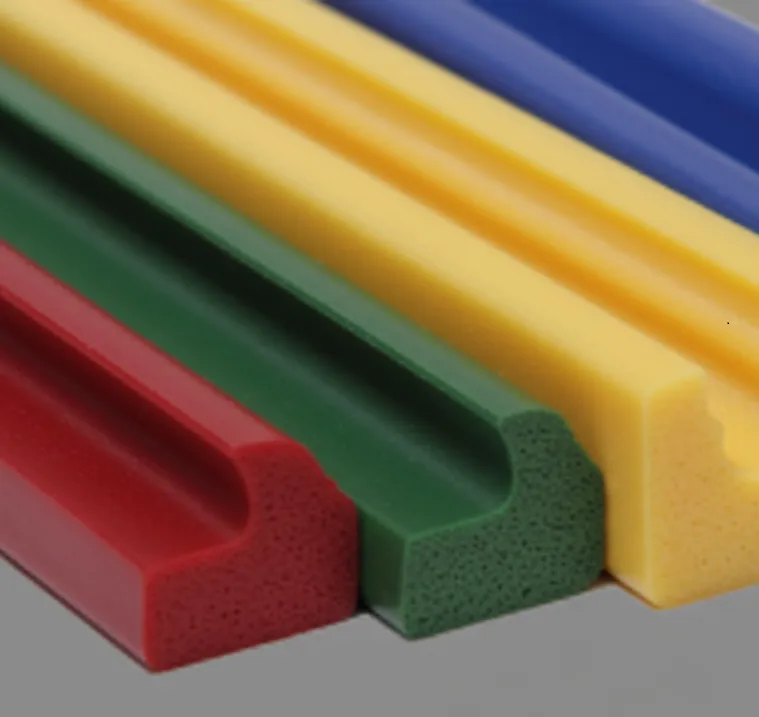


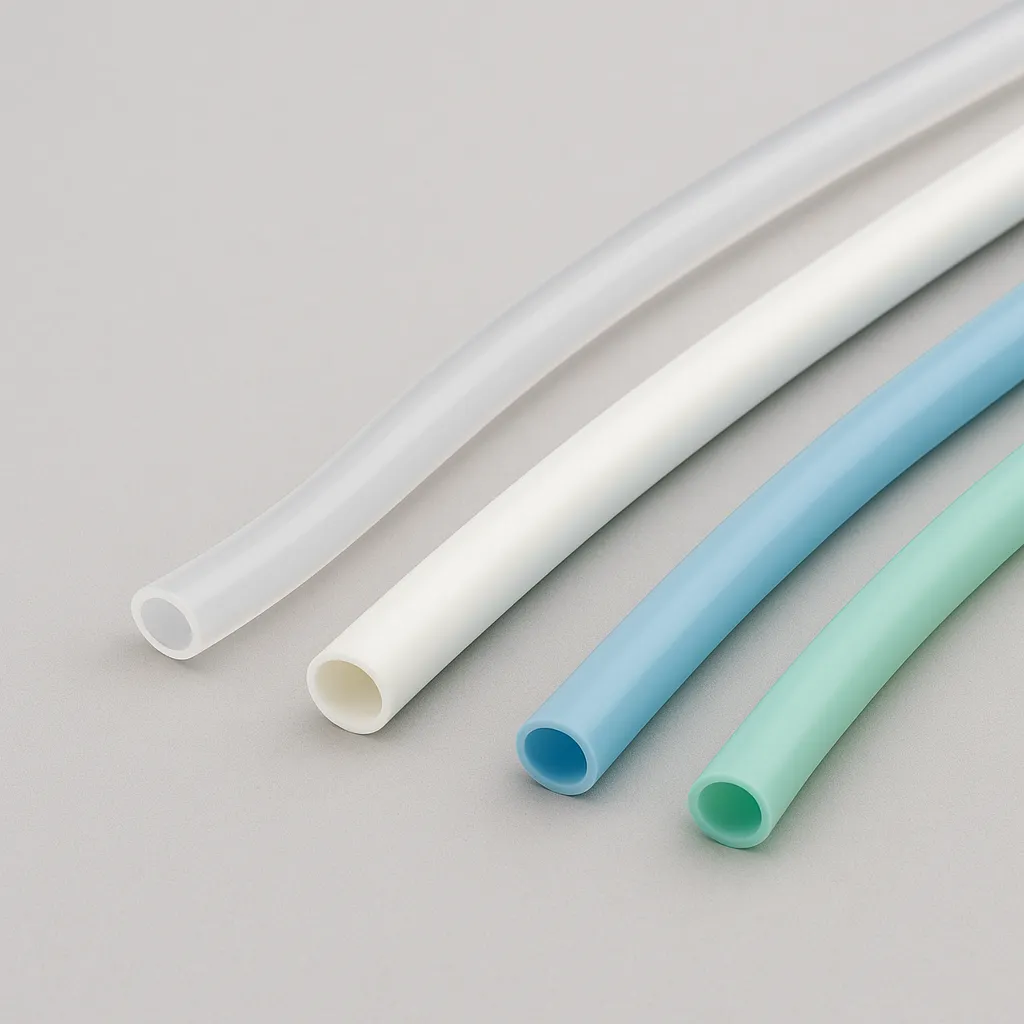







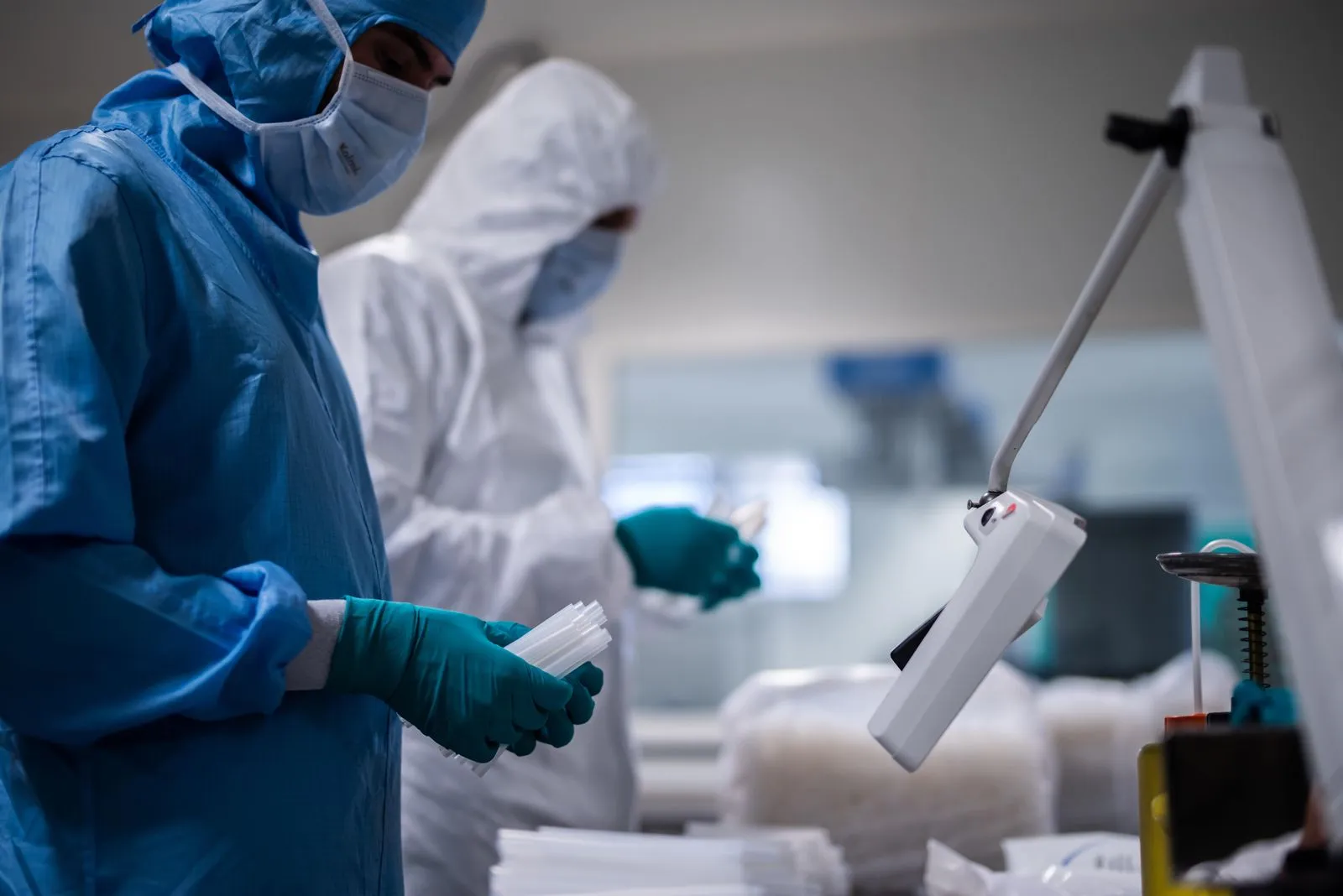


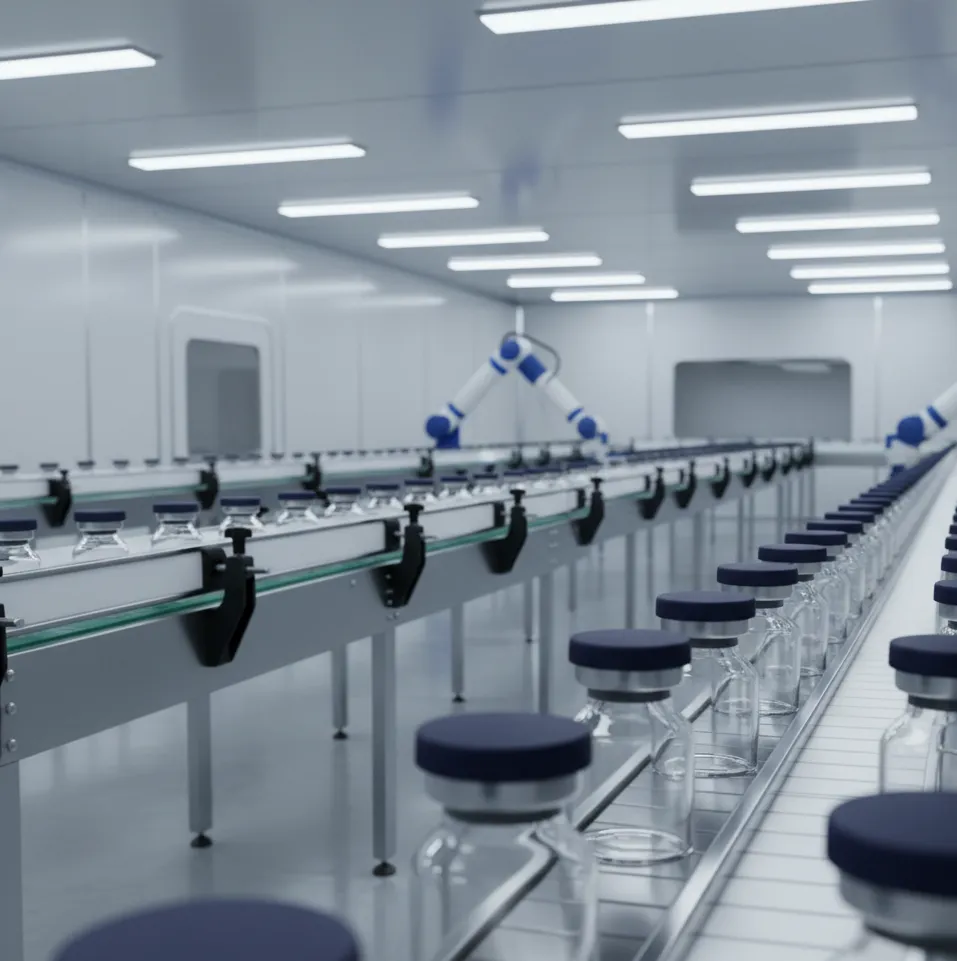
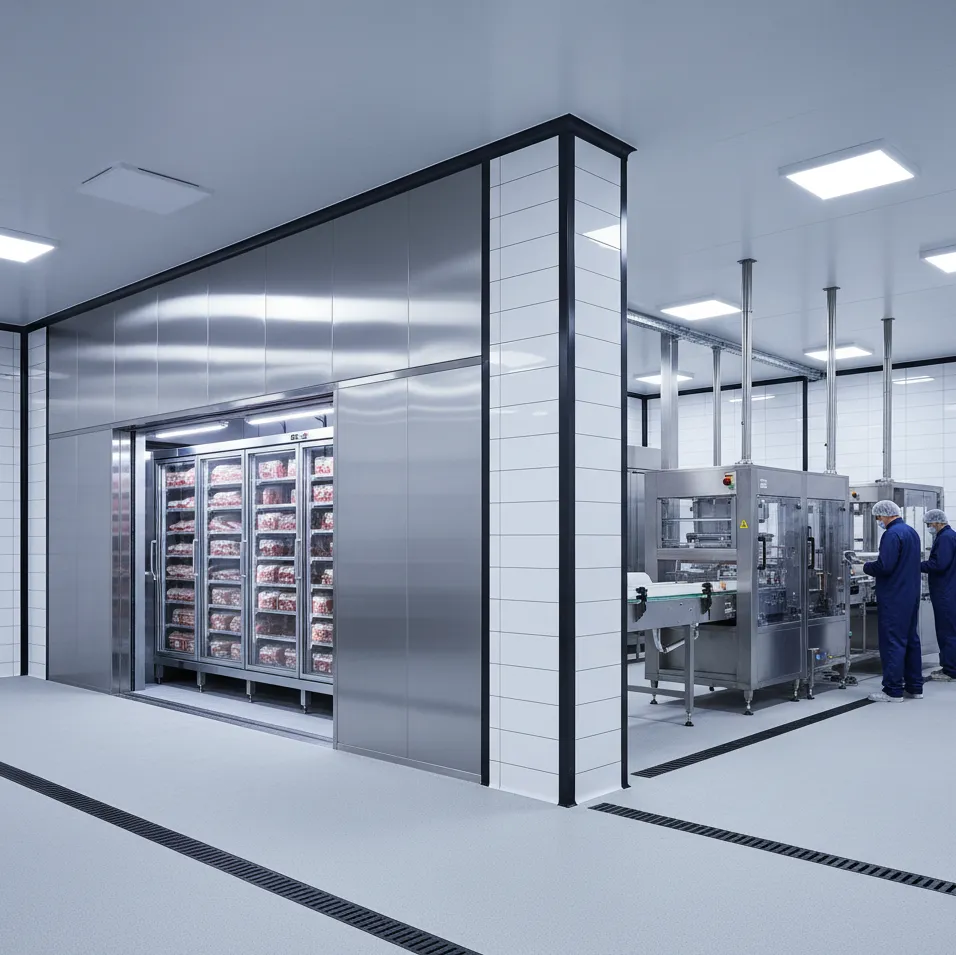

This guide explains the real requirements of an ISO 8 clean room and the direct impact on medical device manufacturing.
What ISO 8 Means: Particulate Control in Real Numbers
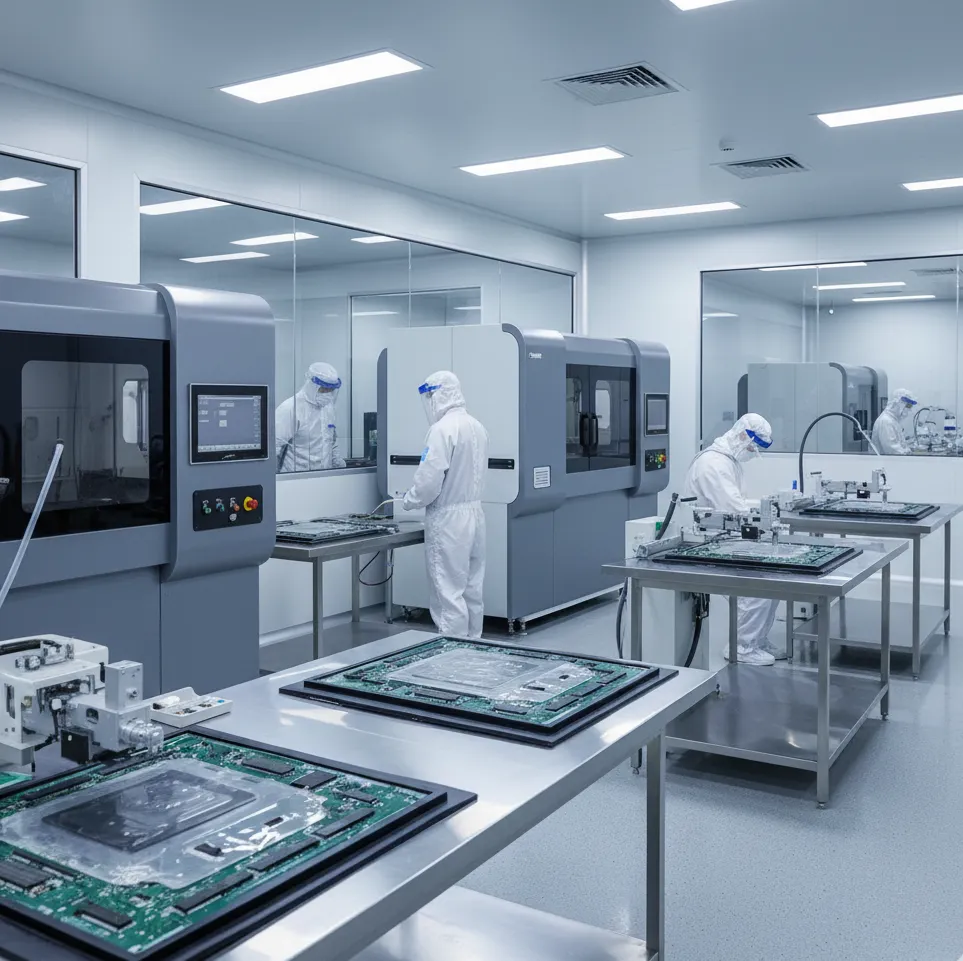
An ISO 8 clean room is not a "clean" space; it is a regulated environment with measurable limits:
Particulate Limit
- Maximum 352,000 particles/m³ in the 0.5 µm range
- Continuous monitoring with laser counters
- Automatic logging of any deviation
Environmental Control System
- Air renewal: 15-20 changes/hour
- HEPA H14 filtration (99.995% retention)
- Positive pressure of +15 Pa vs. adjacent areas
- Temperature 20±2°C and humidity 45±5%
Access Protocol
- Personnel airlock with controlled gowning
- Material transfer via pass-box
- Validated cleaning with surface microbiological tests
Processes Performed Within the Controlled Environment
A complete medical facility integrates manufacturing and quality control in the same environment:
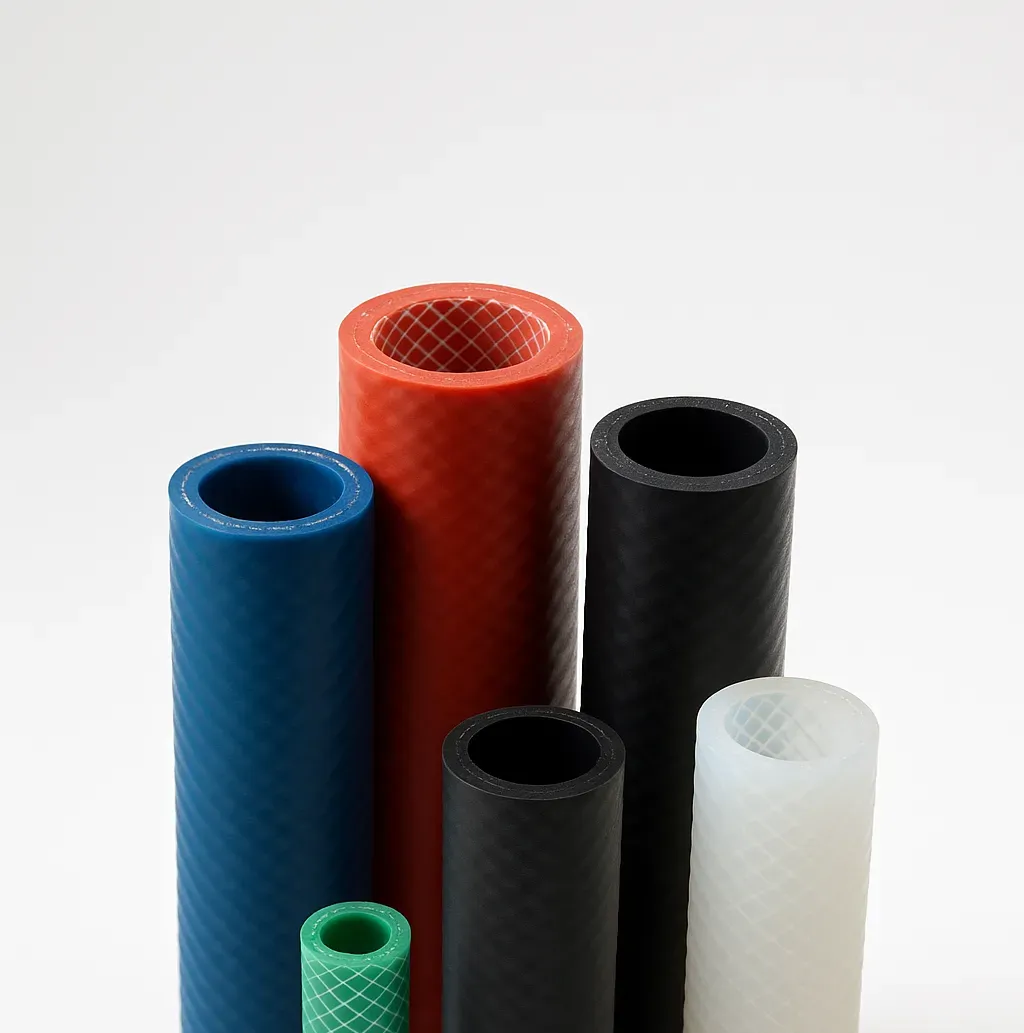
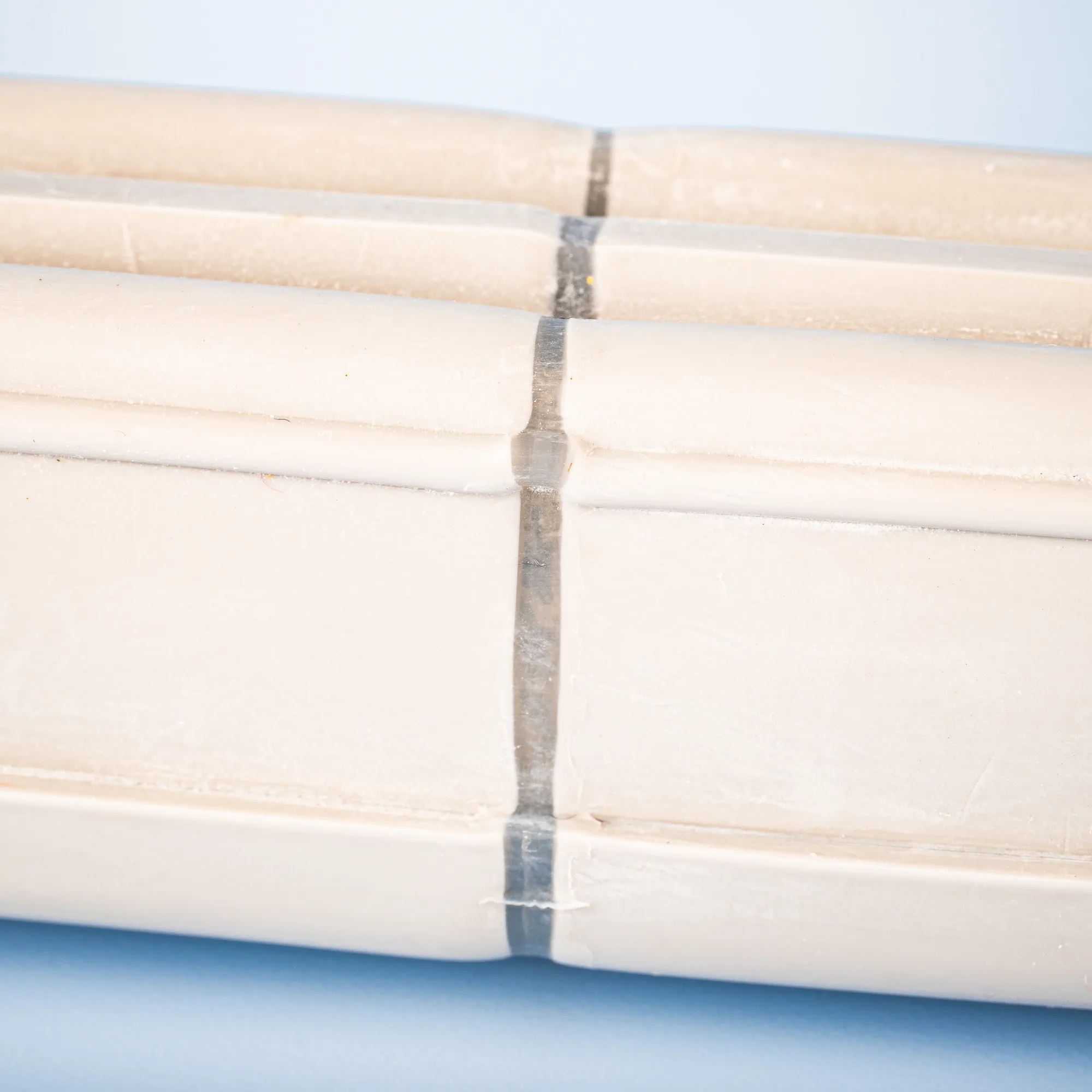
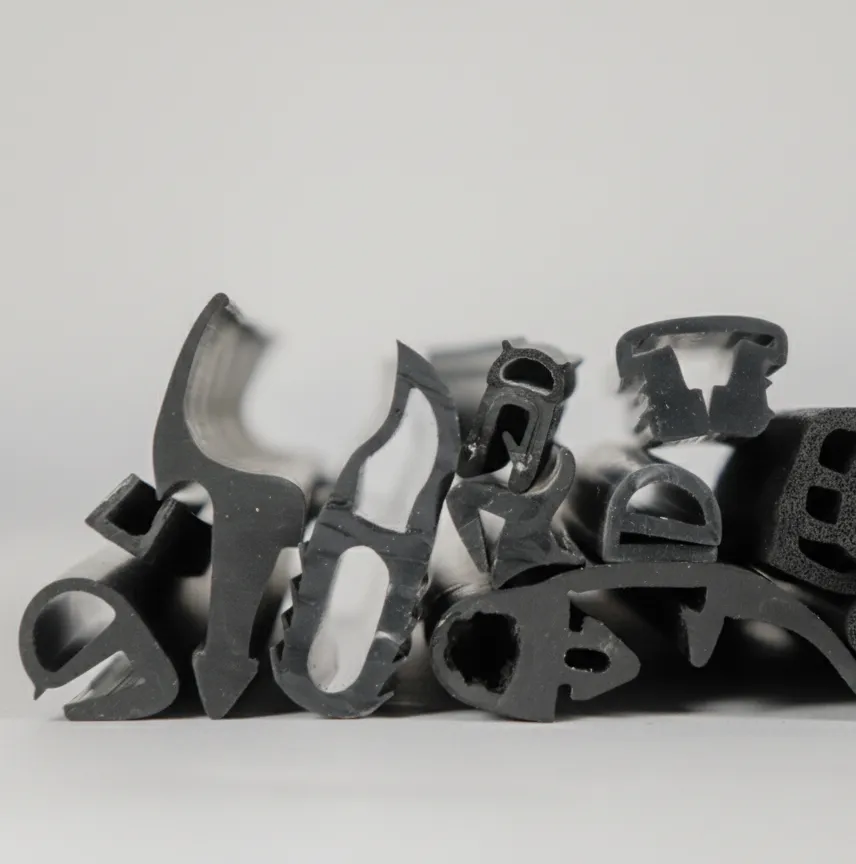
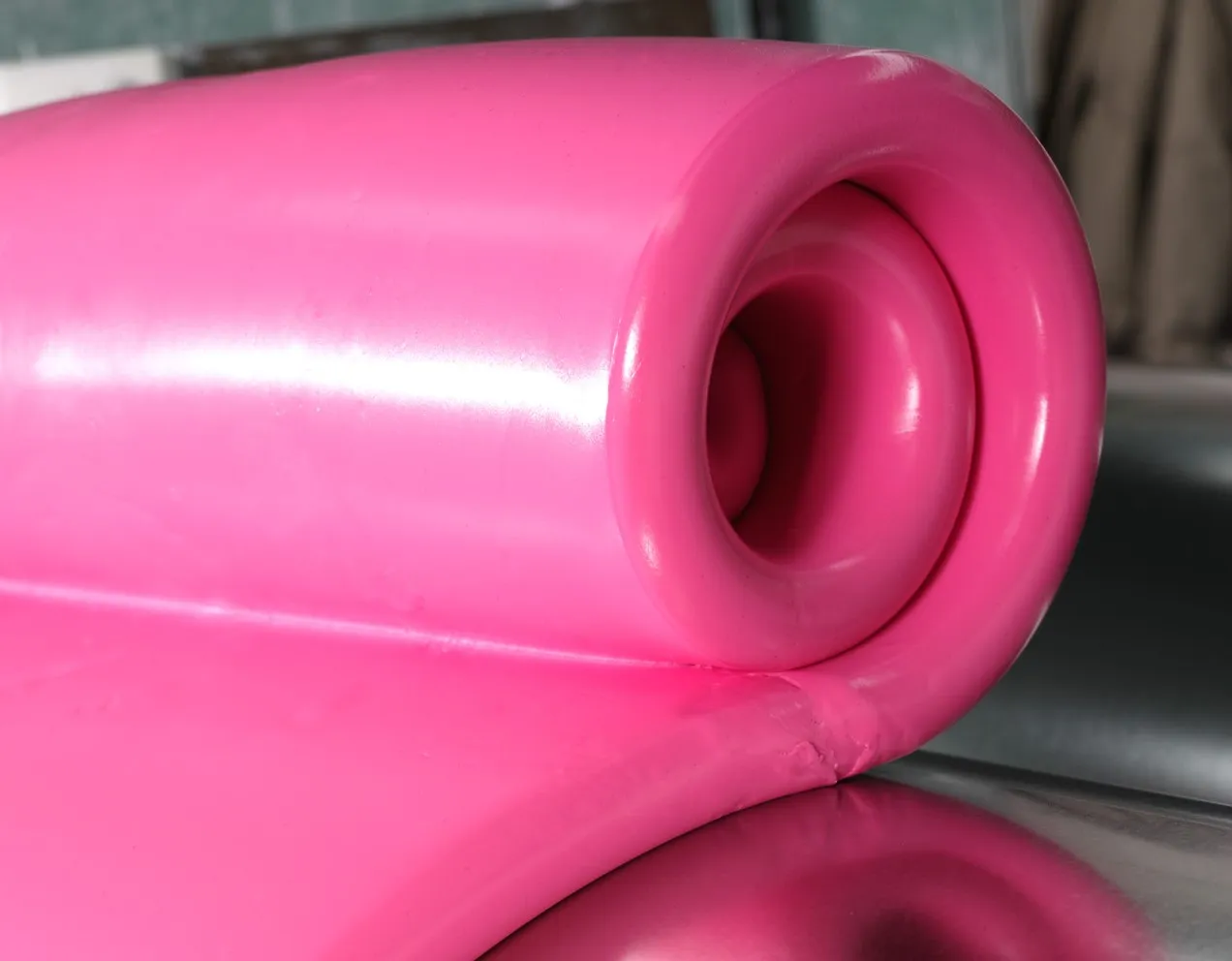
Medical Profile Extrusion
- Extrusion lines with parameter recording
- Lot-to-lot traceability
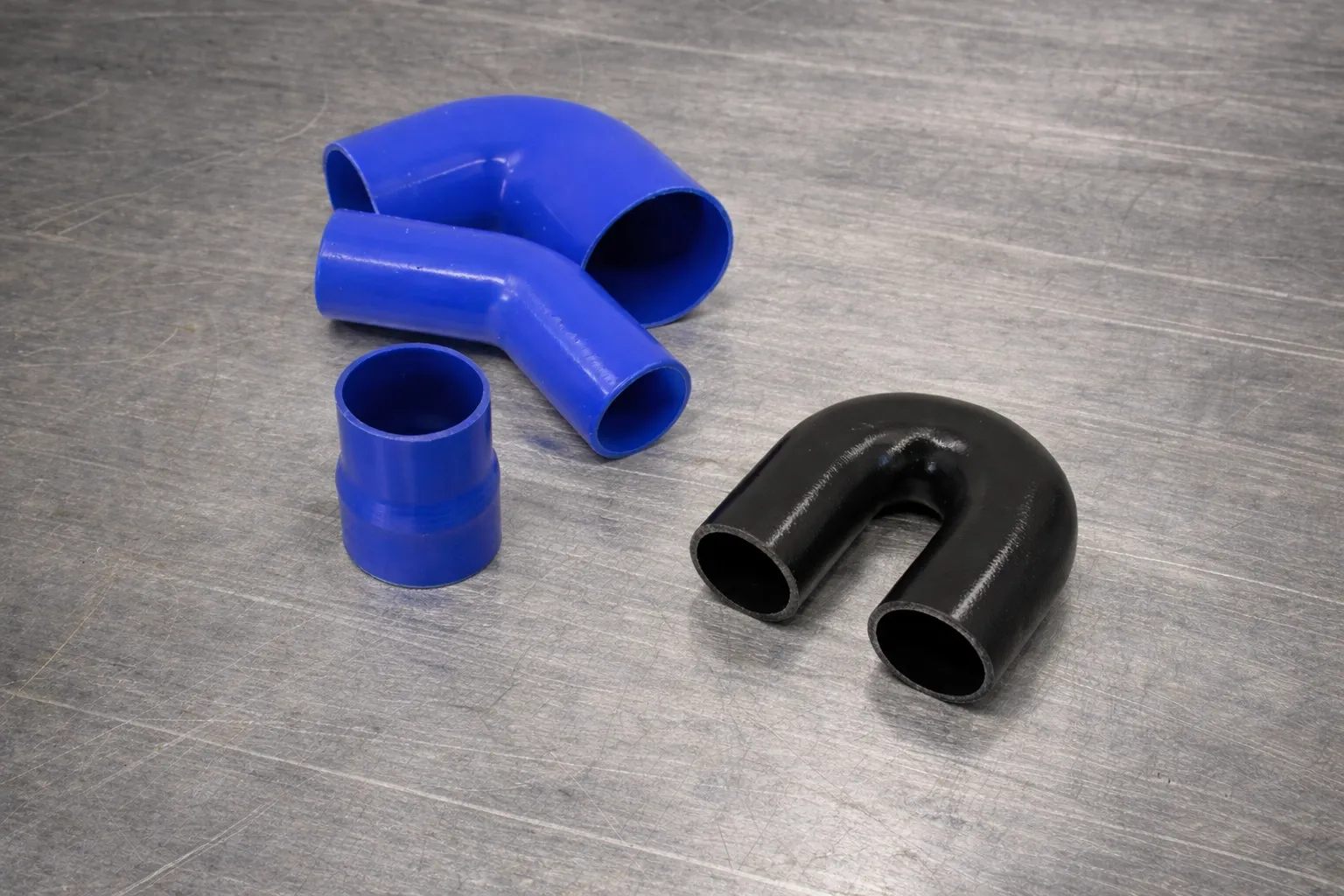
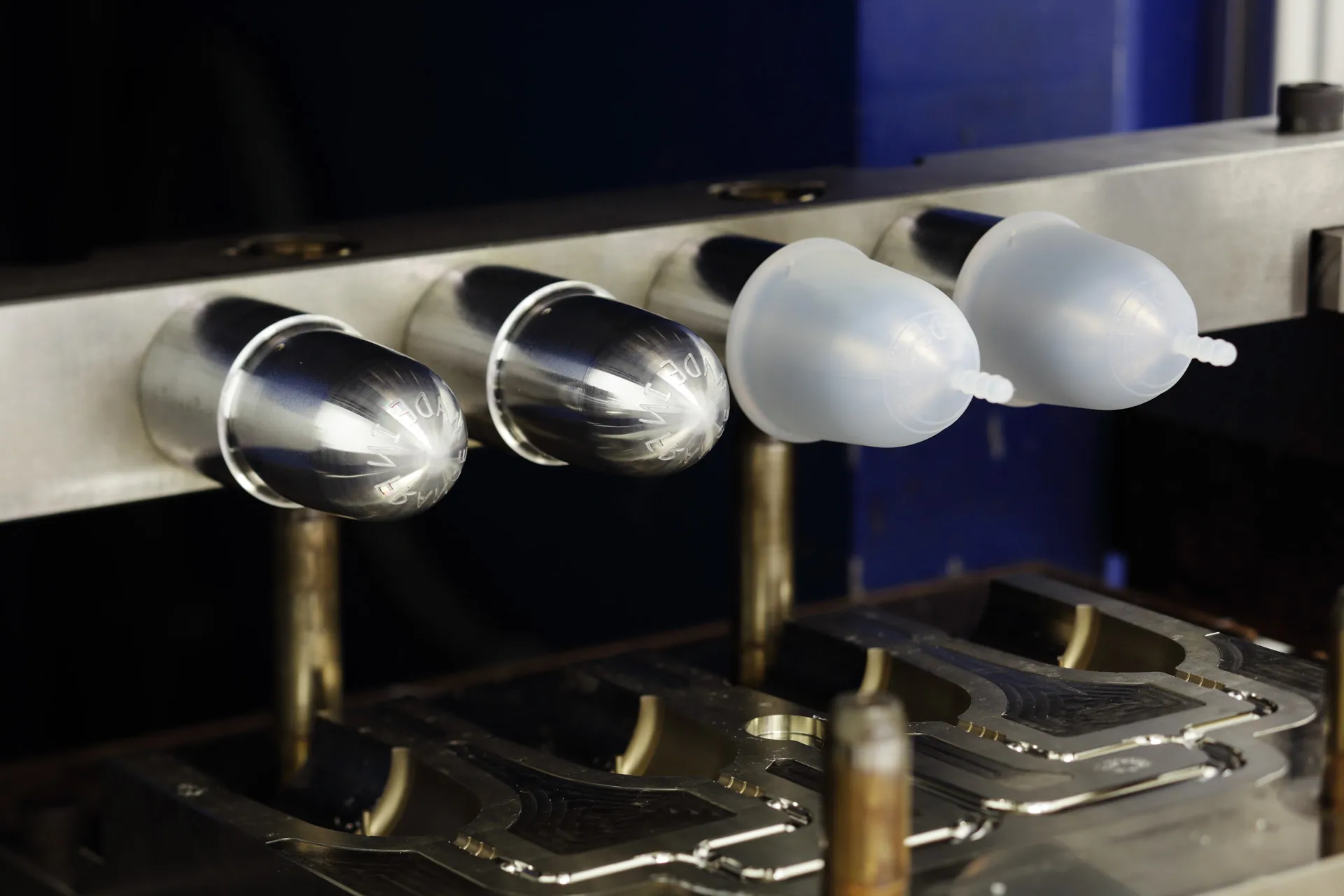
LSR Molding (Liquid Silicone Rubber)
- LSR injection presses with cycle control
- Precision valve and septum manufacturing
HCR Molding (High Consistency Rubber)
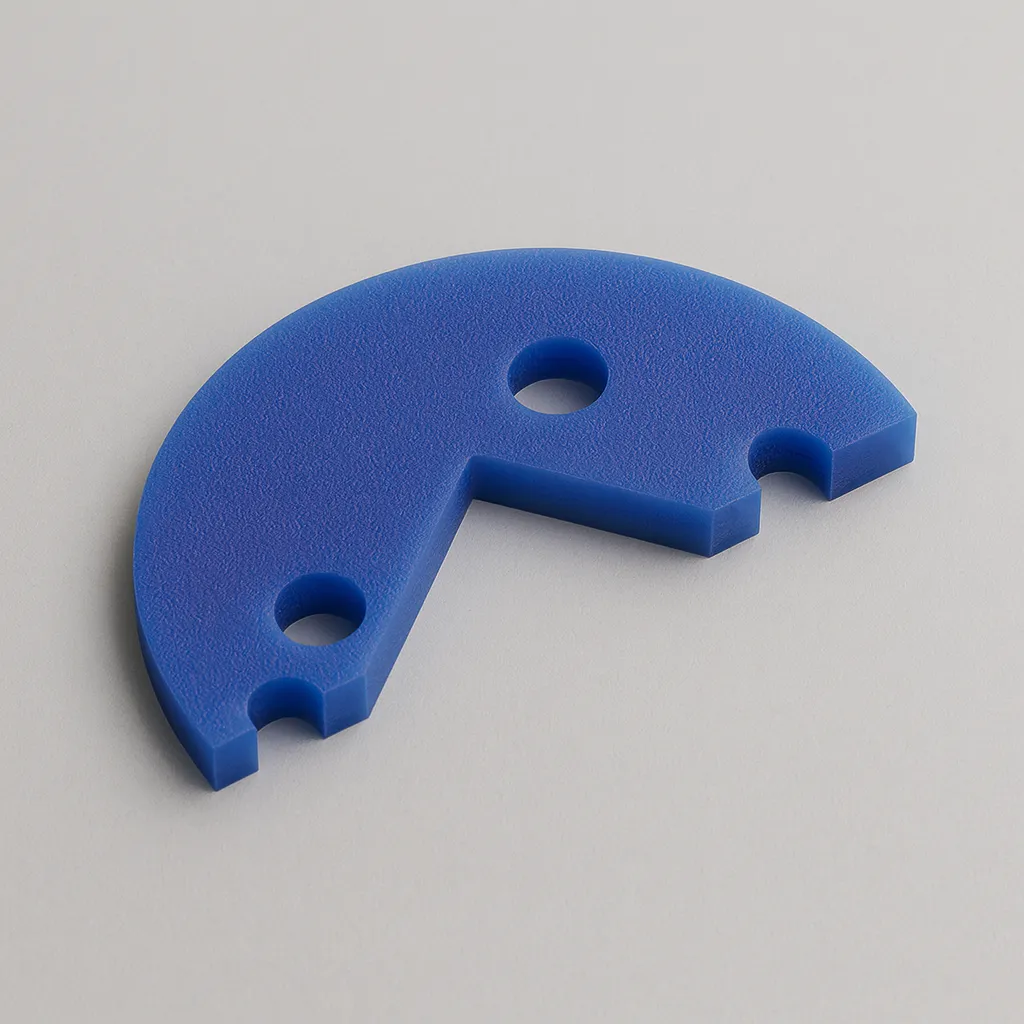
- Large format parts for implantable devices
- Post-cure in oven with validated thermal profiles
Auxiliary Processes
- Overmolding of metal or plastic inserts
- Precision CNC machining
- Component assembly and finishing
Medical Certifications: What Device Manufacturers Audit
ISO 13485 (Quality Management System)
- Design, development and manufacturing under documented system
- Complete traceability, change control, CAPA actions
ISO 10993-1 (Biocompatibility)
- Cytotoxicity, sensitization, irritation
- Specific tests based on contact duration
USP Class VI (US Pharmacopeia)
- In vivo tests: implant, systemic injection, intracutaneous
- Required for internal contact and implantable devices
MDR 2017/745 (European Regulation)
- Absence of CMR substances (Carcinogenic, Mutagenic, Reprotoxic)
- Absence of animal/human tissue derivatives (TSE/BSE)
- Complete technical dossier for CE marking
Batch Documentation: Traceability That Passes Audits
Each production batch includes certified technical documentation:
Raw Material Identification
- Compound lot number
- Conformity and analysis certificates
- Incoming inspection reports
Process Parameters
- Vulcanization curve (ISO 6502: rheometer)
- Extrusion/molding temperatures
- Cycle times and curing pressures
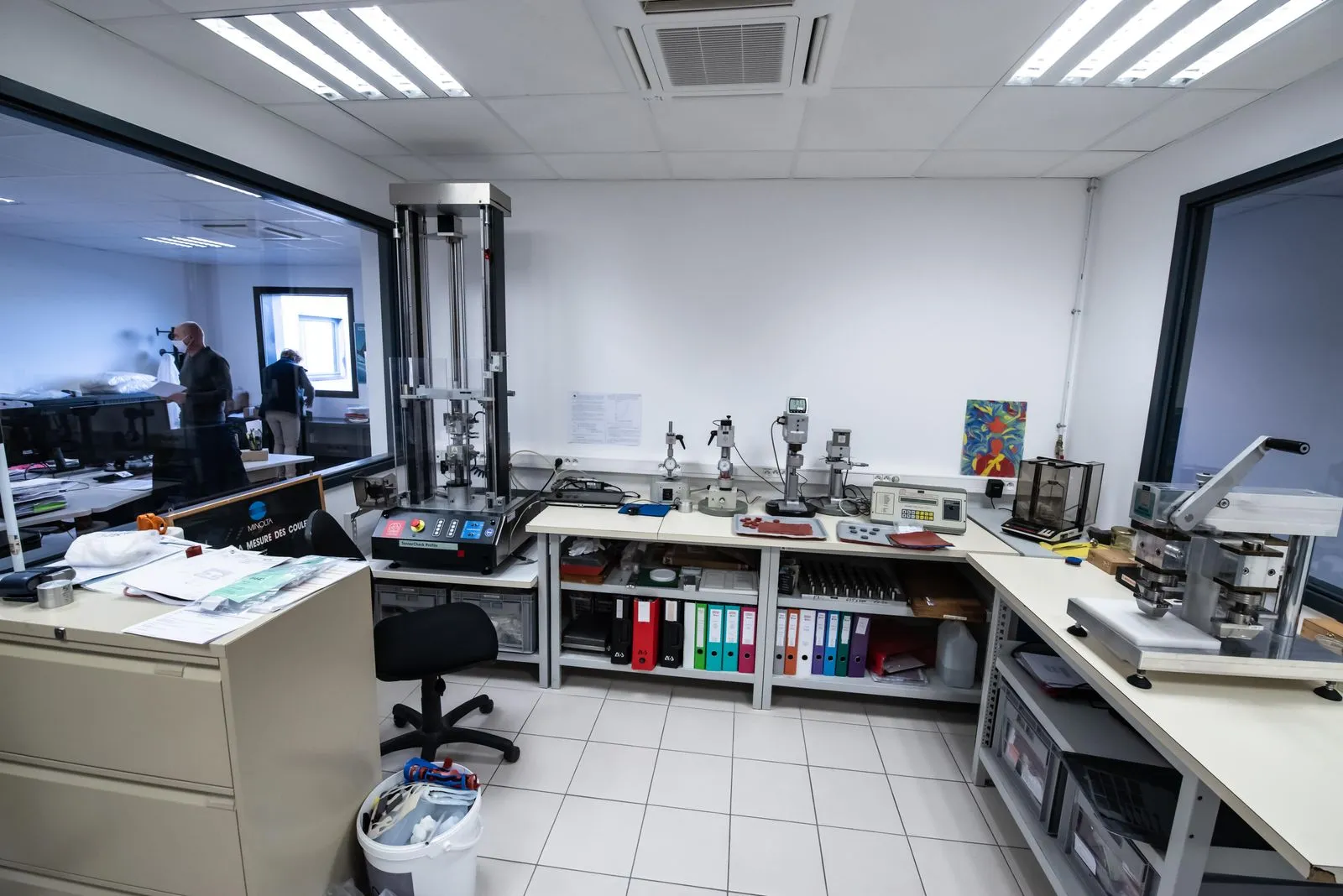
Verified Physical Properties
- Shore A hardness (ISO 48-4)
- Tensile strength and elongation (ISO 37)
- Compression set (ISO 815)
- Dimensional stability
Microbiological Control
- External tests in accredited laboratory
- Endotoxin-free verification (LAL)
- Bioburden compliant with ISO 11737
Tangible Benefits for Device Manufacturers
Reduced Validation Costs
The controlled environment eliminates post-manufacturing cleaning validations. Fewer test cycles for device approval.
Product Property Consistency
Environmental control reduces batch-to-batch variability. Greater predictability in biocompatibility tests and functional validation.
Audit Facilitation
Documentation compliant with FDA 21 CFR Part 11. ISO 13485 certified and audited management system.
Complaint Reduction
Lower risk of particulate contamination. Traceability enabling rapid investigation if issues arise.
Conclusion
An ISO 8 clean room does not guarantee final product quality, but its absence disqualifies any component intended for prolonged contact or implantable applications.
The controlled environment reduces contamination variables, enables documentary traceability, and simplifies supplier audits for medical device manufacturers.
If your project is a medical device, the manufacturing environment must be part of your technical specification from the design phase.
Developing a new medical device?
Learn about our manufacturing protocols, microbiological control and batch documentation for implantable and prolonged-contact devices.
Contact now →