

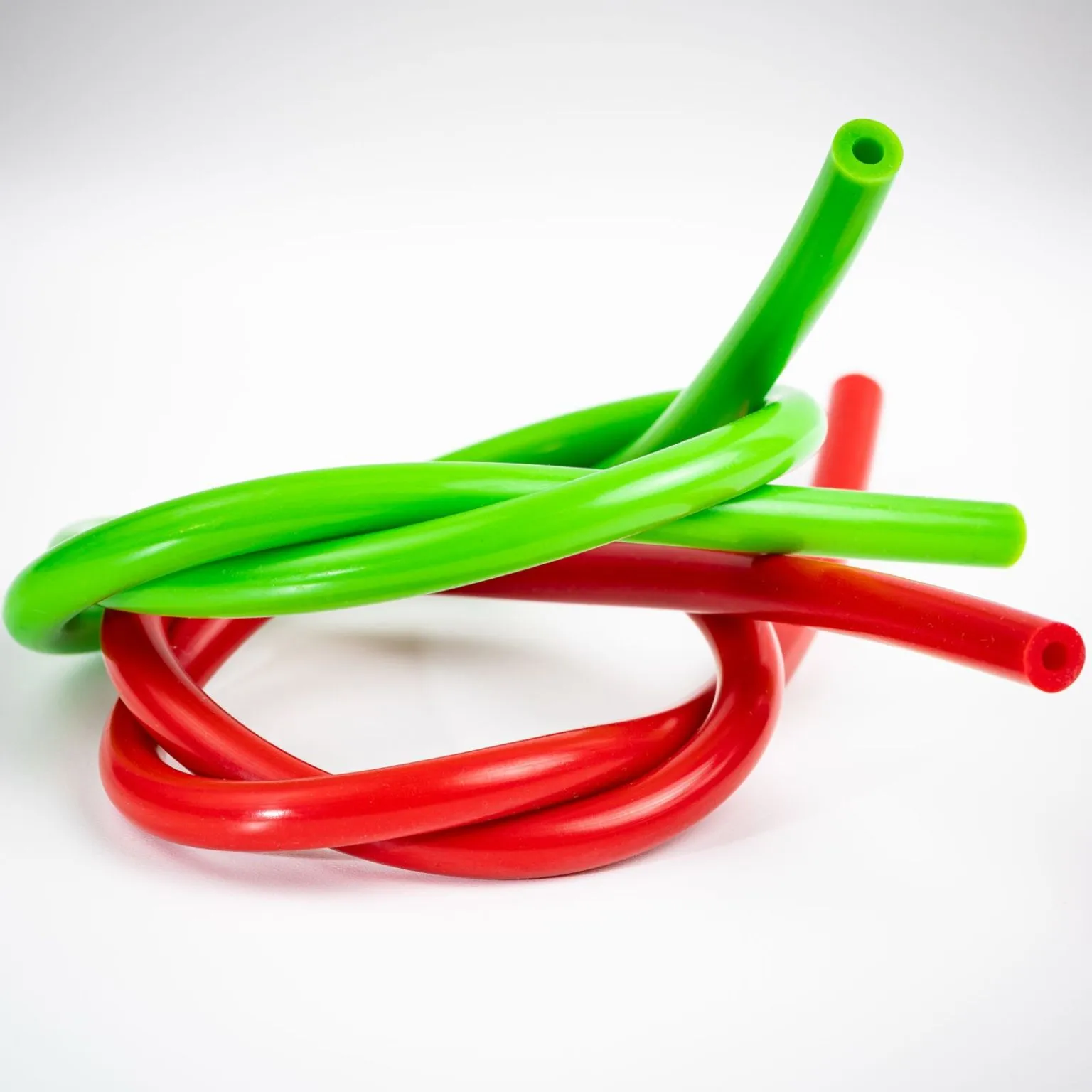
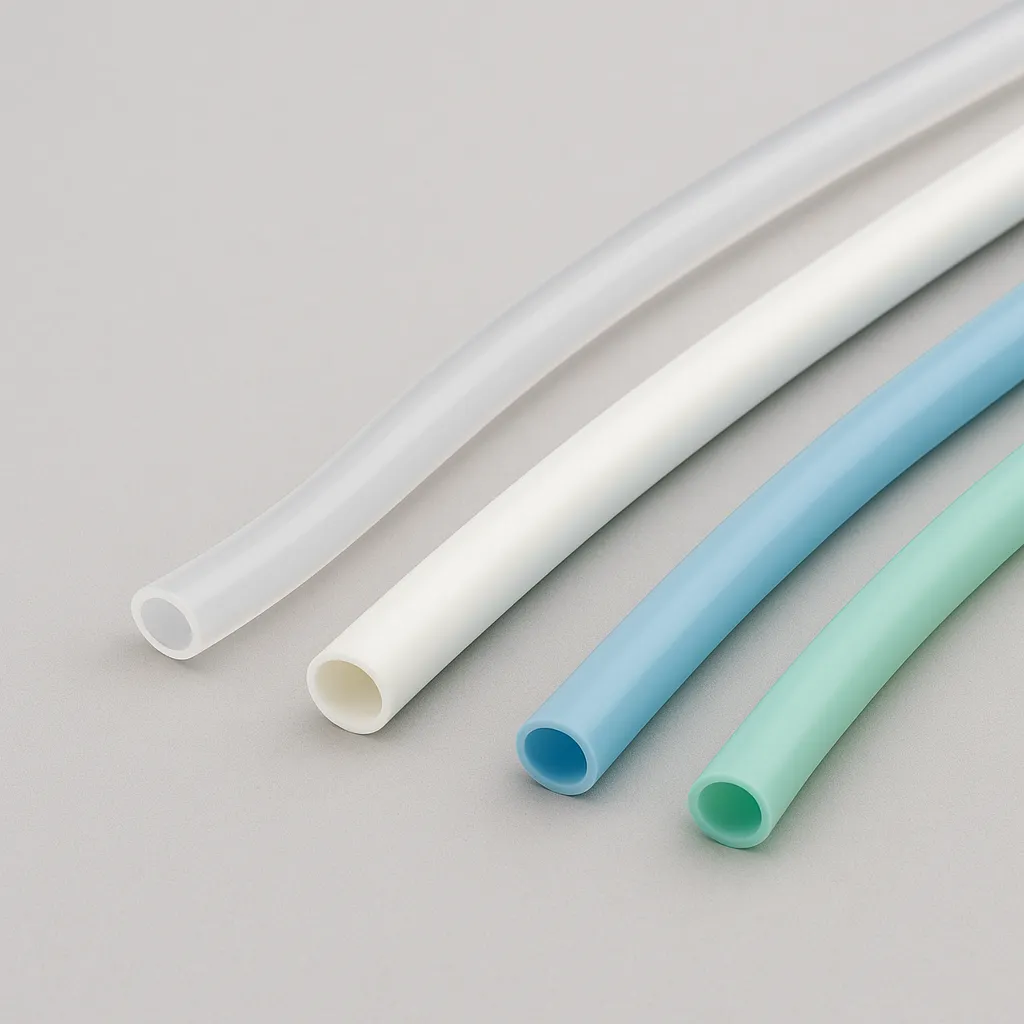


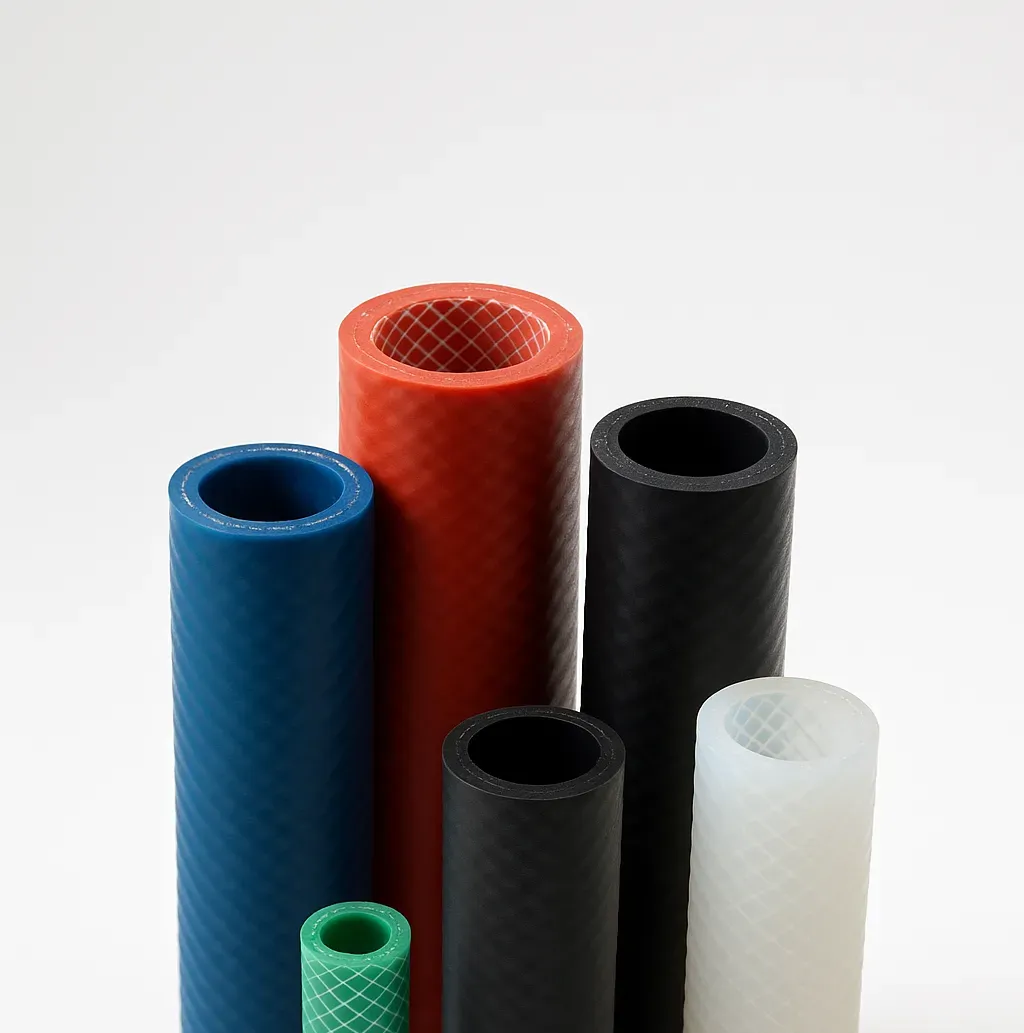
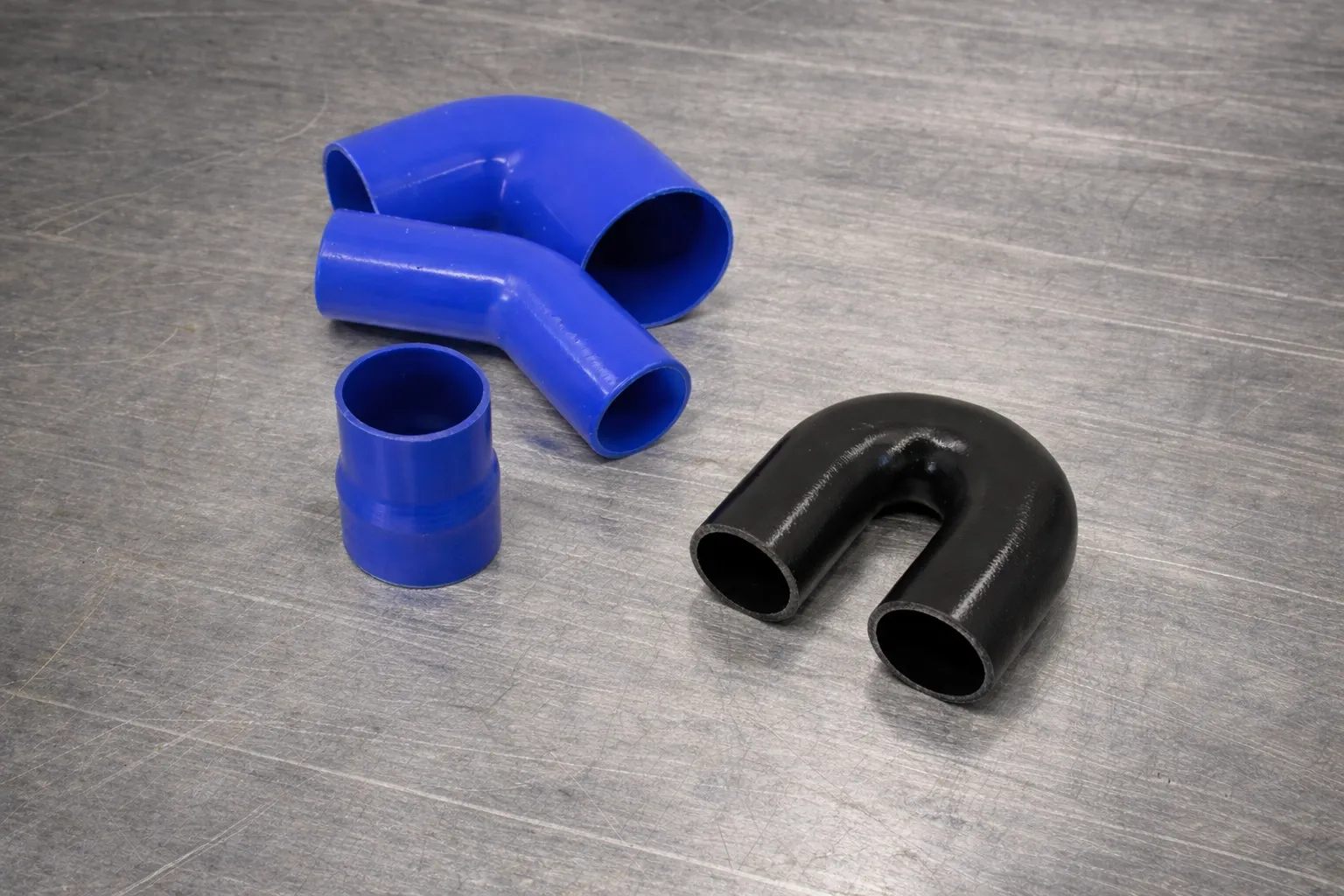






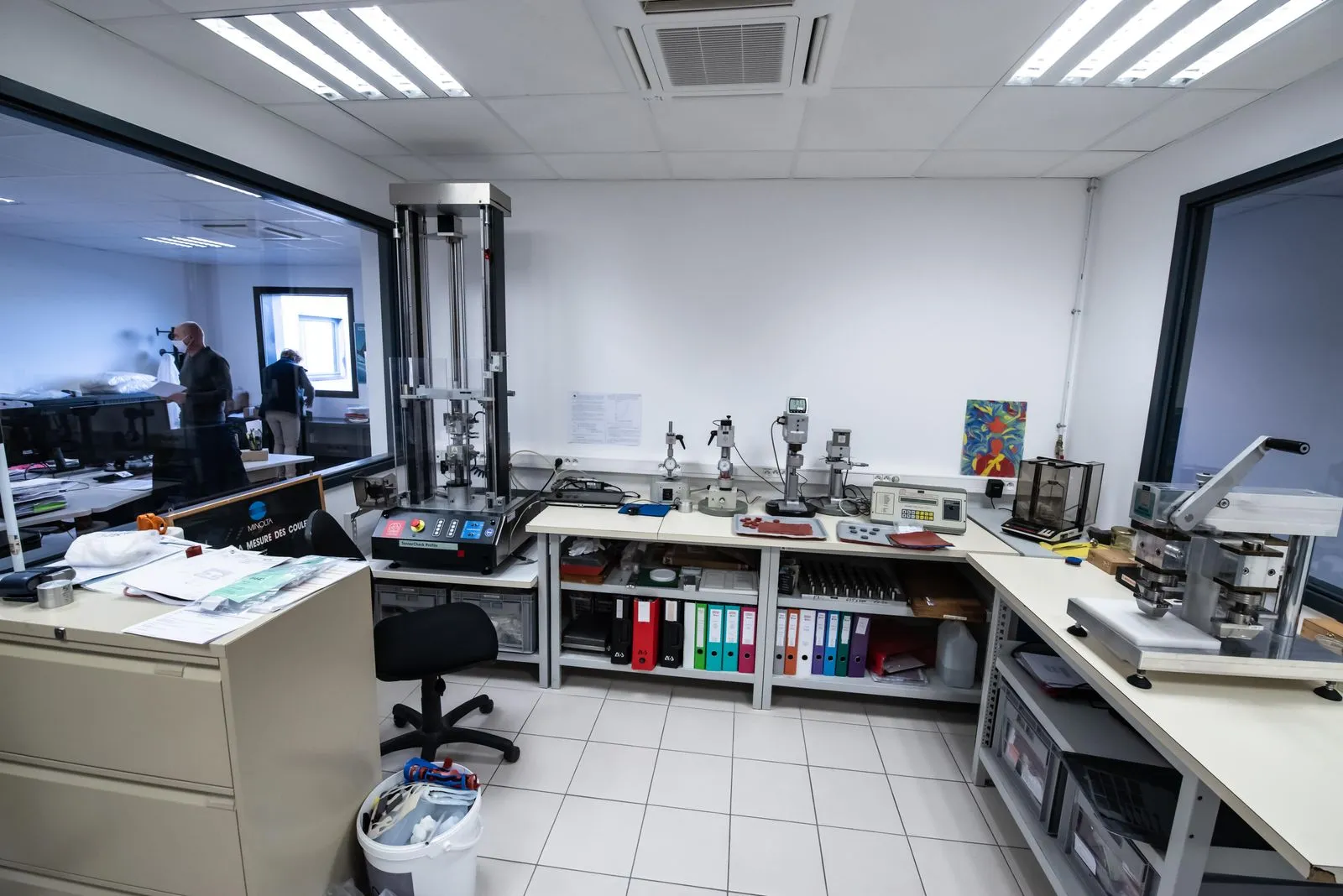
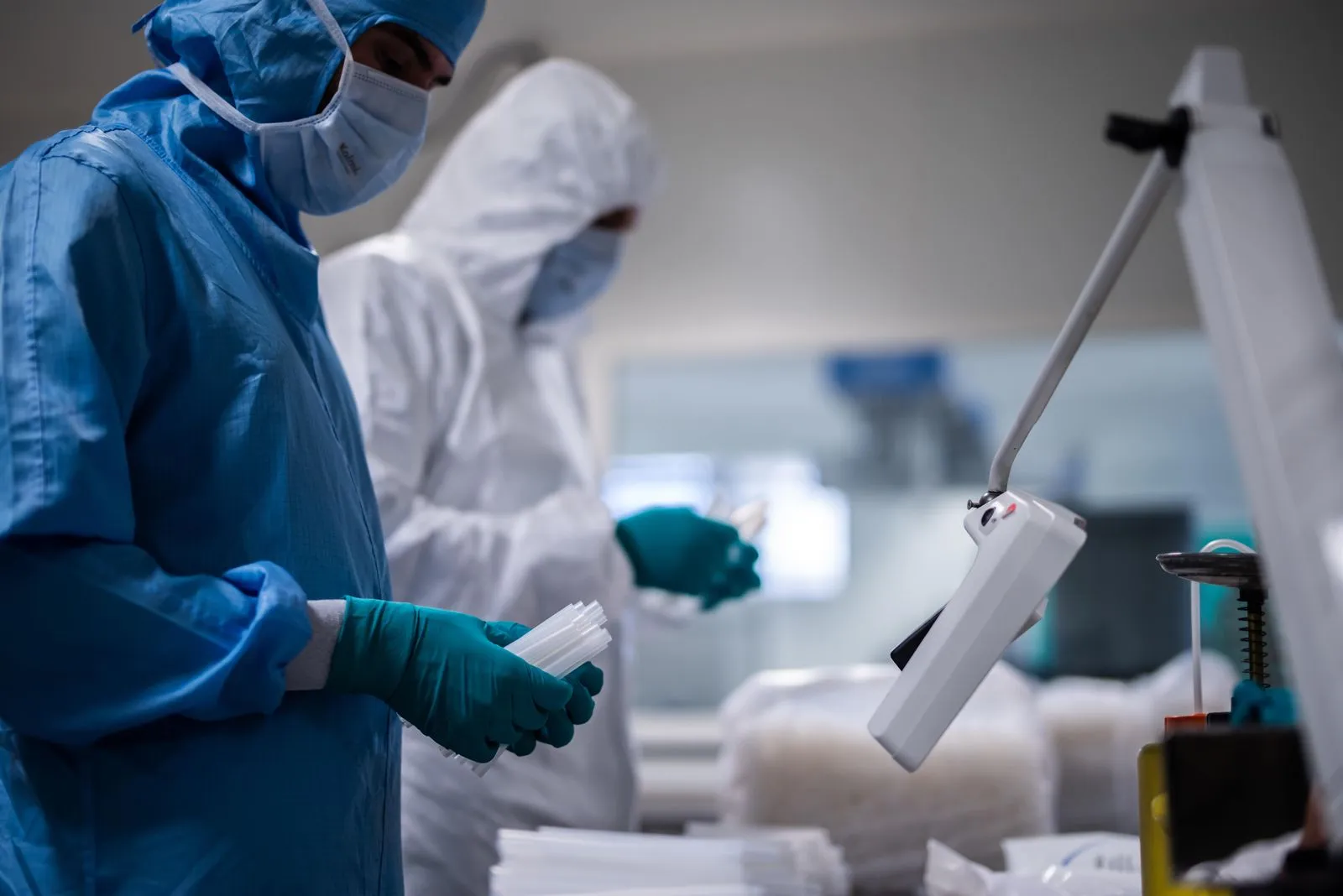



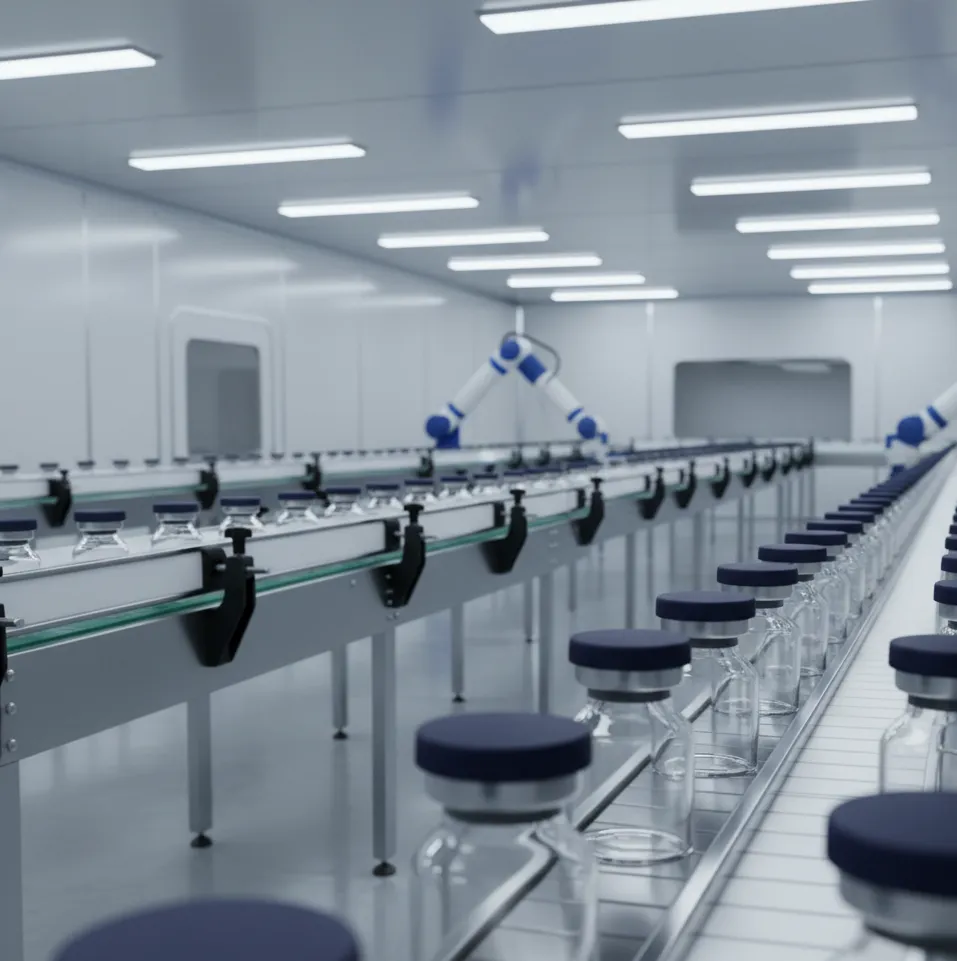
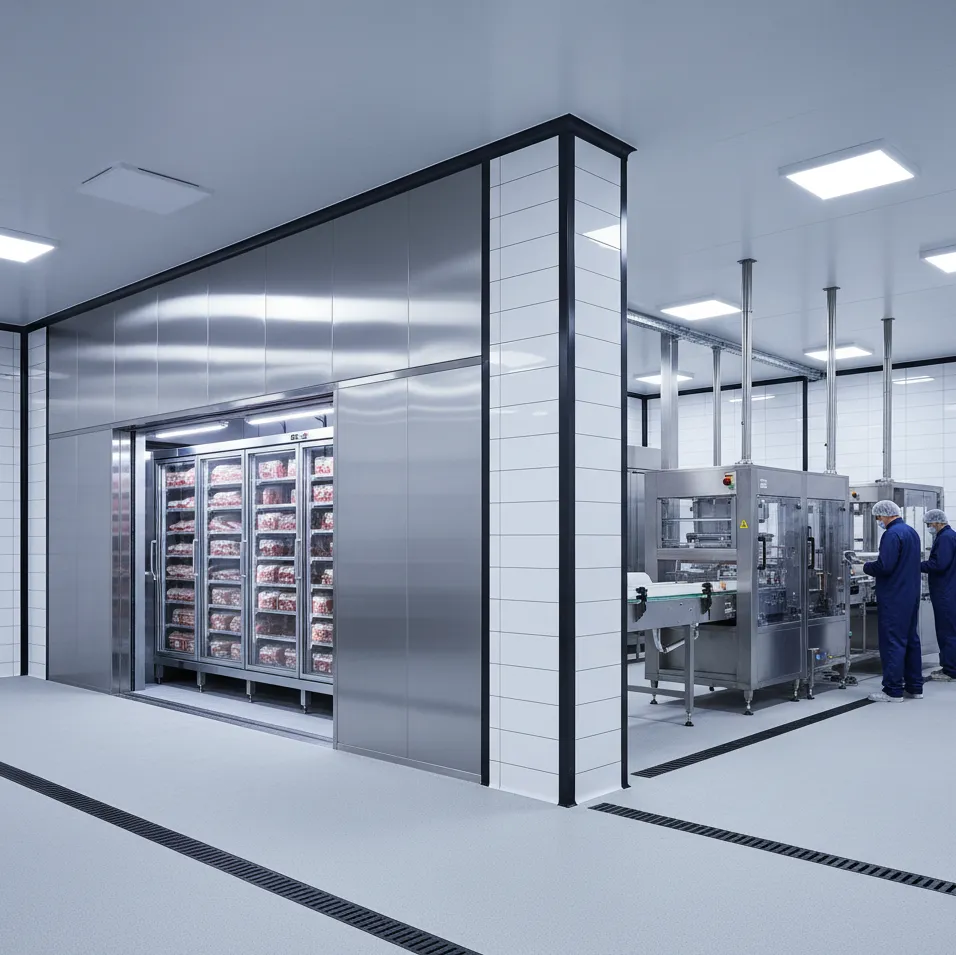

Manufacturing industrial silicone products in ISO 13485 and ISO 9001 certified environments is not a documentation exercise. It means working with validated processes, strict formulation control, full material traceability and a level of product consistency that standard industrial manufacturing simply cannot achieve.
There is one aspect that is routinely misunderstood: ISO 13485 does not certify medical products. It certifies manufacturing systems. When an entire facility operates under this standard, every product leaving that facility—whether destined for an operating theatre or a packaging line—benefits from the same level of control.
This distinction matters. A silicone profile intended for an industrial seal, manufactured in an ISO 13485 plant, does not carry a «medical product» label. But it has passed through the same raw material controls, the same validated process parameters and the same batch traceability as a tube destined for an implantable device.
1. What ISO 13485 Actually Certifies and Why It Affects All Production
ISO 13485 is not a product standard. It is a quality management system standard designed for environments where process variability represents an unacceptable risk. Its origins lie in the medical device sector, but its practical application extends far beyond.
When a silicone manufacturing plant obtains and maintains ISO 13485 certification, it does not certify a production line or a product family. It certifies the way work is conducted throughout the entire facility:
- Raw material control and approved supplier management
- Validation of transformation processes (extrusion, moulding, vulcanisation)
- Complete traceability from polymer batch to finished part
- Change management with impact assessment
- Equipment calibration and maintenance
- Documented personnel training
- Environmental condition control
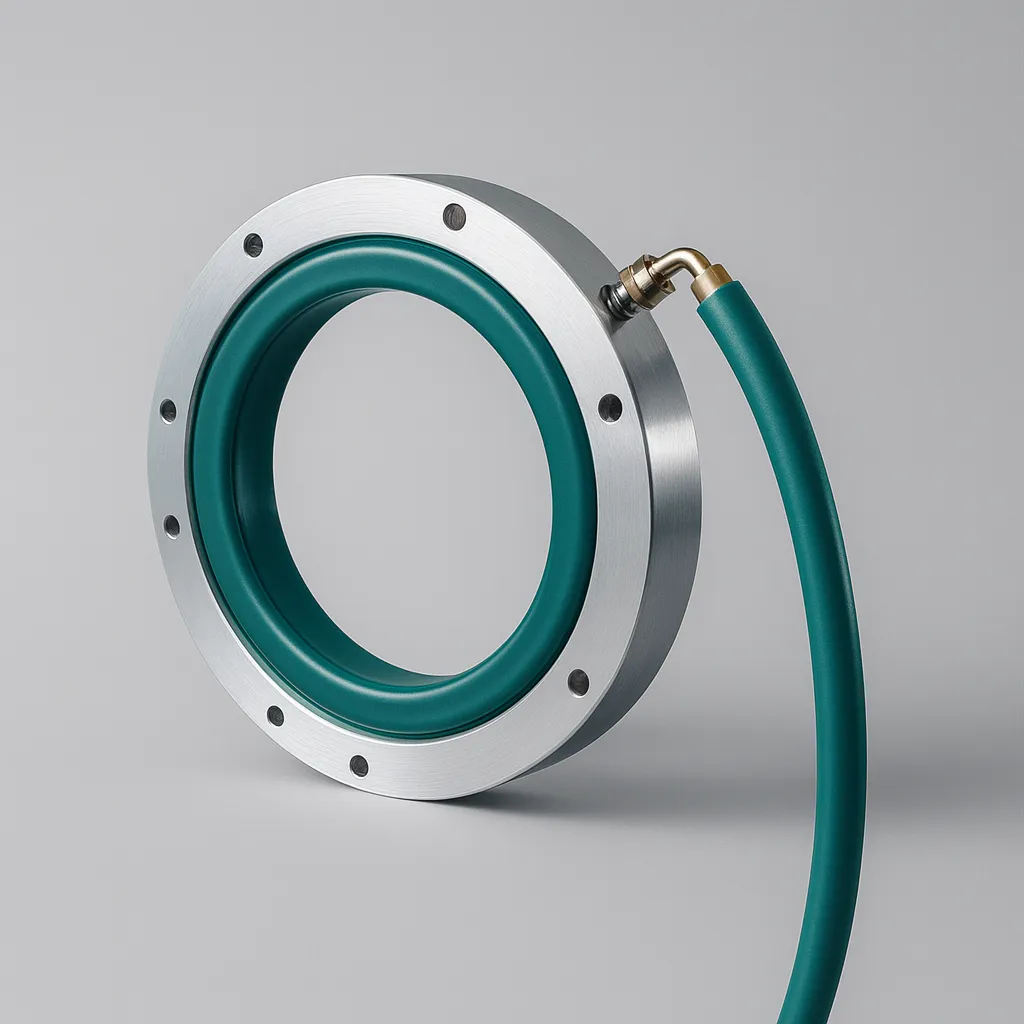
In practice, this means an inflatable seal destined for an industrial autoclave door passes through the same controls as a component for a Class IIa medical device. Not because the seal requires it by regulation, but because the factory does not know how to work any other way.
ISO 9001 complements this system by ensuring control levels are maintained over time through internal audits, document management and continuous improvement. Without ISO 9001, an ISO 13485 system could gradually degrade. With both certifications working together, validated processes do not slip.
2. The Difference Between Meeting Specifications and Manufacturing Under ISO
There is a fundamental distinction that many industrial buyers overlook: the difference between a product that meets specifications and a product manufactured in a certified environment.
A manufacturer can produce silicone that meets the required technical specifications—hardness, elongation, thermal resistance—without operating under ISO 13485. The product values may be correct. What is not guaranteed is that those values will be repeatable between batches, nor that traceability exists if a problem appears in the field.
| Aspect | Standard Manufacturing | ISO 13485 Environment |
|---|---|---|
| Polymer batch control | Supplier certificate | Internal verification + traceability |
| Process parameters | Adjusted by operator | Validated and locked |
| Dimensional tolerances | Controlled retrospectively | Defined in process |
| Traceability | Order number | Raw material batch → finished part |
| Change management | Informal | Documented with impact assessment |
| Batch-to-batch repeatability | Variable | Statistically demonstrable |
| Drift detection | When complaint received | Continuous monitoring |
The practical consequence is direct: in standard manufacturing, quality depends on everything going right. In an ISO 13485 environment, quality is designed to be maintained even when something tries to go wrong.
In silicone, small formulation variations directly affect final properties. A 2% difference in fumed silica content can shift hardness by ±3 Shore A. A catalyst batch change can alter vulcanisation kinetics and affect compression set. Under ISO 13485, every formulation component is identified, traced and verified before entering production.
3. Process Control: Extrusion and Moulding Under Validated Parameters
Process validation under ISO 13485 transforms parameters that traditionally depended on operator experience into controlled and documented variables.
Profile Extrusion
In HCR silicone profile extrusion, die swell is a phenomenon whereby the extruded profile has larger dimensions than the exit die. In silicone, this effect typically ranges between 5% and 15% depending on formulation, line speed and temperature.
In standard manufacturing, die swell is compensated by eye, adjusting the die until the profile emerges with correct dimensions. If the material batch or ambient temperature changes, readjustment is required.
In an ISO 13485 environment, die swell is characterised for each formulation and documented. Die adjustments are predefined. If the profile falls outside tolerance, it is not adjusted on the fly: the cause is investigated.
| Parameter | Standard Manufacturing | ISO 13485 Environment |
|---|---|---|
| Die swell | Compensated by experience | 5–15% characterised per formulation |
| Line speed | Variable per operator | 2–15 m/min validated per profile |
| Vulcanisation temperature | Visual adjustment | Documented thermal curve |
| Tolerances | ISO 3302-1 E2 (±0.7 mm typical) | ISO 3302-1 E1 (±0.3 mm) |
| Dimensional control | Random sampling | Per-batch verification with records |
LSR Injection Moulding
Liquid silicone rubber (LSR) injection moulding is the process where the difference between standard manufacturing and an ISO 13485 environment is most evident. The nature of LSR—two components that must be mixed in exact 1:1 ratio with ±1% tolerance—demands process control that permits no approximation.
| Parameter | Typical Range | Consequence of Deviation |
|---|---|---|
| A:B mix ratio | 1:1 (±1%) | Incomplete cure, altered properties |
| Mould temperature | 150–200°C | Cycle time, surface finish |
| Injection pressure | 50–200 bar | Incomplete fill, flash |
| Cure time | 10–60 s depending on geometry | Premature demould, deformation |
In a non-certified environment, these parameters are adjusted until the part «comes out right». In an ISO 13485 environment, they are validated through process capability studies (Cpk) and locked. If a parameter drifts outside limits, production stops automatically.
4. Post-Cure and Cleanroom: The Steps That Define Final Stability
Two process stages that are frequently underestimated mark the difference between a component that meets initial specifications and one that maintains its properties through years of service.
Post-Cure: Volatile Removal and Stabilisation
Post-cure is a critical stage in HCR silicone. During initial vulcanisation, not all by-products of the crosslinking reaction are eliminated. These residual volatiles affect long-term compression set, product odour, compatibility with food-contact and medical certifications, and dimensional stability under temperature.
| Application | Temperature | Duration | Objective |
|---|---|---|---|
| Standard industrial | 150°C | 1–2 h | Basic odour reduction |
| Food contact (FDA/EC 1935) | 200°C | 4 h | Migration compliance |
| Pharmaceutical | 200°C | 4–8 h | Extractables minimisation |
| Medical (USP/ISO 10993) | 200°C | 8–16 h | Biocompatibility validation |
In an ISO 13485 environment, the post-cure cycle is not a recommendation: it is a validated process parameter. The oven used is documented, the temperature distribution within it is mapped, the maximum permissible load is defined and each cycle is recorded.
| Property | No Post-Cure | Post-Cure 4h/200°C | Post-Cure 8h/200°C |
|---|---|---|---|
| Compression set (70h/150°C) | 25–35% | 15–22% | 12–18% |
| Residual volatiles | 0.5–1.5% | 0.1–0.3% | <0.1% |
| Perceptible odour | Yes | Minimal | No |
| USP Class VI suitable | No | Formulation dependent | Yes |
Incomplete post-cure is not detected in dimensional control or hardness testing. It manifests months or years later, when the component has lost sealing capability or has contaminated a product in contact.
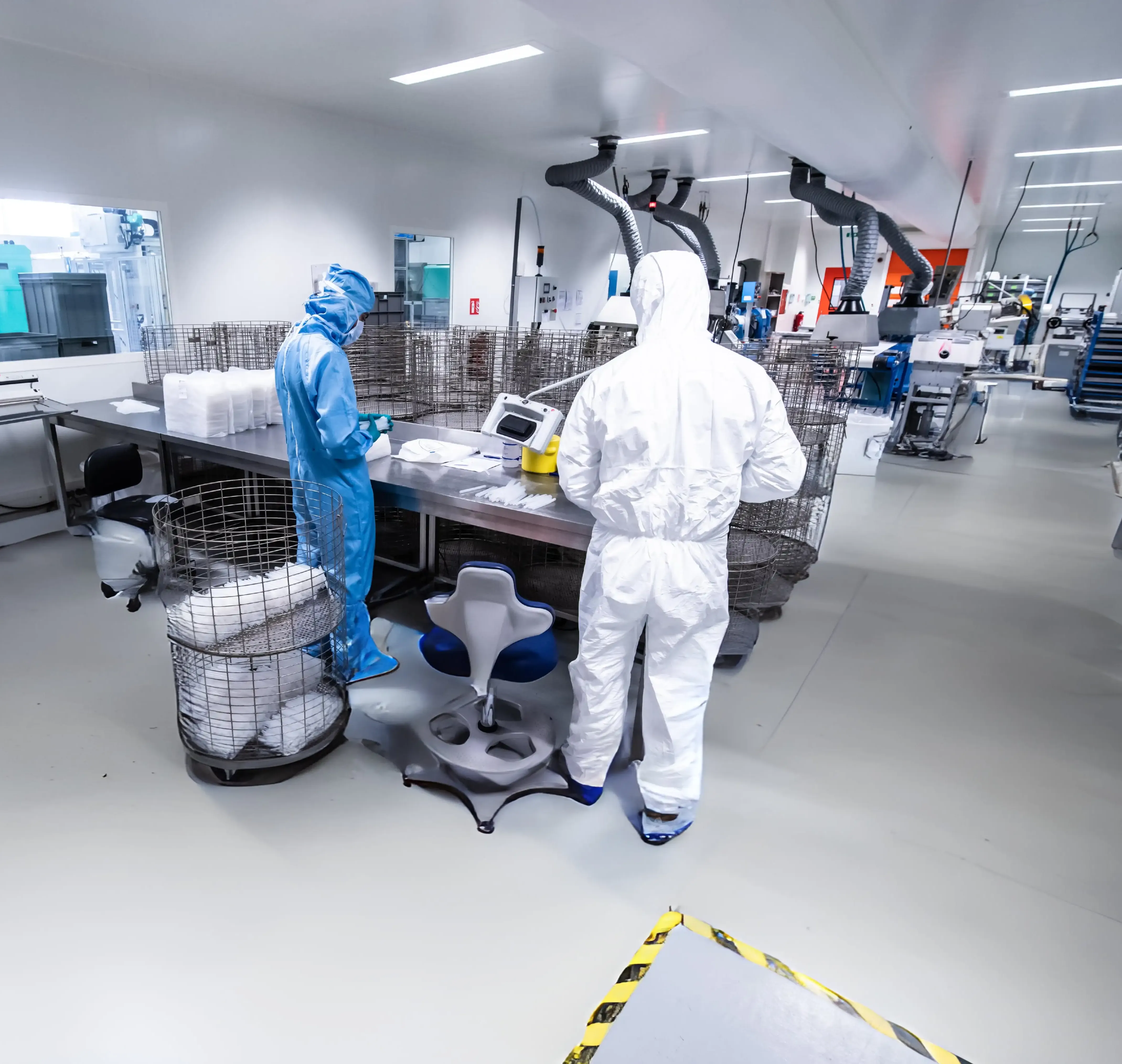
Cleanroom Manufacturing: Particle Control
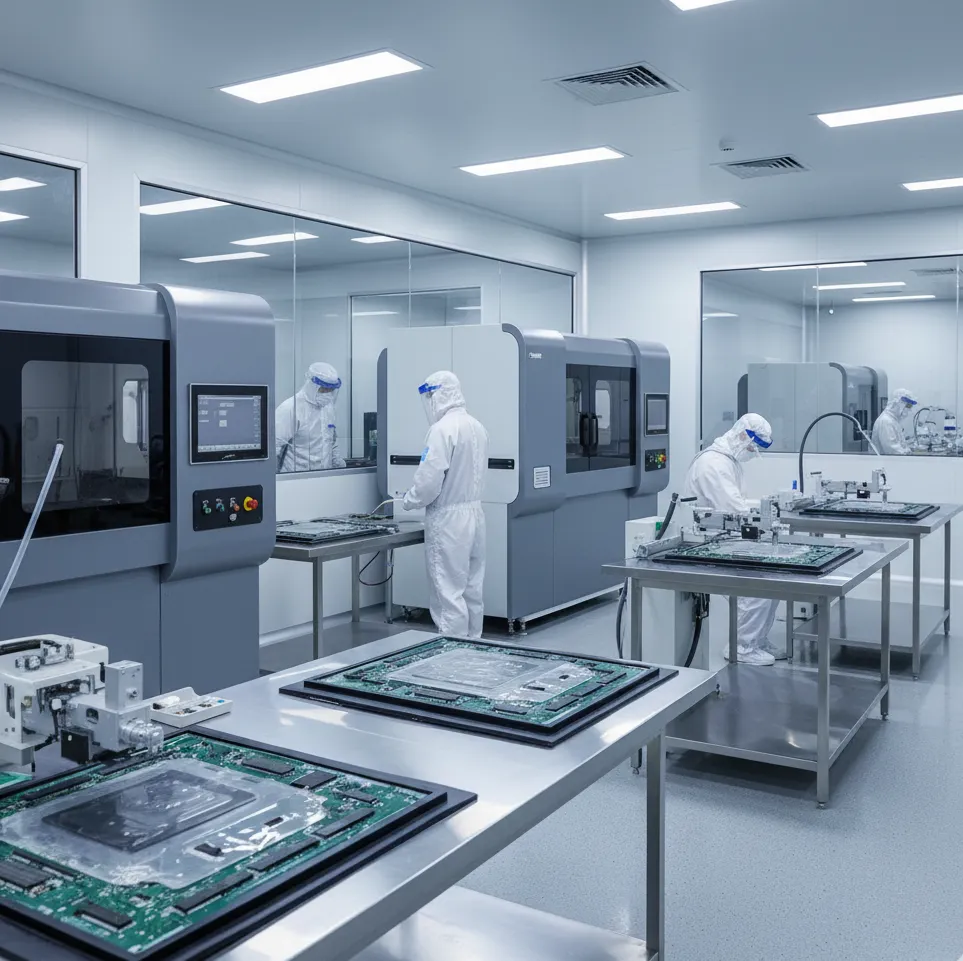
Cleanroom manufacturing is not an exclusive requirement for medical products. Any application where particle contamination is critical—semiconductors, optics, food, pharmaceuticals—benefits from this environment.
An ISO 8 cleanroom (Class 100,000) limits airborne particle concentration to ≤3,520,000 particles/m³ at ≥0.5 µm. Controlled elements include HEPA filtration with positive pressure, controlled personnel garments with airlock access, material entry through documented procedure, and product packaging within the controlled environment itself.
5. Traceability: From Raw Material to Installed Part
In an ISO 13485 environment, traceability is not an order log. It is the capability to reconstruct the complete history of a component from raw material to installed part.
| Level | Traceable Information | Utility |
|---|---|---|
| Raw material batch | Supplier, certificate, receipt date | Identify formulation issues |
| Production batch | Date, machine, operator, parameters | Isolate parts affected by deviation |
| Individual part | Unique code (where applicable) | Medical device traceability |
| Delivery | Customer, date, quantity, conditions | Reconstruct supply chain |
Practical scenario
A customer reports a sealing failure in a gasket installed 14 months ago. Without traceability, the only possible response is «we will investigate». With ISO 13485 traceability:
- The part batch number is identified
- The manufacturing record is retrieved: date, machine, parameters, operator
- The raw material batch used is identified
- Whether other parts from the same batch are in service is checked
- Quality control records for the batch are reviewed
- Whether any documented process deviation occurred is analysed
This information enables distinction between a material failure (affects entire batch), a process failure (affects a specific production run) or an application failure (correct part, incorrect use). The difference between «we do not know what happened» and «we know exactly what happened and which parts are affected» is the difference between a supplier and a technical partner.
6. Technical Case Study: Inflatable Seal for Pharmaceutical Autoclave
Context
A sterilisation equipment manufacturer required an inflatable seal for the door of an autoclave destined for pharmaceutical industry use. The component was required to withstand sterilisation cycles (134°C, saturated steam) for 20 minutes, at a frequency of 8–10 cycles daily.
Technical requirements
| Requirement | Specification |
|---|---|
| Service temperature | -20°C to +150°C (peaks to 180°C) |
| Medium | Saturated steam, demineralised water |
| Inflation pressure | 2–4 bar |
| Cycle life | >50,000 cycles |
| Certification | USP Class VI, FDA |
| Traceability | Complete batch |
Material selection
Series 2 (standard peroxide) was rejected due to its long-term behaviour under steam. Repeated exposure to saturated steam accelerates polymer hydrolysis in non-optimised formulations.
Series 10 (platinum catalysis, high tear) was selected for its tear resistance of 50 kN/m (critical in inflatable seals), achievable USP Class VI certification and superior hydrolysis resistance compared to peroxide formulations.
Manufacturing process
| Stage | Parameter | Value |
|---|---|---|
| Profile extrusion | Line speed | 6 m/min |
| Vulcanisation | Tunnel temperature | 350°C hot air |
| Post-cure | Cycle | 8h at 200°C |
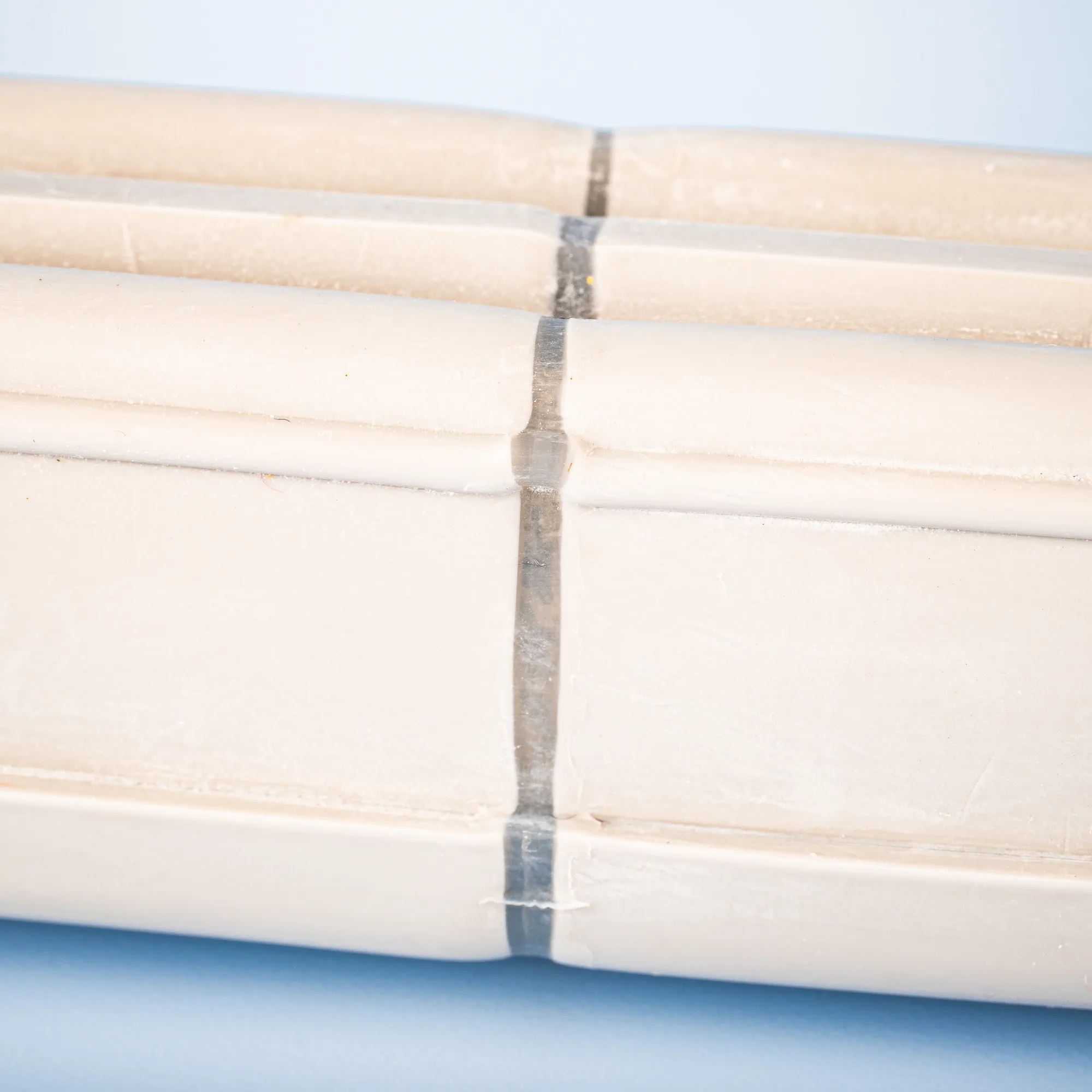
| Corner vulcanisation | Process | Press at 180°C |
| Dimensional control | Tolerance | ISO 3302-1 E1 |
| Leak testing | 100% of parts | Test pressure 6 bar |
Result
After 18 months in service (estimated >40,000 cycles), no sealing failures or visible material degradation have been reported. Compression set measured on a control sample remains below 18%.
This result is not exceptional. It is the expected outcome when the correct material is processed under validated parameters, with appropriate post-cure and complete traceability. What would be exceptional is if it failed.
Conclusion
In industrial silicone manufacturing, the real cost lies not in producing under ISO 13485 and ISO 9001, but in not doing so. Uncontrolled variability eventually surfaces as field incidents, rework, line stoppages and loss of technical confidence.
A silicone component manufactured in an ISO 13485 environment does not cost significantly more than one manufactured without certification. What costs is the investment in systems, training, validation and control that the manufacturer has made to be able to work that way. That investment translates into a more stable, more traceable and more predictable product.
For the industrial buyer, the question should not be «do I need a certified product?» but «do I need a product that performs identically every time I order it?»
If the answer is yes, manufacturing in an ISO 13485 environment ceases to be an additional cost and becomes the only reasonable option.
Need silicone components with traceability and process control?
Our ISO 13485 and ISO 9001 manufacturing guarantees repeatability, complete traceability and product consistency.
Contact engineering →