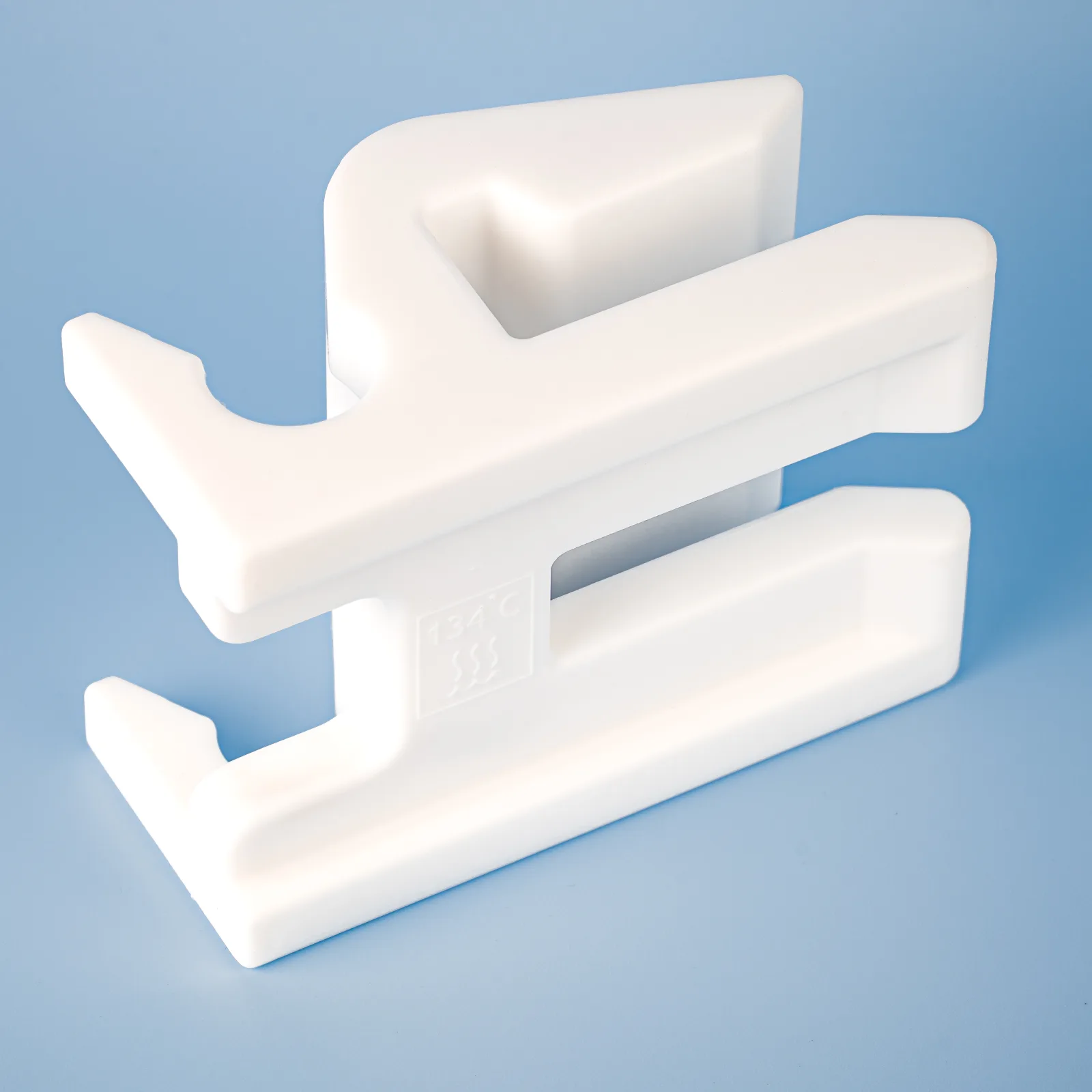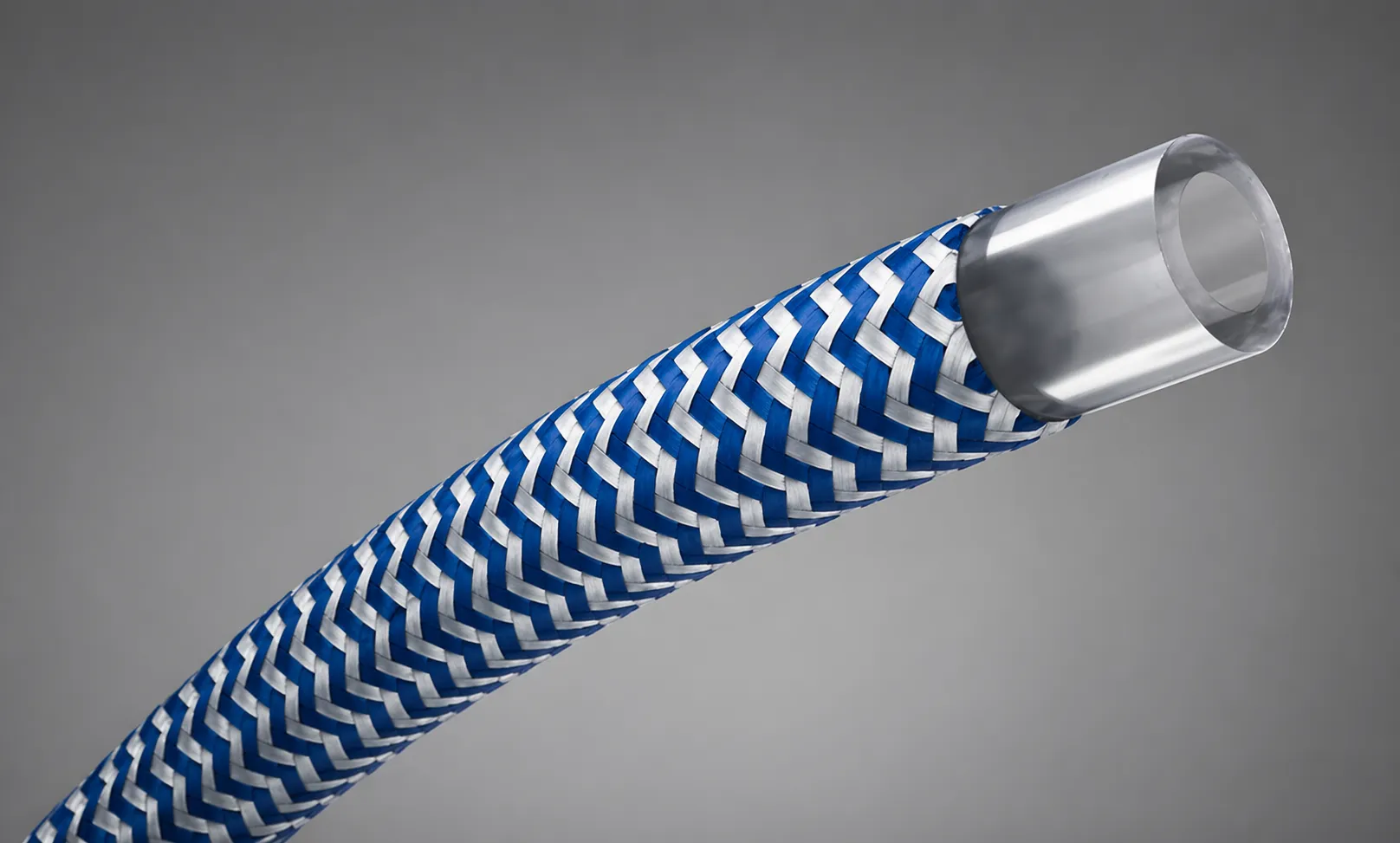

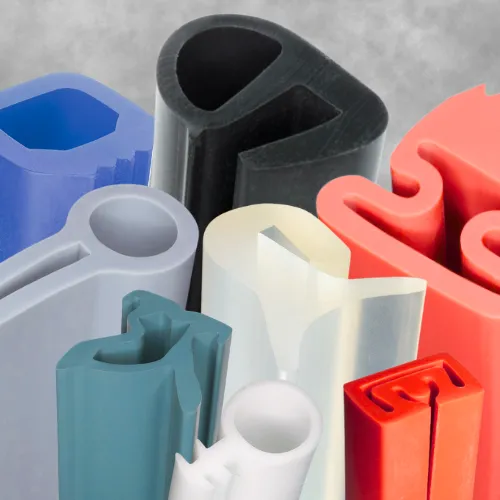
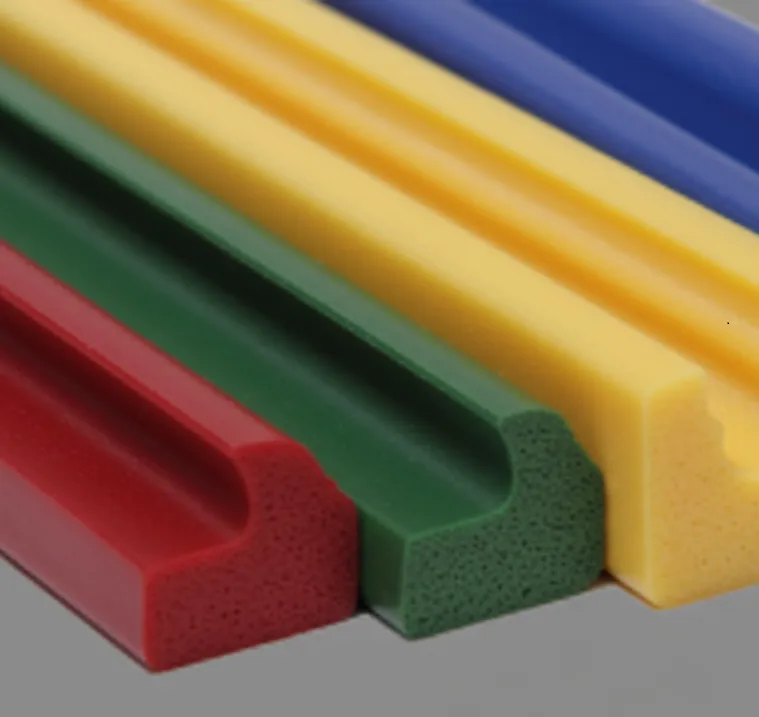














Antes de solicitar presupuesto para una pieza de silicona, hay una decisión que determina coste, plazo y viabilidad: ¿moldeo o extrusión? No son procesos intercambiables. Cada uno tiene limitaciones geométricas, rangos de tolerancia y estructuras de coste que lo hacen óptimo para aplicaciones específicas. Elegir mal significa pagar utillajes innecesarios, alargar desarrollos o recibir piezas que no cumplen función. Procesos, tolerancias y certificaciones por pieza están en la ficha de piezas moldeadas de silicona.
Este artículo no explica qué es el moldeo. Explica cuándo usarlo, qué geometrías permite y qué errores evitar en la especificación. Si necesitas una junta tórica, una membrana de silicona, un fuelle, una arandela con geometría específica o cualquier pieza con forma tridimensional, el moldeo es tu proceso. Si necesitas un perfil continuo de sección constante, no lo es.
1. Moldeo vs. extrusión: criterios de decisión técnica
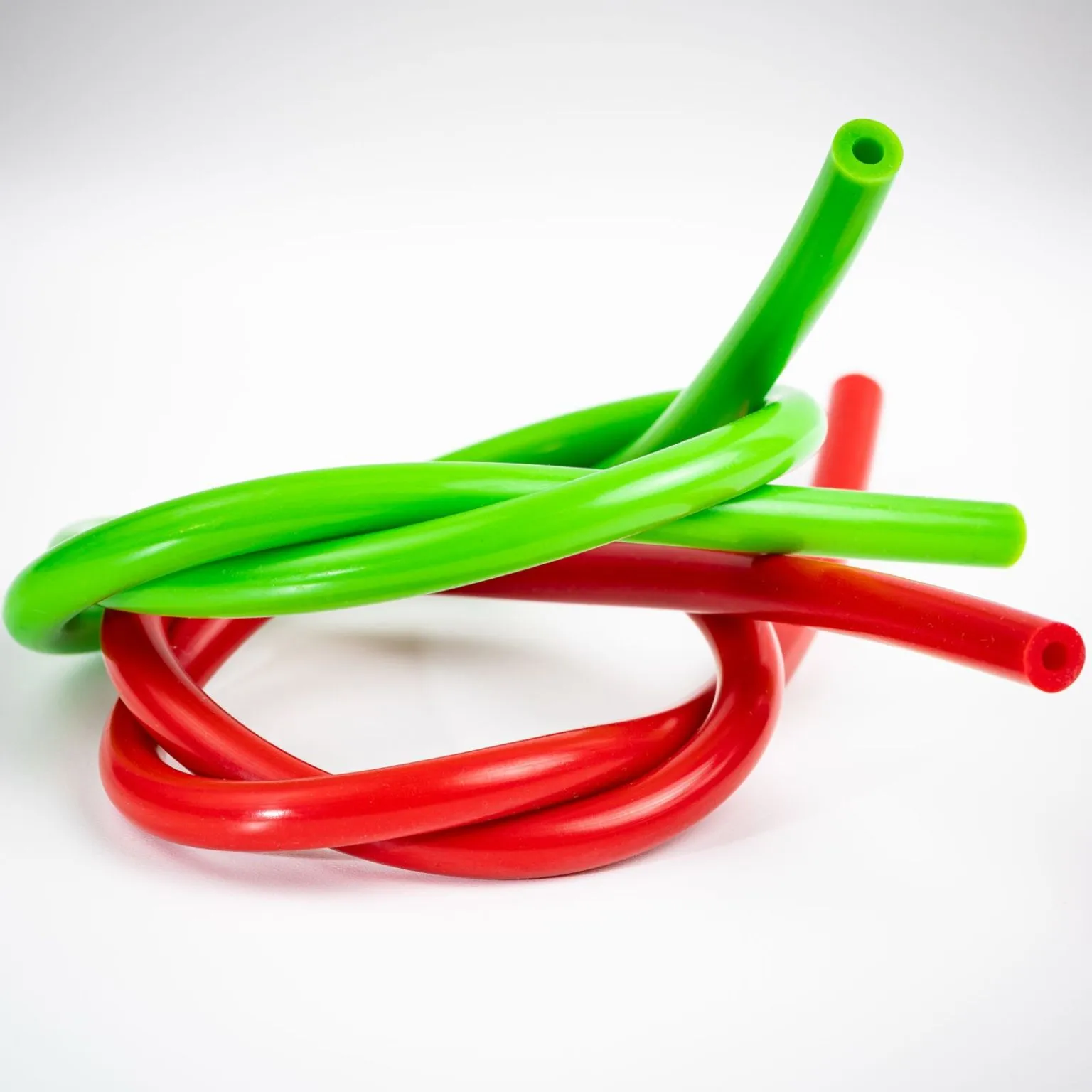
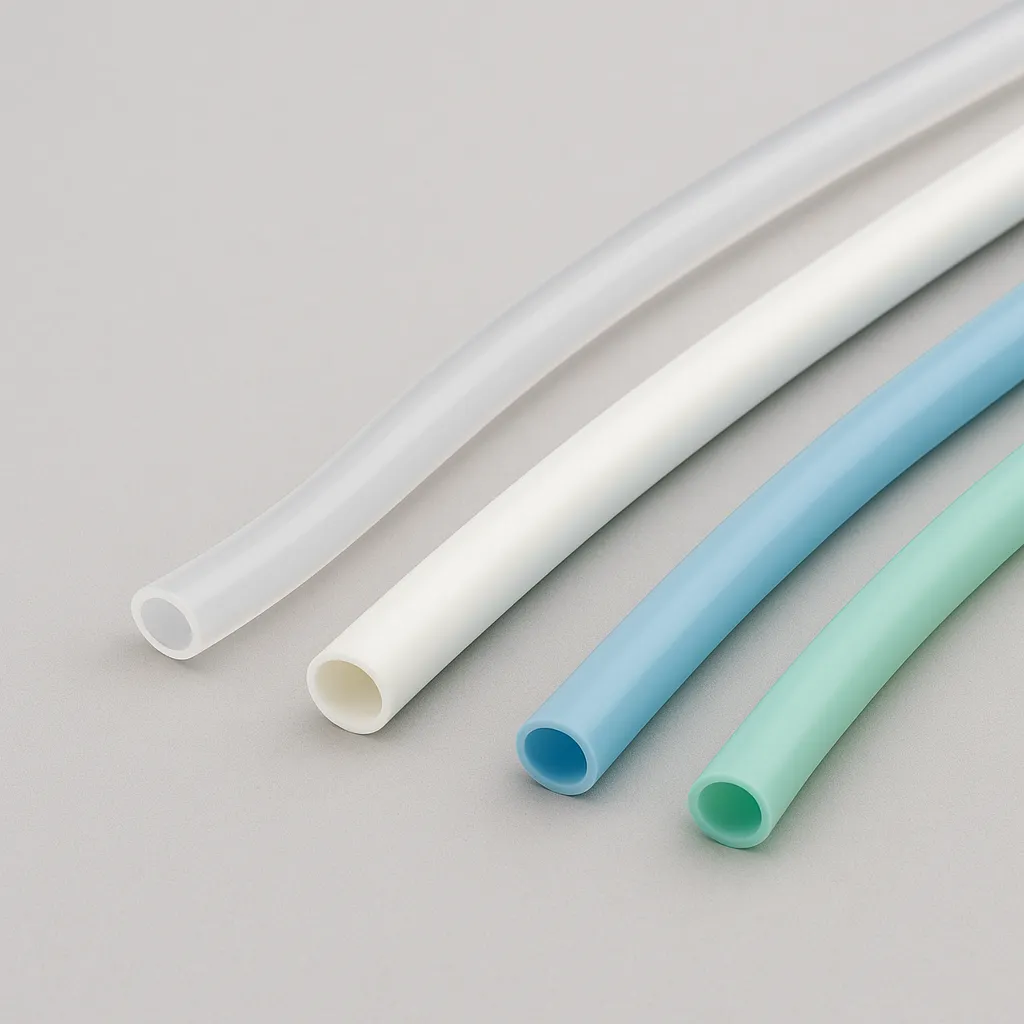
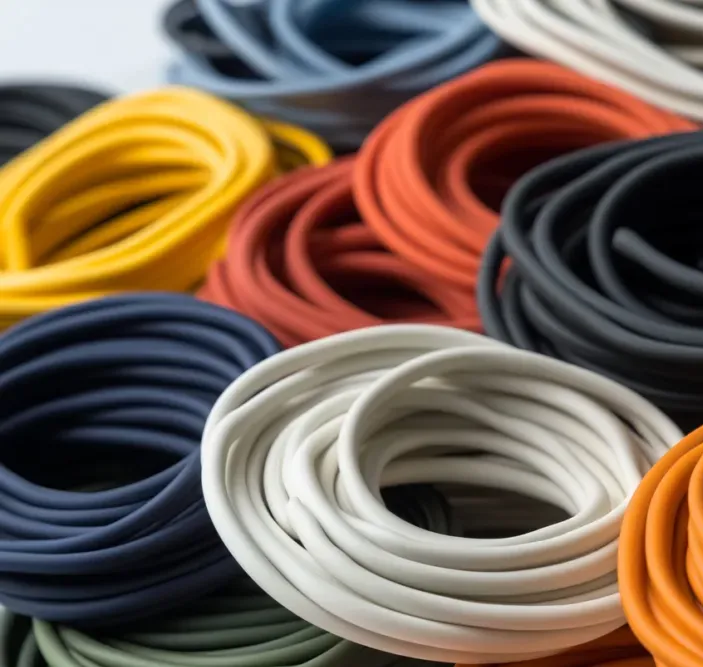
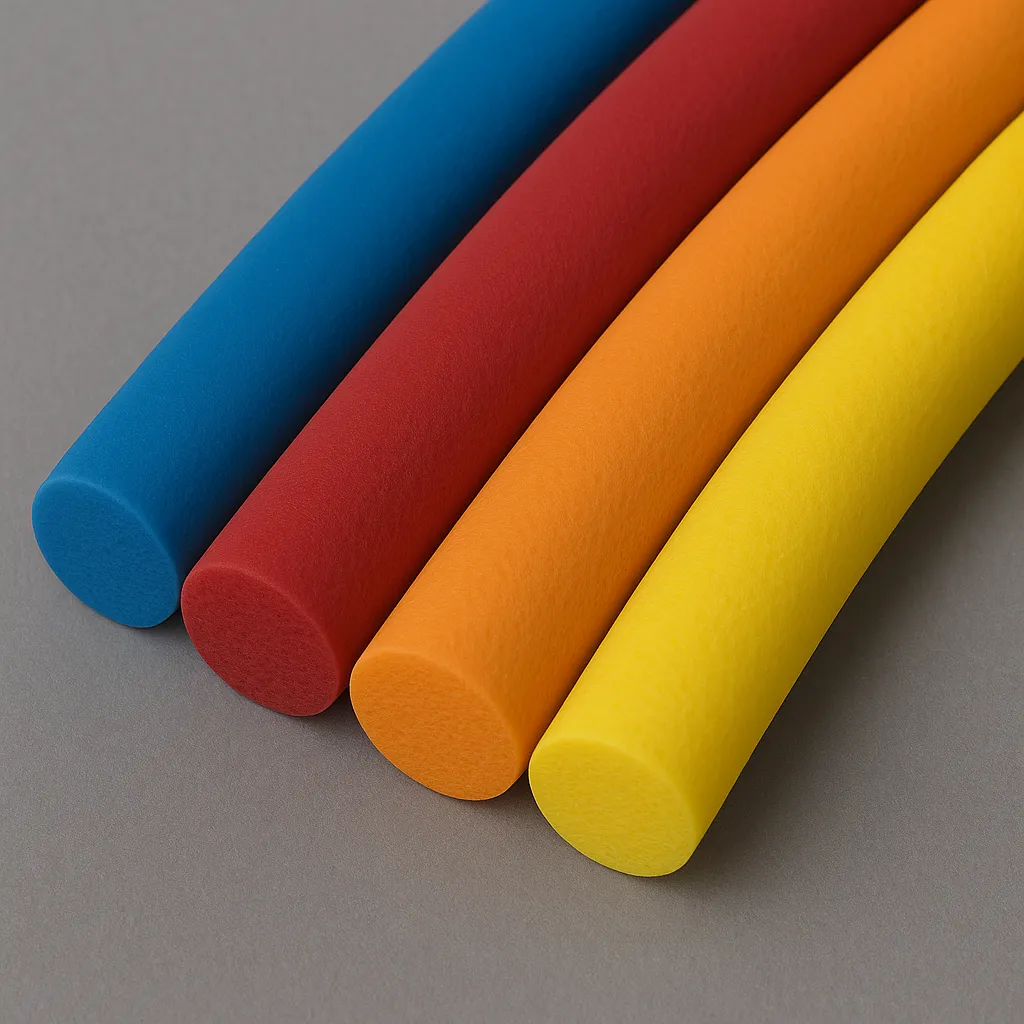
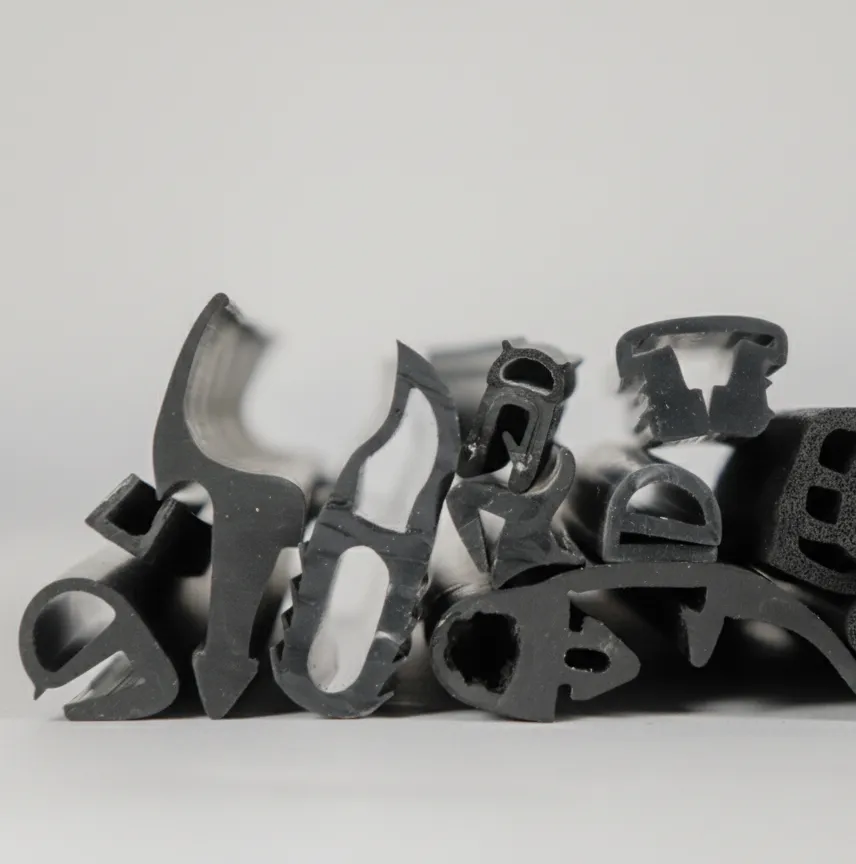
La extrusión produce secciones transversales constantes en longitudes continuas. El moldeo produce geometrías tridimensionales definidas por una cavidad cerrada. Esta diferencia fundamental determina cuándo usar cada proceso.
Cuándo elegir moldeo
- La pieza tiene variaciones de sección a lo largo de su geometría
- Se requieren formas cerradas como juntas tóricas, membranas o diafragmas
- La aplicación exige tolerancias dimensionales ajustadas en todas las direcciones (clase M1 o M2 según ISO 3302-1)
- El componente necesita insertos metálicos o plásticos integrados
- La geometría incluye cavidades internas, nervios, labios de estanqueidad o superficies funcionales específicas
- Se requiere un acabado superficial controlado (textura, marcaje, rugosidad específica)
Cuándo NO elegir moldeo
- La pieza tiene sección transversal constante a lo largo de toda su longitud
- Se requieren longitudes superiores a 500 mm en geometrías simples
- El diseño es un perfil, tubo o cordón que puede cortarse a medida
- Se necesita flexibilidad para suministrar diferentes longitudes sin cambio de utillaje
- El volumen no justifica la inversión en un molde dedicado
2. Qué problemas resuelve el moldeo frente a la extrusión
El moldeo no es simplemente una alternativa a la extrusión. Resuelve problemas específicos que la extrusión no puede abordar:
Geometrías tridimensionales
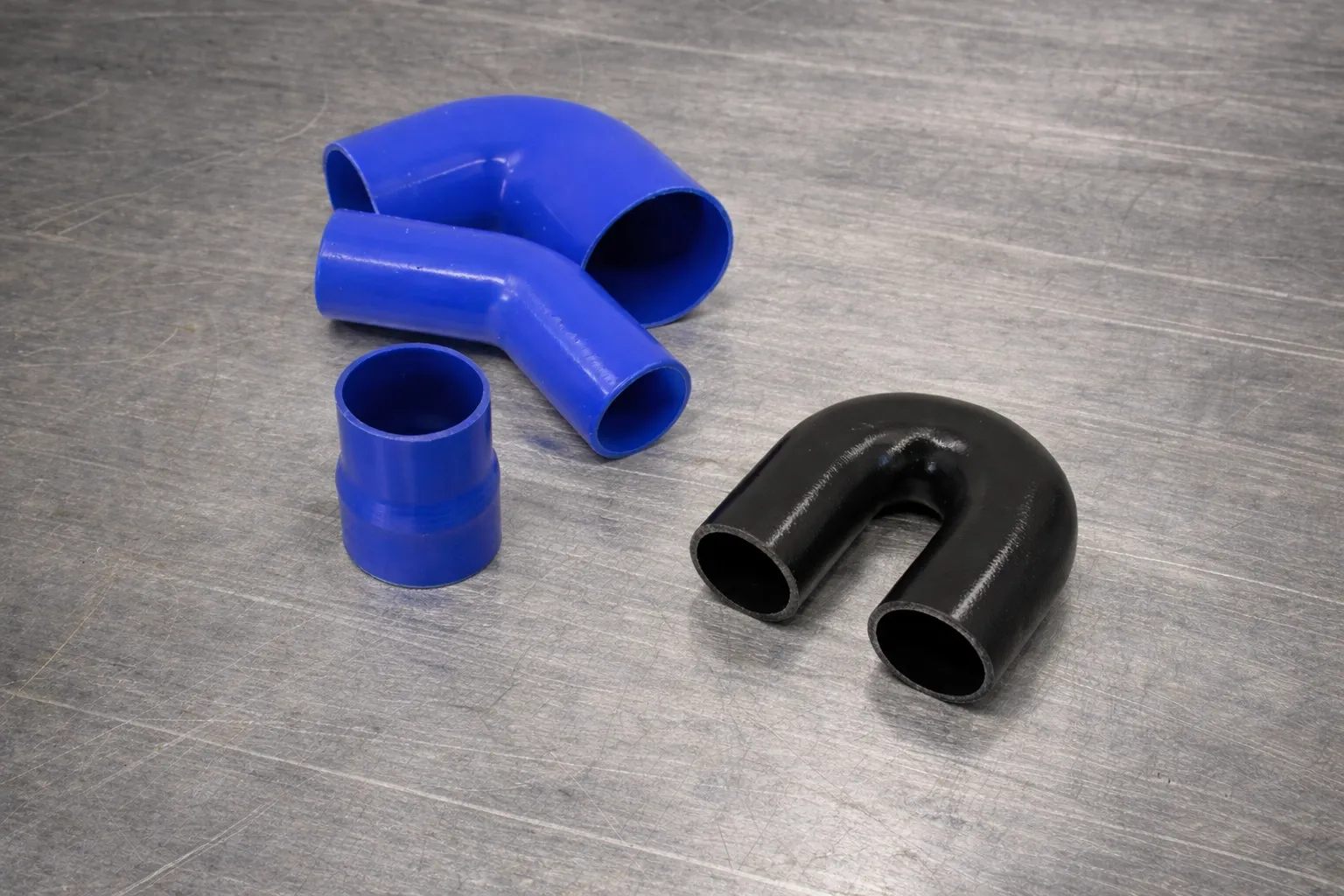
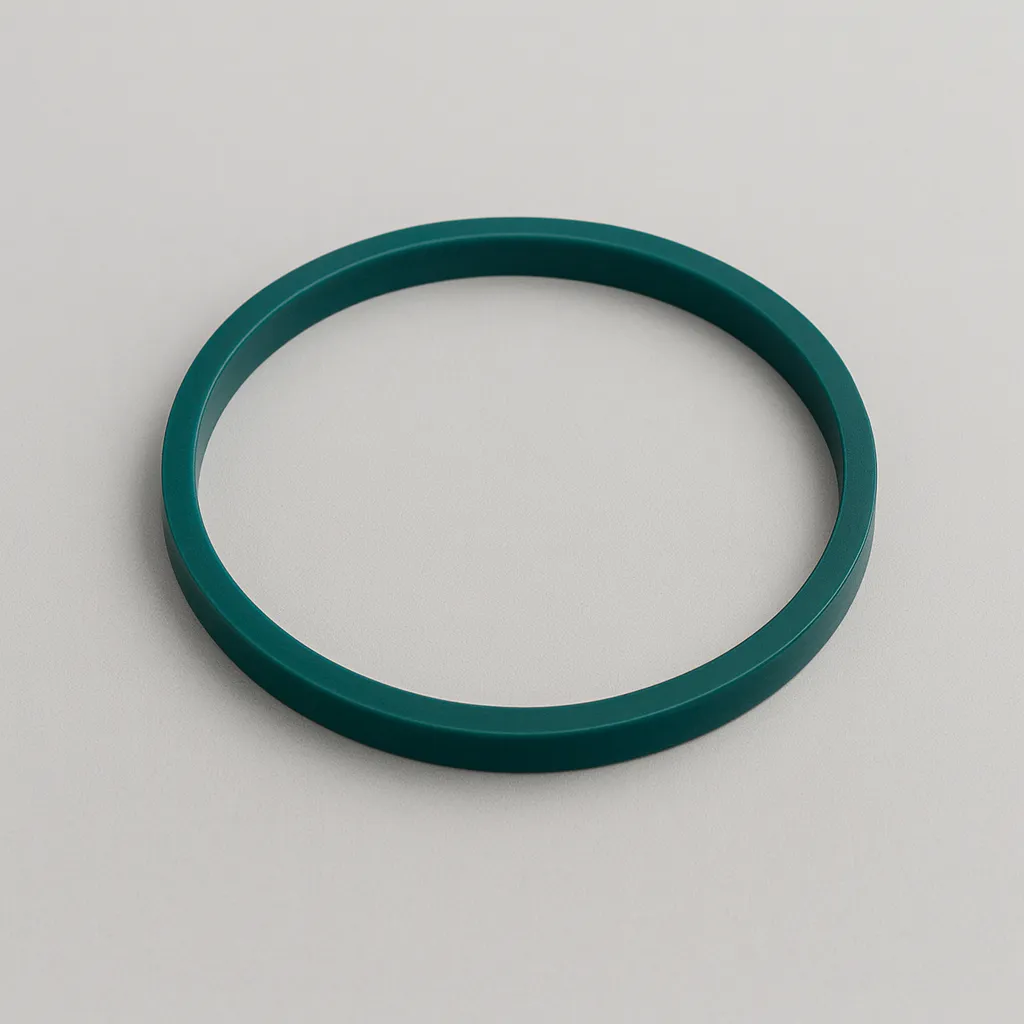
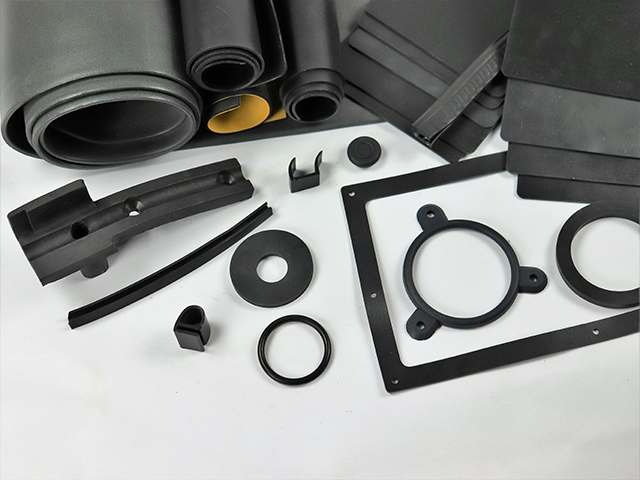
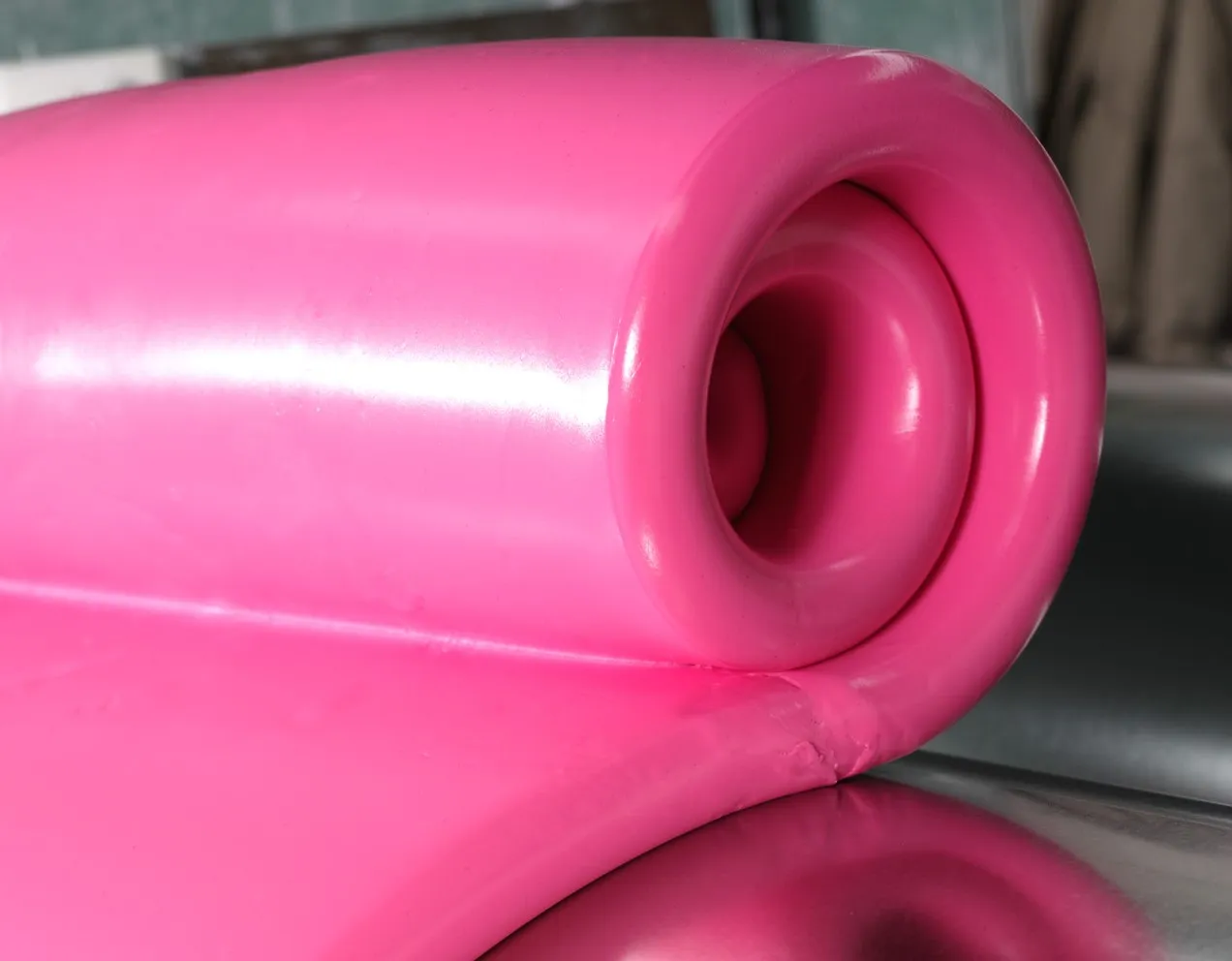
Una junta tórica de silicona tiene sección circular constante, pero es una forma cerrada: no puede fabricarse por extrusión directa. Una junta plana con labios de estanqueidad, una membrana con nervios de refuerzo, un fuelle de silicona con pliegues de geometría variable, un tapón cónico, una pieza técnica con múltiples funciones integradas: todas requieren moldeo porque su geometría varía en las tres dimensiones.
Tolerancias más ajustadas
Los productos moldeados alcanzan tolerancias clase M1 o M2 según ISO 3302-1, significativamente más estrictas que las clases E1 o E2 habituales en extrusión. Para aplicaciones donde el ajuste dimensional es crítico —retenes de precisión, componentes de válvulas, arandelas de silicona para sellado en equipos de proceso— el moldeo proporciona la repetibilidad que la extrusión no alcanza.
Integración de componentes
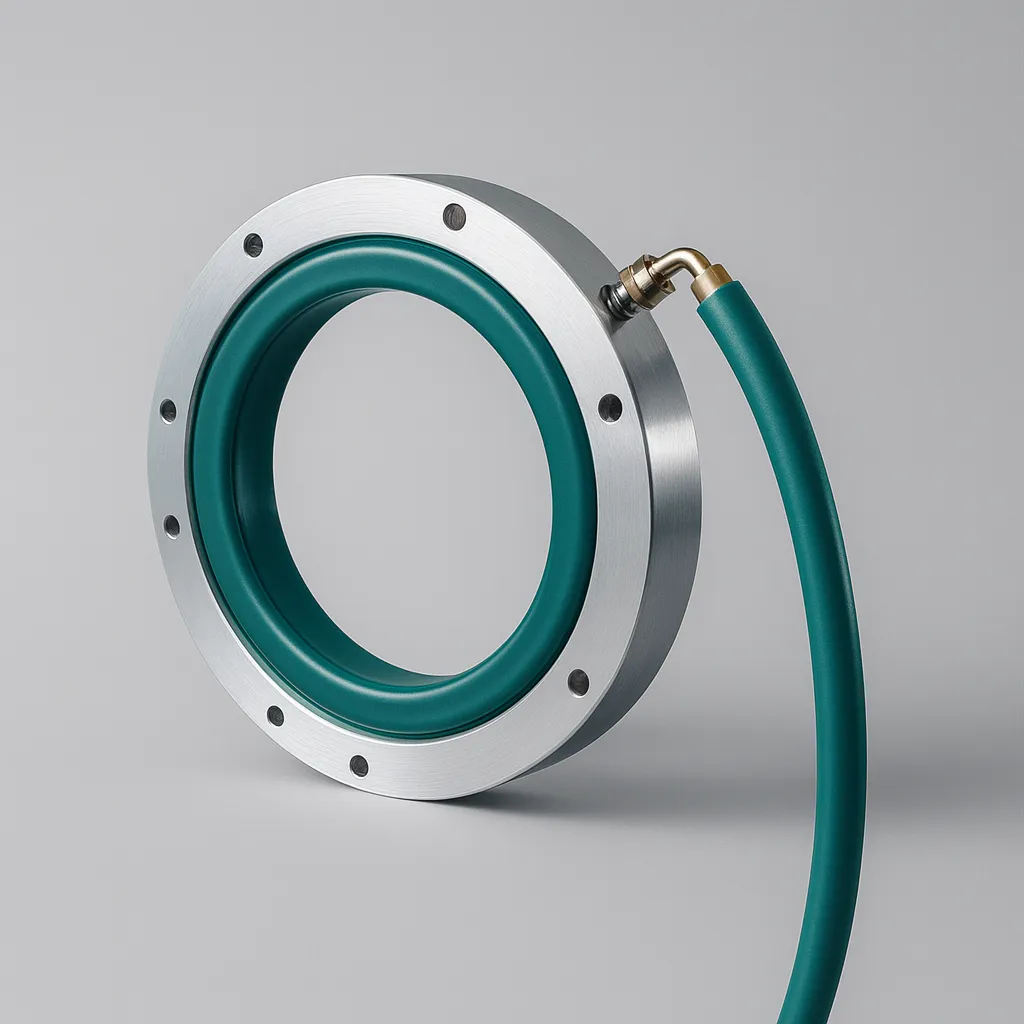
El moldeo permite sobremoldear insertos metálicos, casquillos, armaduras o refuerzos. Un tope amortiguador con fijación roscada, un componente con alma metálica para resistir par de apriete, una pieza de goma de silicona con refuerzo estructural interno: solo son viables mediante moldeo con inserto colocado en cavidad.
Acabados superficiales controlados
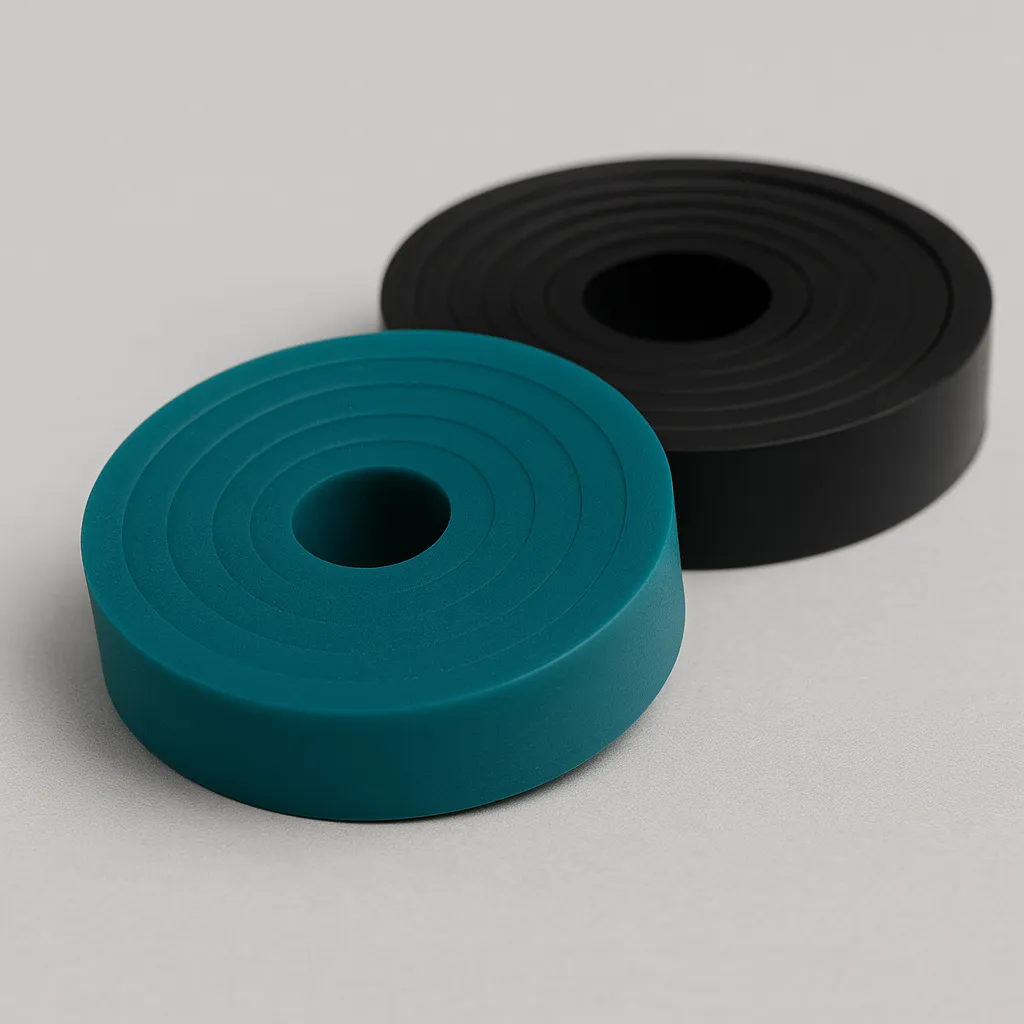
La superficie de una pieza moldeada replica exactamente el acabado del molde. Esto permite obtener texturas antideslizantes, acabados específicos de brillo o mate, marcajes permanentes sin tinta, zonas de sellado con rugosidad controlada. La extrusión no ofrece este nivel de control superficial.
Repetibilidad en series
Una vez ajustado el proceso, cada pieza sale idéntica a la anterior. Esta consistencia es obligatoria en sectores regulados: una membrana para dispositivo médico, una junta alimentaria para equipo de proceso, un componente con certificación ferroviaria deben mantener propiedades constantes lote tras lote.
3. Procesos de moldeo: compresión, inyección y LSR
No existe un único «moldeo de silicona». Hay tres procesos principales, y elegir el correcto afecta a coste, plazo y viabilidad técnica.
3.1 Moldeo por compresión
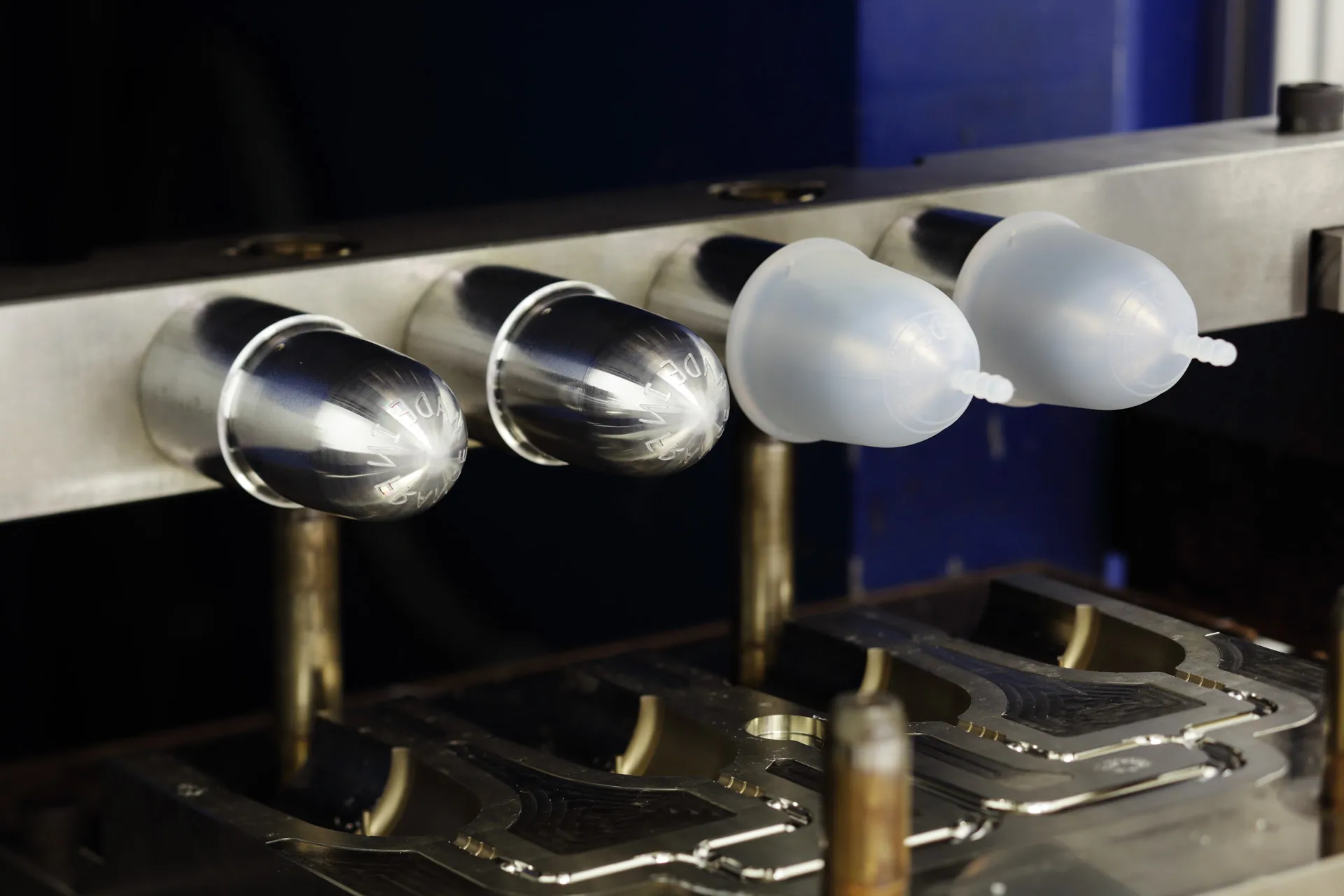
El proceso más versátil. El compound de silicona se deposita en la cavidad inferior del molde abierto, se cierra la prensa aplicando presión y temperatura, el material fluye hasta llenar la geometría y vulcaniza en posición.
El moldeo por compresión tiene el menor coste de utillaje y admite prácticamente cualquier formulación de silicona, incluidos compuestos de alta dureza, con cargas especiales o difíciles de procesar por otros métodos. Es el proceso habitual para juntas tóricas de sección grande, juntas planas, piezas técnicas de geometría robusta, series cortas y medias.
La limitación principal es el ciclo: más largo que inyección, con rebaba inherente que requiere desbarbado. No es eficiente para geometrías muy complejas con detalles finos o cavidades múltiples.
3.2 Moldeo por inyección
El compound se plastifica en un cilindro calefactado y se inyecta a presión en el molde cerrado. El llenado es más controlado, la rebaba menor, los ciclos más cortos.
El moldeo por inyección es preferible para series medias-largas, geometrías complejas con detalles precisos, piezas donde la productividad justifica un utillaje más costoso. Válvulas de silicona, tapones técnicos, componentes de precisión con tolerancias ajustadas se fabrican típicamente por inyección.
No todas las formulaciones son inyectables —las siliconas de muy alta dureza o con cargas abrasivas pueden presentar problemas— y el utillaje es significativamente más caro que en compresión.
3.3 Moldeo LSR (Liquid Silicone Rubber)
El LSR utiliza silicona líquida de dos componentes que se dosifican, mezclan e inyectan directamente en el molde. La catálisis por adición (platino) permite vulcanización muy rápida.
El LSR es el proceso para componentes médicos de alta exigencia, piezas de precisión con paredes muy finas, series largas de alta cadencia. Las formulaciones LSR alcanzan las certificaciones más exigentes: biocompatibilidad USP Class VI, ISO 10993, grados implantables de corta duración para contacto con tejidos hasta 29 días.
El coste de entrada es el más alto: maquinaria específica de dosificación, moldes de mayor precisión, formulaciones más caras. Se justifica en aplicaciones donde la productividad, la pureza del material o los requisitos regulatorios lo exigen.
4. Fundamentos técnicos del proceso
Independientemente del método (compresión, inyección, LSR), el moldeo de silicona comparte principios técnicos que afectan al diseño y la especificación.
Vulcanización en molde
El compound de silicona entra en el molde en estado plástico (no vulcanizado) y sale como elastómero reticulado. La vulcanización ocurre por efecto de temperatura (típicamente 150-200 °C) y tiempo. El ciclo debe ser suficiente para que el centro de la pieza alcance el grado de reticulación requerido.
Piezas de gran espesor requieren ciclos más largos: el calor debe penetrar hasta el núcleo. Esto tiene implicaciones de diseño: una sección de 20 mm de espesor vulcaniza mucho más lento que una de 3 mm, afectando productividad y coste.
Contracción
La silicona contrae al vulcanizar y enfriar. La contracción típica está entre 2% y 4% según formulación y geometría. El molde se diseña sobredimensionado para compensar, pero el especificador debe indicar las dimensiones finales de pieza, no las del molde.
Rebaba (flash)
En compresión e inyección convencional, parte del material escapa por la línea de cierre del molde formando rebaba. Esta rebaba debe eliminarse por desbarbado manual, criogénico o mecánico. El diseño de la pieza y el molde pueden minimizar la rebaba, pero no eliminarla completamente en estos procesos.
Desmoldeo
La pieza vulcanizada debe extraerse del molde. Geometrías con contrasalidas, cavidades cerradas o ángulos negativos complican o impiden el desmoldeo. El diseño debe considerar cómo saldrá la pieza: ángulos de salida (mínimo 1-3°), superficies de empuje, posibilidad de deformación elástica para superar retenciones menores.
Línea de partición
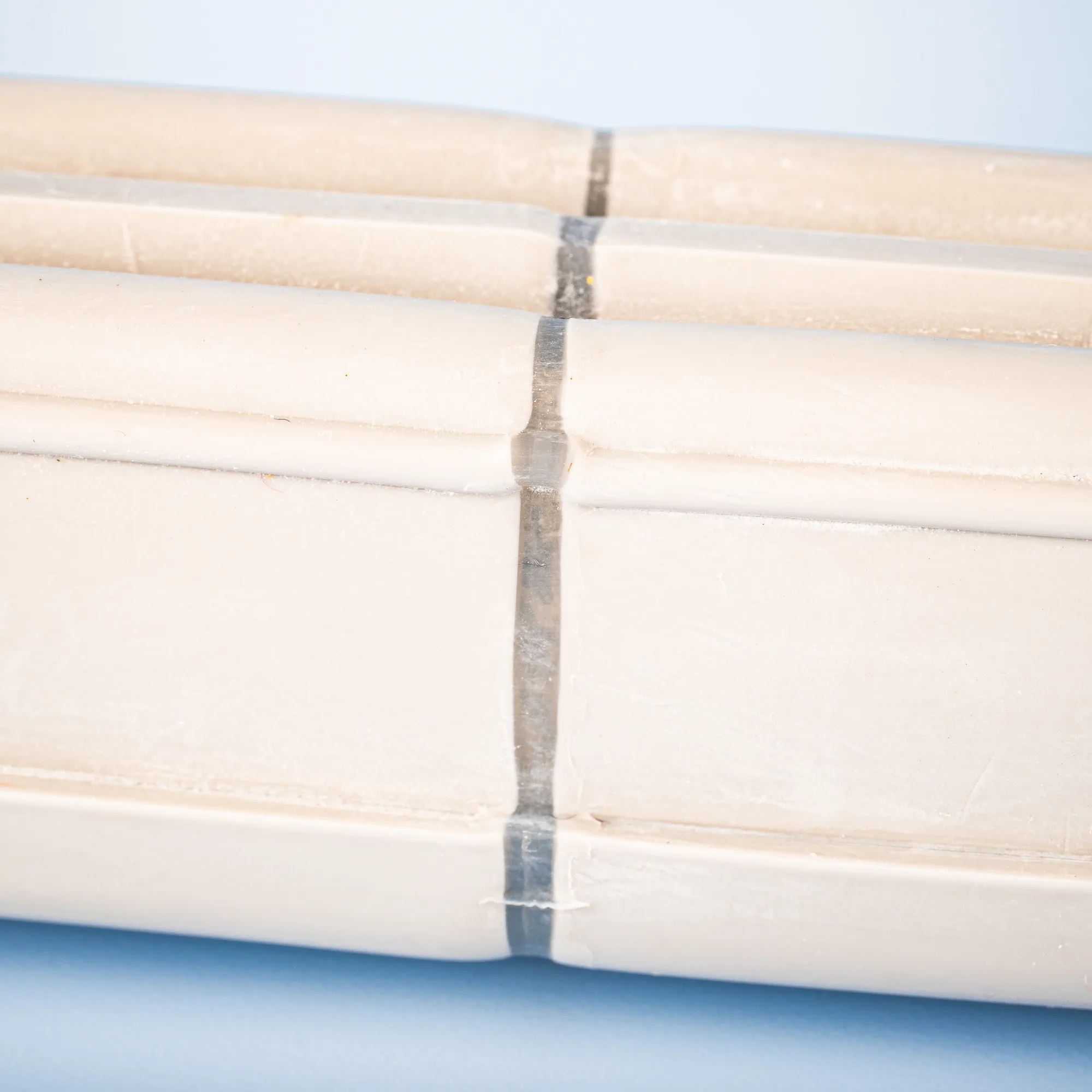
El molde tiene un plano de cierre que deja marca en la pieza. Esta línea de partición debe situarse donde no afecte a superficies funcionales (zonas de sellado) ni estéticas. El plano de pieza debe indicar dónde puede y dónde no puede estar esta línea.
5. Errores frecuentes en la especificación de piezas moldeadas
La experiencia acumulada permite identificar errores recurrentes que generan rechazos, sobrecostes o fallos en servicio.
5.1 Geometría imposible de desmoldear
Contrasalidas cerradas, cavidades internas sin acceso, geometrías que «atrapan» el molde: son errores de diseño que se detectan cuando el molde ya está en fabricación o, peor, cuando las primeras piezas no salen.
Los moldes pueden incorporar soluciones (correderas, núcleos colapsables, moldes partidos), pero multiplican coste y complejidad. Es preferible diseñar para desmoldeo simple desde el inicio.
5.2 Línea de partición en zona funcional
Si la línea de cierre del molde cruza una superficie de sellado de una junta plana de silicona o el labio de un retén, habrá una discontinuidad en la zona crítica. Puede significar fugas o fallo prematuro.
El plano debe definir explícitamente dónde puede situarse la línea de partición. Si no se indica, el moldista la colocará donde sea más conveniente para fabricación, no necesariamente para función.
5.3 Espesores problemáticos
Paredes muy finas (< 0,5 mm) son difíciles de llenar y propensas a defectos. Espesores muy gruesos (> 15 mm) vulcanizan de forma desigual: el exterior cura antes que el interior, generando tensiones y propiedades no homogéneas.
Cambios bruscos de espesor crean problemas similares. Si el diseño requiere zonas gruesas junto a zonas finas, las transiciones deben ser graduales.
5.4 Tolerancias de plano metálico
Copiar tolerancias de una pieza mecanizada a una pieza de caucho de silicona es un error habitual. La silicona es un elastómero: tiene contracción, variación con temperatura, comportamiento elástico. No es un material de precisión micrométrica.
Las tolerancias deben especificarse según ISO 3302-1: clase M2 para aplicaciones estándar, M1 para precisión. Exigir tolerancias más estrictas encarece el utillaje, ralentiza la producción y genera rechazos innecesarios.
5.5 Material sin especificación funcional
Indicar «silicona 60 Shore A» deja la selección del compound al fabricante. Optimizará por disponibilidad o coste, no por rendimiento en la aplicación.
La especificación debe incluir:
- Rango de dureza con tolerancia (ej: 60 ±5 Shore A)
- Certificaciones requeridas (FDA, EN 45545-2, USP Class VI...)
- Resistencias especiales si aplican (alto desgarro, baja DRC, resistencia química)
- Rango de temperatura de servicio real
- Restricciones de color si las hay (algunos colorantes anulan certificaciones alimentarias)
5.6 No evaluar el coste del utillaje
El molde es una inversión. Un utillaje de compresión simple puede costar desde 1.500-3.000 €; un molde de inyección multicavidad puede superar 15.000-25.000 €.
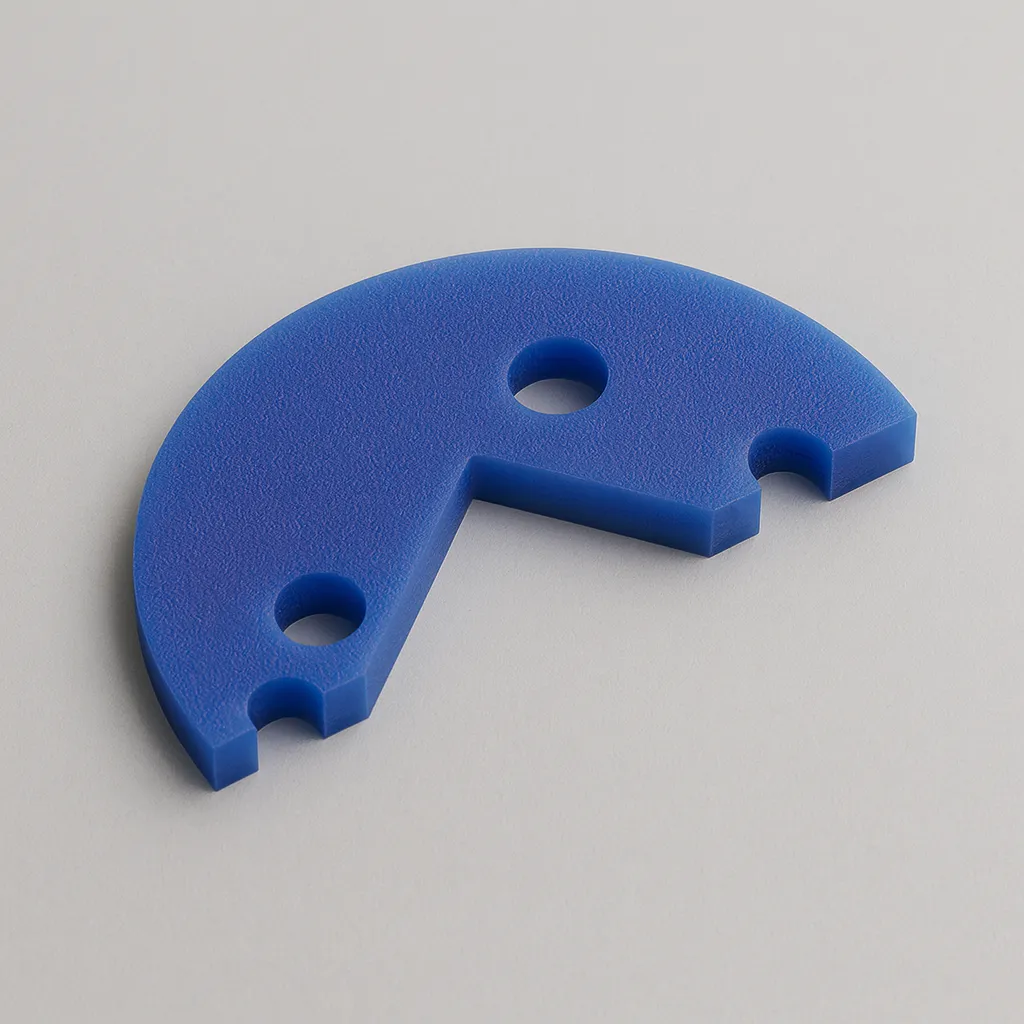
Para series muy cortas, el coste del molde puede superar el de las piezas. Antes de lanzar un desarrollo, evaluar: ¿existe un producto estándar que sirva? ¿Se puede troquelar de plancha calandrada? ¿El volumen previsto amortiza razonablemente el utillaje?
6. Selección de formulación: criterios técnicos
Especificar correctamente el compound es tan importante como la geometría. «Silicona» no es un material único: hay decenas de formulaciones con propiedades muy diferentes.
Por tipo de catálisis
Catálisis peróxido: el sistema más extendido. Buena relación coste-rendimiento, amplio rango de durezas (10-90 Shore A), compatible con la mayoría de procesos. Genera subproductos volátiles que pueden requerir post-curado en aplicaciones sensibles.
Catálisis platino: vulcanización por adición, sin subproductos. Obligatoria para aplicaciones médicas exigentes, alimentarias de alta pureza. Propiedades mecánicas superiores, especialmente resistencia al desgarro. Más cara y sensible a contaminantes (azufre, aminas, ciertos metales).
Por propiedades mecánicas
Alto desgarro: resistencia al desgarro > 25 kN/m (peróxido) o > 30 kN/m (platino). Para piezas sometidas a esfuerzos de montaje, flexión cíclica, riesgo de propagación de grietas. Juntas tóricas con montaje frecuente, membranas de bombas, fuelles.
Baja deformación remanente (DRC): compression set < 15% (70h/150°C). Crítica para juntas estáticas de larga duración donde la pérdida de recuperación elástica significa pérdida de estanqueidad.
Por resistencia especial
Fluorosilicona (FVMQ): resistencia a hidrocarburos, combustibles, aceites que la silicona VMQ estándar no soporta. Rango térmico reducido (-60 a +170 °C).
Alta temperatura: formulaciones estabilizadas para servicio continuo hasta +270 °C o +300 °C. Para piezas en hornos, motores, equipos de proceso térmico.
Baja temperatura (PVMQ): siliconas feniladas que mantienen flexibilidad hasta -110 °C. Aplicaciones criogénicas, aeroespacial, GNL.
Por certificación
Contacto alimentario: FDA 21 CFR 177.2600 (USA), CE 1935/2004 (Europa), BfR (Alemania). Obligatorias para cualquier pieza en contacto directo o indirecto con alimentos.
Grado médico: USP Class VI, ISO 10993. Formulaciones implantables de corta duración para contacto con tejidos hasta 29 días.
Ferroviario EN 45545-2: compuestos certificados para comportamiento al fuego, humo y toxicidad. Los compuestos de moldeo alcanzan niveles HL1, HL2, HL3 en requirement sets R22 y R23. Dato técnico relevante: las formulaciones de moldeo pueden ofrecer mejores valores de opacidad de humos (Ds max 45) que las equivalentes de extrusión (Ds max 84,7).
7. Sectores donde el moldeo de silicona es crítico
Médico y farmacéutico
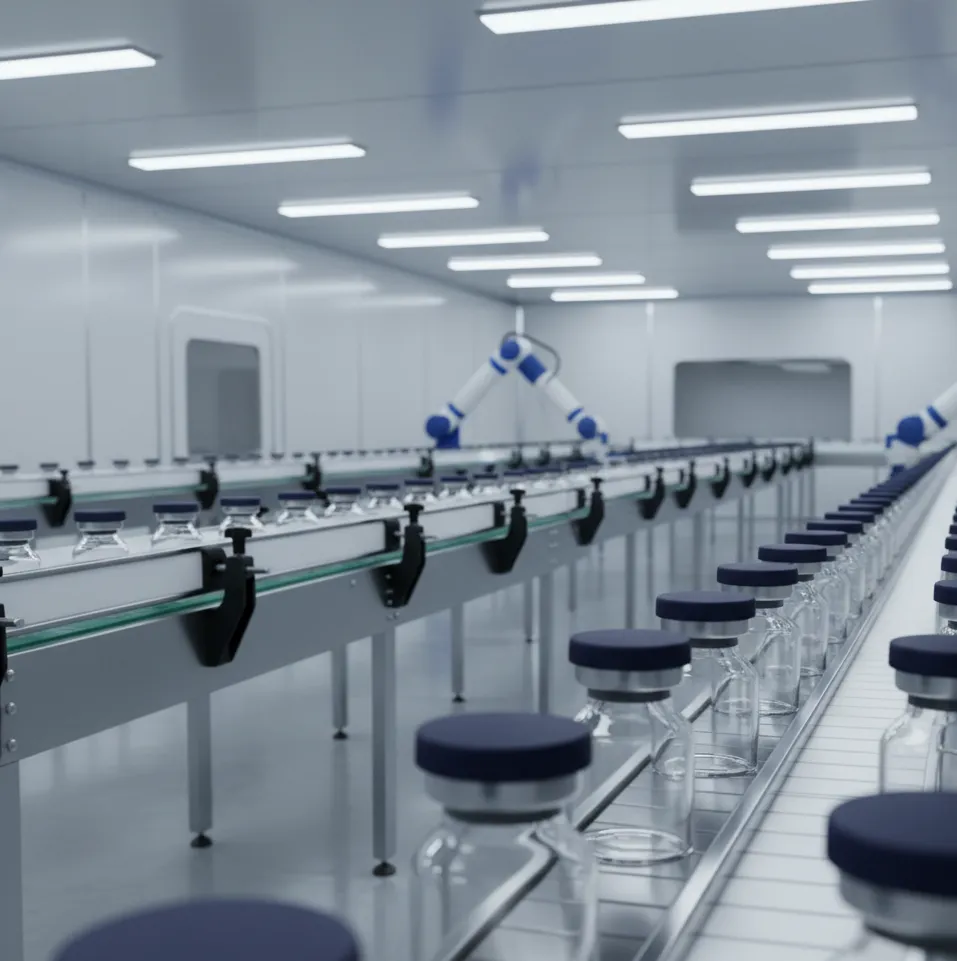
Componentes de dispositivos médicos, diafragmas para bombas de infusión, válvulas de dosificación, elementos de equipos de diagnóstico. Los requisitos de biocompatibilidad, trazabilidad, fabricación en sala limpia y sistema de calidad ISO 13485 son obligatorios.
Las formulaciones de grado médico con catálisis platino y certificación USP Class VI / ISO 10993 son el estándar. Para componentes implantables de corta duración (< 29 días), se requieren grados específicos validados para contacto con tejidos.
Alimentario
Juntas para maquinaria de procesado, membranas de bombas alimentarias, válvulas, sellos de equipos. Las certificaciones FDA y CE 1935/2004 son obligatorias. Las juntas para autoclave requieren además formulaciones con resistencia mejorada al vapor saturado.

Ferroviario
El cumplimiento de EN 45545-2 es obligatorio para material rodante en Europa. Los compuestos certificados están disponibles tanto para moldeo como extrusión, con durezas desde 30 hasta 85 Shore A. Las aplicaciones típicas incluyen juntas para puertas, pasamuros, sellados de climatización.
Industria general
Automoción (juntas de motor, componentes de refrigeración), electrodomésticos (juntas de hornos, sellados de lavavajillas), electrónica (sellados IP67/IP68, teclados), iluminación, HVAC, maquinaria industrial. La silicona moldeada resuelve problemas de sellado y amortiguación donde otros elastómeros fallan por temperatura, envejecimiento o compatibilidad química.
8. Proceso de decisión: ¿es el moldeo adecuado para tu pieza?
- ¿La pieza tiene geometría tridimensional que varía en su volumen? → Sí = moldeo
- ¿Es una forma cerrada (junta tórica, membrana, diafragma)? → Sí = moldeo
- ¿Requiere tolerancias ISO 3302-1 clase M1 o M2? → Sí = moldeo
- ¿Necesita insertos integrados? → Sí = moldeo
- ¿Es un perfil o tubo de sección constante? → Sí = probablemente extrusión
- ¿El volumen justifica la inversión en utillaje? → Si < 100-500 piezas, evaluar alternativas (troquelado, mecanizado, producto estándar)
¿Necesitas validar si el moldeo es el proceso adecuado?
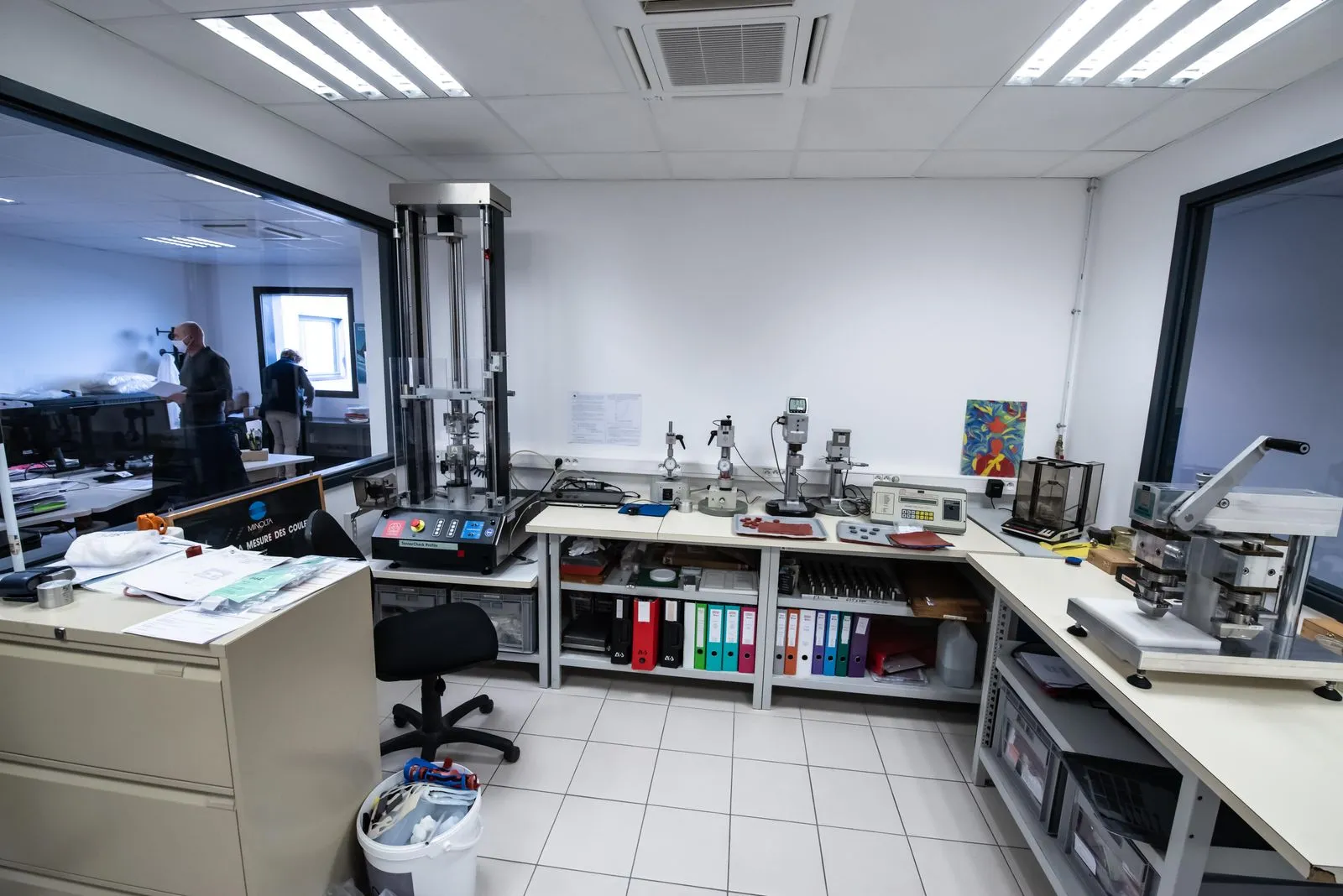
Si tienes una pieza en fase de diseño y necesitas confirmar proceso, tipo de moldeo o formulación, nuestro equipo técnico puede ayudarte antes de comprometer utillajes. Trabajamos con oficinas técnicas e ingenierías para optimizar diseños, seleccionar materiales y anticipar problemas.
Contactar con ingeniería →La información contenida en este artículo tiene carácter orientativo. Las especificaciones finales deben validarse con nuestro departamento técnico en función de los requisitos específicos de cada aplicación.