










OEM PRECISION

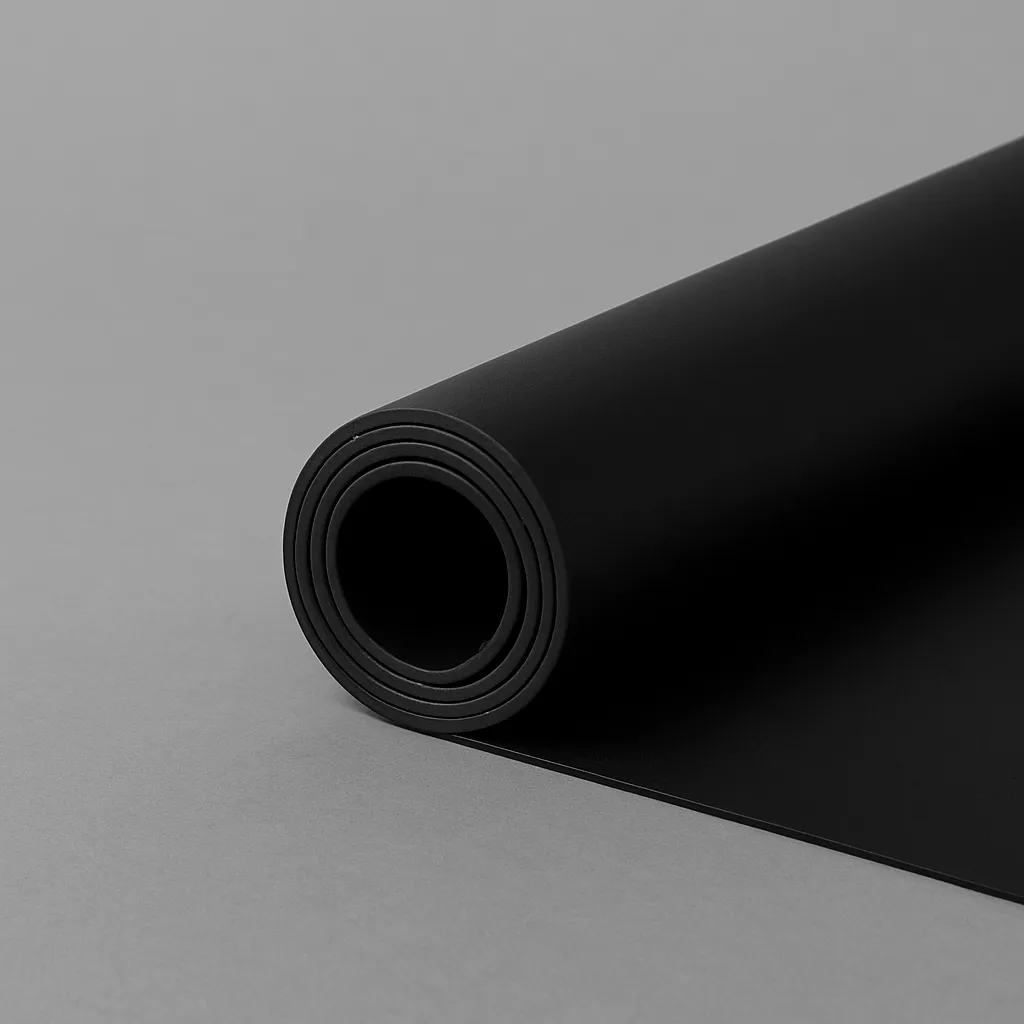
Ultra-Thin Silicone Sheet for Diaphragms

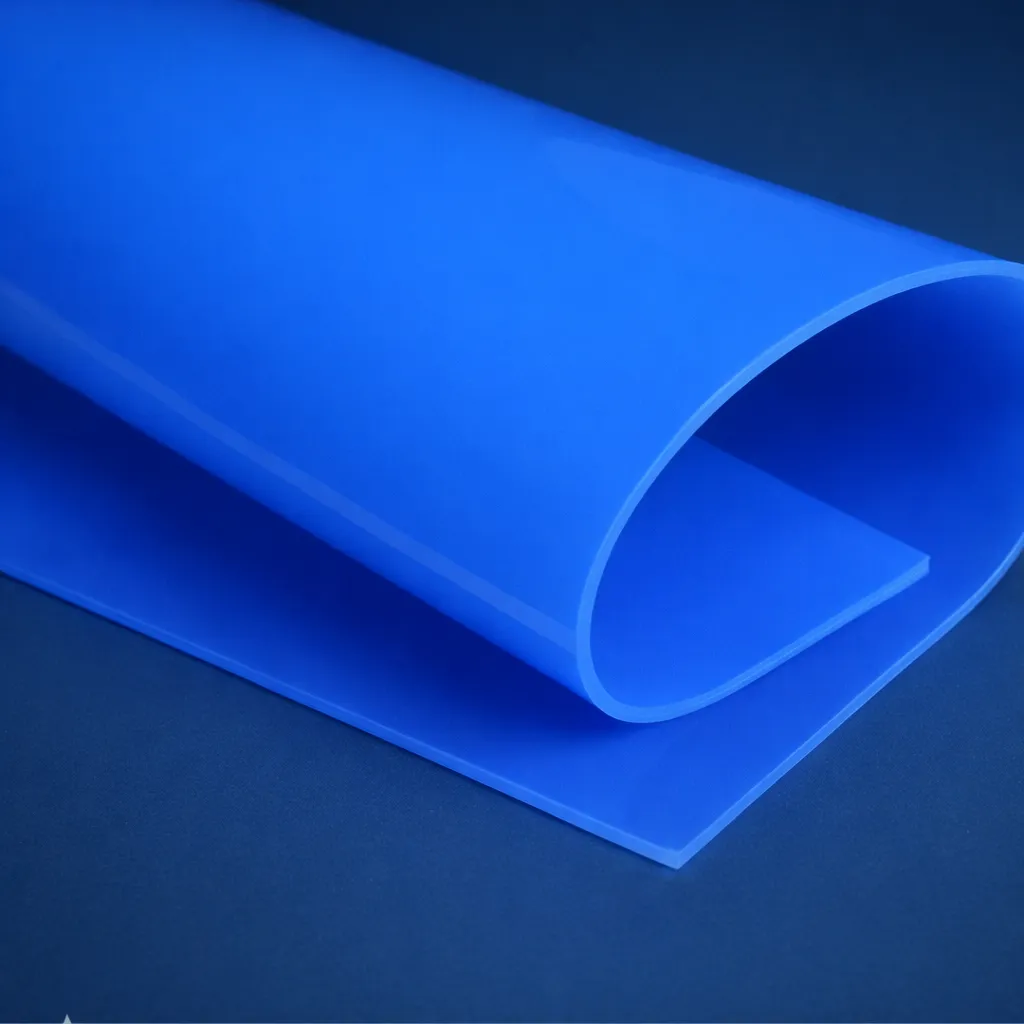
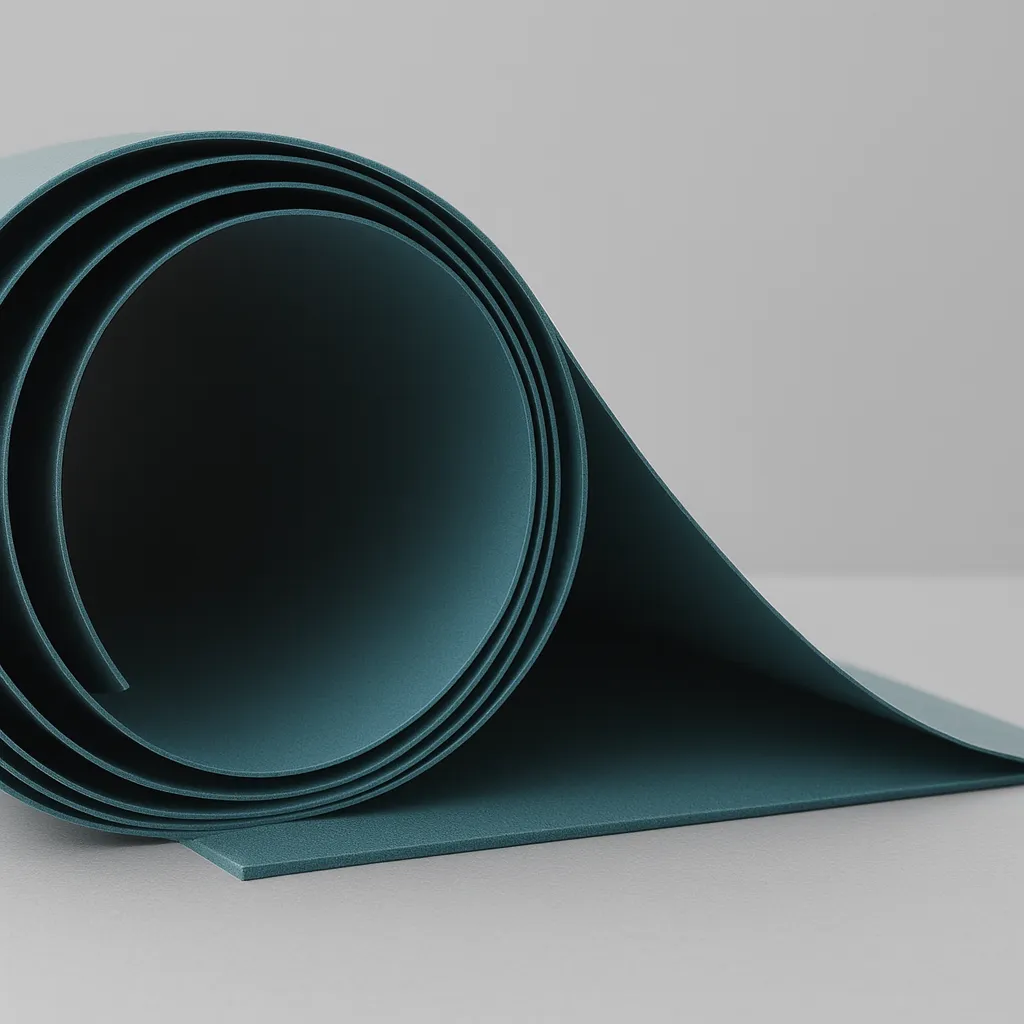
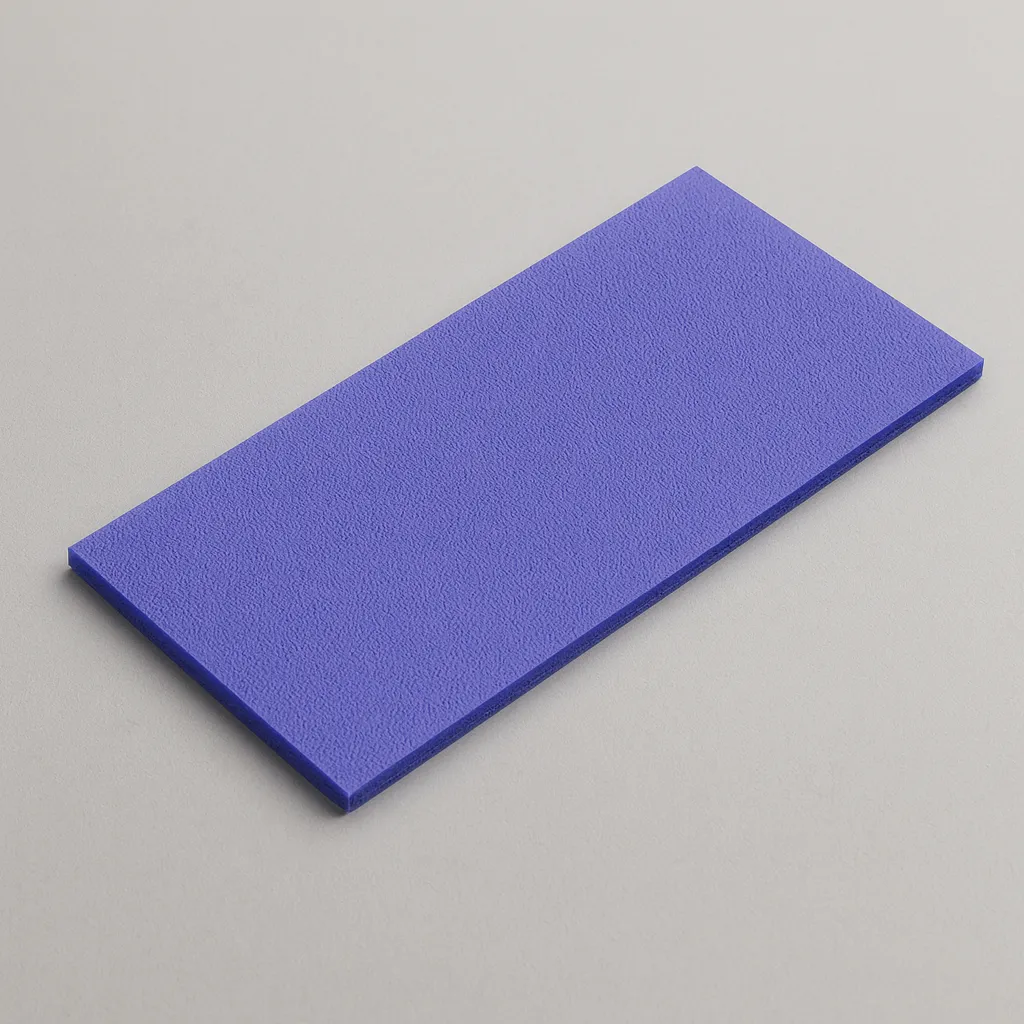
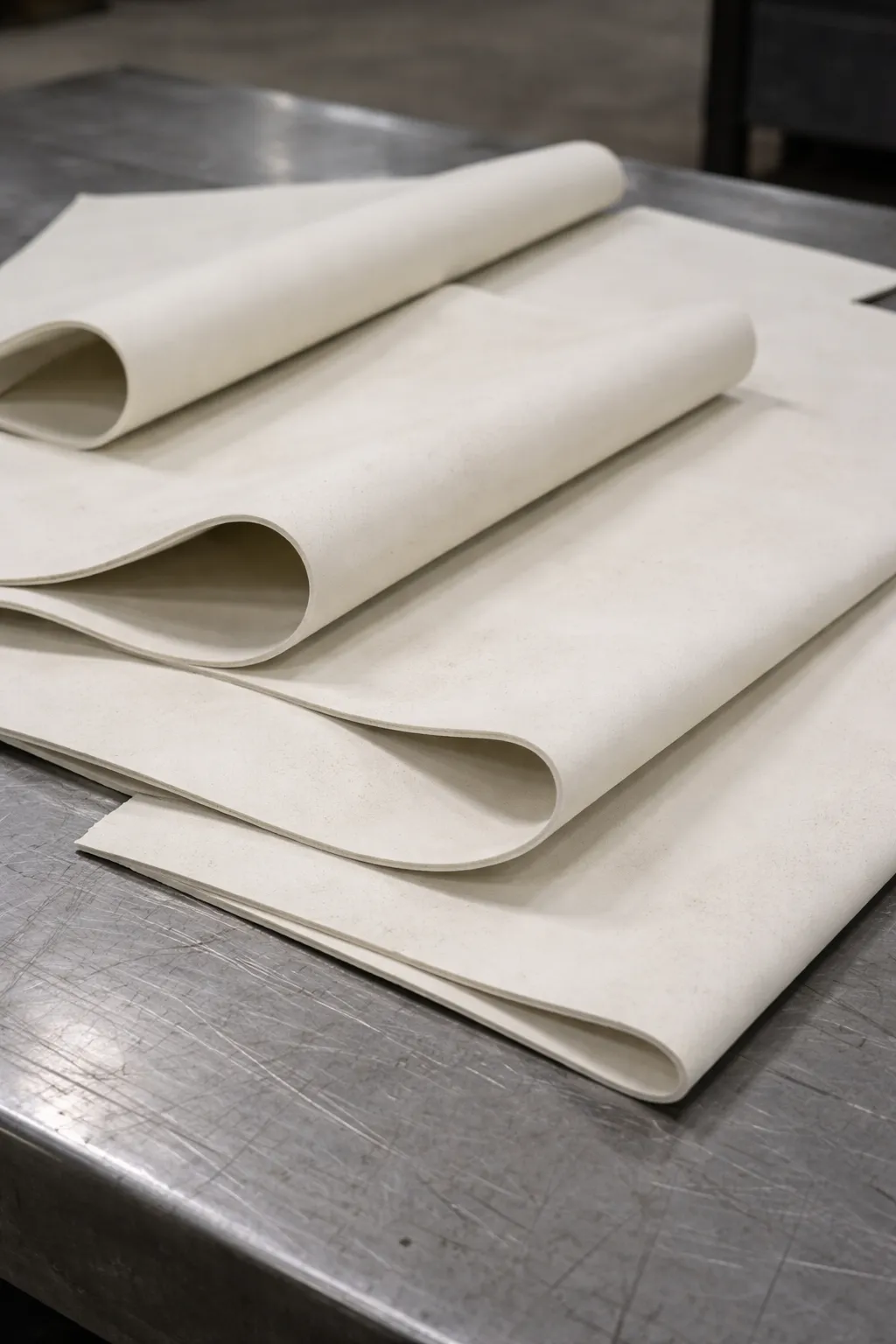
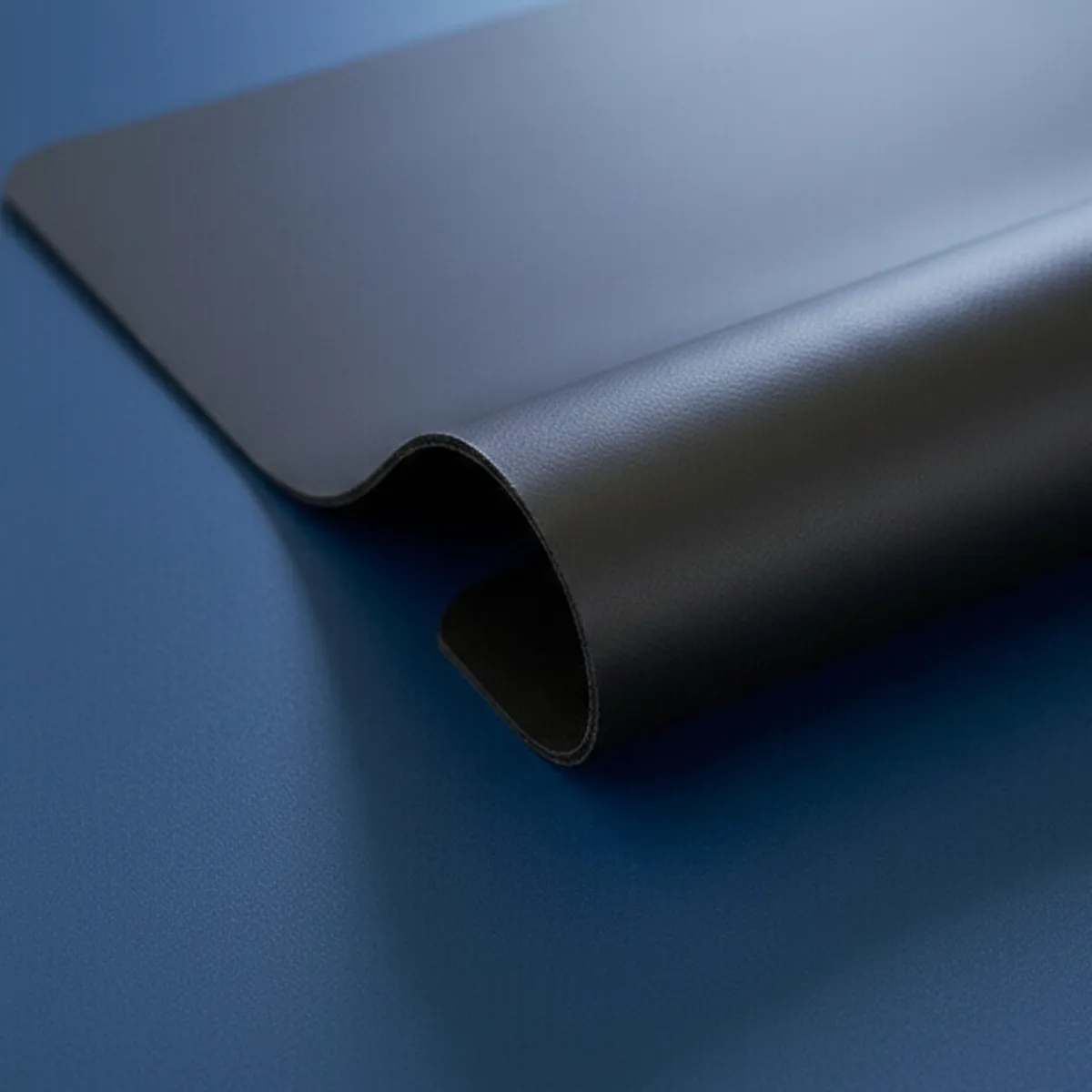
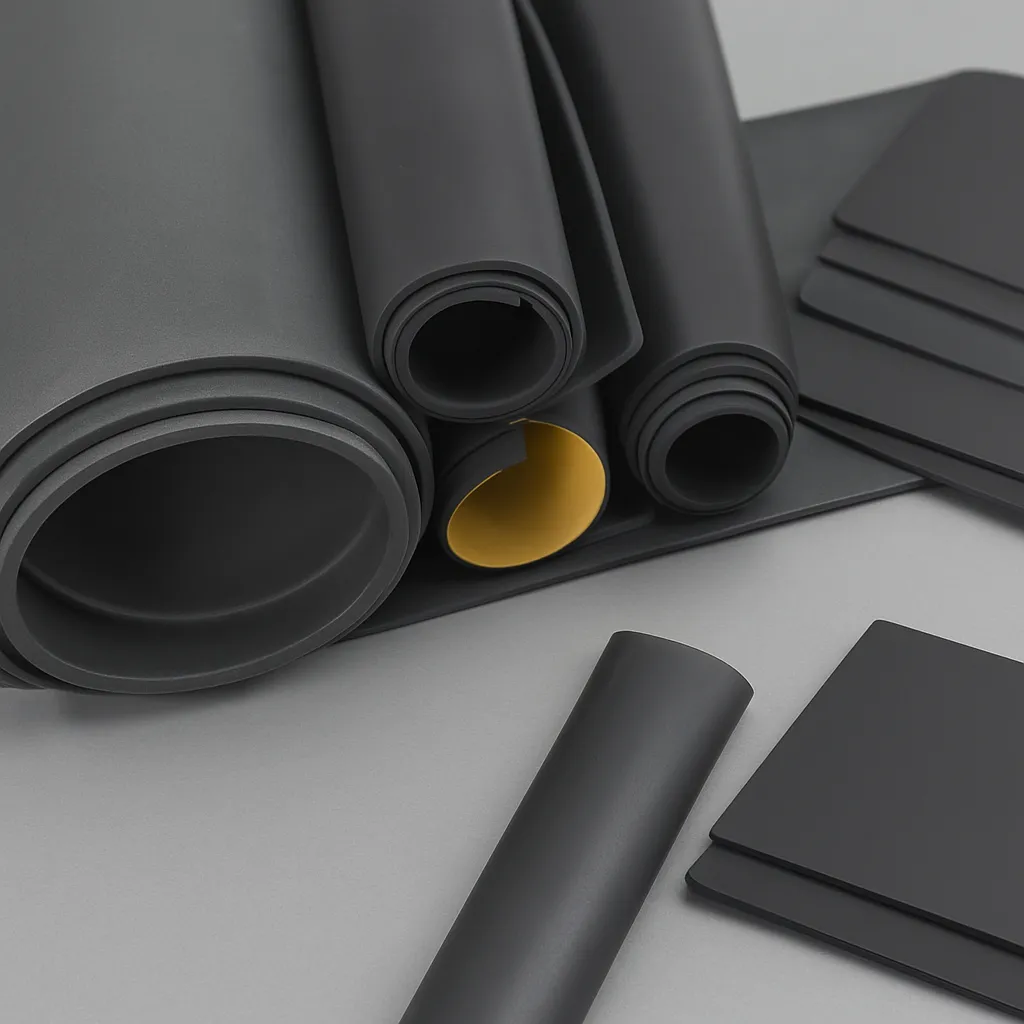
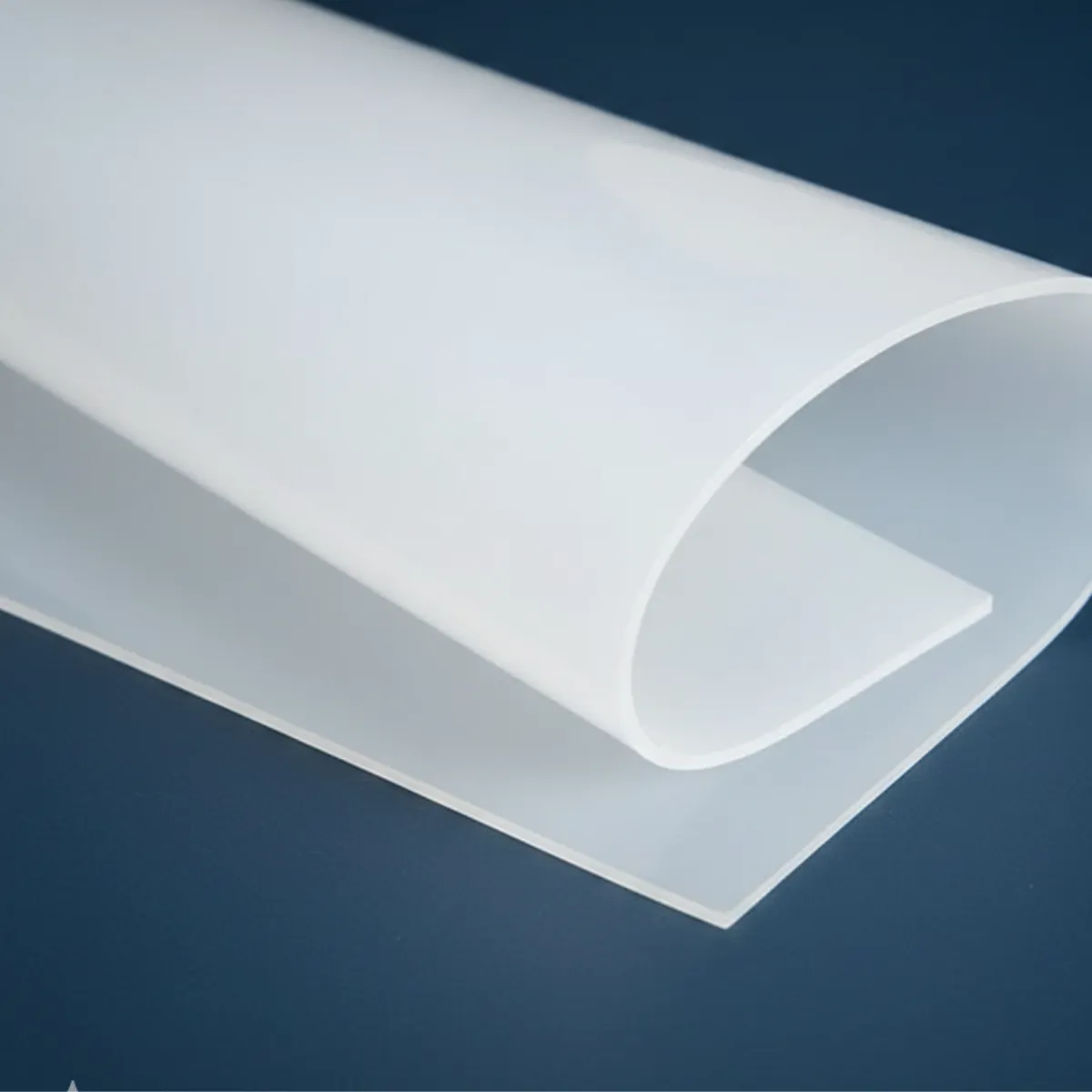
Calendered VMQ silicone sheet with precision thickness tolerances, designed as a raw material for the manufacture of diaphragms, valve membranes, pump membranes, pressure regulators and medical devices. Thicknesses from 0.2 to 1.5 mm with the tolerance control that OEM manufacturers need to guarantee the functional repeatability of their components. Available in peroxide cure (Series 2, FDA) and platinum cure (Series 12, ISO 10993 biocompatible).

Ultra-Thin Silicone Sheet for Diaphragms
Thicknesses 0.2 – 1.5 mm
Thickness tolerance ±0.05 to ±0.15 mm
Hardnesses 10 – 90 Shore A
Cure system Peroxide (Series 2) · Platinum (Series 12)
Thickness tolerance is critical in diaphragms: it determines actuation force, deflection and fatigue life of the component. Calendered sheets with per-batch dimensional control.

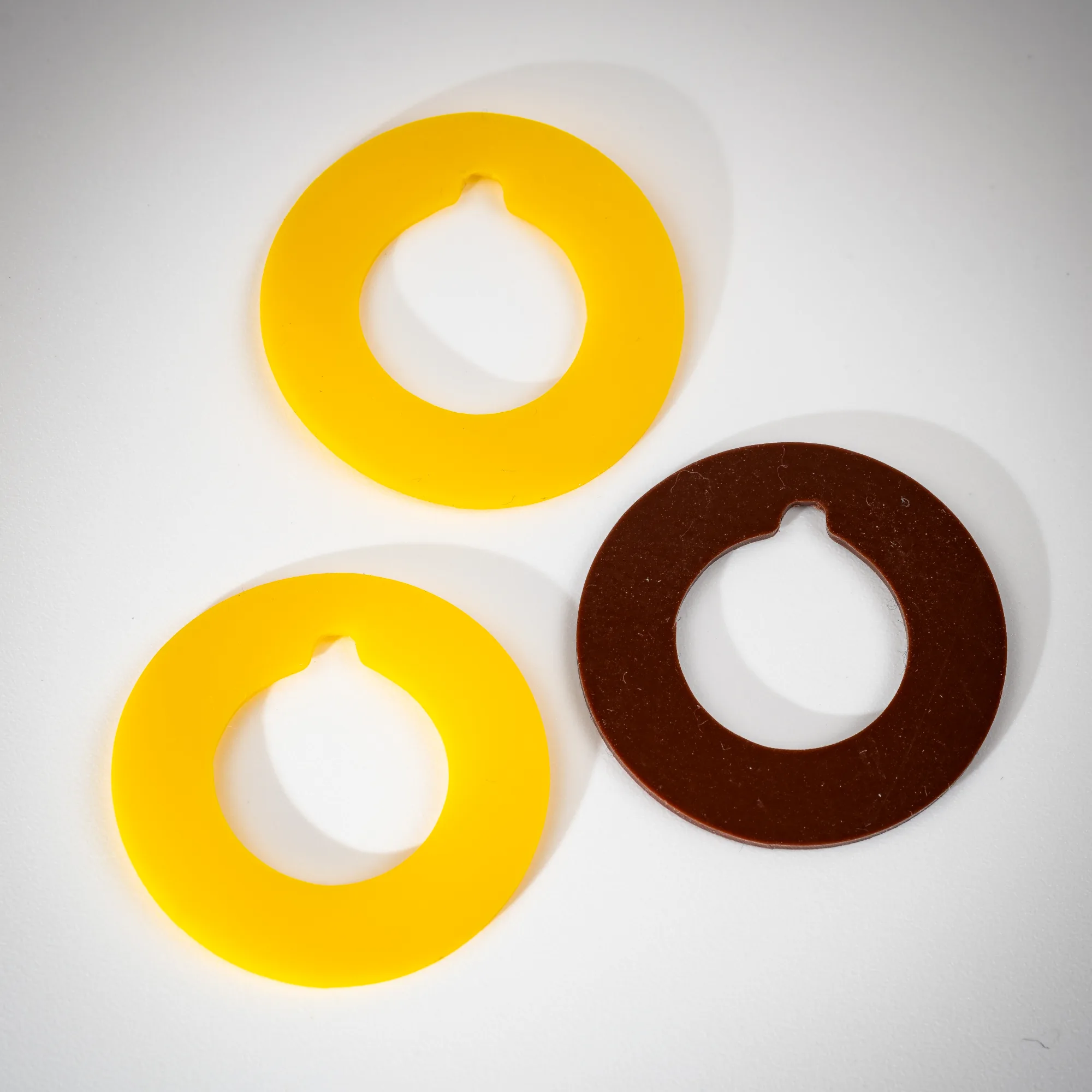
A rubber diaphragm is a flexible membrane that separates two chambers and deforms under differential pressure to regulate the flow of a fluid or gas. The functionality of the diaphragm depends directly on three properties of the base sheet: thickness (which determines actuation force and deflection), hardness (which determines flexibility and fatigue life) and batch-to-batch consistency (which guarantees that every die-cut diaphragm performs the same as the previous one).

VMQ silicone is the reference material for diaphragms in applications that combine a wide temperature range (–60 to +200 °C), purity (no volatiles, no plasticisers), chemical inertness, biocompatibility and extended fatigue life. Unlike NBR or neoprene, silicone maintains its flexibility at low temperature and does not harden with thermal ageing — two factors critical to the long-term reliability of valves and regulators.

ProSilicones64 supplies ultra-thin silicone sheet calendered by Progress Silicones in two cure systems: peroxide (Series 2, for general and food-grade FDA use) and platinum (Series 12, for medical devices and applications requiring ISO 10993 biocompatibility and maximum purity). Both series are available in a hardness range of 10 to 90 Shore A to suit the functional requirements of each application.

Why is thickness tolerance so critical in a diaphragm?

A 0.5 mm diaphragm with a tolerance of ±0.15 mm can actually be 0.35 or 0.65 mm — a 60% variation in real thickness. That variation changes the actuation force, maximum deflection and fatigue life of every die-cut piece. If the valve or pump manufacturer needs functional repeatability — every diaphragm to perform the same as the previous one — they need a base sheet with controlled tolerance. The difference between a "generic" sheet and a precision sheet is the difference between a component that works and a batch that generates claims.

Request tolerance specification

Which Series and hardness do you need?

Locate your application and the recommended formulation.

Requisito Formulación Serie Proceso
Industrial pump diaphragm (water, air) Series 2 peroxide 40–60 ShA · 0.5–1.5 mm Die-cut from sheet
Sanitary valve membrane (food, pharma) Series 12 platinum 40–60 ShA · 0.5–1.0 mm Die-cut or moulded
Domestic gas regulator diaphragm Series 2 peroxide 40–50 ShA · 0.3–0.8 mm Die-cut from sheet
Pressure sensor membrane Series 12 platinum 30–40 ShA · 0.2–0.4 mm Precision die-cut
Medical device membrane (ventilator) Series 12 platinum 40–50 ShA · 0.3–0.8 mm Die-cut or LSR moulding
Food dosing pump diaphragm Series 12 platinum 50–60 ShA · 0.8–1.5 mm Die-cut from sheet
Check valve membrane Series 2 peroxide 30–40 ShA · 0.2–0.5 mm Die-cut or moulded
Diaphragm with 3D geometry (convolutions) Series 2 or 12 Per application Compression moulding
Applications

Where every tenth of a millimetre matters

Diaphragms for membrane pumps

The diaphragm of a membrane pump deflects cyclically thousands of times per hour. It needs silicone with high elongation at break (> 400%), good tear resistance and extended fatigue life. Typical hardness is 40–60 Shore A — soft enough to deflect with little pressure, tough enough to withstand the cycles. Series 2 for industrial pumps, Series 12 for food and pharmaceutical dosing pumps.

Membranes for diaphragm valves

The membrane of a diaphragm valve isolates the actuating mechanism from the process fluid. It needs chemical resistance to the fluid, a leak-tight seal and flexibility to open and close over thousands of cycles. For sanitary valves (food, pharmaceutical): Series 12 platinum with ISO 10993 biocompatibility. For general process valves: Series 2 peroxide.

Diaphragms for pressure and gas regulators

The diaphragm of a pressure regulator senses the differential pressure and acts on the regulation mechanism. It needs a precise and repeatable elastic response — the diaphragm stiffness directly affects regulation accuracy. Typical thicknesses of 0.3 to 0.8 mm with tight tolerance. Silicone resists gases (LPG, LNG, compressed air) without degradation.

Membranes for medical devices

Medical devices such as ventilators, breast pumps, pressure sensors and infusion pumps require silicone membranes with certified biocompatibility (ISO 10993, USP Class VI), extreme purity (platinum cure with no peroxide by-products) and thickness tolerances that guarantee the functional performance of every unit produced.

Available thicknesses

From 0.2 mm to 1.5 mm with controlled tolerance

Thicknesses are manufactured by precision calendering. Thickness tolerance depends on the nominal thickness — thinner gauges require greater relative precision.

Ultra-thin: 0.2 – 0.4 mm

0.2 to 0.4 mm

The thinnest gauges available by calendering. For pressure sensor membranes, low-pressure check valves, miniaturised medical device membranes. Requires careful handling.

Typical application: Pressure sensors, microvalves, miniaturised medical devices, low-pressure membranes.
Thicknesses
0.2 · 0.3 · 0.4 mm
Tolerance
±0.05 mm
Format
Sheet (width per calendering run)

Available series: Series 2 (peroxide), Series 12 (platinum).

Thin: 0.5 – 0.8 mm

0.5 to 0.8 mm

The most widely used range for pressure regulator diaphragms, diaphragm valves and small-format membrane pumps. Good balance between flexibility and mechanical resistance.

Typical application: Pressure regulators, diaphragm valves, small membrane pumps.
Thicknesses
0.5 · 0.6 · 0.8 mm
Tolerance
±0.08 mm
Format
Sheet (width per calendering run)

Available series: Series 2 (peroxide), Series 12 (platinum).

Medium: 1.0 – 1.5 mm

1.0 to 1.5 mm

For diaphragms of larger membrane pumps, process valves and applications requiring higher actuation force or differential pressure resistance.

Typical application: Industrial membrane pumps, process valves, high-flow regulators.
Thicknesses
1.0 · 1.2 · 1.5 mm
Tolerance
±0.10 to ±0.15 mm
Format
Sheet (width per calendering run)

Available series: Series 2 (peroxide), Series 12 (platinum), Series 19 (economy).

For thicknesses above 1.5 mm, see the standard silicone sheets (food-grade, conductive, fire-retardant, etc.). Moulded diaphragms with 3D geometry (convolutions, lips, metal inserts) are manufactured by compression moulding or LSR injection — please enquire.

Formulations

Peroxide for industry, platinum for medical — actual production data

Series 2 — Peroxide · FDA · General and industrial use

Series 2 Progress

Peroxide-cured VMQ silicone. The reference grade for industrial and food-grade diaphragms. Hardnesses from 10 to 90 Shore A. FDA 21 CFR 177.2600, BfR IX/XV, EC 1935/2004. The most economical system with excellent mechanical properties.

Ideal for

OEM manufacturers of pumps, valves, regulators, food equipment.

Property 30 ShA 40 ShA 50 ShA 60 ShA 70 ShA 80 ShA
Tensile (MPa min) 6 7 8 9 9 8
Elongation (% min) 600 600 500 450 350 250
Tear C (kN/m min) 15 20 25 25 20 15
Density (g/cm³) 1.10 1.12 1.15 1.18 1.22 1.28

Data: Progress Silicones Series 2 (EQ/MQ). Guaranteed minimum properties measured on test pieces per NF ISO 37 / NF ISO 34-1. For diaphragms, the most common hardnesses are 40–60 ShA: the range with the highest elongation and best cyclic fatigue life.

Series 12 — Platinum · ISO 10993 · Biocompatible

Series 12 Progress

Platinum-cured VMQ silicone. The grade for medical devices and maximum-purity applications. No peroxide by-products — the cured polymer contains no curing residues. ISO 10993 biocompatible, USP Class VI, FDA, BfR, EC 1935/2004. For applications where material purity is a functional requirement.

Ideal for

OEM manufacturers of medical devices, pharmaceutical equipment, sanitary valves, high-purity dosing.

Property Typical value Notes
Available hardnesses 10 – 90 Shore A Same range as Series 2
Tensile (40 ShA) ≥ 7 MPa Comparable to Series 2
Elongation (40 ShA) ≥ 550% Excellent fatigue life
Residual purity No by-products Platinum cure — no post-curing needed
Biocompatibility ISO 10993 Cytotoxicity, sensitisation, irritation
USP Class VI Yes On demand per formulation
Temperature –60 to +200 °C

Data: Progress Silicones Series 12. Series 12 platinum is more expensive than Series 2 peroxide. It is only justified when biocompatibility (medical, baby food, pharmaceutical) or the total absence of curing residues is a requirement.

Peroxide-cured VMQ silicone. The reference grade for industrial and food-grade diaphragms. Hardnesses from 10 to 90 Shore A. FDA 21 CFR 177.2600, BfR IX/XV, EC 1935/2004. The most economical system with excellent mechanical properties.

Ideal for

OEM manufacturers of pumps, valves, regulators, food equipment.

Property 30 ShA 40 ShA 50 ShA 60 ShA 70 ShA 80 ShA
Tensile (MPa min) 6 7 8 9 9 8
Elongation (% min) 600 600 500 450 350 250
Tear C (kN/m min) 15 20 25 25 20 15
Density (g/cm³) 1.10 1.12 1.15 1.18 1.22 1.28

Data: Progress Silicones Series 2 (EQ/MQ). Guaranteed minimum properties measured on test pieces per NF ISO 37 / NF ISO 34-1. For diaphragms, the most common hardnesses are 40–60 ShA: the range with the highest elongation and best cyclic fatigue life.

Platinum-cured VMQ silicone. The grade for medical devices and maximum-purity applications. No peroxide by-products — the cured polymer contains no curing residues. ISO 10993 biocompatible, USP Class VI, FDA, BfR, EC 1935/2004. For applications where material purity is a functional requirement.

Ideal for

OEM manufacturers of medical devices, pharmaceutical equipment, sanitary valves, high-purity dosing.

Property Typical value Notes
Available hardnesses 10 – 90 Shore A Same range as Series 2
Tensile (40 ShA) ≥ 7 MPa Comparable to Series 2
Elongation (40 ShA) ≥ 550% Excellent fatigue life
Residual purity No by-products Platinum cure — no post-curing needed
Biocompatibility ISO 10993 Cytotoxicity, sensitisation, irritation
USP Class VI Yes On demand per formulation
Temperature –60 to +200 °C

Data: Progress Silicones Series 12. Series 12 platinum is more expensive than Series 2 peroxide. It is only justified when biocompatibility (medical, baby food, pharmaceutical) or the total absence of curing residues is a requirement.

How we work

From the functional specification to sheet ready for die-cutting

We supply the base sheet with the properties and tolerances that the OEM manufacturer needs to produce repeatable diaphragms. We can also supply die-cut parts if the customer does not have in-house cutting equipment.

1

Functional application analysis

Identification of the component type (diaphragm, membrane, valve), the contact fluid, the service temperature, the differential pressure, the cycle frequency and the certification requirements (FDA, ISO 10993, etc.).

2

Series, hardness and thickness selection

Series 2 peroxide for industrial and food applications. Series 12 platinum for medical and high-purity. Hardness according to the required actuation force. Thickness according to the required deflection and available envelope.

3

Manufacture and tolerance control

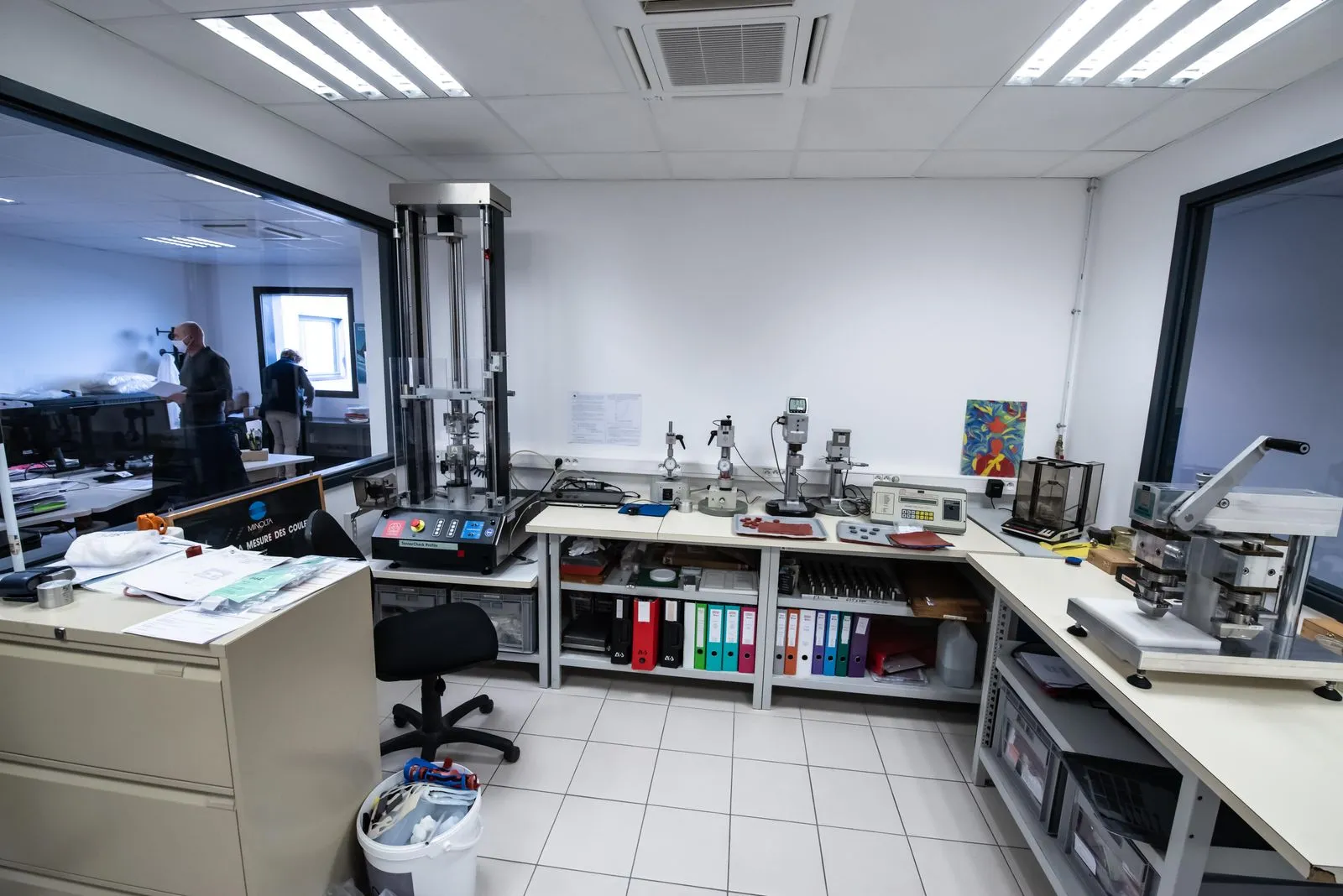
Calendering of the sheet to the specified thickness. Per-batch thickness control with multi-point measurement. Post-curing per formulation (Series 2: post-curing required; Series 12: post-curing not needed). Mechanical property verification on each batch.

4

Delivery with OEM documentation

Certificate of conformity with: Series and hardness identification, measured thickness with tolerance, batch mechanical properties, food-grade/biocompatibility certifications per grade. Full traceability from raw material to delivered product.

Tolerances
±0.05 mm ±0.08 mm ±0.10 to ±0.15 mm ±5 Shore A
Management system
ISO 9001 Full traceability raw material → product
Certifications
FDA 21 CFR 177.2600 BfR IX / XV EC 1935/2004 ISO 10993 USP Class VI
Standards
REACH RoHS ISO 3302 — Dimensional tolerances NF ISO 37 — Tensile and elongation NF ISO 34-1 — Tear resistance

Need ultra-thin silicone sheet for your diaphragms?

Tell us: the component type (diaphragm, membrane, valve), the required thickness and hardness, the contact fluid, the service temperature, the certification requirements (FDA, ISO 10993) and the expected volume. We provide tolerance specification, technical sample and quotation.

Request technical sample
Contact us