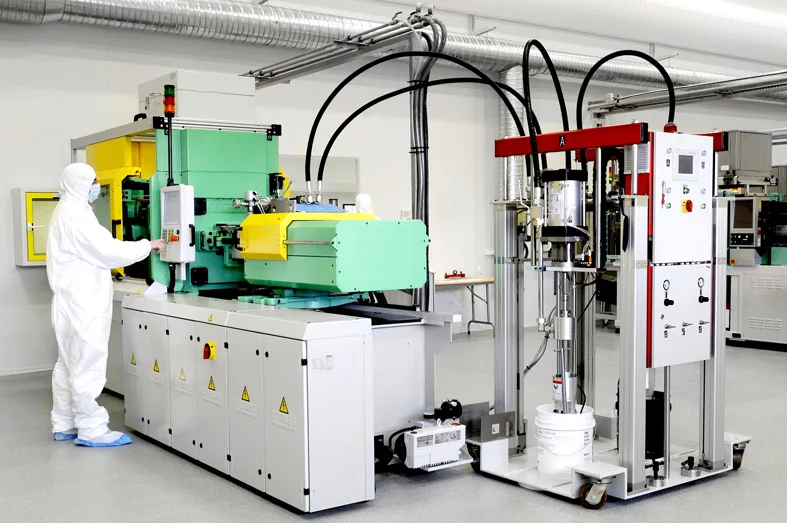

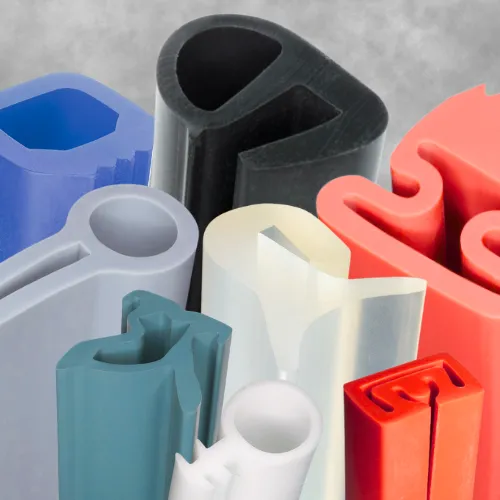
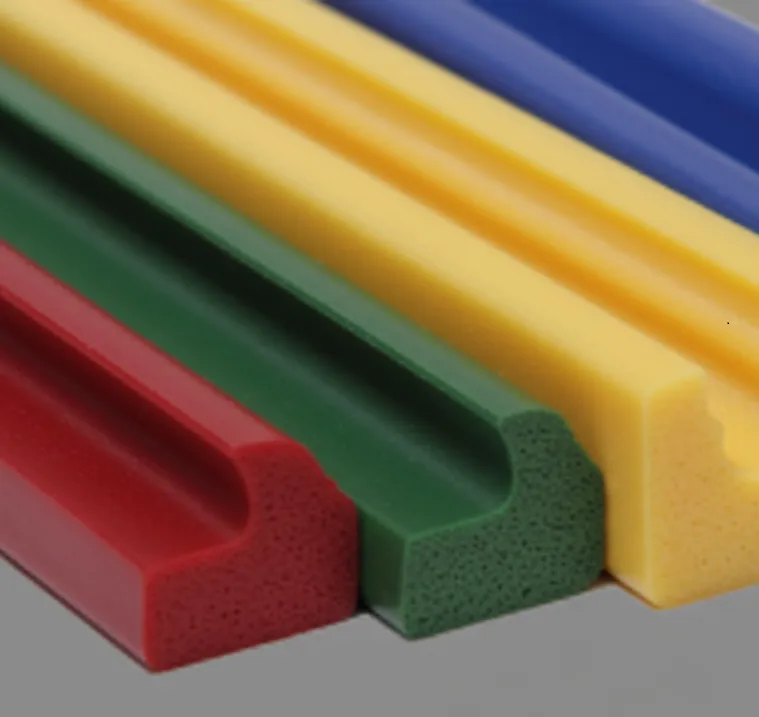
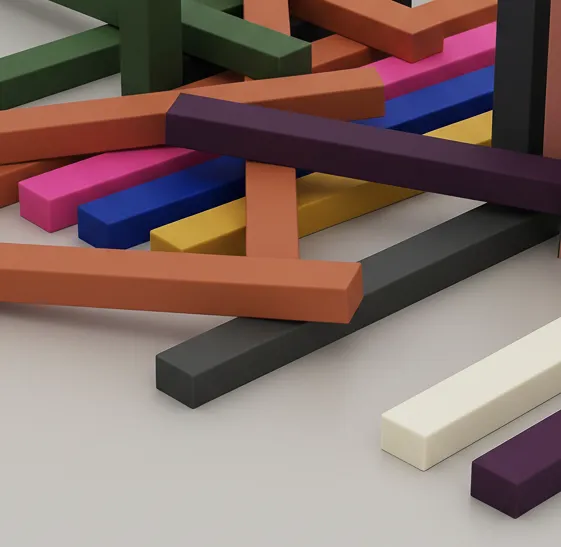
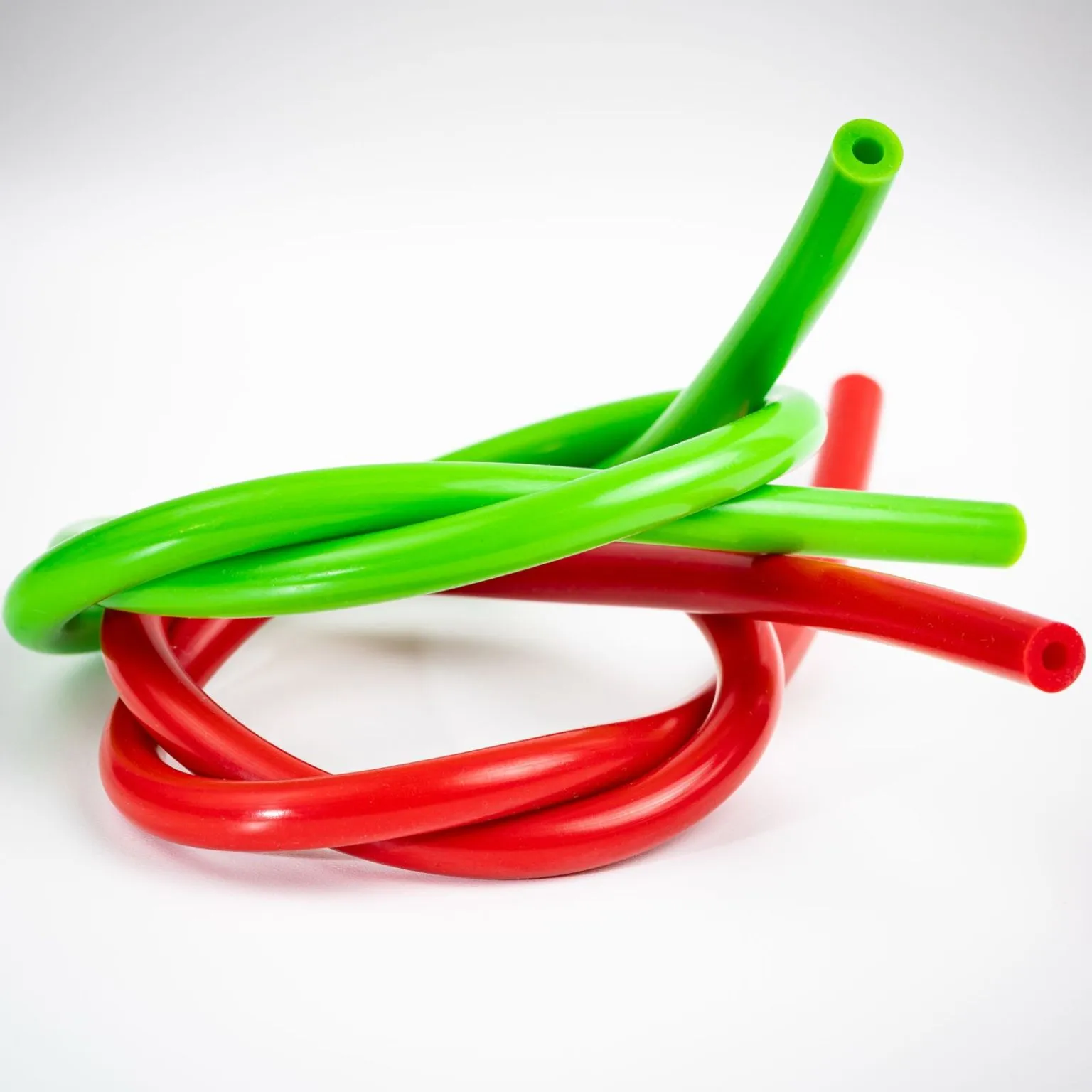
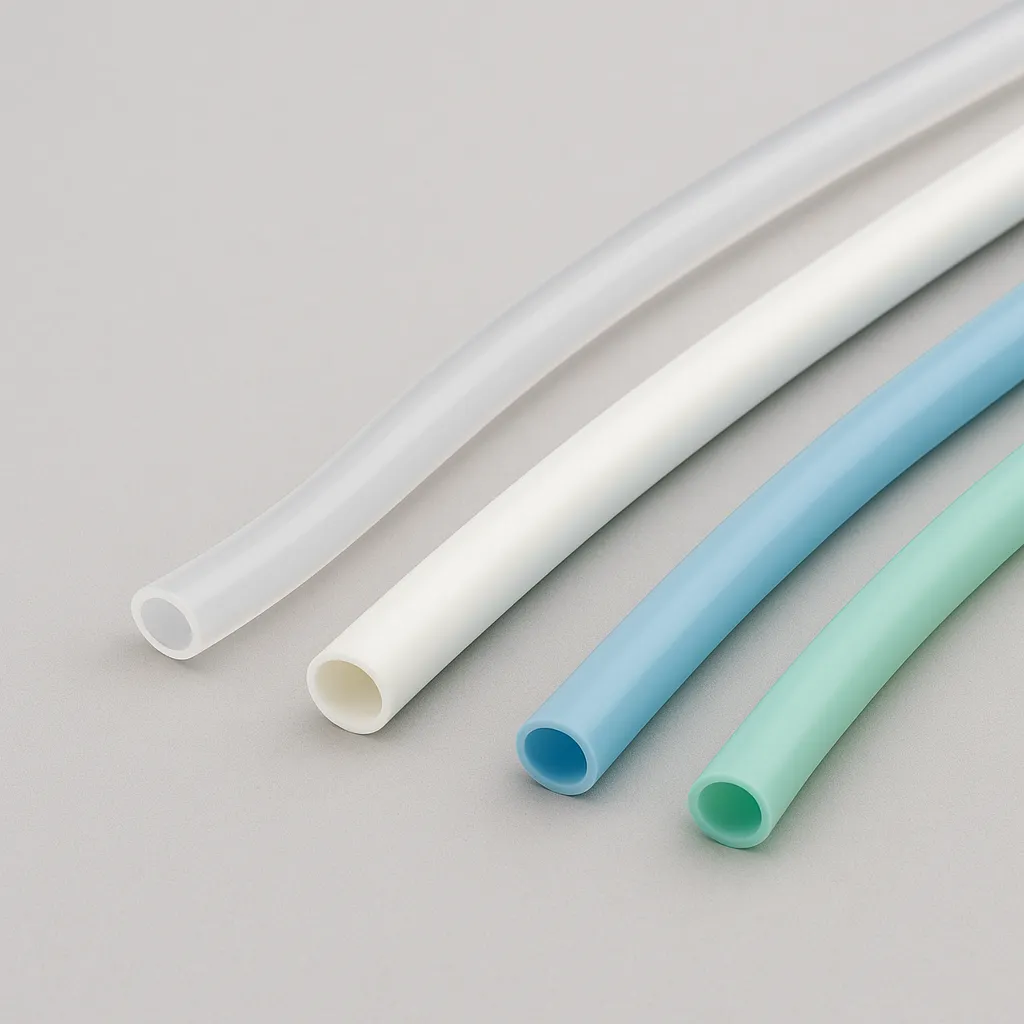


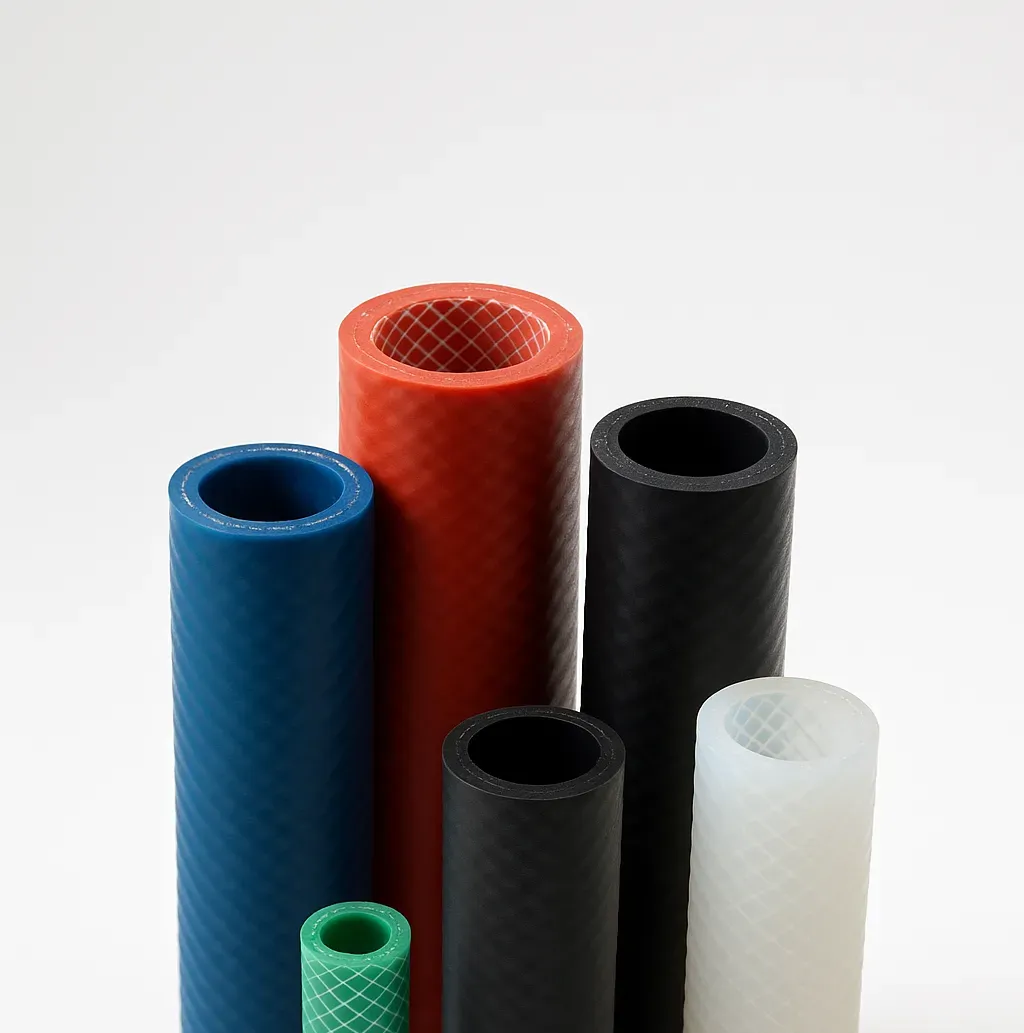
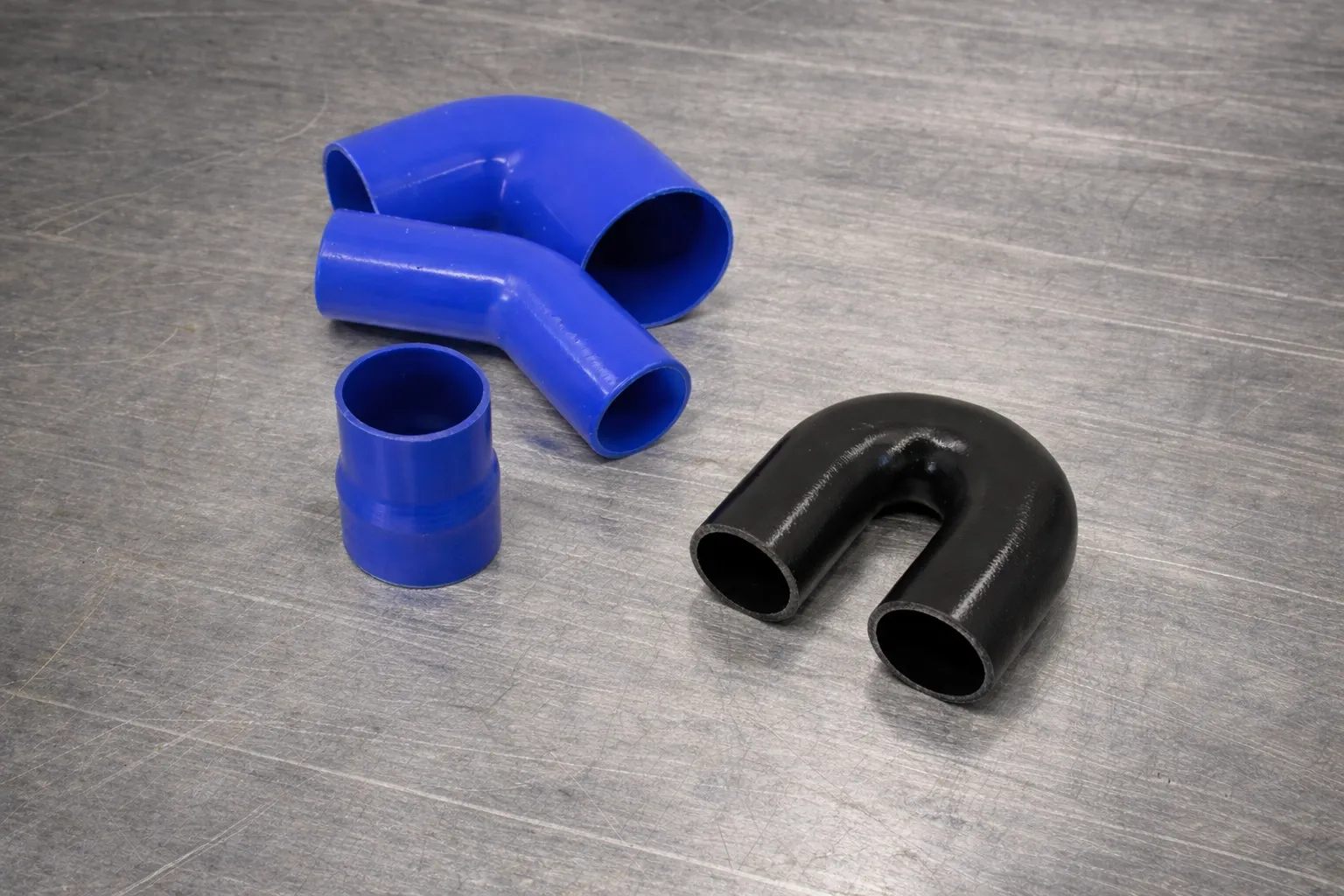
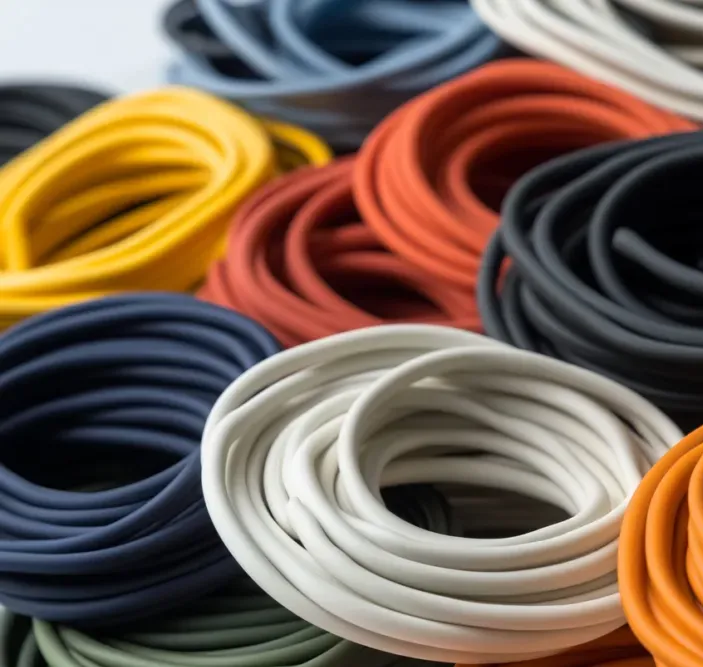
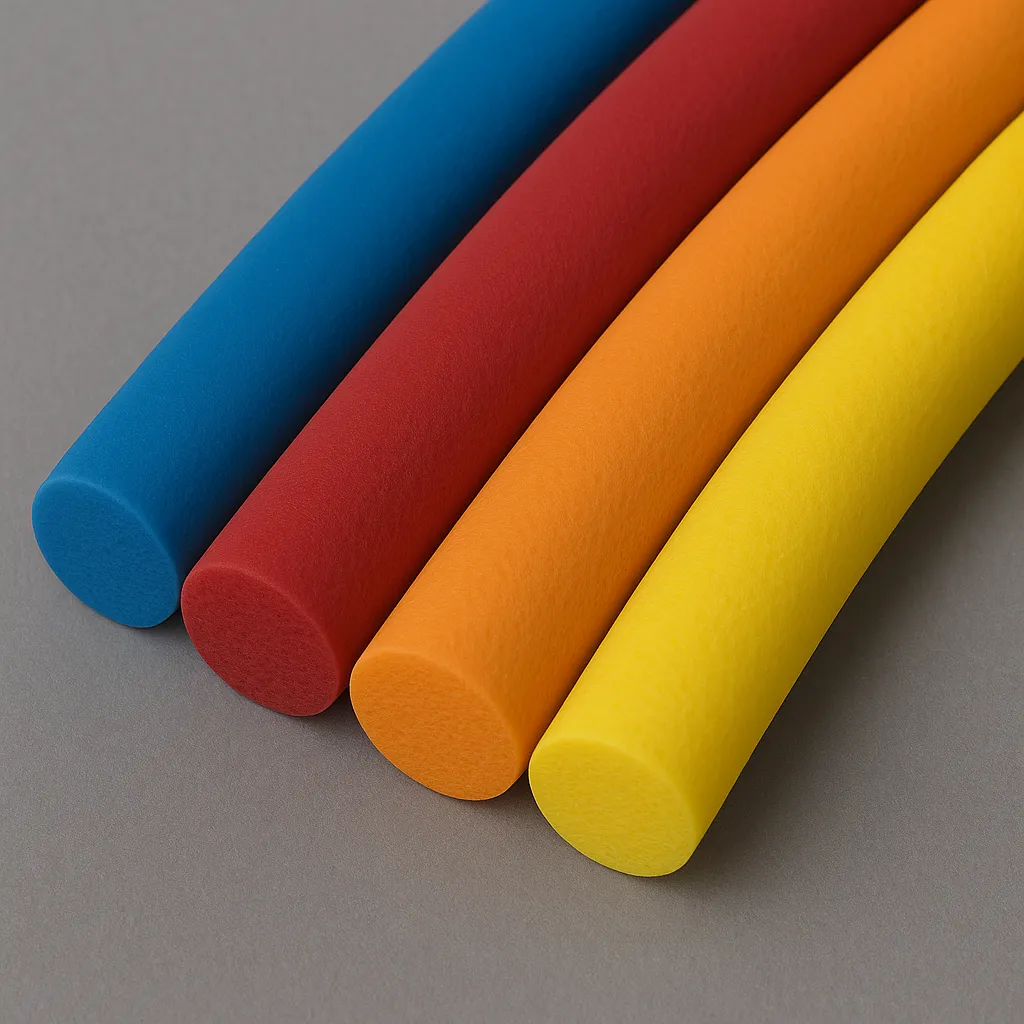
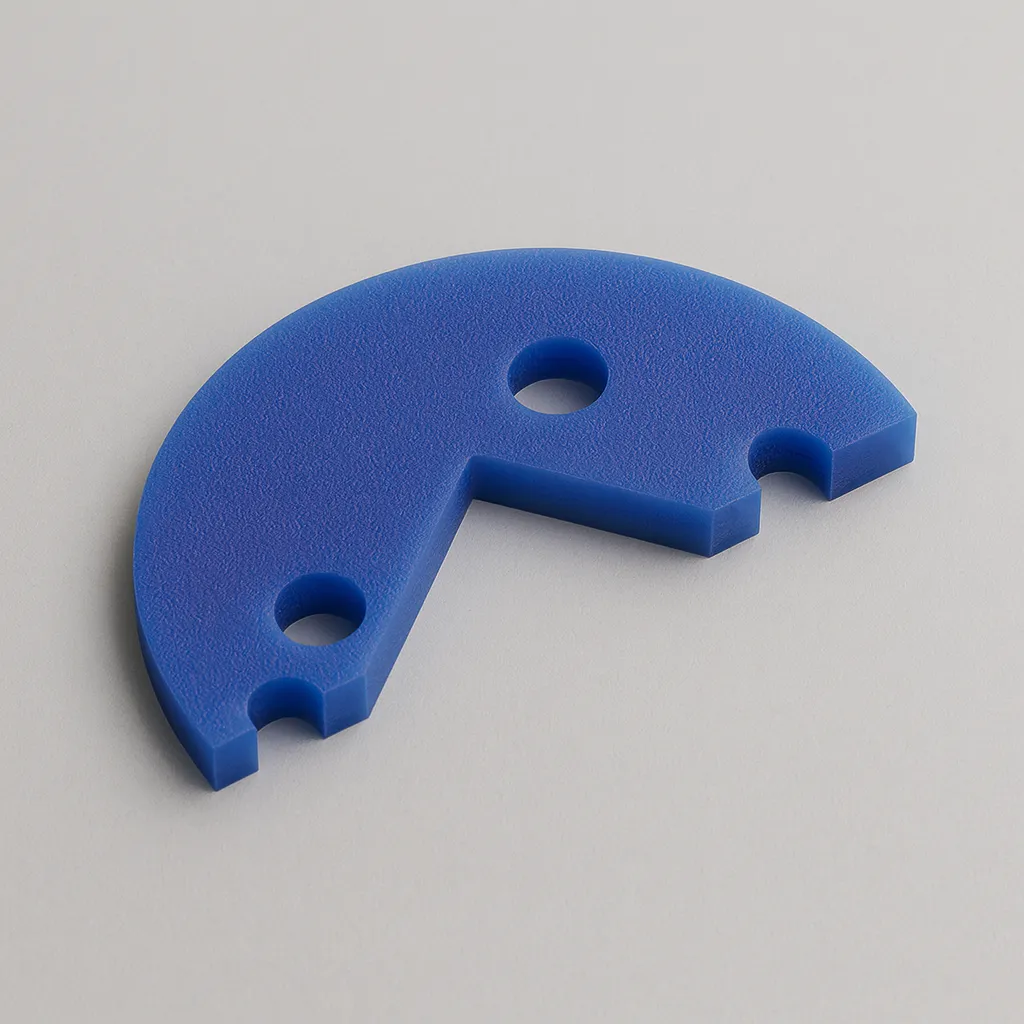
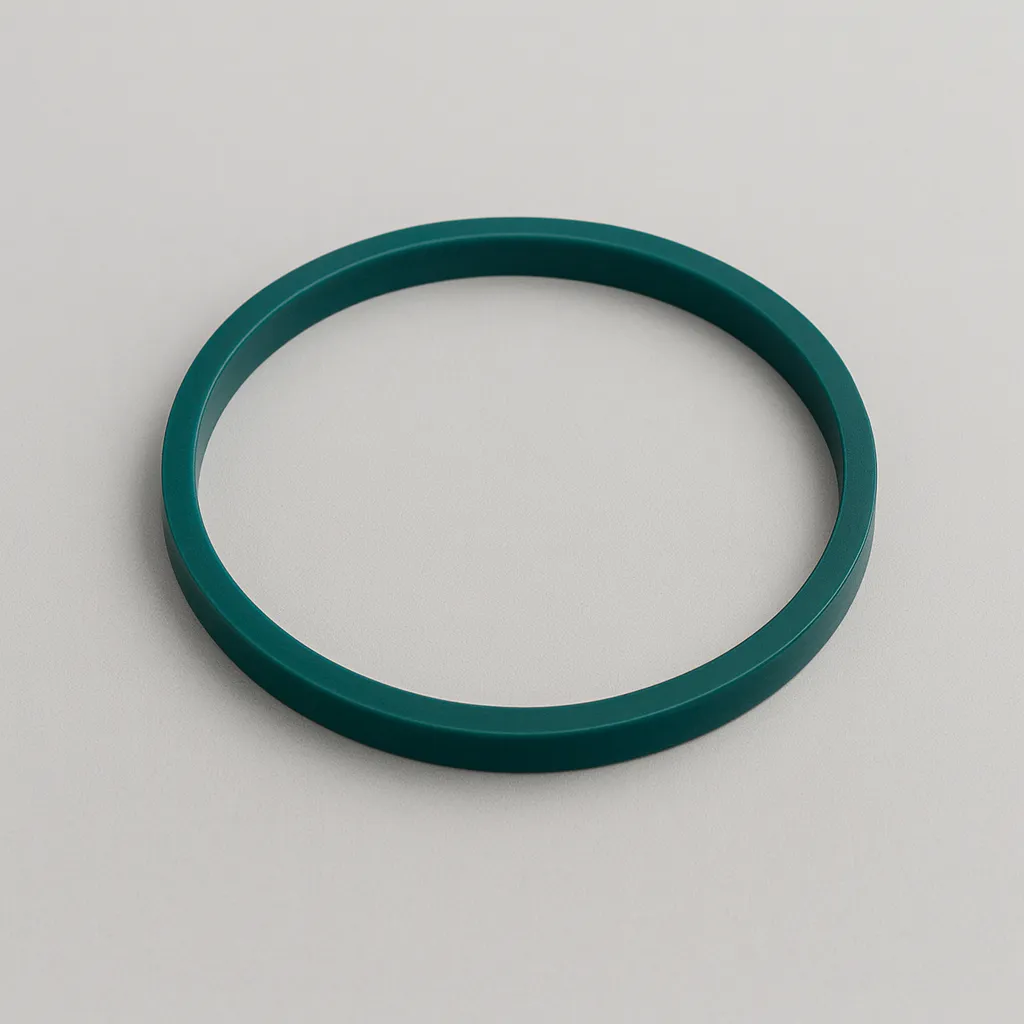




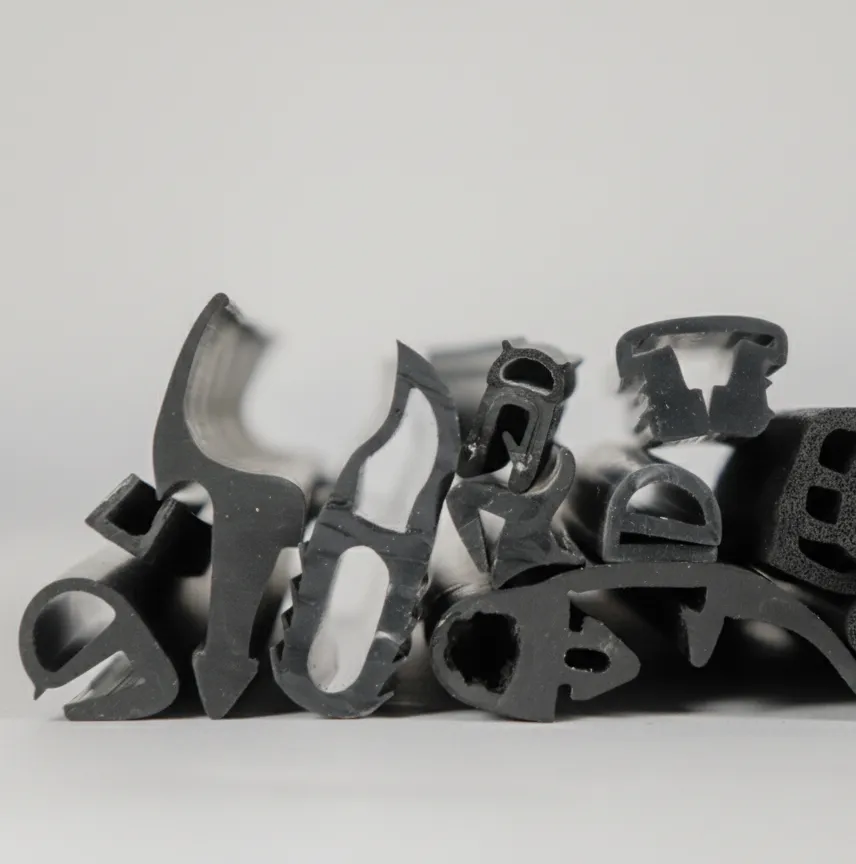
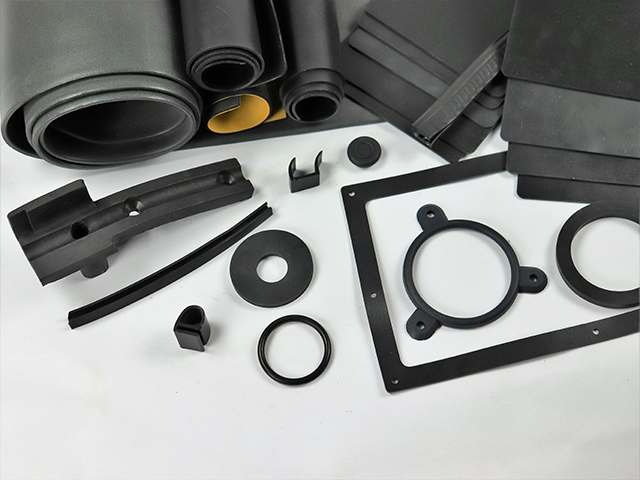
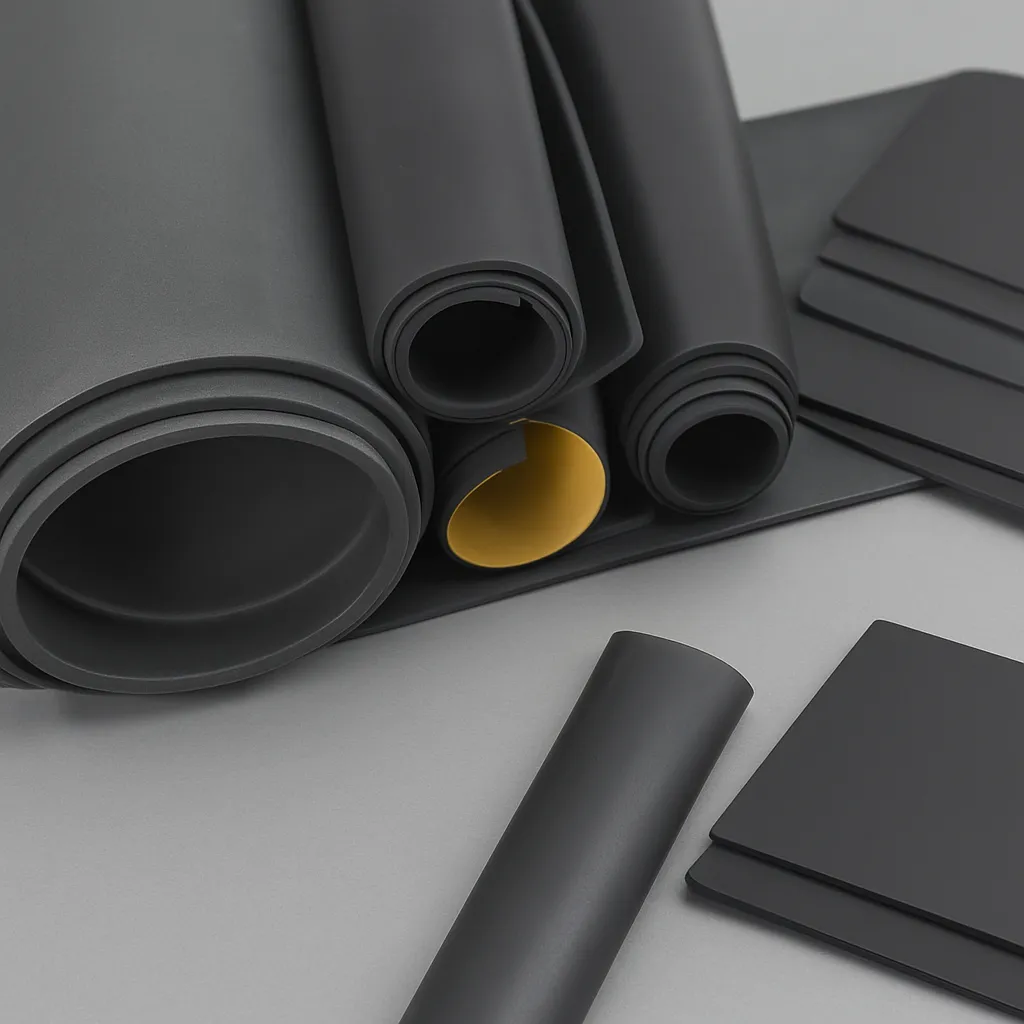
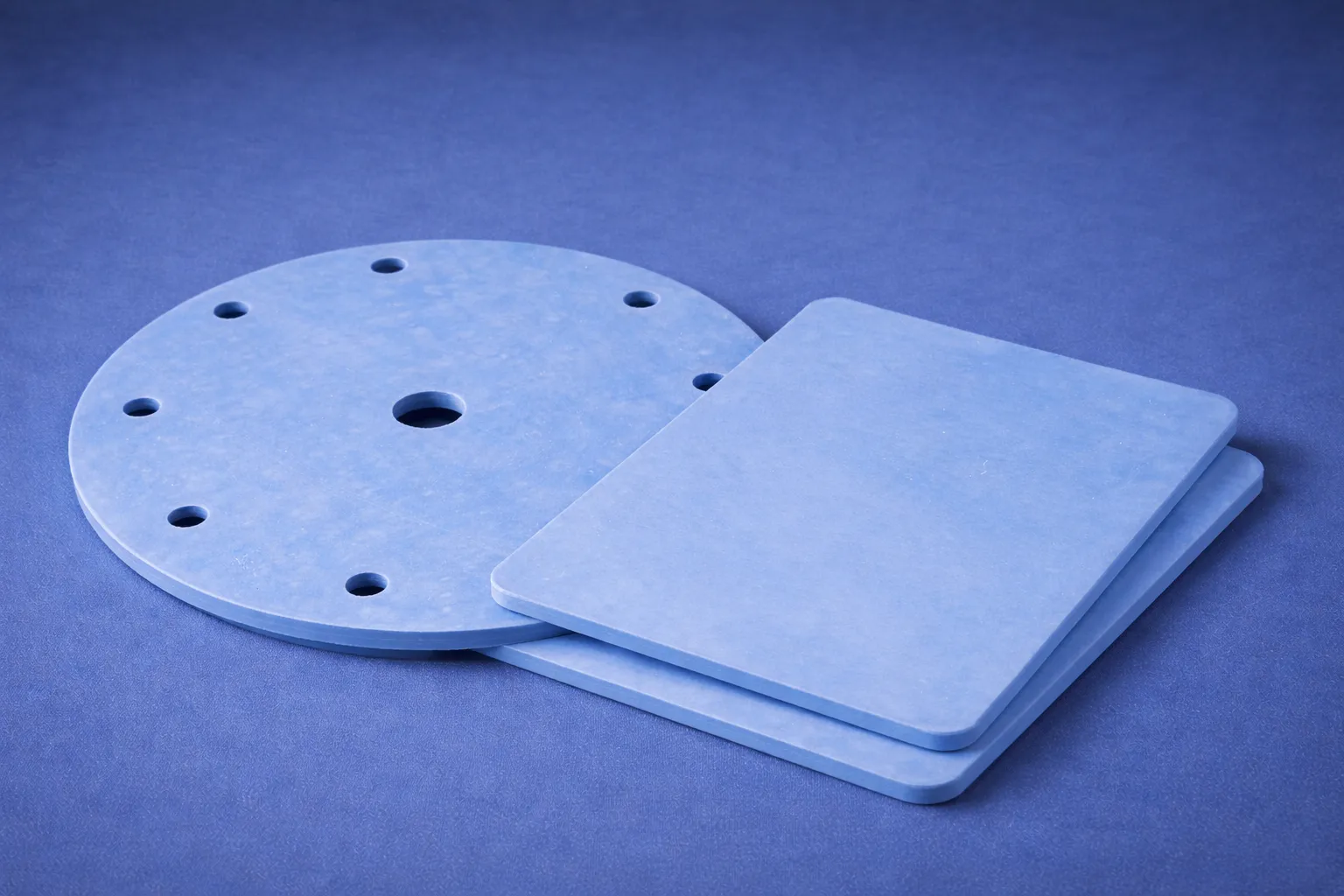




The industrial silicone market in 2026 is not defined by volume growth. It is defined by the stratification of requirements. OEMs in railway, electronics and medical equipment have stopped accepting "industrial silicone" as a valid category. They demand specific formulations with documented properties, batch traceability and verifiable regulatory compliance.
The fundamental shift is that every critical application now requires a formulation designed for it. A sealing profile for a train door cannot use the same compound as a tube for a peristaltic pump. The required properties are completely different, and the market has learnt to demand this.
1. The reference standard: Series 2 and why it no longer covers everything
Series 2 represents the general-purpose formulation in industrial silicone. Peroxide catalysis, hardness range from 10 to 90 Shore A, operating temperature from -60°C to +200°C, and food-contact certifications available (FDA, BfR, EC 1935/2004). For many conventional industrial applications, it remains the correct choice.
Its mechanical properties cover a broad spectrum: tensile strength from 3.5 to 9.5 MPa depending on hardness, elongation from 125% to 950%, and tear resistance from 10 to 23 kN/m. This enables manufacturing anything from solid cords for static sealing to complex profiles for industrial machinery.
The problem arises when the application moves beyond conventional. Series 2 is not optimised for temperatures above 200°C, does not comply with EN 45545-2 for railway, lacks the tear resistance required for inflatable seals, and does not achieve the biocompatibility certifications for medical devices.
In 2026, "conventional" covers fewer and fewer applications. The fastest-growing sectors — railway, medical, pharmaceutical, power electronics — demand specific formulations.
2. High temperature: when 200°C is no longer sufficient
Standard VMQ silicone operates up to +200°C. This limit proves insufficient for sterilisation equipment, industrial ovens, engine compartments and power electronics with thermal dissipation requirements.
Series 9 extends the range to -60°C / +300°C with permissible peaks of 315°C. This is not simply "more temperature": it is stability under prolonged thermal cycling without polymer degradation, loss of elasticity or cracking.
The practical difference is measurable. A Series 2 profile exposed to 250°C for 500 hours loses between 30-40% of its mechanical properties. A Series 9 profile under the same conditions retains more than 80% of its original properties.
Typical applications: Profiles for industrial ovens, sterilisation equipment seals, engine compartment sealing, thermal process machinery components.
When the application combines high temperature with dynamic mechanical stress — bellows, profiles subjected to repeated flexing — Series 20 provides the balance: -60°C to +270°C with tear resistance of 30-36 kN/m, practically double that of Series 9.
3. Railway EN 45545-2: the standard setting the pace
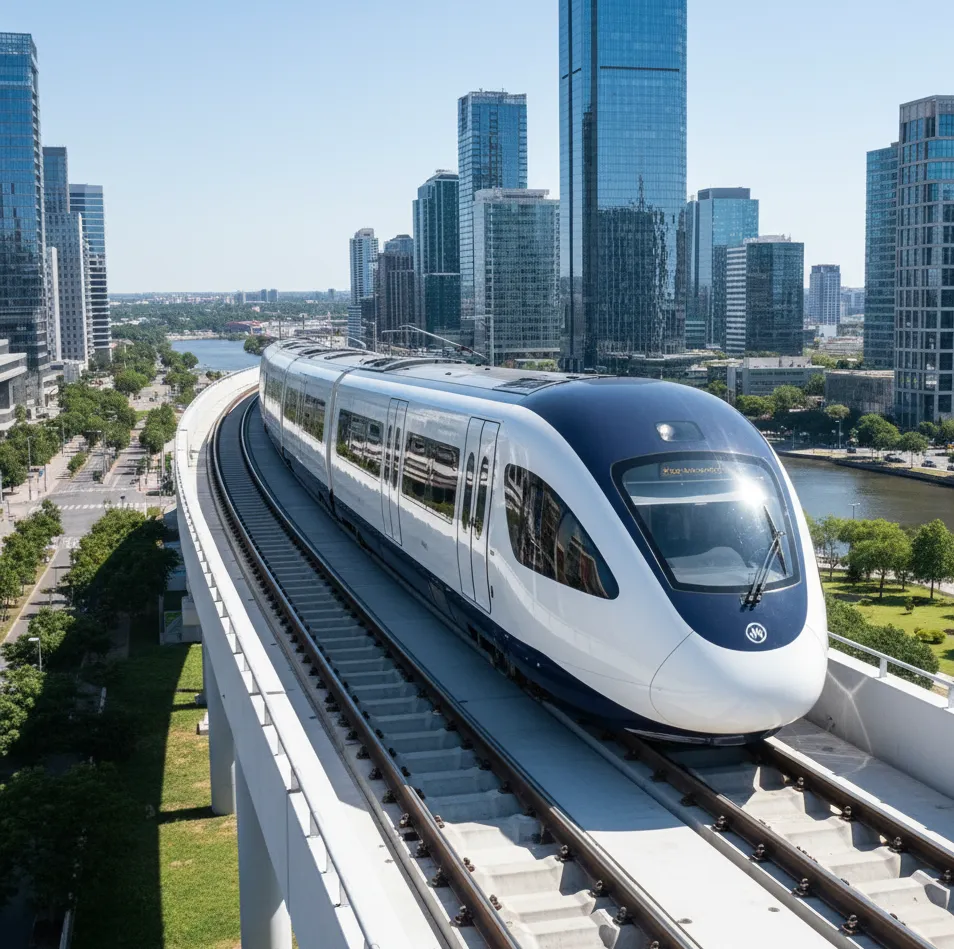
The EN 45545-2 standard for fire behaviour in railway rolling stock has become the reference for any application where fire safety is critical. Its classification system by requirements (R1-R26) and hazard levels (HL1-HL3) enables precise specification of the required material behaviour.
For silicone components, the most frequent requirements are R22 and R23 (interior components), with tests for oxygen index (T01), optical smoke density (T10.03) and gas toxicity (T12).
Solid silicone: Series 16
Series 16 is formulated to meet EN 45545-2 HL3 — the most demanding level. Certified results from external laboratory:
- Oxygen index: 32.7-35.1% (HL3 threshold: ≥28%)
- Optical density Ds max: 45-84.7 (HL3 threshold: ≤150)
- Toxicity index ITC: 0.06 (HL3 threshold: ≤0.75)
Moulding formulations (PMQ) exhibit better smoke behaviour (Ds max 45) than extrusion formulations (PEQ, Ds max 84.7). For applications where smoke emission is particularly critical, moulding offers an advantage.
Hardness range from 30 to 85 Shore A. Colours: Black (RAL 9017), Blue Black (RAL 5004) for extrusion; Black, Grey, Cream for moulding.
Silicone sponge: Series 33
For sealing applications requiring compressibility and low closing force — door seals, windows, access panel gaskets — cellular silicone offers advantages. Series 33 achieves EN 45545-2 HL2 (not HL3, an inherent limitation of sponge materials).
- Oxygen index: 29% (HL2 threshold: ≥26%)
- Optical density Ds max: 62.1 (HL2 threshold: ≤300)
- Toxicity index ITC: 0.05 (HL2 threshold: ≤0.90)
4. Medical and pharmaceutical: traceability as an entry requirement
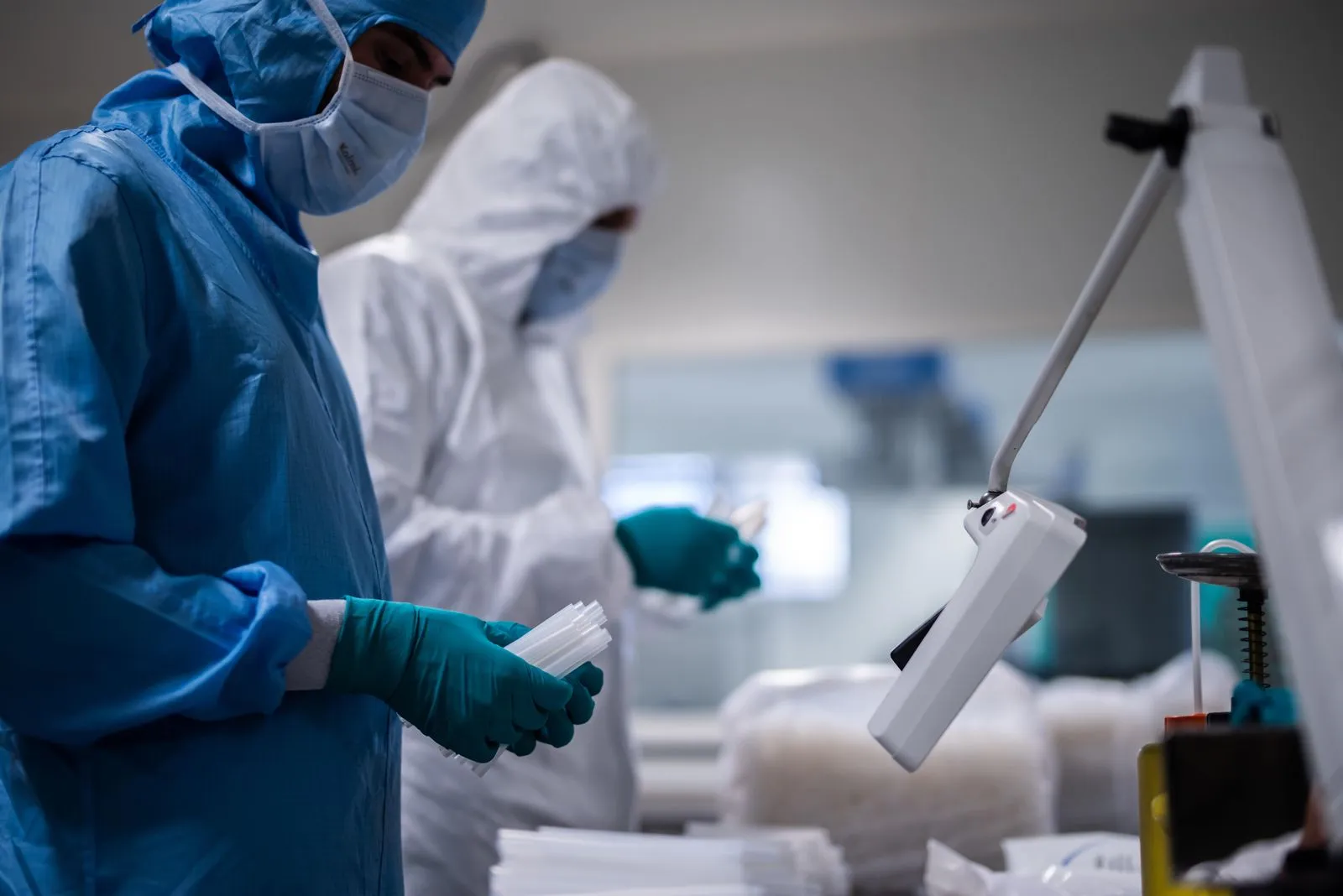
The healthcare sector has always been demanding regarding material certifications. However, in 2026 the shift is not in the certifications themselves — USP Class VI, ISO 10993 have existed for decades — but in the manufacturing system requirements. It is no longer sufficient for the material to be biocompatible: one must demonstrate that the process is controlled, validated and traced.
Platinum versus peroxide catalysis
The fundamental distinction in medical silicone is the curing system. Peroxide catalysis generates by-products (organic acids) requiring extensive post-curing. Platinum catalysis is an addition reaction without volatile by-products: cleaner material, reduced post-curing, better suited for direct contact with tissues or body fluids.
Series 10 combines platinum catalysis with exceptional tear resistance (33-55 kN/m depending on hardness), serving as the reference for medical applications with mechanical demands. Available certifications: FDA, BfR, EC 1935, USP Class VI, ISO 10993.
Series 12 offers the widest hardness range in platinum catalysis (20-90 Shore A), ideal for medical tubing where specific hardnesses are required for each application.
5. Extreme environments: cryogenics and chemical resistance
Certain applications operate outside the standard VMQ silicone range (-60°C to +200°C). Temperature extremes and exposure to aggressive chemicals require modifications to the polymer chain.
Cryogenics: phenyl silicone PVMQ
VMQ silicone loses flexibility below -60°C. For cryogenic applications — LNG equipment, industrial refrigeration systems, aerospace components — Series 5 (PVMQ) maintains elasticity down to -110°C owing to phenyl groups in the polymer chain.
Typical applications: Cryogenic equipment, LNG system seals, components exposed to liquid nitrogen.
Chemical resistance: fluorosilicone FVMQ
VMQ silicone is vulnerable to aliphatic hydrocarbons, fuels and mineral oils. Series 13 (FVMQ) incorporates fluorinated groups providing chemical resistance, albeit with limitations: reduced temperature range (-60°C to +170°C), higher density and increased cost. It should only be specified when hydrocarbon exposure is a genuine requirement.
Typical applications: Fuel system seals, seals in contact with hydraulic oils, oil-lubricated machinery components.
6. Process control: the invisible differentiator
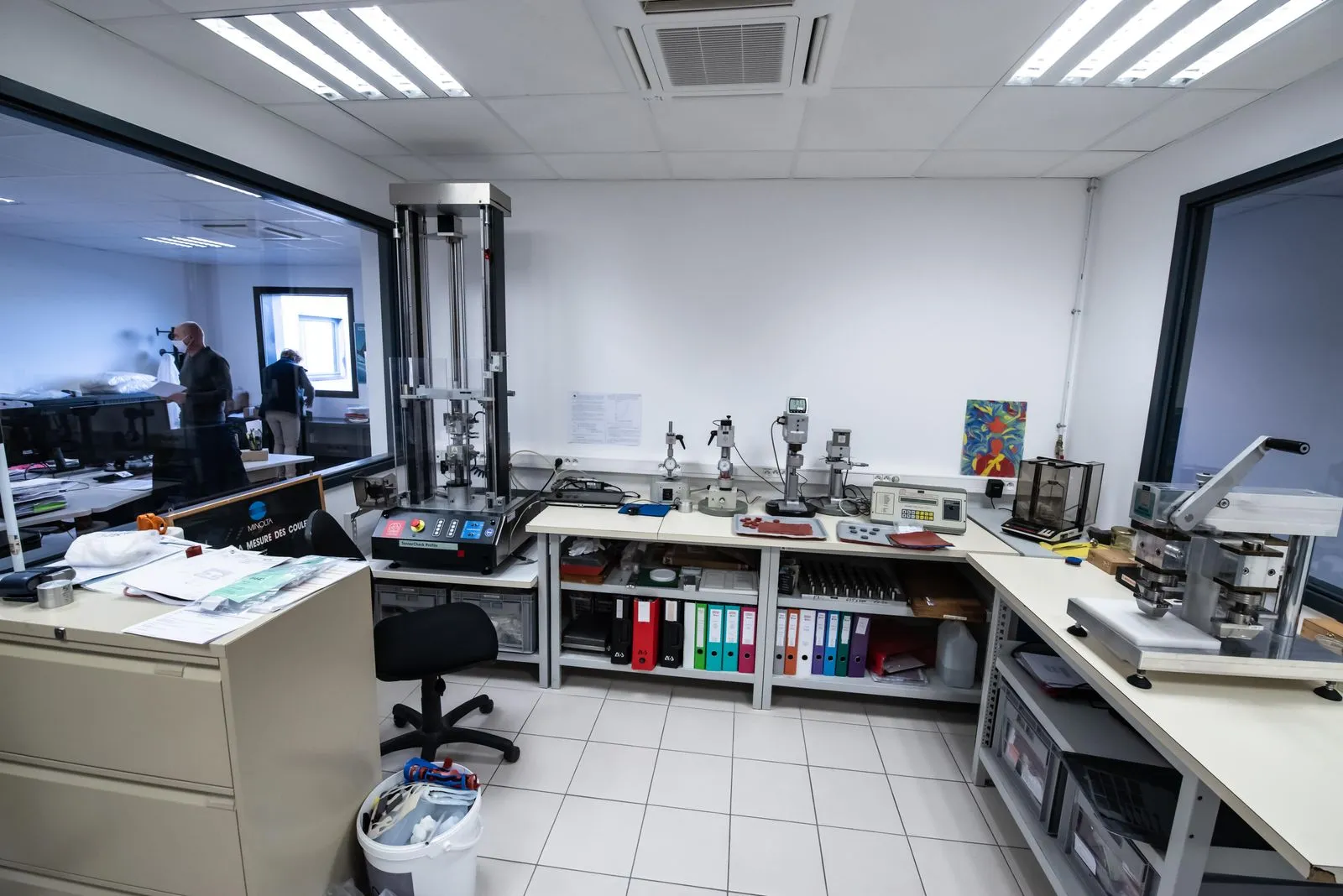
The properties documented in a technical data sheet are values obtained under controlled conditions. The critical question is: can the manufacturer reproduce them consistently between batches?
The answer depends on the manufacturing system. An excellent compound processed without control may yield mediocre results. A standard compound processed under validated parameters will deliver consistent results.
ISO 13485: beyond the medical sector
ISO 13485 certification was developed for medical devices, but benefits any production where variability is unacceptable. When the entire facility operates under ISO 13485, all products — medical or otherwise — benefit from the same level of control: validated parameters, complete traceability, documented change control.
Post-curing: the stage that defines stability
Post-curing removes residual volatiles and stabilises mechanical properties. The impact on compression set is direct: without post-curing, typical compression set of 25-35%. With 4h/200°C post-curing, compression set of 15-22%. With 8h/200°C post-curing, compression set of 12-18%.
Incomplete post-curing is not detected in dimensional inspection or hardness testing. It manifests months later when the component loses sealing capability.
Quick selection guide
| Primary requirement | Formulation | Key characteristic |
|---|---|---|
| General industrial use | Series 2 | 10-90 ShA, -60/+200°C, FDA available |
| Temperature >200°C | Series 9 | -60/+300°C, peaks to 315°C |
| High temp + high tear | Series 20 | -60/+270°C, tear 30-36 kN/m |
| Railway EN 45545 solid | Series 16 | HL3 certified |
| Railway EN 45545 sponge | Series 33 | HL2 certified |
| Medical high tear | Series 10 | USP VI, tear 33-55 kN/m |
| Medical hardness range | Series 12 | 20-90 ShA, USP VI, ISO 10993 |
| Cryogenics <-60°C | Series 5 | PVMQ, -110/+200°C |
| Hydrocarbons/oils | Series 13 | FVMQ, chemical resistance |
Technical conclusion
The industrial silicone market in 2026 is not defined by volume or price. It is defined by the capability to offer specific formulations with documented and reproducible properties.
Buyers who continue specifying "industrial silicone" without further precision will obtain variable results. Those who specify the exact formulation, required certifications and dimensional tolerances will receive consistent components.
The trend is not towards more sophisticated materials for sophistication sake. It is towards the correct materials for each application, manufactured under processes that guarantee reproducibility.
Need guidance selecting the right formulation?
Our engineering team will help you identify the optimal formulation for your application.
Consult engineering →