


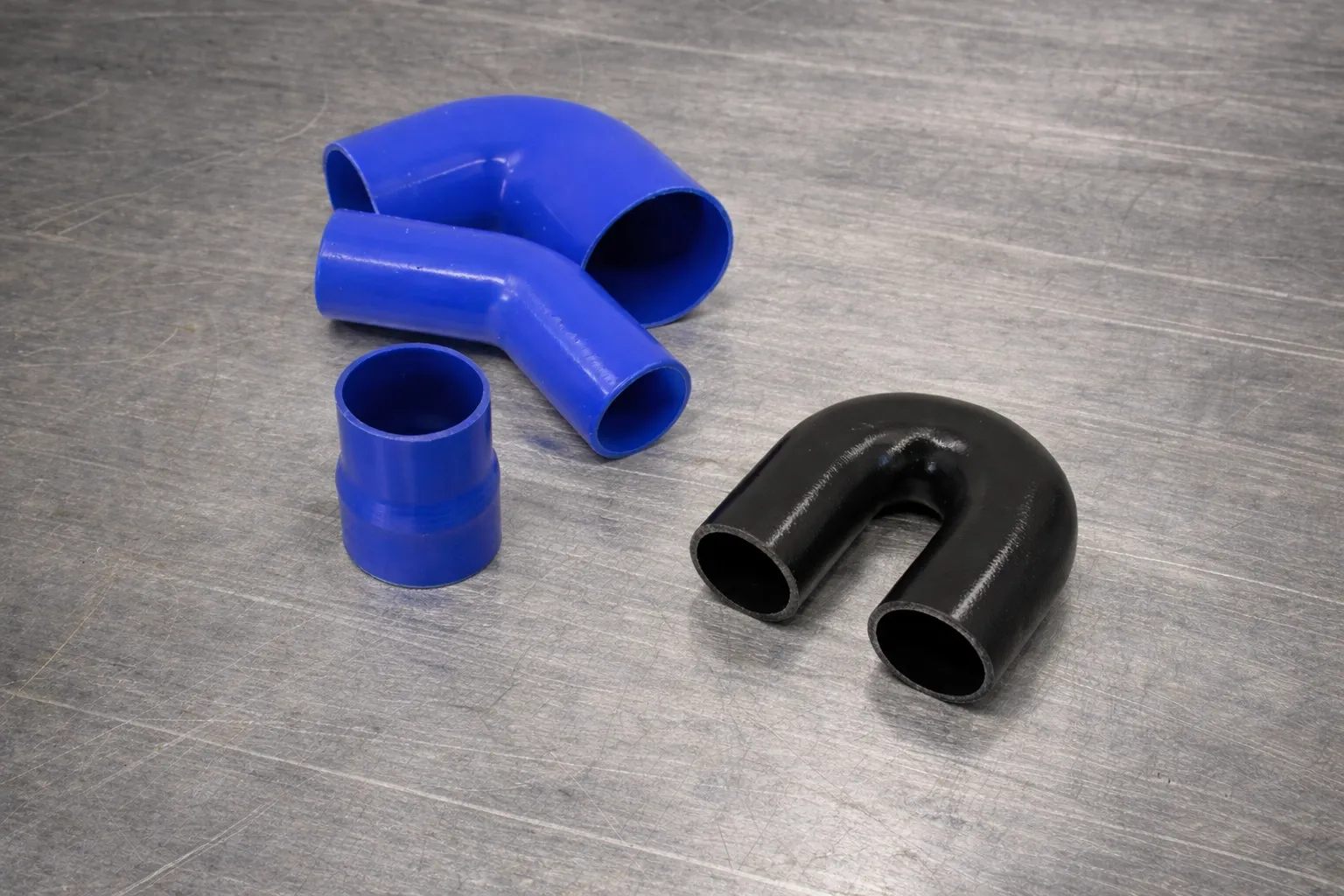
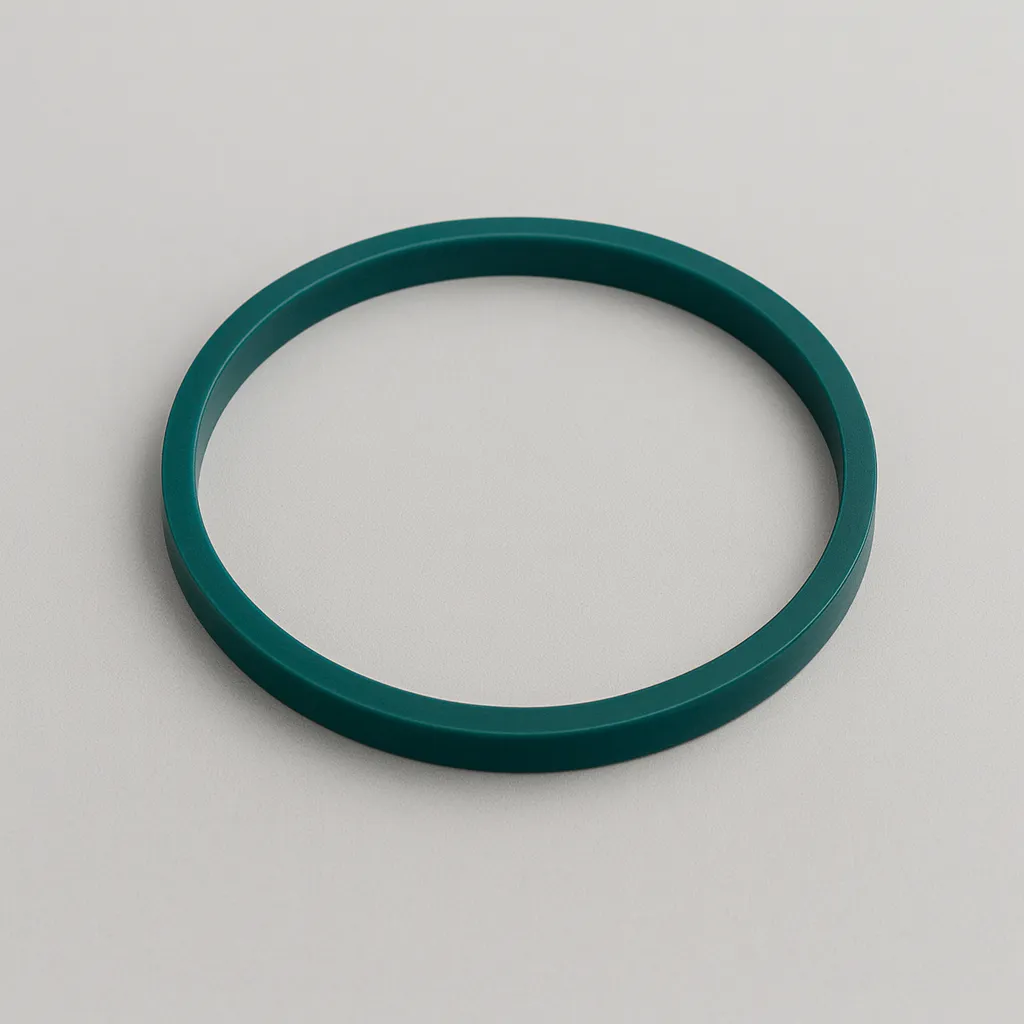
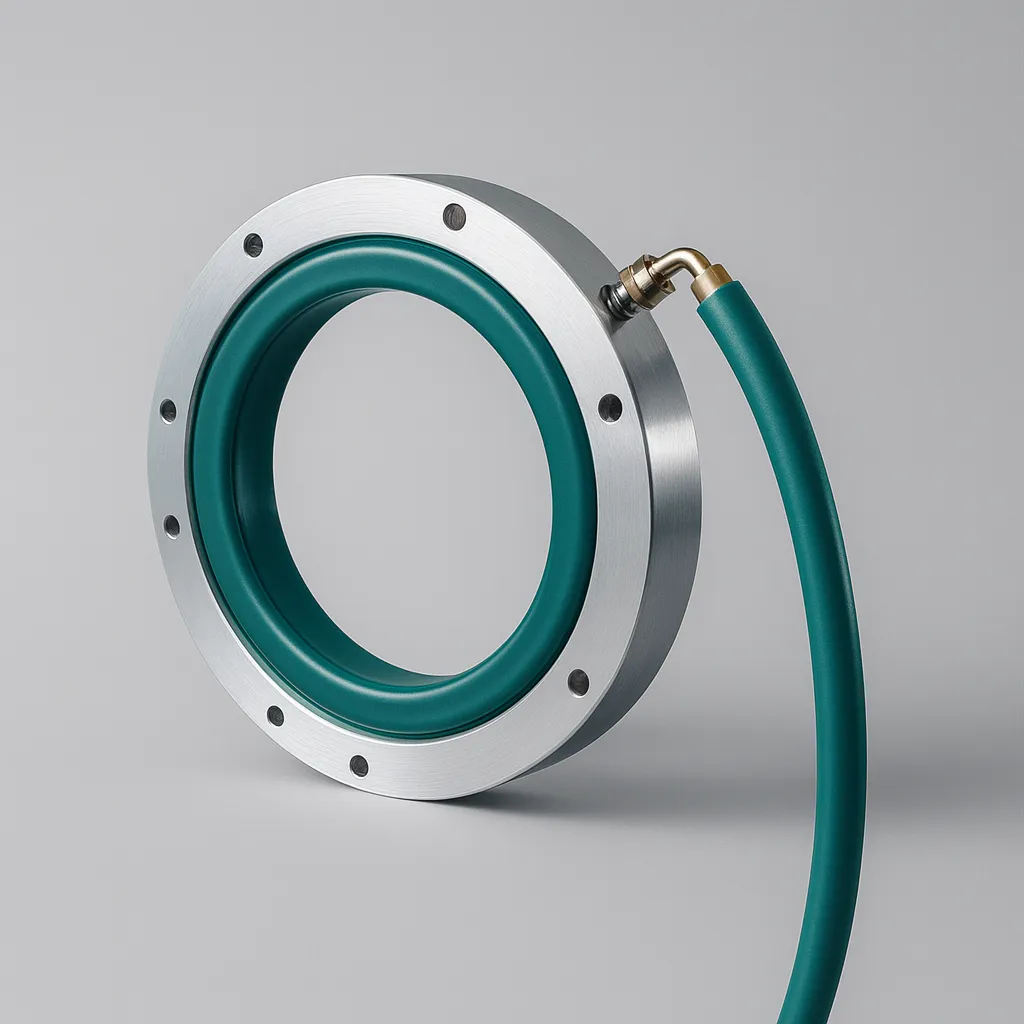
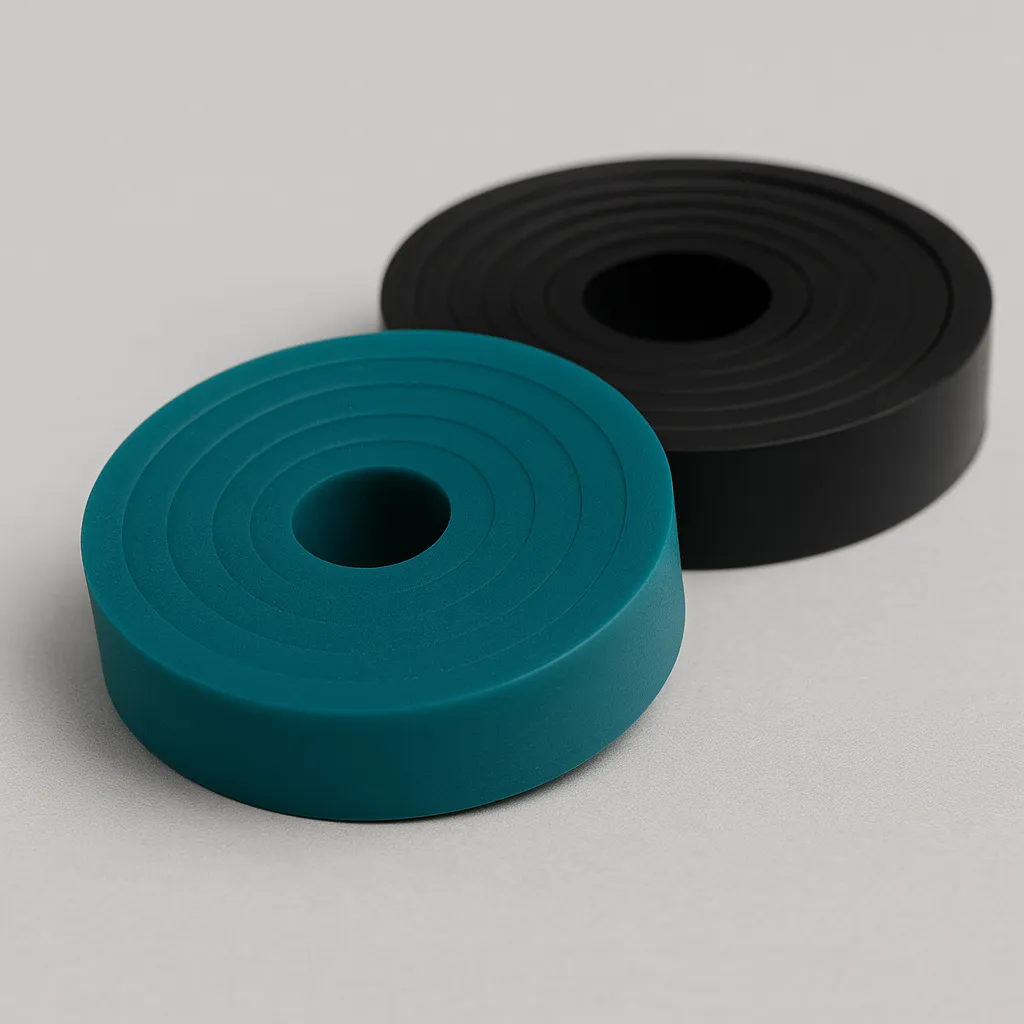


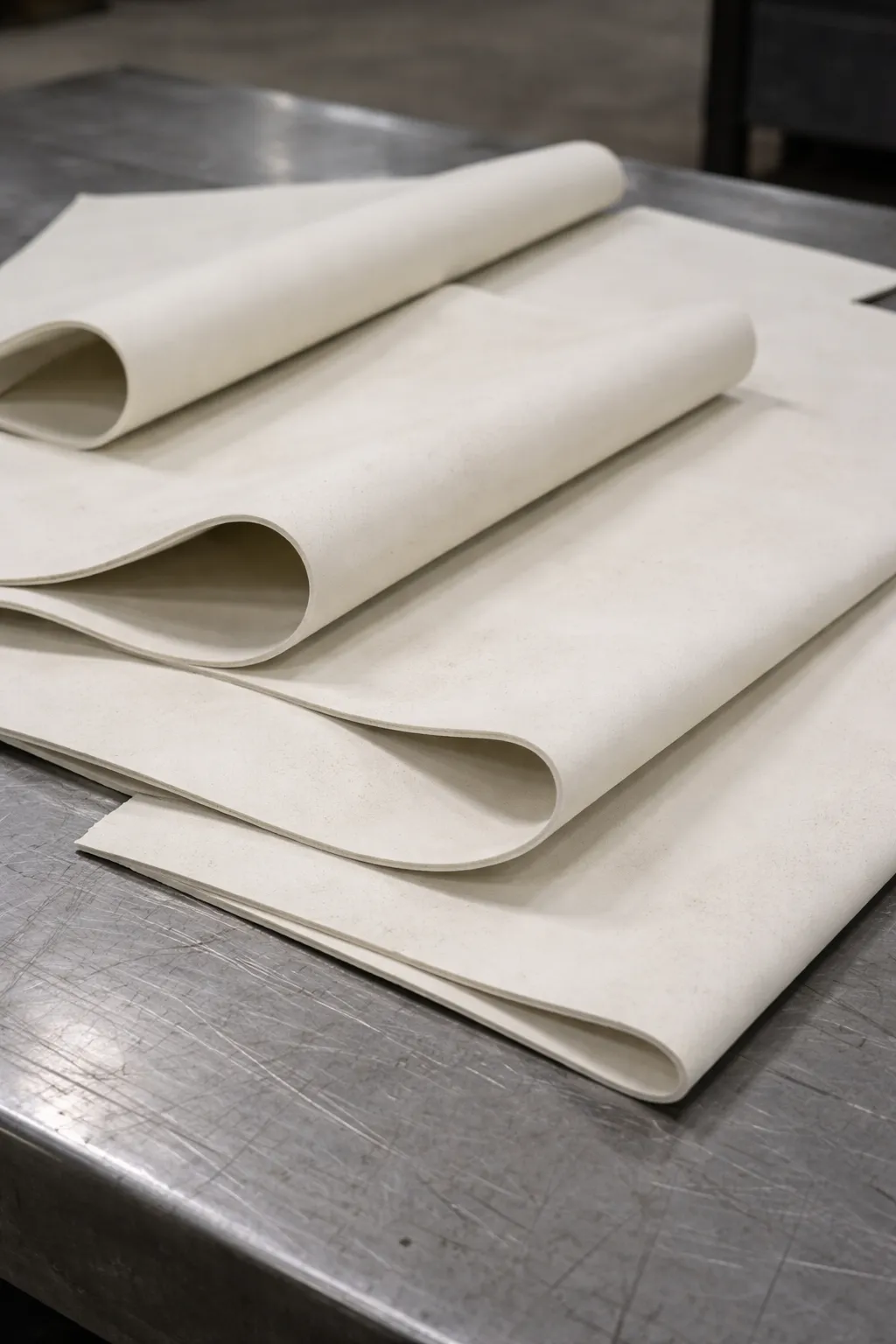


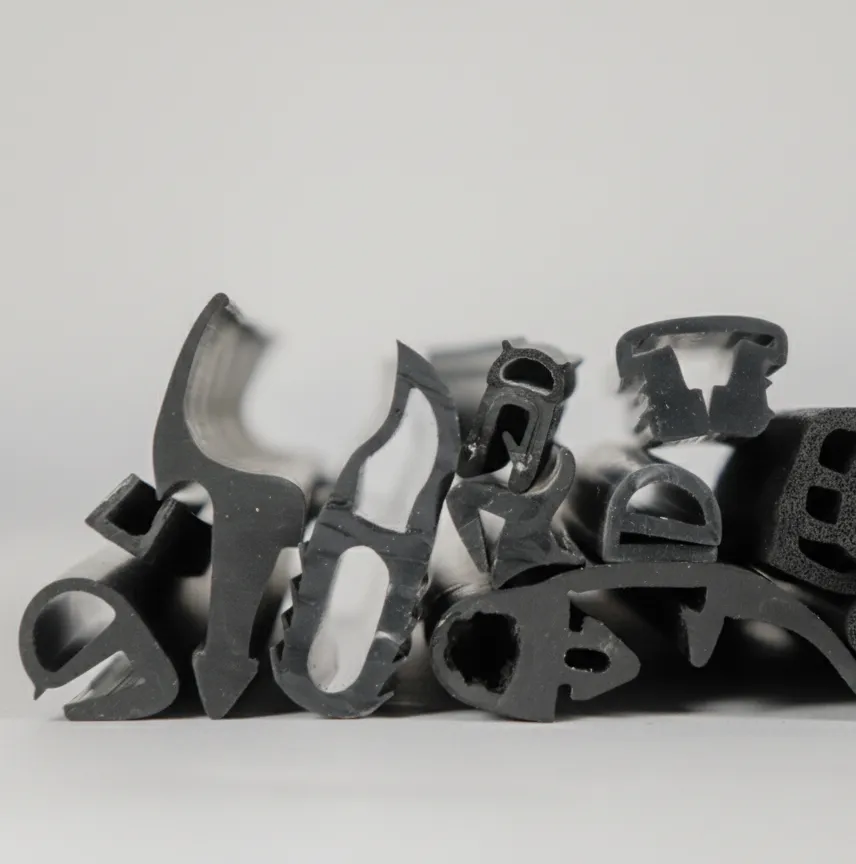
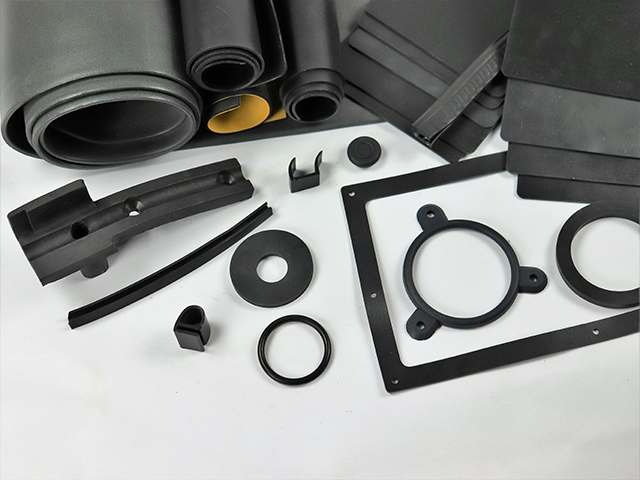
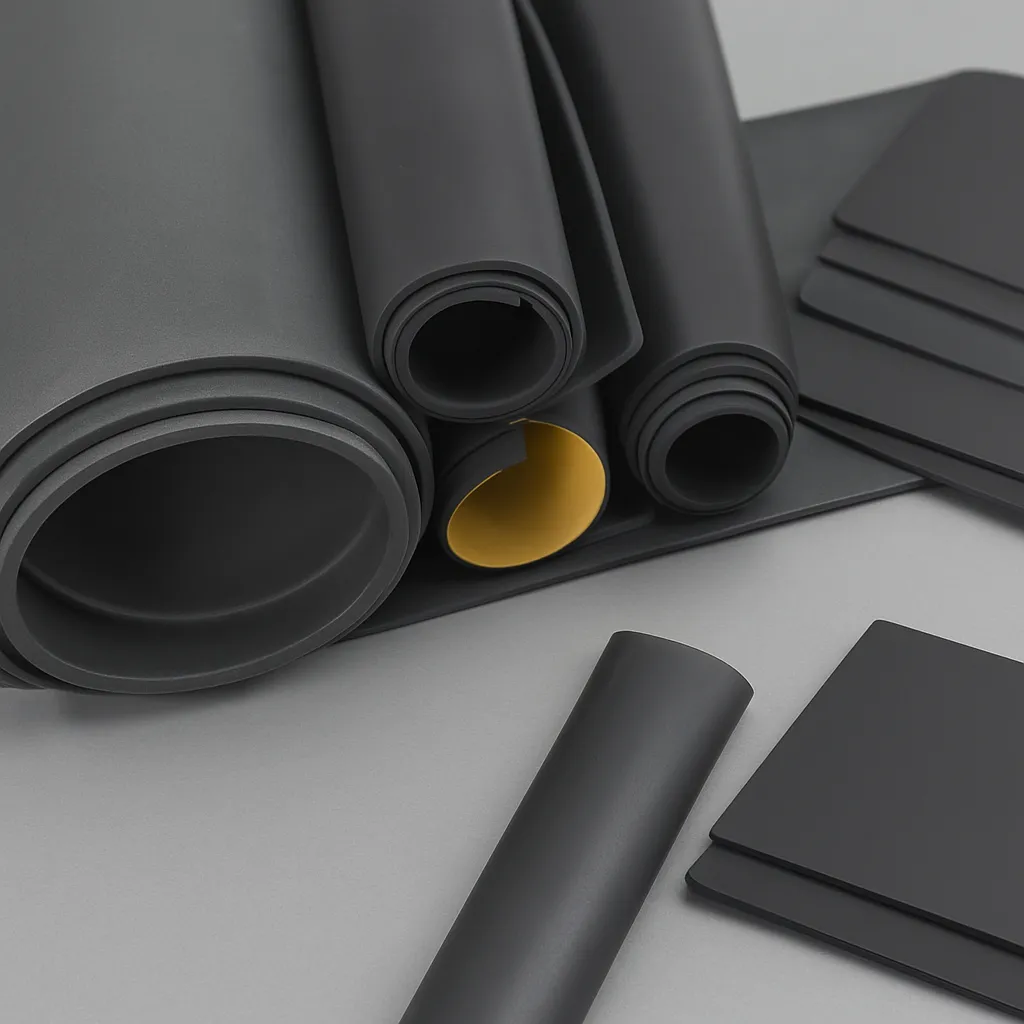




Avant qu'un joint torique, un profilé d'étanchéité ou un tube en silicone n'arrive sur votre ligne de montage, un procédé rarement évoqué se produit : le compoundage.
Le compoundage est la formulation et le mélangeage de l'élastomère. C'est là que se décide si ce joint résistera à 200°C ou 300°C, si ce profilé sera conforme EN 45545-2 ou non, si cette membrane supportera un million de cycles de flexion ou cédera au bout de dix mille.
Lorsqu'un ingénieur spécifie « silicone 60 Shore A », il spécifie une propriété. Mais cette propriété peut être obtenue avec des formulations radicalement différentes : l'une optimisée pour la résistance au déchirement, l'autre pour la tenue chimique, une autre pour la faible déformation rémanente à la compression. Même dureté, comportement en service totalement différent.
Cet article explique ce qui se passe lors du compoundage du silicone HCR, quelles décisions de formulation déterminent les propriétés finales, et pourquoi comprendre ce procédé aide à spécifier correctement joints, profilés, membranes et pièces techniques en silicone.
1. Qu'est-ce que le compoundage et pourquoi est-il important
Le silicone HCR n'arrive pas prêt à l'emploi. Il se présente sous forme de base polymère — un matériau de très haute viscosité, semblable à un mastic dense — qui, seul, possède des propriétés mécaniques médiocres.
| Propriété | Base non renforcée | Compound formulé |
|---|---|---|
| Traction | < 1 MPa | 6-10 MPa |
| Déchirement | < 5 kN/m | 15-55 kN/m |
| Allongement | Variable | 100%-1000% selon formulation |
Le compoundage transforme cette base en un matériau exploitable par l'incorporation de charges, d'additifs et d'agents de réticulation. Si la formulation est incorrecte ou le mélange déficient, aucun ajustement ultérieur en extrusion ou en moulage ne peut le compenser.
2. Anatomie d'une formulation HCR
2.1 Base polymère
La base détermine la chimie fondamentale de l'élastomère :
| Base | Plage thermique | Application typique |
|---|---|---|
| VMQ (vinyle-méthyle-silicone) | -60°C à +200°C | Usage général, alimentaire, médical |
| PVMQ (phényle-vinyle-méthyle-silicone) | -110°C à +200°C | Cryogénie, gaz liquéfiés |
| FVMQ (fluorosilicone) | -60°C à +170°C | Contact avec carburants, huiles, solvants |
Le choix n'est pas interchangeable. Un joint pour circuit de carburant nécessite du FVMQ ; un VMQ standard gonflerait et serait défaillant.
2.2 Charges renforçantes
La silice est la charge principale, responsable des propriétés mécaniques :
- Silice pyrogénée (fumed silica) : Particules nanométriques, haute surface spécifique (150-400 m²/g). Renforcement mécanique maximal. Standard pour les formulations haute résistance au déchirement.
- Silice précipitée : Surface spécifique inférieure, renforcement moindre, plus économique. Adaptée aux formulations d'usage général.
2.3 Additifs fonctionnels
| Additif | Fonction | Application |
|---|---|---|
| Stabilisants thermiques | Protection contre la dégradation oxydative | Joints de four, moteurs (+300°C) |
| Retardateurs de flamme | Conformité EN 45545-2 | Profilés ferroviaires |
| Charges conductrices | Dissipation ESD, blindage EMI | Électronique |
| Additifs radio-opaques | Visibilité en radiographie | Tubes médicaux |
| Plastifiants | Réduction de dureté, amélioration du process | Ajustement des propriétés |
2.4 Système de réticulation
| Système | Avantages | Limites | Application typique |
|---|---|---|---|
| Peroxyde | Polyvalent, économique, compatible extrusion et moulage | Nécessite post-réticulation, génère des sous-produits | Industriel général |
| Platine (addition) | Sans sous-produits, vulcanisation propre | Sensible à la contamination, coût supérieur | Médical, alimentaire haute exigence |
Le système de réticulation affecte les certifications, le procédé et le coût. Applications médicales implantables : platine obligatoire.
3. Le mélangeur à cylindres : là où s'opère le mélangeage
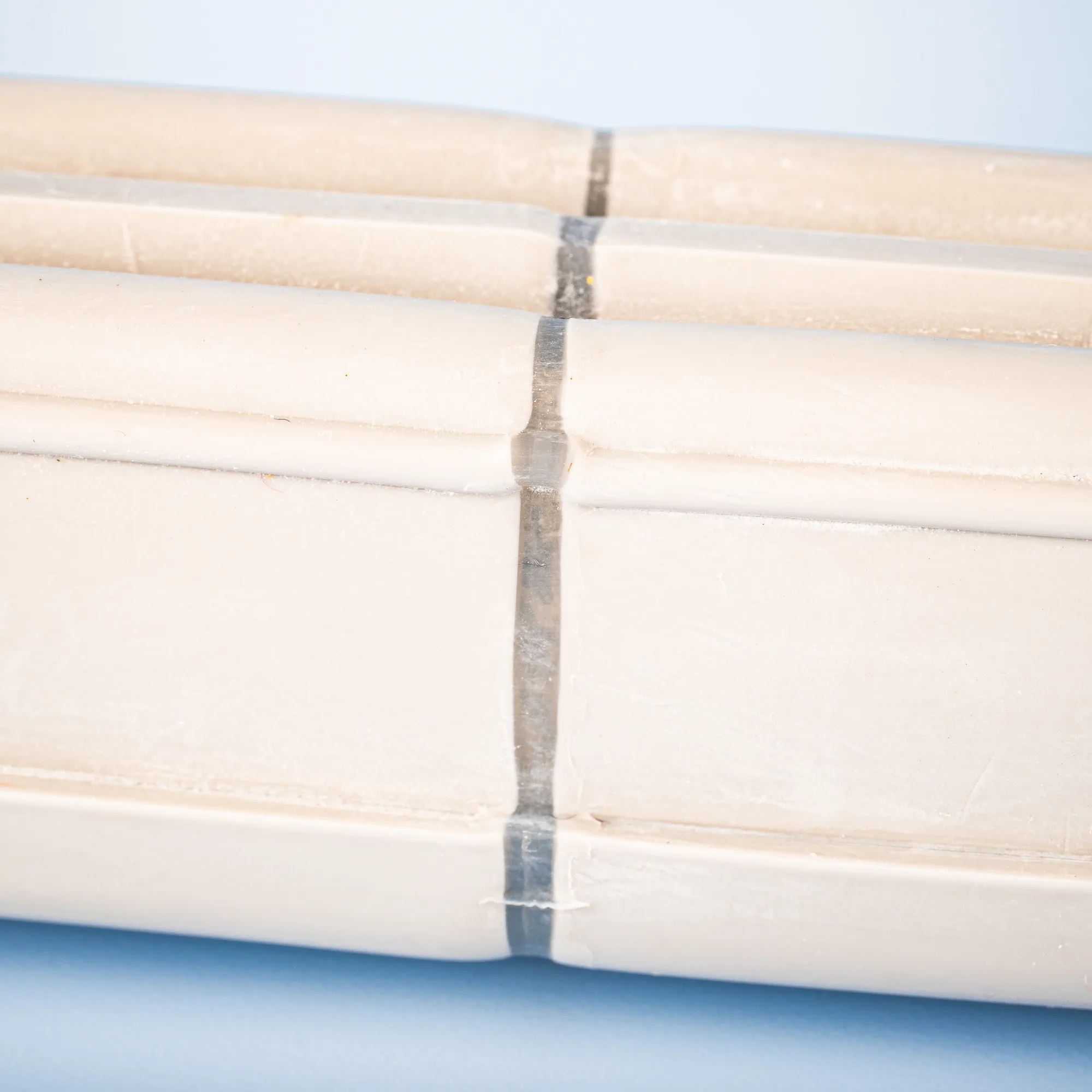
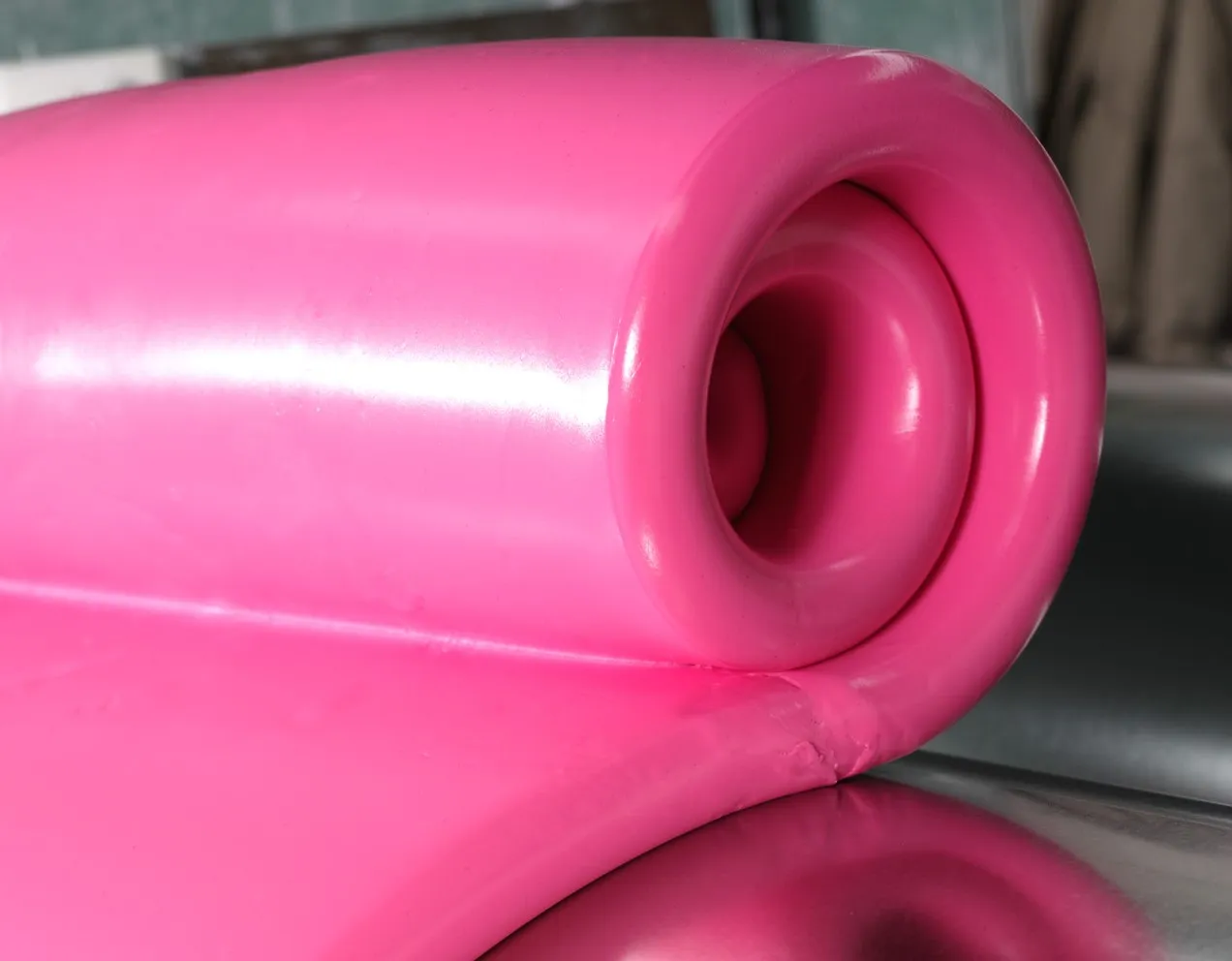
Le mélangeur à deux cylindres (two-roll mill) est l'équipement sur lequel s'effectue le mélange final du compound HCR. Deux cylindres en acier tournent en sens opposés à des vitesses différentes (rapport de friction typique 1:1,2), créant une zone de cisaillement élevé.
3.1 Ce qui se passe pendant le procédé
- Fragmentation des agglomérats de silice et dispersion uniforme
- Incorporation des additifs dans la matrice polymère
- Homogénéisation du mélange jusqu'à consistance uniforme
L'opérateur contrôle l'entrefer entre les cylindres, la température et le temps de mélange. Il coupe, plie et réintroduit le matériau de manière répétée jusqu'à obtenir une dispersion complète.
3.2 Pourquoi la dispersion est déterminante
Une silice mal dispersée signifie des propriétés inconsistantes. Dans une même pièce peuvent coexister des zones à forte concentration de charge (dures, fragiles) et des zones pauvres en charge (molles, faibles).
Conséquences sur la pièce finale :
- Variation de dureté au sein d'une même pièce
- Points faibles où s'amorce la rupture
- Propriétés mécaniques en dessous des spécifications
- Défaillances prématurées en service
3.3 Contrôle de température et scorching
Les cylindres peuvent être chauffés ou refroidis selon la phase du procédé. Le scorching (vulcanisation prématurée) est le risque principal : si la température est excessive lors de l'ajout du peroxyde, la réticulation commence avant terme et le compound perd sa processabilité.
Un compound partiellement scorché ne s'écoule pas correctement en extrusion et ne remplit pas correctement les empreintes en moulage.
3.4 Le facteur humain
Le mélangeur à cylindres n'est pas un procédé où l'on appuie sur un bouton et l'on attend. L'opérateur travaille le compound manuellement : il coupe la nappe au couteau, la plie, la réintroduit entre les cylindres, et recommence. Il observe l'aspect du matériau, détecte les agglomérats non dispersés, ajuste l'entrefer en cours de route.
Un opérateur expérimenté sait quand la silice est complètement dispersée au toucher et à l'aspect brillant de la nappe. Il sait que certains pigments nécessitent davantage de passes. Il sait qu'en été, avec l'atelier à 35°C, il doit réduire la température des cylindres pour éviter le scorching. Il sait que le peroxyde s'ajoute en dernier, compound déjà refroidi, et s'incorpore rapidement pour minimiser le temps d'exposition.
Ce savoir-faire ne figure dans aucune fiche technique. Il s'acquiert par des années de travail devant le mélangeur.
L'automatisation a ses limites dans ce procédé. Un mélangeur interne (Banbury) contrôle temps, température et énergie avec précision. Mais l'inspection visuelle de la dispersion, l'ajustement fin selon le comportement du compound ce jour précis, la décision de faire deux passes supplémentaires — tout cela reste du ressort de l'opérateur.
4. Formulations par exigence fonctionnelle
| Exigence | Formulation | Propriétés clés | Produits typiques |
|---|---|---|---|
| Usage général | VMQ standard | 10-90 ShA, -60/+200°C, déchirement 10-23 kN/m | Joints toriques, profilés, tubes industriels |
| Haute résistance au déchirement | VMQ renforcée | 40-80 ShA, déchirement 26-55 kN/m | Joints gonflables, soufflets, membranes, diaphragmes |
| Haute température | VMQ stabilisée | 40-70 ShA, jusqu'à +300°C en continu | Joints de four, étanchéités moteur |
| Basse température | PVMQ | 50 ShA, jusqu'à -110°C | Équipements cryogéniques, gaz liquéfiés |
| Résistance chimique | FVMQ | 40-70 ShA, résiste aux hydrocarbures | Joints circuits carburant, hydrauliques |
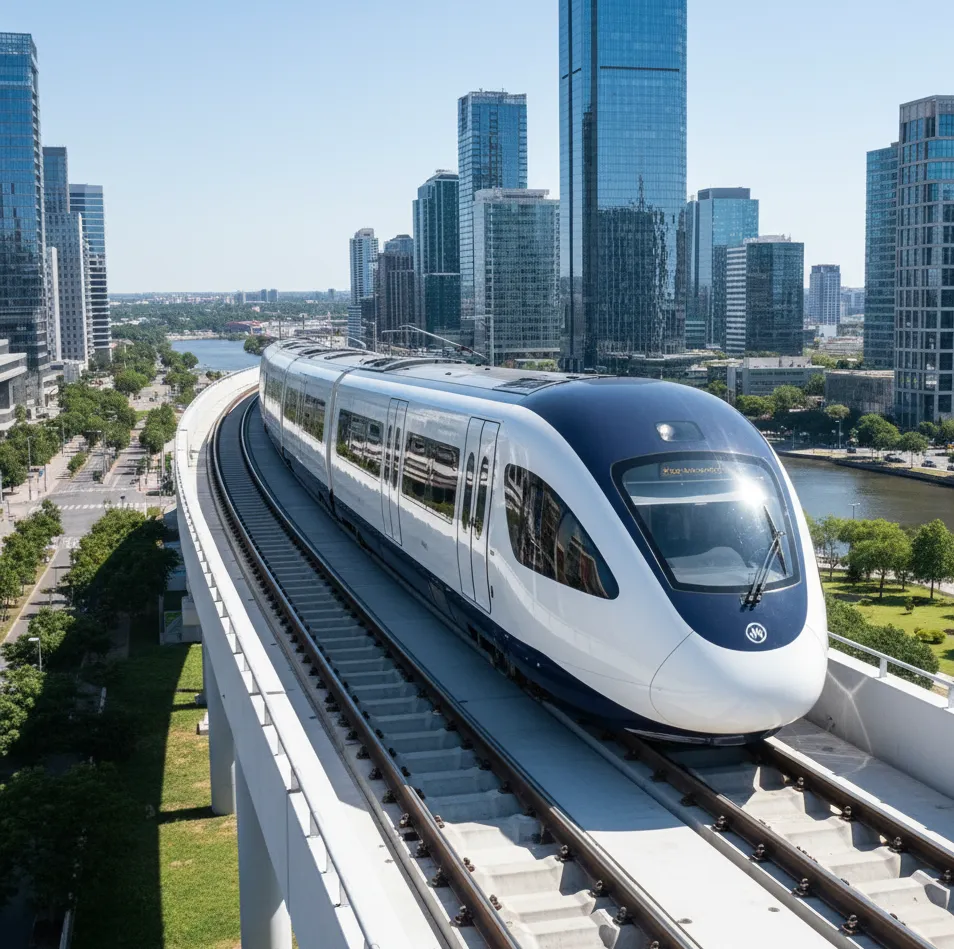
| Ferroviaire | VMQ + retardateurs | EN 45545-2 HL1-HL3, Ds max 45-85 | Profilés portes, fenêtres, passe-câbles |
| Médical | VMQ platine | USP VI, ISO 10993, 25-80 ShA | Tubes d'aspiration, cathéters, composants implantables |
| Alimentaire | VMQ certifiée | FDA, BfR, CE 1935/2004 | Joints process alimentaire, tubes de transfert |
| Faible DRC | VMQ optimisée | DRC 11-18% (70h/150°C) | Joints toriques statiques, couvercles, brides |
| Électroconductrice | VMQ + charges conductrices | Résistivité 4-12 Ω·cm | Blindage EMI, dissipation ESD |
La différence en service est significative : une membrane de pompe avec une formulation standard (déchirement 15 kN/m) peut céder à 100 000 cycles ; la même géométrie avec une formulation haute résistance au déchirement (45 kN/m) peut dépasser le million de cycles.
5. Erreurs de spécification liées au compound
Spécifier uniquement la dureté : « Silicone 60 Shore A » n'est pas une spécification complète. Il existe des dizaines de formulations à cette dureté, chacune optimisée pour un usage différent.
Demander du « silicone alimentaire » sans préciser la norme : FDA, BfR et CE 1935/2004 ne sont pas équivalents. Et certains pigments invalident des certifications que le compound de base respecte.
Copier la spécification d'une autre pièce : Une formulation pour profilé extrudé peut ne pas convenir à une pièce moulée de la même application. Le procédé de vulcanisation est différent.
Ignorer le système de réticulation : Peroxyde et platine ne sont pas interchangeables. Médical implantable : platine obligatoire. Surmoulage sur certains plastiques : le platine peut être inhibé.
Ne pas prendre en compte le lot minimum : Les formulations spéciales nécessitent des lots minimums. Si votre consommation est de 50 kg/an et le lot minimum de 500 kg, il y a un problème de stock et de péremption.
6. Contrôle qualité
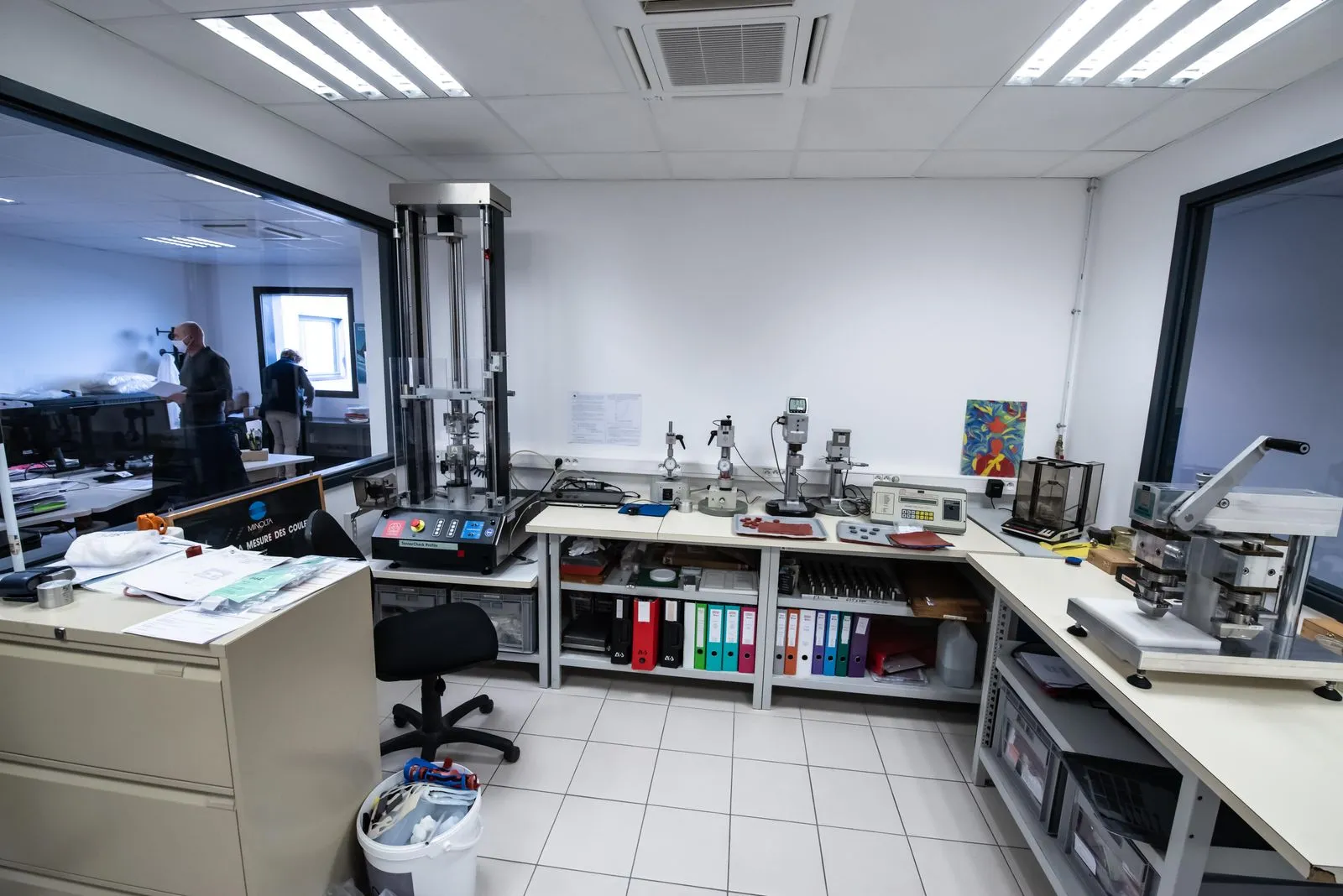
Pour chaque lot de compound, un échantillon est vulcanisé et ses propriétés sont testées selon les normes ISO :
| Essai | Norme | Objectif |
|---|---|---|
| Dureté | NF ISO 7619-1 | Vérification de la spécification |
| Traction et allongement | NF ISO 37 | Propriétés mécaniques |
| Déchirement type C | NF ISO 34-1 | Résistance à la propagation de fissure |
| Masse volumique | NF ISO 2781 | Contrôle de formulation |
| DRC | NF ISO 815 | Recouvrance élastique (si applicable) |
Chaque lot est identifié par un numéro unique permettant de tracer les matières premières, les conditions de fabrication et la destination. Pour les applications médicales (ISO 13485) et aéronautiques, la traçabilité complète est une exigence.
Conclusion
Le compoundage est l'étape invisible qui détermine si un joint torique, un profilé d'étanchéité, une membrane ou un tube en silicone rempliront leur fonction ou seront défaillants en service.
Spécifier correctement signifie comprendre que « silicone » n'est pas un matériau unique, que la même dureté peut être obtenue avec des formulations radicalement différentes, et que chaque propriété spéciale nécessite une formulation spécifique.
La plupart des spécifications de silicone se concentrent sur la pièce finale : dureté, température, certification. Mais la pièce finale est la conséquence du compound. Et le compound est la conséquence des décisions de formulation et du savoir-faire de l'opérateur qui travaille le matériau sur le mélangeur. Qui maîtrise le compoundage maîtrise le résultat.
Besoin de conseils sur les formulations ?
Notre équipe d'ingénierie vous aidera à sélectionner le compound optimal pour votre application spécifique.
Consulter l'ingénierie →Les spécifications indiquées correspondent à des valeurs d'essai typiques. Les propriétés finales dépendent de la géométrie, du procédé de fabrication et des conditions de service. Les exigences spécifiques doivent être validées avec le département technique.