

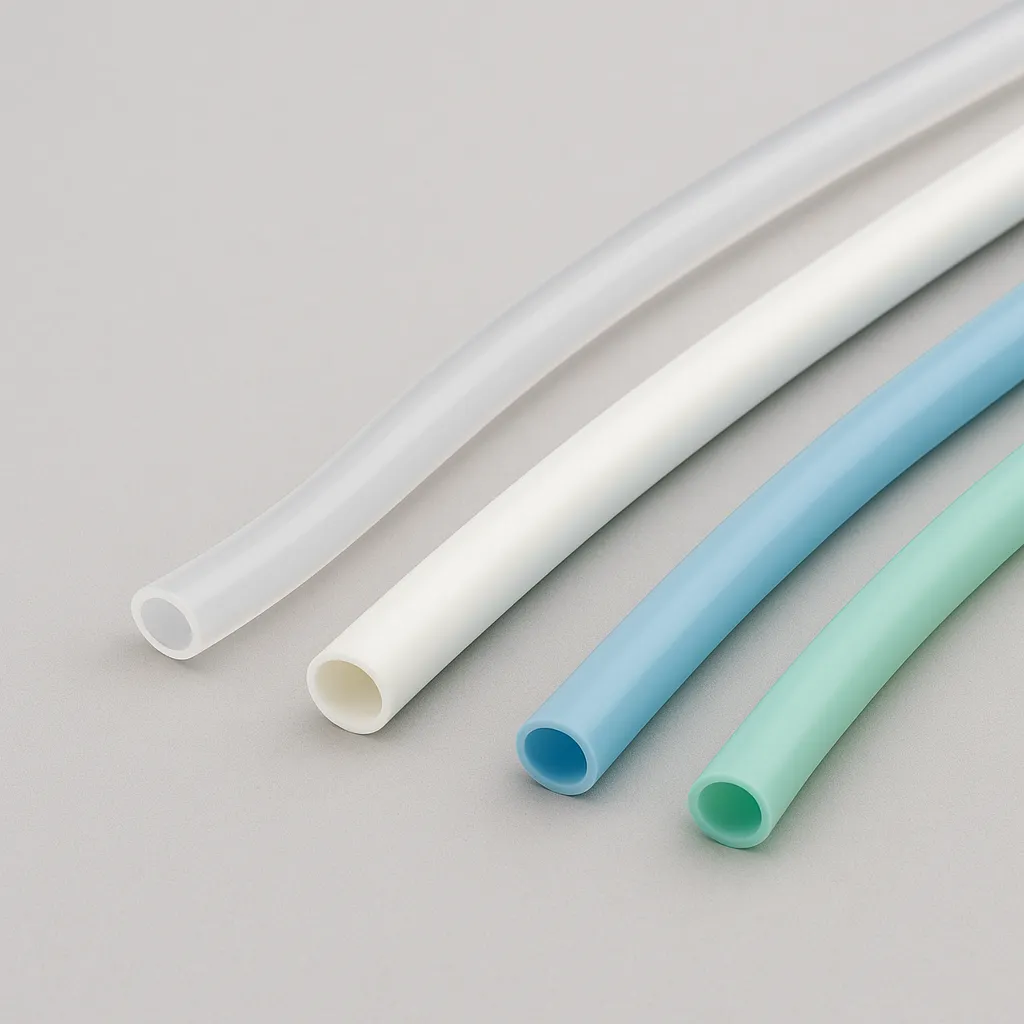








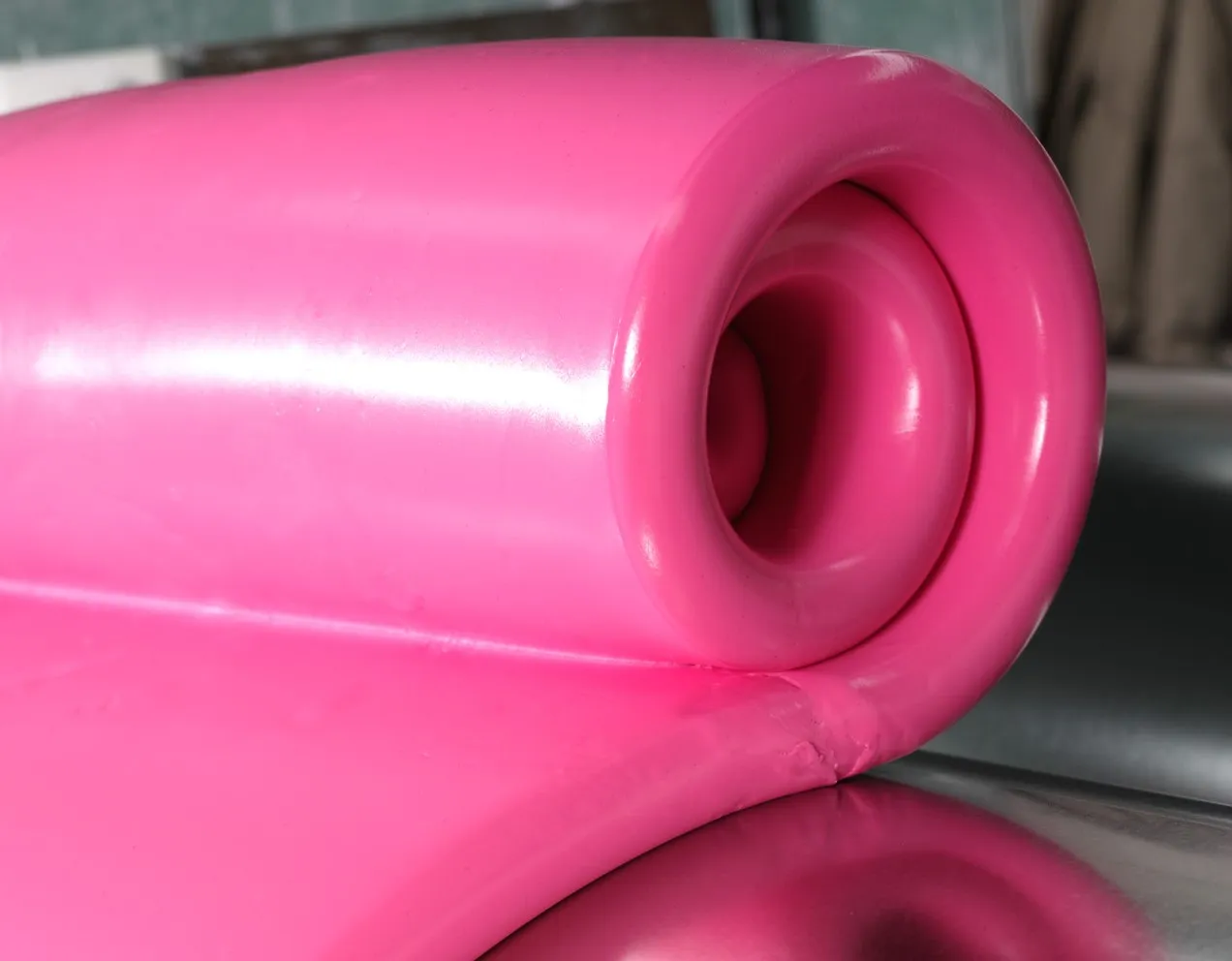











The peroxide-cured VMQ silicone elastomer tube, 60 Shore A hardness with a translucent finish, is one of the most widely used references in food-contact liquid transfer, pharmaceutical dosing and peristaltic pumping processes. Its combination of biological innocuity, thermal stability up to 180 °C in continuous service and resistance to dynamic fatigue makes it the standard solution when the fluid must remain visible and the tube must withstand repeated autoclave sterilisation. This article details the full specification, applicable standards, available dimensions and the technical selection criteria compared with alternative hardnesses and cure systems.
Composition and peroxide cure system
The tube is manufactured by extrusion of a VMQ silicone compound (polydimethylsiloxane) vulcanised with organic peroxides. This crosslinking system is the most widespread in continuous extrusion because it permits high production speeds with homogeneous crosslink density along the profile. The result is a tube with a stable molecular network, chemically inert and biologically neutral, suitable for direct contact with food, pharmaceutical and cosmetic products.
Peroxide-cured silicone differs from platinum-cured silicone in two practical respects: a more competitive cost in standard formats and a slight presence of crosslinking by-products that are removed during thermal post-cure. For applications demanding total absence of extractable volatiles — implants, injectables, pharmaceutical processes regulated under USP Class VI without exception — platinum remains the reference option. For food-contact, cosmetic and agrifood transfer under normal conditions, the peroxide tube amply meets regulatory requirements and offers the best performance-to-cost ratio.
Mechanical and physical properties
The nominal hardness of 60 Shore A, measured per DIN 53505, places the tube at the midpoint of the typical extrusion range (generally 40–80 Shore A). This hardness is the default choice for peristaltic pumping: sufficiently flexible to recover its circular cross-section after the roller passes, yet sufficiently rigid not to collapse under suction.
Nominal density is 1.14 g/cm³ per ISO 1183. Tensile strength, measured on a standardised S1 specimen per DIN 53504, exceeds 11.5 MPa, with elongation at break above 400 %. These values are consistent with an industrial food-grade silicone formulation and explain the tube's good performance under cyclic fatigue: in a peristaltic pump, the tube element does not fail by exceeding its static breaking load but through the accumulation of microcracks after millions of compressions. A high elongation at break correlates directly with longer service life in this type of duty.
The tube is hydrophobic, exhibits low permanent set in both compression and tension, and retains useful flexibility from -60 °C to +180 °C in continuous operation. It tolerates short-term peaks of +200 °C, which covers autoclave sterilisation cycles and SIP (sterilisation in place) processes without appreciable degradation.
Thermal behaviour and autoclave sterilisation
The useful range of -60 to +180 °C is one of the structural advantages of silicone over other elastomers. EPDM, NBR and TPE do not retain mechanical properties at these temperatures, whilst PVC and polyurethane are excluded from processes requiring thermal sterilisation.
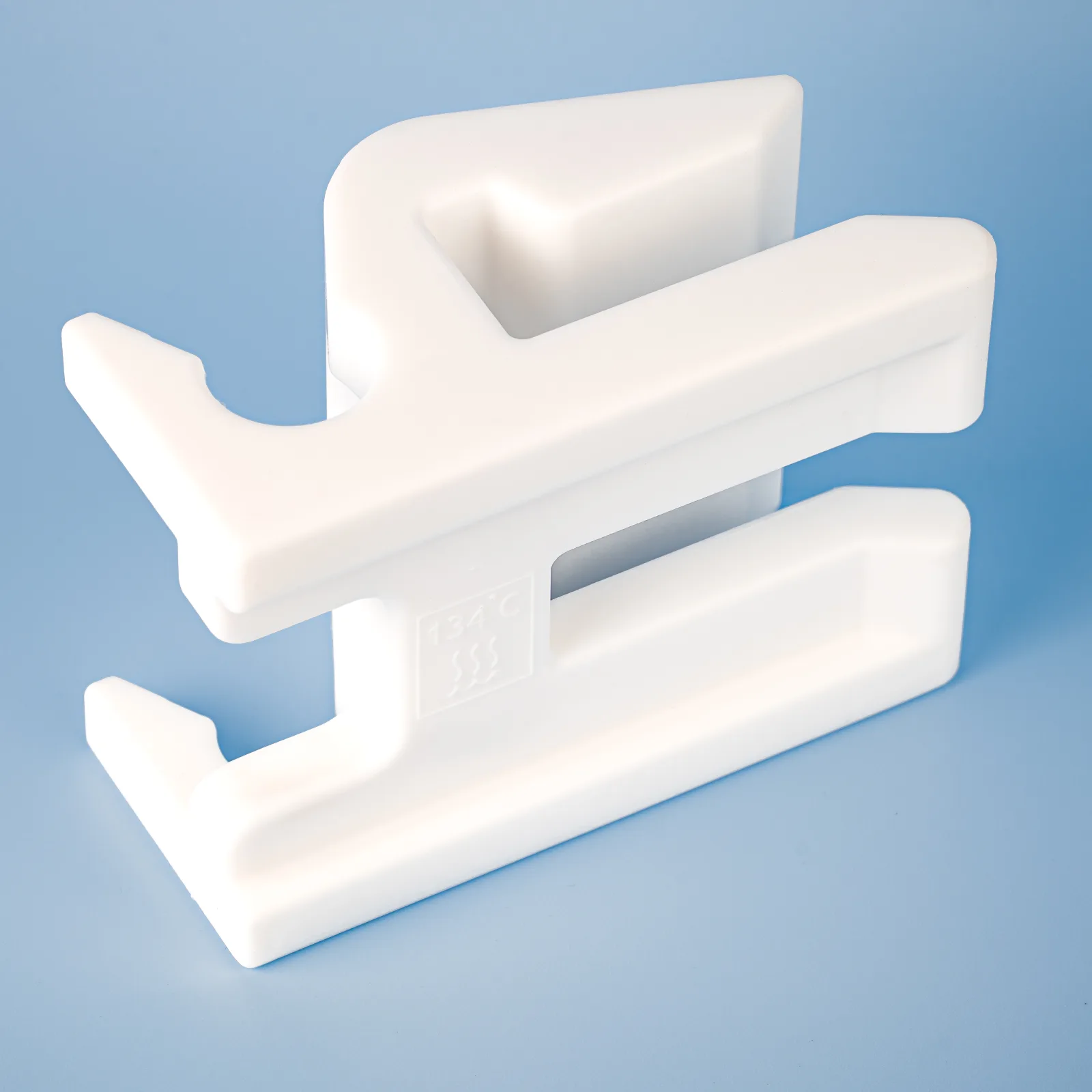
The tube withstands autoclave sterilisation at 121 °C and 134 °C (standard pharmaceutical cycles) without significant loss of properties after hundreds of cycles, provided no simultaneous chemical aggressions are accumulated. It is compatible with CIP cleaning using dilute alkaline solutions and weak acids within the concentration ranges customary in the food and dairy industries. For concentrated strong oxidisers (peracetic acid above 2 %, concentrated hypochlorite), prior validation by cycle testing is recommended.
Applications by sector
In the food and beverage industry, the 60 Shore A translucent tube is used for non-pressure liquid transfer, aroma dosing, transfer of neutral alcohols and dilute food-grade acids (citric, lactic, acetic), and as the peristaltic element in packaging lines. Translucency permits visual flow inspection and immediate detection of bubbles, residues or colour deviations.
In pharmaceutical and cosmetic applications, it is used for active ingredient dosing, emulsion transfer, vial and tube filling, and generally at any process point where contact with skin, mucous membranes or oral products demands verified innocuity. Autoclave sterilisation enables reuse in validated lines.
In laboratory and biotechnology settings, it is the default tube for peristaltic pumps in fermenters, pilot-scale bioreactors, low-pressure chromatography and filtration systems. Biological neutrality and low protein adsorption compared with other polymers make it the preferred choice for handling culture broths.
In agrifood applications, it covers everything from must extraction and enzymatic dosing in winemaking to packaging lines for honey, aromatic oils and fruit concentrates. In medicine, small diameters (1–3 mm internal diameter) are used in infusion pumps, light aspiration systems and clinical laboratory equipment.
Applicable standards and certifications
The material is approved under FDA 21 CFR 177.2600, which governs rubber compounds for repeated food contact in the United States. At European level, it complies with Regulation (EC) 1935/2004, the framework regulation on food-contact materials, Regulation (EU) 10/2011 on plastic materials, and European Pharmacopoeia section 3.1.9, which specifically covers silicone elastomers for pharmaceutical use.
At French level — the historical reference for the European food sector — it complies with standard NF EN 1186 for overall migration and the provisions of the Decree of 25/11/1992 on food-contact materials.
This set of standards covers practically all regulatory requirements in Europe, North America and markets that recognise these references (Mercosur, much of the Asia-Pacific region for industrial importation). For pharmaceutical applications requiring USP Class VI validation with batch traceability, a version with a specific certificate must be requested, typically in a platinum cure system.
Available dimensions and linear mass
The standard extrusion range covers from 1 mm internal diameter capillary tube through to 25 mm ID tube, with wall thickness combinations between 1 and 6 mm.
| ID Ø (mm) | OD Ø (mm) | Wall (mm) | Linear mass (g/m) | Roll (m) |
|---|---|---|---|---|
| 1 | 3 | 1 | 7 | 100 |
| 2 | 4 | 1 | 11 | 100 |
| 3 | 5 | 1 | 14 | 100 |
| 4 | 6 | 1 | 18 | 50 |
| 4 | 8 | 2 | 43 | 50 |
| 5 | 8 | 1.5 | 35 | 50 |
| 5 | 10 | 2.5 | 67 | 50 |
| 6 | 9 | 1.5 | 40 | 50 |
| 6 | 12 | 3 | 97 | 25 |
| 8 | 12 | 2 | 72 | 50 |
| 8 | 14 | 3 | 118 | 50 |
| 10 | 14 | 2 | 86 | 50 |
| 10 | 16 | 3 | 140 | 25 |
| 12 | 16 | 2 | 100 | 25 |
| 15 | 21 | 3 | 193 | 25 |
| 18 | 24 | 3 | 226 | 20 |
| 20 | 27 | 3.5 | 295 | 20 |
| 25 | 32 | 3.5 | 357 | 25 |
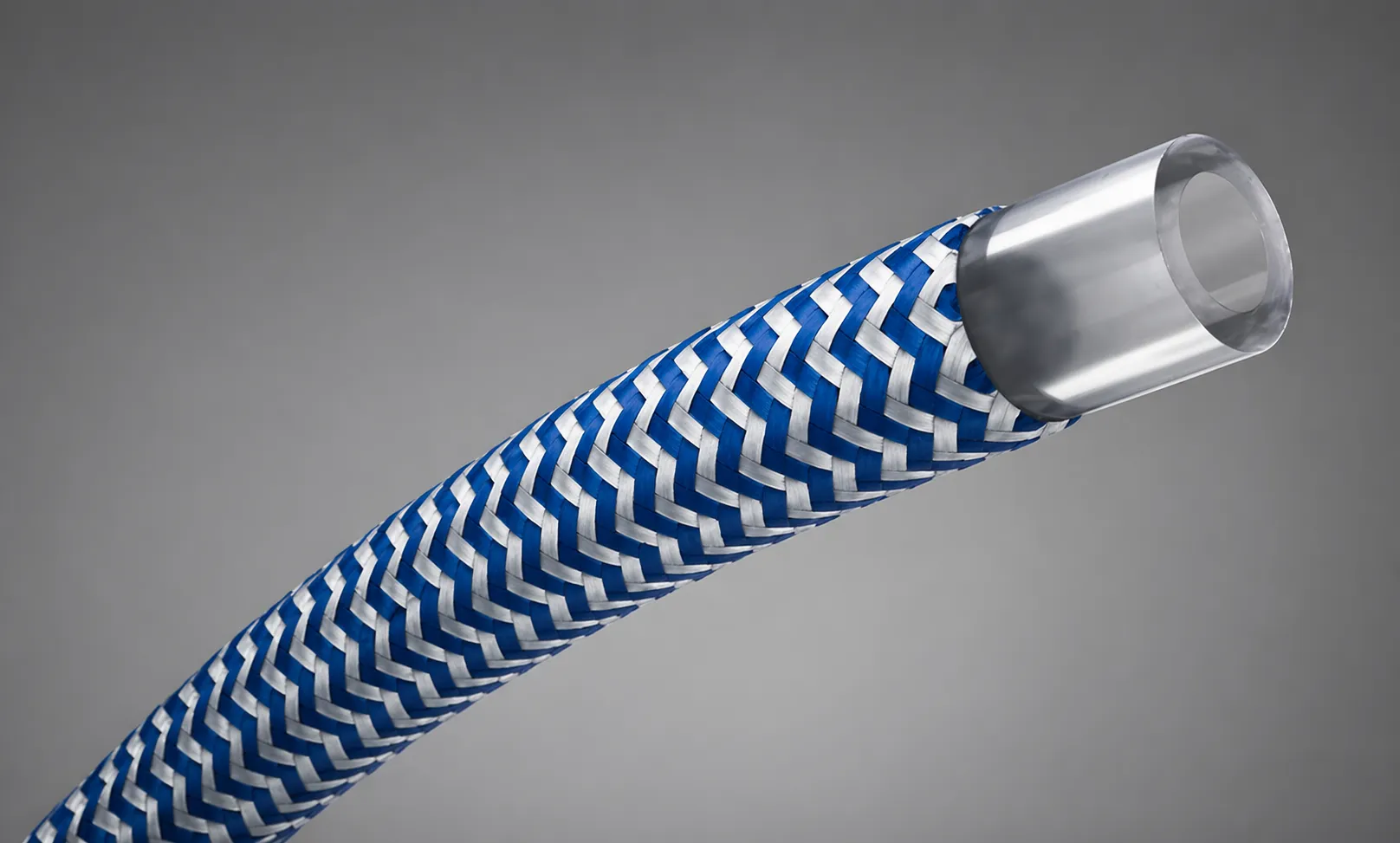
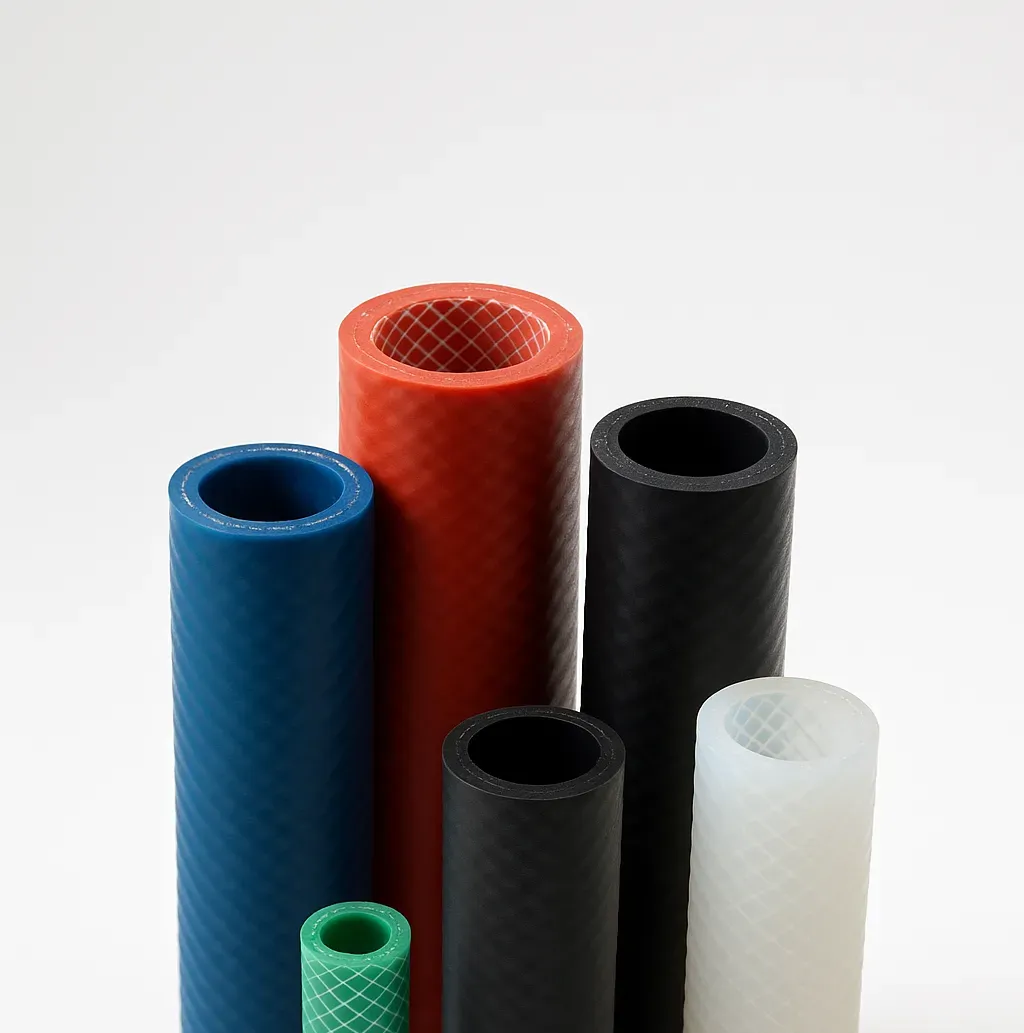
The table above lists the most commonly requested cross-sections; the extrusion catalogue covers additional combinations on request, as well as single-colour versions, custom-length cuts and braided versions with textile reinforcement for applications involving residual pressure.
How to choose the correct hardness: 60 Shore A versus alternatives
The choice of 60 Shore A is not arbitrary: it reflects the optimum compromise between installation flexibility, elastic recovery after compression and suction resistance. Lower hardnesses (40–50 Shore A) are more flexible but collapse sooner under vacuum and exhibit shorter peristaltic service life. Higher hardnesses (70–80 Shore A) offer better internal pressure resistance but require more powerful rollers in peristaltic pumping and stiffer couplings.
Connection and implementation
The recommended connection is a barbed fitting with an ear clamp or band clamp. The fitting should be dimensioned with an outside diameter slightly larger than the tube bore — the typical interference fit is a 5 to 10 % oversize of the fitting relative to the tube ID — to ensure a seal without overstressing the material. Ear clamps (Oetiker type) provide uniform pressure distributed around the full circumference and are preferable in hygienic applications; band clamps permit readjustment and are more suitable where frequent maintenance is required.
Bend radii less than 4 times the tube outside diameter should be avoided, as they induce permanent ovalisation and reduce the flow cross-section. In a peristaltic pump, the length of tube in the pump head should be replaced according to the service hours recommended by the pump manufacturer; the remainder of the circuit, provided it is not subject to cyclic compression, may remain in service considerably longer.
Final considerations for specification
When specifying this tube in a technical procurement document, the minimum data to include are: internal and external diameter (or internal diameter and wall thickness), Shore A hardness, applicable food or pharmaceutical standard reference, operating temperature range and packaging type (roll, length, wrapping). For critical applications, it is advisable to add a reference to the cure system (peroxide or platinum), colour (translucent by default, single colour on request) and, where appropriate, the requirement for a batch certificate.
The food-grade translucent silicone tube 60 Shore A covers an extremely broad application spectrum with a single reference, and is typically the lowest total cost of ownership option in processes where fluid visibility, innocuity and repeated sterilisation are simultaneous requirements.
Need custom food-grade silicone tubing?
Tell us the diameter, hardness, standard and volume. Quote within 24 hours.
Request a quote →