












Le joint torique est l'un des éléments d'étanchéité les plus universels en conception mécanique. Mais « joint torique » ne désigne pas un produit unique : il regroupe au moins trois technologies de fabrication distinctes — O-ring moulé, cordon torique extrudé coupé et assemblé, et fil torique assemblé par vulcanisation ou collage — avec des applications, tolérances et coûts très différents. S'y ajoute le choix du matériau (silicone VMQ, fluoroélastomère FKM, EPDM, NBR, néoprène, fluorosilicone FVMQ), la dureté Shore A et la finition de surface. Le résultat est que deux joints apparemment équivalents peuvent présenter des performances et des prix séparés par un ordre de grandeur.
Cet article structure la décision en trois niveaux : d'abord la technologie de fabrication, ensuite le matériau, et enfin la dureté et la finition. Il comprend une matrice de sélection par fluide et un arbre de décision par volume et tolérance.
Trois technologies, trois économies différentes
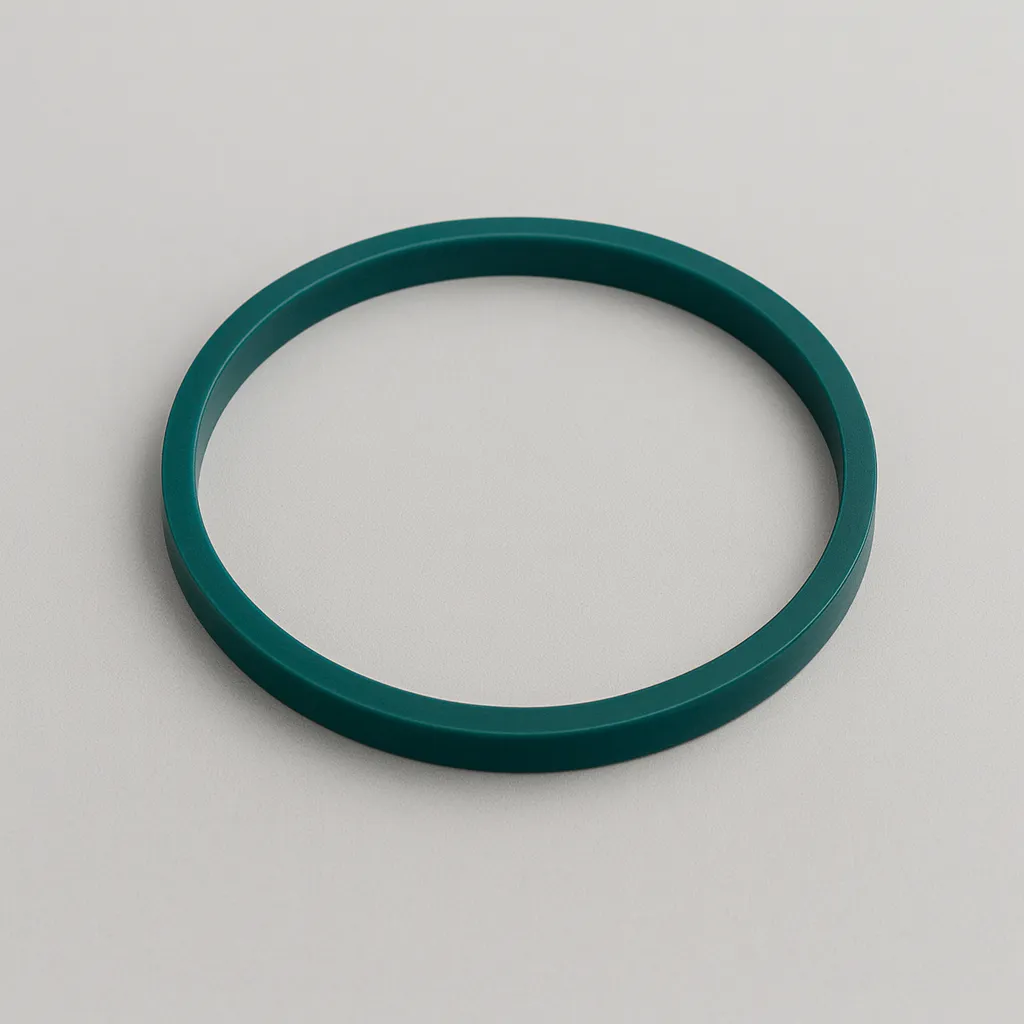
O-ring moulé
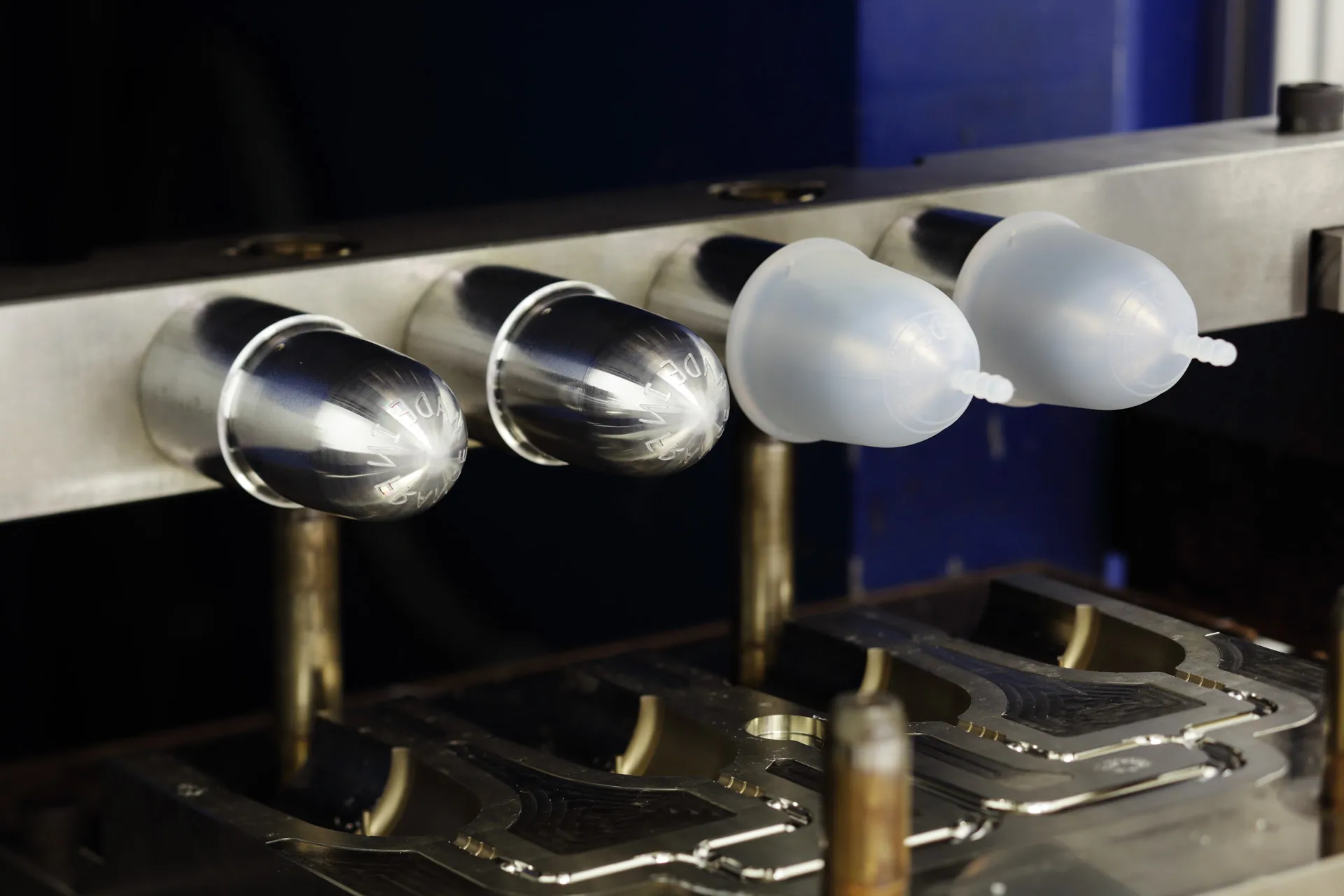
C'est le joint torique par excellence. Il est fabriqué par injection, compression ou transfert dans un moule fermé avec la géométrie finale du joint. Le résultat est une pièce annulaire monolithique sans soudure, avec des tolérances serrées (ISO 3601-3 classe A, B ou N), une finition de surface fine et des propriétés homogènes sur toute la circonférence.
L'O-ring moulé est l'option de référence lorsqu'on spécifie un joint de diamètre normalisé (AS568, BS1806, DIN 3771), lorsque le volume justifie le coût de l'outillage, ou lorsque les exigences d'étanchéité imposent l'absence totale de discontinuité dans la section. Sa limitation est économique : chaque diamètre nécessite un moule, et les moules d'O-ring deviennent coûteux rapidement au-delà d'une certaine dimension. De plus, les très grands diamètres (au-delà de 400-500 mm selon la section) ne sont pas physiquement moulables avec un outillage standard.
Cordon torique extrudé, coupé et assemblé
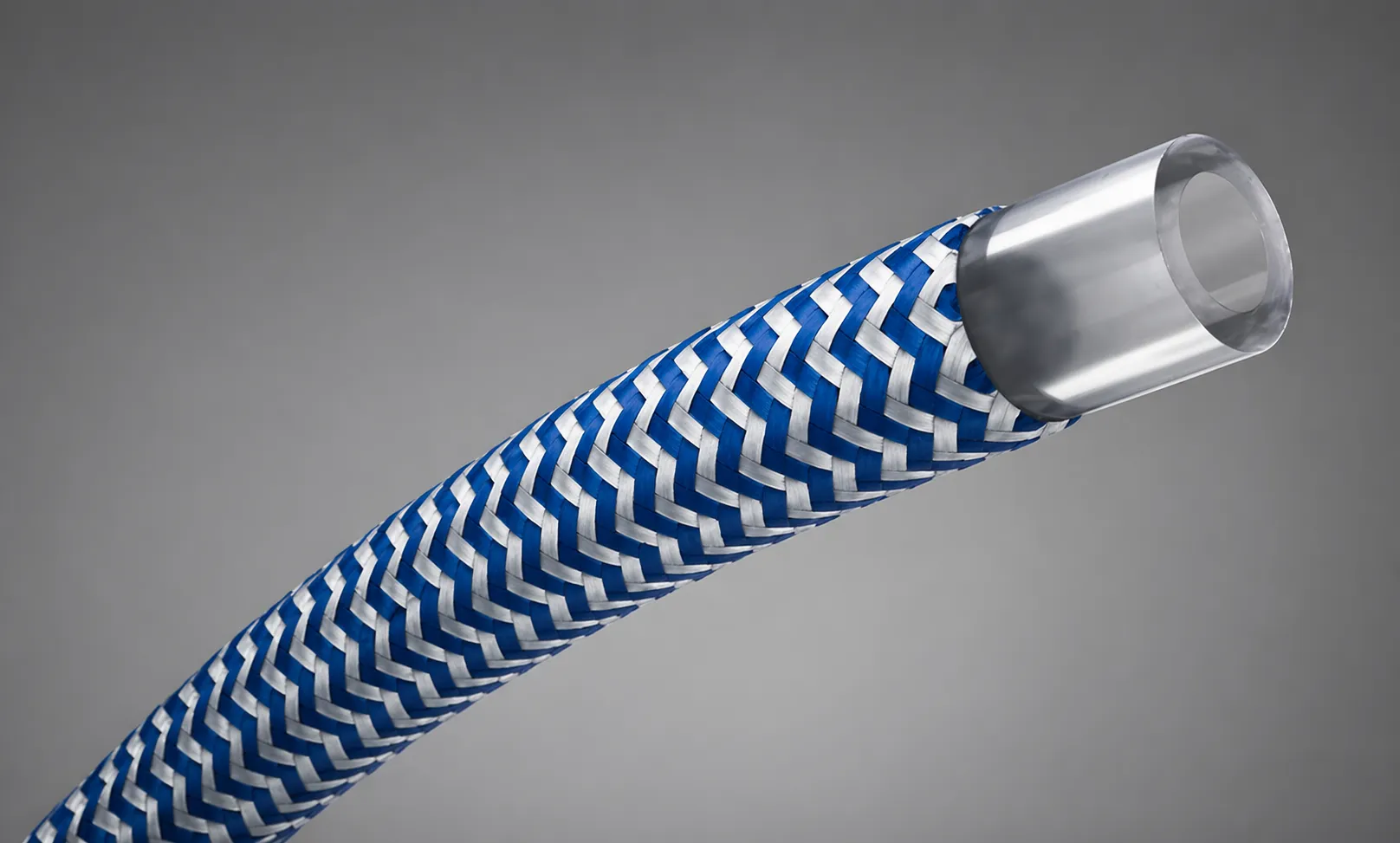
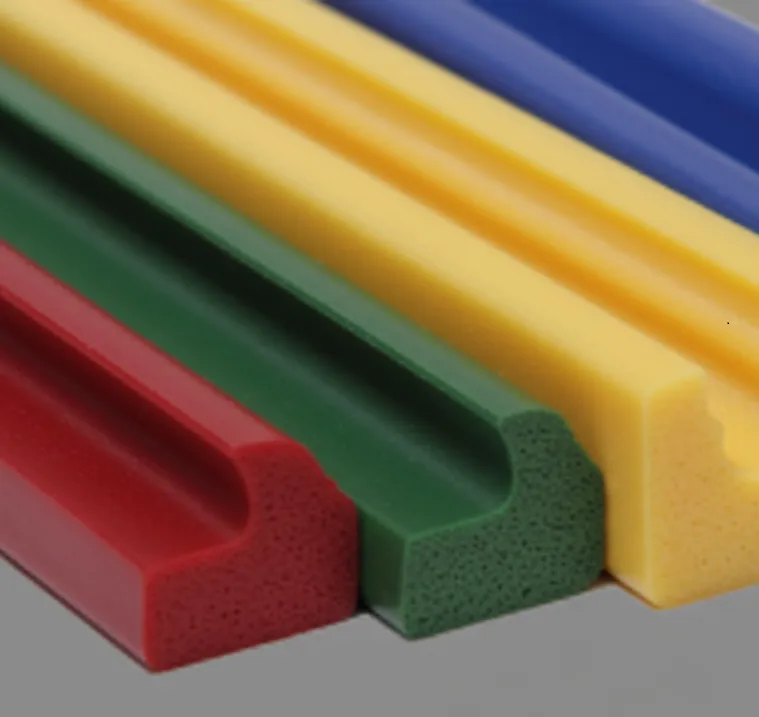
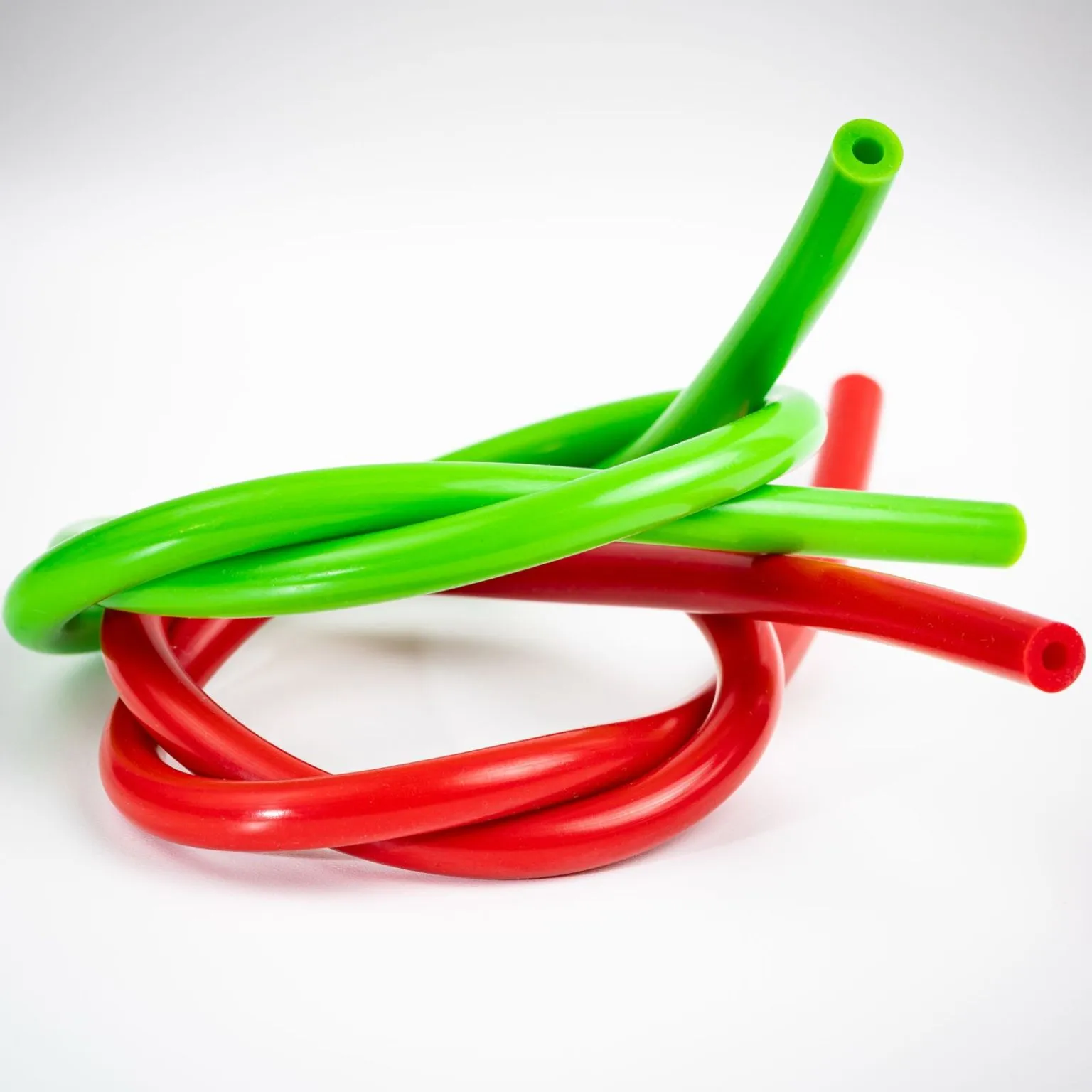
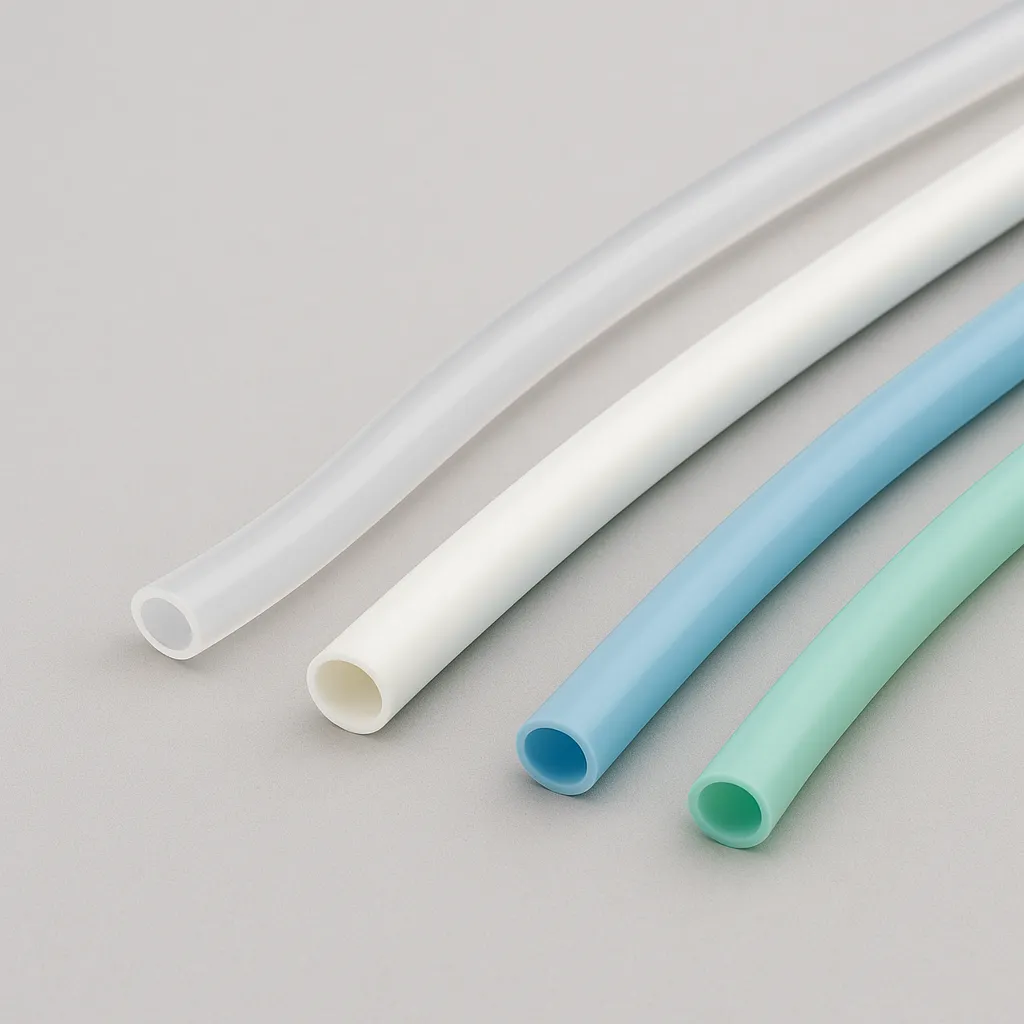
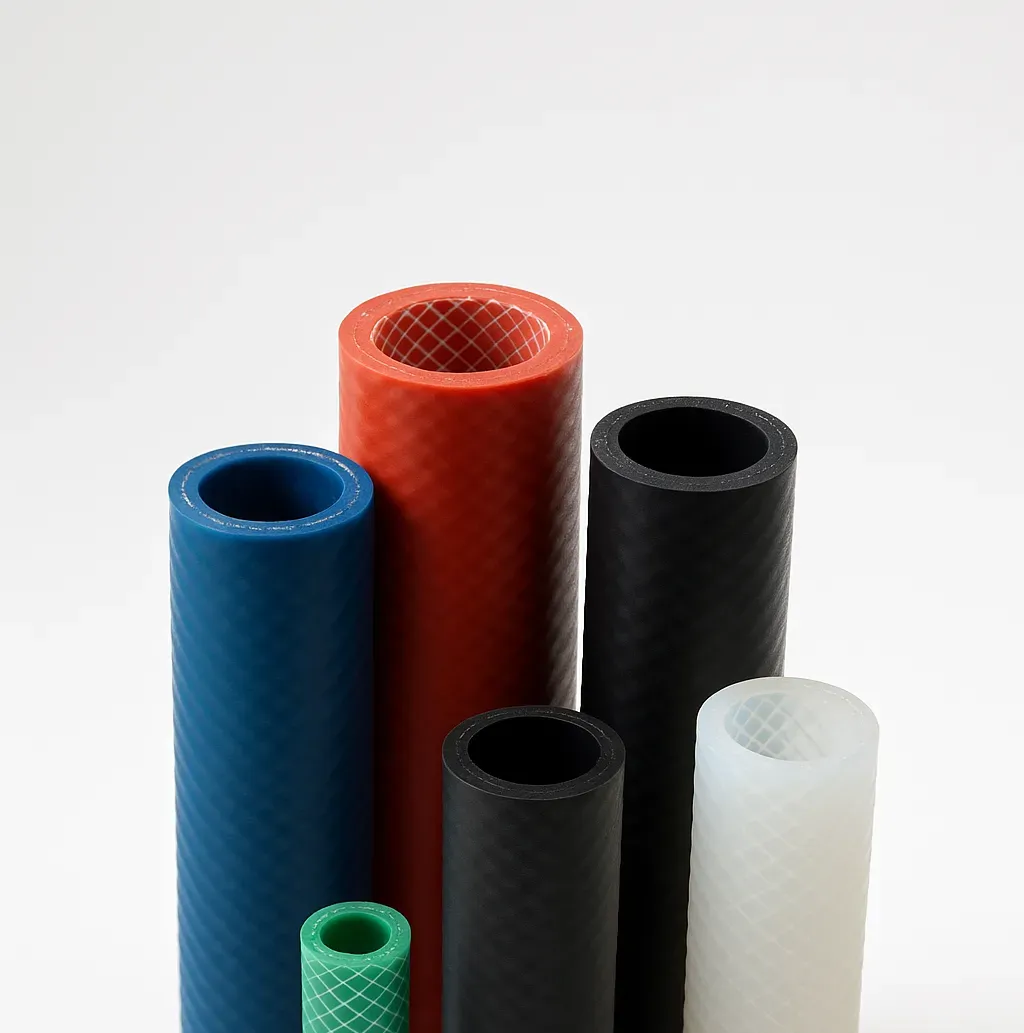
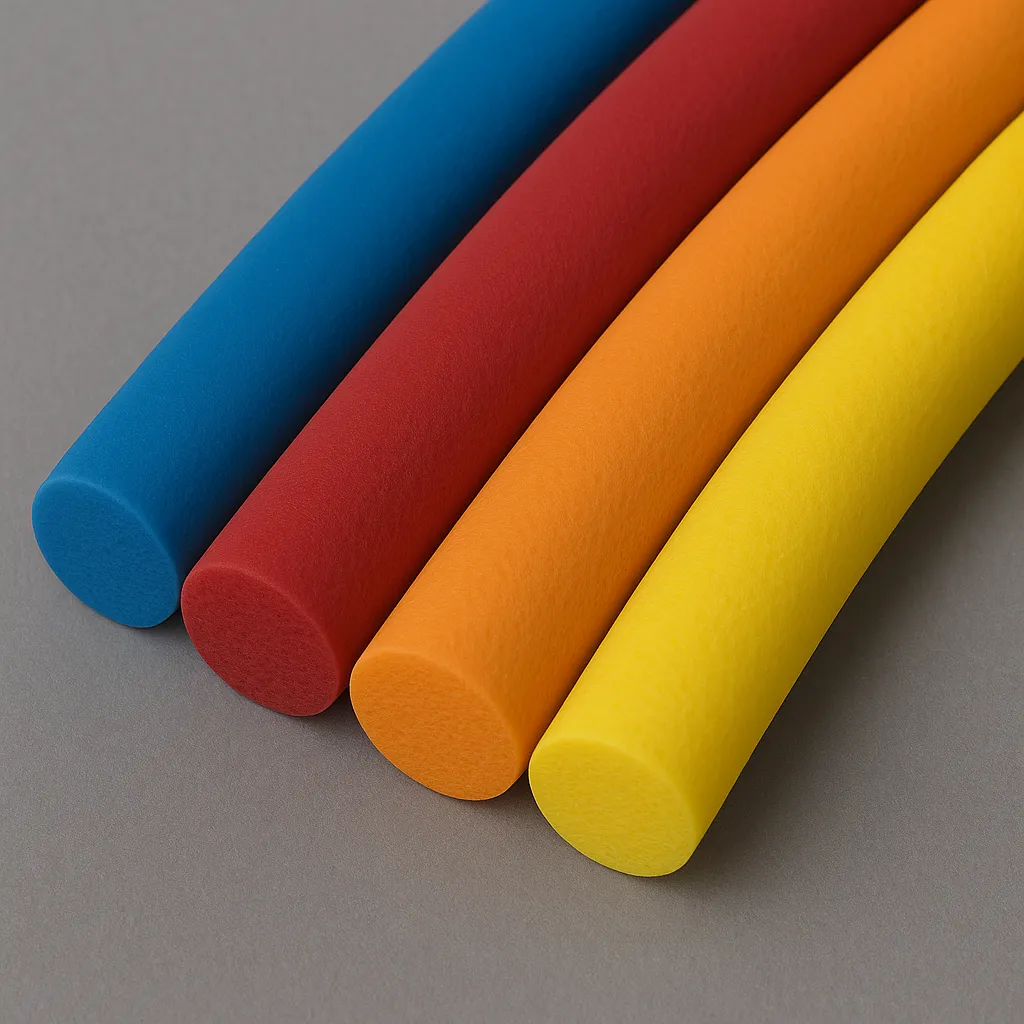
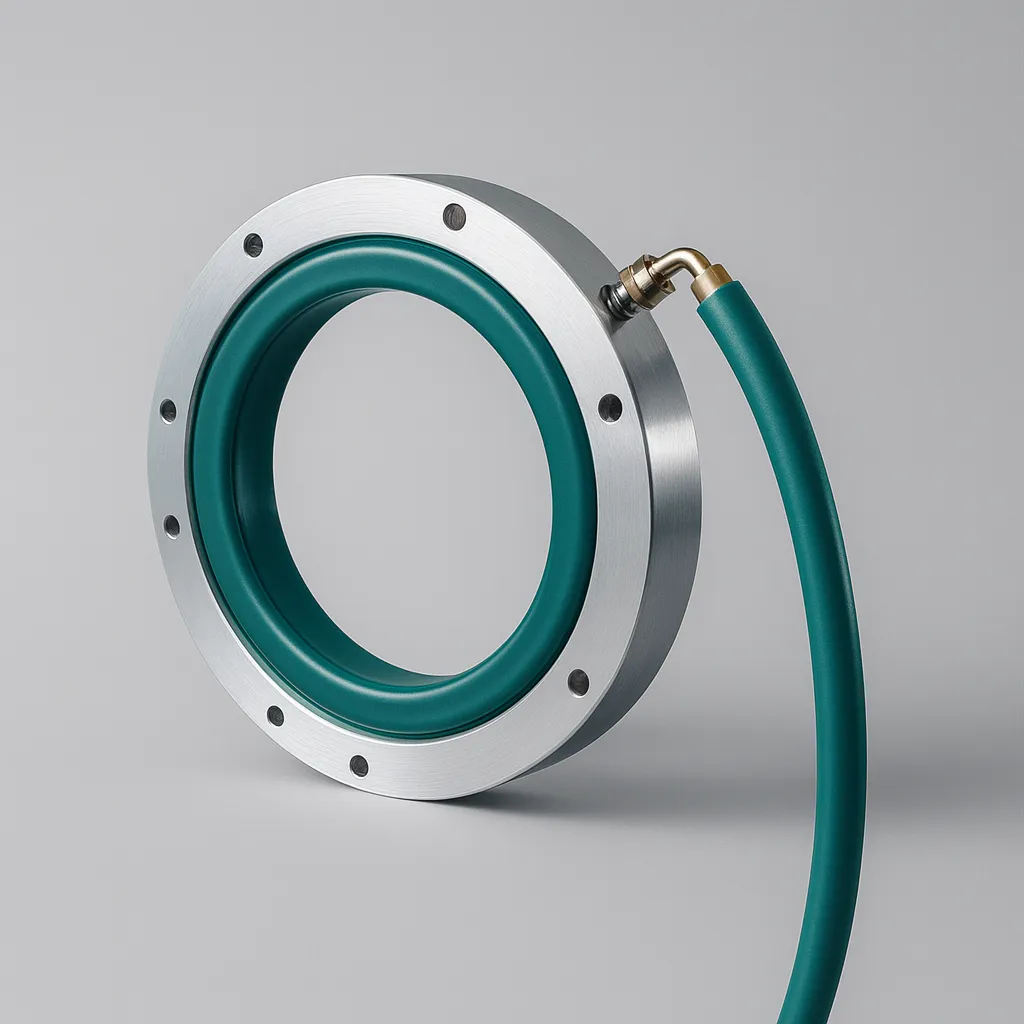
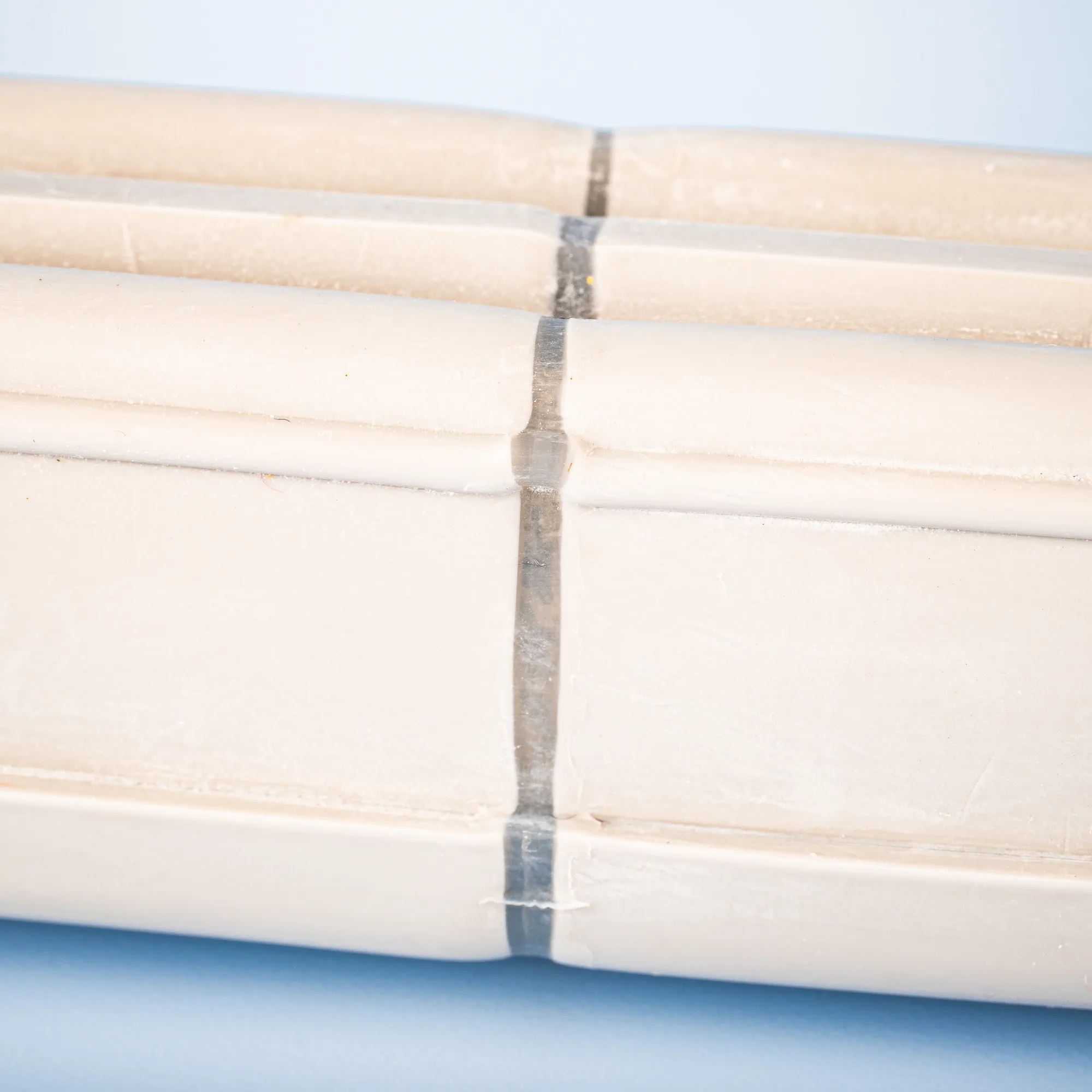
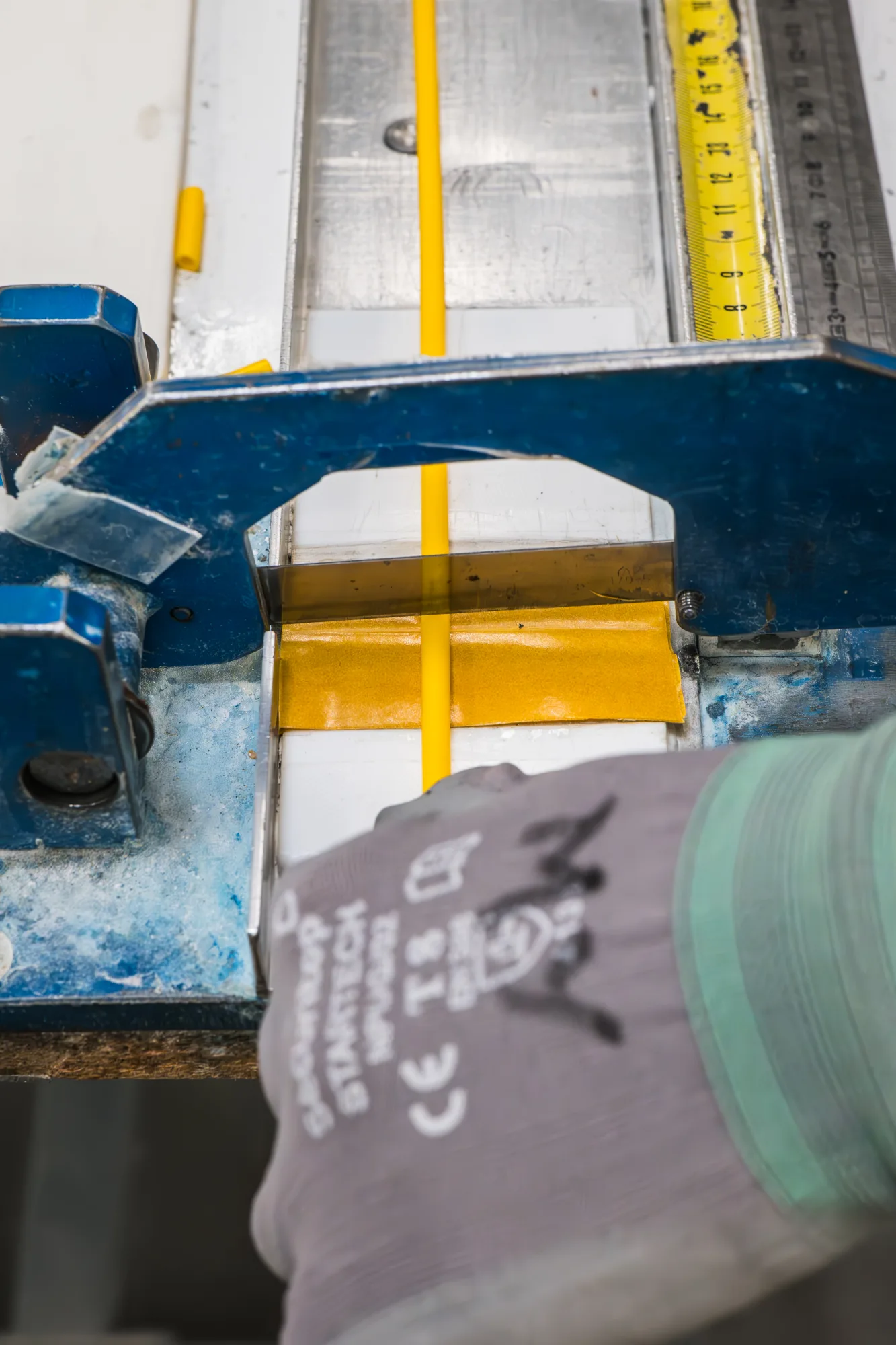
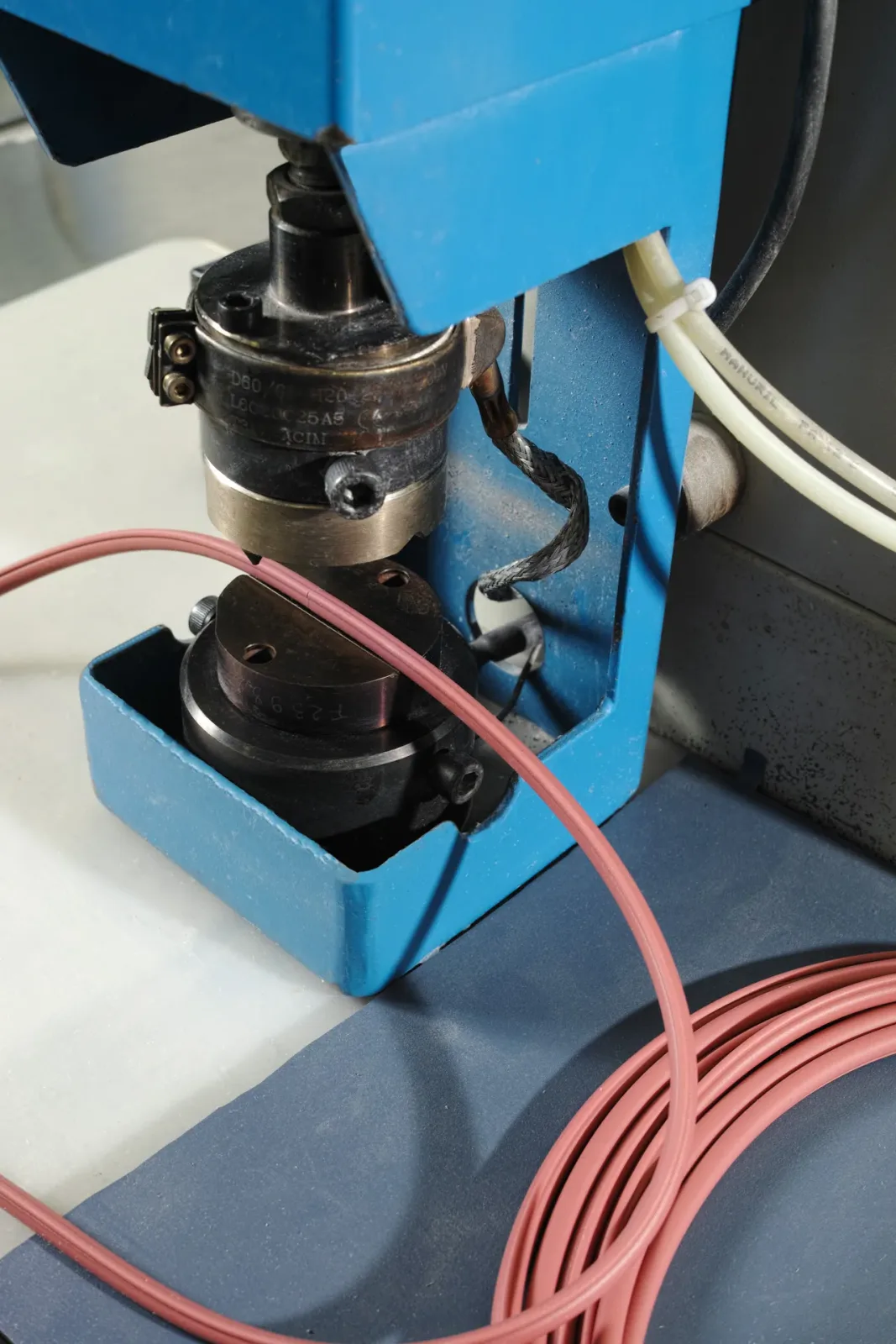
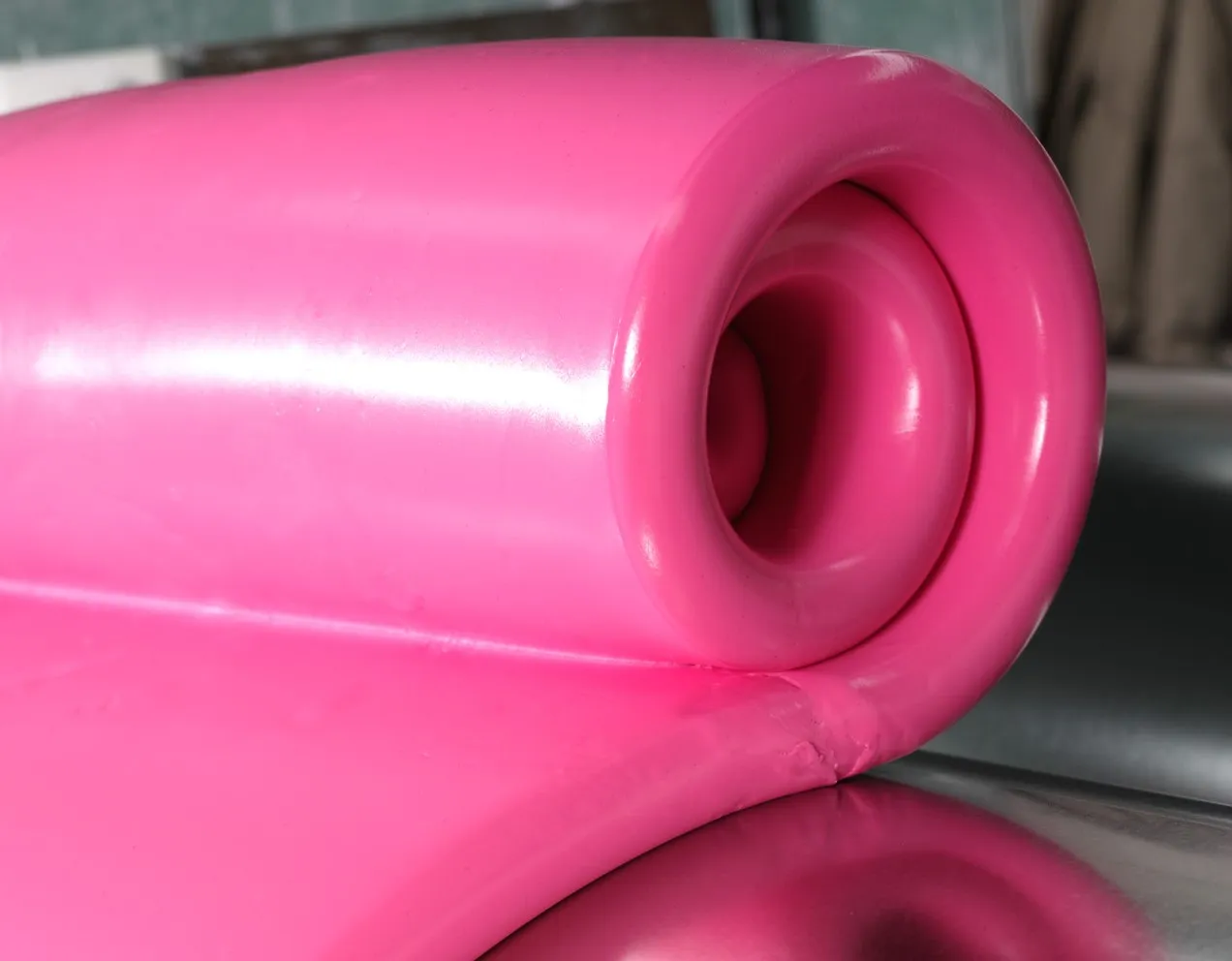
C'est la solution pour les joints toriques de grands diamètres, dimensions non normalisées ou petites séries où le moulage n'est pas justifié. On part d'un cordon extrudé de silicone, FKM ou autre élastomère — compact ou mousse selon l'application —, coupé à la longueur du développé du joint, et les extrémités sont assemblées. L'assemblage peut se faire par vulcanisation à chaud (la méthode techniquement correcte, qui recrée la continuité moléculaire de l'élastomère), par collage avec un adhésif spécifique (plus rapide et économique, mais avec une ligne de jonction plus visible mécaniquement et chimiquement), ou par sertissage avec un anneau métallique pour les applications non critiques.
Cette technologie couvre des diamètres pratiquement illimités, des joints de 50 mm aux anneaux de plusieurs mètres. Le coût unitaire est faible en petites séries car aucun outillage dédié n'est nécessaire, mais le joint présente une ligne de jonction qui constitue le point faible mécanique et, dans de nombreux cas, le point critique d'étanchéité. La qualité de l'assemblage fait la différence entre un joint fonctionnel pendant des années et un qui cède dès le premier cycle de pression.
Fil torique assemblé (cordon O-ring de petite section)
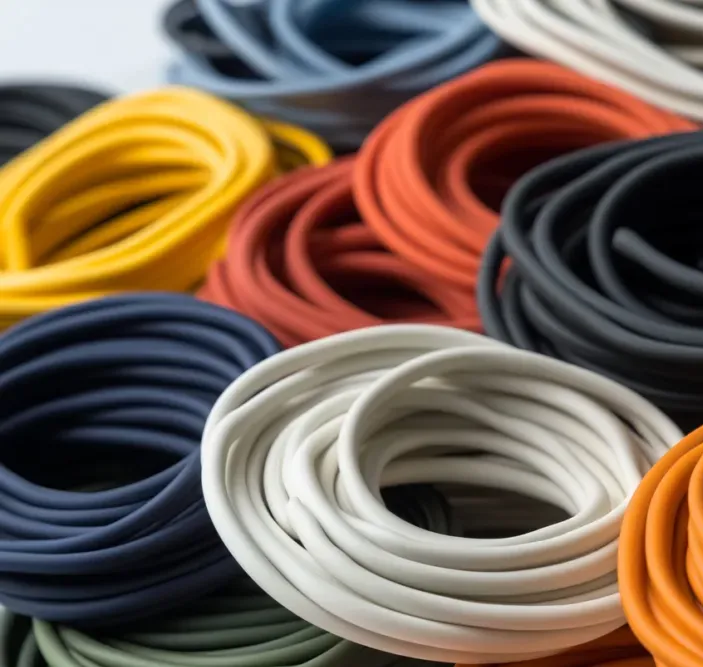
C'est la variante du cordon extrudé pour les petites sections, typiquement de 1 à 10 mm de section circulaire. Il est habituellement commercialisé en bobines ou rouleaux et le client le coupe et l'assemble au diamètre souhaité. Il couvre les réparations, prototypes, pré-séries et applications industrielles où la dimension exacte n'existe pas en O-ring normalisé.
La terminologie du marché est confuse : « cordon torique », « fil torique », « O-ring cord » et « joints sur mesure » désignent fréquemment le même produit avec de légères variations de section ou de finition. L'essentiel est que la qualité de l'assemblage final dépend de la méthode employée — tout comme pour le cordon de plus grande section — et que le matériau extrudé de base présente des propriétés légèrement différentes du même compound moulé (modules plus faibles, tolérances dimensionnelles plus larges).
Comparatif rapide des technologies
| Technologie | Diamètres typiques | Série minimale rentable | Tolérance | Qualité d'étanchéité | Coût unitaire |
|---|---|---|---|---|---|
| O-ring moulé | 3 – 400 mm | Moyenne-haute (>500 pcs) | ISO 3601-3 | Optimale (sans jonction) | Faible en série, élevé si outillage neuf |
| Cordon extrudé assemblé (vulcanisé) | 50 mm – plusieurs mètres | Unitaire | ISO 3302-1 | Très bonne si jonction vulcanisée | Moyen, sans outillage |
| Cordon extrudé assemblé (collé) | 50 mm – plusieurs mètres | Unitaire | ISO 3302-1 | Bonne en statique, limitée en dynamique | Faible, sans outillage |
| Fil torique assemblé | 20 – 500 mm (petite section) | Unitaire | ISO 3302-1 | Selon assemblage de l'utilisateur | Très faible |
Sélection du matériau
Le choix de l'élastomère est indépendant de la technologie de fabrication : un joint moulé et un cordon extrudé-assemblé peuvent être réalisés indifféremment en silicone, FKM, EPDM ou NBR. La décision repose sur le fluide de service, la température de travail et la réglementation applicable.
Silicone VMQ
Plage thermique étendue (-60 à +200 °C en service continu, jusqu'à +250 °C ponctuellement), excellente résistance à l'ozone, aux UV et aux intempéries, biologiquement inerte, compatible avec les certifications FDA, CE 1935/2004, USP Classe VI et ISO 10993. C'est le choix par défaut pour les joints toriques alimentaires, pharmaceutiques, médicaux et en contact avec l'eau chaude ou la vapeur en cycles non continus.
Limitations : mauvaise résistance aux hydrocarbures, huiles minérales, carburants et vapeurs de solvants aromatiques. En présence de ces fluides, le silicone gonfle et perd rapidement ses propriétés mécaniques.
Fluoroélastomère FKM (Viton®, FPM)
Résistance chimique supérieure. Supporte les hydrocarbures aliphatiques et aromatiques, les huiles minérales et synthétiques, les carburants, les acides minéraux dilués et de nombreux solvants. Plage thermique -20 à +200 °C en continu (-40 avec des grades spéciaux), jusqu'à +230 °C ponctuellement. C'est le matériau de référence pour les joints toriques en contact avec les fluides hydrauliques, lubrifiants, carburants et l'industrie chimique.
Limitations : performance réduite à basse température (durcissement progressif en dessous de -20 °C), déconseillé pour la vapeur saturée continue et pour les amines, esters ou cétones.
EPDM
Excellente résistance à l'eau chaude, la vapeur saturée, l'ozone, les UV, les intempéries, les acides et bases dilués. Plage thermique -50 à +150 °C en continu. C'est le caoutchouc standard pour les joints toriques d'eau sanitaire, chauffage, installations ECS et contact avec les produits chimiques polaires.
Limitations : incompatible avec les huiles minérales, les hydrocarbures et les graisses dérivées du pétrole.
NBR (Nitrile) et HNBR
Le NBR est l'élastomère de référence pour les huiles et carburants dans une plage de température modérée (-30 à +100 °C). Le HNBR (nitrile hydrogéné) étend la plage à +150 °C et améliore la résistance à l'ozone. Les deux sont incompatibles avec l'eau chaude continue, la vapeur et les fluides polaires agressifs.
Fluorosilicone FVMQ
Combine la plage thermique du silicone avec une meilleure résistance aux hydrocarbures. Plage -60 à +200 °C avec compatibilité partielle avec les carburants et huiles. Il est spécifié lorsque basse température extrême et exposition intermittente aux hydrocarbures coexistent, typiquement en aéronautique et systèmes mobiles.
Néoprène (CR)
Élastomère à usage général avec bonne résistance à l'ozone, aux intempéries et aux huiles minérales légères. Plage -40 à +110 °C. Utilisé pour les joints toriques industriels où ni l'inertie chimique du FKM ni la biocompatibilité du silicone ne sont exigées.
Matrice de sélection par fluide
| Fluide de service | Matériau recommandé | Alternative |
|---|---|---|
| Eau froide / sanitaire | EPDM, silicone | NBR (si contact avec huile) |
| Eau chaude et vapeur < 150 °C | EPDM, silicone VMQ | — |
| Vapeur saturée continue | EPDM | — |
| Huiles minérales, hydrauliques | NBR, FKM | HNBR |
| Carburants, essences | FKM, HNBR | FVMQ |
| Acides minéraux dilués | FKM, EPDM | — |
| Solvants aromatiques | FKM | — |
| Solvants polaires (cétones, esters) | EPDM | — |
| Contact alimentaire FDA / CE | Silicone platine, EPDM FDA | FKM FDA |
| Contact pharmaceutique USP VI | Silicone platine biocompatible | FKM USP VI |
| Environnements avec ozone / UV | EPDM, silicone, FKM | Néoprène |
| Service cryogénique (< -40 °C) | Silicone, FVMQ | — |
| Hautes températures (> 200 °C) | Silicone HT, FKM spécial | FFKM |
Pour les applications critiques ou les fluides agressifs combinés (mélanges d'huile et d'eau chaude, vapeur avec additifs chimiques, NEP agressif à température), la matrice n'est qu'indicative : il convient de valider par un essai de compatibilité chimique sur le compound spécifique avant de finaliser la spécification.
Sélection de la dureté Shore A
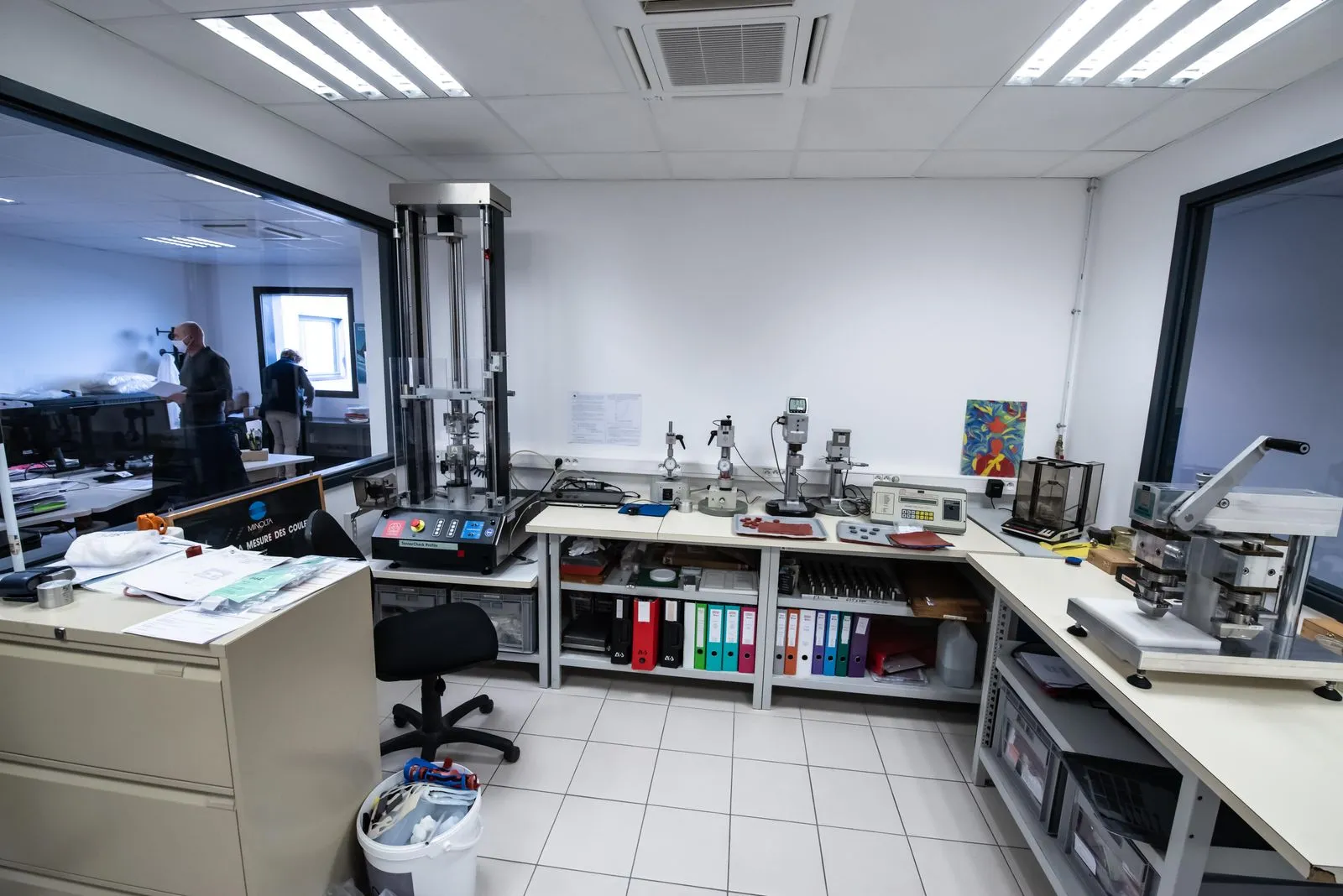
La dureté correcte n'est ni la plus élevée ni la plus basse : c'est celle qui permet au joint de se déformer suffisamment pour assurer l'étanchéité dans la gorge sans extruder par le jeu ni perdre son élasticité avec le temps. Les plages habituelles pour les O-rings sont de 50 à 90 Shore A, avec 70 Shore A comme valeur par défaut.
| Dureté | Application typique | Comportement |
|---|---|---|
| 40 – 50 Shore A | Étanchéités dynamiques à basse pression, équipements médicaux, montage facile | Adaptabilité maximale, déformation rémanente plus élevée, risque d'extrusion si jeu présent |
| 60 – 70 Shore A | Usage général statique et dynamique, la dureté par défaut | Équilibre entre étanchéité et stabilité. Couvre >80 % des applications |
| 75 – 80 Shore A | Étanchéités à pression moyenne-haute, jeux modérés | Moins d'extrusion, compression plus importante nécessaire pour l'étanchéité |
| 85 – 90 Shore A | Haute pression, jeux importants, gorges ouvertes | Adaptabilité réduite, gorges usinées avec précision exigées |
La température joue également un rôle : toute silicone et tout FKM perdent de la dureté en chauffant et en gagnent en refroidissant. Si un joint travaille à -40 °C en silicone standard, la dureté effective en service peut augmenter de 8 à 10 points Shore A par rapport à la valeur spécifiée à 23 °C. À +200 °C, elle peut diminuer de 5 à 8 points. Dans les plages extrêmes, la dureté doit être spécifiée en tenant compte de la température de travail réelle, pas seulement de la valeur nominale.
État de surface et versions spéciales
La finition de surface d'un O-ring ne figure généralement pas sur la fiche technique, mais elle est déterminante dans les applications dynamiques. Un joint avec une surface trop lisse peut souffrir d'adhérence au démarrage du mouvement (stick-slip). Un joint trop rugueux introduit des fuites microscopiques. Le moulage standard produit des finitions Ra ≈ 0,8-1,6 µm, adaptées à la majorité des applications. Pour les applications dynamiques exigeantes ou l'étanchéité aux gaz, des finitions usinées ou polies spécifiques sont prescrites.
Versions détectables alimentaires. Pour les machines d'emballage où la fragmentation accidentelle d'un joint ne doit pas passer dans le produit, il existe des formulations de silicone avec charges ferromagnétiques (métal-détectable) et colorées en bleu intense pour le contraste visuel. Elles sont exigées dans les certifications BRC, IFS et dans de nombreux audits clients de l'industrie alimentaire. La contrepartie est une plage thermique légèrement réduite et des propriétés mécaniques quelque peu inférieures au compound équivalent sans charges.
Lubrification et traitements de surface. Pour les applications dynamiques, les O-rings peuvent être fournis avec un traitement de surface PTFE ou lubrifiés avec des silicones spécifiques qui réduisent le coefficient de frottement initial. Pour les applications biocompatibles, la compatibilité du lubrifiant avec l'application finale doit être validée.
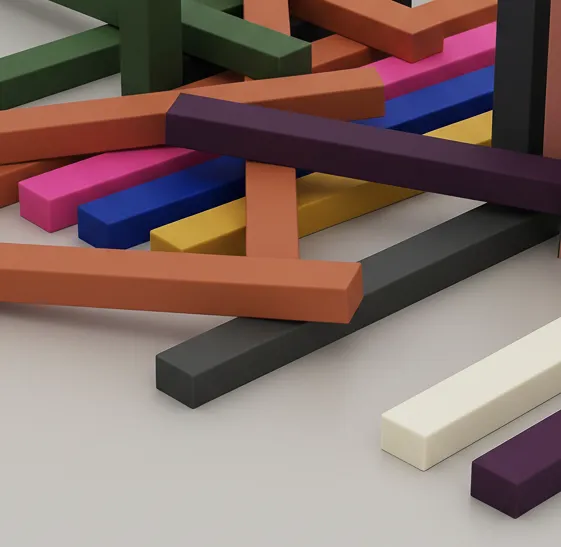
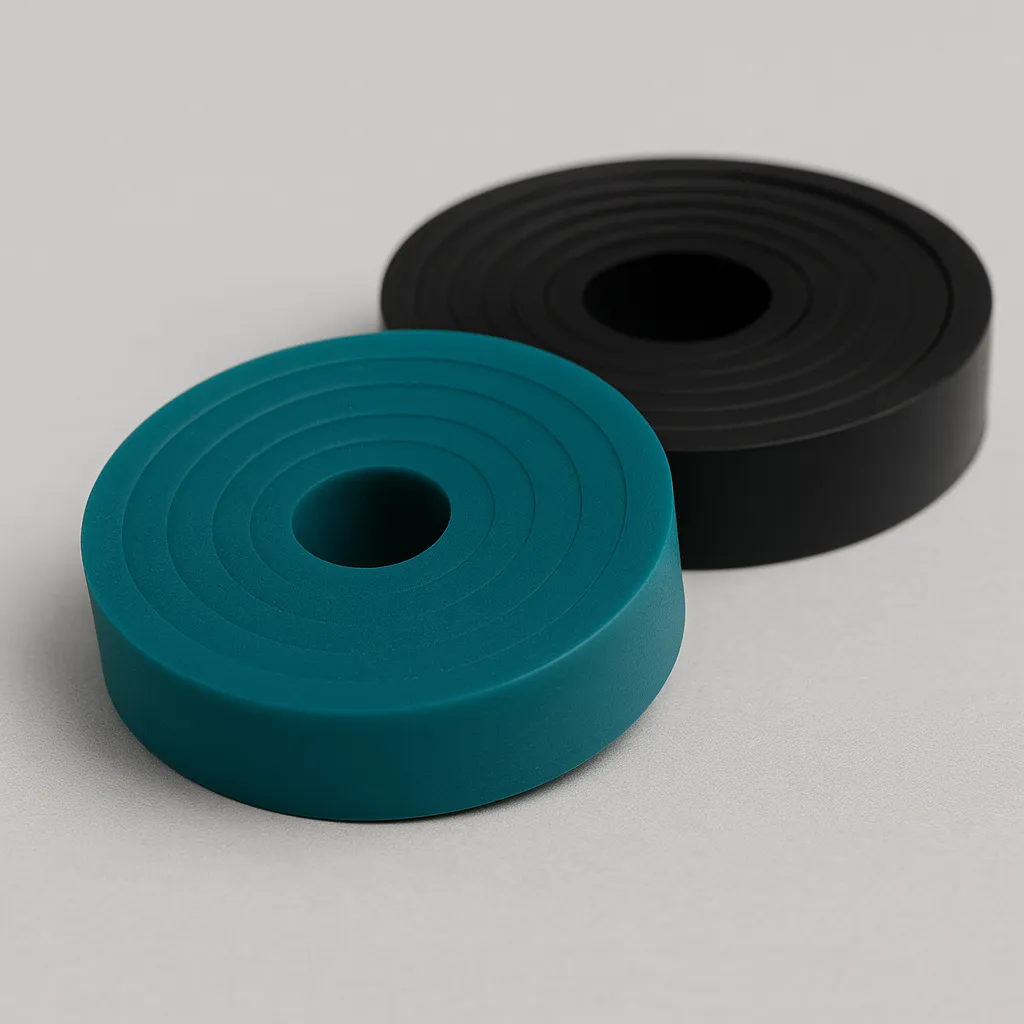
Coloration fonctionnelle. Au-delà du bleu alimentaire, le codage couleur (rouge, vert, jaune) sert à différencier les lots, matériaux ou applications dans les installations comportant de multiples références. Il s'agit d'une pigmentation dans la masse, pas d'une altération fonctionnelle.
Arbre de décision rapide
Pour un prescripteur qui arrive avec un nouveau besoin et doit finaliser la configuration en quelques étapes :
- La dimension est-elle normalisée (AS568 / BS1806 / DIN 3771) et la série justifie-t-elle l'outillage ou utilisons-nous des moules existants ? → O-ring moulé.
- La dimension est-elle non standard ou le diamètre > 400 mm et les séries sont courtes ? → Cordon extrudé coupé et assemblé (vulcanisé si l'étanchéité est critique, collé sinon).
- La réparation ou le prototype nécessite-t-il une solution immédiate sans outillage ? → Fil torique assemblé, avec jonction réalisée en atelier.
- Matériau : appliquer la matrice par fluide ci-dessus.
- Dureté : 70 Shore A par défaut ; augmenter si le jeu est important, diminuer si la géométrie de la gorge exige une grande adaptabilité.
- Finition / version spéciale : détectable si industrie alimentaire certifiée, poli de surface si dynamique, couleur si codage en usine.
Spécification minimale pour cahier des charges
Les données minimales à inclure dans une demande de devis ou un cahier des charges sont : diamètre intérieur et section (ou référence normalisée AS568/BS1806/DIN), matériau et compound spécifique, dureté Shore A ± tolérance, température de travail minimale et maximale, fluide ou fluides en contact, réglementation applicable (FDA, USP VI, ISO 10993, CE 1935/2004, autres sectorielles), type de service (statique, dynamique alternatif, dynamique rotatif), pression maximale de service, technologie de fabrication exigée (moulé vs extrudé-assemblé) et quantité estimée.
Besoin de joints toriques en silicone, FKM ou EPDM ?
Indiquez-nous cote, matériau, fluide et norme. Devis sous 24 h.
Demander un devis →