



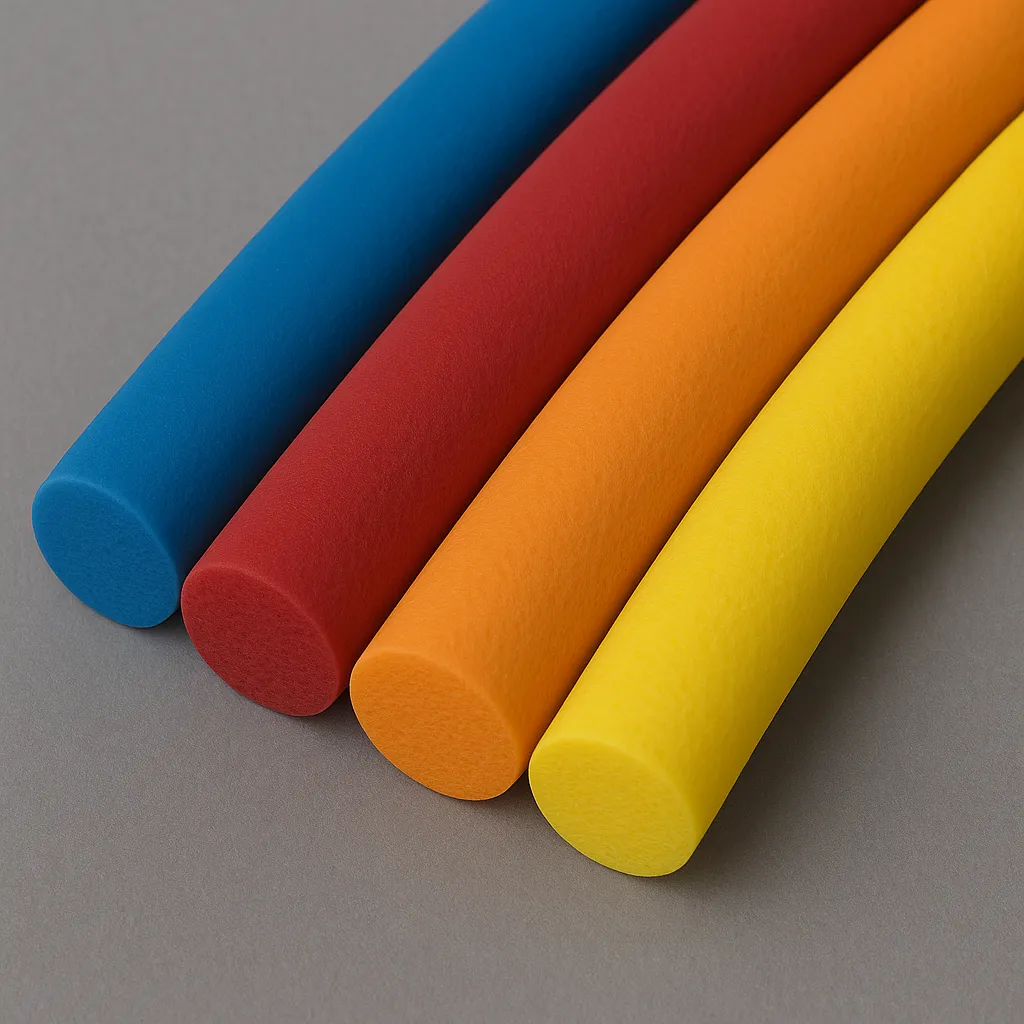








EQ · Vinyl-MQ peroxide
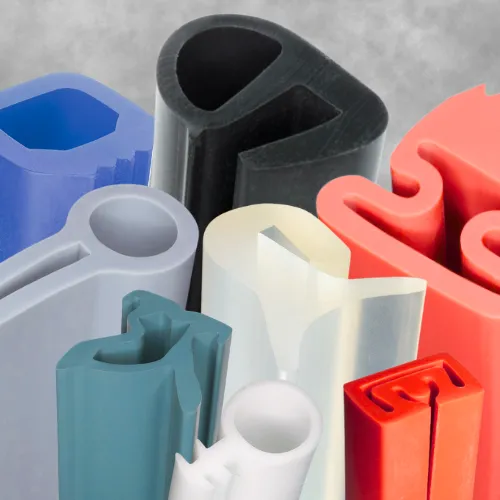
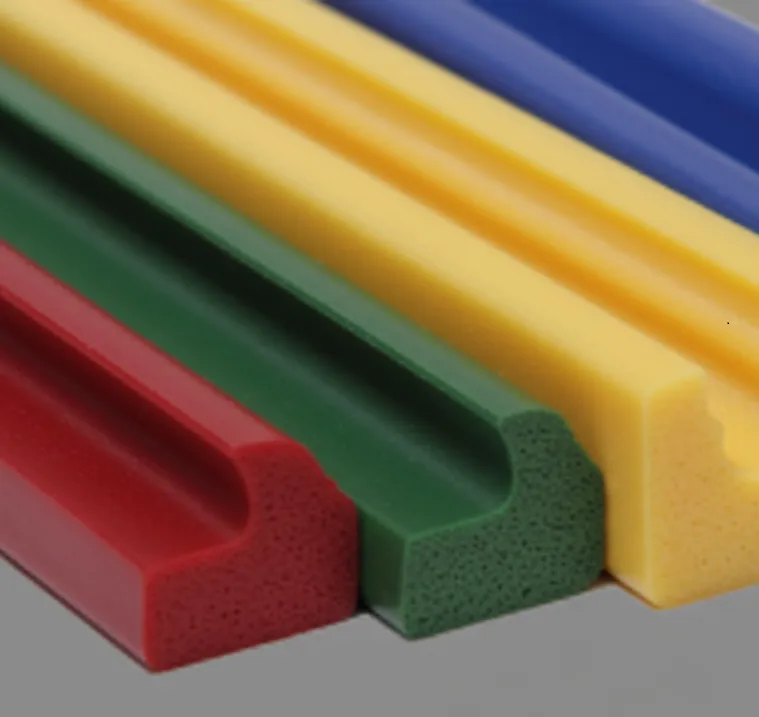
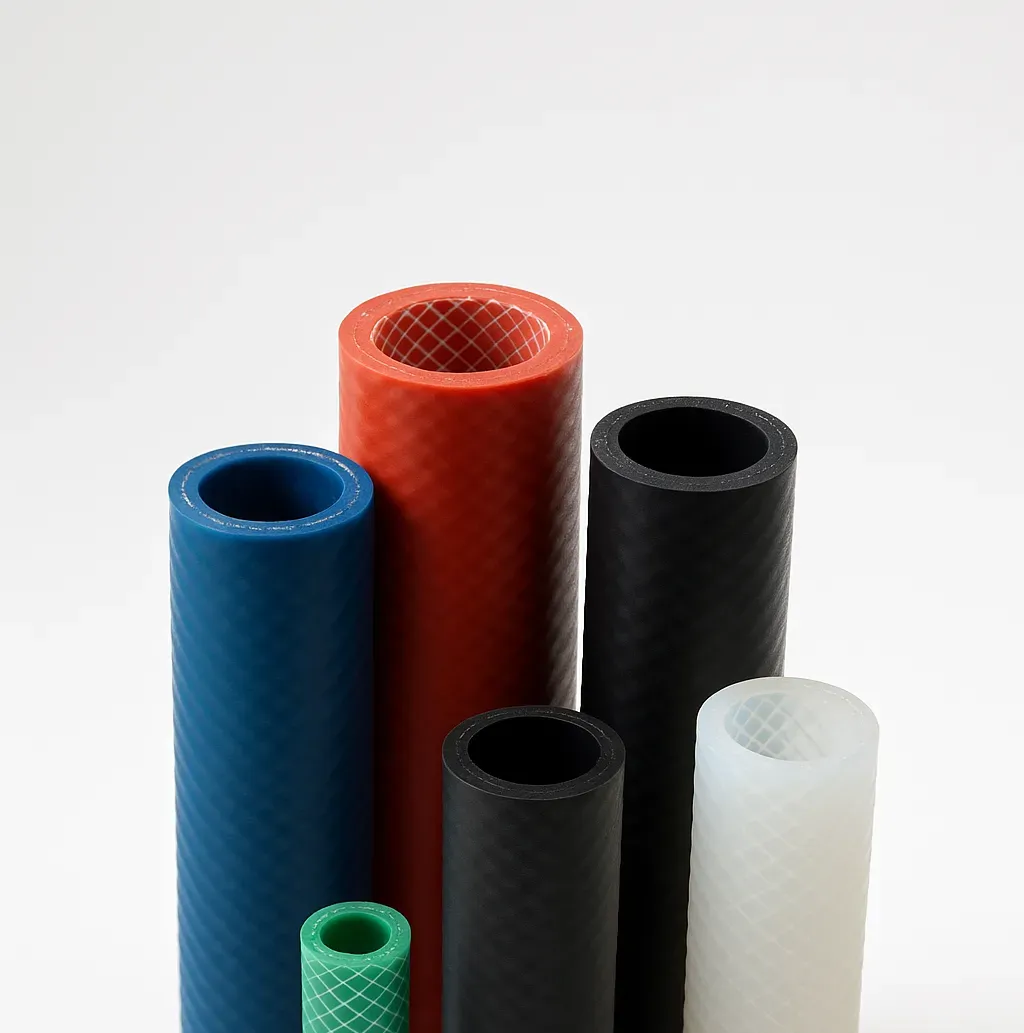
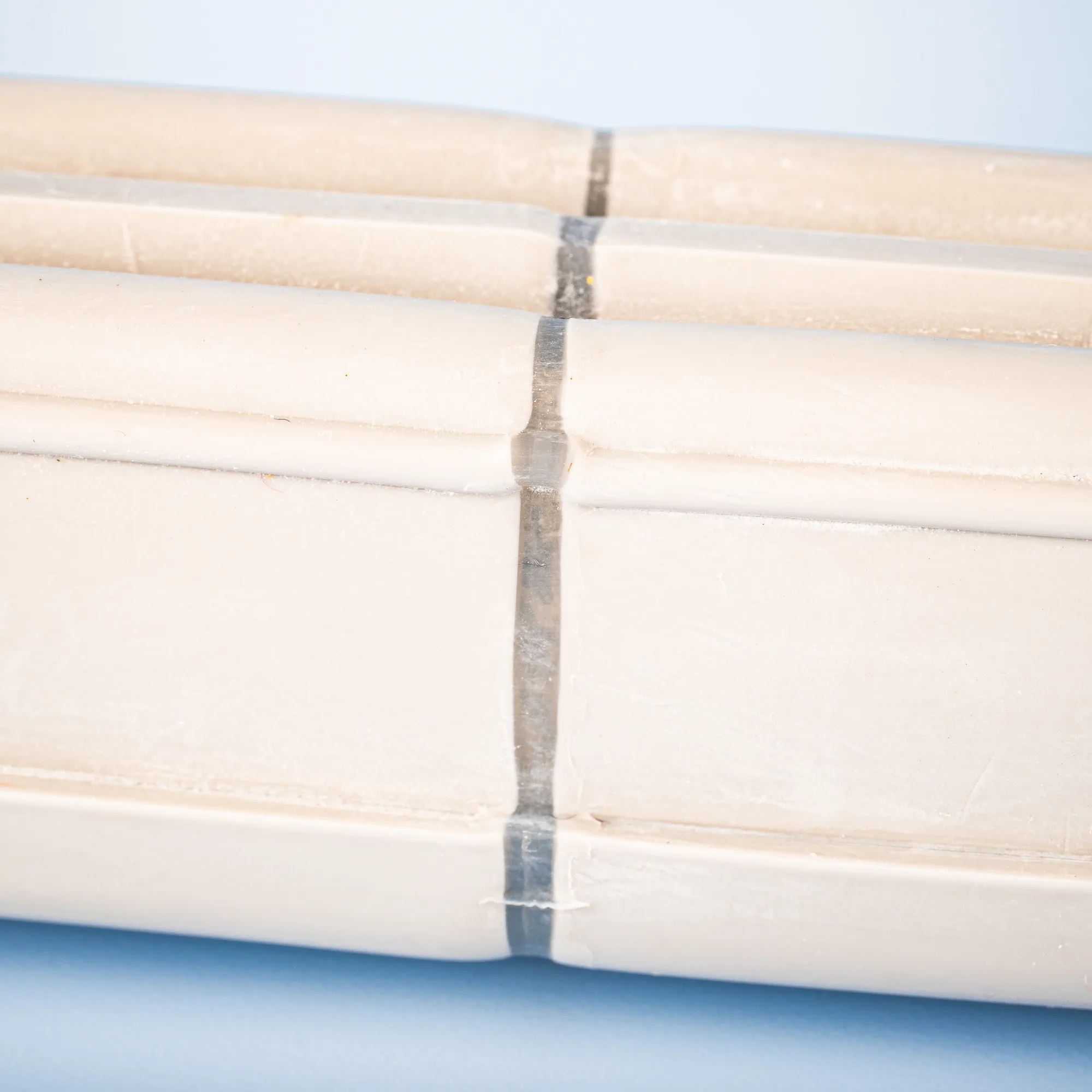
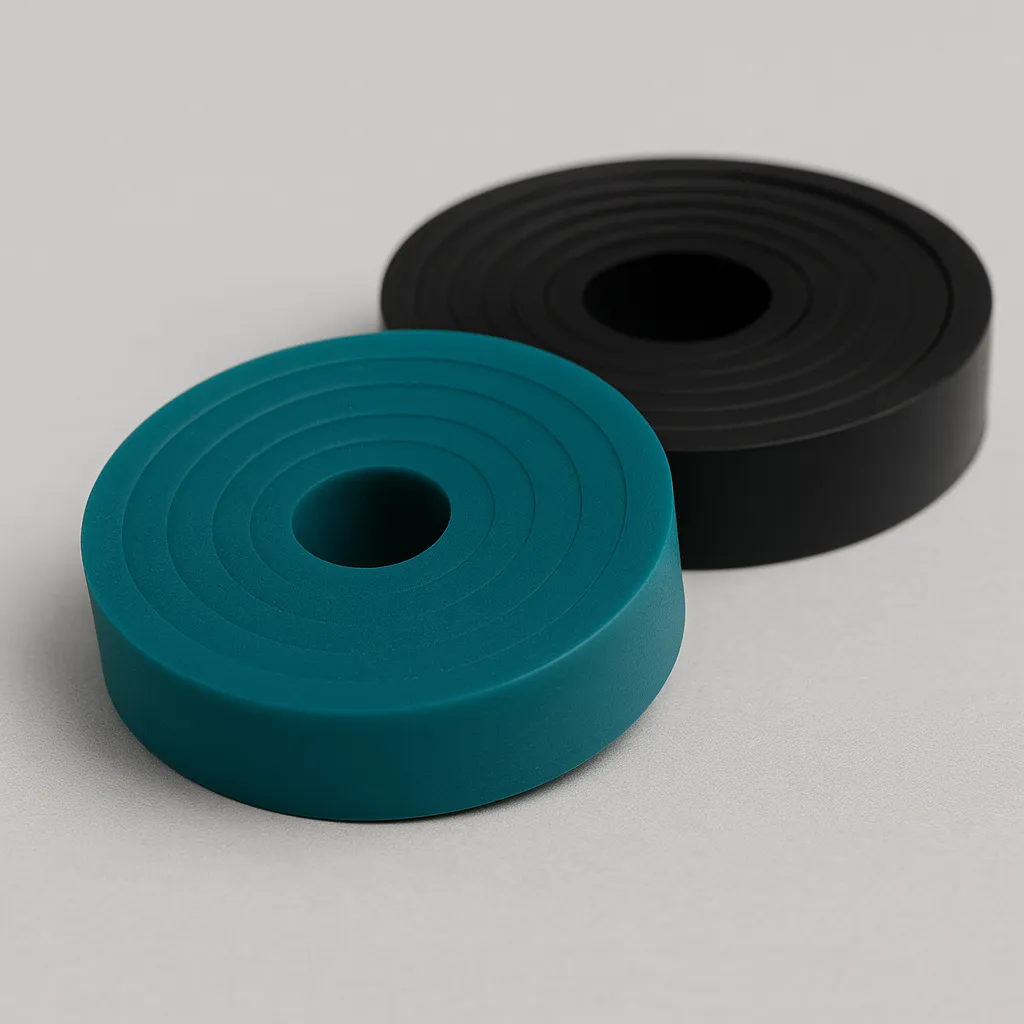
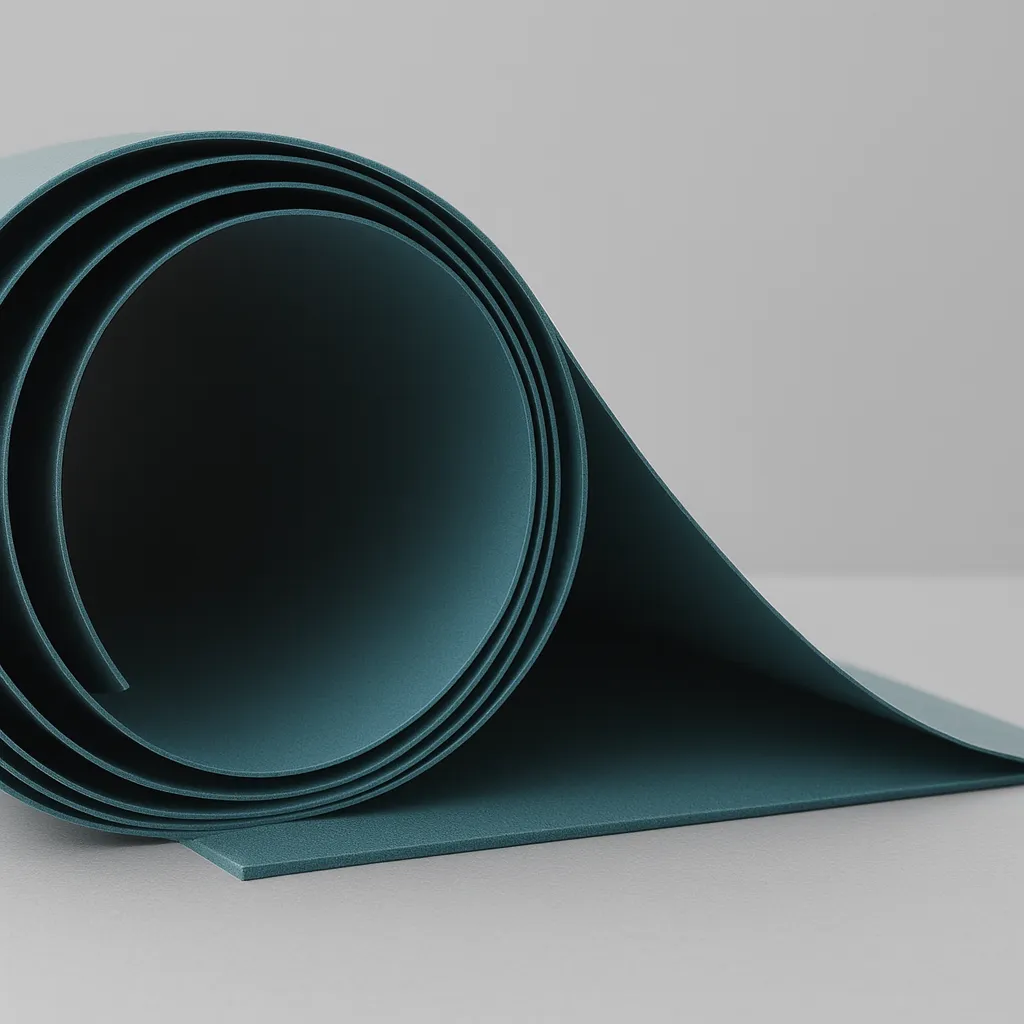
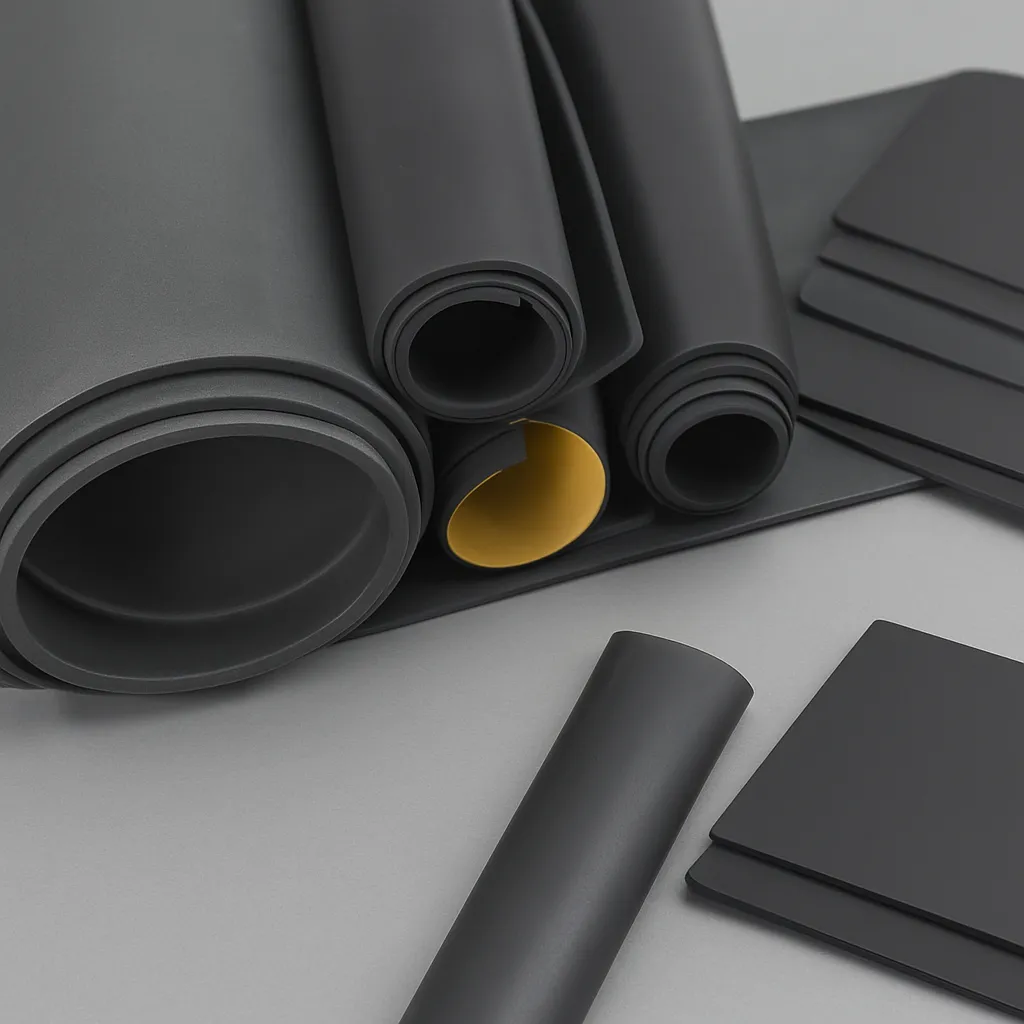
Cure with dicumyl or bis(2,4-dichlorobenzoyl) peroxide. Solid extrusion grade from Shore A 10 to 90. Series 1, 2, 4, 7, 9, 13, 14, 16, 20, 22. FDA and CE 1935 coverage depending on series and colour. Solid and cellular.
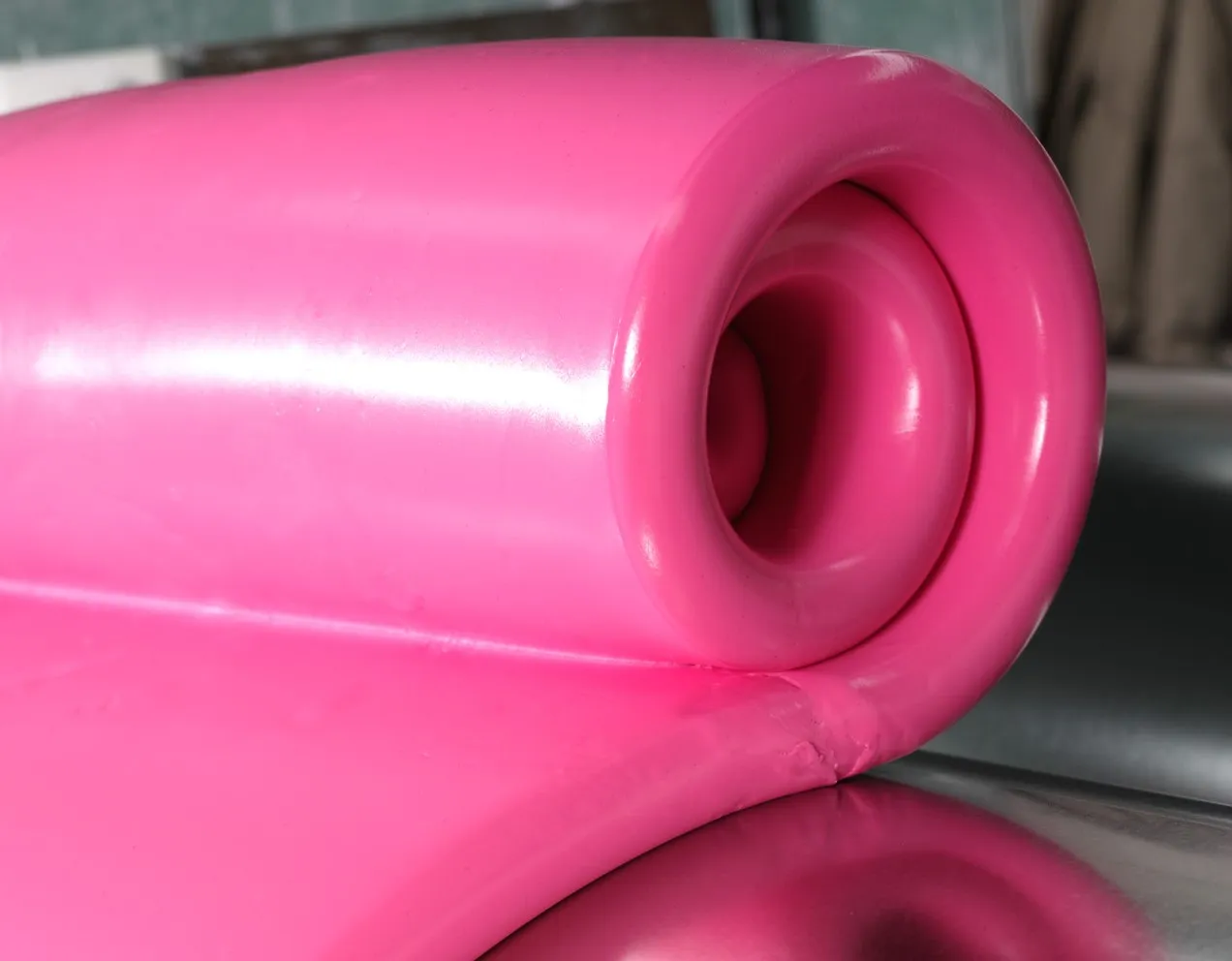
Open catalogue from manufacturer Progress Silicones (Apt, France). VMQ and PVMQ peroxide, VMQ platinum, FVMQ fluorinated, fire-retardant cellular for rail. Mass pigmentation, UL94 flame retardants, electrical conductivity, optical transparency. Mixing on our own banbury, batch-by-batch adjustment.
Progress's 19 base series define the chemical family (VMQ peroxide, VMQ platinum, FVMQ, fire-retardant cellular, electroconductive). On top of that base, Shore A hardness, expected thermal shrinkage, compression set, tear and liquid resistance, RAL colour and functional fillers are calibrated. Each lot leaves with its technical sheet and certificate of conformity.
Cure with dicumyl or bis(2,4-dichlorobenzoyl) peroxide. Solid extrusion grade from Shore A 10 to 90. Series 1, 2, 4, 7, 9, 13, 14, 16, 20, 22. FDA and CE 1935 coverage depending on series and colour. Solid and cellular.
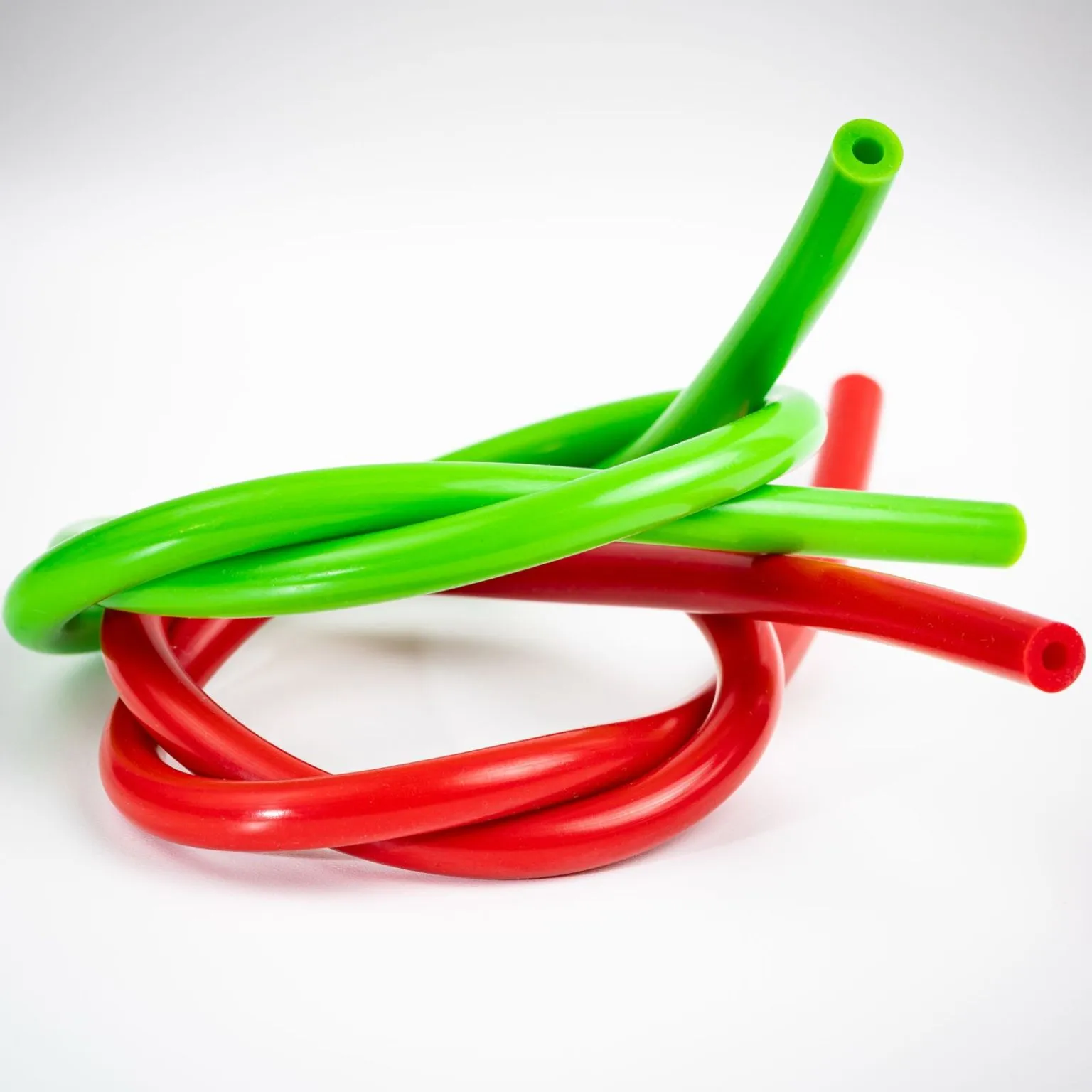
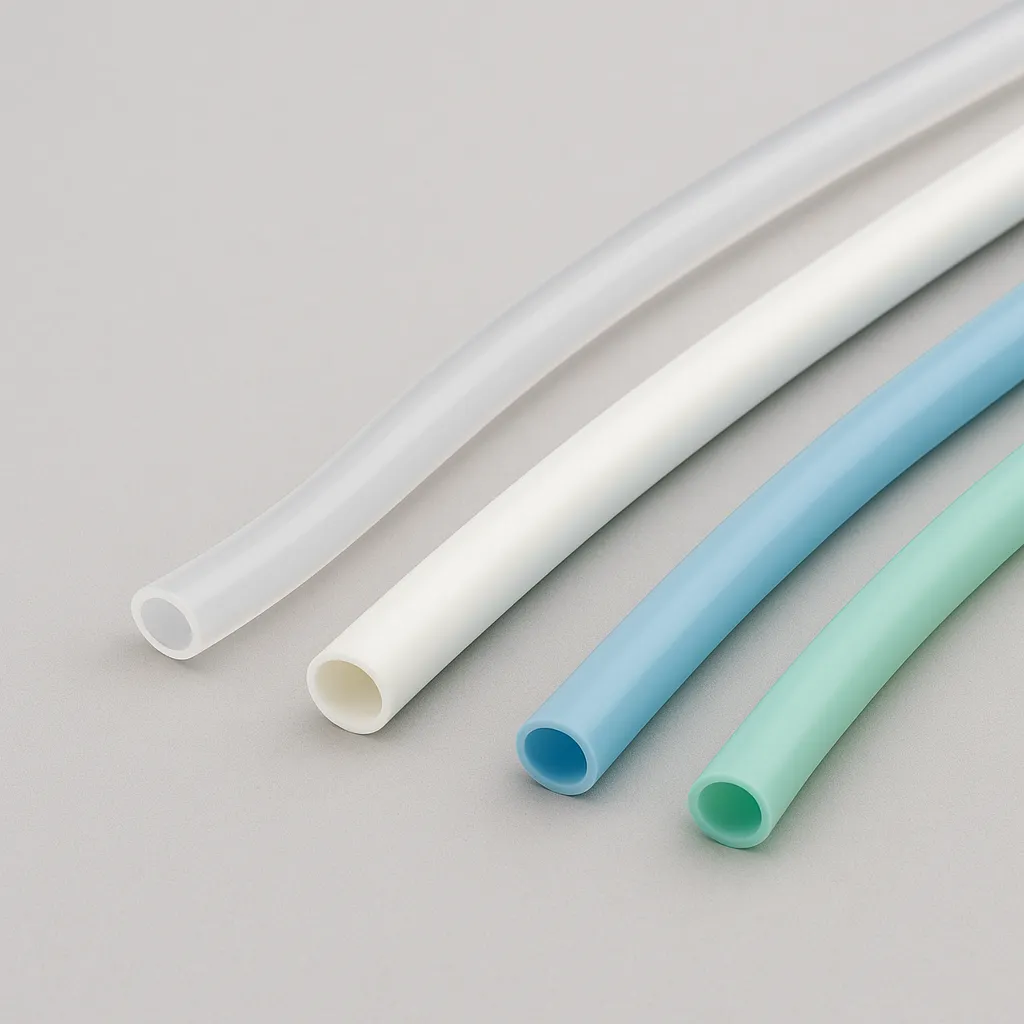
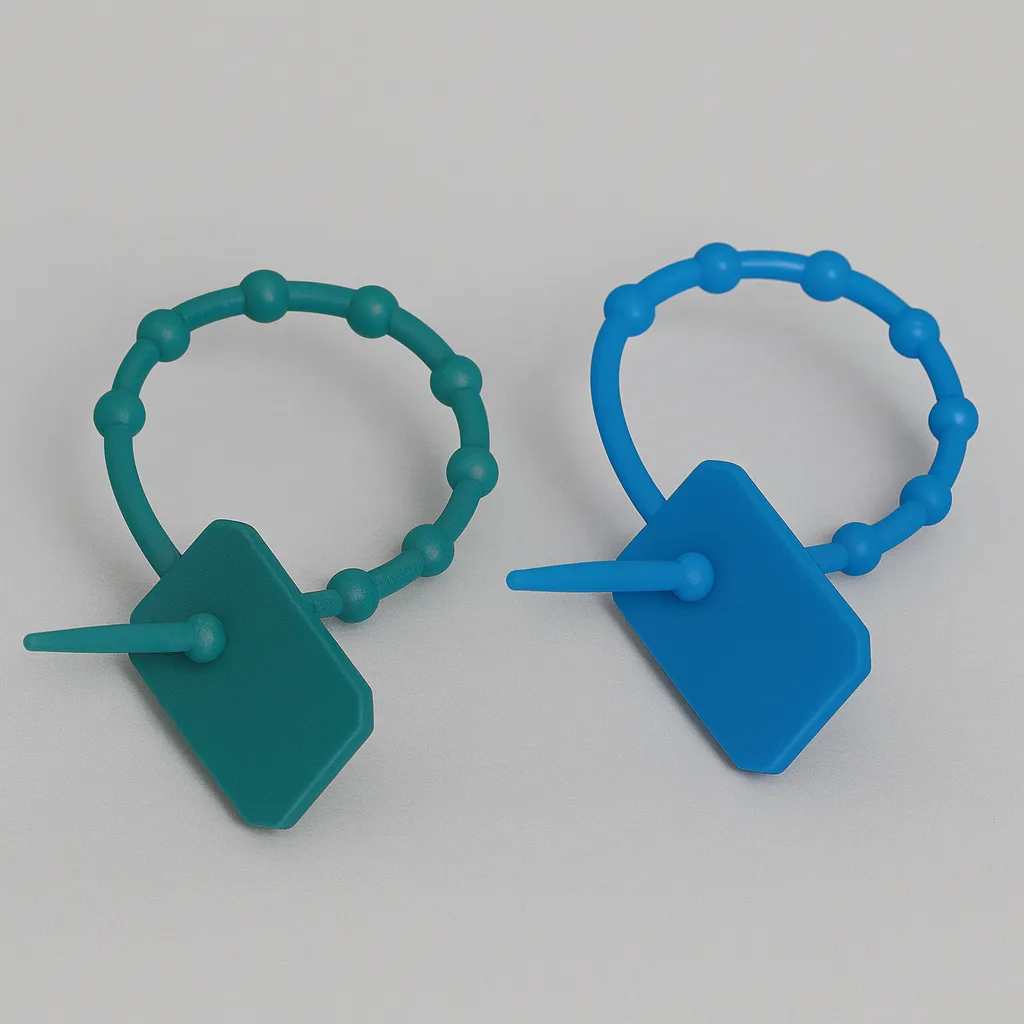
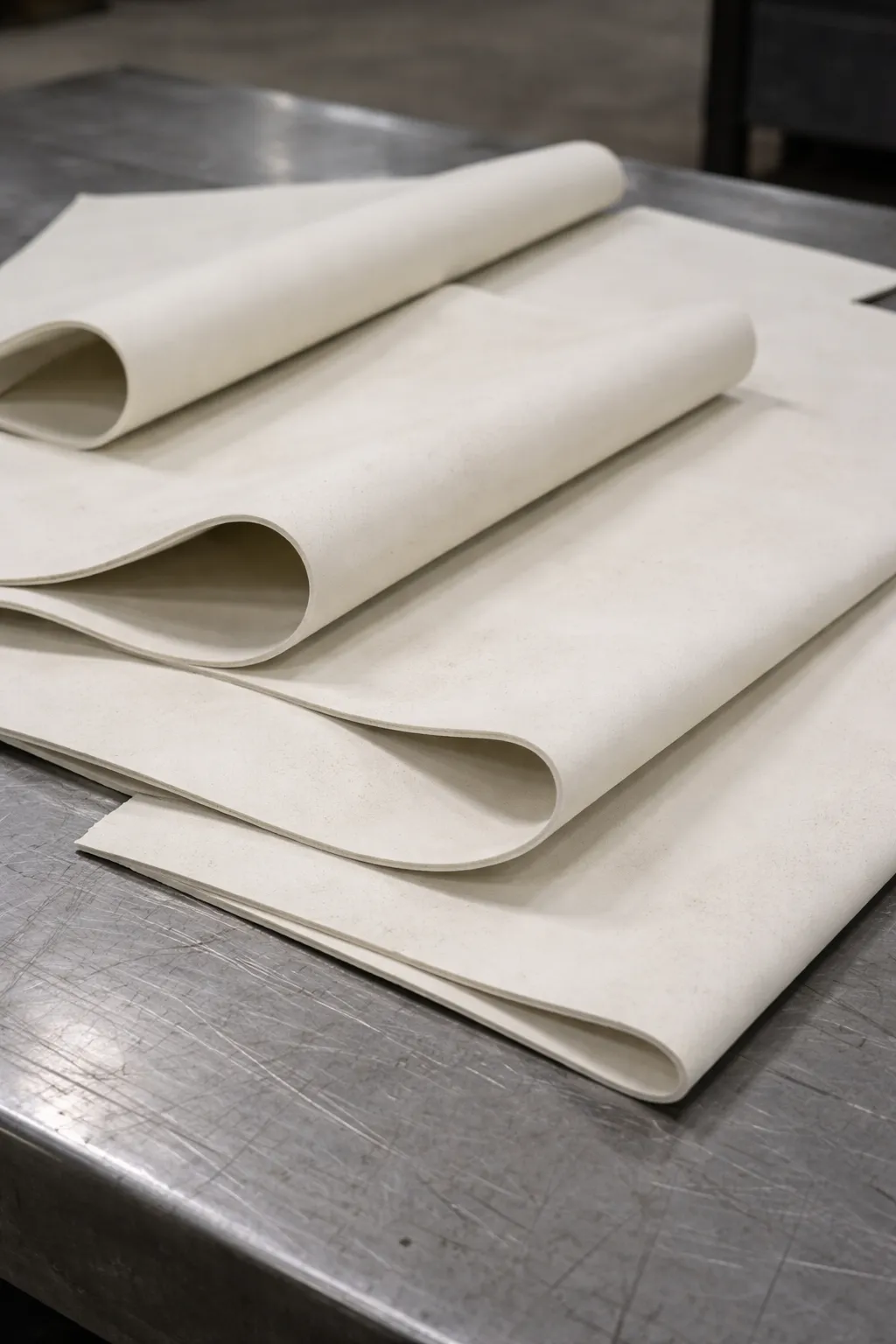
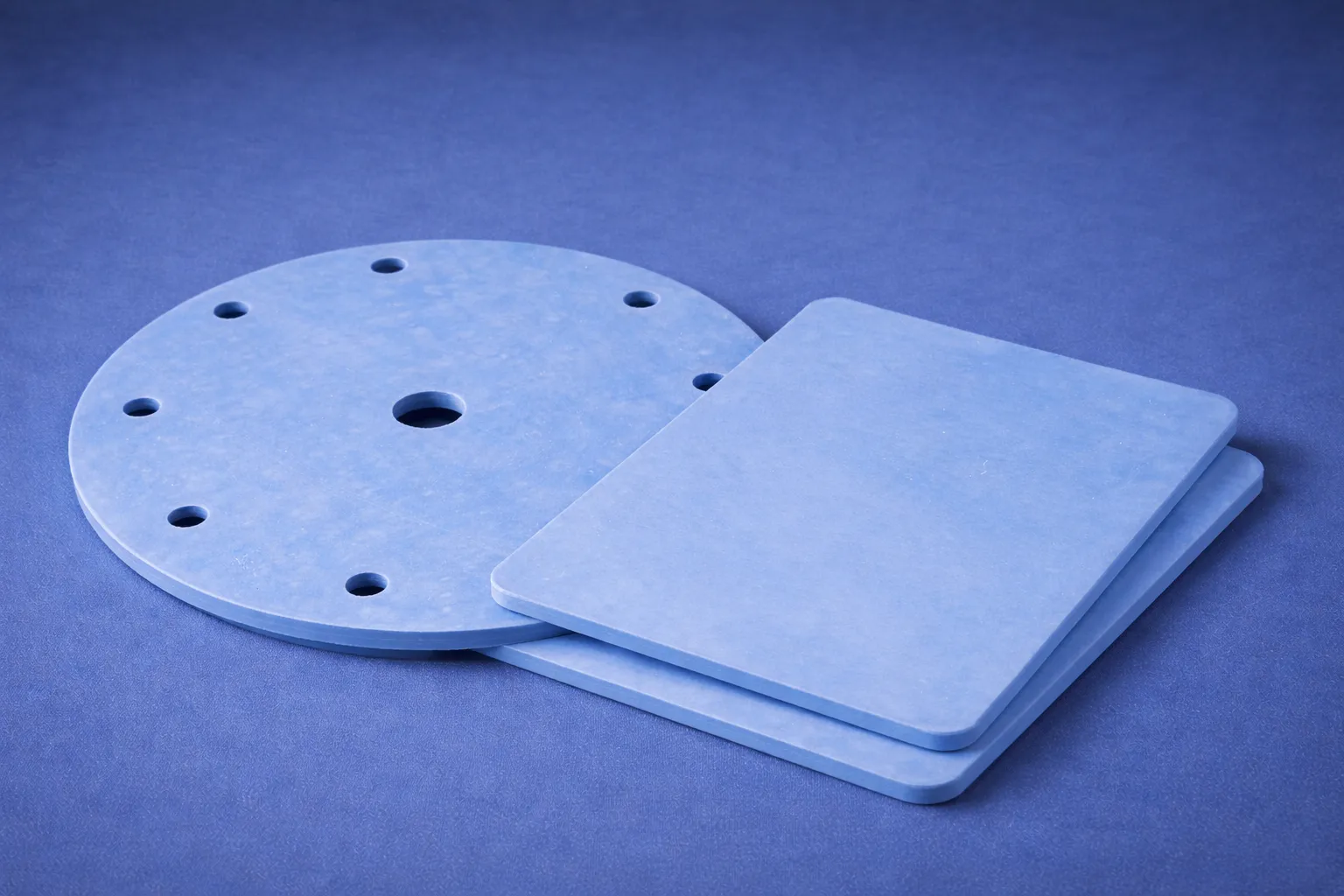
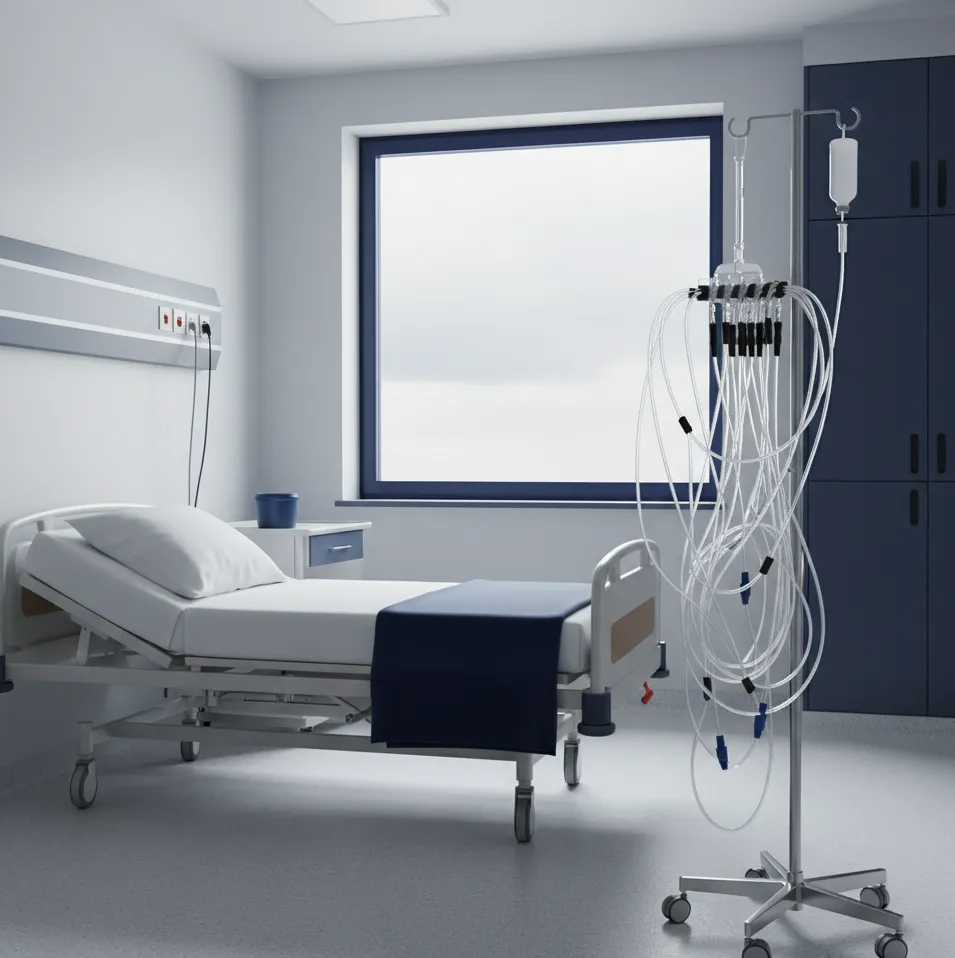
Platinum cure, no volatile by-products. Translucent by default. Series 10, 12, 15, 17, 30, 33. Food, medical, optical and peristaltic field. The S17 (NuSil base) is qualified short-term implantable (
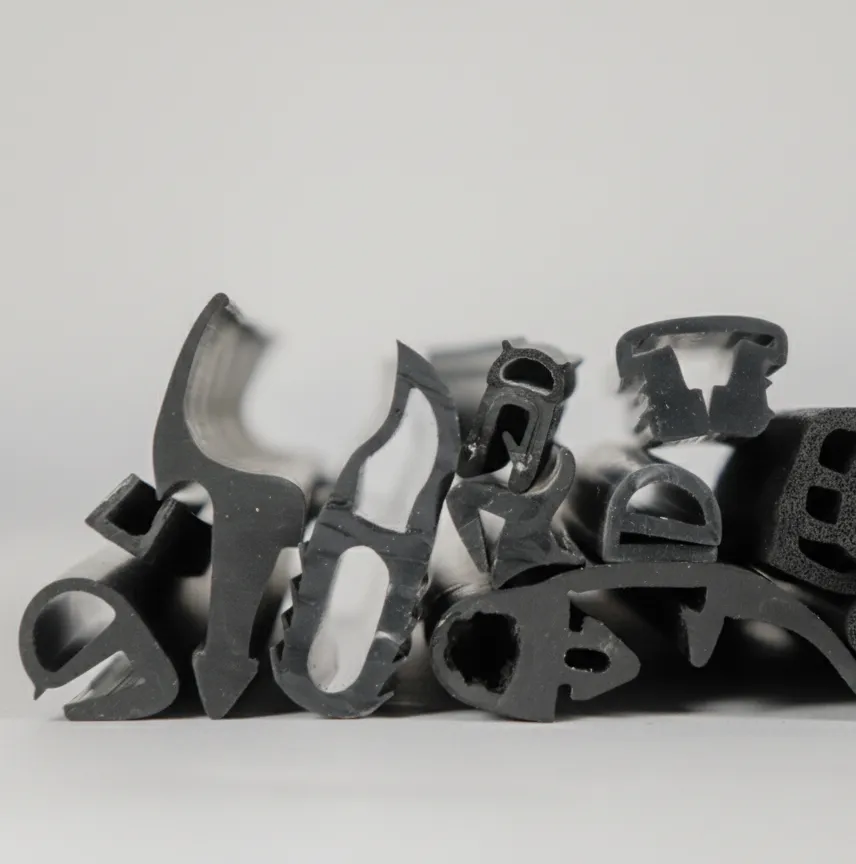
Vinyl + fluorinated chains for chemical resistance to mineral oils, petrols, kerosenes and aromatic solvents. Series 13 and 19. Shore A 40-70 hardness. Thermal range -60 / +170 °C (+220 °C transient).
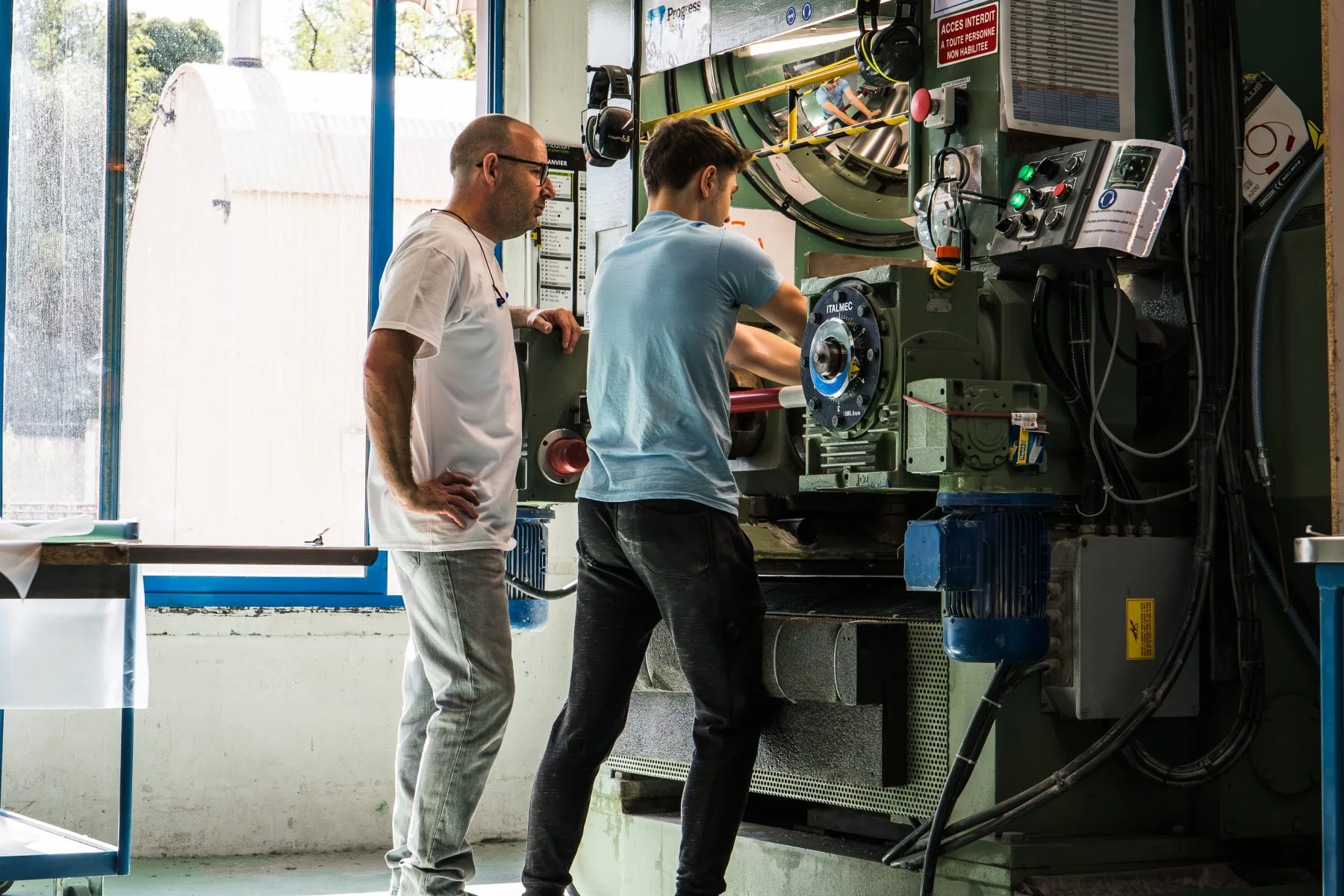
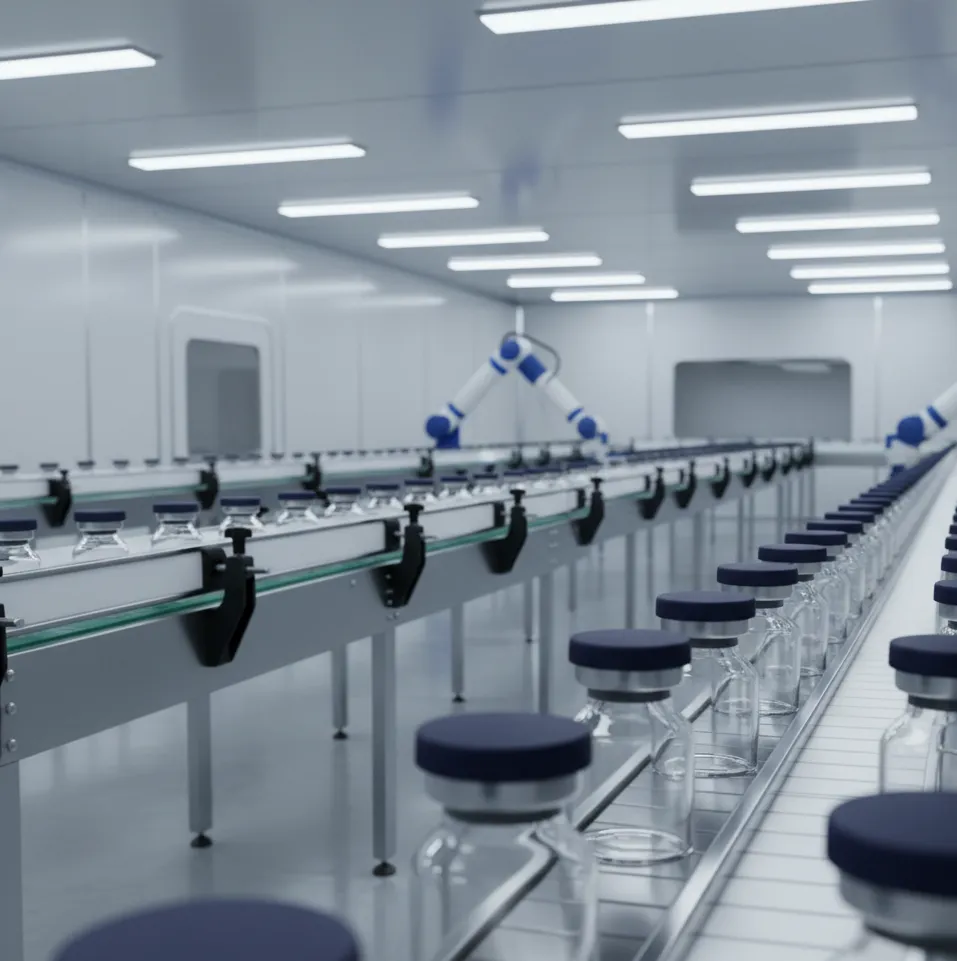
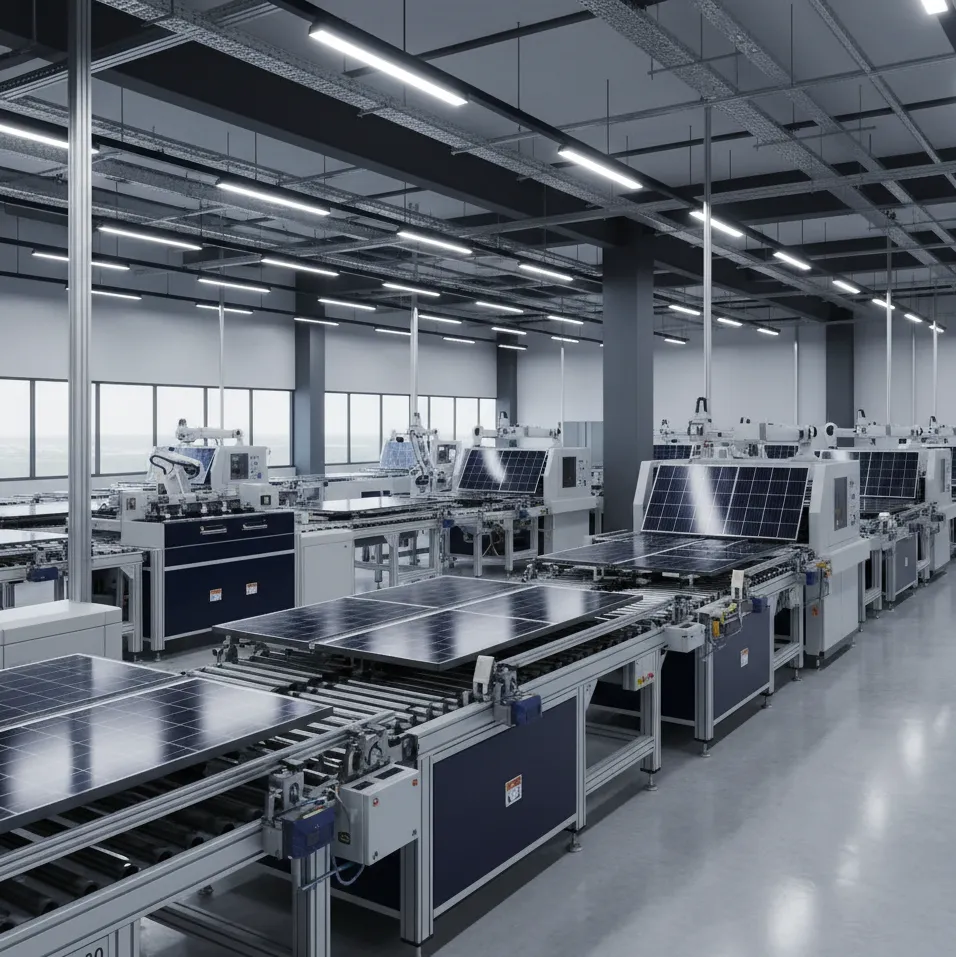
The silicone base arrives from the polymer supplier, fillers and pigments are added on an Italmec banbury, the mass is refined on a Colmec calender to homogeneous dispersion. The lot leaves with its mechanical properties sheet and certificate of conformity before extrusion or moulding is approved.
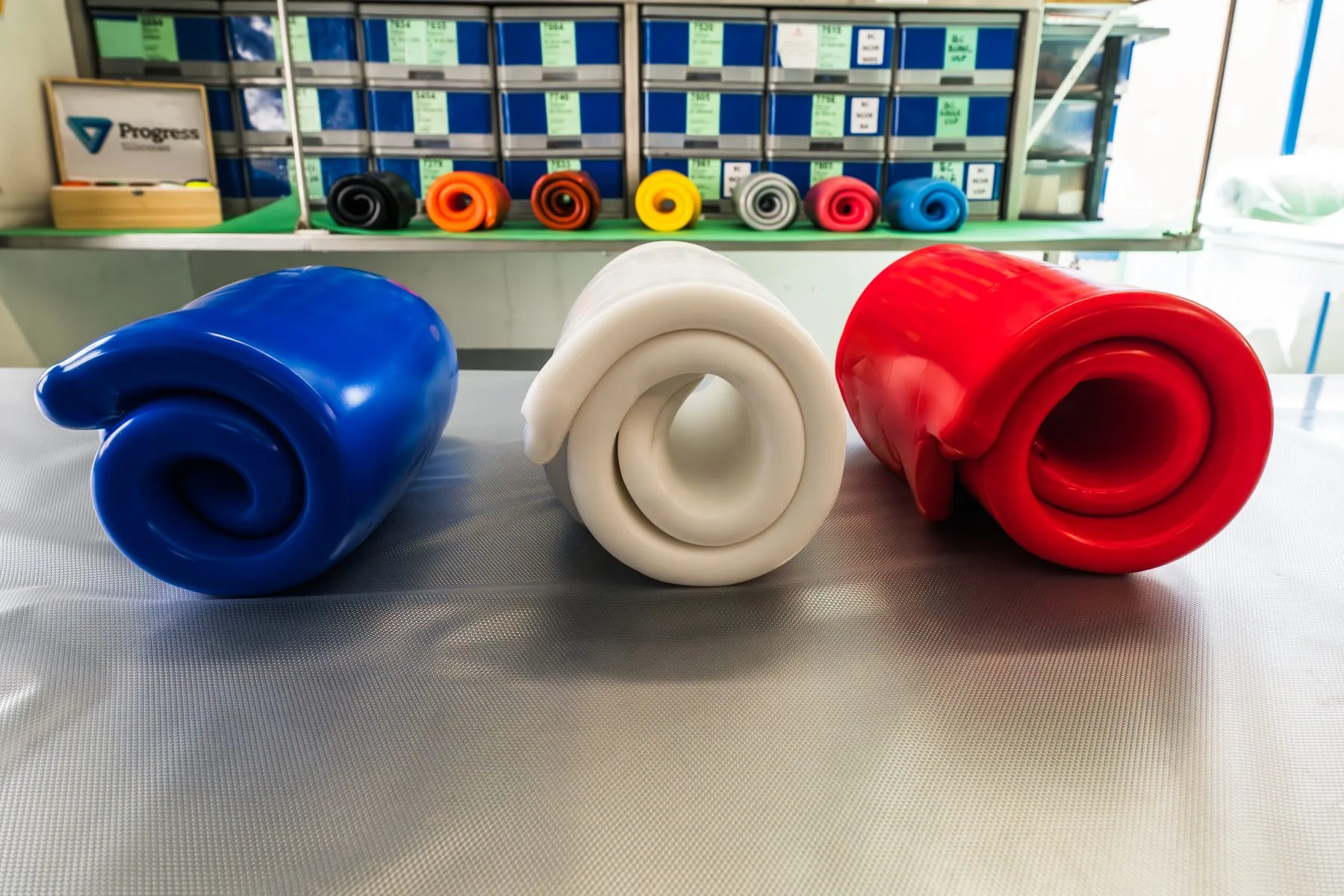
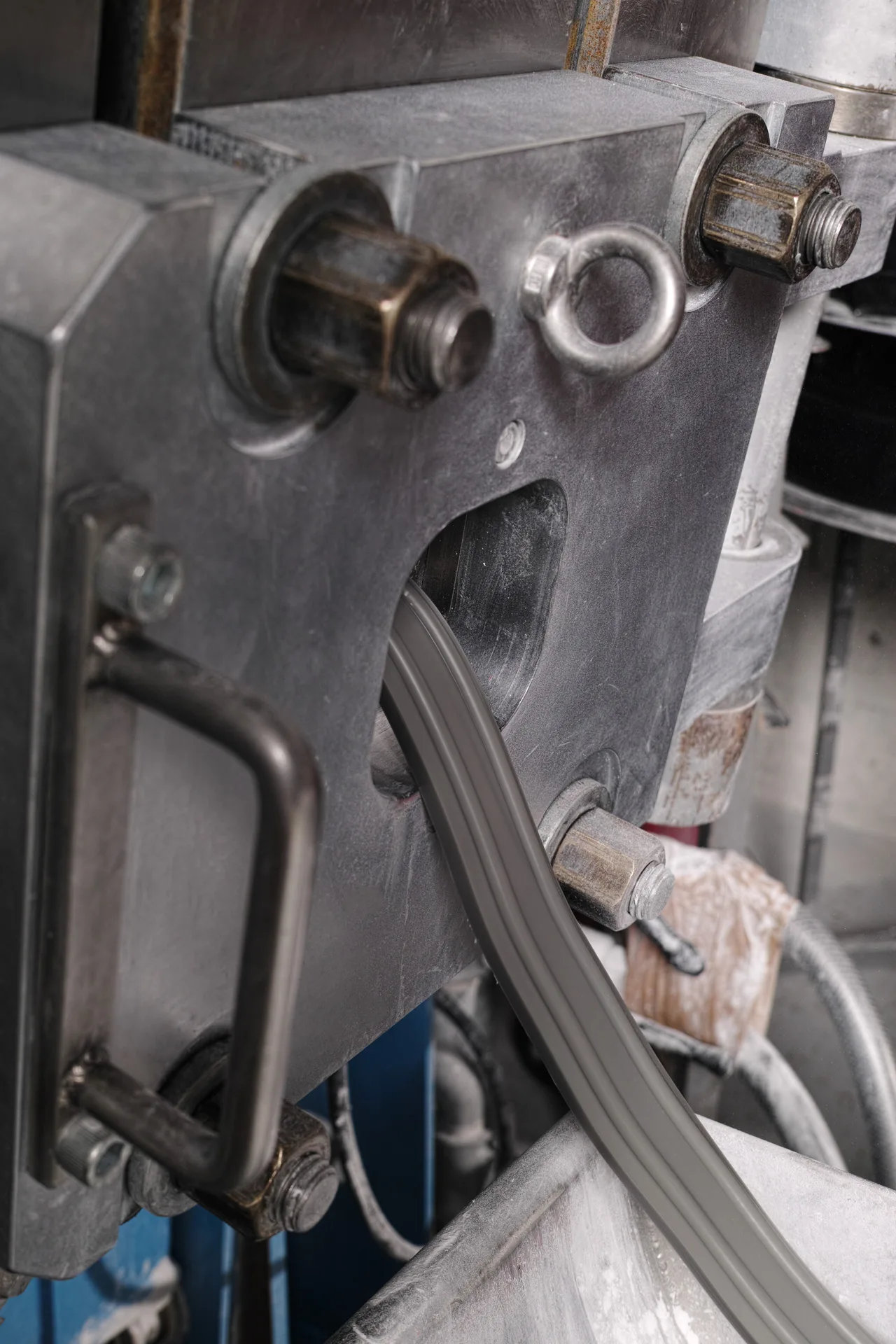
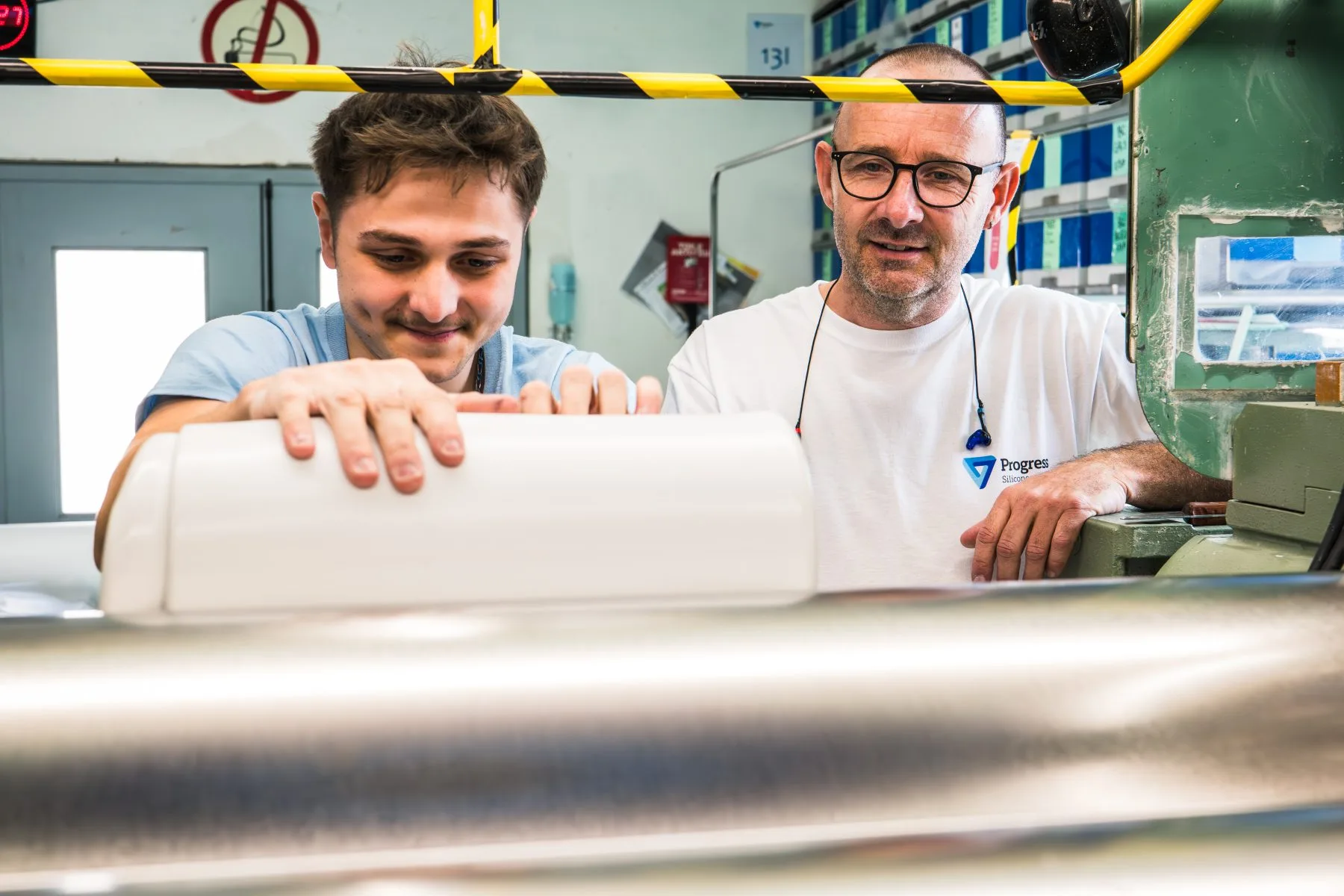
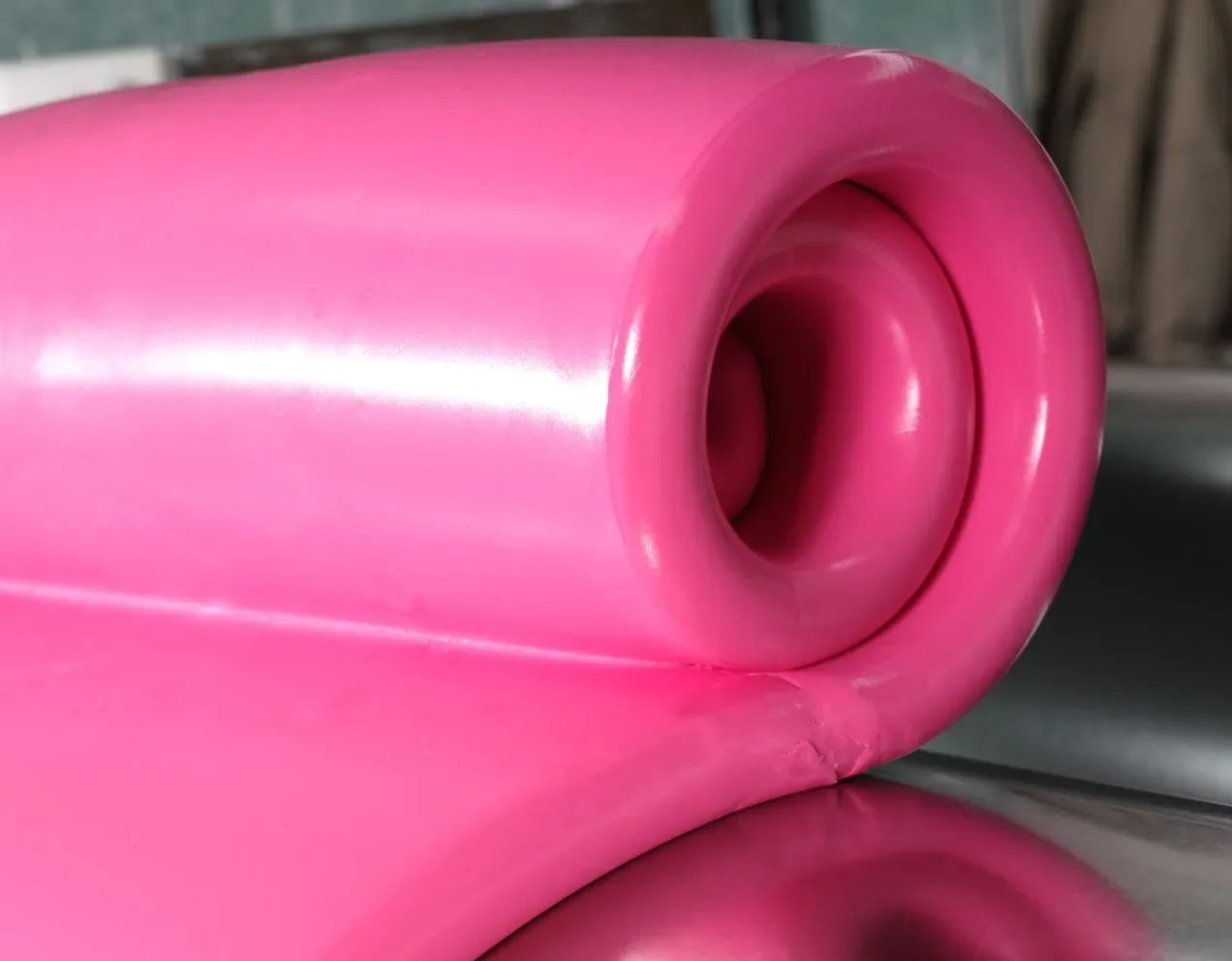
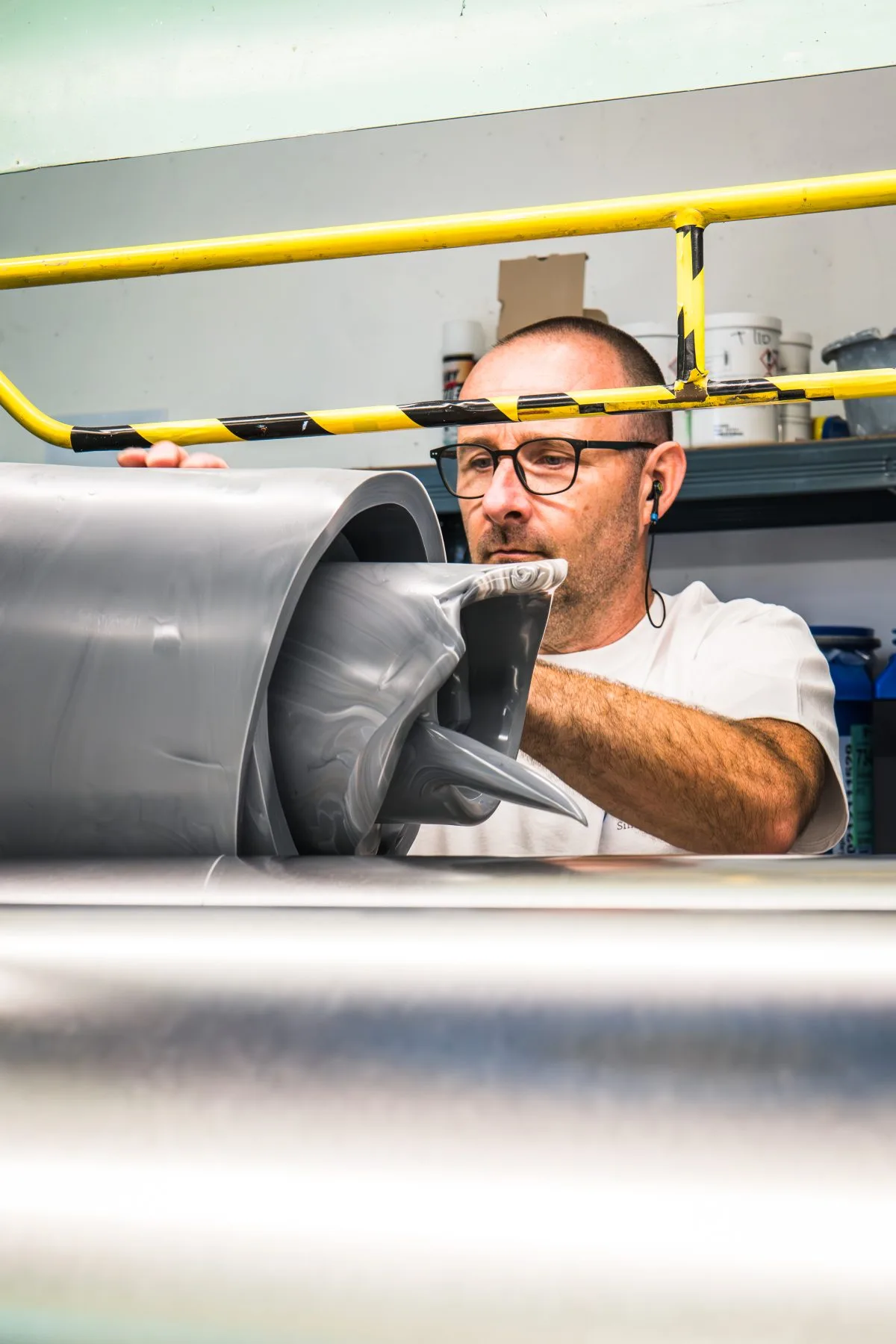
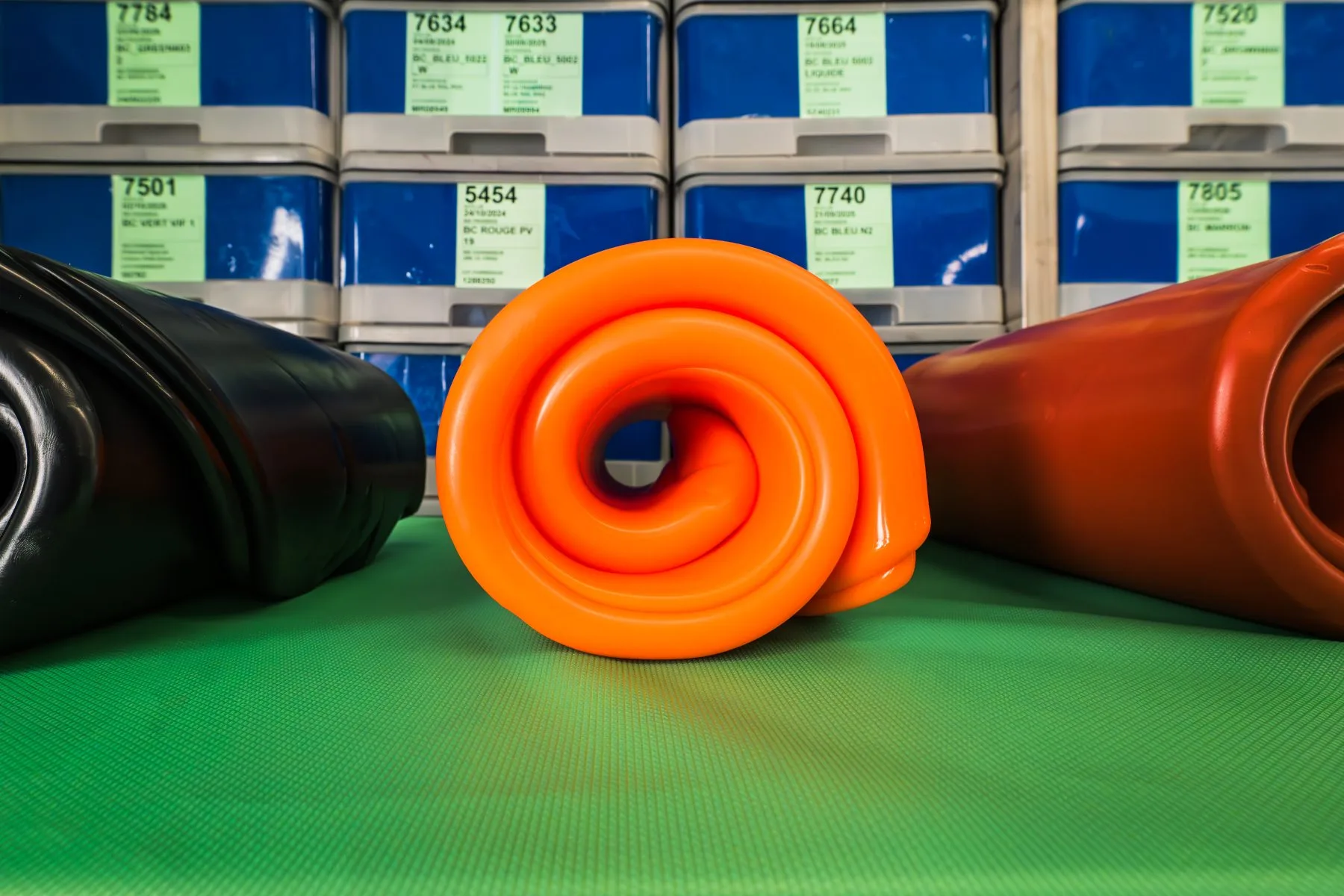
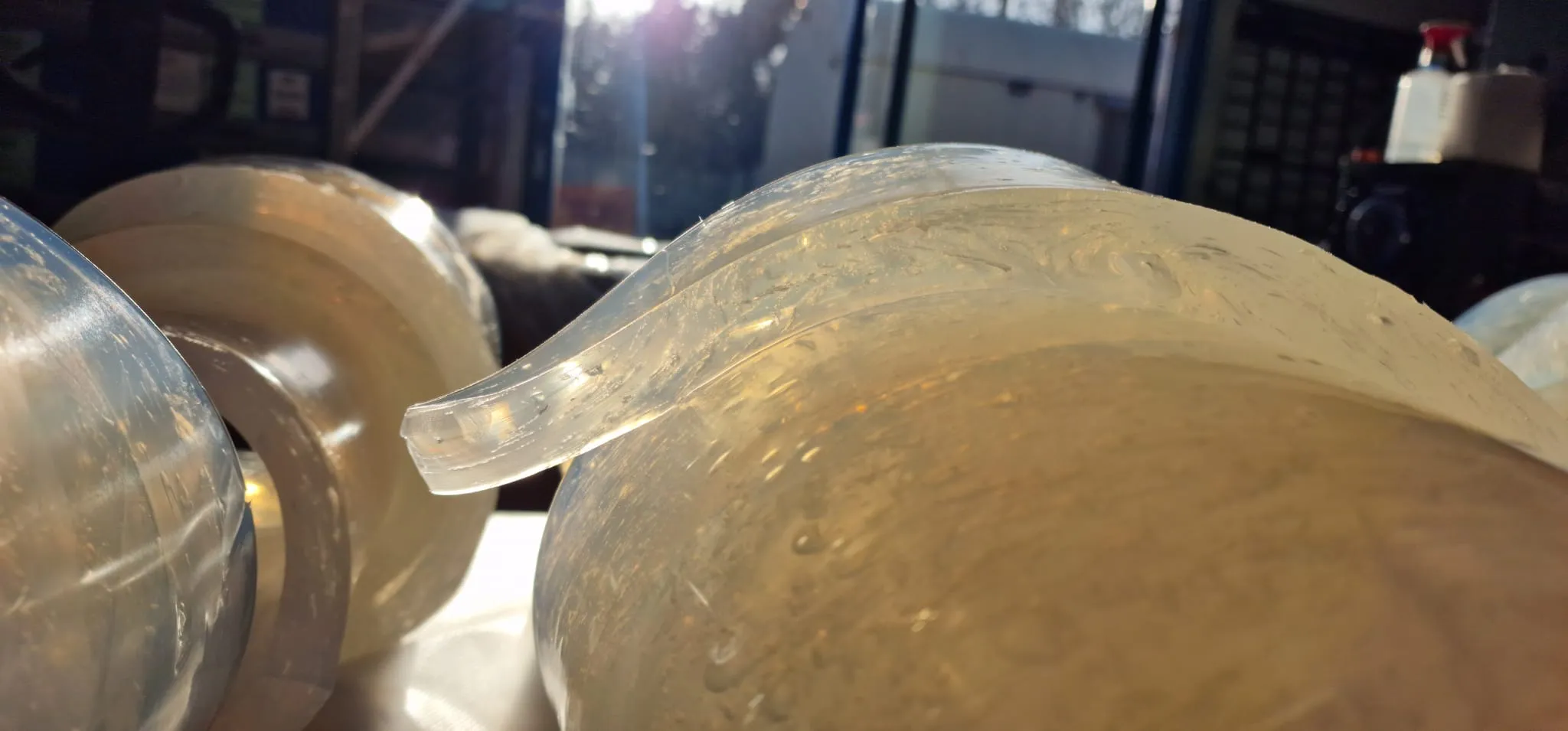
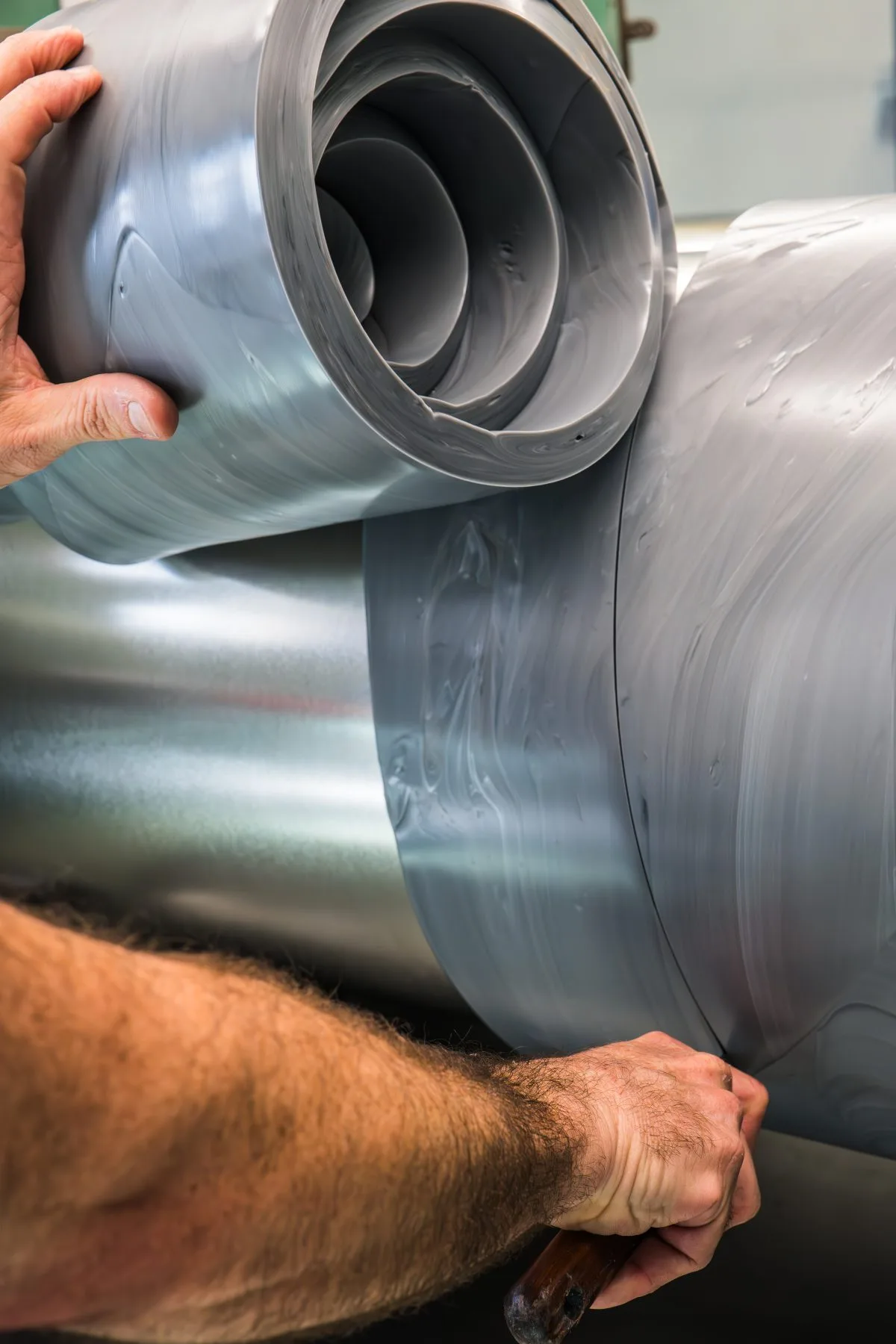
Each series defines a family of mixes with its own mechanical, thermal and chemical profile. The hardnesses and temperatures shown apply to the base; fillers and additives can widen or restrict the effective range.
| Series | Family | Catalysis | Range °C | Shore A | Characteristic use |
|---|---|---|---|---|---|
| S01 | Solid VMQ | Peroxide | −60 / +200 | 40-70 | General use, food contact |
| S02 | Solid VMQ | Peroxide | −60 / +200 (+300) | 10-90 | Versatile, food and medical |
| S04 | Solid VMQ | Peroxide | −60 / +200 | 40-80 | Low deformation, oil resistance |
| S05 | PVMQ | Peroxide | −110 / +200 | 50 | Cryogenics and vibration |
| S07 | Solid VMQ | Peroxide | −60 / +230 | 60-70 | Inflatables, abrasion |
| S09 | Solid VMQ | Peroxide | −60 / +300 (+315) | 40-68 | High continuous temperature |
| S10 | Solid VMQ | Platinum | −60 / +200 | 40-80 | Food, medical, high tear |
| S11 | VMQ + carbon | Peroxide | −50 / +210 | 50-70 | Electroconductive, black only |
| S12 | Solid VMQ | Platinum | −60 / +200 (+300) | 20-90 | Platinum versatile food and medical |
| S13 | FVMQ | Peroxide | −60 / +170 (+220) | 40-70 | Resistance to oils and solvents |
| S14 | Solid VMQ | Peroxide | −60 / +200 | 60-70 | Autoclave, steam, refrigerants |
| S15 | Cellular VMQ | Platinum | −60 / +200 | D 0.5-0.8 | Closed-cell foam, sealing |
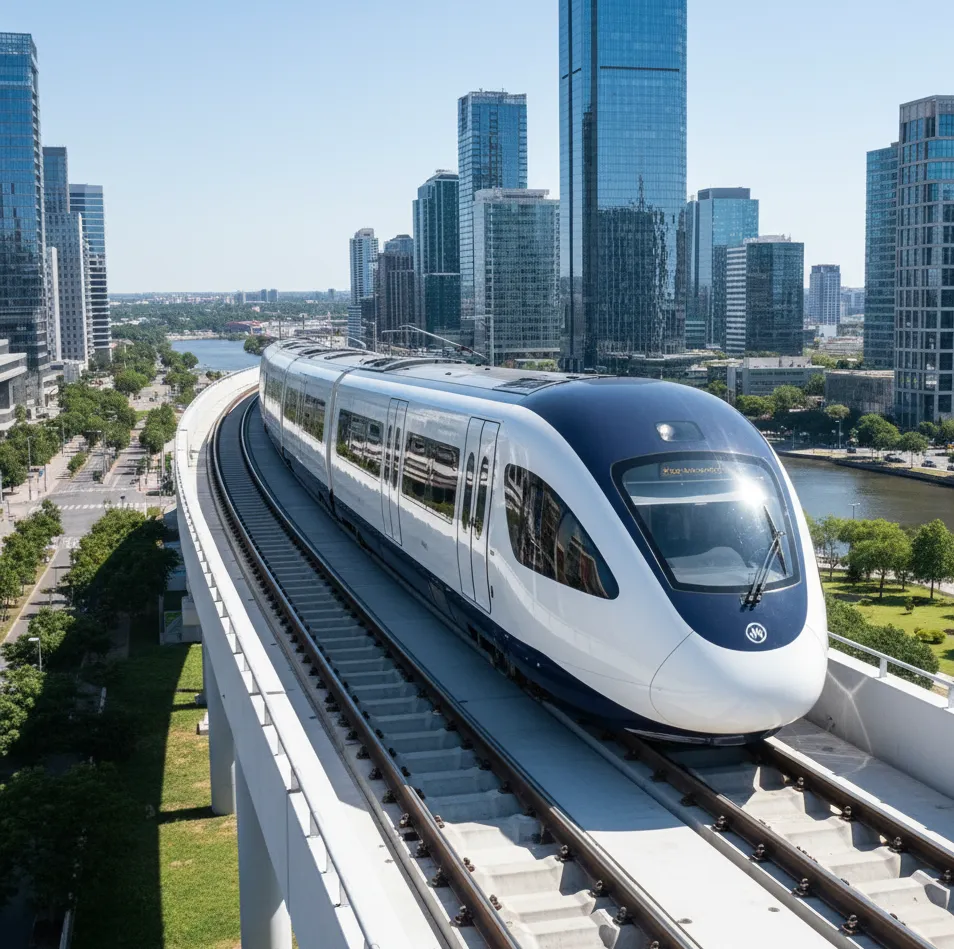
| S16 | Fire-retardant VMQ | Peroxide | −60 / +200 | 30-85 | Railway EN 45545 HL1-HL3 |
| S17 | Medical VMQ (NuSil) | Platinum | −60 / +200 | 25-80 | Short-term implantable medical |
| S19 | FVMQ (compl. S13) | — | — | — | FVMQ complementary data |
| S20 | Solid VMQ | Peroxide | −60 / +270 | 45-70 | High tear at high temperature |
| S22 | Solid VMQ | Peroxide | −60 / +200 | 40-80 | Steam and aromatic oils |
| S30 | Solid VMQ | Platinum | −60 / +180 (+215) | 50-65 | Peristaltic pumps, medical |
| S33 | Fire-retardant cellular VMQ | Platinum | −60 / +200 | Cellular | Self-extinguishing foam EN 45545 HL1-HL2 |
Once series and hardness are fixed, the mix is tuned with functional fillers. Mass pigmentation, fire retardants to UL94 and EN 45545, conductive fillers for electrostatic discharge, optical refining for transparency. Each adjustment travels with its control test.
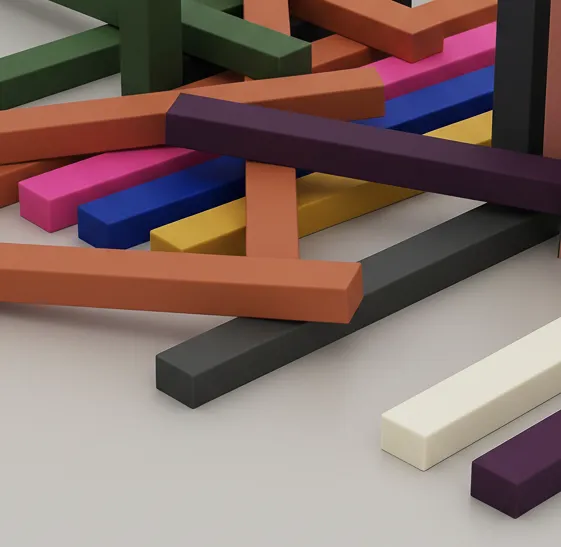
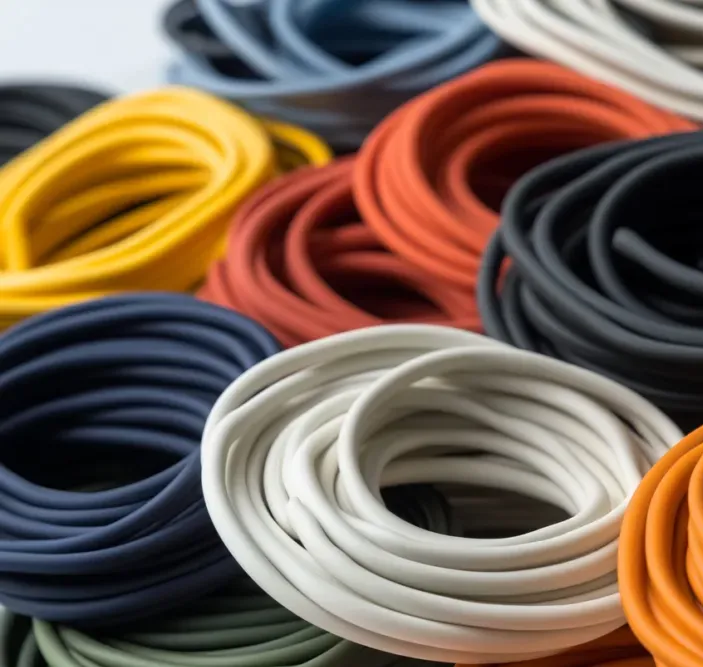
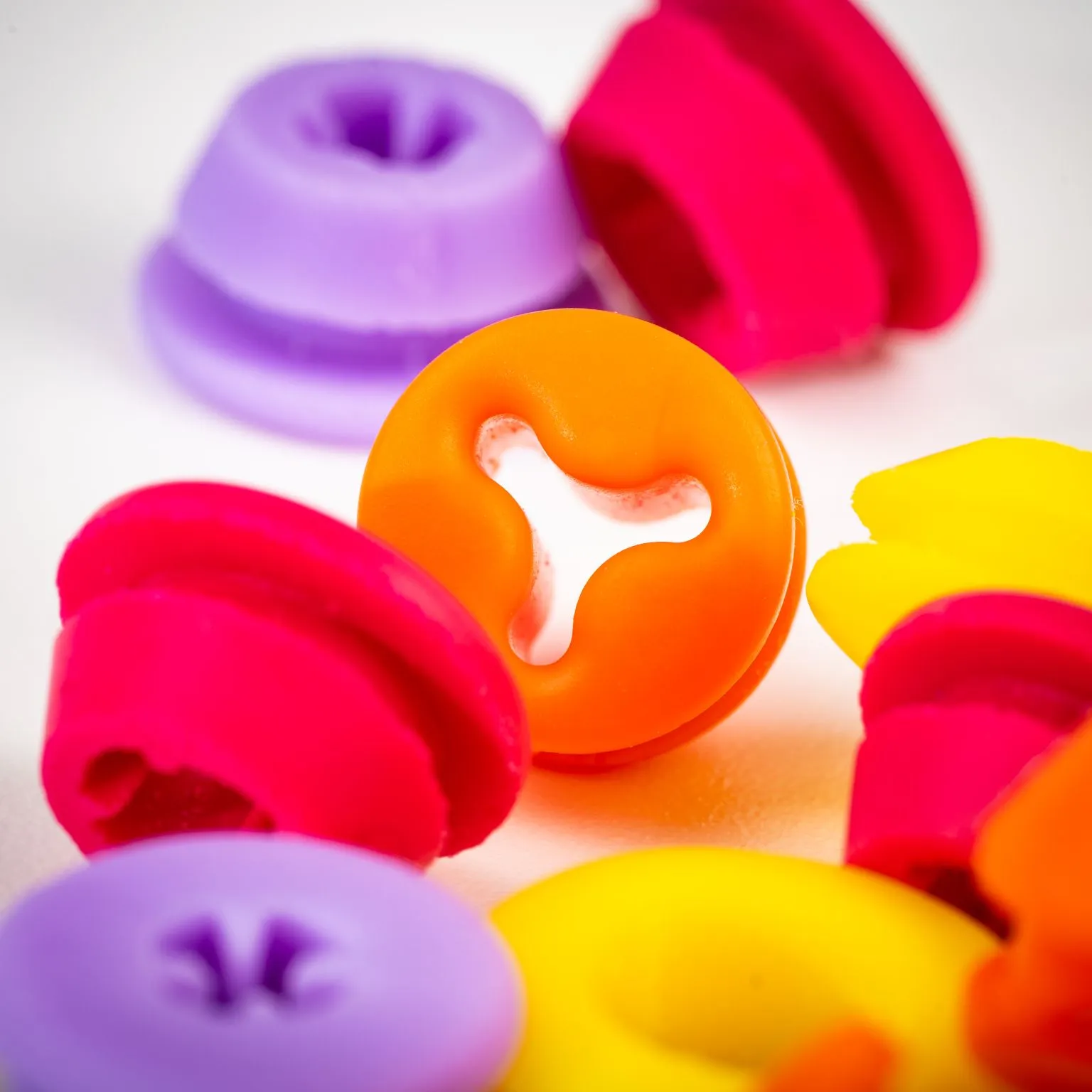
Matching against RAL chart and Minolta spectrophotometer. Mass pigmentation before extrusion or moulding — no post-painting. When the application requires food or medical certification, only colourants compatible with the standard go in; the others void the certification.
Series S16 (solid) and S33 (cellular) fire-retardant to NF EN 45545-2 with HL1, HL2 and HL3 classification by formulation. Low propagation index, low smoke emission and low toxicity — approval for railway vehicles.
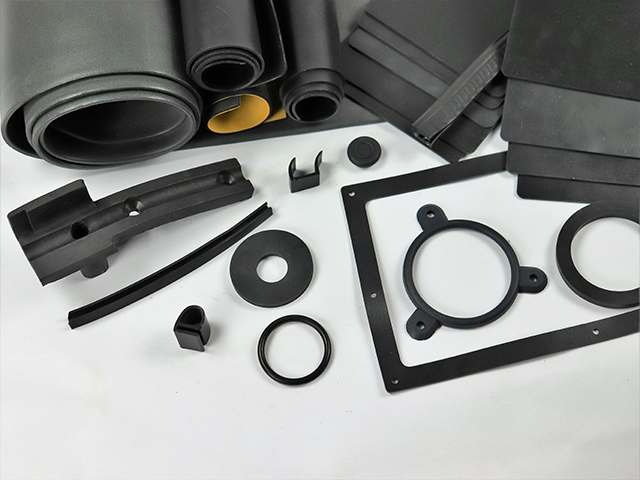
Series S11 with carbon fillers · resistivity ≤ 4-12 Ω·cm, hardnesses 50 and 70 ShA. Electrostatic dissipation for electronics, industrial devices and controlled atmospheres. Available in black only.
Platinum series S10, S12, S17 and S30 in translucent grades. Medical series in radiopaque versions for X-ray detection. High light transmission in press optics versions, no yellowing under temperature.
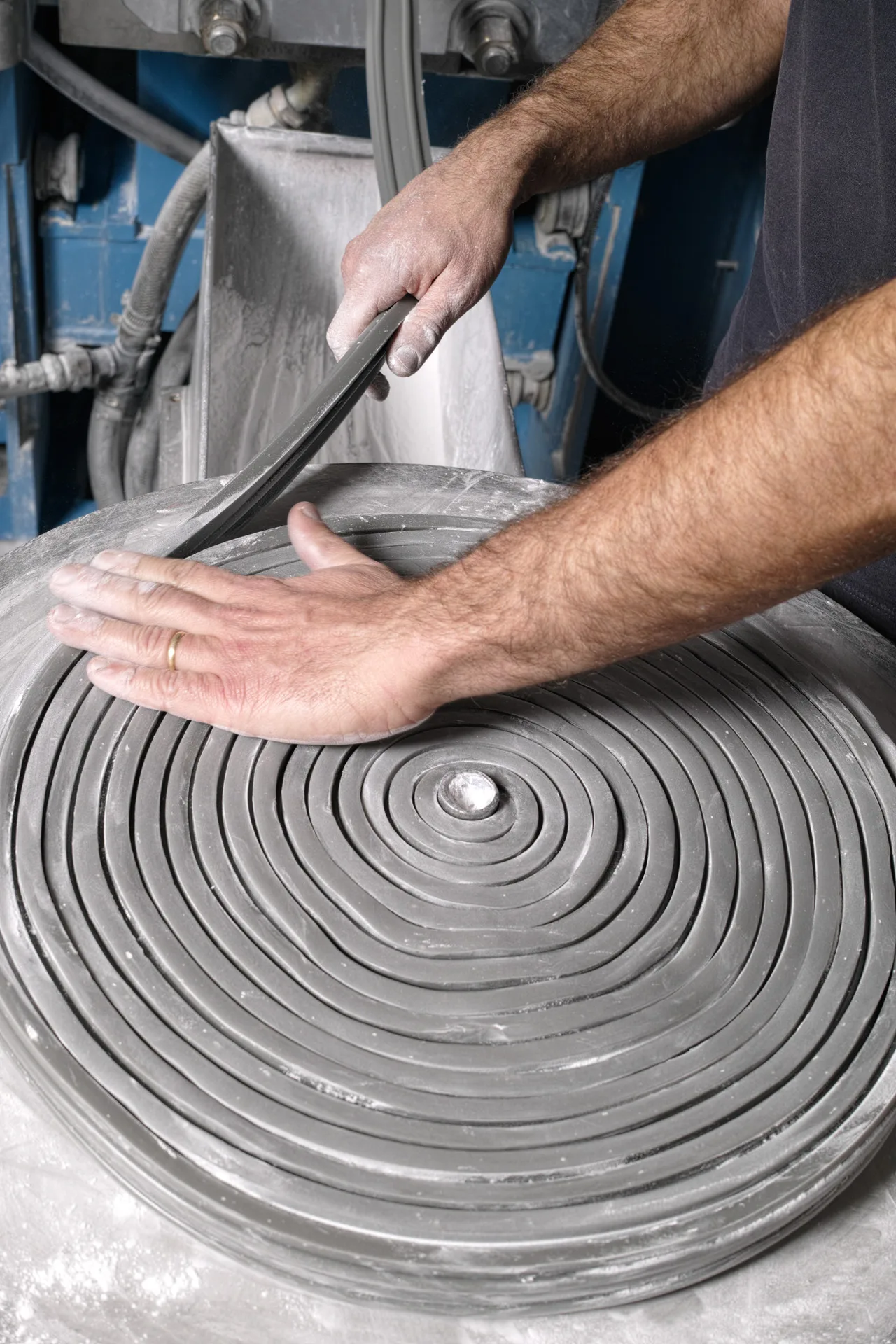
Before mixing, raw materials enter with the supplier's certificate of analysis (CoA). Each banbury assigns a unique lot number that travels from the first charge to the finished product packing — extrusion, calendering, moulding, post-cure, packing.
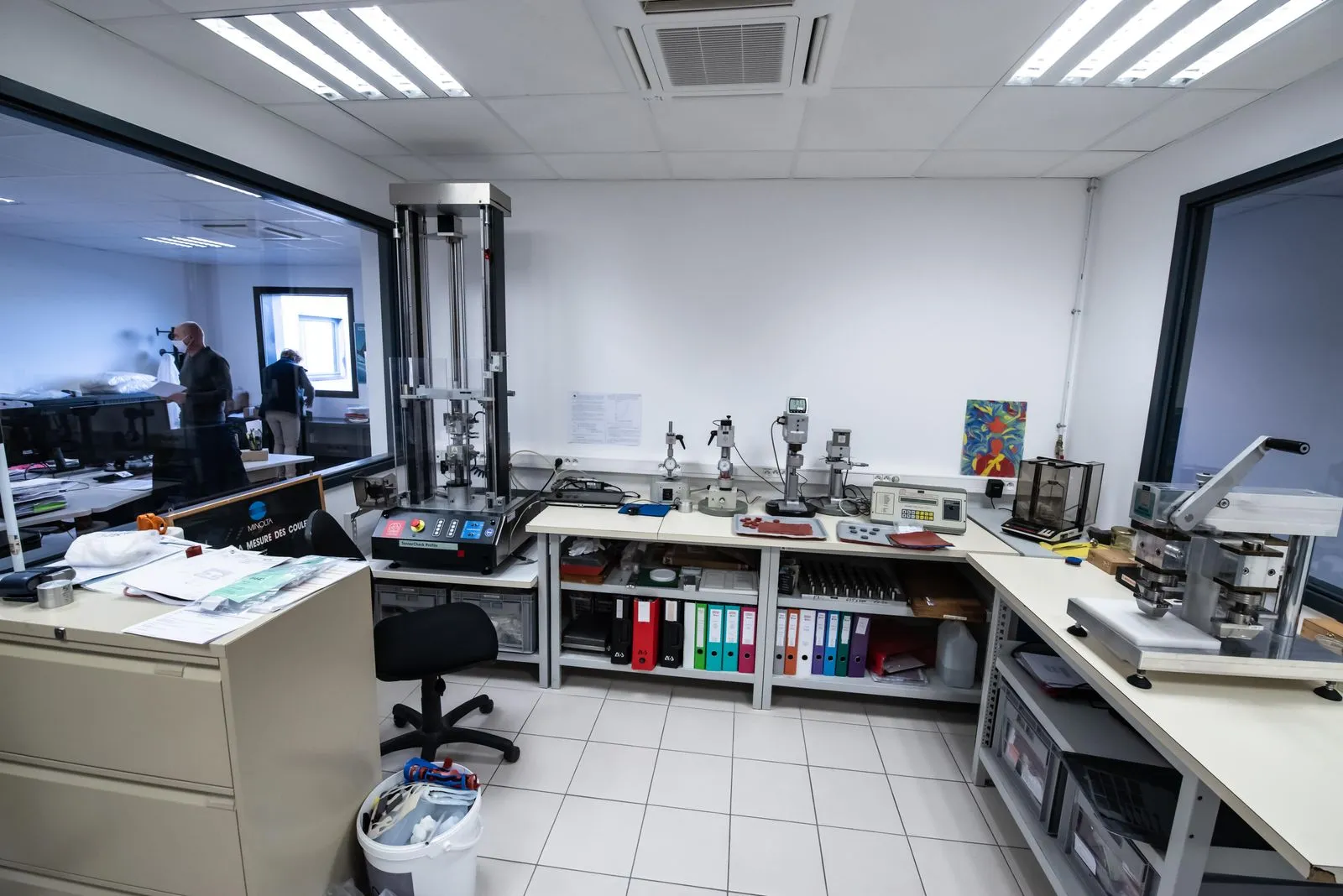
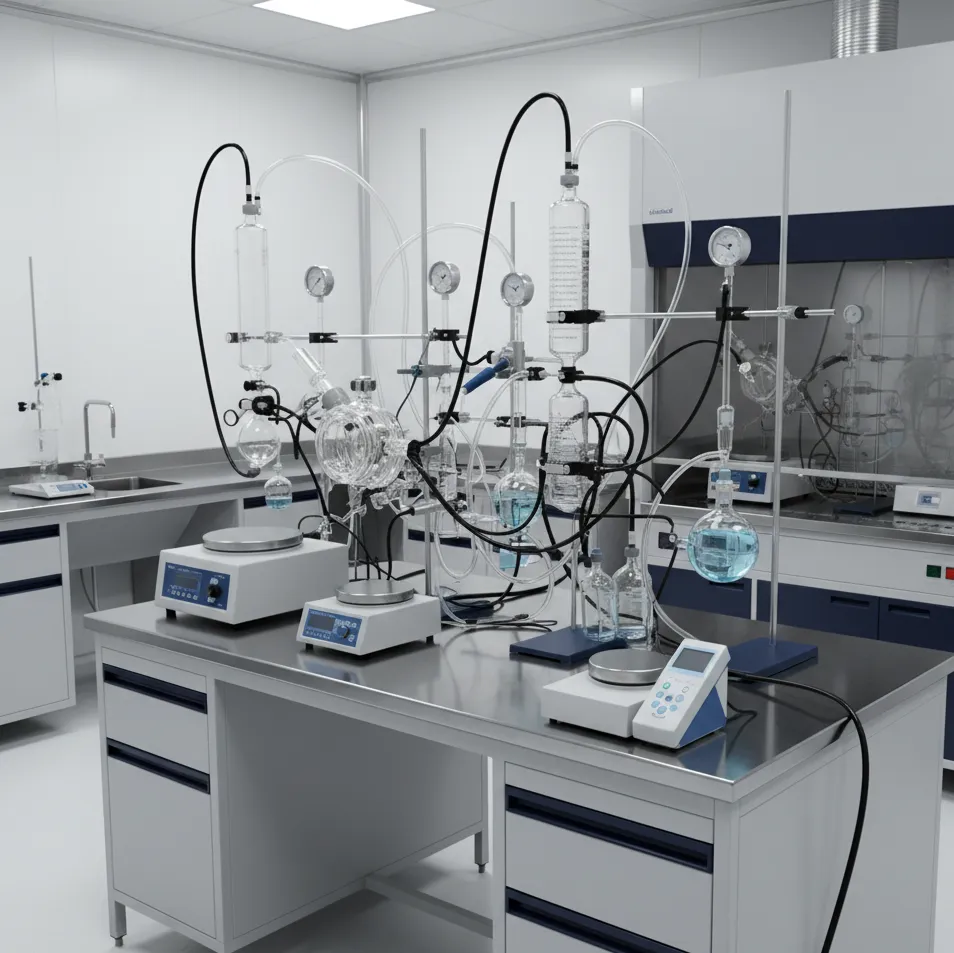
The lot is characterised in the laboratory with extensometer, Shore A durometer, micrometers and analytical balance. Hardness, tensile strength, elongation at break, compression set and density are recorded in the lot sheet and kept for ten years for audit.
Summary of what each series covers under the most-consulted standards. Progress holds the system and product certifications. ProSilicones64 may reference them in context, not declare them as its own.
| Series | FDA | CE 1935 | BfR | ISO 10993 | USP VI | EN 45545 | REACH | RoHS |
|---|---|---|---|---|---|---|---|---|
| S01 | ✓ | ✓ | ✓ | — | — | — | ✓ | ✓ |
| S02 | ✓ | ✓ | ✓ | ✓* | ✓* | — | ✓ | ✓ |
| S04 | ✓ | — | — | — | — | — | ✓ | ✓ |
| S05 | — | — | — | — | — | — | ✓ | ✓ |
| S07 | ✓ | — | — | — | — | — | ✓ | ✓ |
| S09 | ✓ | — | — | — | — | — | ✓ | ✓ |
| S10 | ✓ | ✓ | ✓ | ✓* | ✓* | — | ✓ | ✓ |
| S11 | — | — | — | — | — | — | ✓ | ✓ |
| S12 | ✓ | ✓ | ✓ | ✓* | ✓* | — | ✓ | ✓ |
| S13 | — | — | — | — | — | — | ✓ | ✓ |
| S14 | ✓ | — | ✓ | — | — | — | ✓ | ✓ |
| S15 | ✓ | ✓ | ✓ | — | — | — | ✓ | ✓ |
| S16 | — | — | — | — | — | HL1-HL3 | ✓ | ✓ |
| S17 | — | — | — | ✓* | ✓ | — | ✓ | ✓ |
| S19 | — | — | — | — | — | — | ✓ | ✓ |
| S20 | ✓ | — | — | — | — | — | ✓ | ✓ |
| S22 | ✓ | — | — | — | — | — | ✓ | ✓ |
| S30 | ✓ | — | — | ✓* | ✓ | — | ✓ | ✓ |
| S33 | — | — | — | — | — | HL1-HL2 | ✓ | ✓ |
Each regulated sector demands a different combination of system, product and test standards. The base series are picked for technical compatibility; the certifications are confirmed case by case according to colourants, fillers and the end customer's validation.
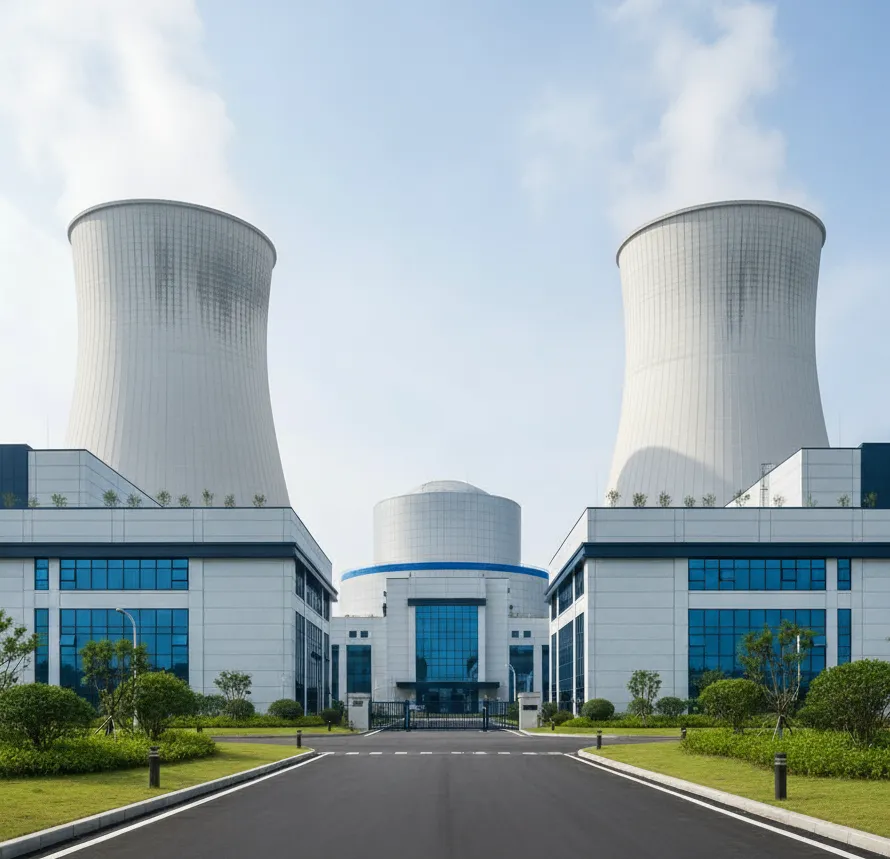
ISO 9001 (all sectors) · ISO 13485 (medical devices) · EN 9100 (aerospace, moulding 50D and extrusion 61D) · NF EN ISO 19443 (nuclear chain). System standards certify the organisation, not the material.
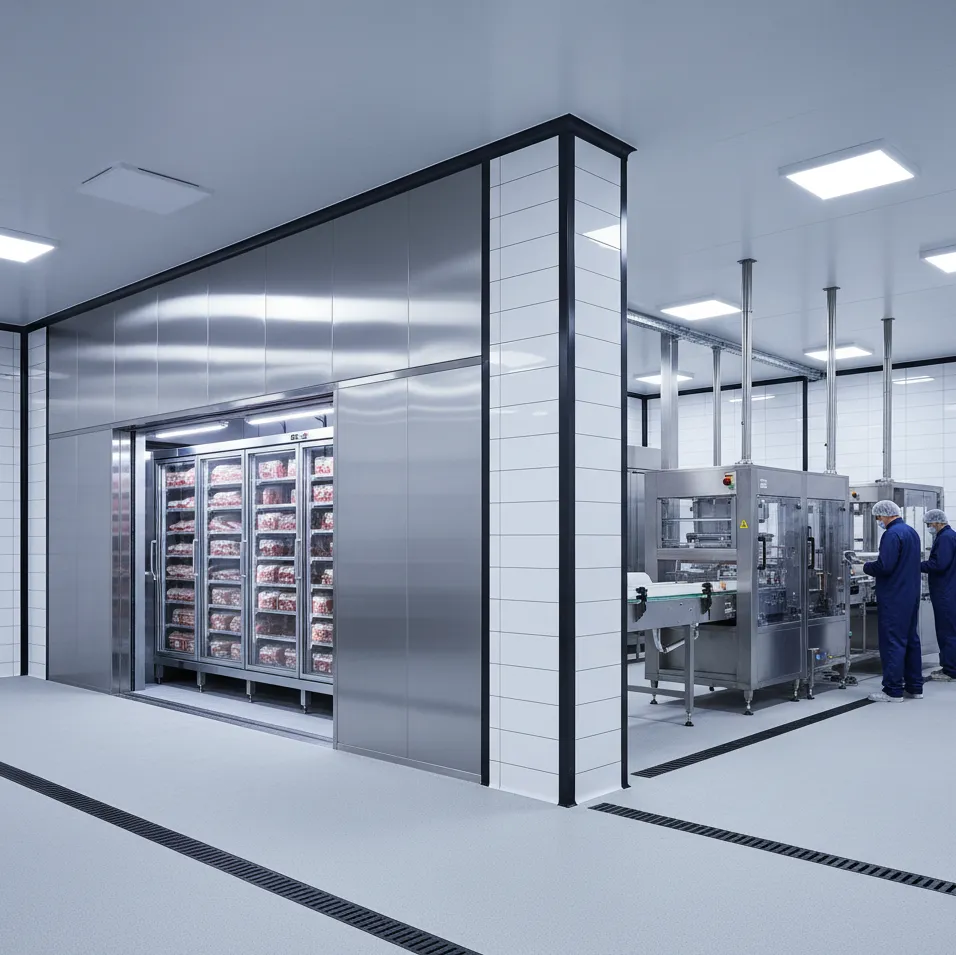
FDA 21 CFR §177.2600 (US) · CE 1935/2004 (Europe) · BfR IX and XV (Germany) · Arrêté 25/11/1992 and 5/08/2020 (France, teats and dummies). Series covered: 1, 2, 4, 7, 9, 10, 12, 14, 15, 20, 22, 30.
ISO 10993-1/10 and USP Class VI (biocompatibility testing) · ISO 13485 (QMS) · NF EN ISO 14971 (risk management) · MDR 2017/745 (European regulation). Series 2, 10, 12, 17 and 30. Only the S17 (NuSil base) is qualified short-term implantable (
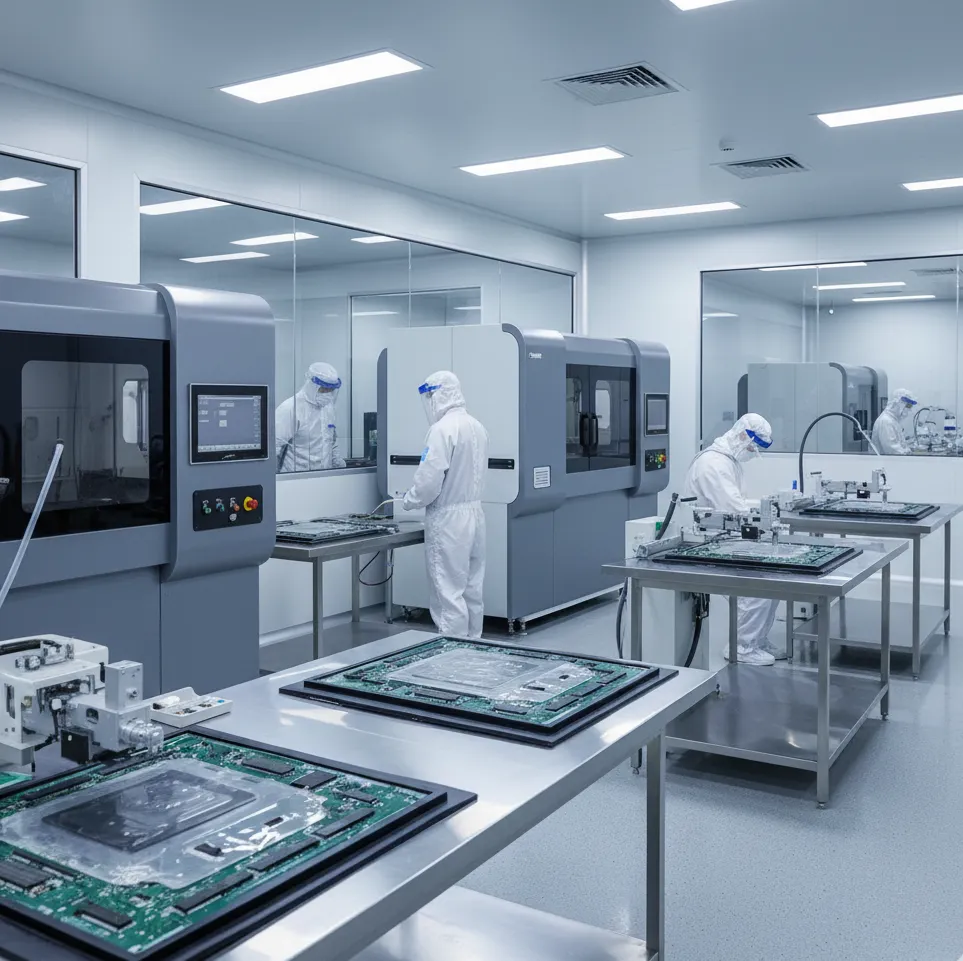
NF EN 45545-2 (rail · fire behaviour) with HL1-HL3 classification · NF EN 2259/2260/2261 (aerospace, hardnesses 50/60/70 DIDC) · NF L17-106 (Ariane CDC). Rail series 16 and 33. Aerospace production in ISO 8 cleanroom.
Send us the target Shore A hardness, the thermal range, the contact medium (food, steam, oils, fuels), the sector standard and the RAL colour or reference. We confirm the applicable series, the recommended mix, the available certifications and the sample lead time. No order commitment.