






















Conductive Silicone Sheet
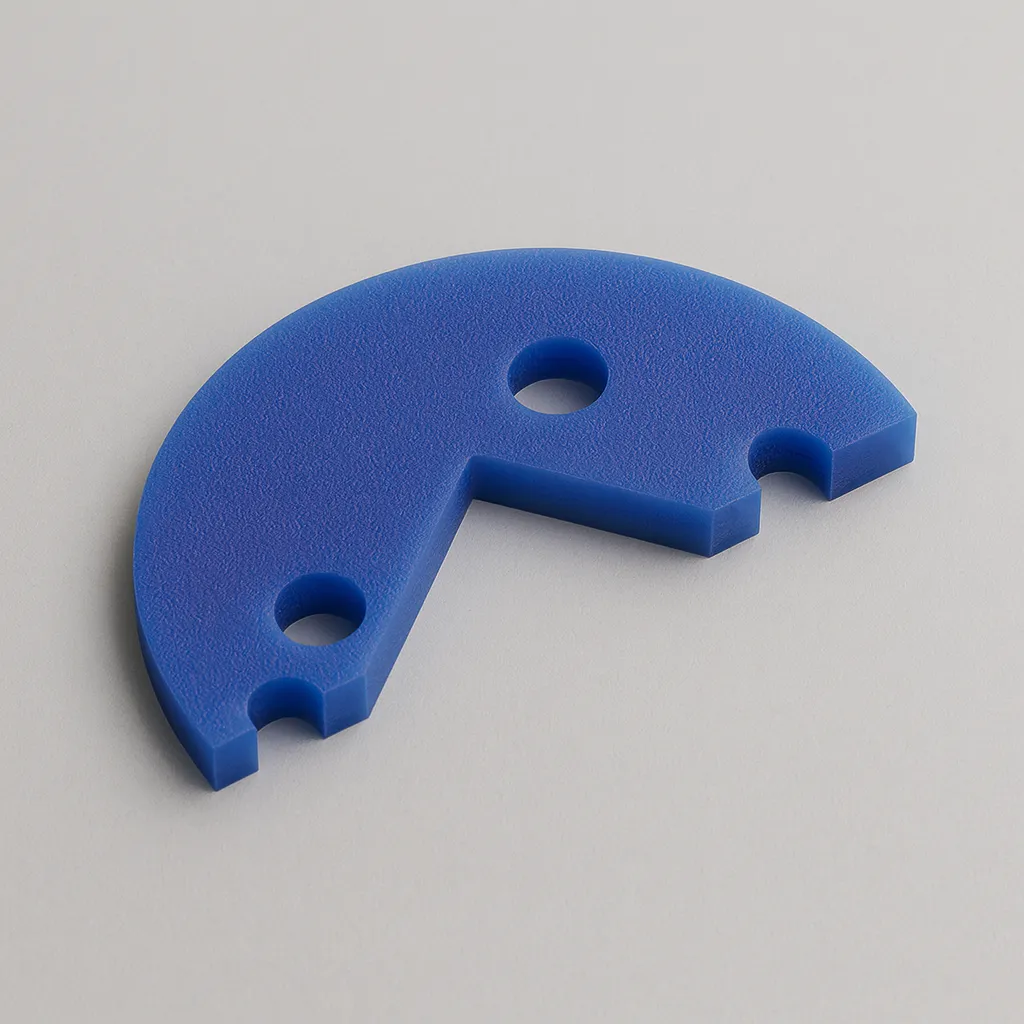
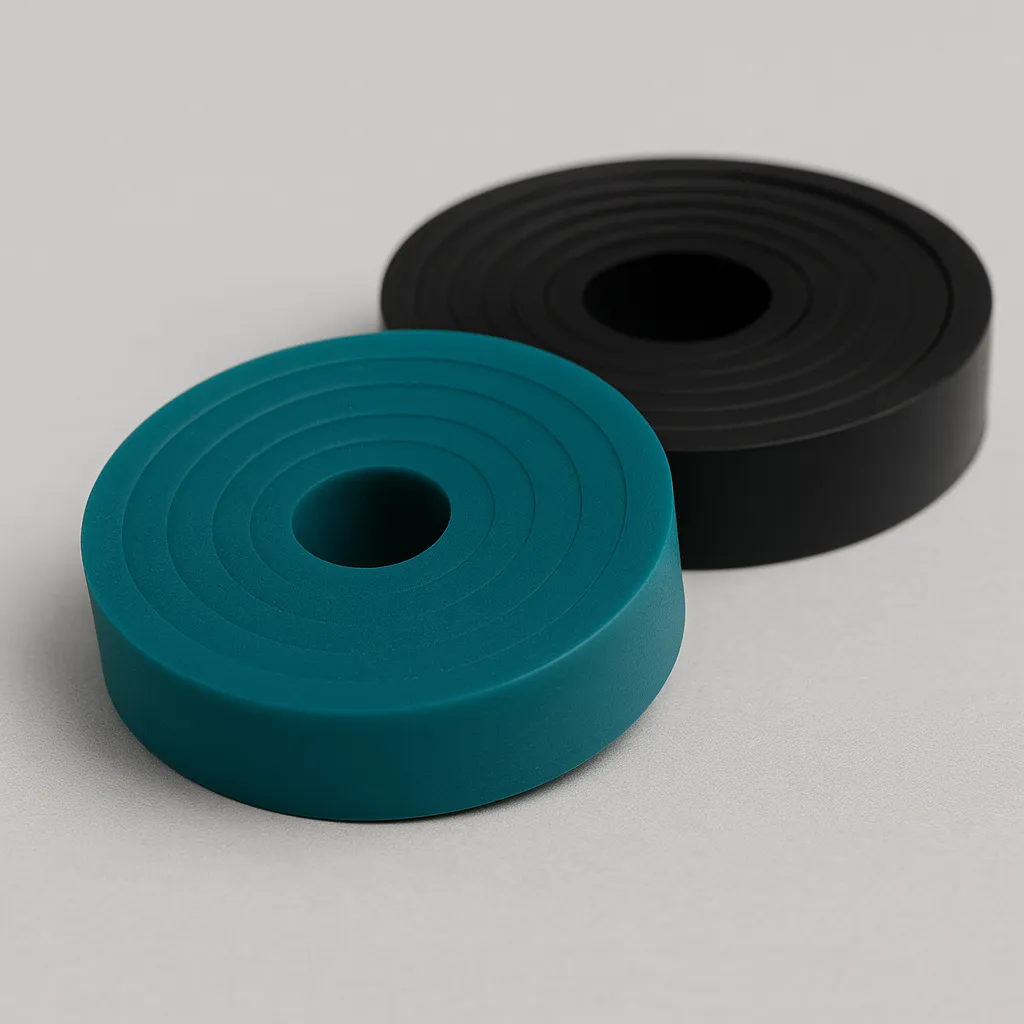
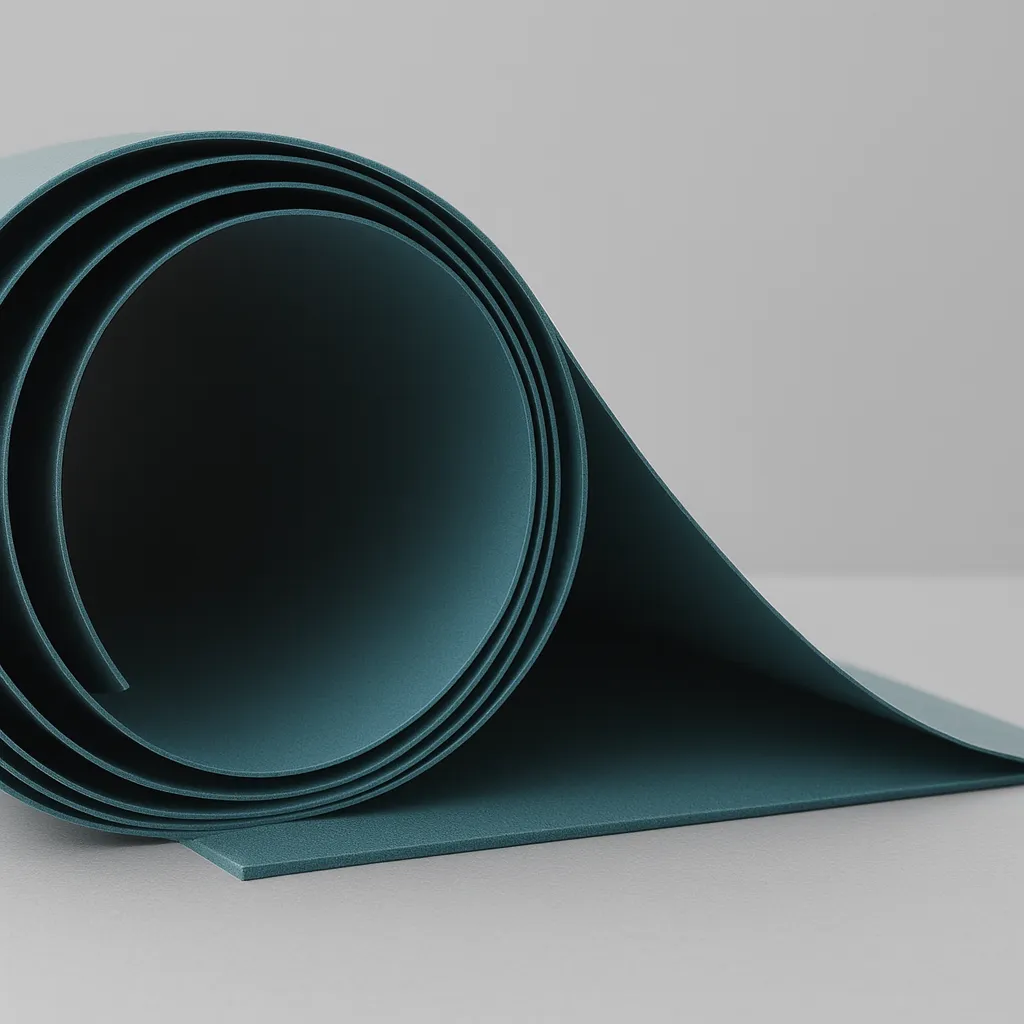
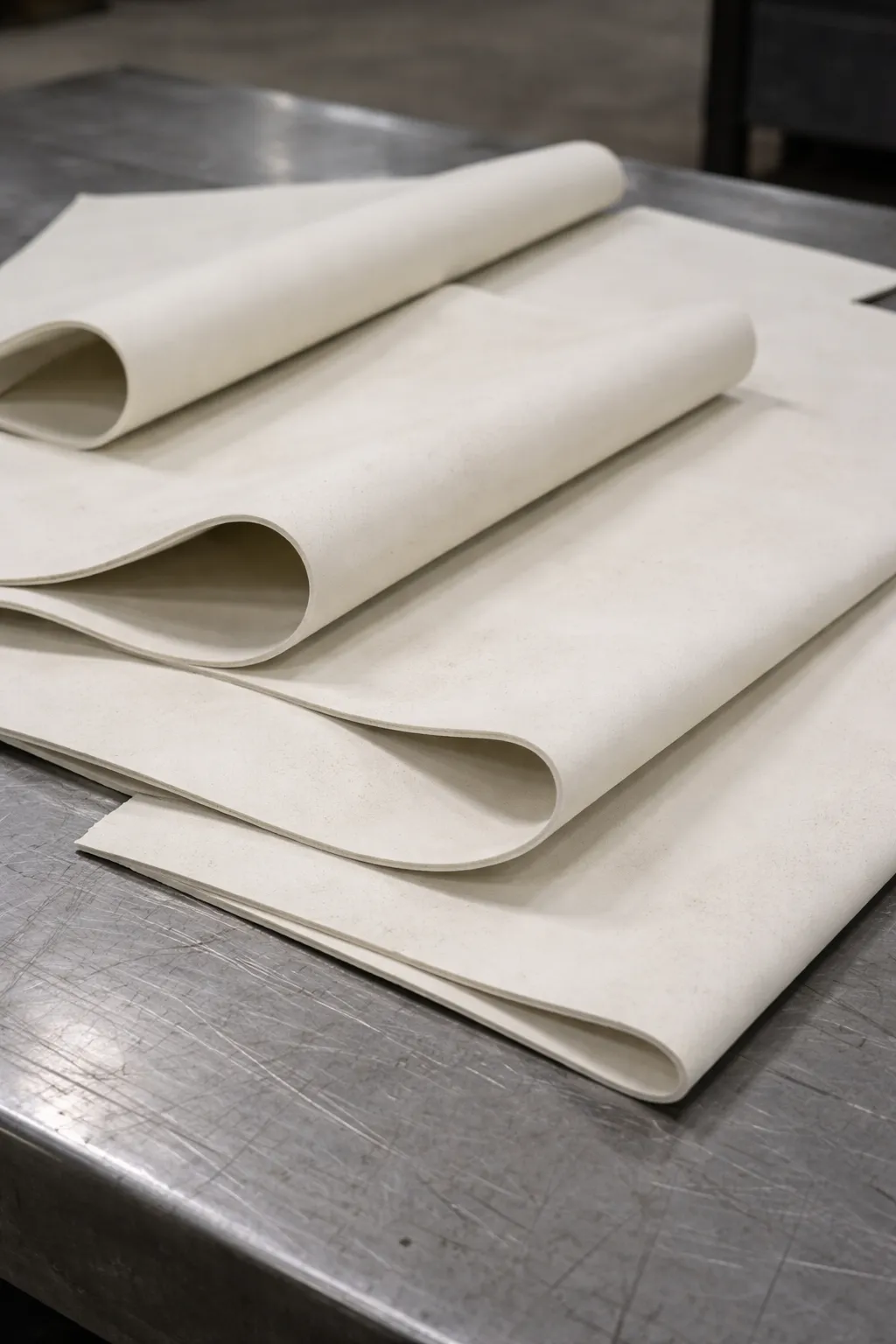
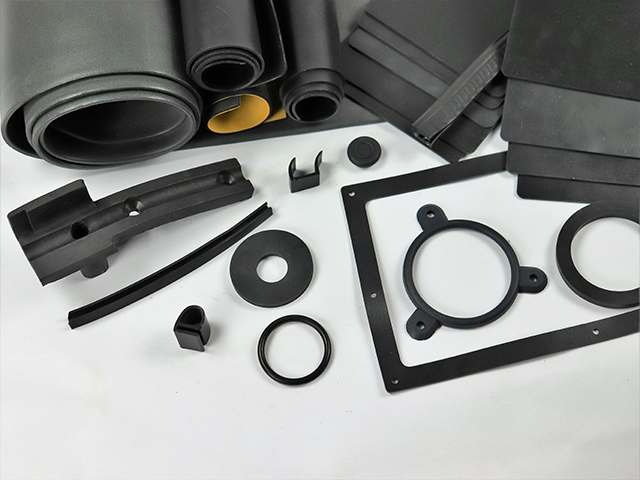
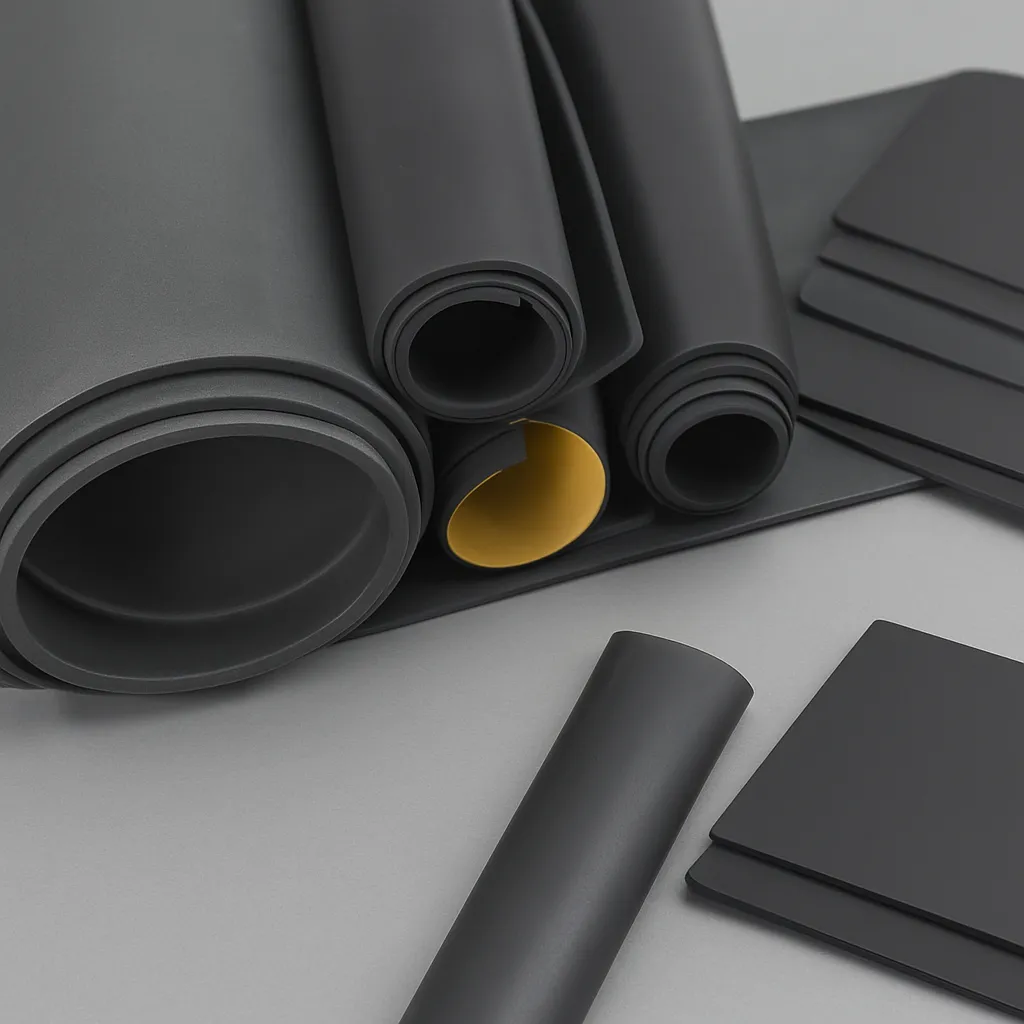
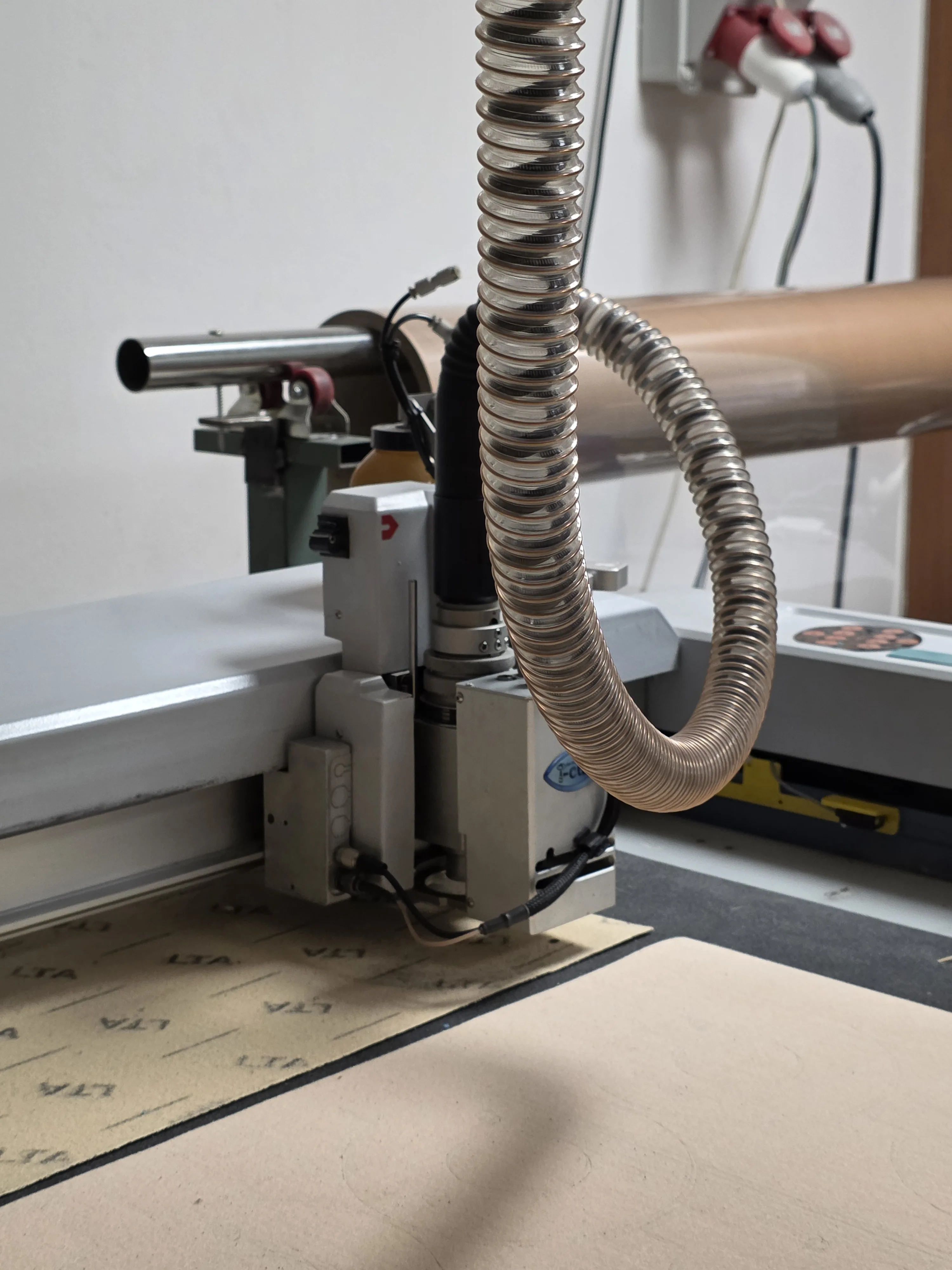
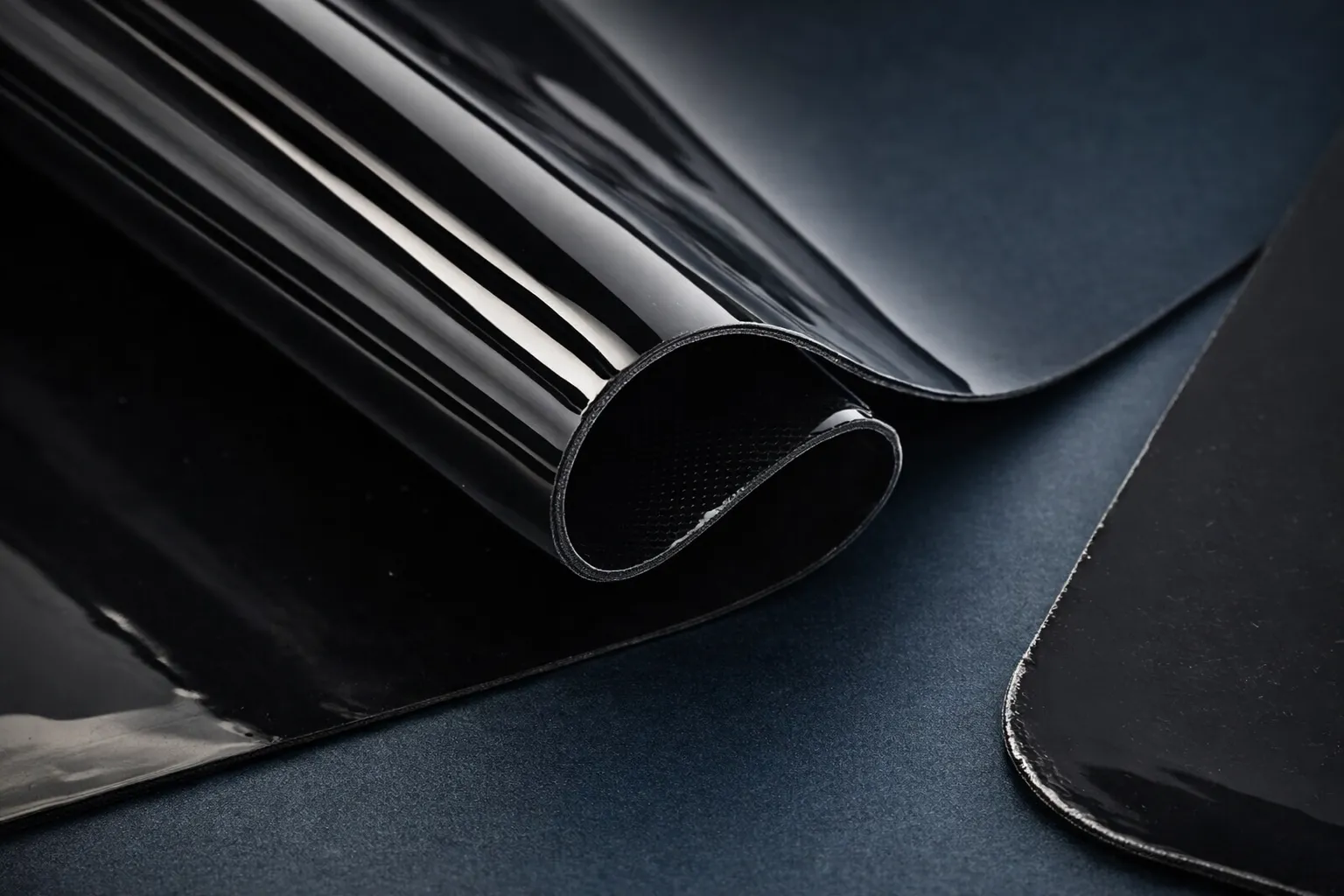
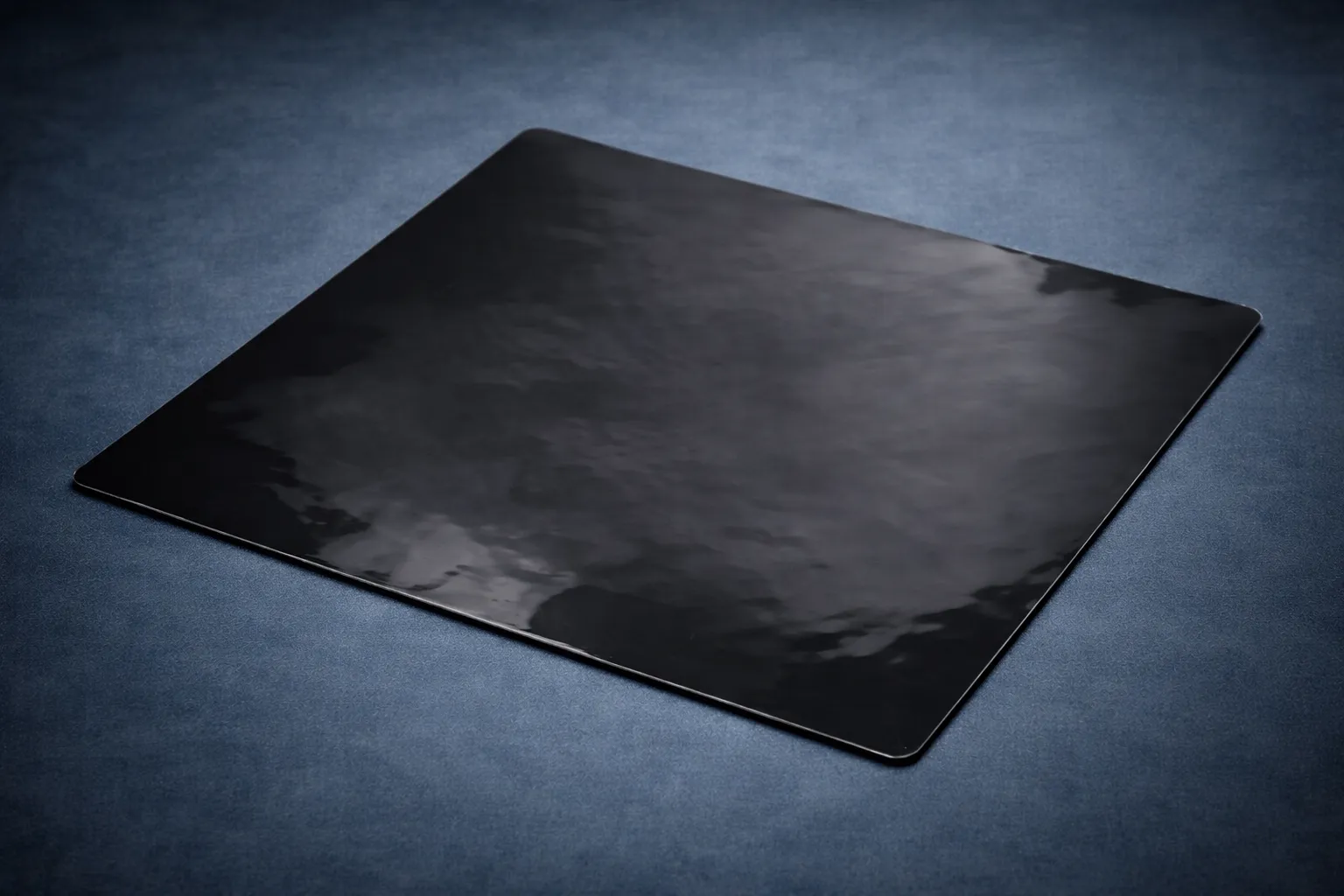
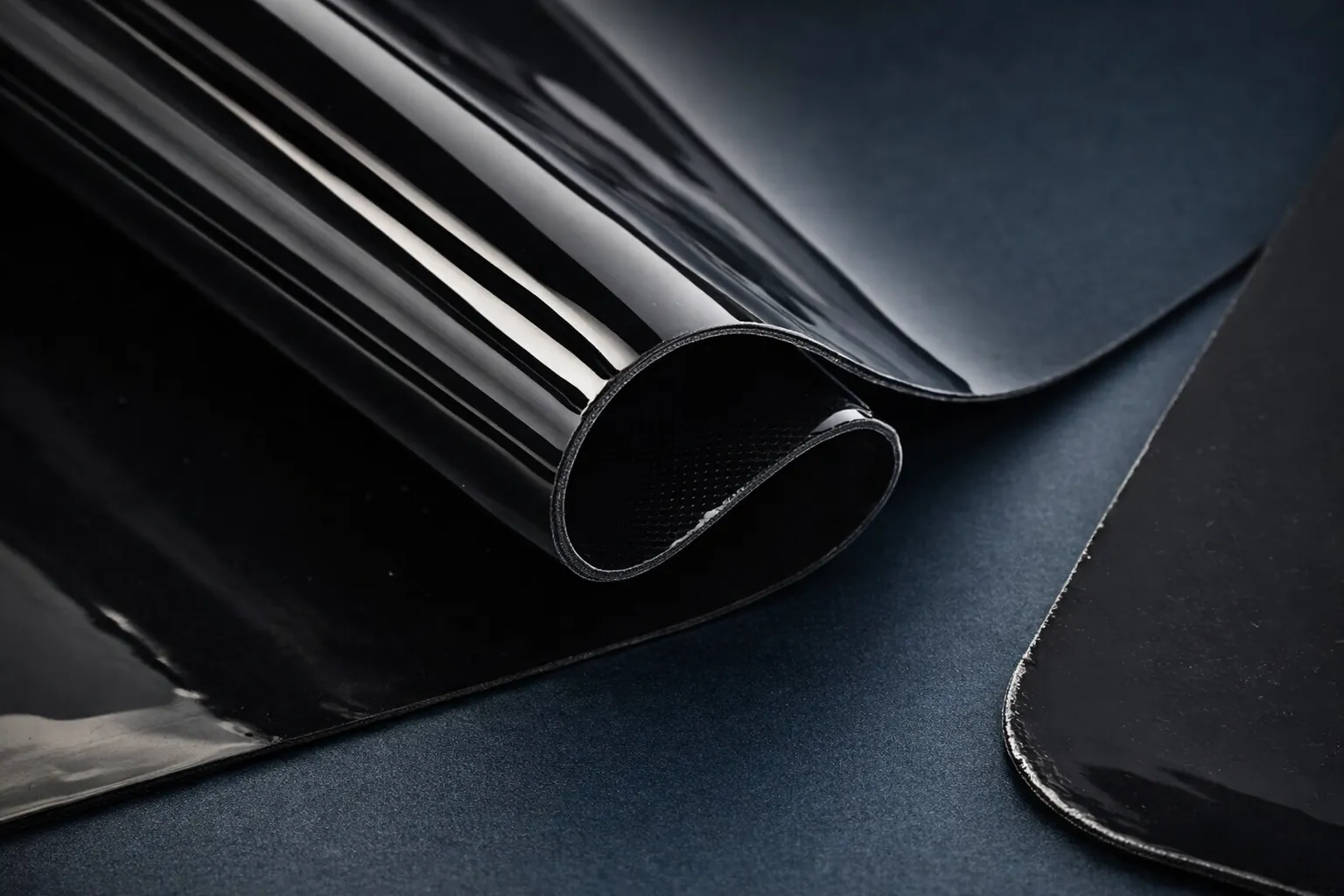
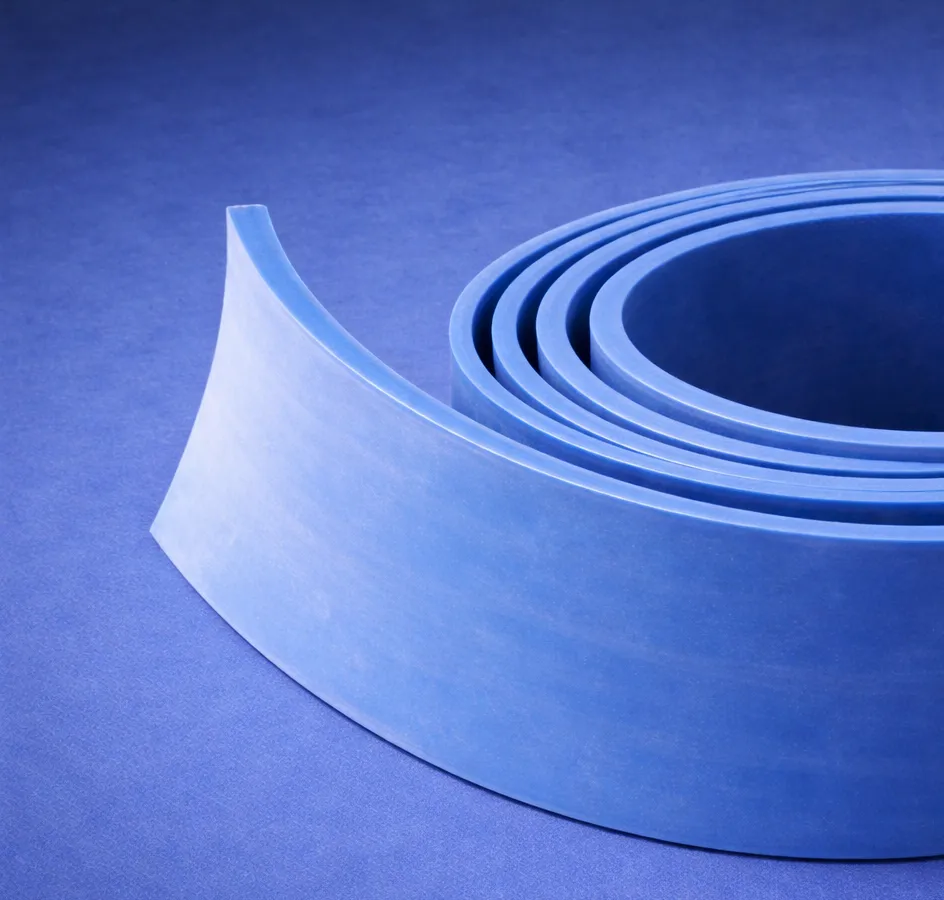
Carbon-loaded silicone sheet combining the flexibility and thermal resistance of silicone with electrical conductivity. Functions both as a low-current conductor and as electrostatic discharge (ESD) protection. Available in roll form for custom cutting or supply of die-cut parts.
Thicknesses of 0.5, 1.0, 1.5 and 3.0 mm available from stock for immediate dispatch. Other thicknesses made to order.
Conductivity through the full thickness: the carbon loading does not wear off like a surface treatment.
Standard silicone is an excellent electrical insulator — precisely what is not wanted when the objective is to dissipate electrostatic charges or provide a conduction path. Conductive silicone solves this problem by incorporating carbon fillers into the silicone matrix, reducing electrical resistivity without sacrificing the properties that make silicone useful: flexibility, thermal resistance (–40 to +200 °C), chemical inertness and compressibility for sealing.

Specifications
ESD, conductive gaskets, grounding and ATEX environments
ESD protection in electronics
Electrostatic charge accumulation during the handling, transport or storage of electronic components can cause discharges that damage integrated circuits, semiconductors and other sensitive devices. Conductive sheet used as a workstation mat, tray lining or closure gasket in transport containers dissipates charge in a controlled manner.
- ESD workstation mats
- tray and component container linings
- closure gaskets for ESD transport cases
- contact pads in test stations.
Conductive gaskets and seals
Where a gasket must provide mechanical sealing whilst simultaneously maintaining electrical continuity between the mating surfaces. The compressibility of silicone at 65 Shore A allows it to conform to surface irregularities whilst the carbon filler maintains the electrical path. Die-cut to customer drawing.
- Electronic enclosure gaskets
- connection box seals with earthing
- interface gaskets between EMI shields
- conductive seals in measurement equipment.
Earthing and interface contacts
Custom-cut conductive sheet can be used as a flexible interface contact between metallic components that require electrical continuity without a rigid connection. The flexibility of the silicone absorbs mounting tolerances and vibration, maintaining electrical contact where a rigid conductor would lose the connection.
- Earthing contacts in equipment racks
- flexible electrical interfaces
- connection pads in vibrating equipment
- contact sheets in low-frequency connectors.
ATEX environments and ignition-risk zones
In potentially explosive atmospheres, electrostatic charge accumulation on non-conductive surfaces can produce spark discharges with sufficient energy to initiate combustion. Conductive sheet dissipates charge continuously, eliminating the risk. Its thermal resistance (–40 to +200 °C) makes it suitable for demanding industrial environments.
- Antistatic linings in ATEX zones
- equipment gaskets in explosive atmospheres
- hopper and duct protection in chemical plants
- contact pads in filling equipment.
Conductive sheet or standard sheet with surface treatment?
Some surface treatments (conductive paints, metallisation) can impart conductivity to a standard silicone, but the conductivity is lost as the surface layer wears. In a carbon-loaded conductive silicone sheet, conductivity is a property of the bulk material — it does not degrade with use, cutting or compression. If conductivity must be maintained throughout the service life of the part, conductive sheet is the only reliable solution.
Related services and processes


Related products
Tell us the thickness, dimensions (full roll, custom-cut rectangle or die-cut part to drawing), quantity and intended application. If you need a custom extruded conductive tube or profile, we also manufacture these using our Series 11 formulation.