








Railway and transport

Fire-retardant EN 45545-2 silicone sheet

Solid VMQ sheet with an enhanced fire-resistance formulation, low smoke emission and low toxicity. Tested and certified to EN 45545-2. Meets R22 and R23 requirements at HL1, HL2 and HL3, with an oxygen index of up to 35.1 % and an ITCPNL toxicity index of 0.06.

CertificationEN 45545-2 · R22 · R23
HL levelsHL1 · HL2 · HL3
Hardness range30 to 85 Shore A
Temperature–60 °C to +200 °C

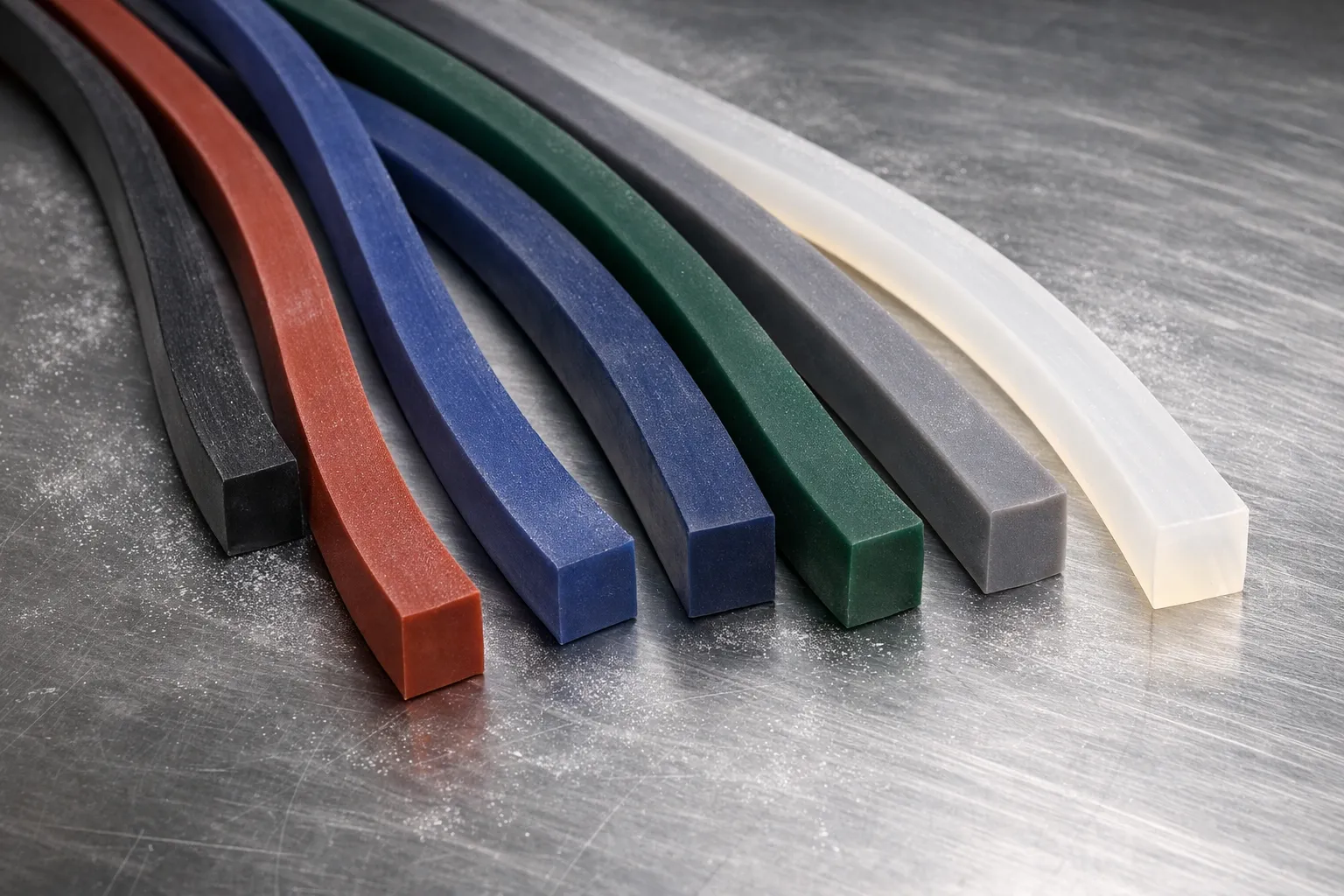
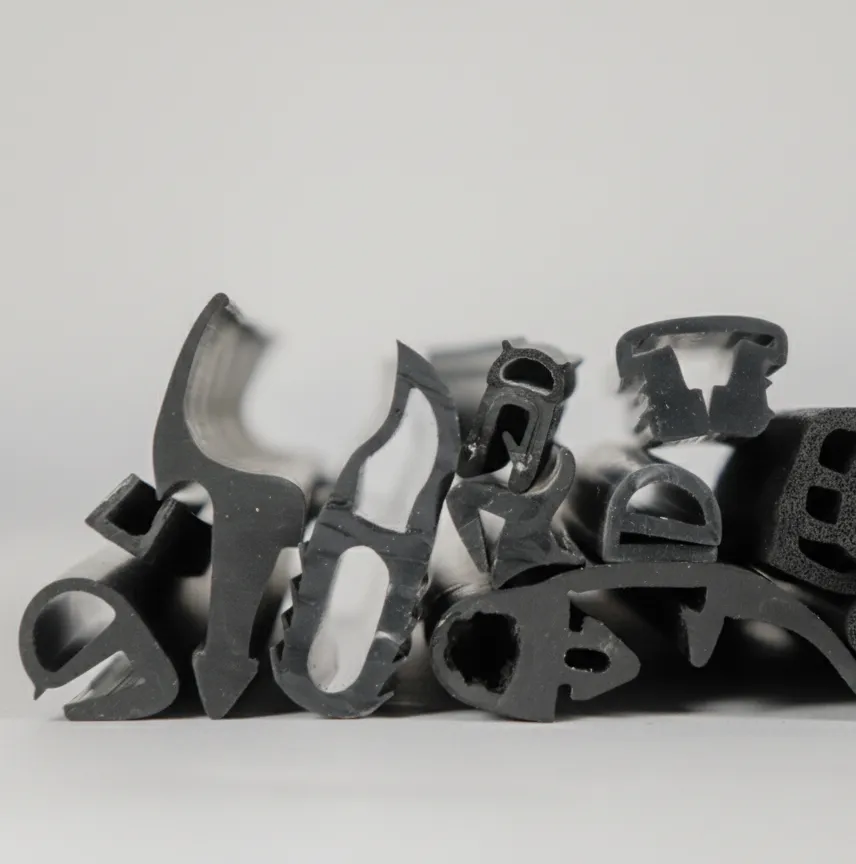
Standard colours: black RAL 9017, blue-black RAL 5004, grey and cream. The same S16 formulation is available in extruded cord (PEQ), profile, O-ring and moulded part (PMQ). For compressible seals, cellular S33 at HL1 and HL2.

The product

Series 16 certified R22 and R23 at HL1, HL2 and HL3: the most demanding HL level (tunnels and underground) covered without restrictions.

EN 45545-2 sets the fire behaviour requirements for materials used in European railway vehicles. Each component is tested according to its use category (R — Requirement set) and meets a Hazard Level (HL) that depends on the vehicle's operating category and on the type of infrastructure. HL1 for open track; HL2 for vehicles with short-duration access to underground infrastructure; HL3 for vehicles that regularly operate in tunnels and underground stations (metro, urban commuter rail) where evacuation is more difficult.

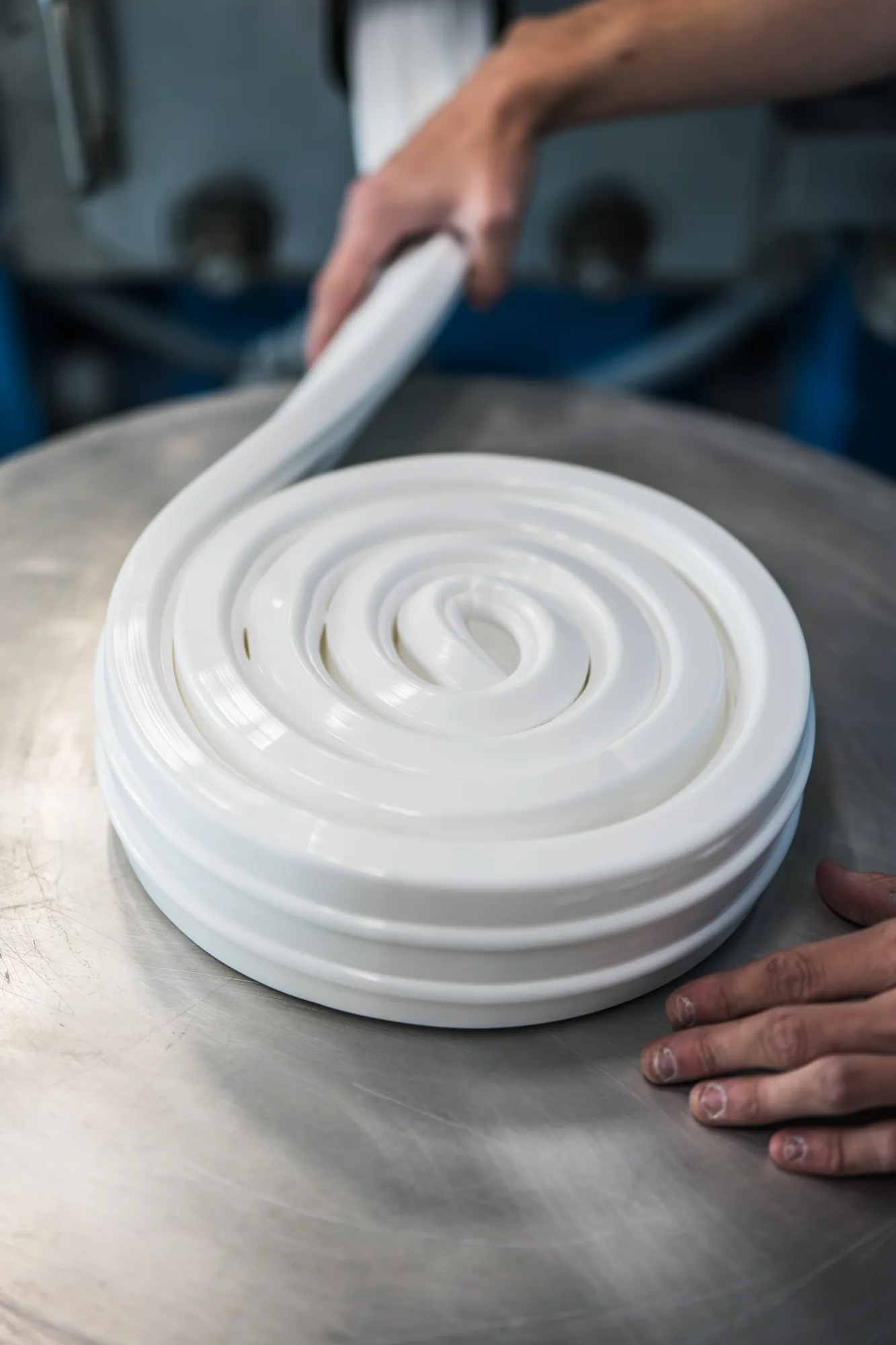
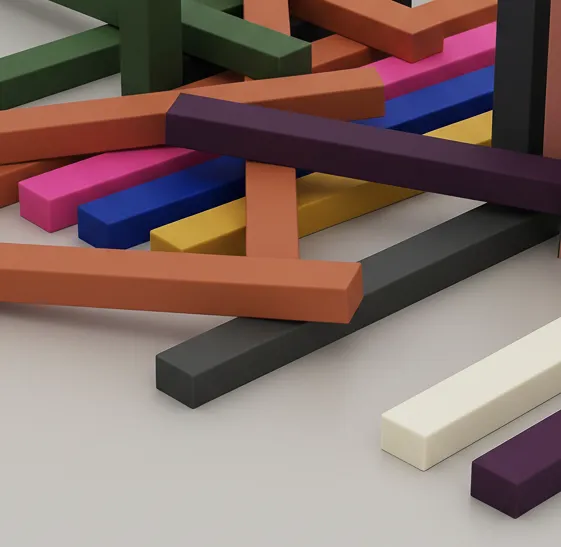
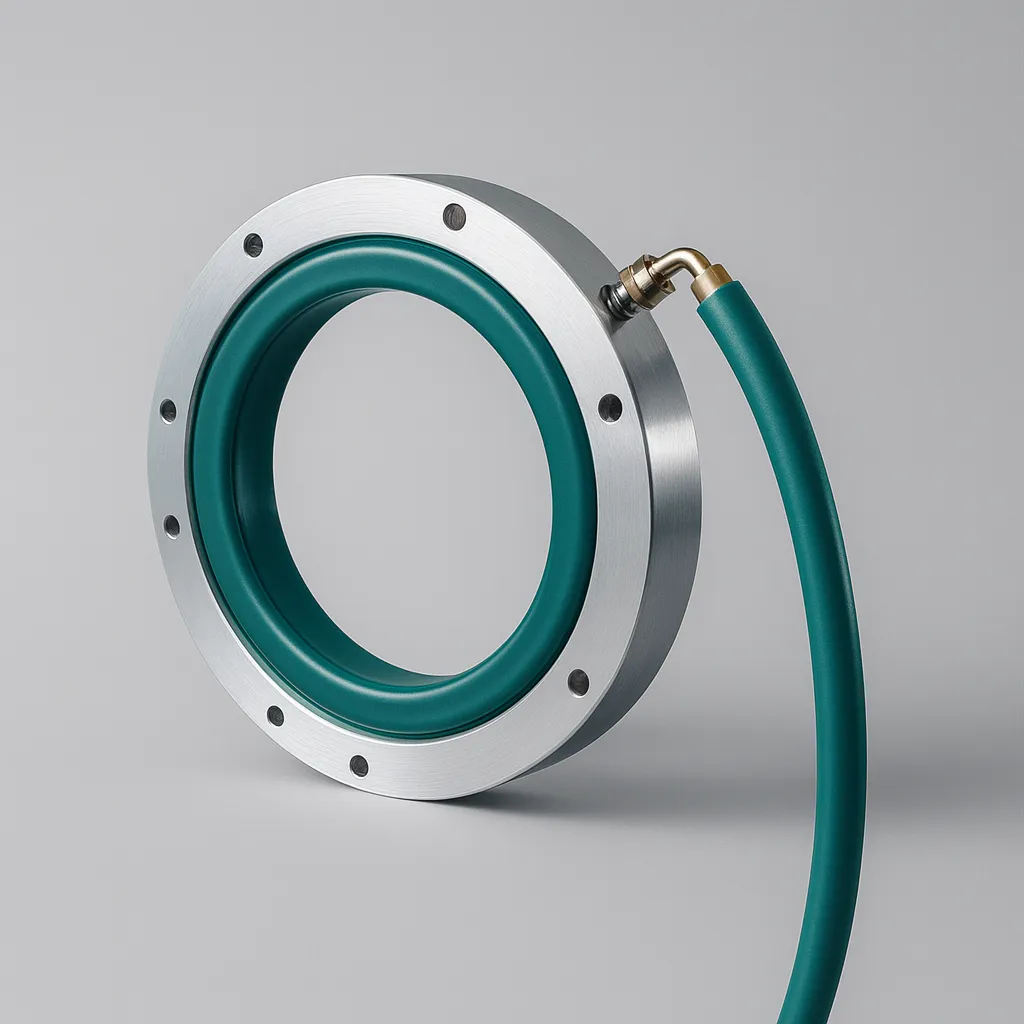
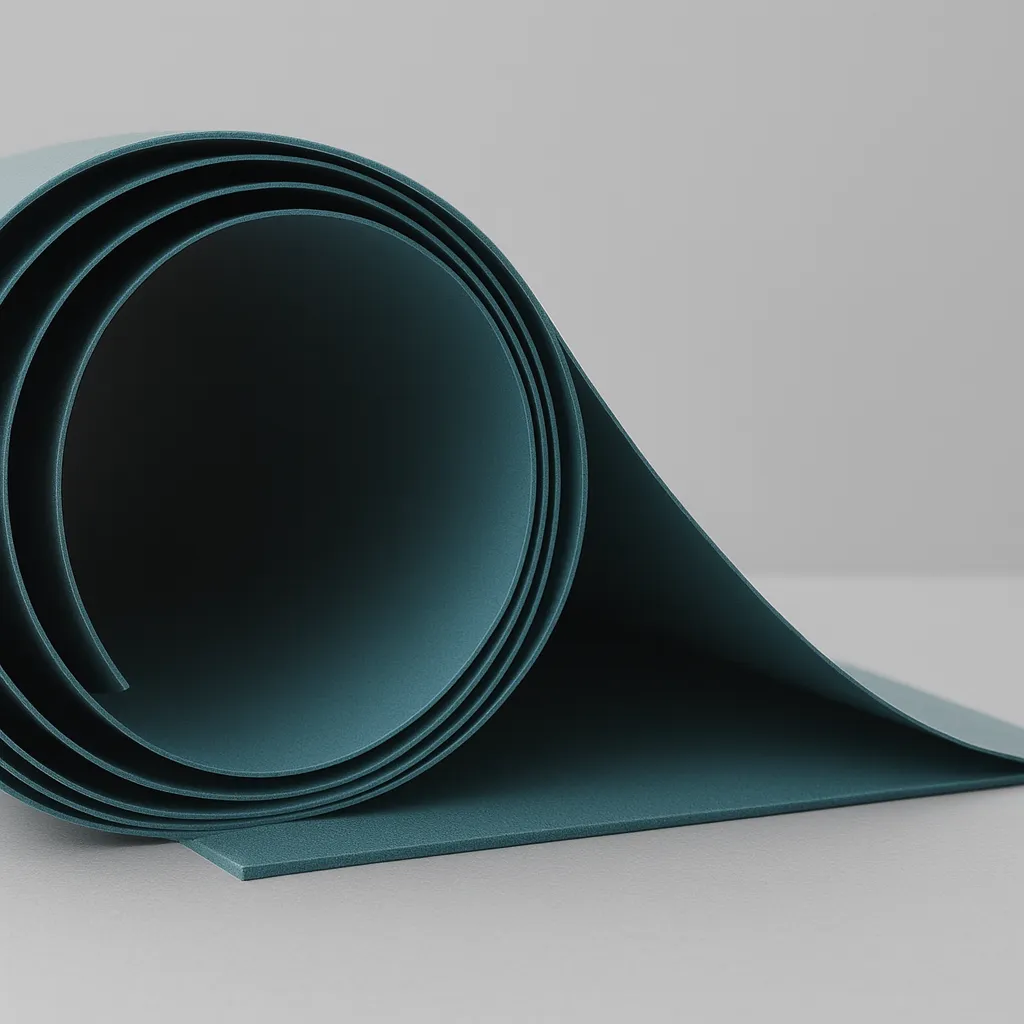
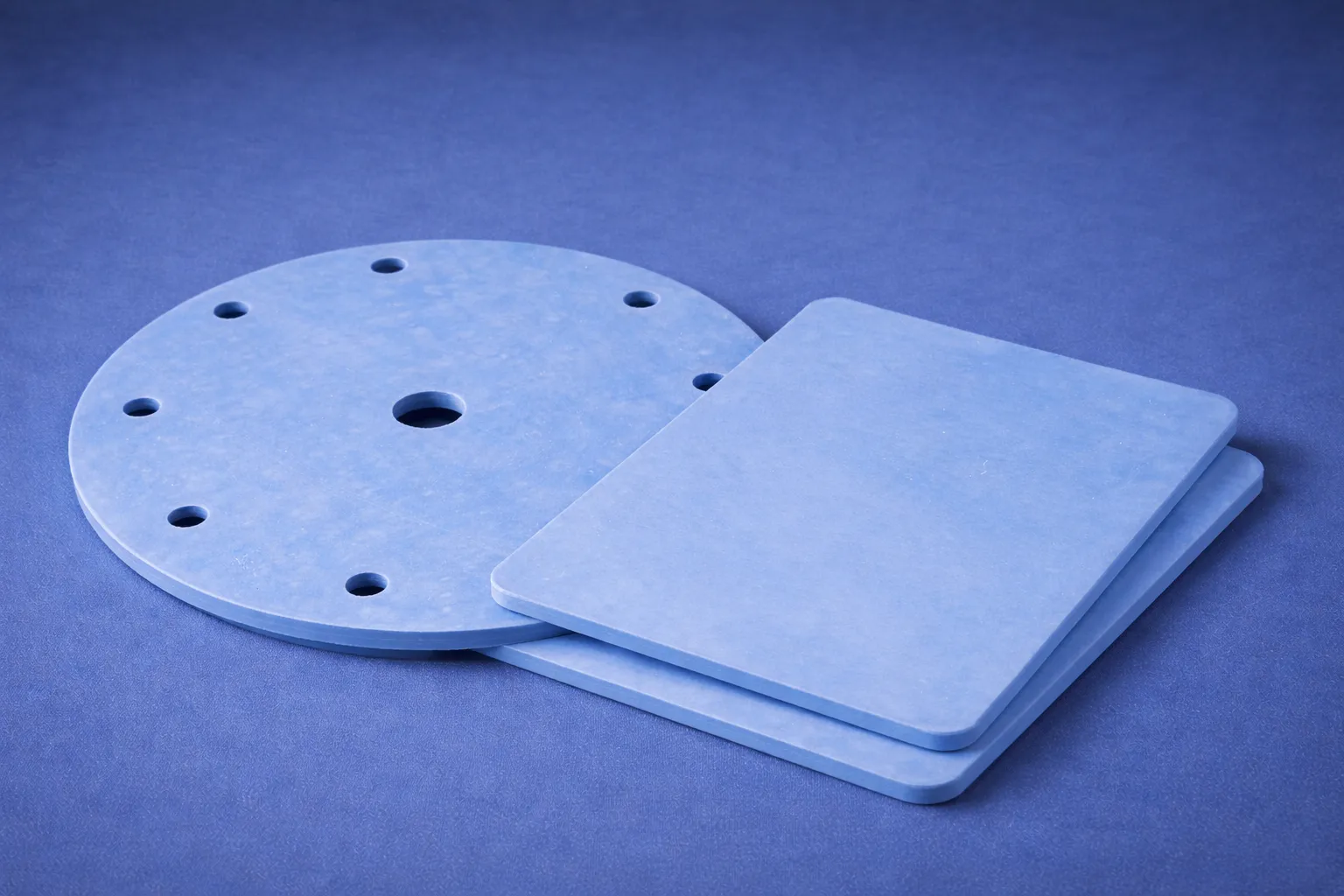
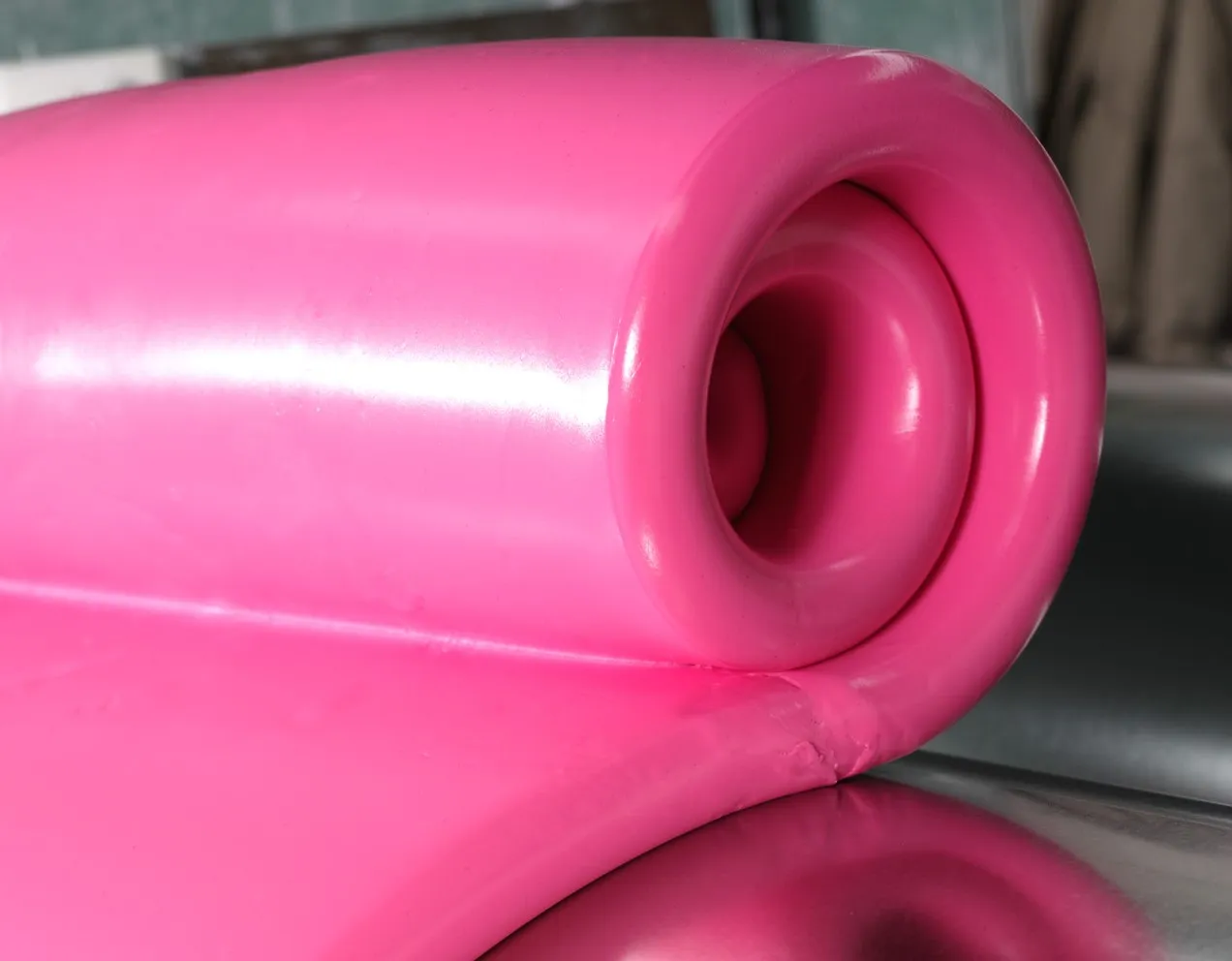
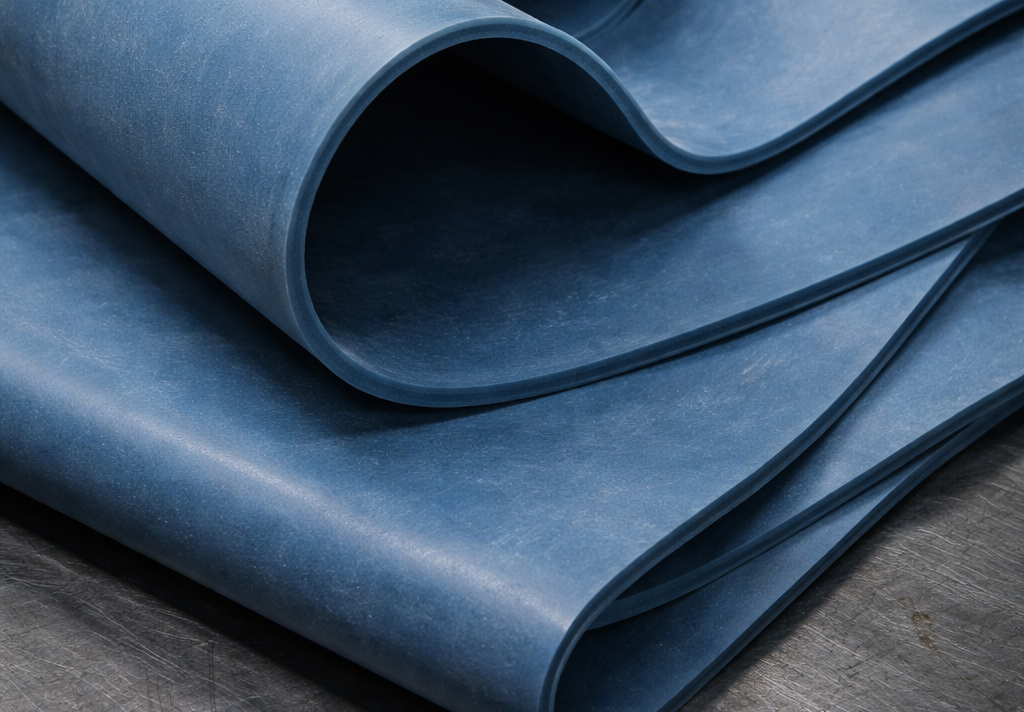
Solid fire-retardant S16 sheet · EN 45545-2 HL3
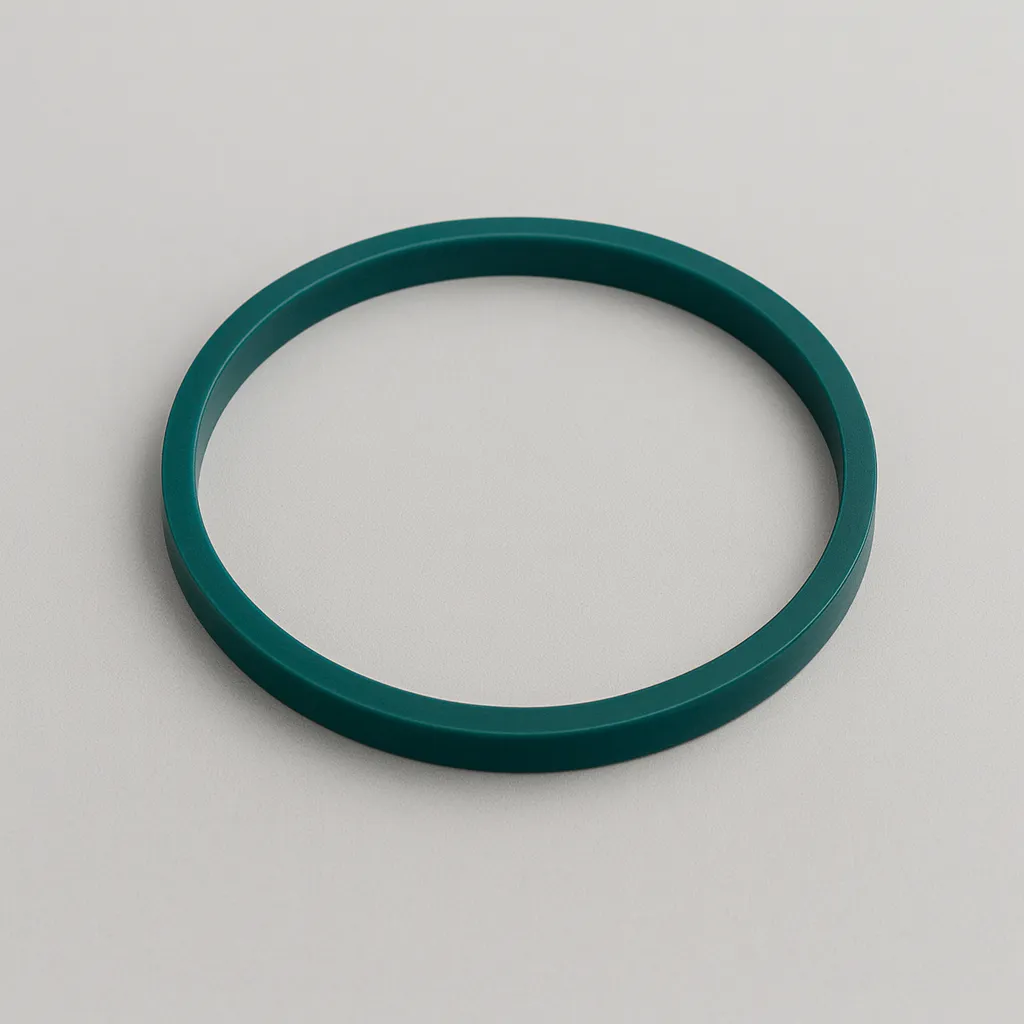
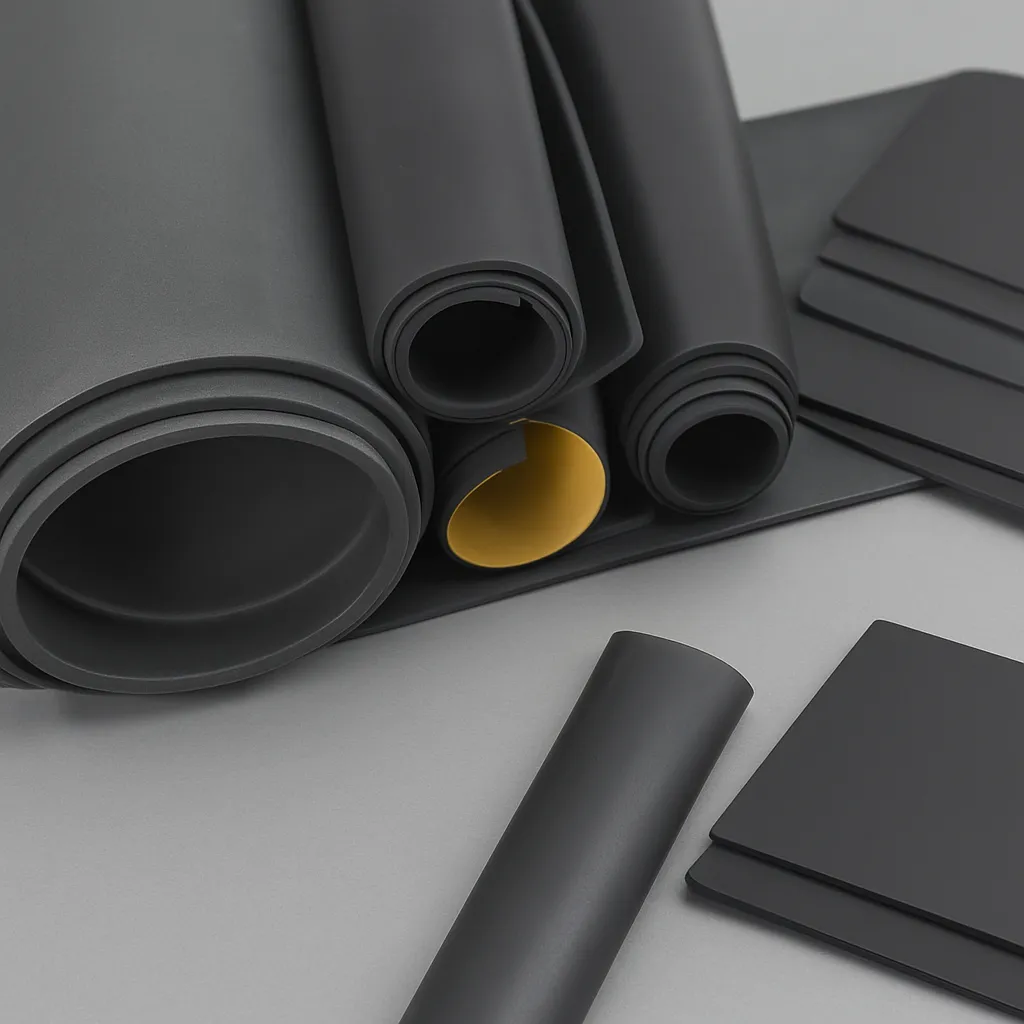
Railway fire-retardant sheet · black RAL 9017
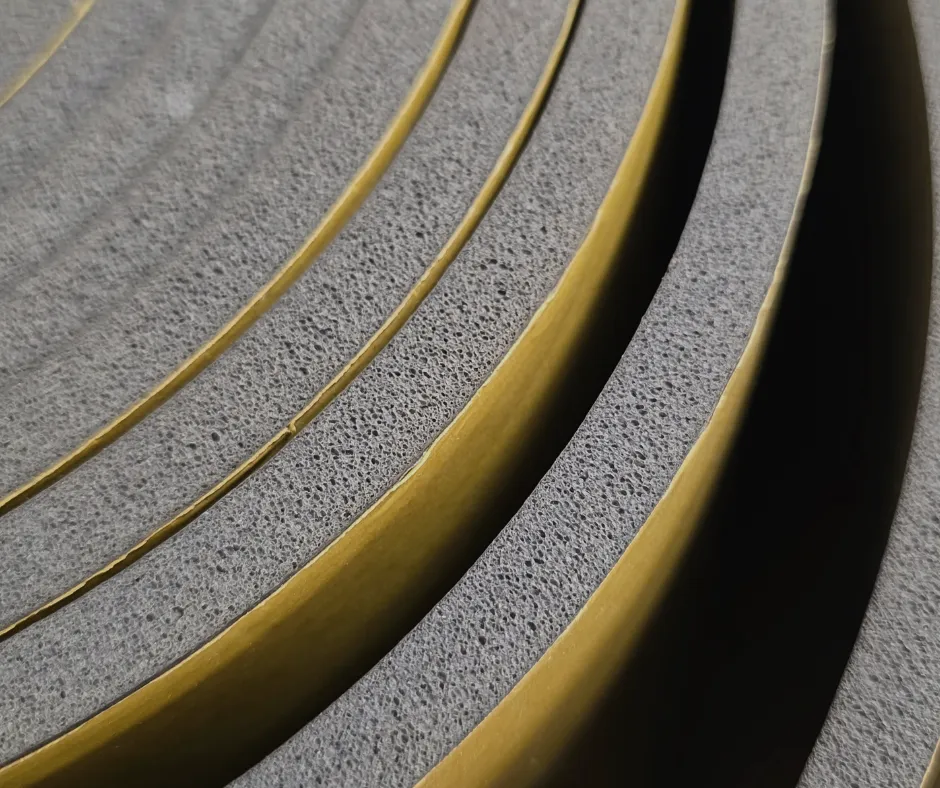
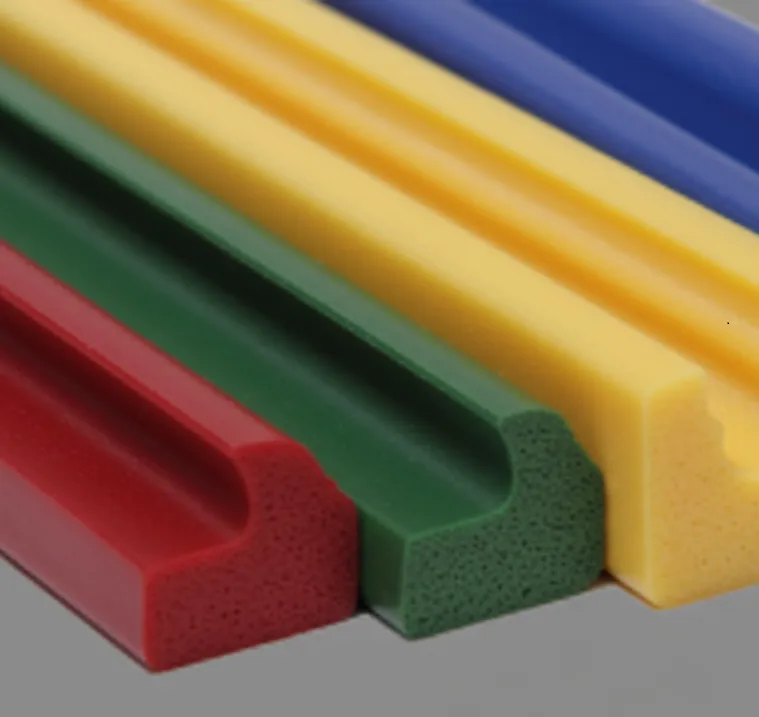
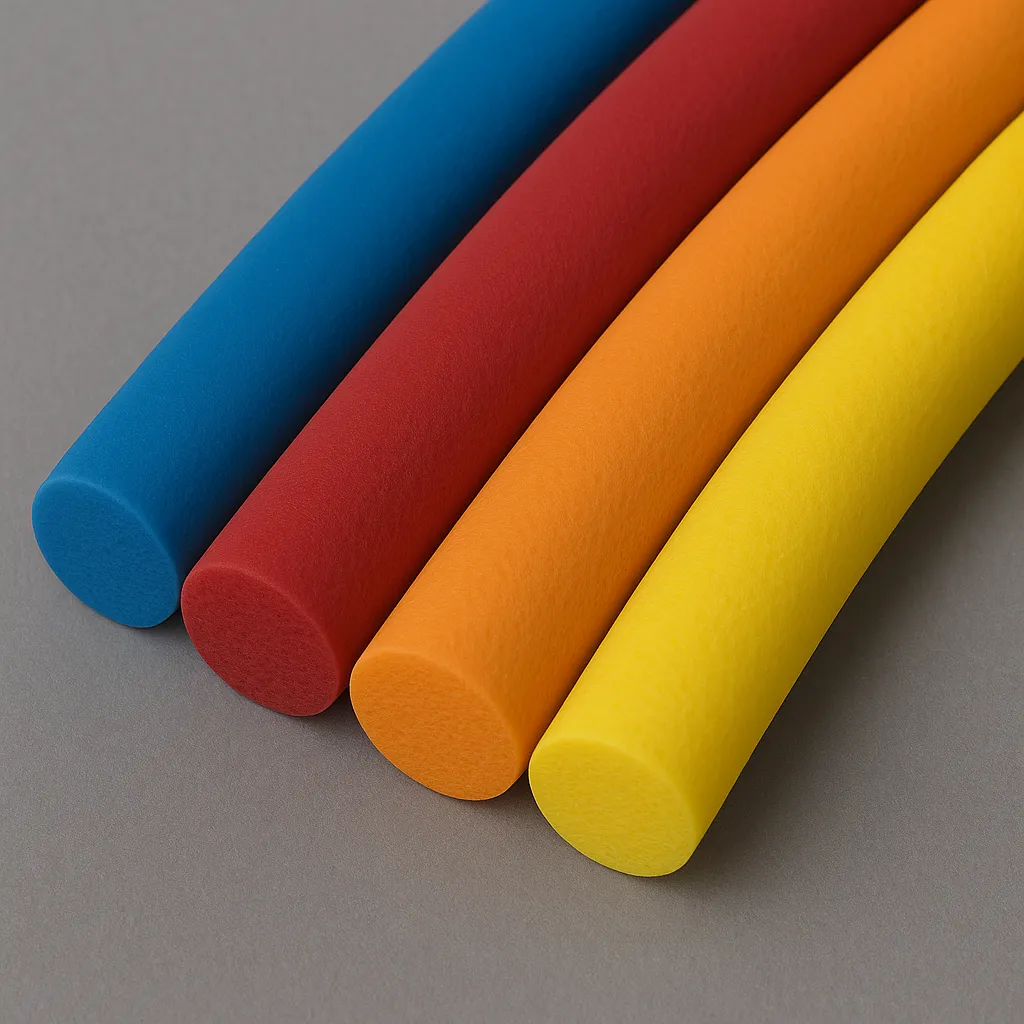
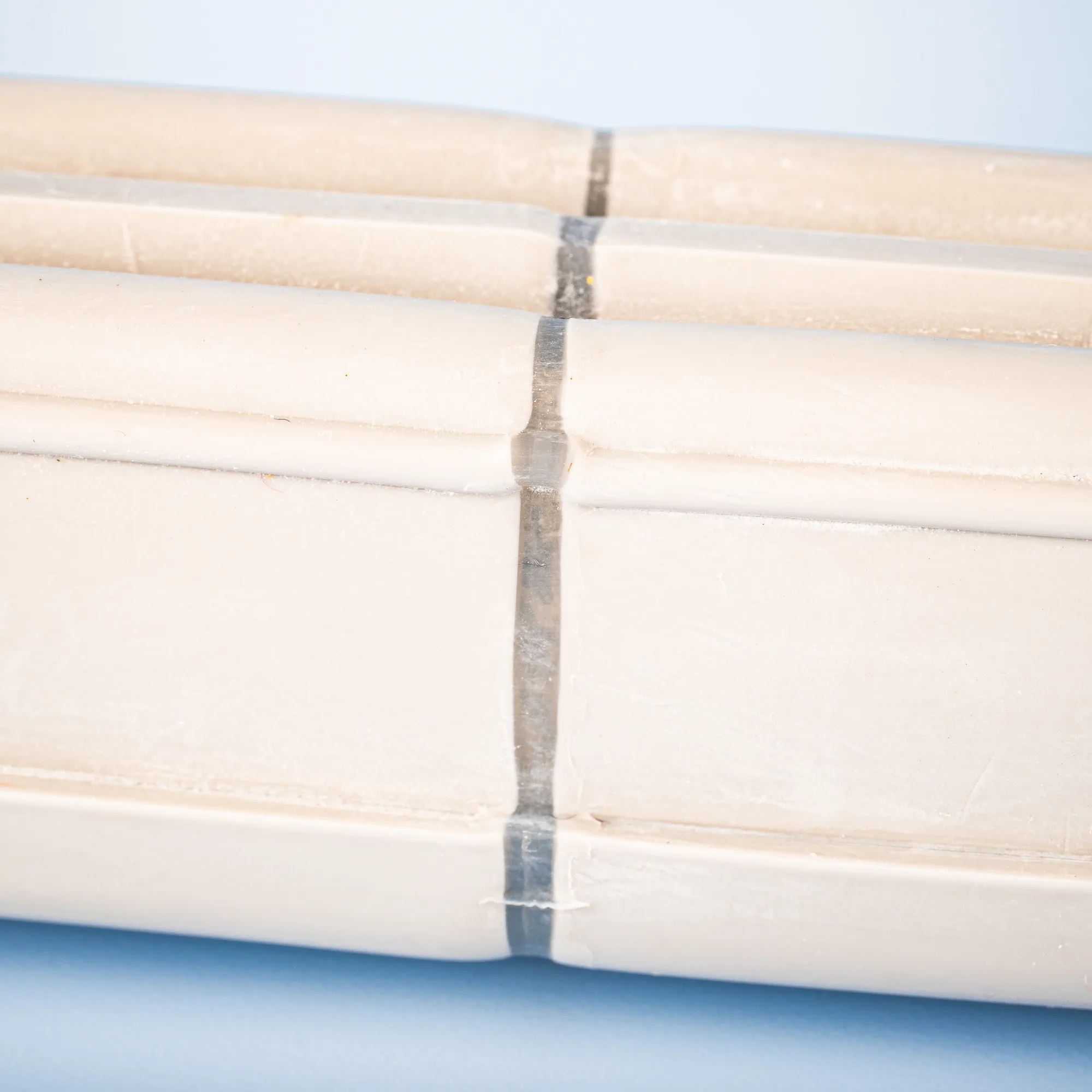
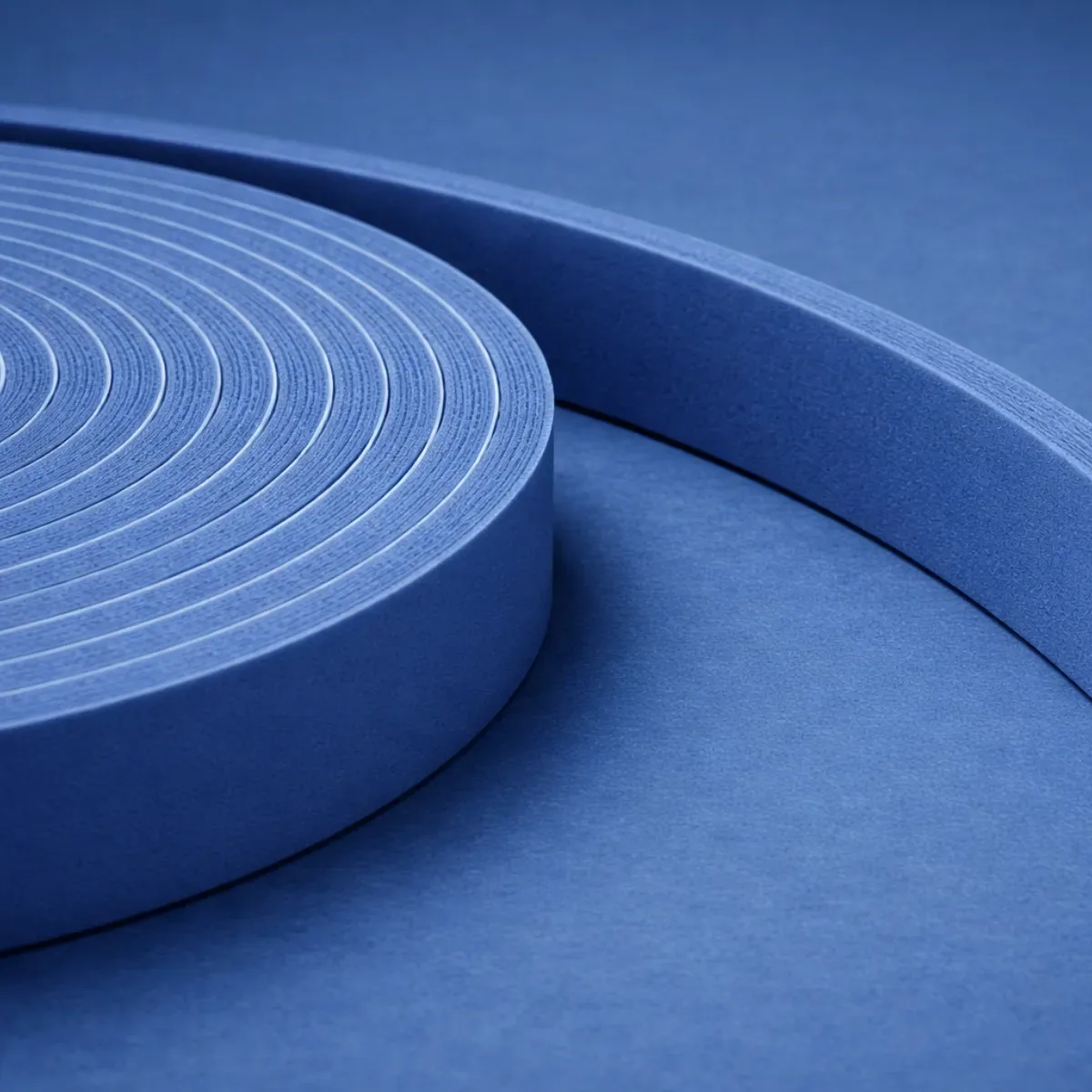
Sponge sheet S33 · EN 45545-2 HL1/HL2
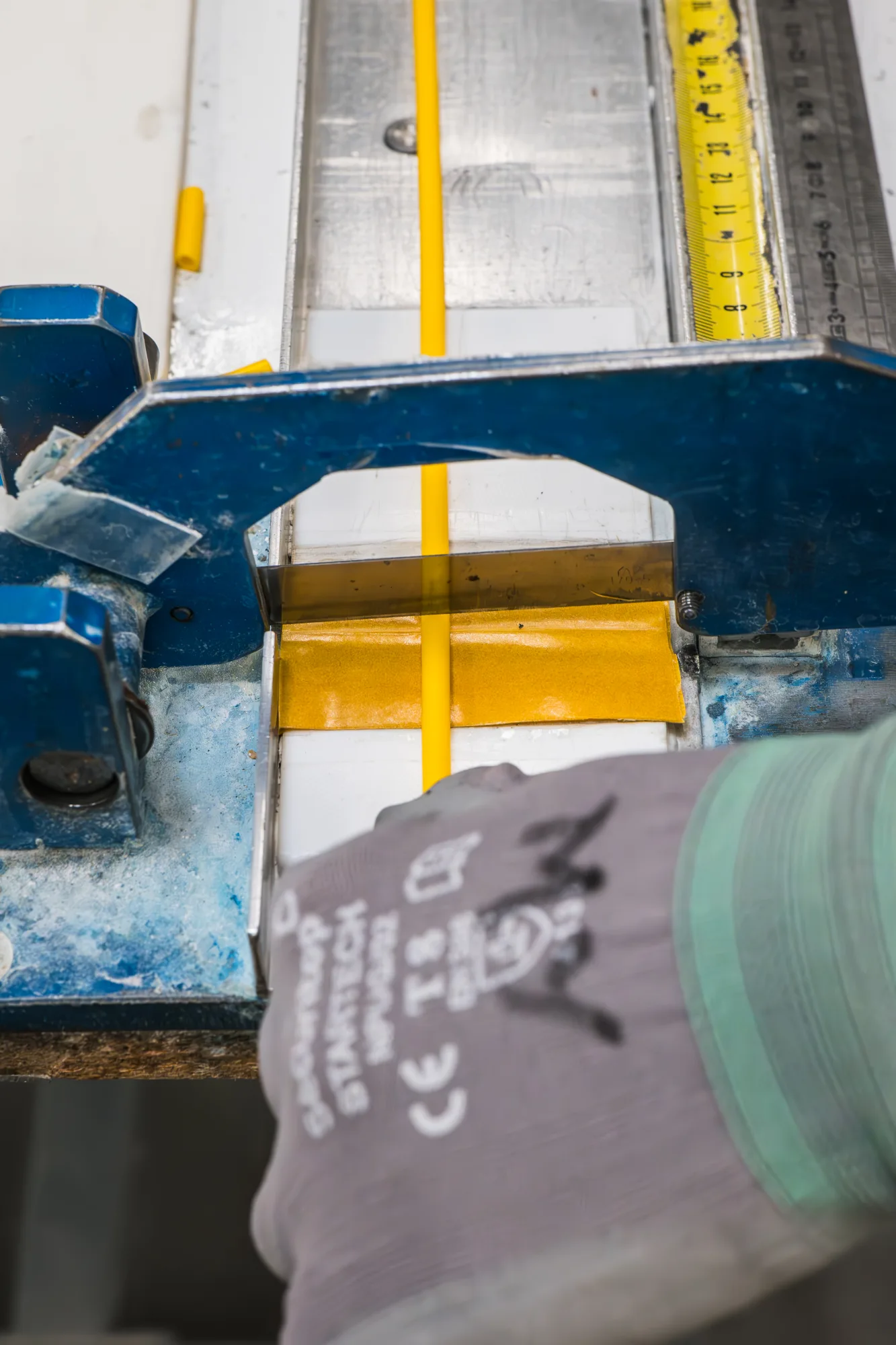
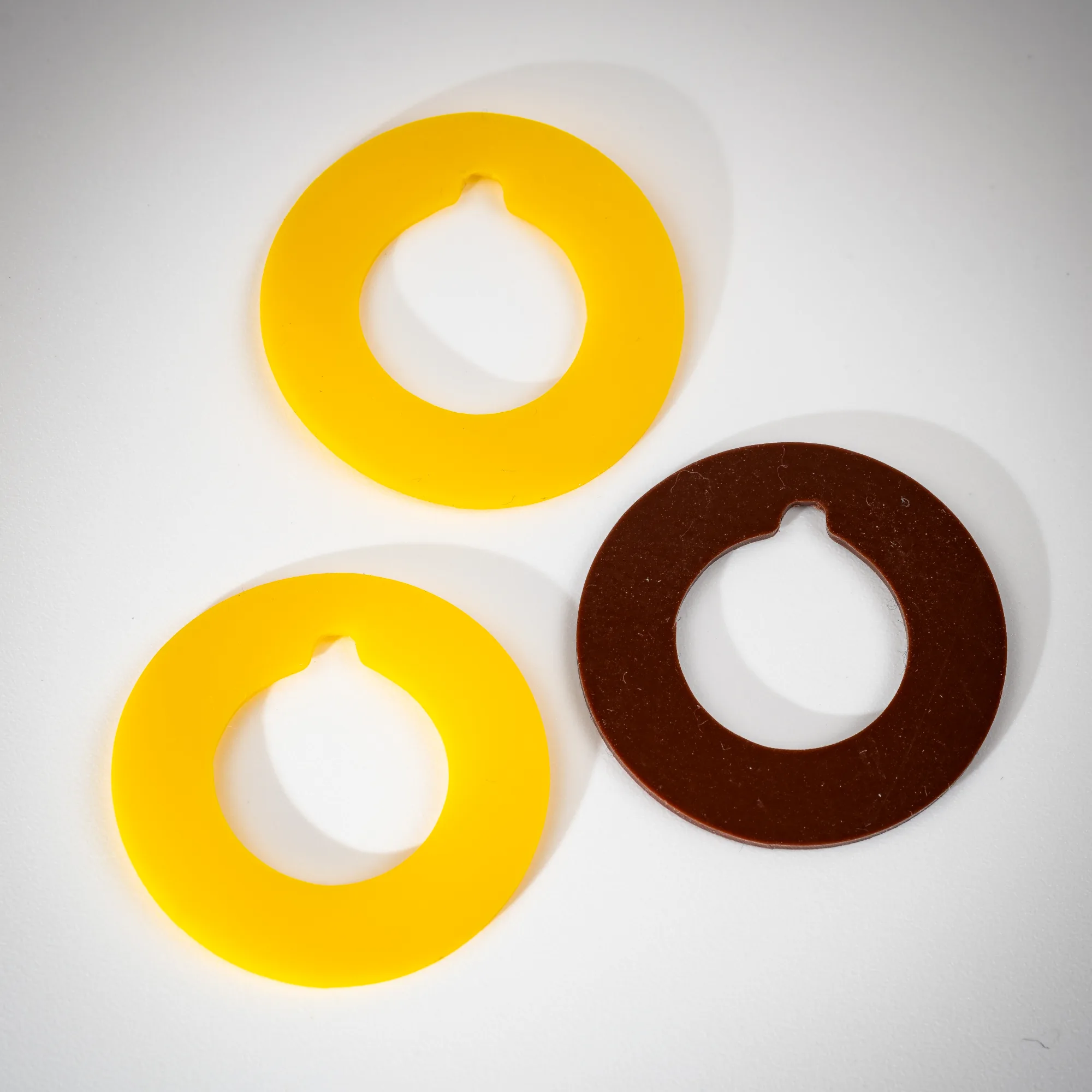
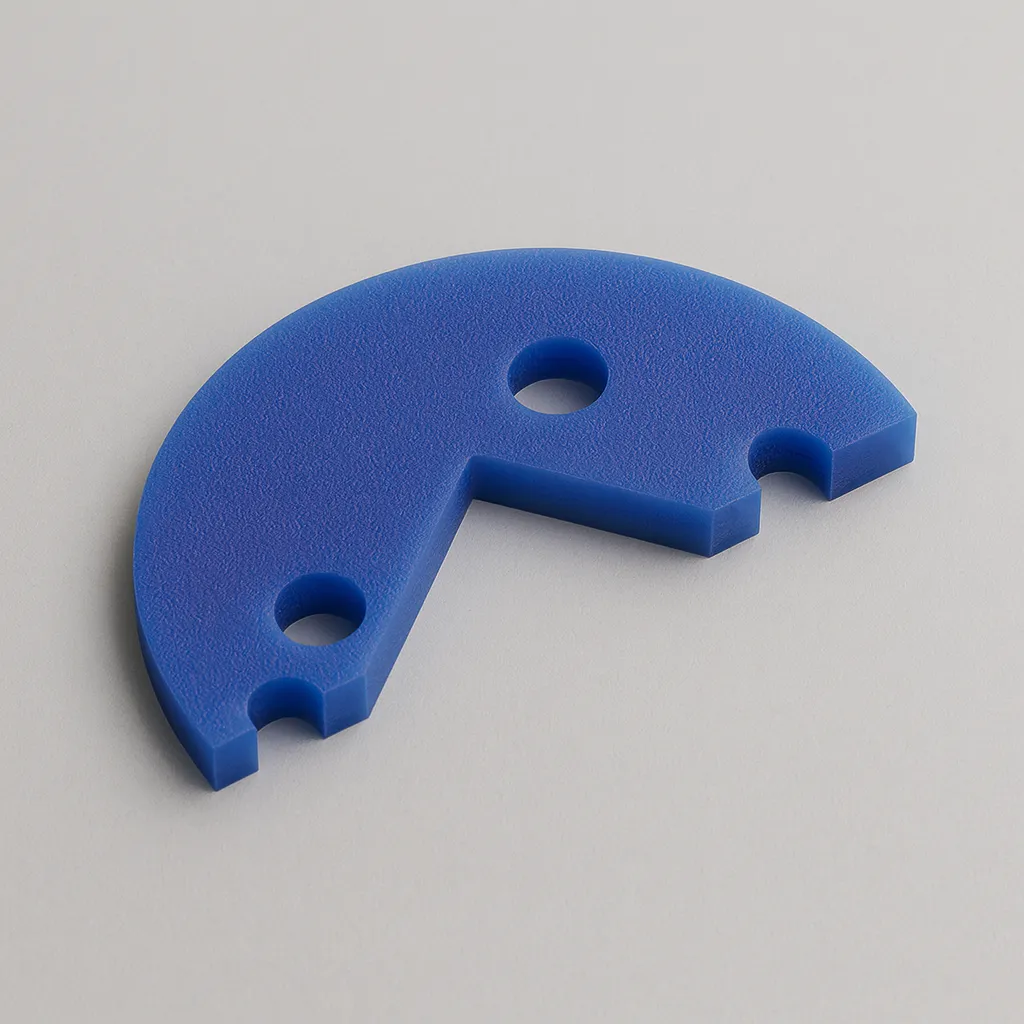
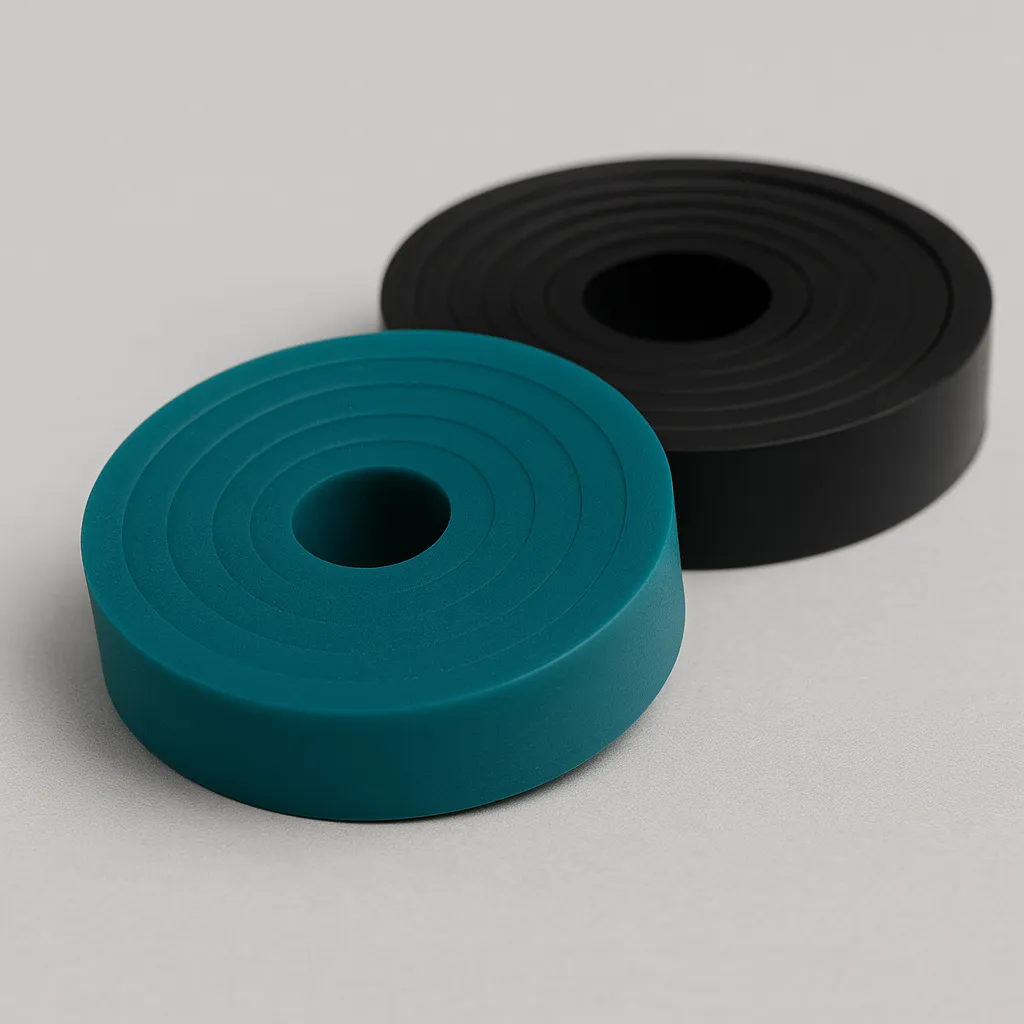
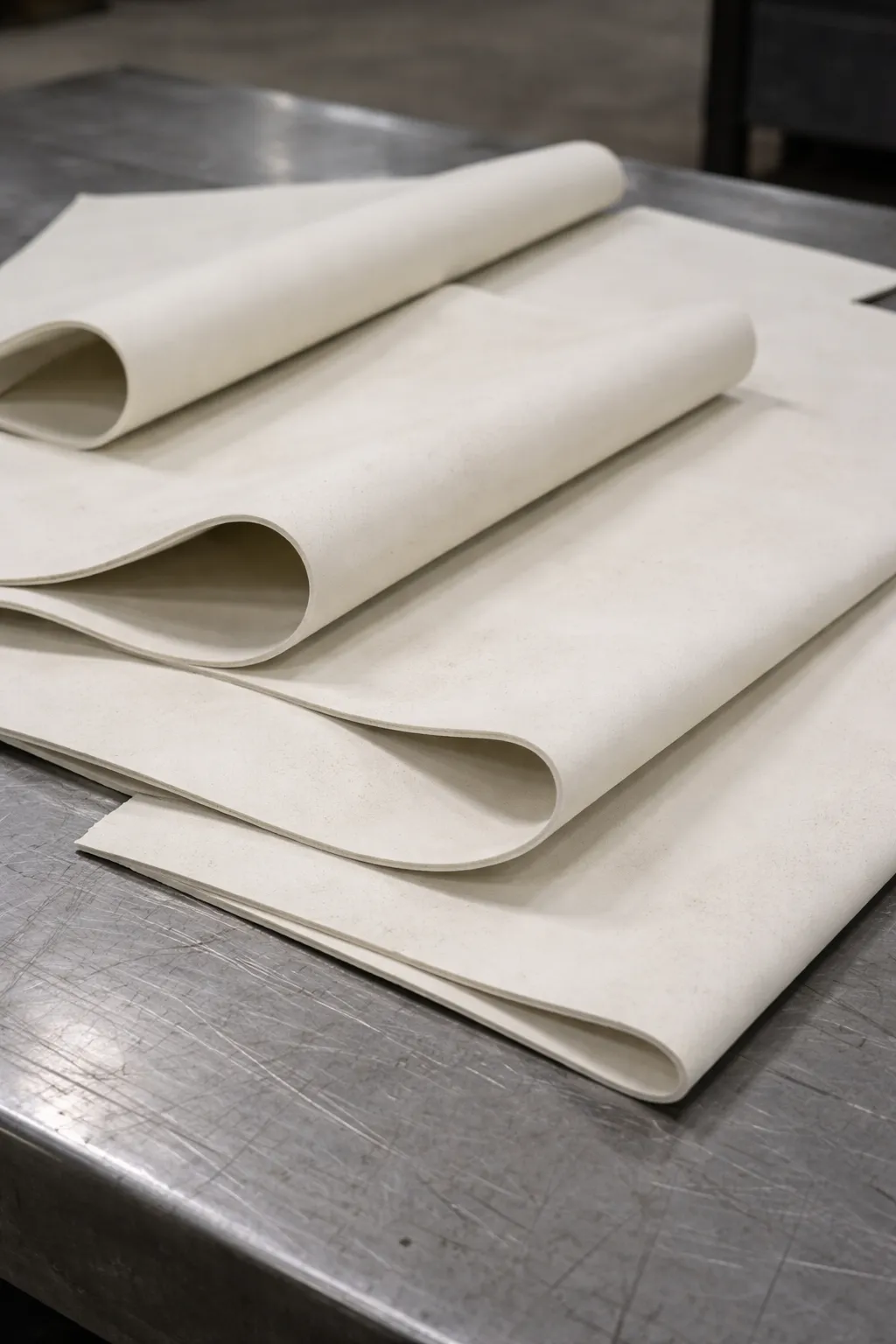
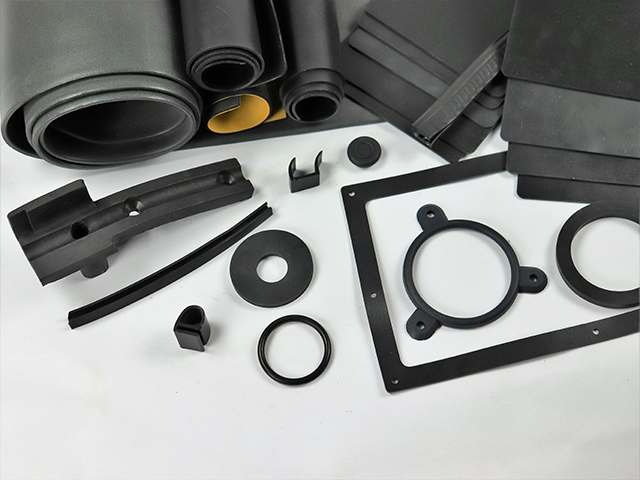
Solid fire-retardant sheet · die-cut gaskets
Railway fire-retardant sheet

EN 45545-2 specifications

Standard
EN 45545-2 · tests at an accredited external laboratory
Requirements covered
R22 (profiles, tapes, tubes, gaskets and hoses) · R23 (dual-function gaskets and hoses)
Hazard levels
HL1 · HL2 · HL3 met for R22 and R23
Base series
Series 16 (peroxide fire-resistant silicone)
Extrusion variant
S16 PEQ · oxygen index 32.7 %
Moulding variant
S16 PMQ · oxygen index 35.1 % · Ds max 45 (HL3 limit: 300)
Cellular sponge variant
Series 33 platinum · HL1 and HL2 · does not reach HL3
Optical smoke density
Ds max from 45 (EN ISO 5659-2)
Toxicity index
ITCPNL 0.06 (EN 17084) · HL3 limit: 1.2
Thicknesses
0.5 to 12 mm · other sizes on request
Roll width
1,000 mm standard · others on request
Hardness range
30 to 85 Shore A in sheet · 35 to 50 ShA for moulded dampers
Colours
Black RAL 9017 · blue-black RAL 5004 · grey · cream
Tensile strength
Up to 9 MPa depending on hardness (ISO 37)
Elongation at break
Up to 850 % depending on hardness (ISO 37)
Tear strength
Up to 25 kN/m depending on hardness (ISO 34-1)
Density
1.18 to 1.32 g/cm³ (ISO 2781)
Service temperature
–60 °C to +200 °C continuous
Tolerances
Thickness ±5 % · width ±0.5 % · ISO 3302-1 class E2–E3 (calendered)
Management system
ISO 9001:2015 · ISO 13485:2016
Complementary standards
EN ISO 4589-2 (oxygen index) · EN ISO 5659-2 (smoke) · EN 17084 (toxicity)
Compatible with
LUL S1085 · NF F 16-101 · DIN 5510-2 · on request according to project
Restricted substances
REACH (1907/2006) · RoHS (2015/863)
Complementary formats
Same S16 available in extruded cord, profile, O-ring and moulded part
Use typologies

Railway catalogue: die-cut solid sheet, closure seals and complementary formats of the same compound

Die-cut solid on board equipment

  • 01Flat flange gasket on board equipment
  • 02Interior fixing washer for carriage
  • 03Electrical equipment enclosure seal

Closure seals and panels

  • 01Electrical cabinet lid seal
  • 02Inspection gasket on rolling stock
  • 03Interior train panel sealing

Same S16 / S33 in other formats

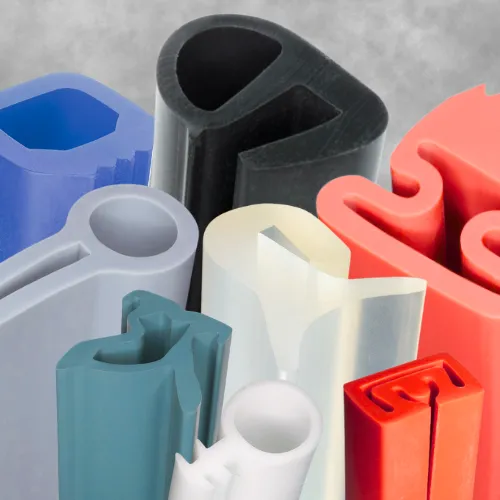
  • 01Extruded window sealing profile
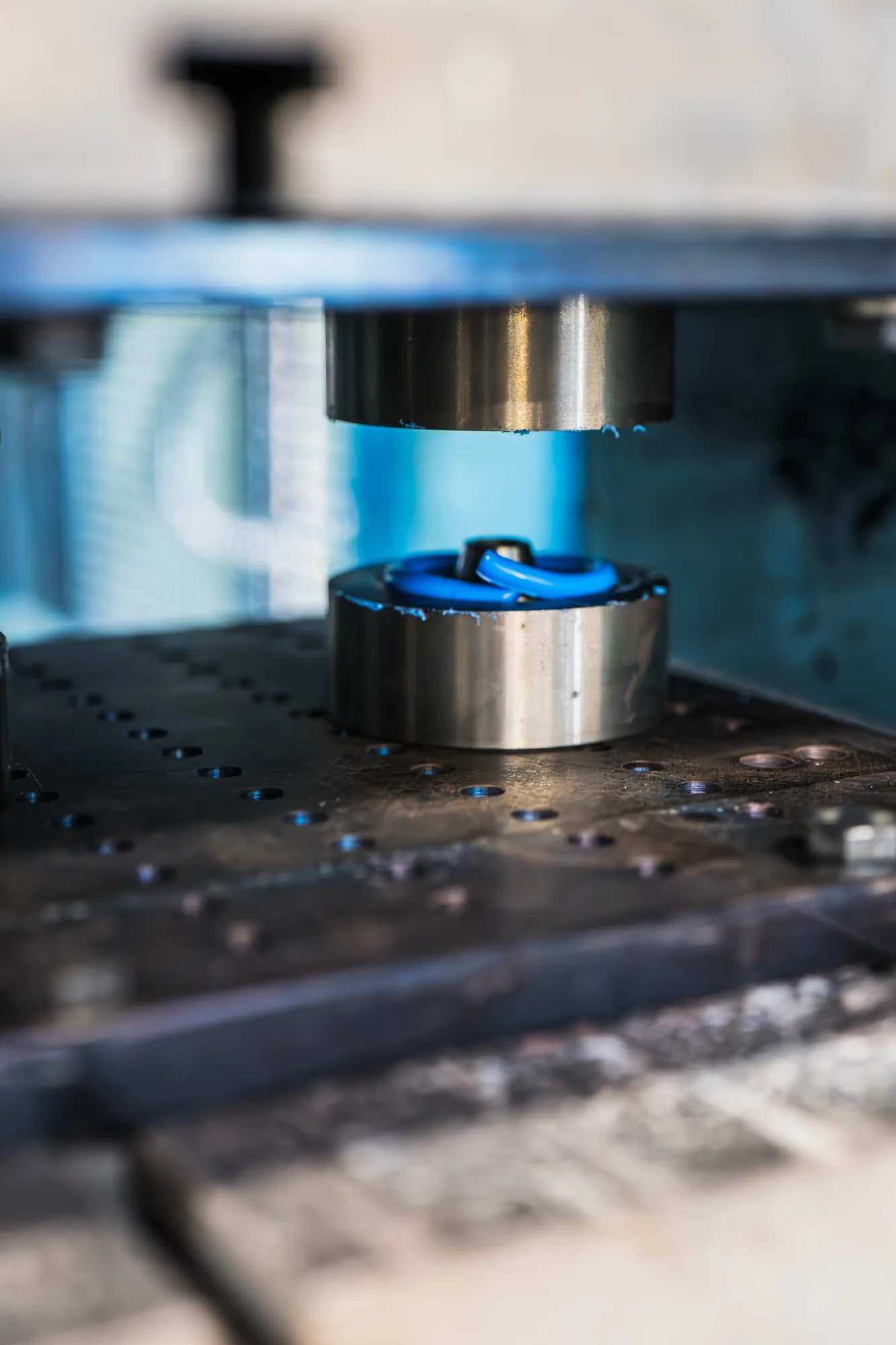
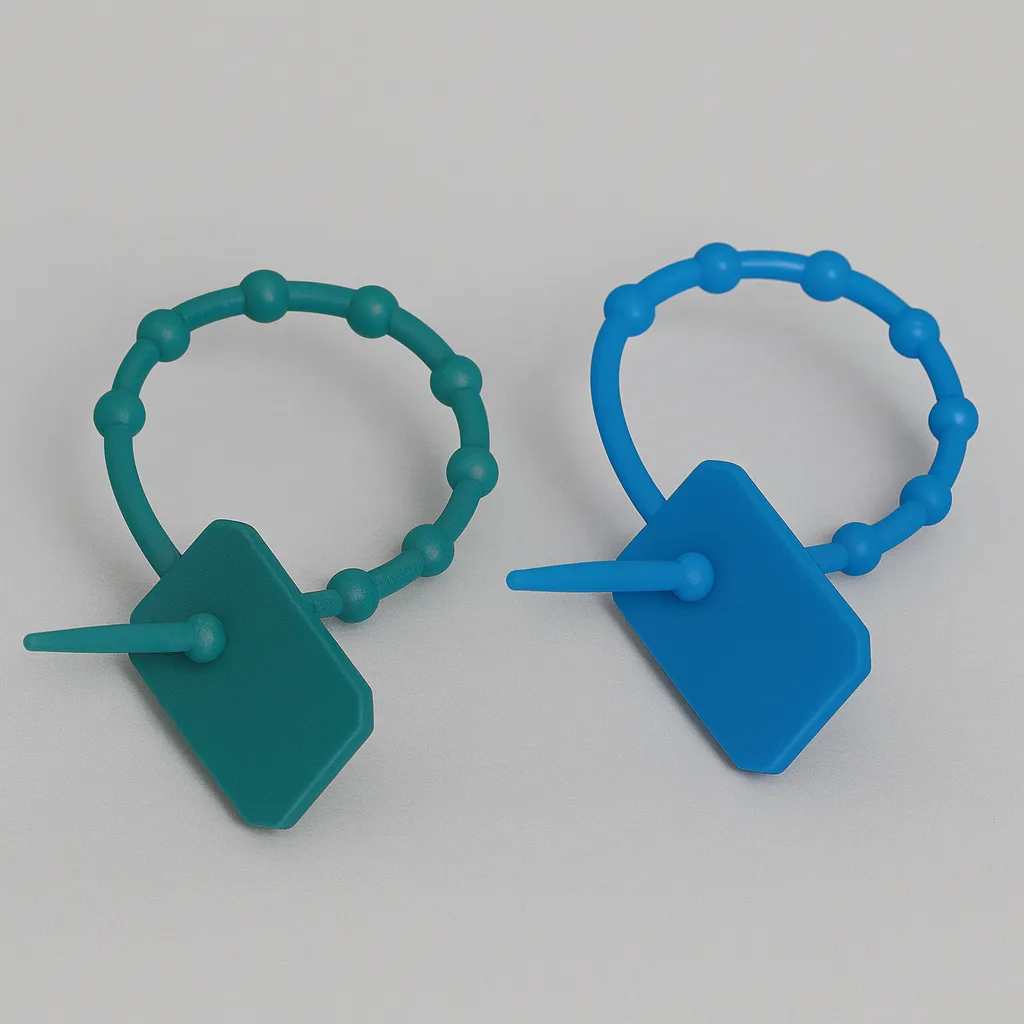
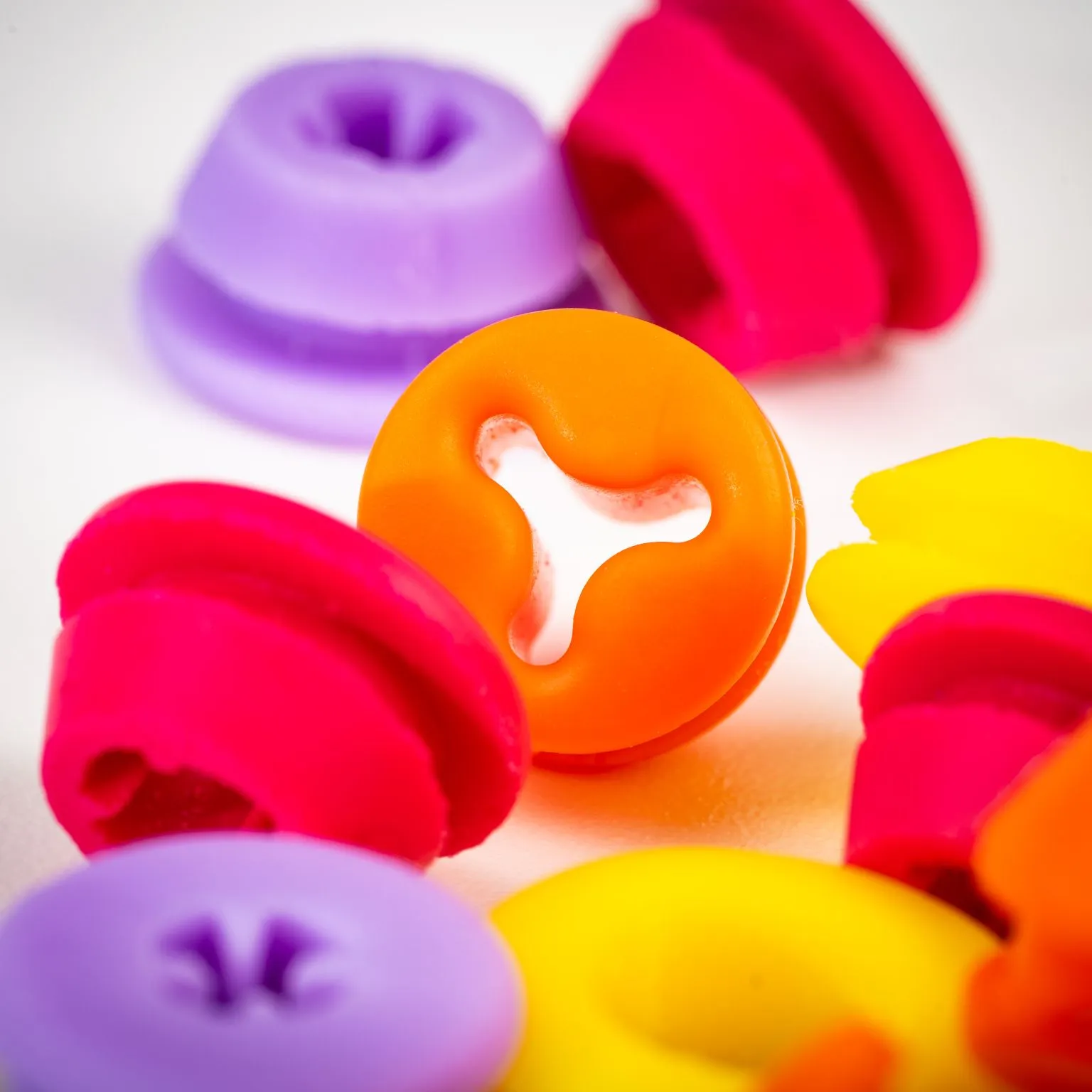
  • 02Anti-vibration S16 PMQ moulded part
  • 03Cellular sponge S33 door gaskets
Materials

Catalogue railway series certified EN 45545-2

Series 16 – Fire-retardant self-extinguishing peroxide silicone (EN 45545-2) PEQ

Series 16 is a peroxide-catalysed silicone blend, processable by extrusion and moulding, designed specifically to provide excellent fire resistance and self-extinguishing properties. It complies with railway standard EN 45545-2 version 2020 (Requirements R22 and R23, levels HL1, HL2 and HL3), which makes it the ideal choice for sealing gaskets, profiles and parts in environments where fire safety is critical.

Peroxide-catalysed technical silicone with fire-retardant formulation optimised for the railway sector. It complies with R22/R23 requirements of EN 45545-2:2020 (HL1, HL2, HL3). Processable by extrusion, it offers high thermal resistance, mechanical stability and low emission of smoke and toxic gases.

Shore A hardness30 – 85
Temperature range-60 °C / 200 °C
Density (g/cm³)1.09 – 1.26
Tensile strength (MPa)5.0 – 9.0
Elongation at break (%)380 – 850
Tear strength (kN/m)17.0 – 25.0
Oxygen index (LOI)32.7
Smoke density (Ds max)84.7
ITC / Hazard Level0.06
Railway hazard levelHL1, HL2, HL3
Catalysis typePeroxide
Processing methodExtrusion and moulding
Base colourBlack / Blue-black (RAL 9017 / RAL 5004)
Available coloursBlack (RAL 9017), Blue-black (RAL 5004)

Applications

  • Railway applications (seals, profiles, gaskets, thermal protections, insulation panels).

Certifications and technical standards

  • EN 45545-2 R22/R23 HL1-HL2-HL3
  • RoHS compliant
  • REACH compliant
  • NF EN 45545-2:2020
  • EN ISO 4589-2 (O₂ Index 32.7%)
  • EN ISO 5659-2 (Ds max 84.7)
  • EN 17084 (ITC PNL 0.06)

Series 33 – Platinum-cure cellular silicone (foam) fire-retardant (EN 45545-2)

Series 33 is a cellular (foam) silicone blend catalysed with platinum, designed for processing by extrusion. It is characterised by good sealing performance combined with advanced safety properties: good fire resistance and good self-extinguishing behaviour. It complies with the requirements of EN 45545-2 (R22 and R23, HL1 and HL2 levels), making it ideal for lightweight sealing profiles in transport and demanding applications.

Platinum-catalysed cellular silicone, processable by extrusion. It offers good sealing, excellent fire behaviour and self-extinguishing properties, and a wide range of available colours. Specially developed for railway applications and thermal sealing with compliance to EN 45545-2 R22/R23 (HL1–HL2).

HardnessN/A (Cellular)
Temperature range-60 °C / 200 °C
Density (g/cm³)0.50 – 0.80
Catalysis typePlatinum
Processing methodExtrusion
Base colourWhite / Grey / Black / Oxide red (to order)
Available coloursVarious RAL colours available on request

Applications

  • Sealing gaskets, tubing, profiles in cord, square, rectangular or trapezoidal cross-sections with fire resistance and good sealing performance.

Certifications and technical standards

  • EN 45545-2:2020 R22/R23 HL1–HL2
  • RoHS compliant
  • REACH compliant
  • ISO 3302 – extruded products E3
  • cut lengths L3
EN 45545-2 tests · accredited external laboratory

S16 PEQ (extrusion / calendered sheet) and S16 PMQ (moulding) certified separately

Series 16 is tested separately in its two process variants. The PEQ variant (peroxide extrusion) covers calendered sheet, cords and continuous profiles with an oxygen index of 32.7 %. The PMQ variant (peroxide moulding) covers compression and injection moulded parts with an oxygen index of 35.1 % and Ds max 45 — against the HL3 limit of 300, the material has a wide safety margin.

Both variants are tested per EN ISO 4589-2 (oxygen index), EN ISO 5659-2 (optical smoke density) and EN 17084 (ITCPNL toxicity index). The accredited external laboratory issues the test report with the detail of measured values per specimen. Documentation ready for inclusion in the vehicle homologation dossier per EN 45545-1.

For seals that require compressibility — door gaskets, panels, enclosures — Series 33 cellular platinum covers HL1 and HL2 (does not reach HL3). See the sponge sheet page for specific data. If the project requires HL3 in a compressible seal, consider combining die-cut solid S16 with extruded S16 profile.

Services and processes

Services and processes related to fire-retardant sheet

Catalogue

Railway products related to S16 sheet

Do you need certified fire-retardant silicone for your railway project?

Tell us the required hazard level (HL1, HL2 or HL3), the fire requirements (R22, R23 or others), the format (sheet, profile, O-ring, moulded part or sponge), the dimensions and the quantity. We confirm feasibility, quote and delivery with the full EN 45545-2 fire documentation for your homologation dossier.