

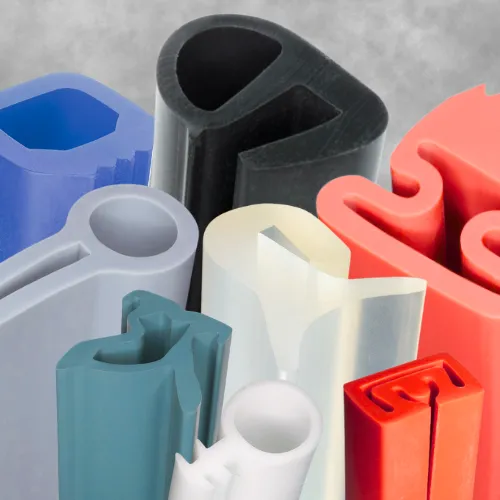
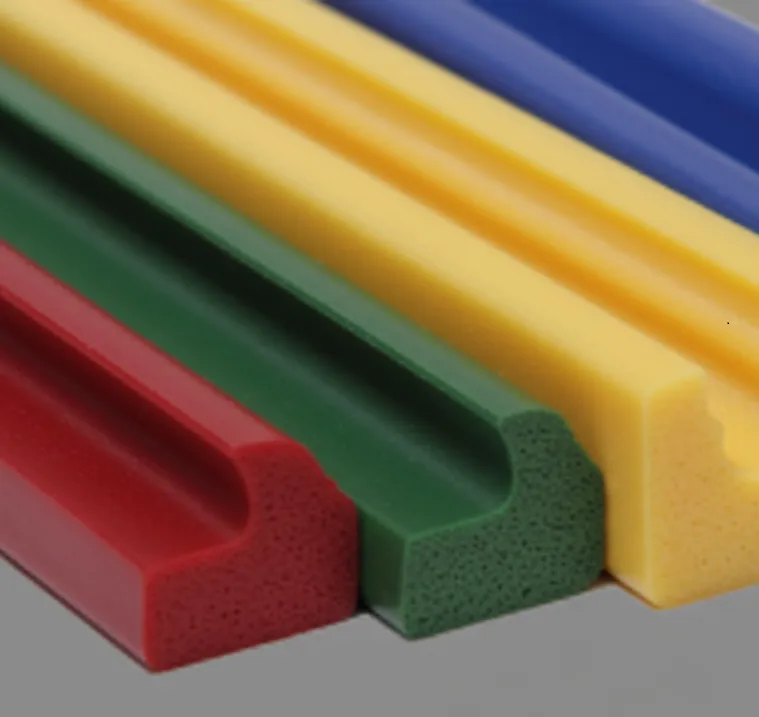
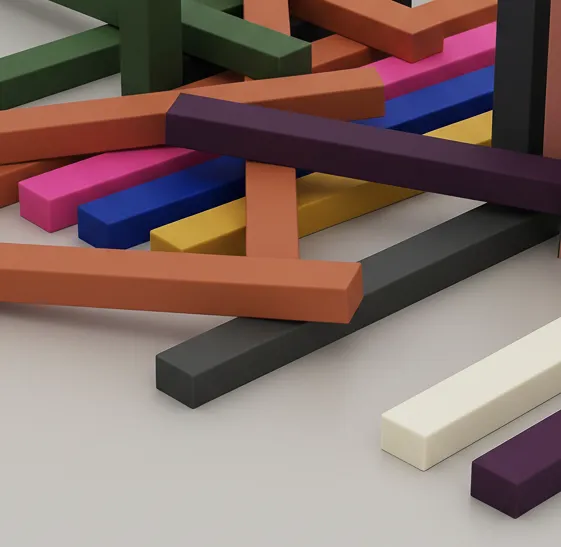
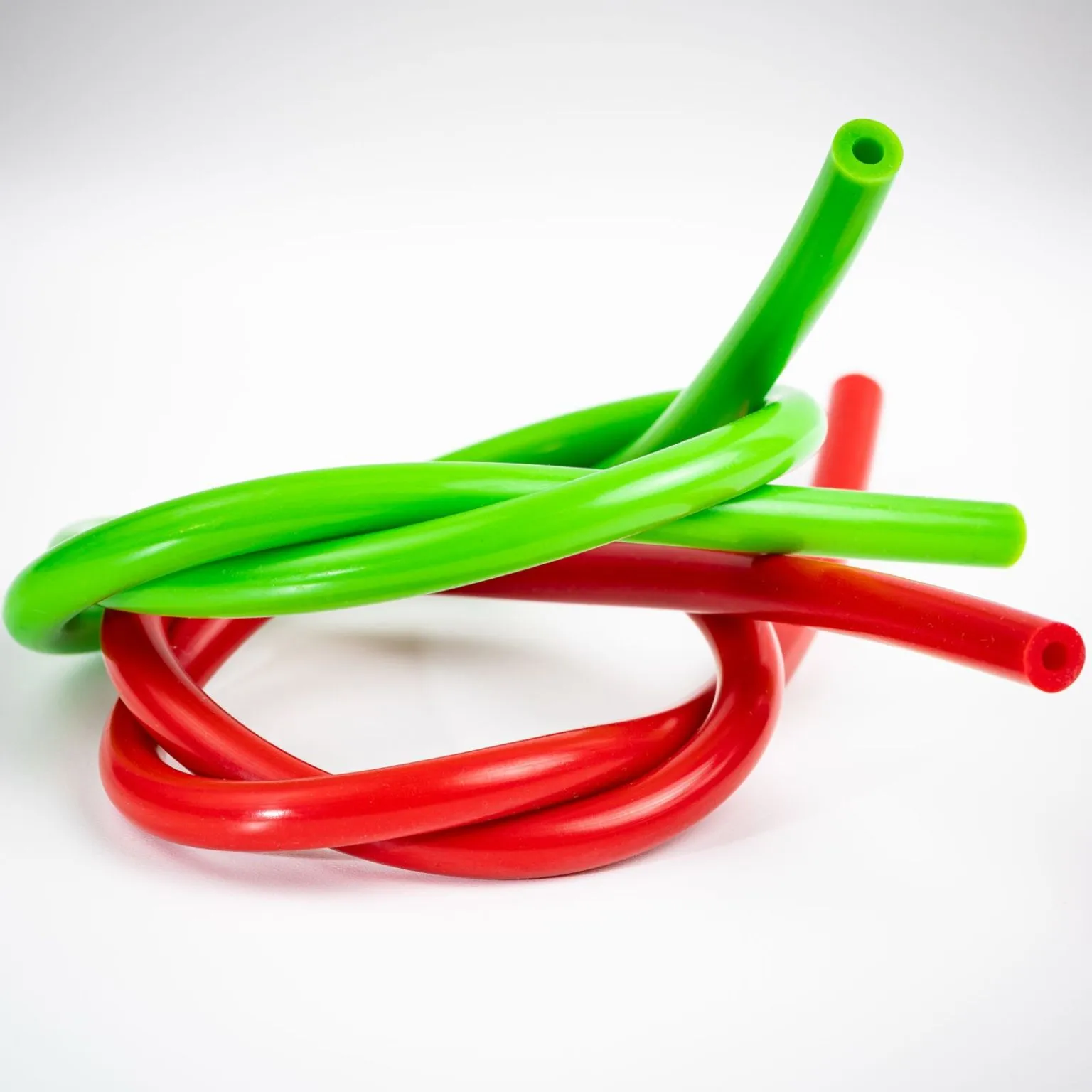


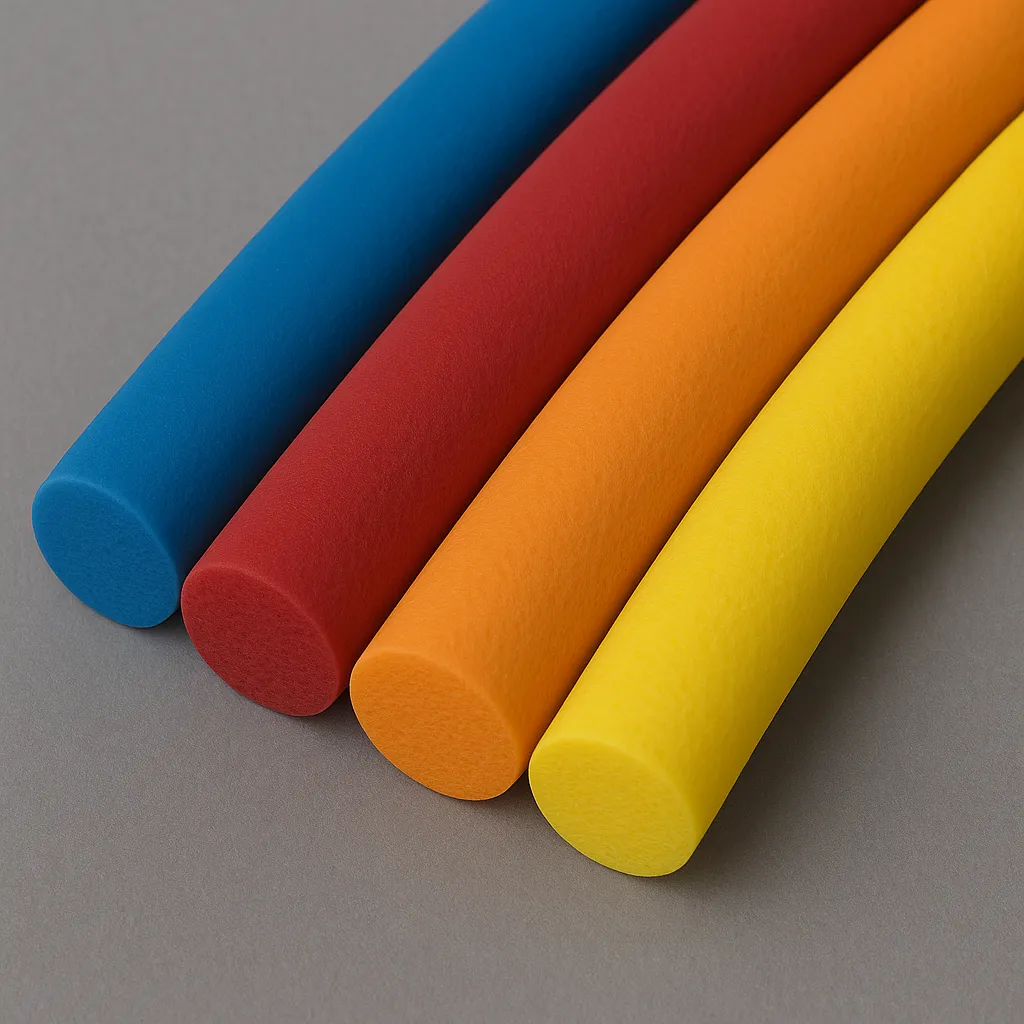
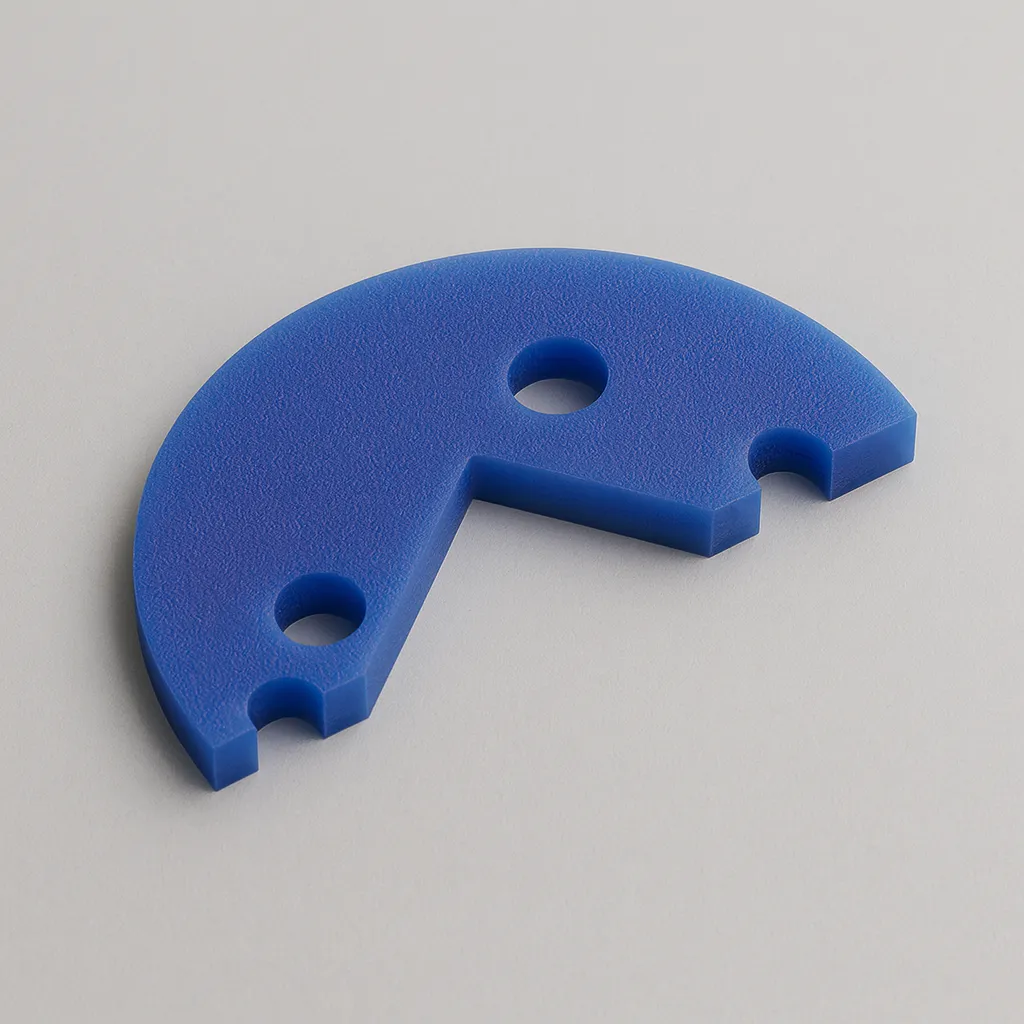
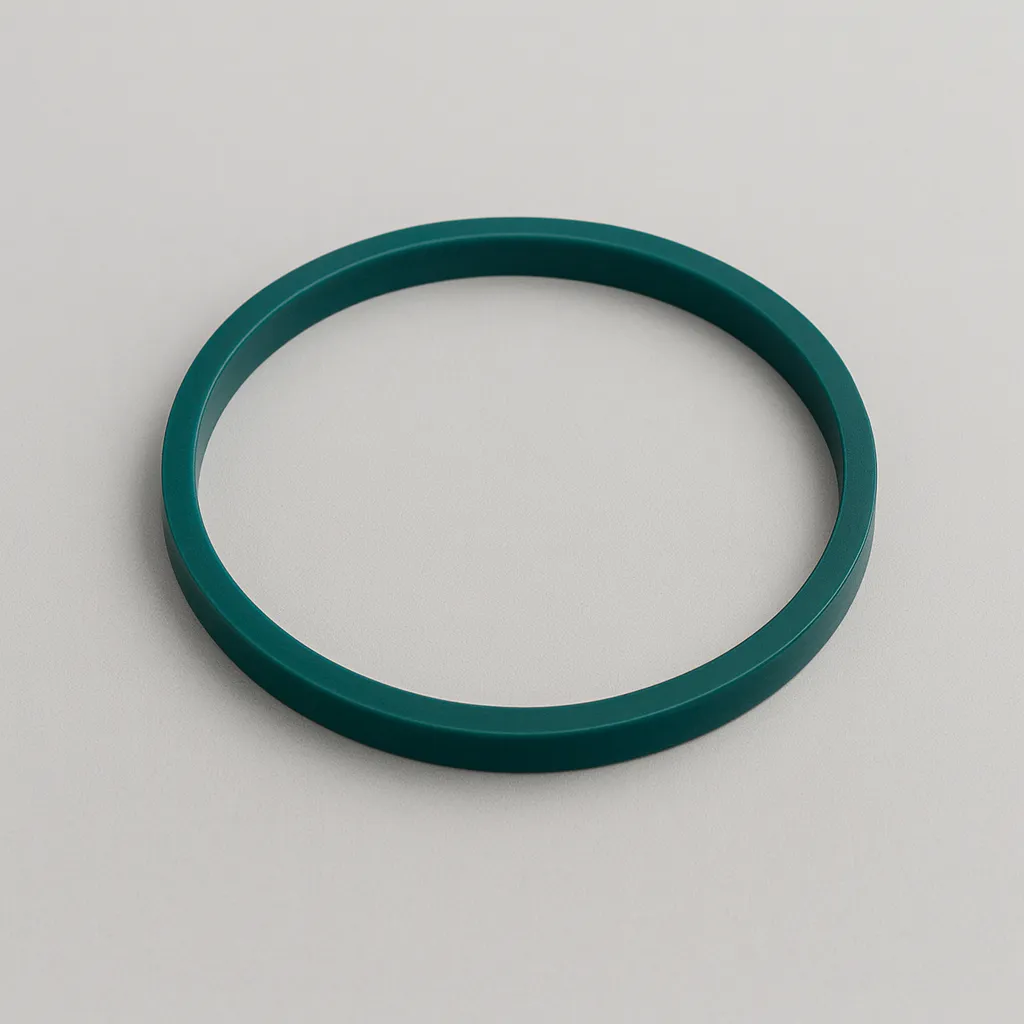
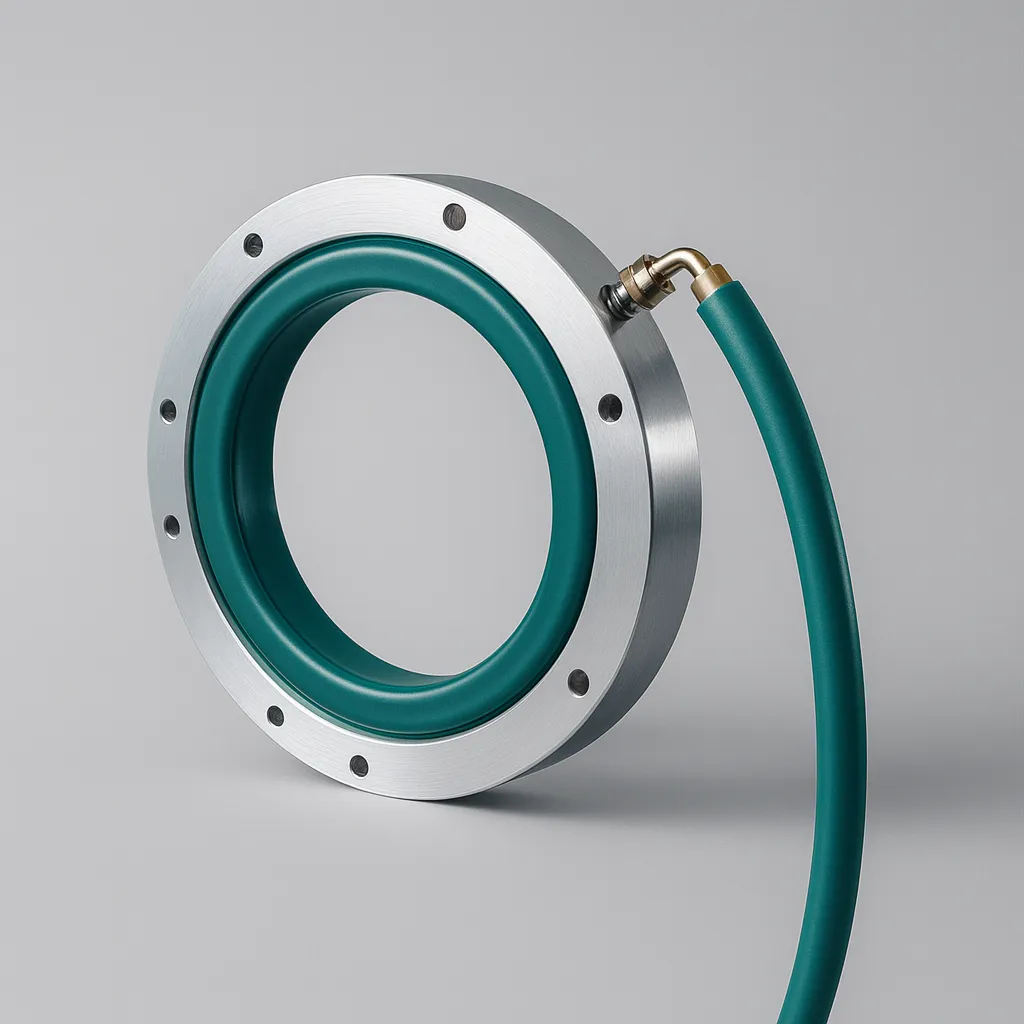









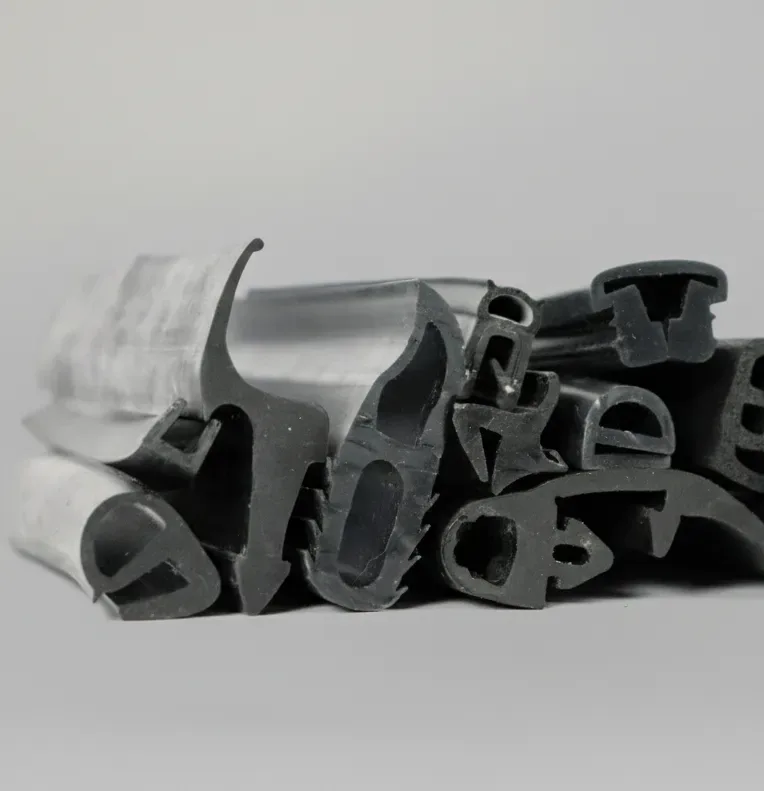
Custom extruded rubber profiles
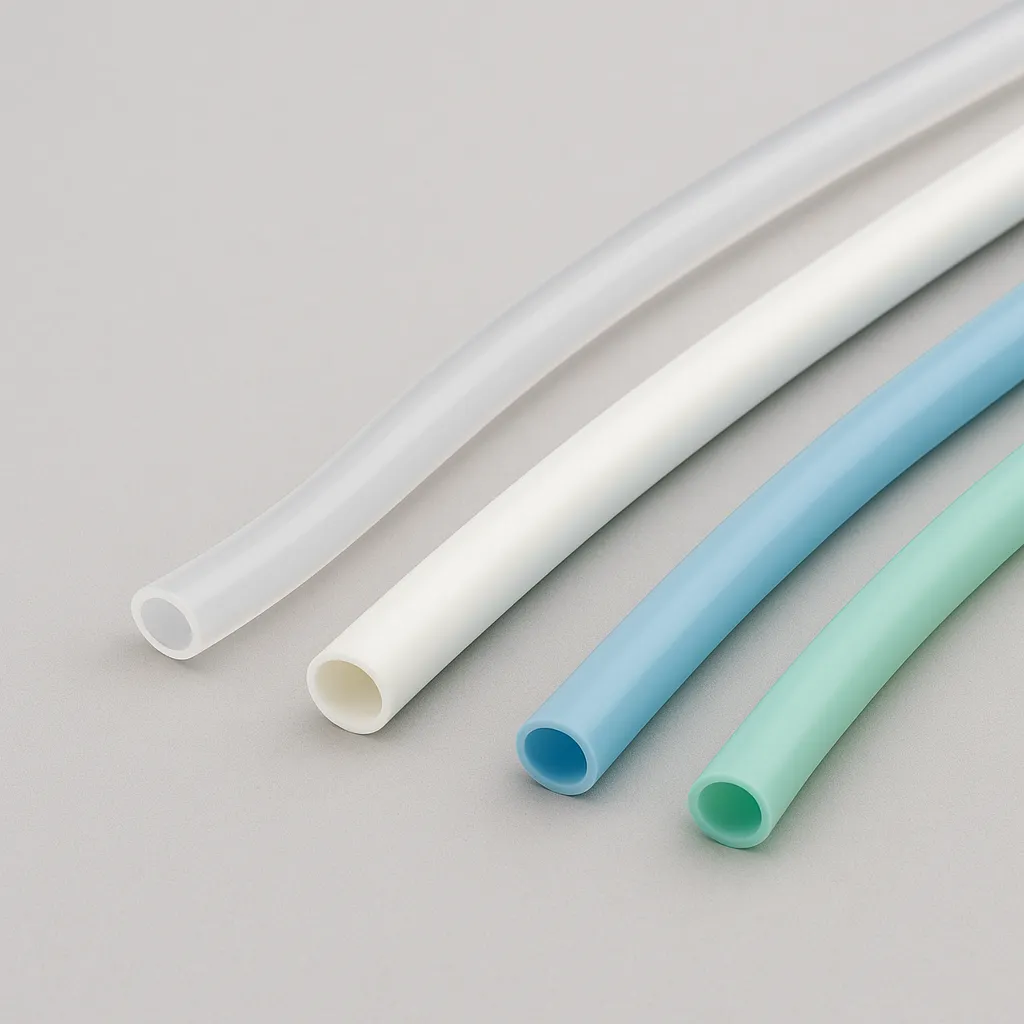
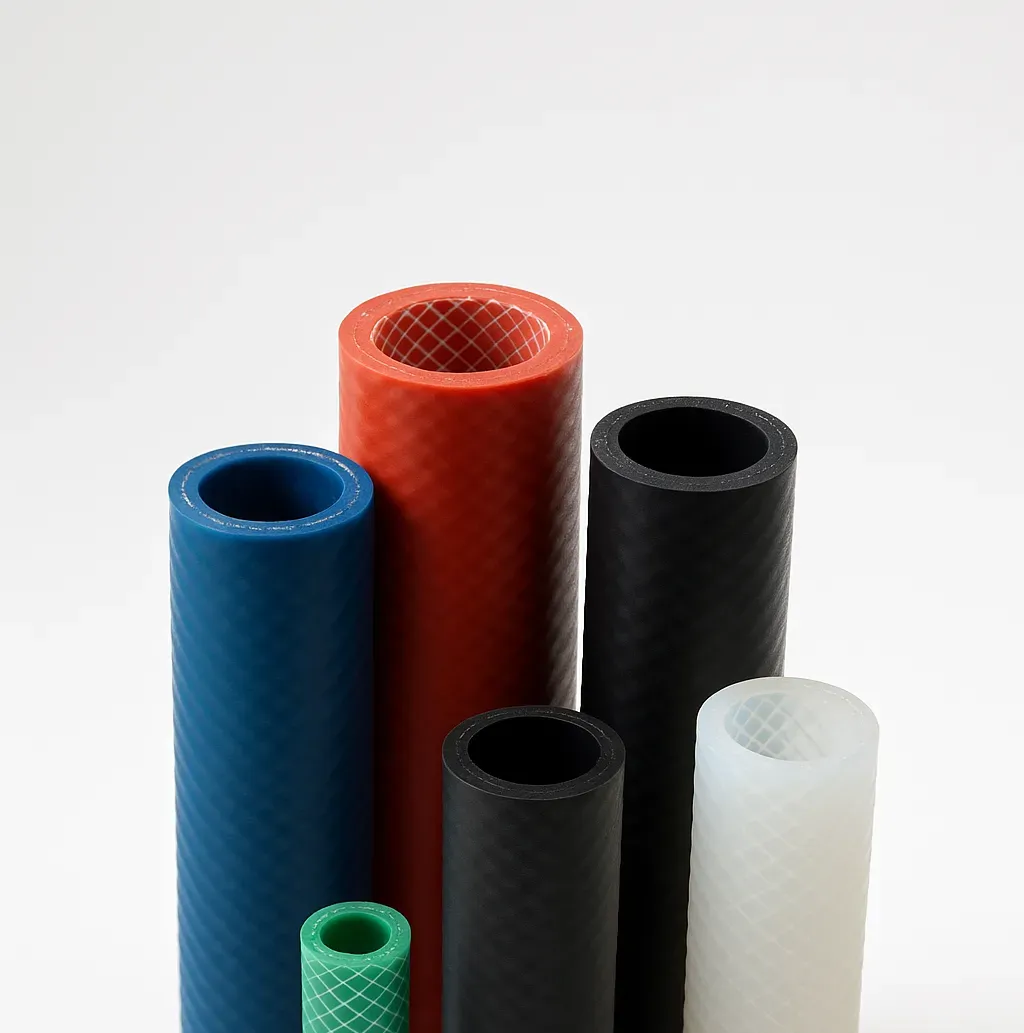
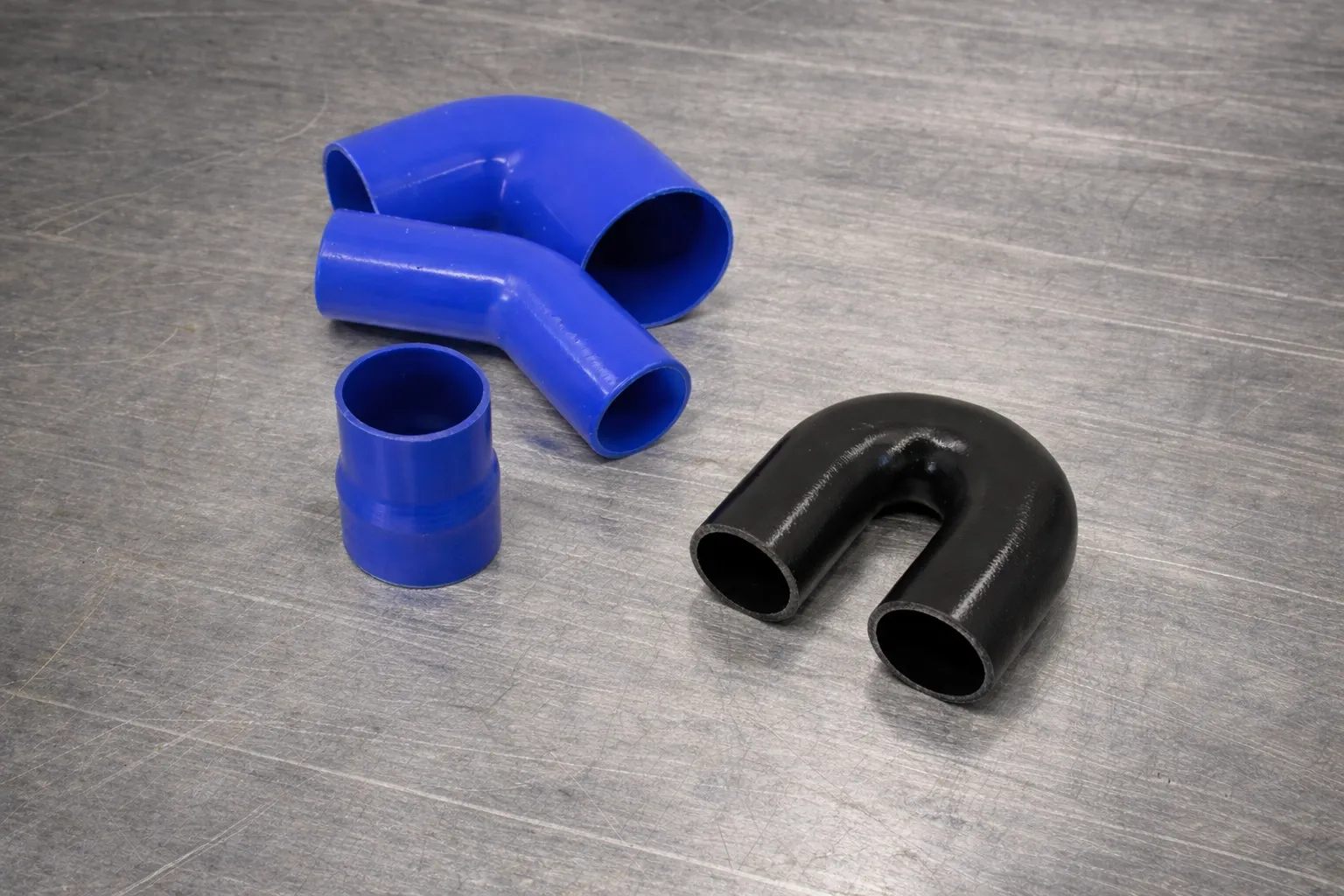
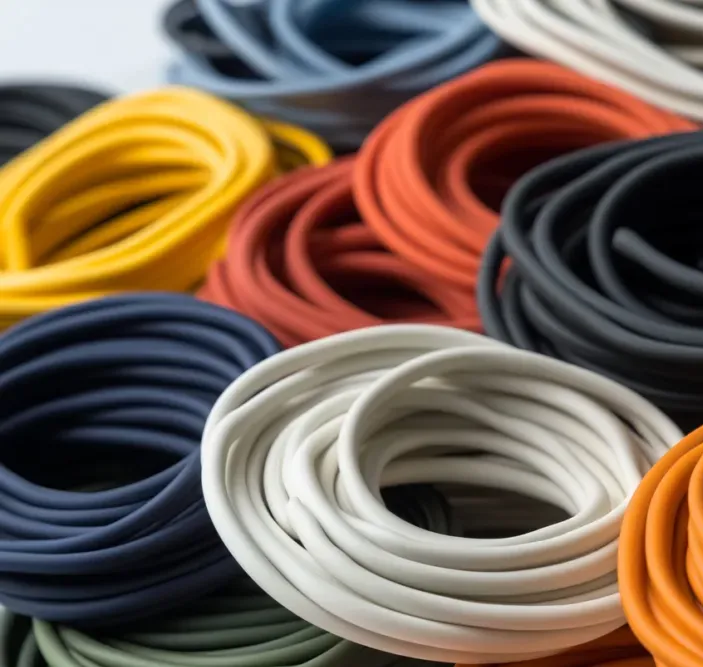
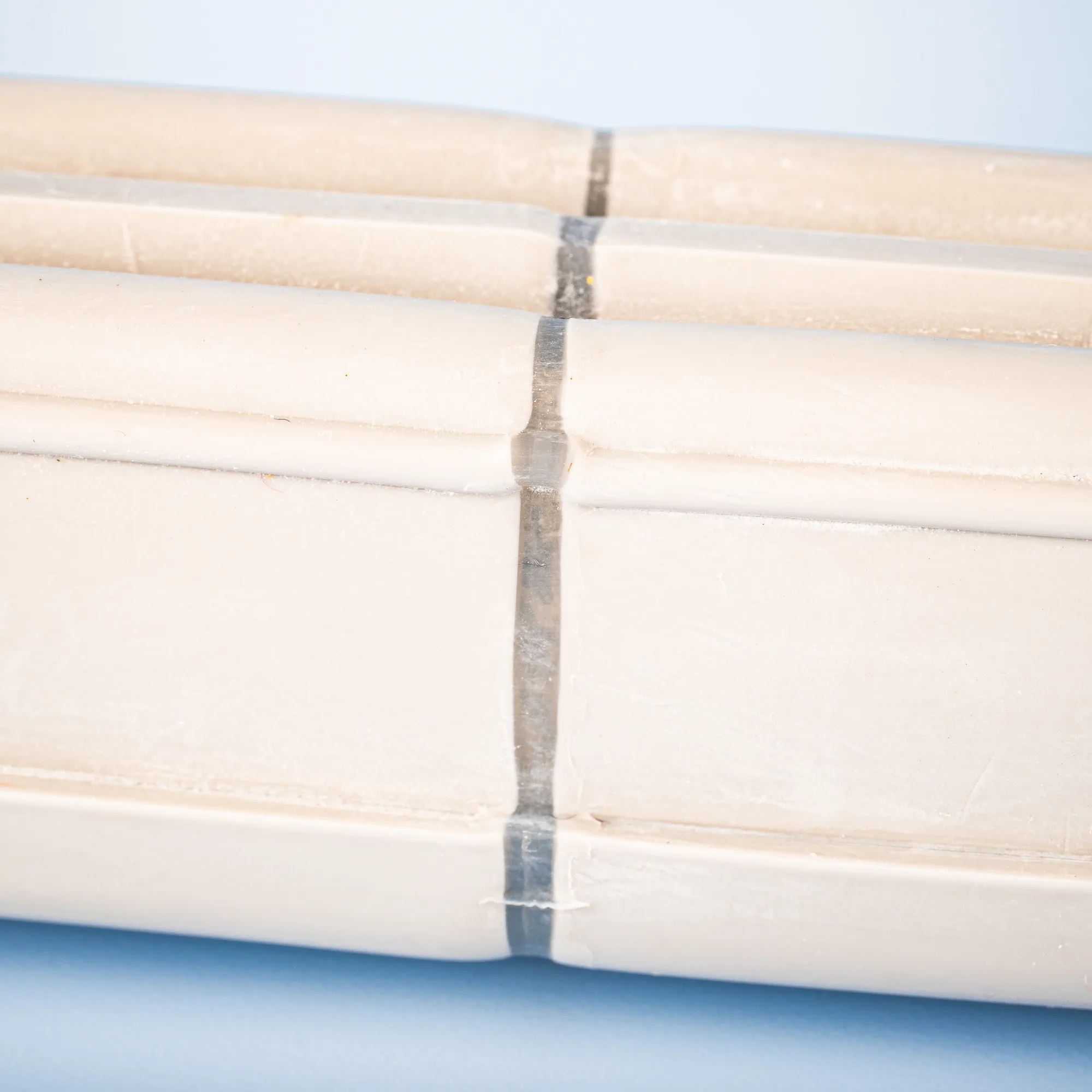
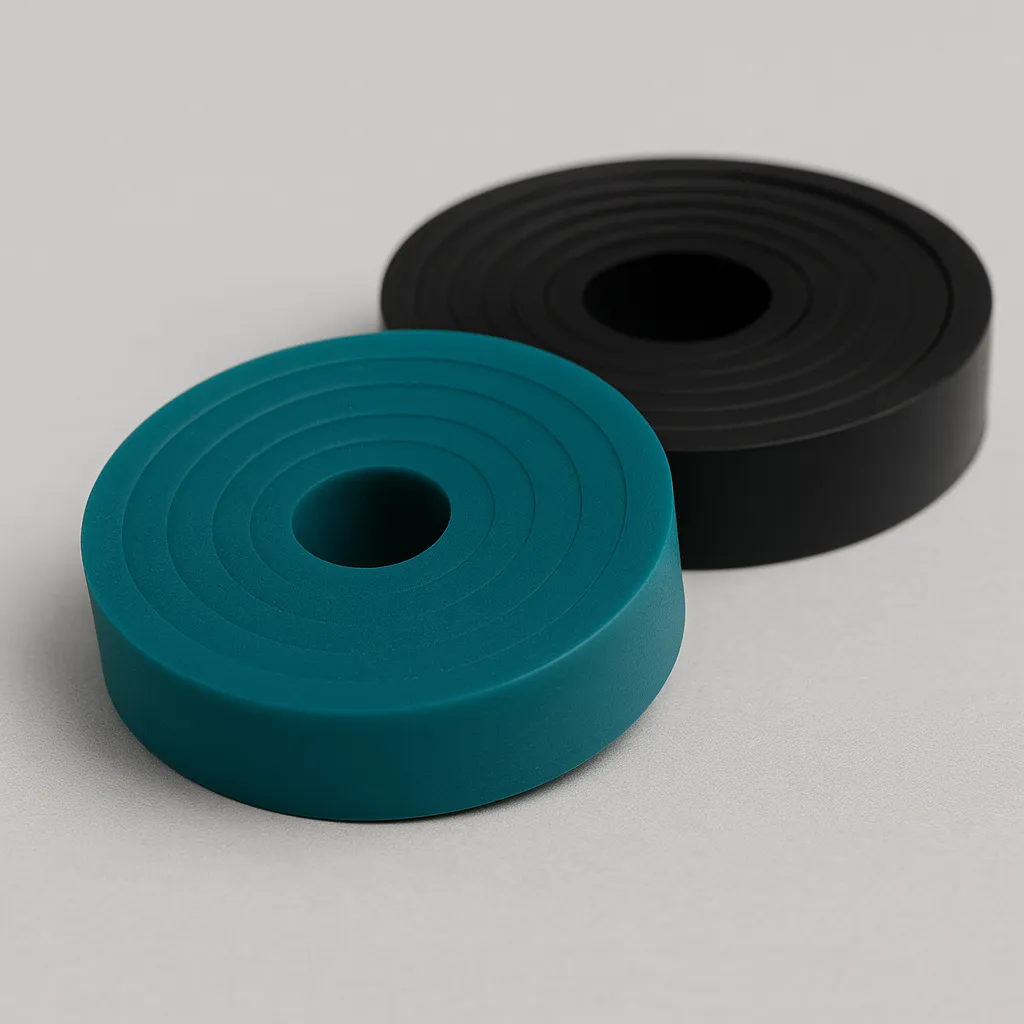
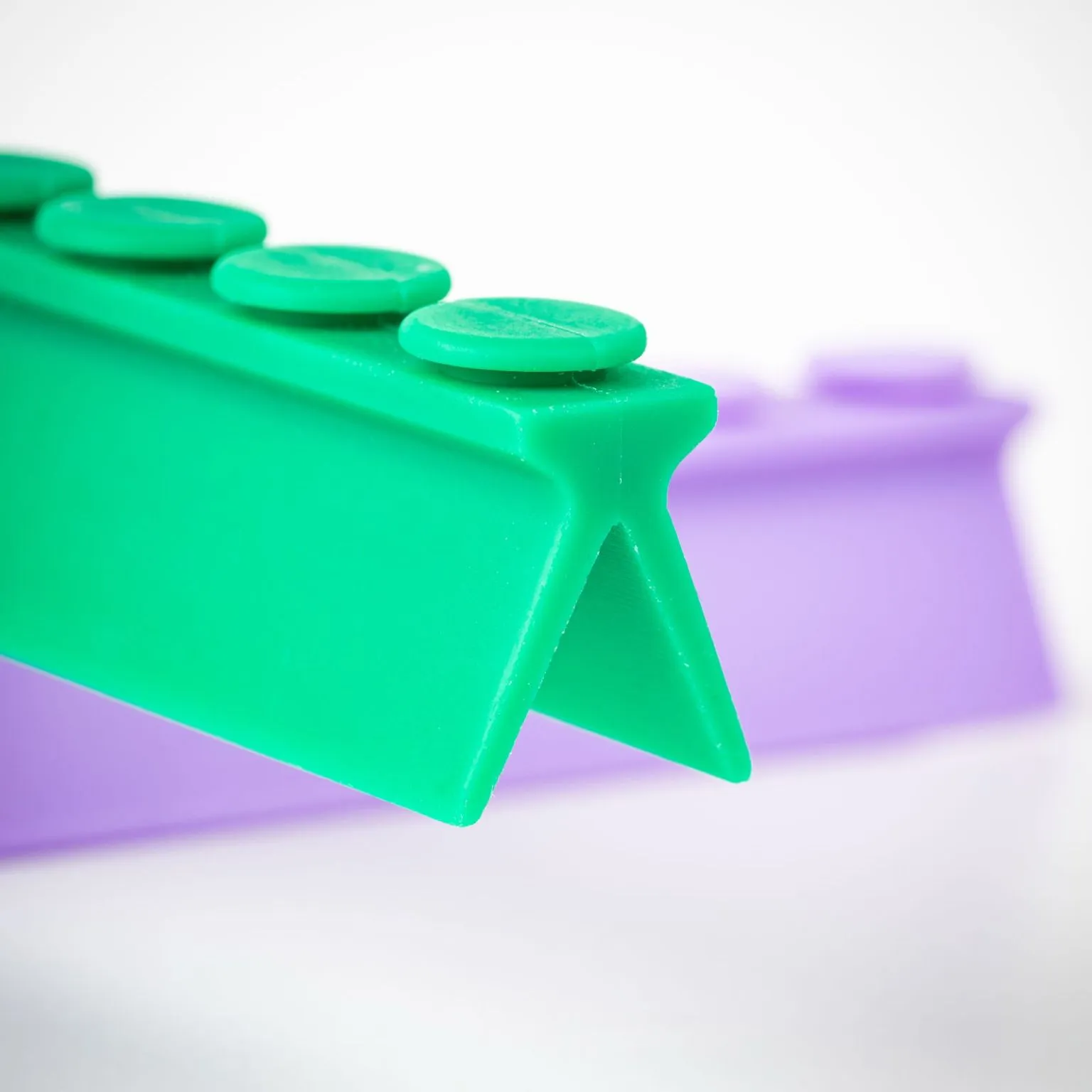
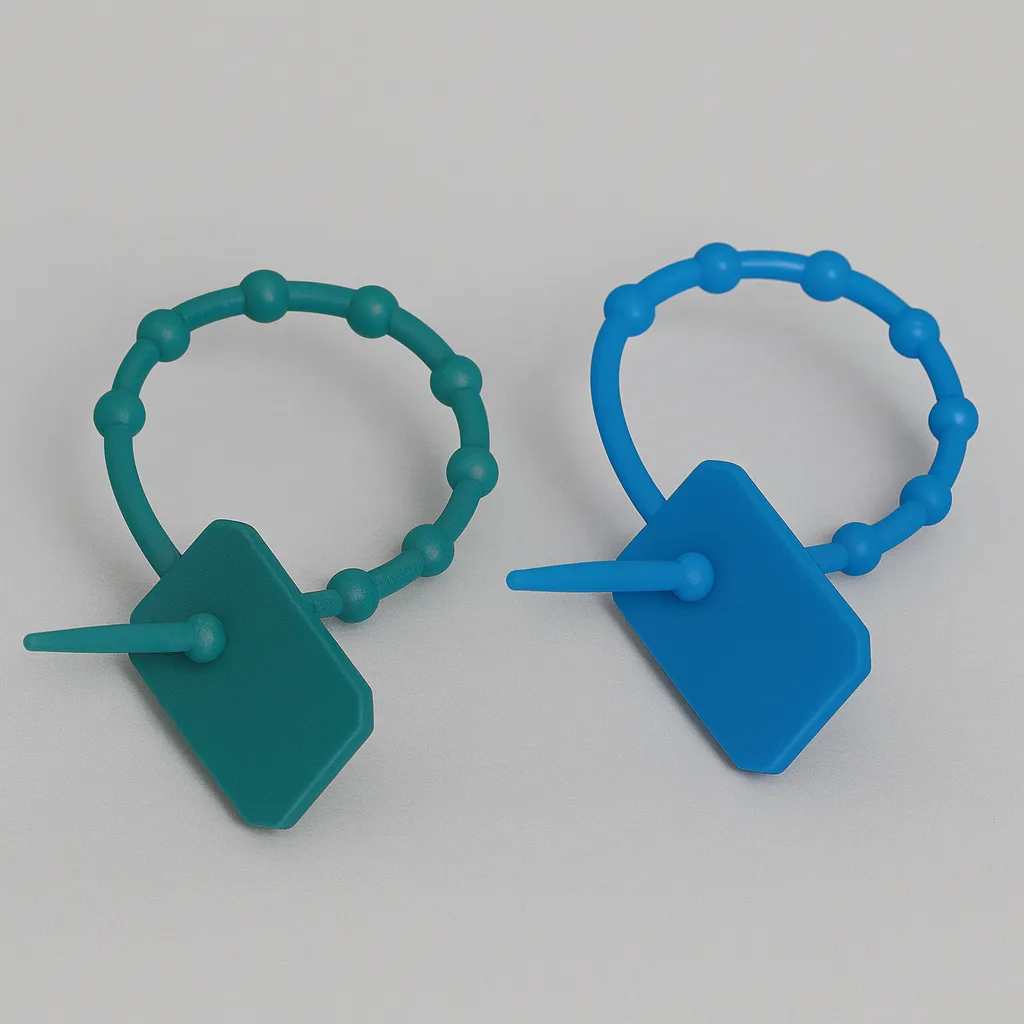
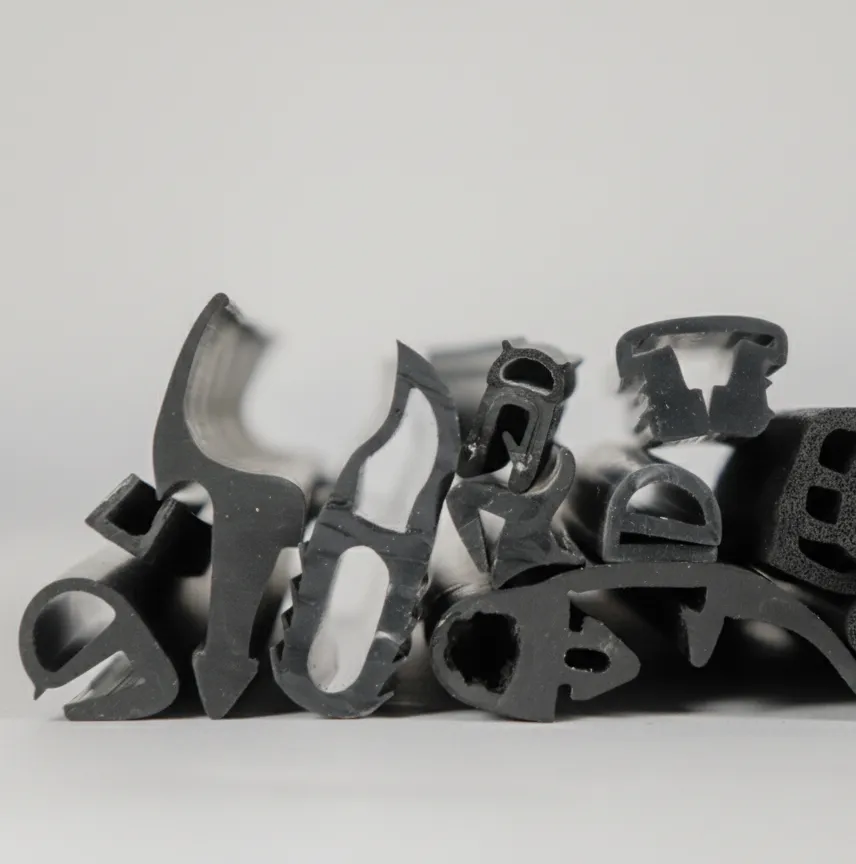
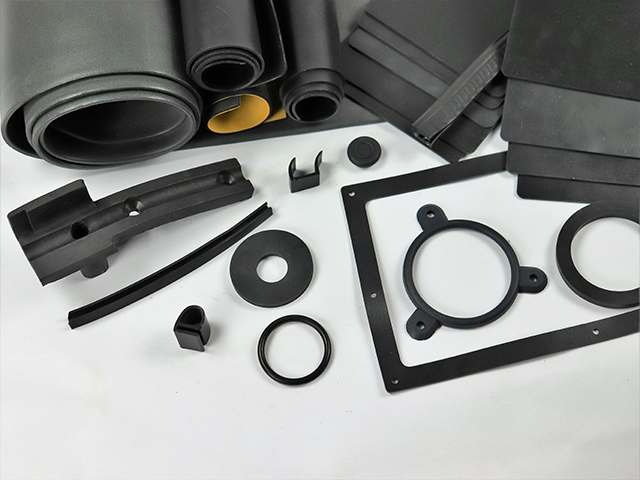
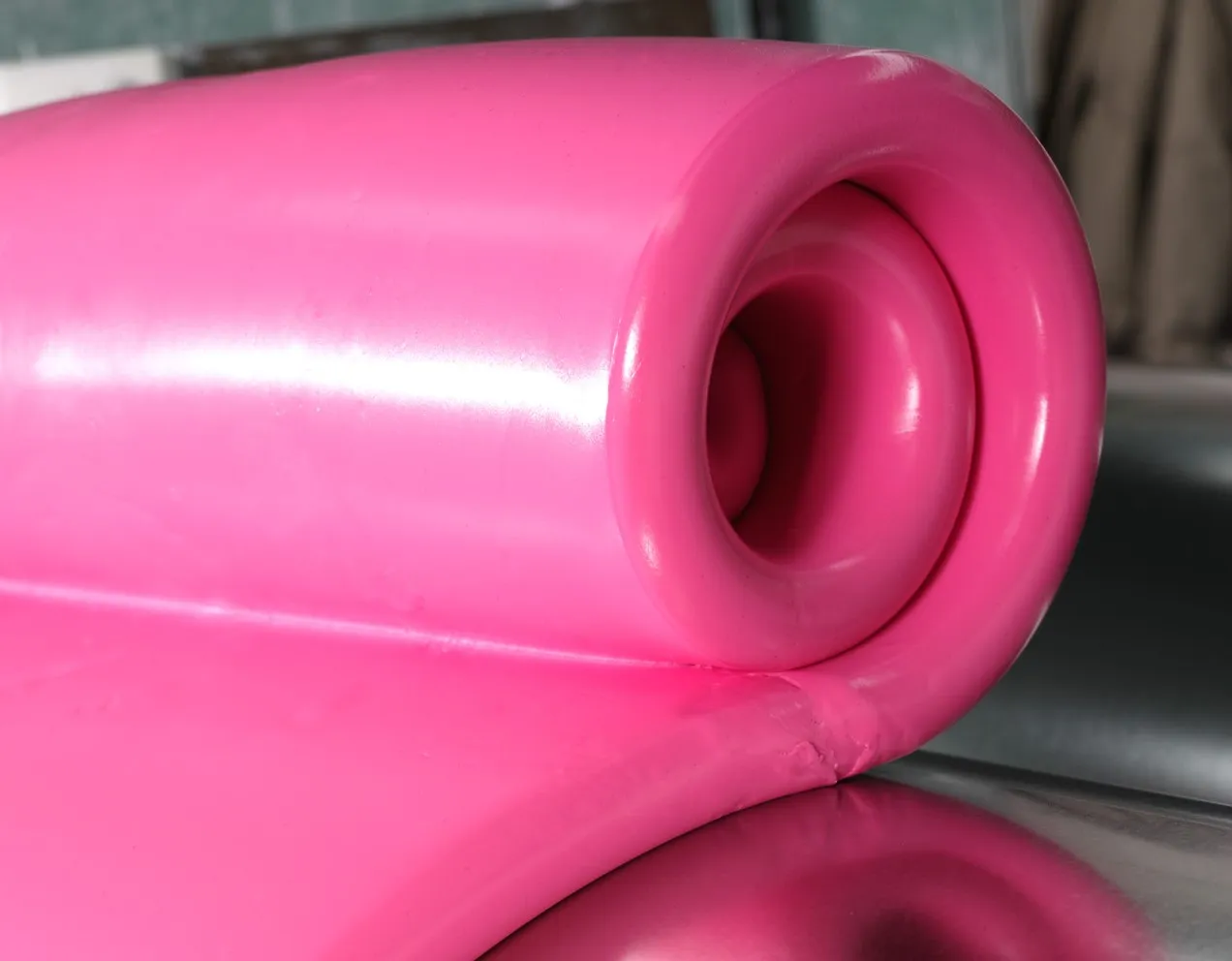
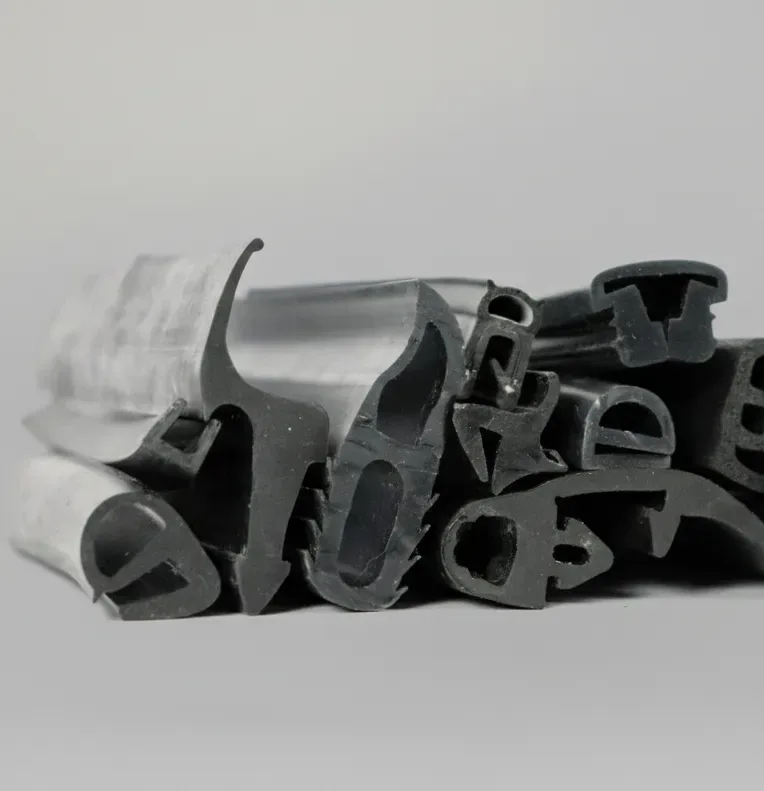
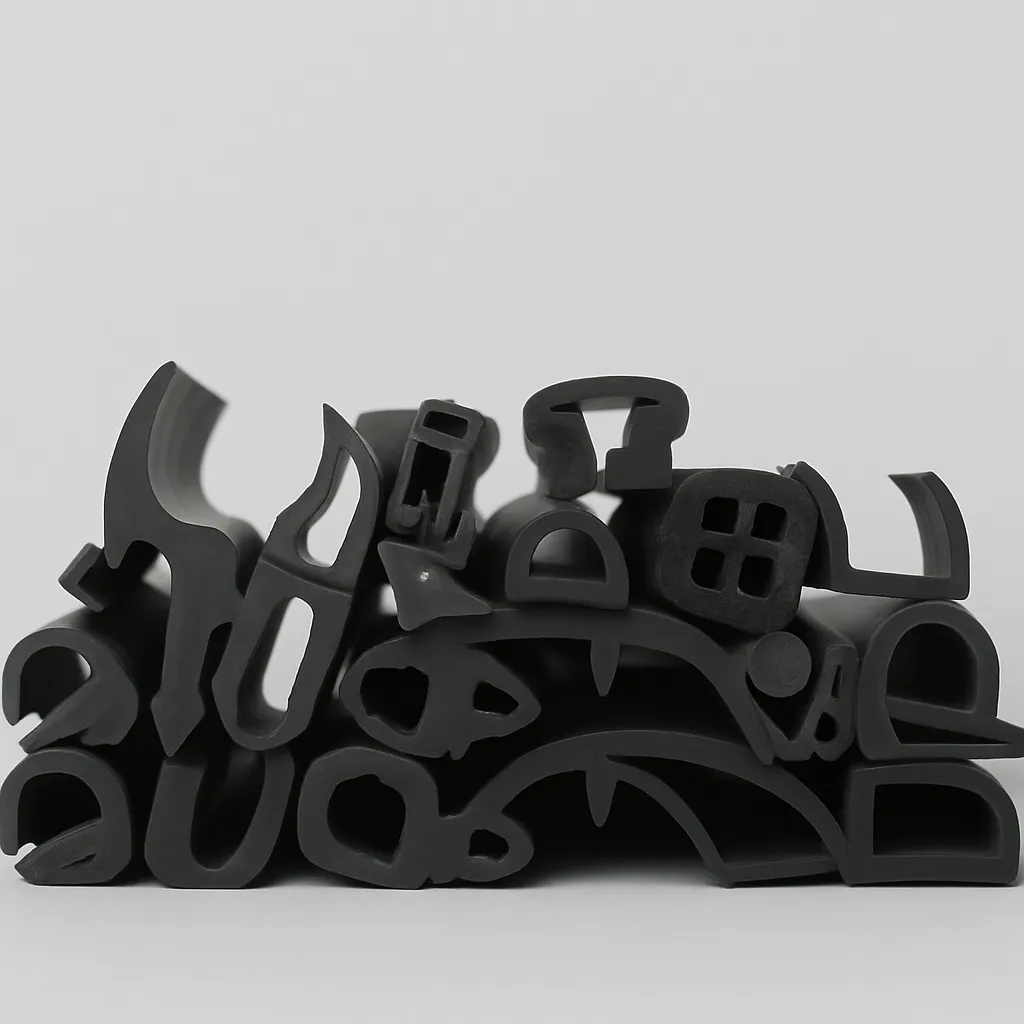
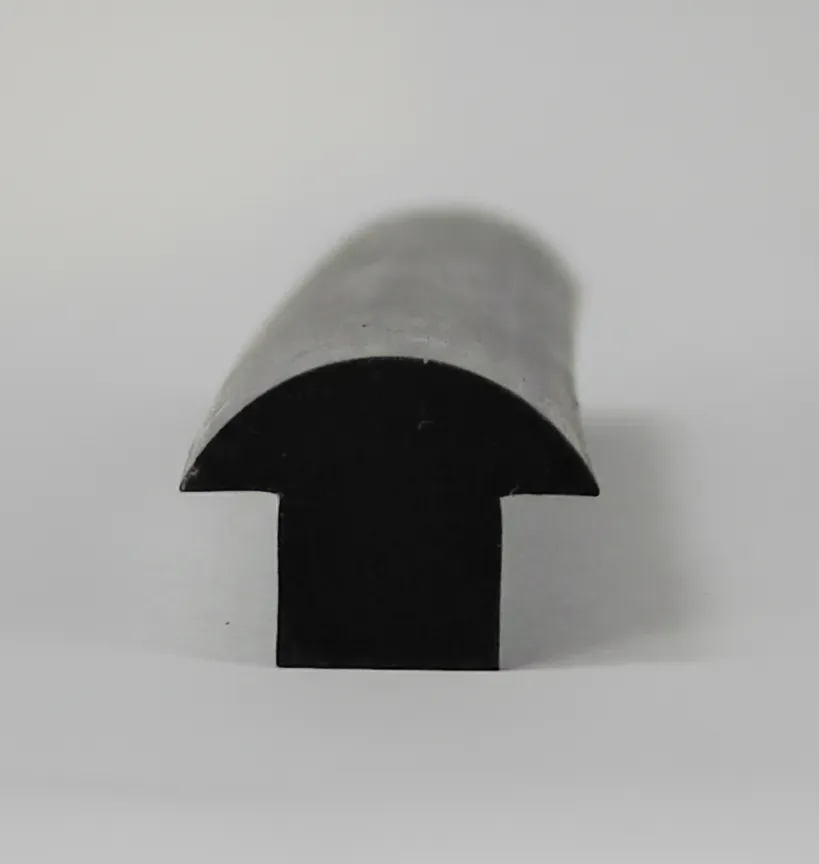
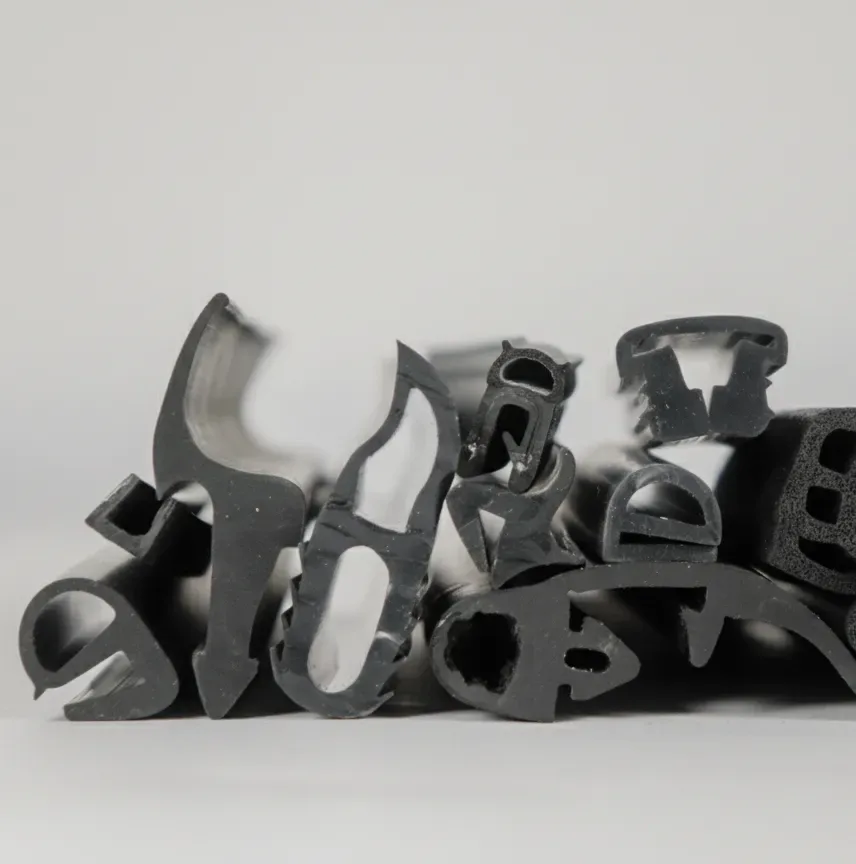
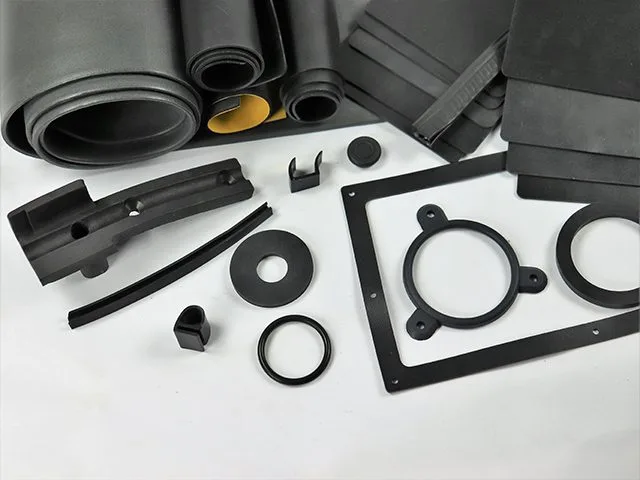
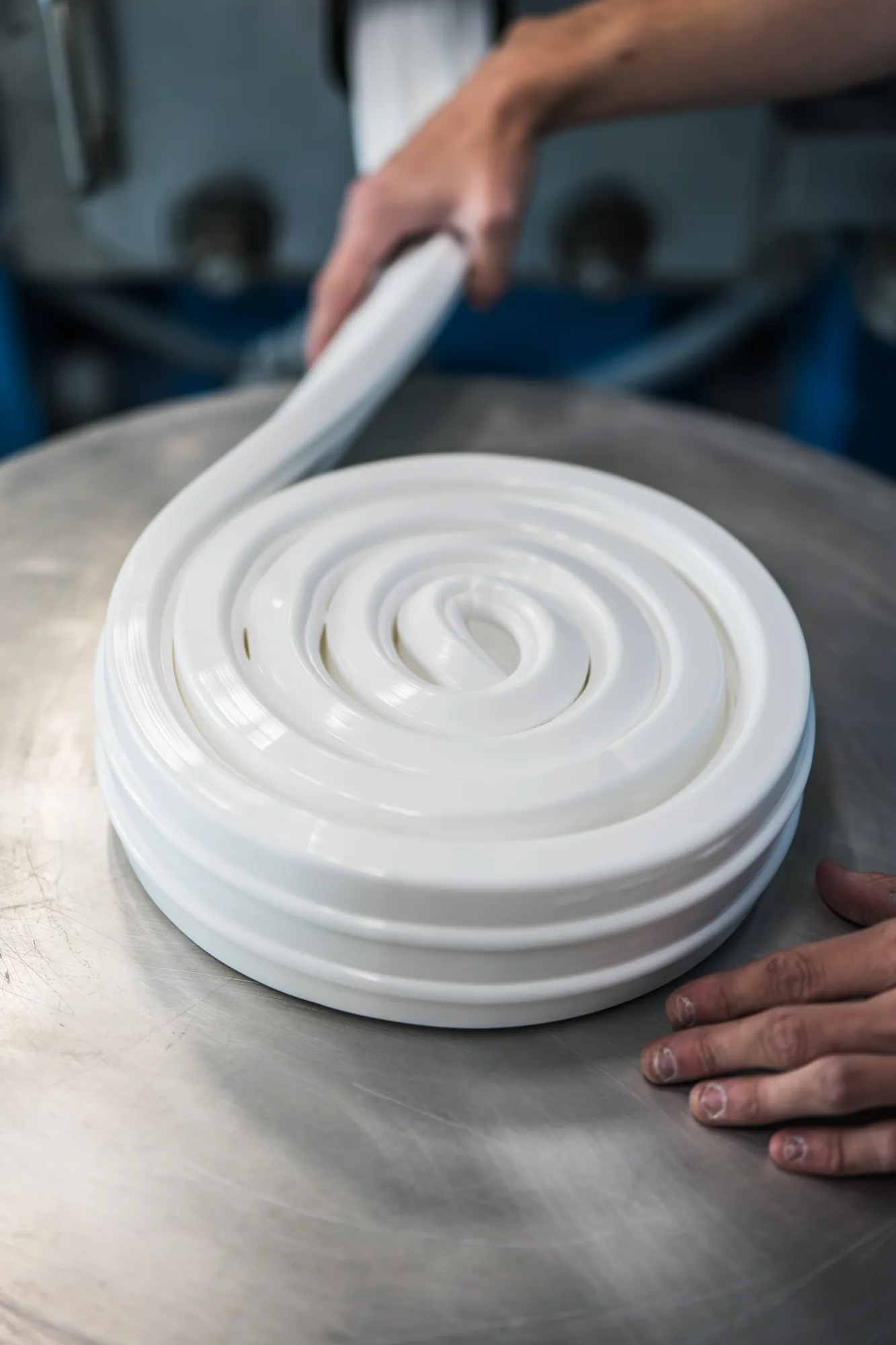
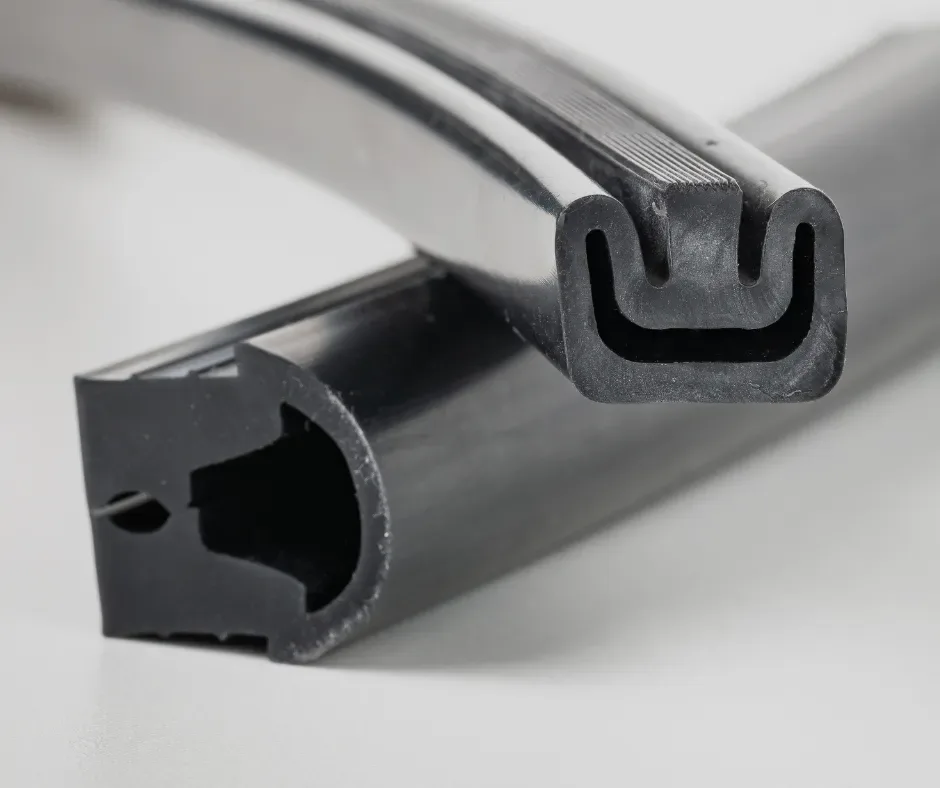
Extruded rubber profiles in EPDM, NBR, CR (neoprene) and NR (natural). Custom manufacturing to customer drawing.
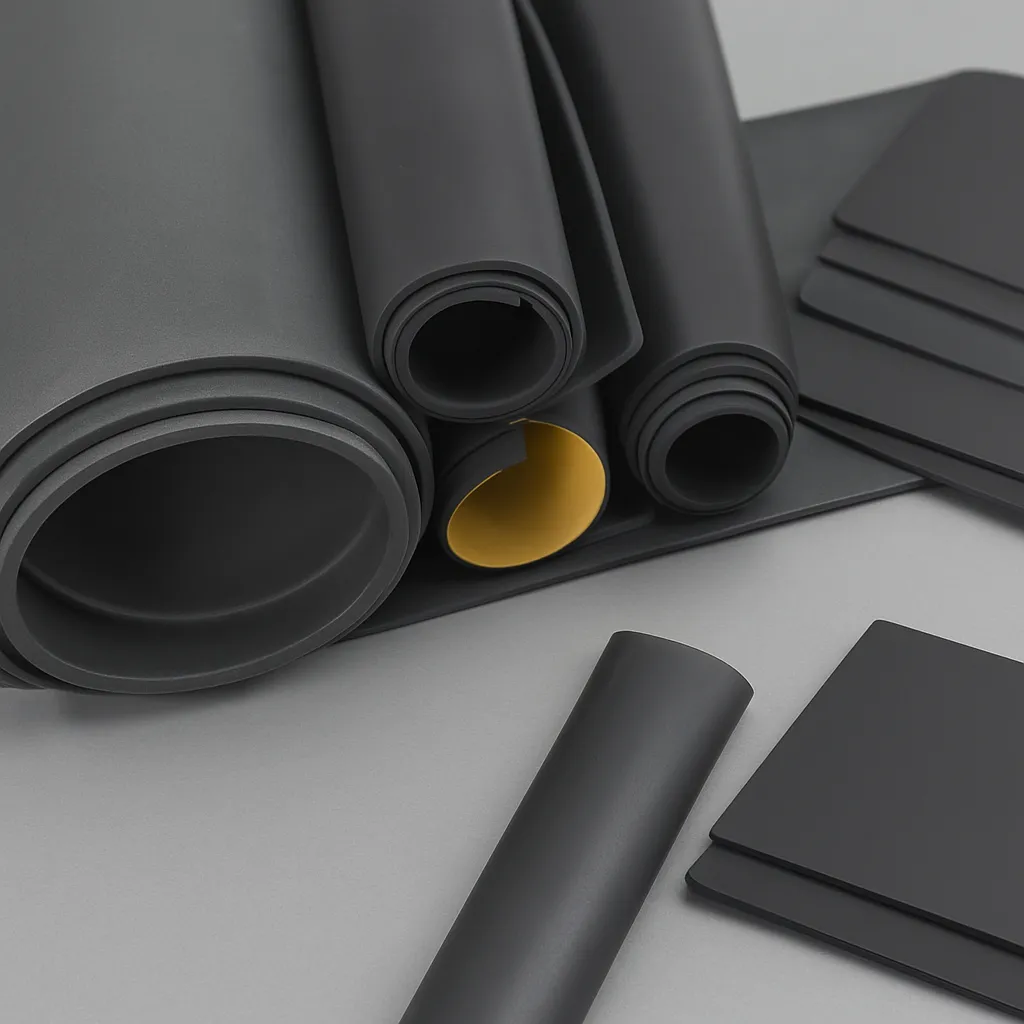
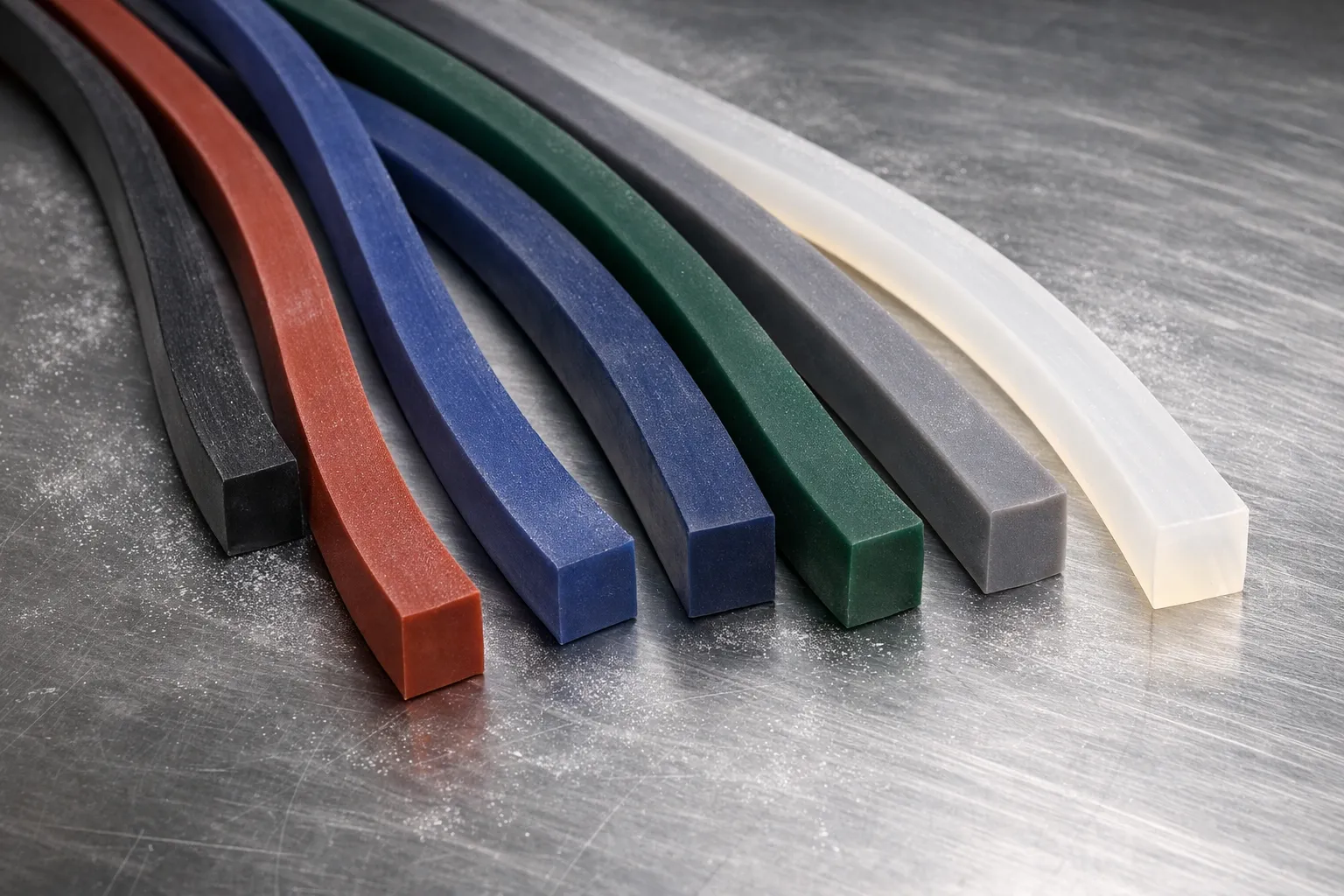
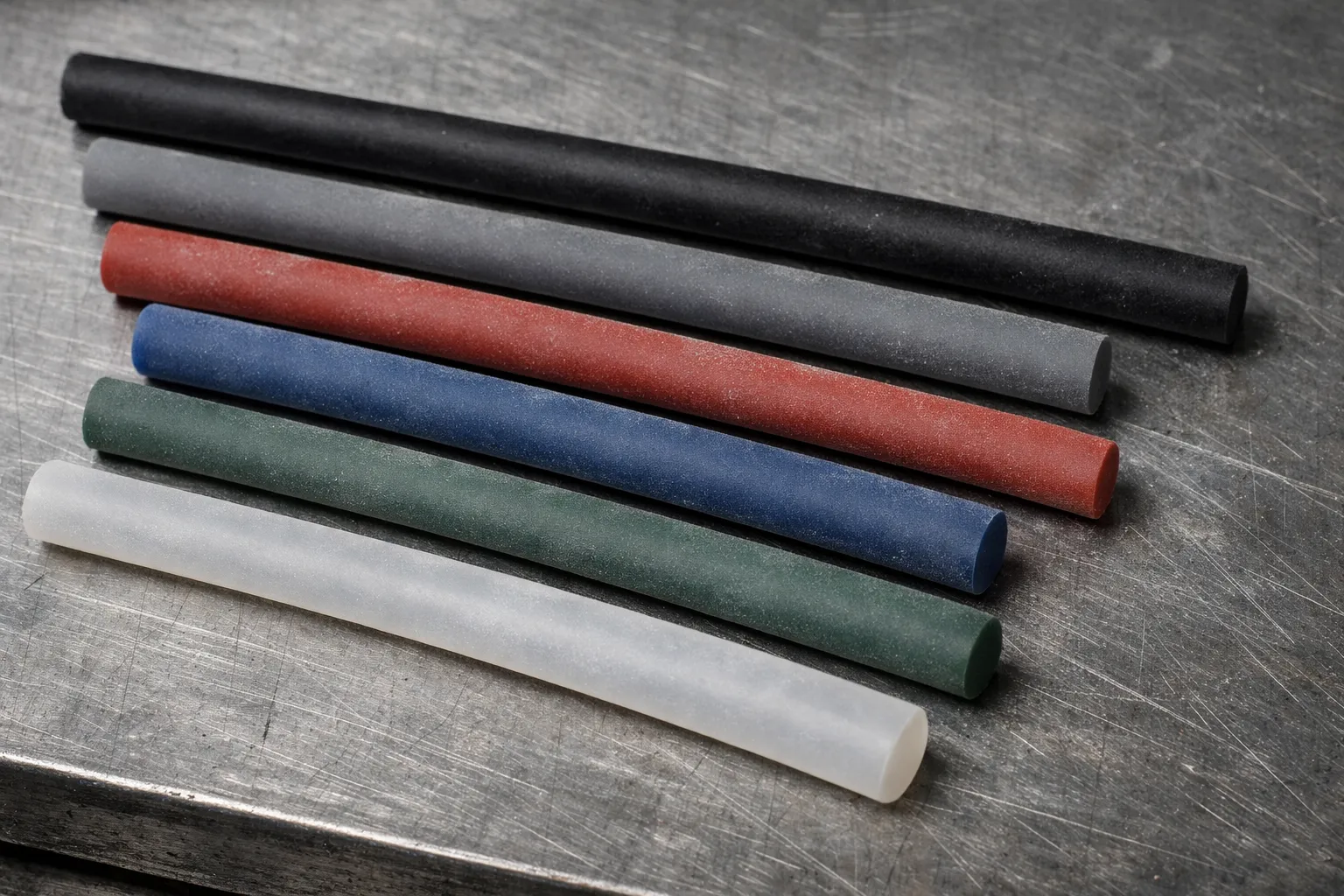
Smooth or textured finish according to the die. Standard black · RAL colour on request. Adhesive backing option in flat formats.
Four rubber families for industrial sealing, insulation and protection.
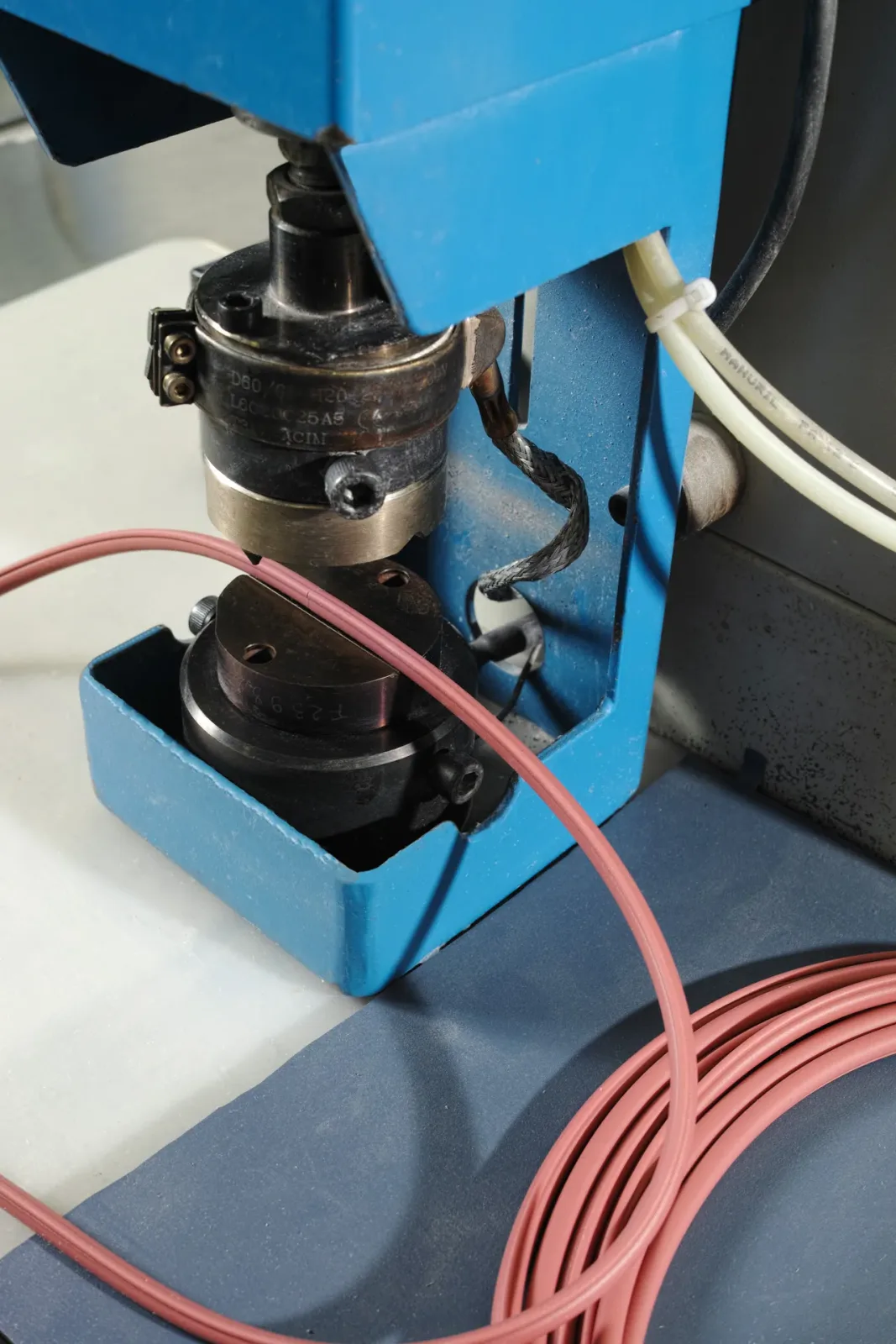
The extrusion process is common to all rubbers: the raw compound is pushed through a die that gives the cross-section and is vulcanised in continuous line by heat or steam. The difference between EPDM, NBR, CR and NR lies in the base polymer and, therefore, in its behaviour against temperature, ozone, oils and solvents.
Specifications
Profile catalogue: sealing, mechanical insulation and applications by rubber family
Industrial sealing and gaskets
- 01Industrial door gasket
- 02Machinery housing seal
- 03Industrial window profile
Insulation and mechanical protection
- 01Anti-vibration insulator
- 02Damping buffer
- 03Edge protection
Selection by rubber family
- 01EPDM profile for outdoor and ozone
- 02NBR profile for oil resistance
- 03Self-extinguishing CR neoprene profile
Quick material comparison
Each family covers a different thermal range and chemical resistance. The table guides selection by contact medium and service temperature.
| Property | EPDM | NBR | CR (neoprene) | NR (natural rubber) |
|---|---|---|---|---|
| Continuous temperature | –50 to +150 °C | –30 to +120 °C | –40 to +110 °C | –50 to +80 °C |
| Oils and fuels | ✗ degrades | ✓✓ excellent | ✓ moderate | ✗ degrades |
| Ozone and UV (outdoor) | ✓✓ excellent | ✗ degrades | ✓ moderate | ✗ degrades |
| Pressurised steam | ✓✓ excellent | ✗ degrades | △ limited | △ limited |
| Elasticity and tear | ✓ good | ✓ good | ✓ good | ✓✓ excellent |
| Self-extinguishing | ✗ no | ✗ no | ✓ partial | ✗ no |
| Typical application | Rail, outdoor, steam | Oils, engine, fuels | General sealing, electrical | Anti-vibration, mechanical stops |
- Indicative comparison based on standard tests (ASTM D471 / ISO 1817 swelling, ASTM D1149 ozone). Real-world behaviour depends on the specific formulation, hardness and service conditions.
- For aromatic fuels, synthetic oils at high temperature, aliphatic solvents or dilute acids where the four materials fall short, consider FKM / Viton™ B on the dedicated page.
Material selection by contact medium and service temperature
EPDM is specified when the profile is outdoors, in contact with water, steam, ozone or continuous UV radiation: enclosures, window gaskets, railway cabin sealing (EN 45545-2). NOT if there are oils or fuels. NBR is specified when there is contact with mineral oils, diesel, petrol or greases: engine gaskets, pump seals, fuel hoses. NOT if there is ozone or outdoor exposure.
CR (neoprene) is the intermediate option when there is some oil and some outdoor exposure, but neither extreme: electrical-cabinet sealing, industrial-equipment gaskets, partial self-extinguishing. NR (natural rubber) is reserved for indoor use with high mechanical stress: anti-vibration supports, dampers, buffers — the elasticity and tear resistance of natural rubber exceed those of synthetics, but it does not withstand ozone.
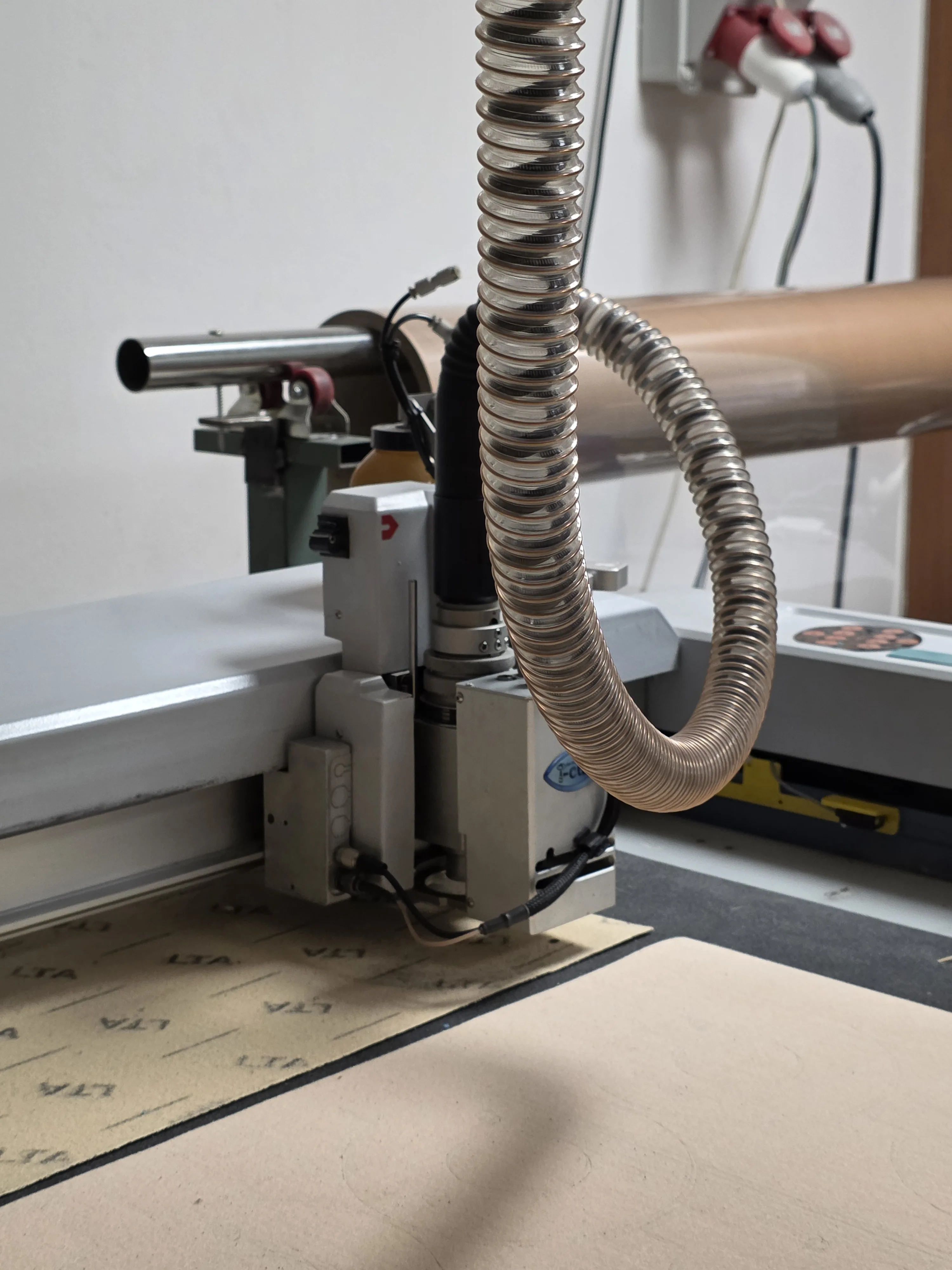
For applications with aromatic fuels, synthetic oils at high temperature, aliphatic solvents or dilute acids — where EPDM, NBR, CR and NR do not cover —, the indicated material is FKM (fluoroelastomer, Viton™ brand). It is sold as a separate product on a dedicated page: FKM and Viton™ B flat gaskets with automatic cutting and die-cutting, with AMS 7276 certification available.
Services and processes related to rubber profiles

Products related to rubber profiles
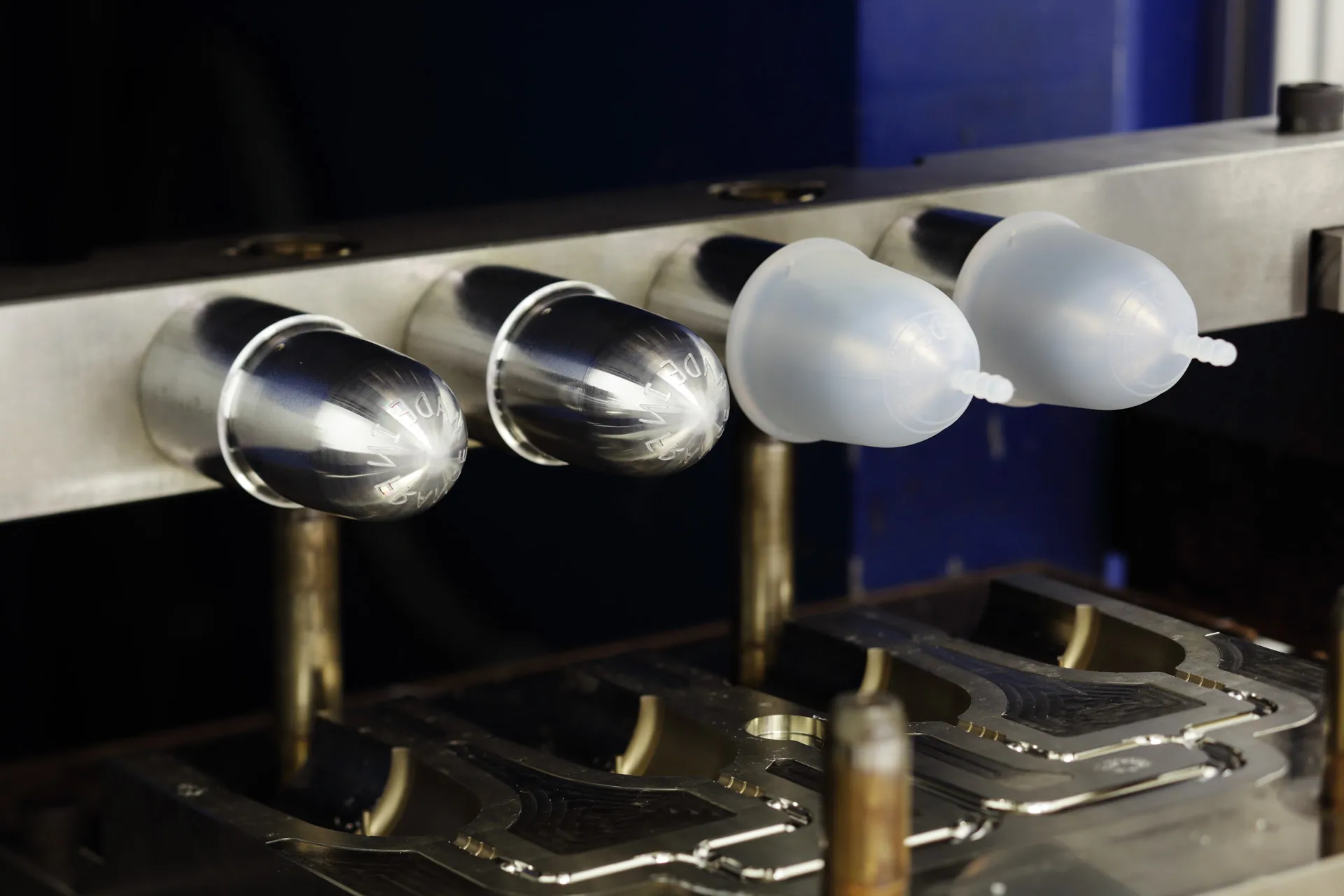
Send us the drawing (DXF, PDF) or sketch of the cross-section, the medium in contact (oil, fuel, steam, ozone, outdoors), the service temperature, the target Shore A hardness, the certifications required (EN 45545-2, UL 94, AMS 7276, FDA…) and the annual volume. We confirm material, extrusion die feasibility and quotation with lead time. If the geometry is not feasible by extrusion, we evaluate moulded part or sheet cutting.