
















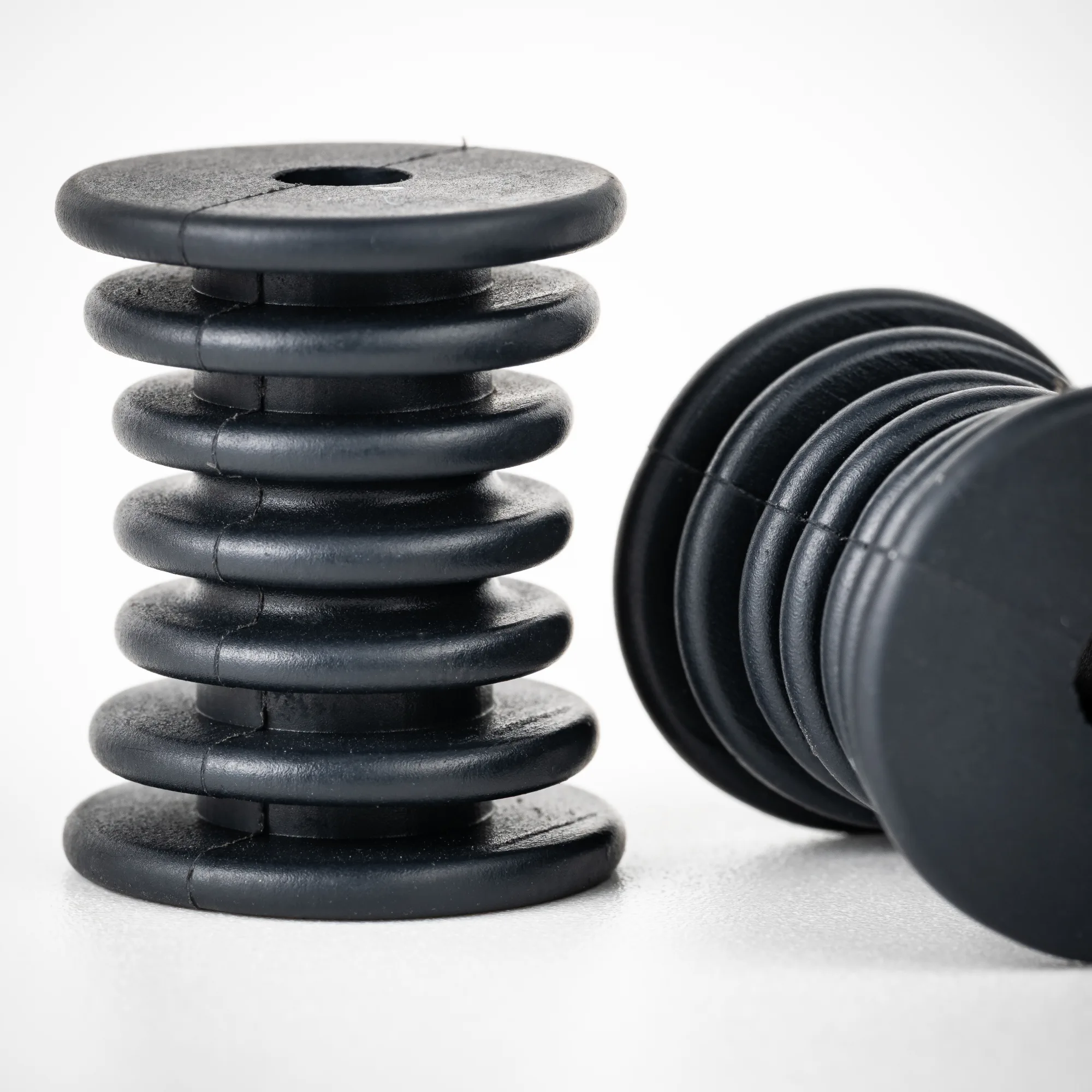
Moulded rubber parts
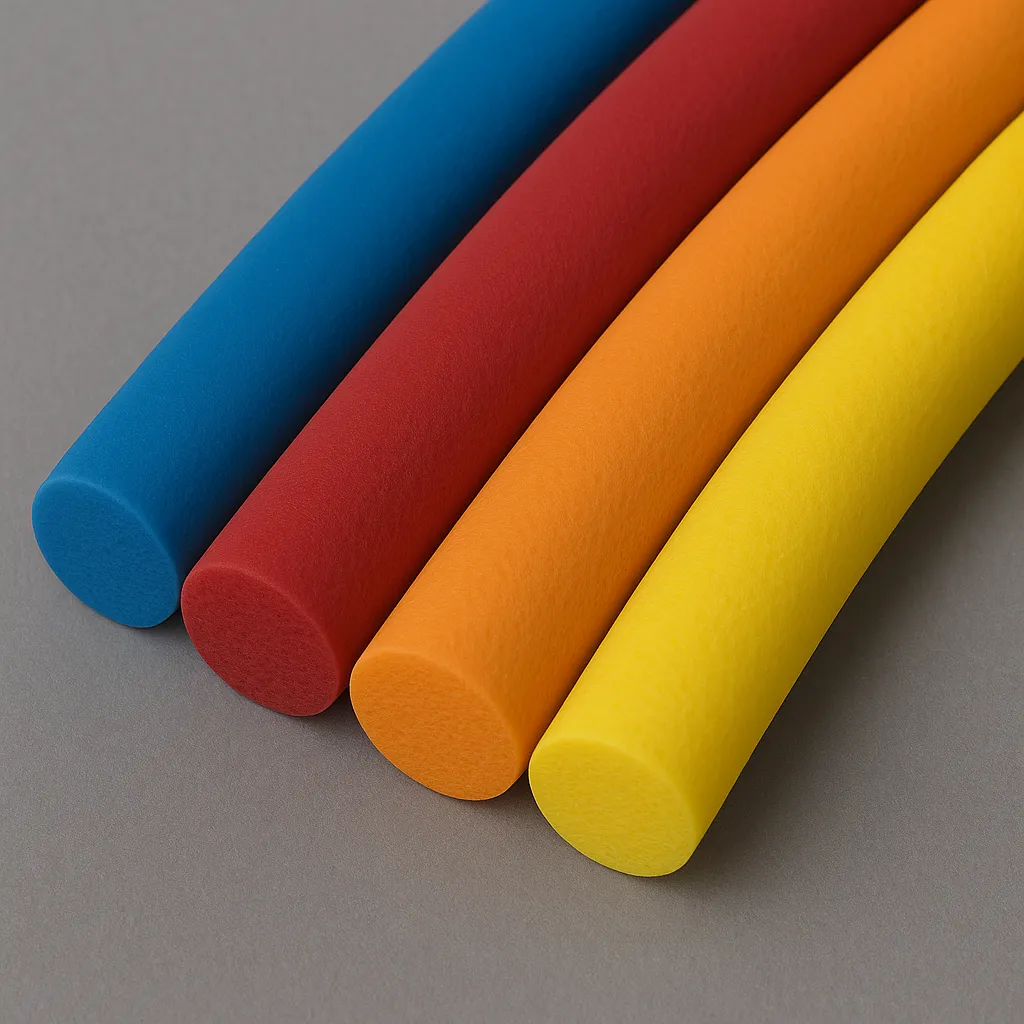
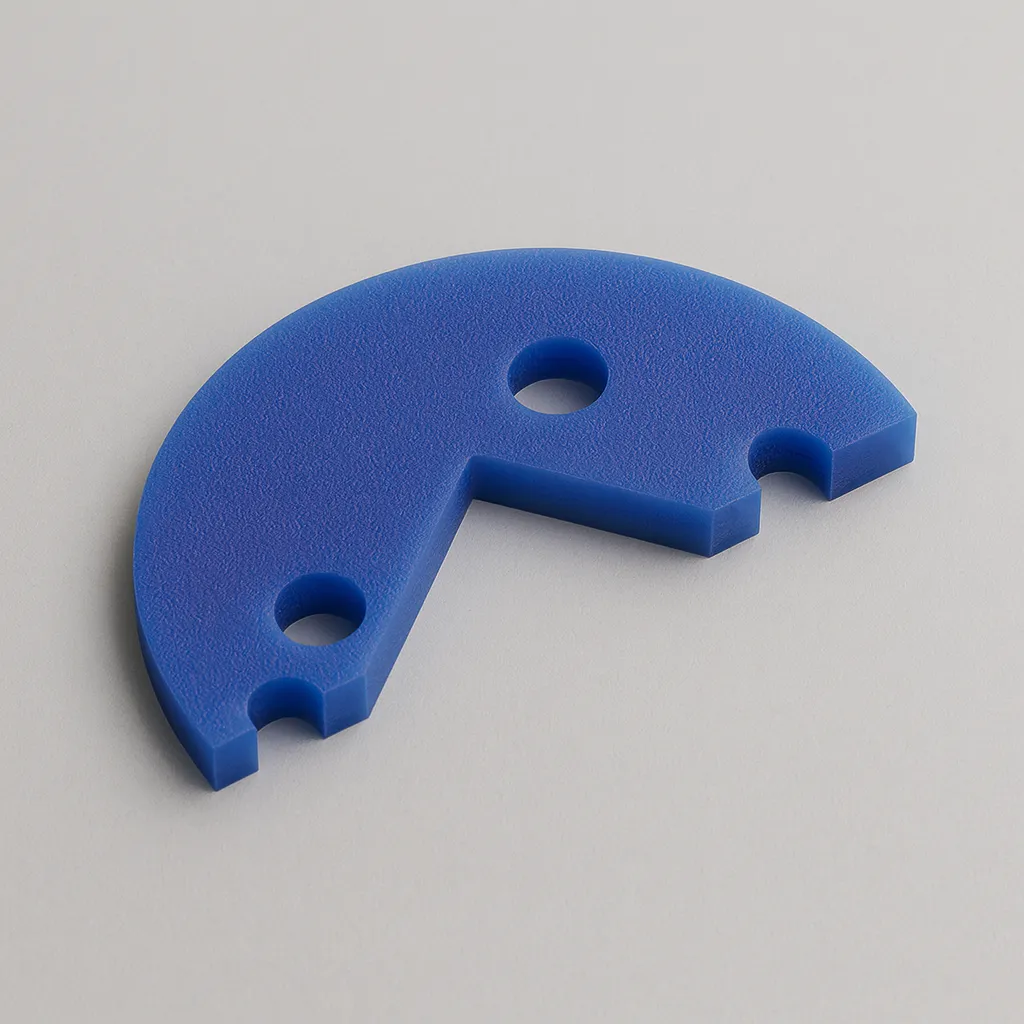
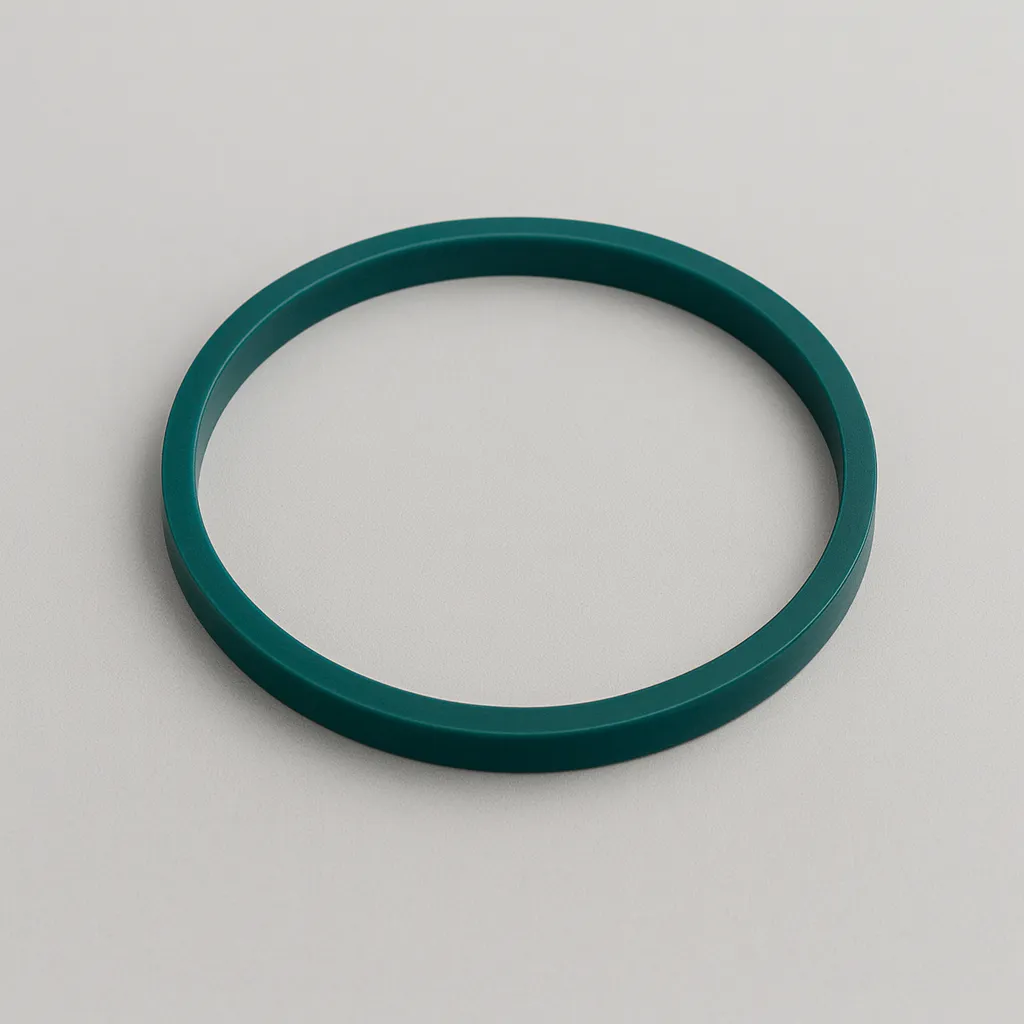
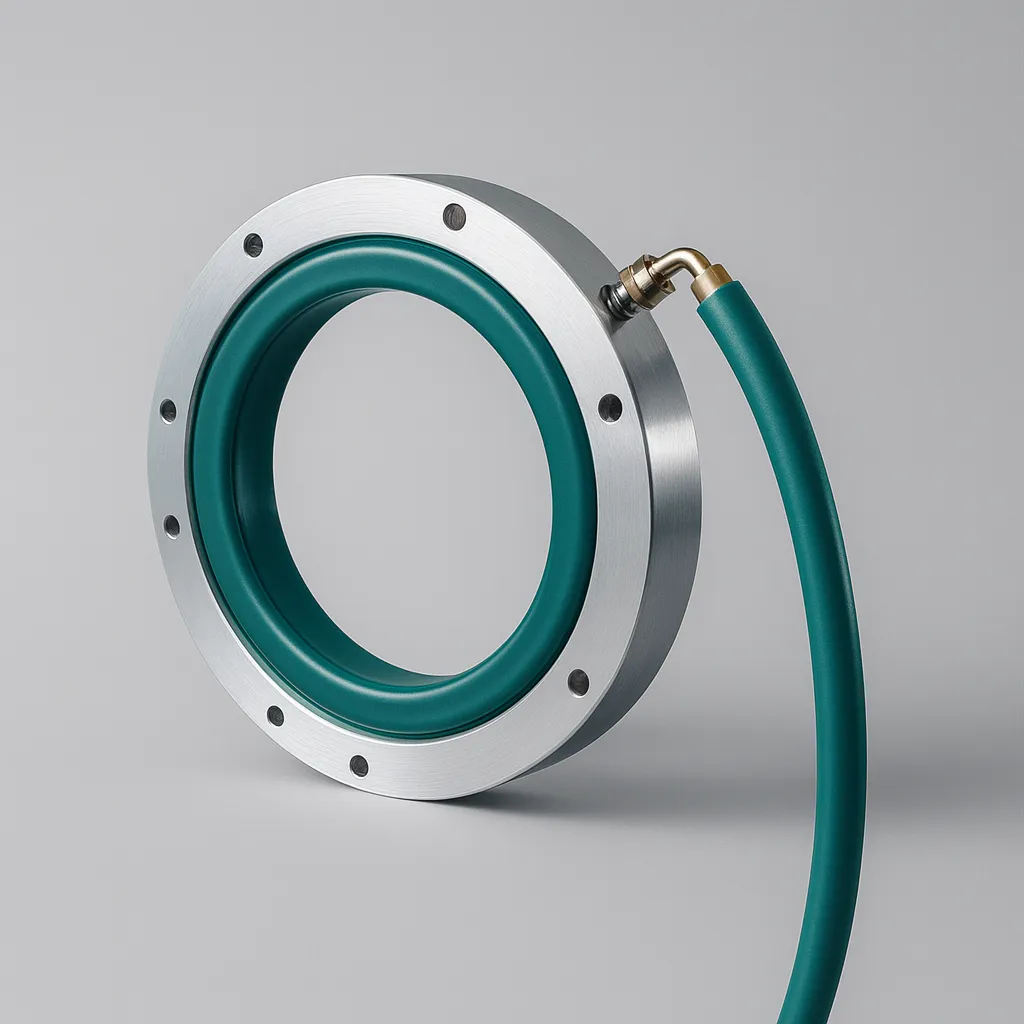
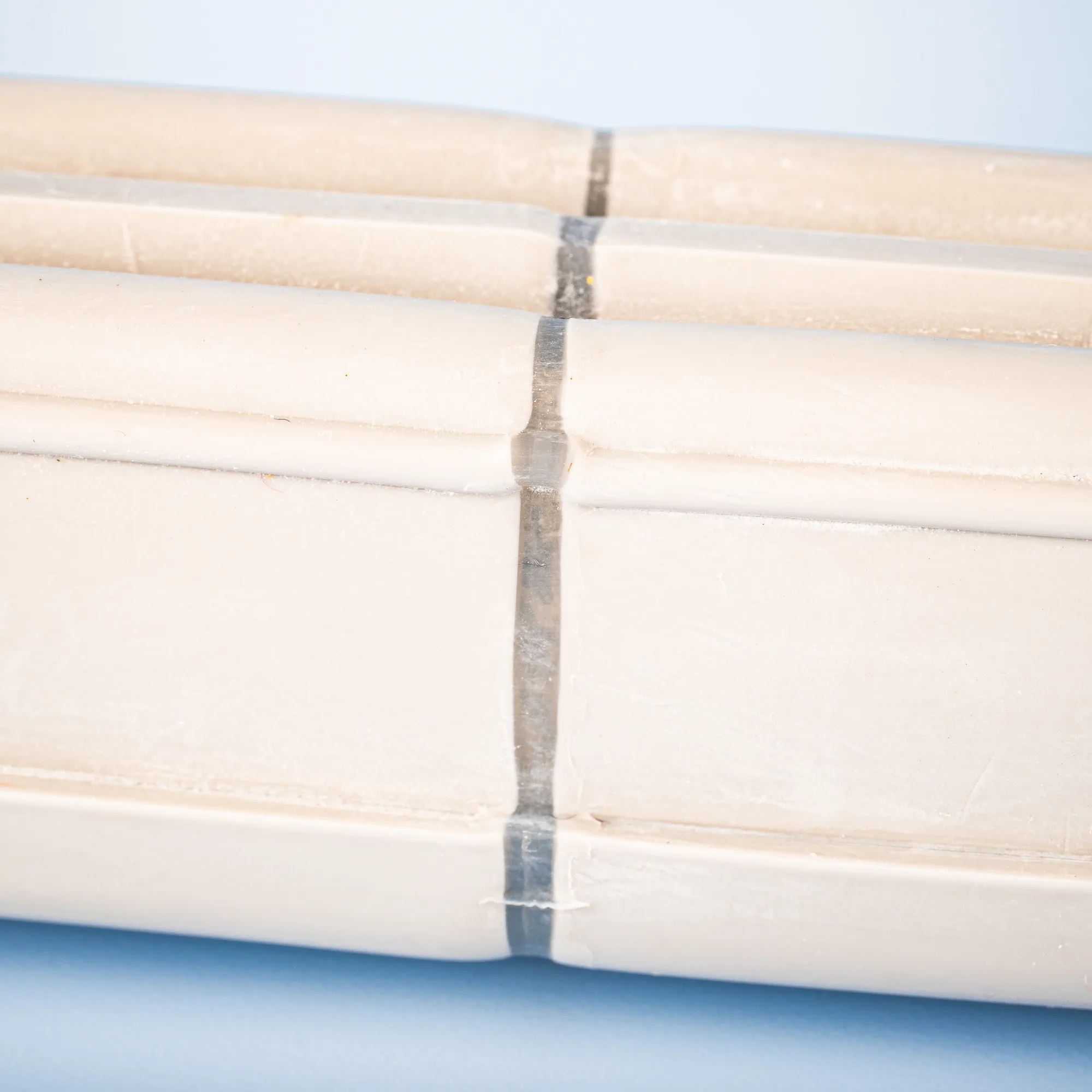
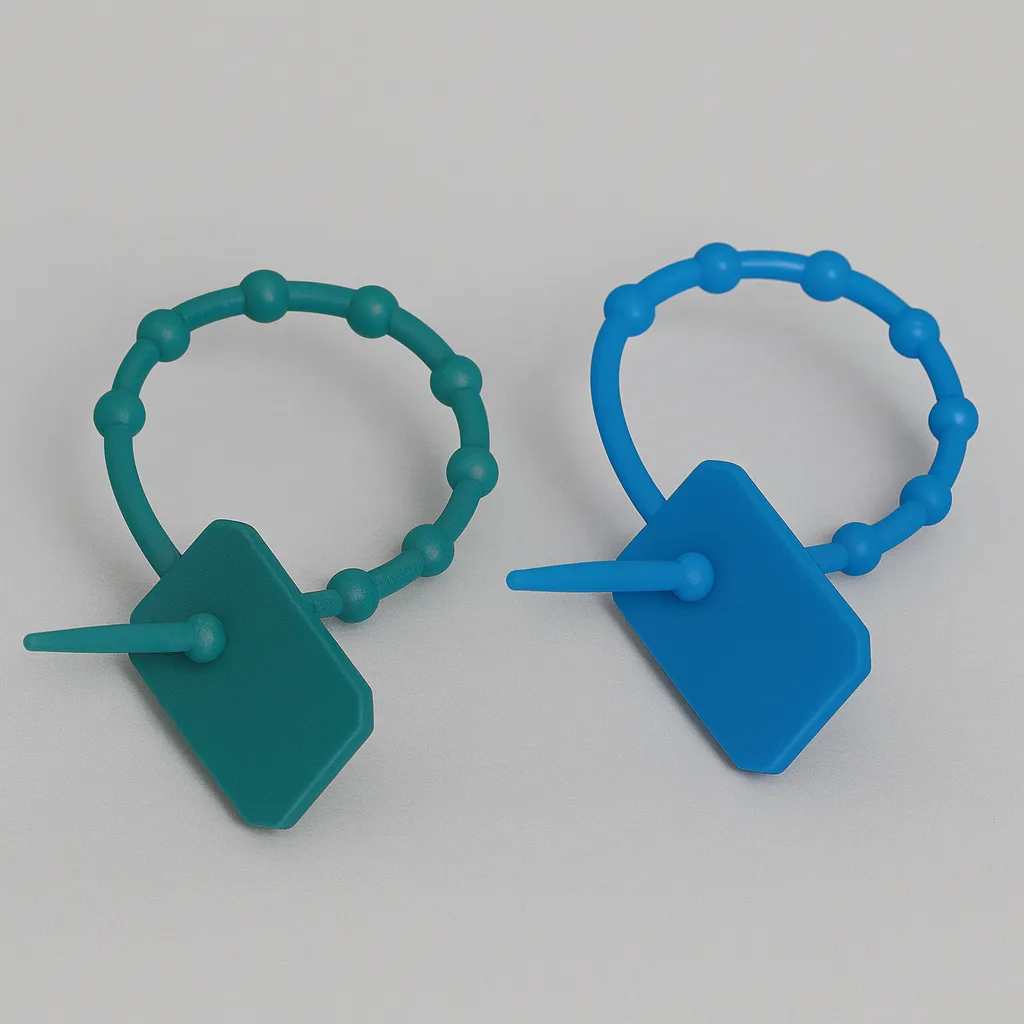
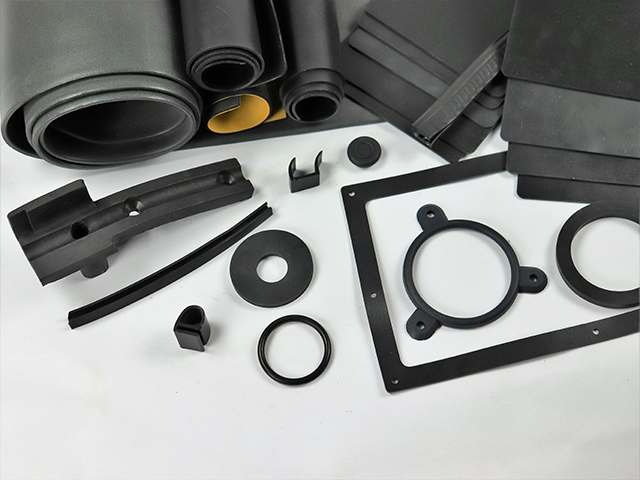
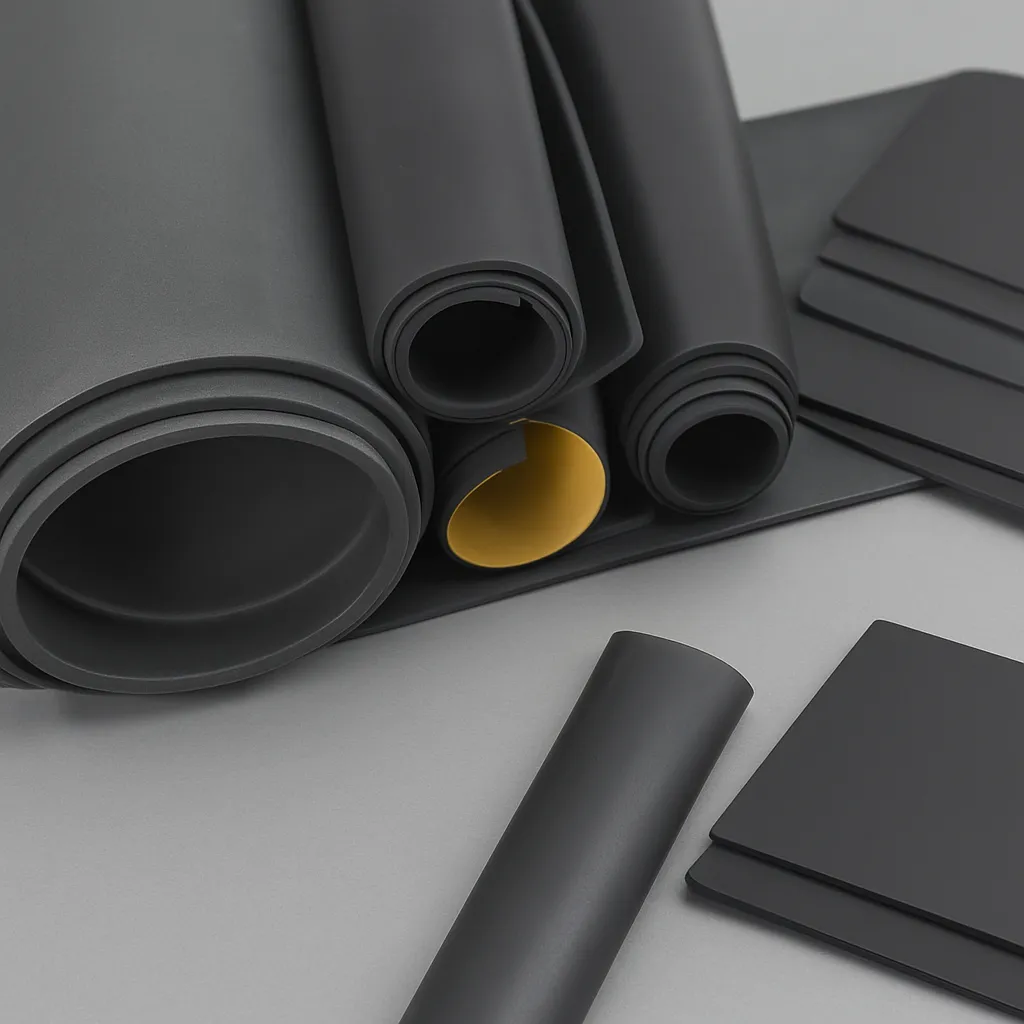
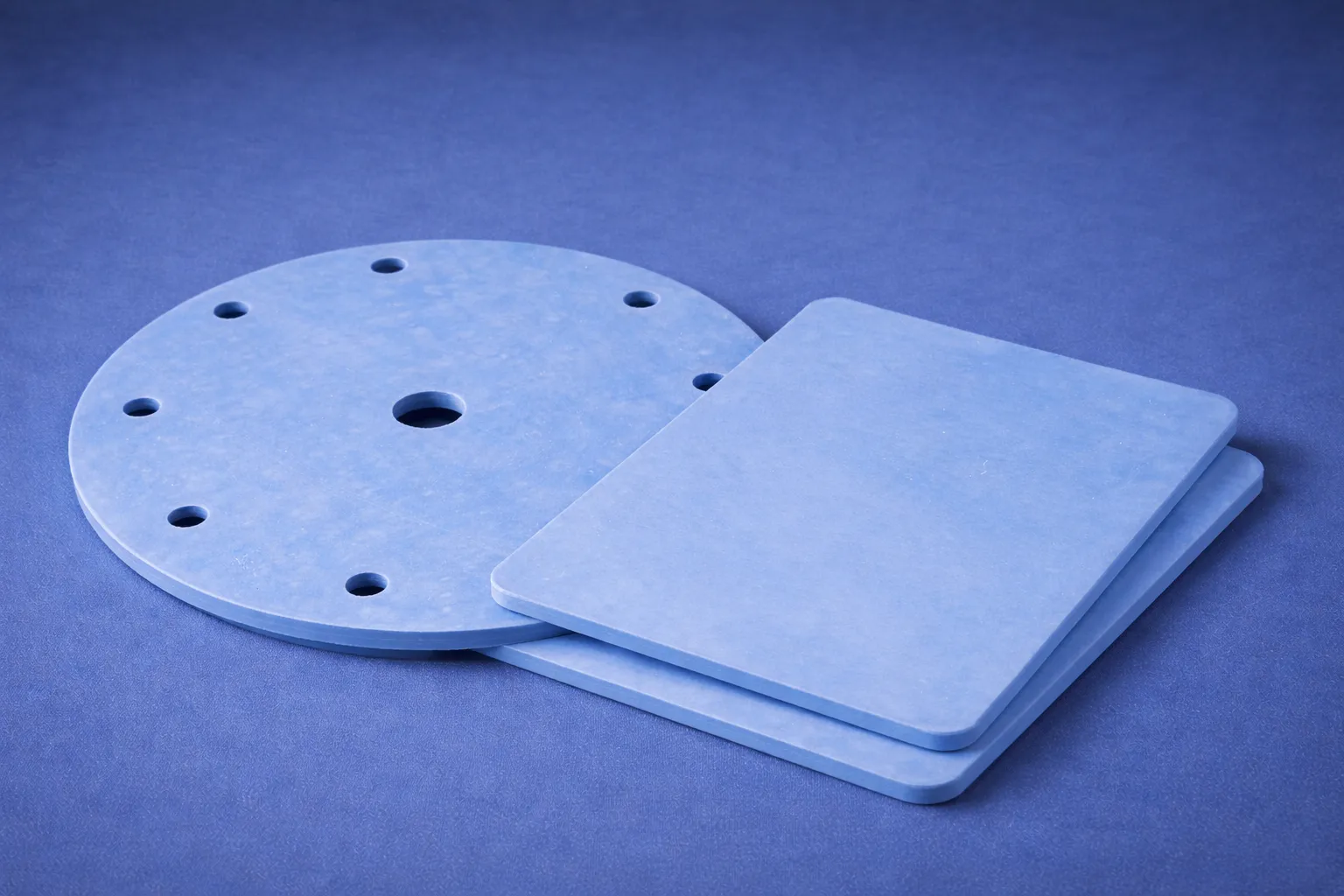
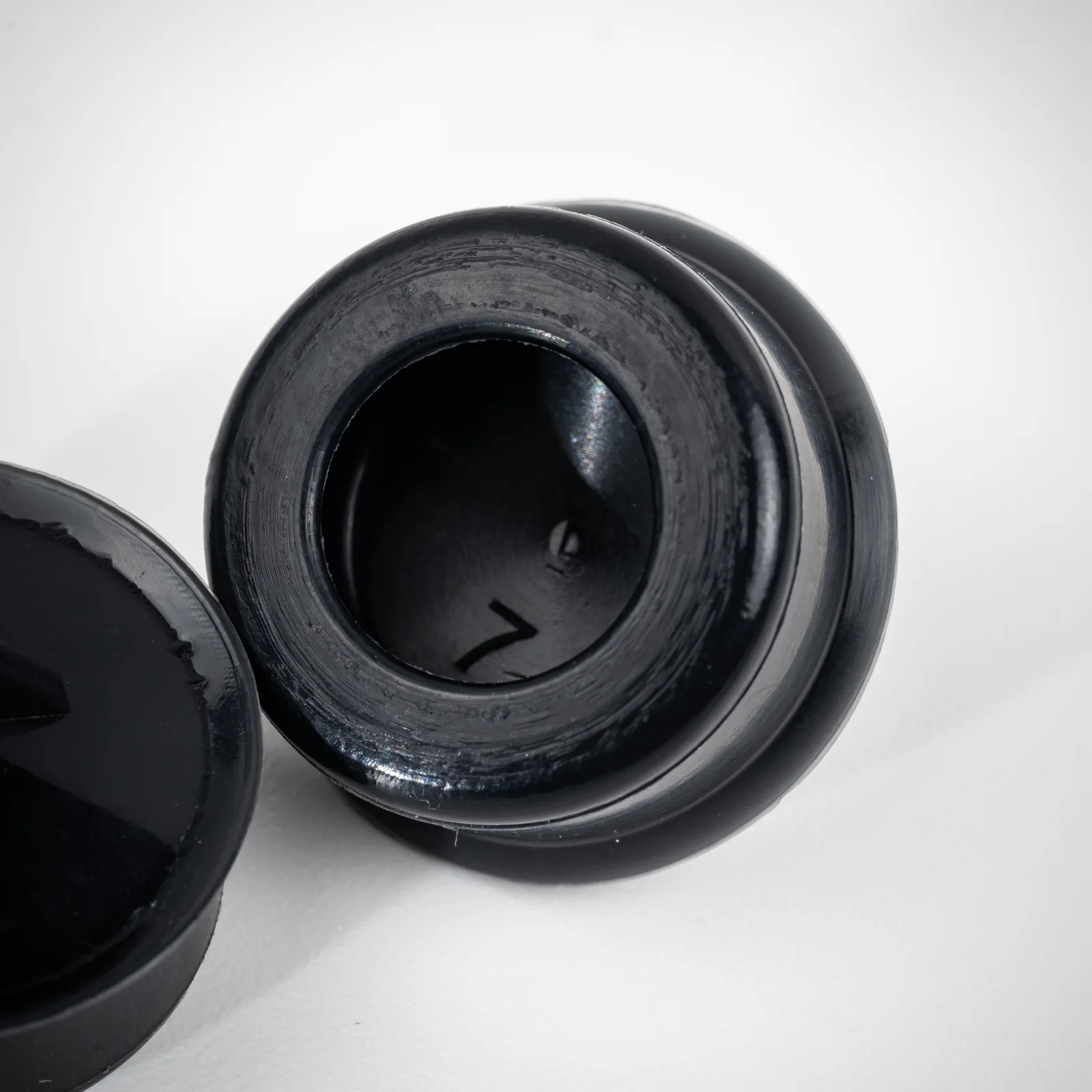
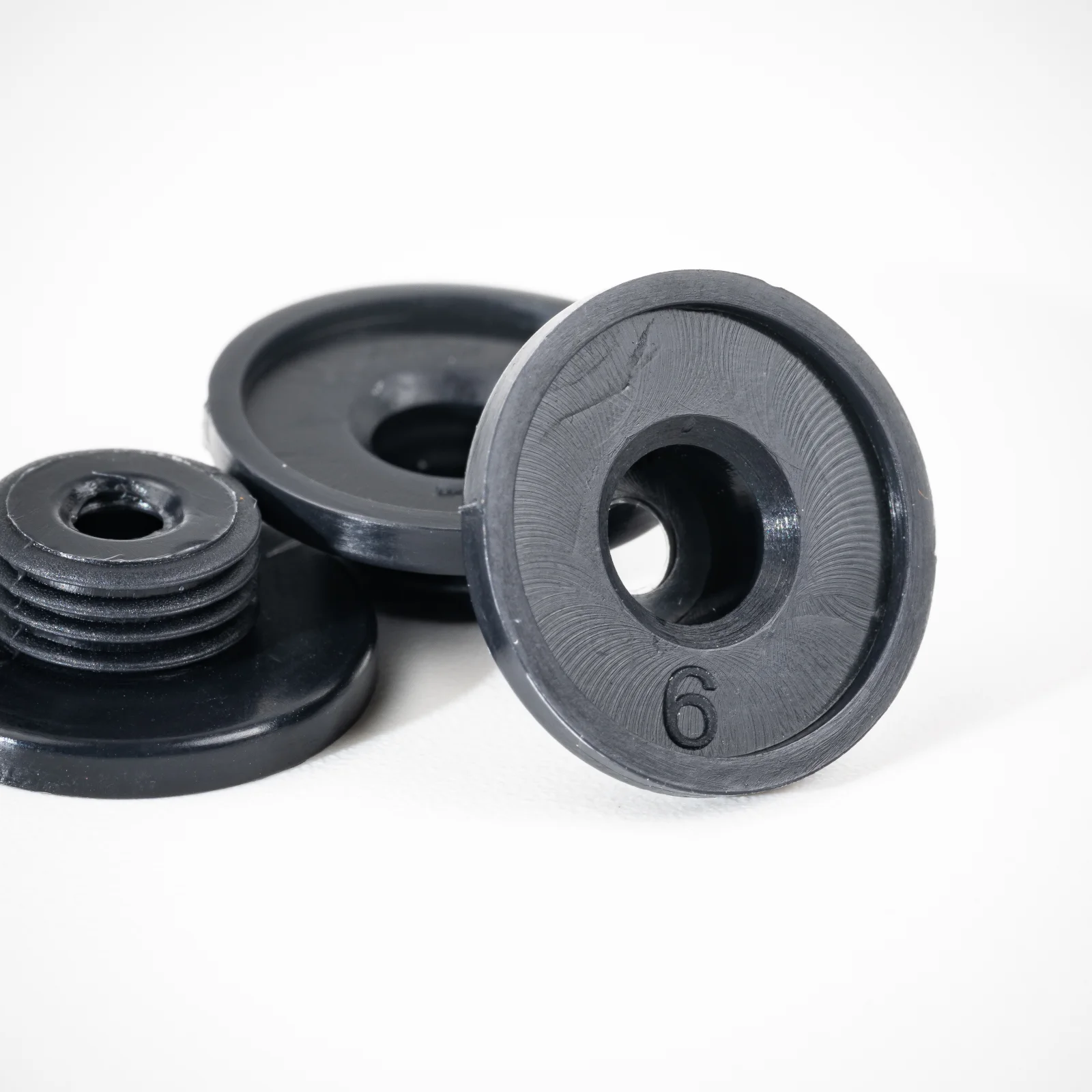
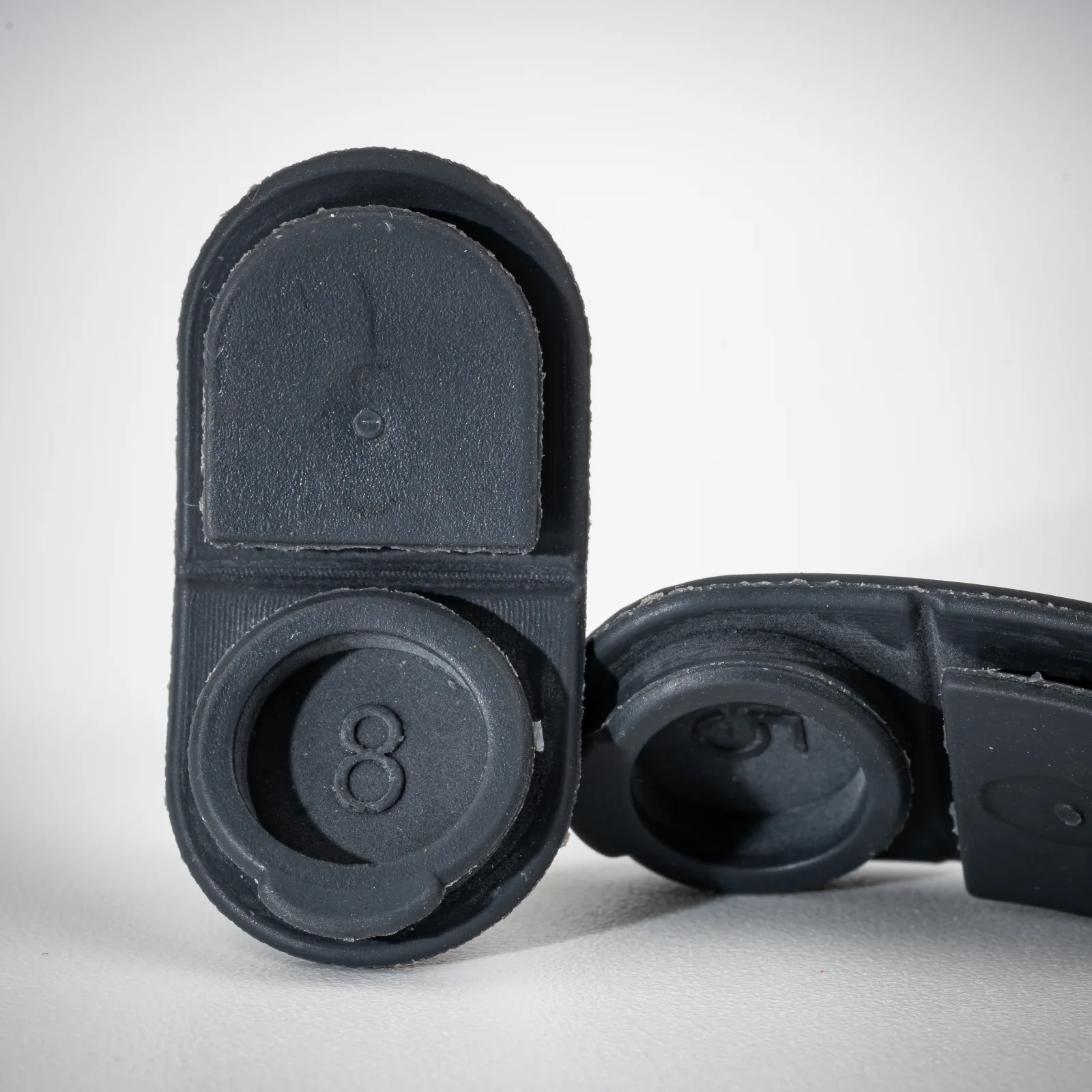
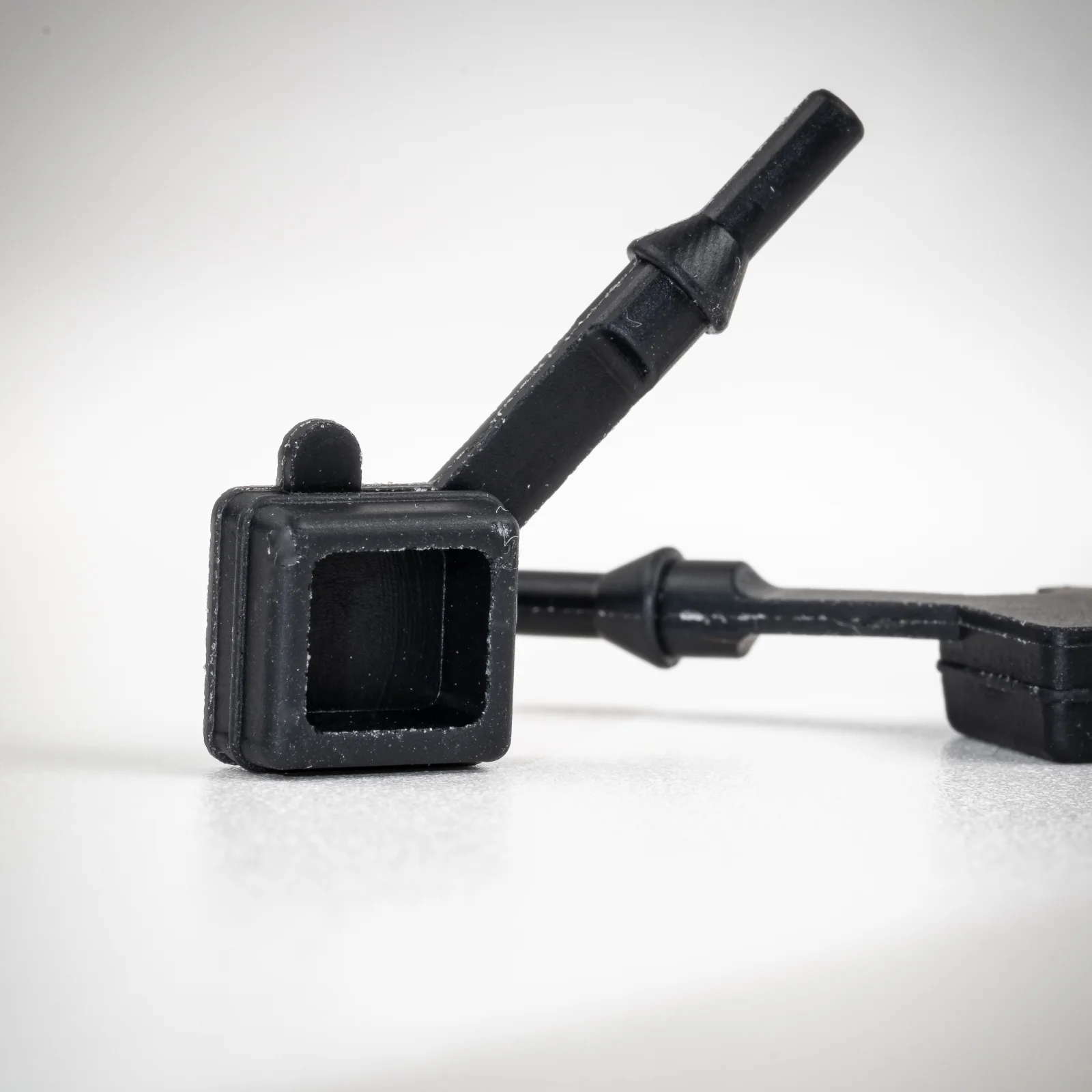
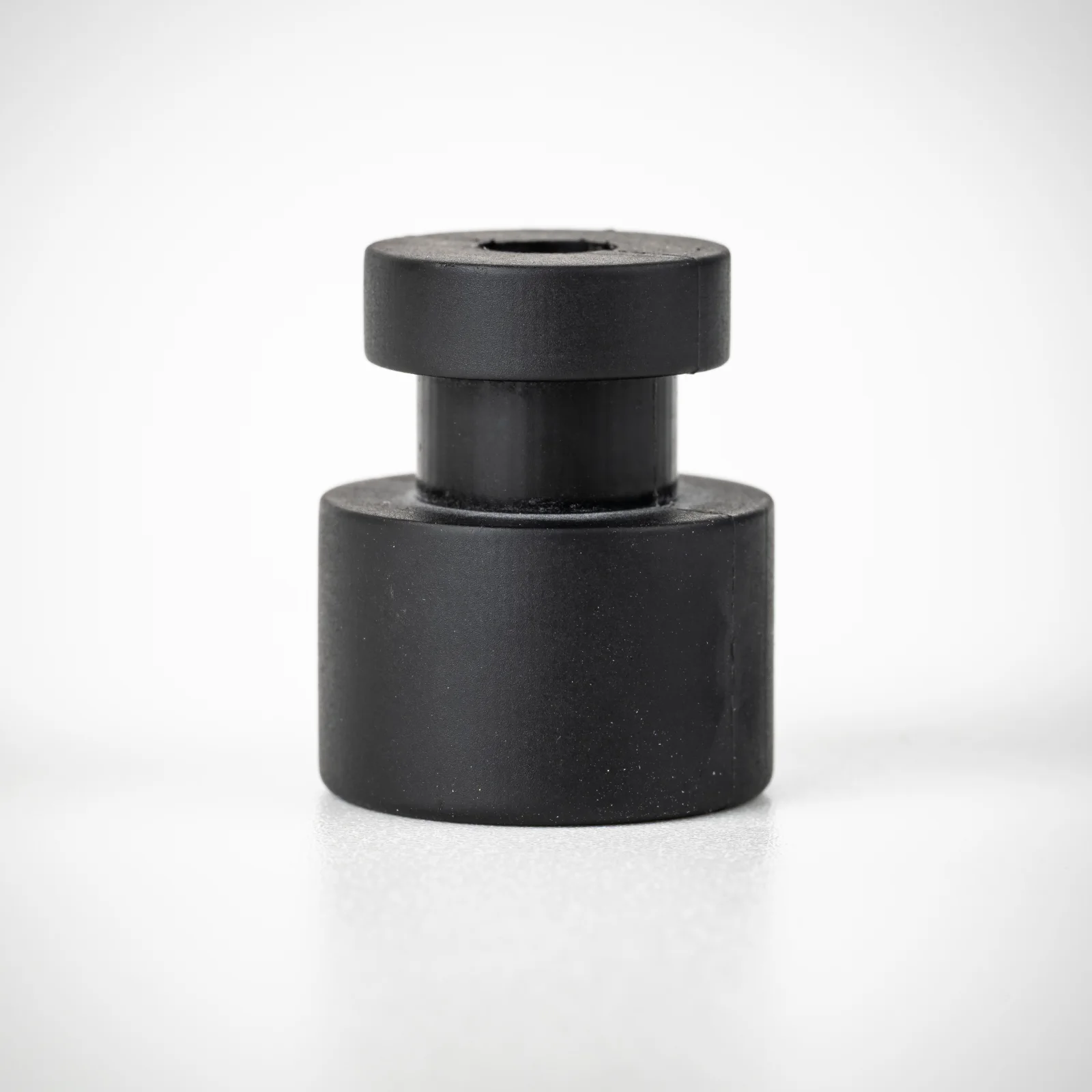
Rubber parts moulded by compression or injection in EPDM, NBR, CR (neoprene) and NR (natural). Buffers, silent-blocks, gaskets, seals and vulcanised rubber-to-metal parts to drawing.
Finishes without post-processing or with deflashing, shot-blasting or painting to specification. Vulcanised brass or stainless-steel inserts for rubber-to-metal parts. Specific certifications available: EN 45545-2 (railway EPDM), UL 94, FDA on request.
Compression for short runs and large parts; injection for long runs with tight tolerance.
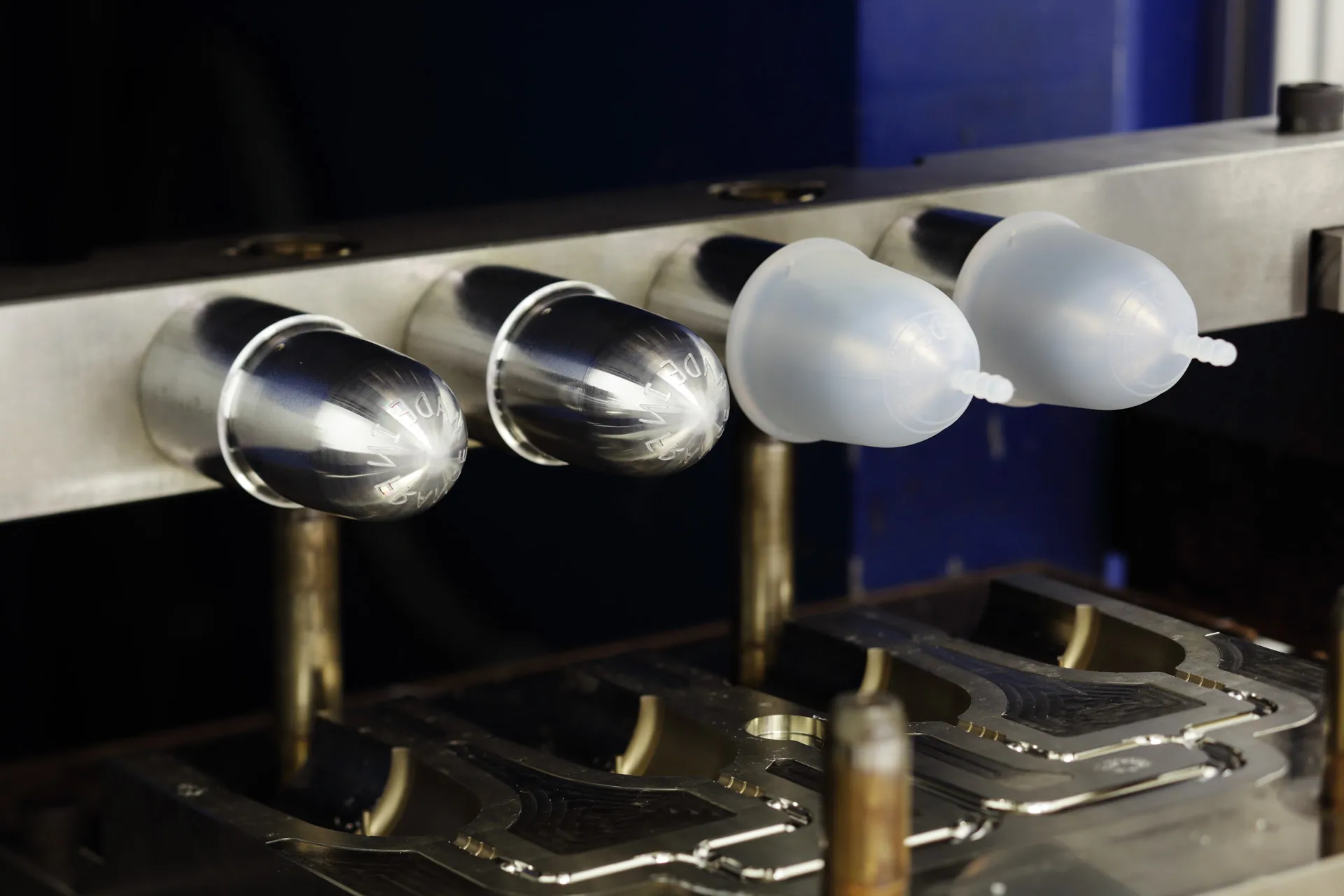
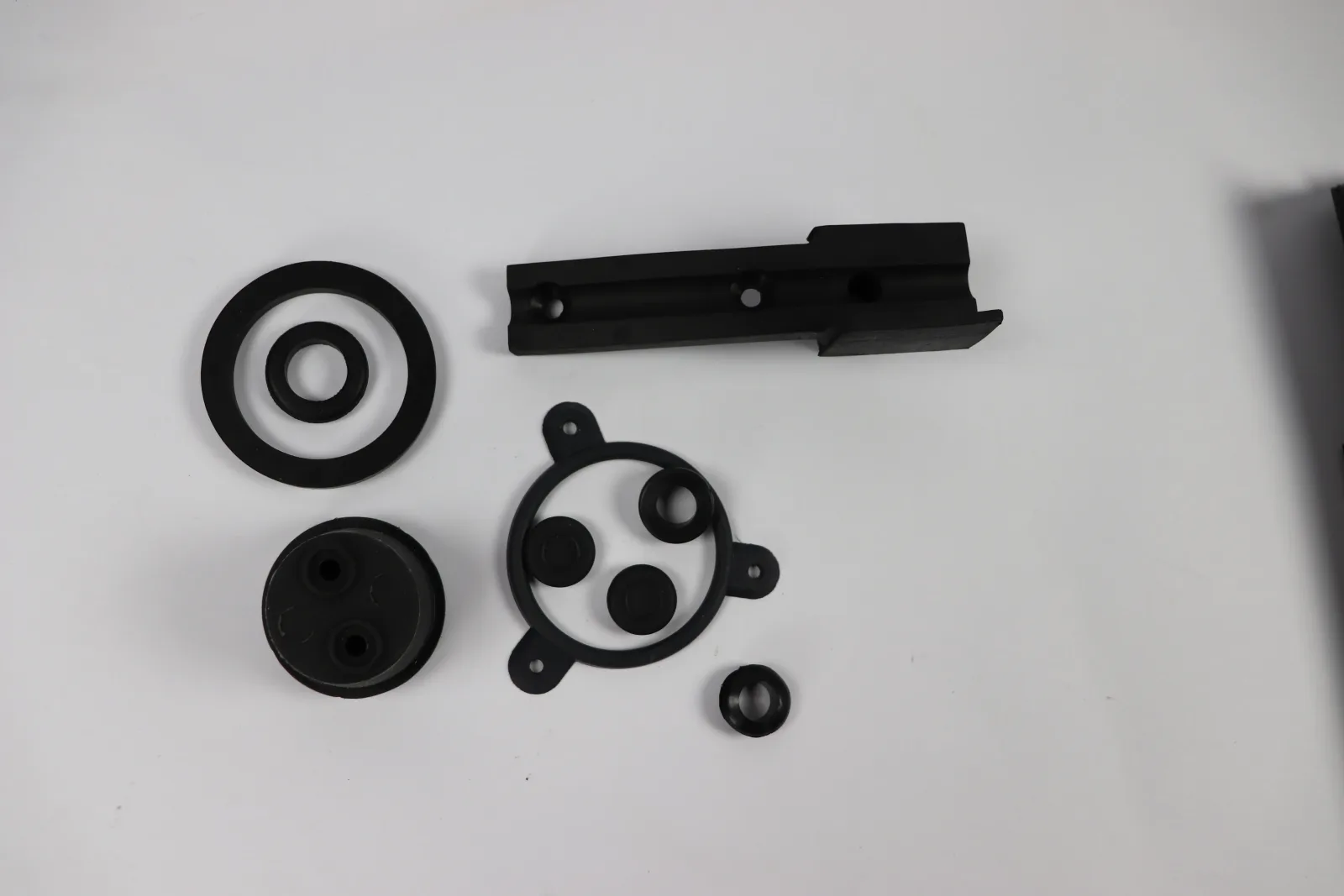
Compression moulding places a preform of the raw compound in the open mould and vulcanises by heat and pressure. It is the option for prototypes, short pre-series, large parts and open geometries: the mould is structurally simpler (no injection runners or automatic ejection) and reduces initial investment. Injection moulding doses the rubber by screw and injects it into the closed mould. It is the option for long runs with tight tolerance and complex geometries with multiple cavities.
Specifications
Moulded parts catalogue: mounts and damping, sealing and rubber-to-metal
Mounts and damping
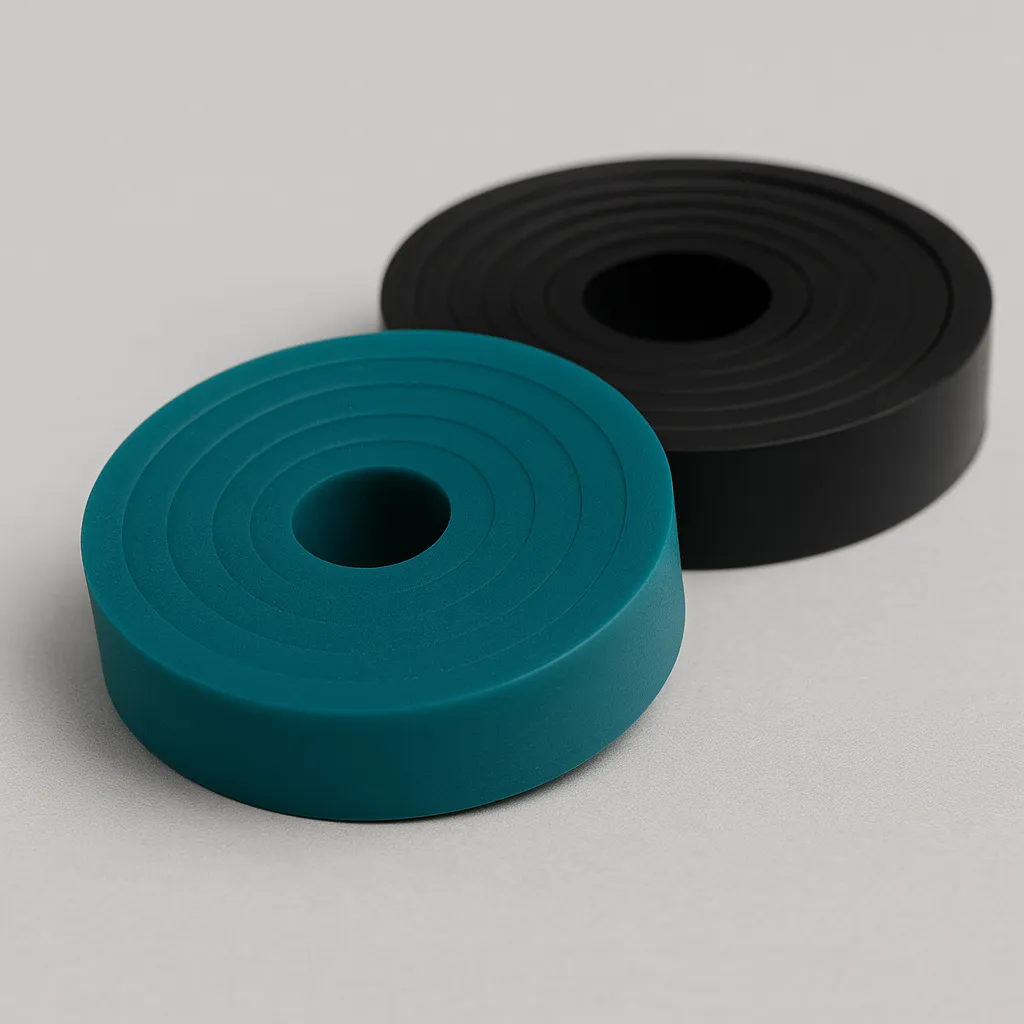
- 01Damping buffer
- 02Anti-vibration insulator
- 03Rubber-to-metal silent-block
Moulded sealing and gaskets
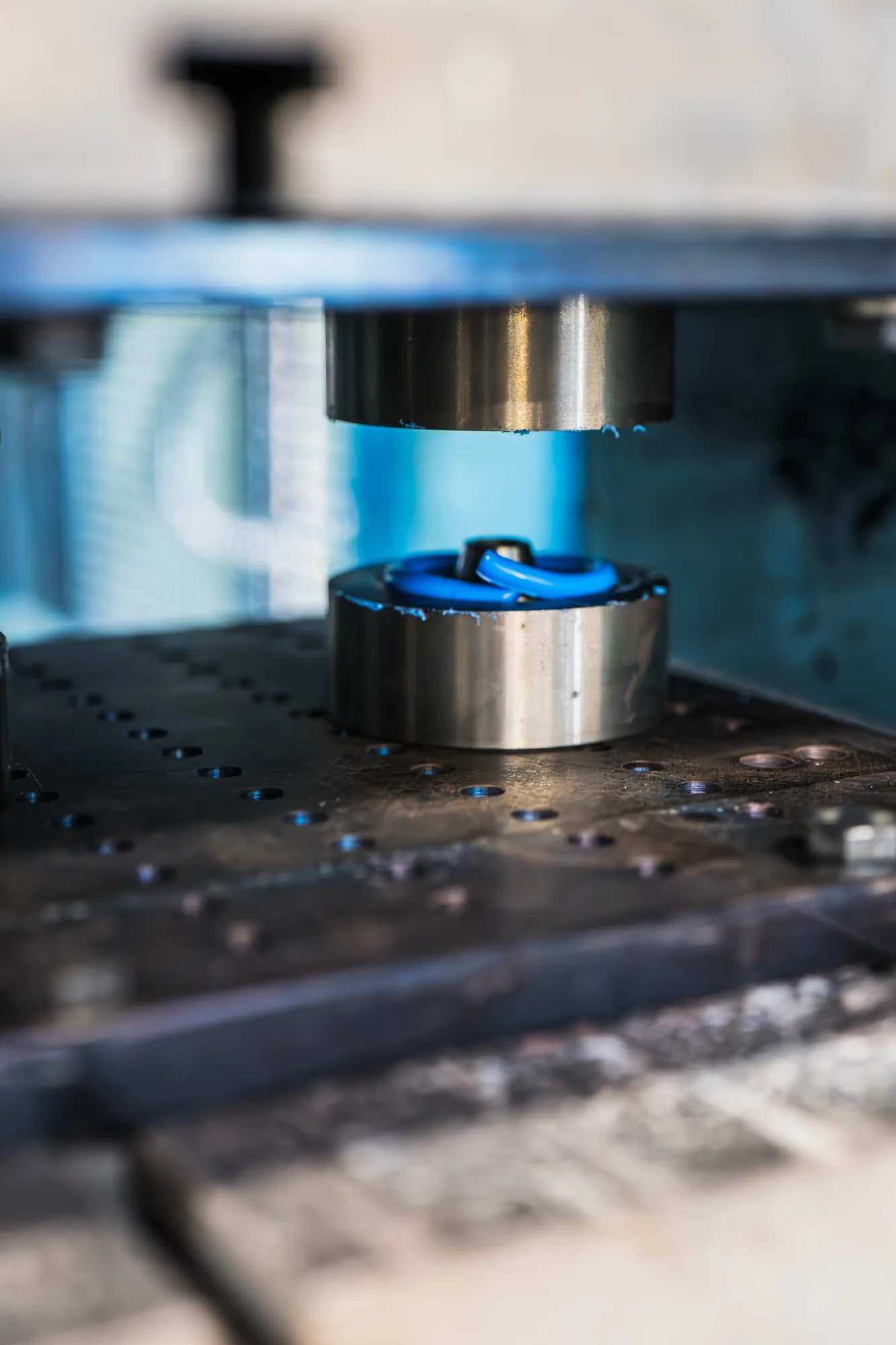
- 01Rubber O-ring
- 02Moulded dynamic seal
- 03Moulded ring gasket
Rubber-to-metal and technical components
- 01Vulcanised rubber-to-metal part
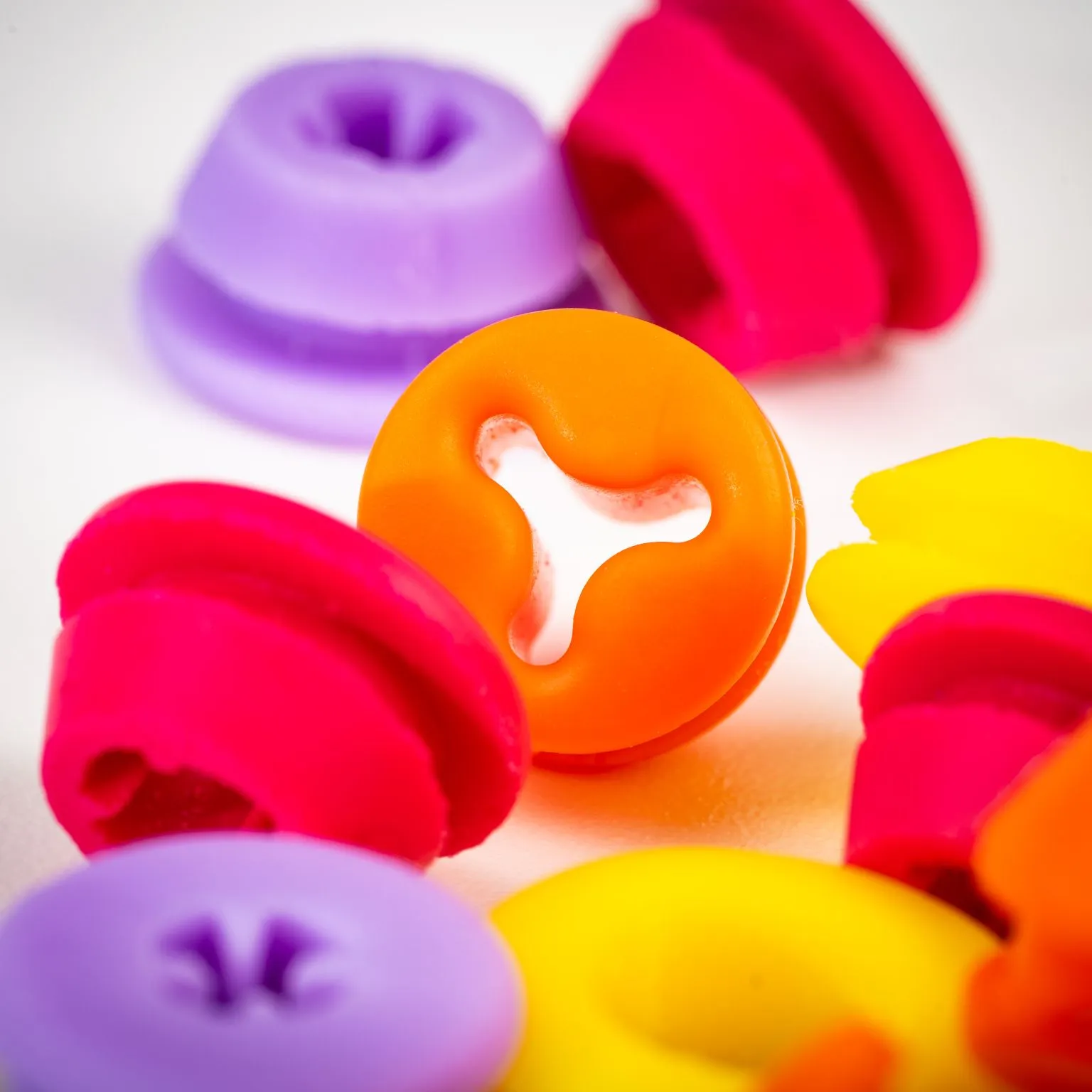
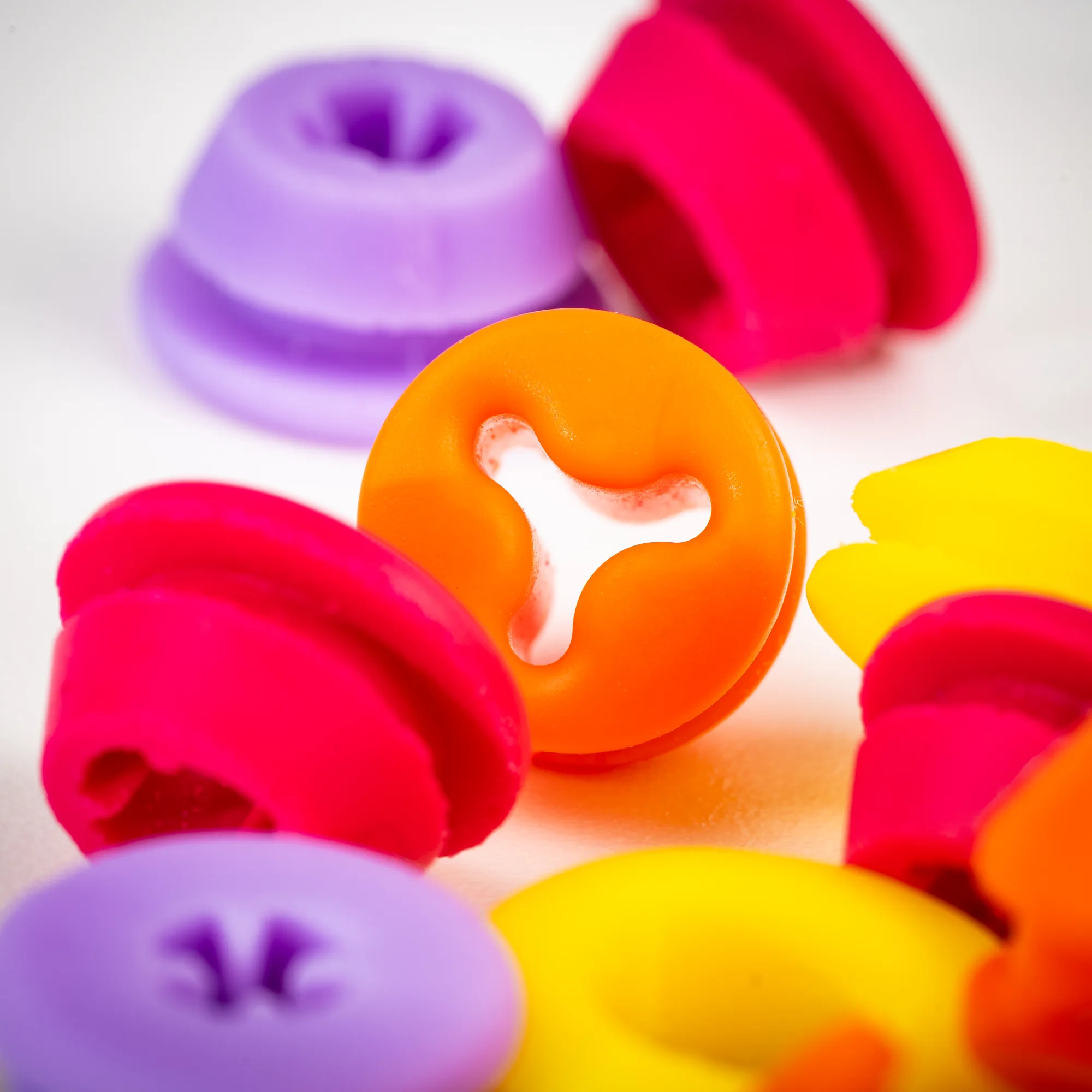
- 02Plug and grommet
- 03OEM component to drawing
Quick material comparison
Each family covers a different thermal range and chemical resistance. The table guides selection by contact medium and service temperature.
| Property | EPDM | NBR | CR (neoprene) | NR (natural rubber) |
|---|---|---|---|---|
| Continuous temperature | –50 to +150 °C | –30 to +120 °C | –40 to +110 °C | –50 to +80 °C |
| Oils and fuels | ✗ degrades | ✓✓ excellent | ✓ moderate | ✗ degrades |
| Ozone and UV (outdoor) | ✓✓ excellent | ✗ degrades | ✓ moderate | ✗ degrades |
| Pressurised steam | ✓✓ excellent | ✗ degrades | △ limited | △ limited |
| Elasticity and tear | ✓ good | ✓ good | ✓ good | ✓✓ excellent |
| Self-extinguishing | ✗ no | ✗ no | ✓ partial | ✗ no |
| Typical application | Rail, outdoor, steam | Oils, engine, fuels | General sealing, electrical | Anti-vibration, mechanical stops |
- Indicative comparison based on standard tests (ASTM D471 / ISO 1817 swelling, ASTM D1149 ozone). Real-world behaviour depends on the specific formulation, hardness and service conditions.
- For aromatic fuels, synthetic oils at high temperature, aliphatic solvents or dilute acids where the four materials fall short, consider FKM / Viton™ B on the dedicated page.
Lower mould cost and large parts in compression; long runs with tight tolerance in injection
Compression moulding is the choice for short pre-series (5 to 500 units), functional prototypes, large parts that exceed the injection press capacity in projected area and open geometries that do not justify an injection mould. The mould is structurally simpler — no manifold, no runners, no automatic ejection —, which reduces initial investment. Productivity per part is lower, but the tooling saving compensates when volume does not justify injection.
Injection moulding is the choice for long runs (from several thousand units per year), parts with complex geometry and multiple cavities, and applications where tight tolerance and batch-to-batch repeatability are critical. The screw doses the rubber at controlled temperature and pressure, filling the closed mould in seconds. High productivity, stable class M2 tolerance, repeatable cycles.
In either of the two processes, vulcanised rubber-to-metal parts are manufactured the same way: the metal insert is prepared (shot-blasted, primed) and placed in the mould; the rubber vulcanises directly onto the metal, creating a permanent chemical bond without adhesive. Silent-blocks, anti-vibration mounts, elastic bushings and chassis joints come out this way.
Moulding processes and related services

Products related to rubber profiles and gaskets
Send us the drawing (STEP, IGES or PDF), the medium in contact (oil, fuel, steam, ozone, outdoors), the service temperature, the target Shore A hardness, the required material (EPDM, NBR, CR or NR), the annual volume and, if applicable, the metal insert specification for rubber-to-metal. We confirm optimal process (compression or injection), mould feasibility, quotation and tooling lead time.