






Moulding · Made in Europe

Three moulding techniques, two cleanrooms, one common control

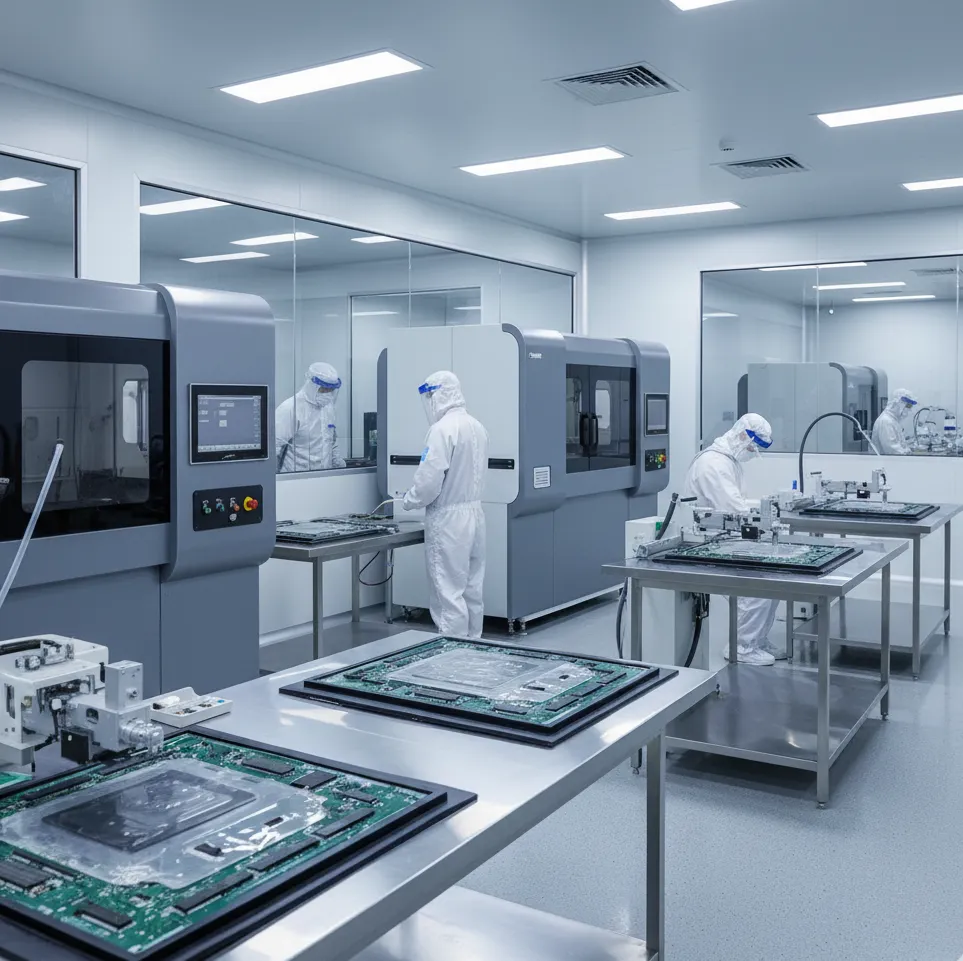
Compression and HCR injection in Apt (France, 550 m² ISO 8). LSR injection at Top Tech Silicones (Italy, 1,500 m², 6 LSR presses · group speciality). Weights from 0.1 g up to more than 1 kg, moulds from 1 to N cavities, post-cure in sealed ovens. 2K two-shot plastic + silicone overmoulding on the Italian line.

  • 3 techniquesCompression · HCR · LSR
  • 2 cleanroomsApt 550 m² · Top Tech 1,500 m²
  • 0.1 g – 1 kg+Weight range per part
  • ISO 13485 · EN 9100Medical and aerospace
Each part has its technique

Geometry, batch size and hardness pick the press.

Compression closes the cycle in the oven with one part per window — ideal for large masses, high hardnesses and short runs. HCR injection takes pre-formulated solid mass for medium parts with multiple cavities. LSR injection opens the route from short runs to millions with tight tolerances, thin walls and complex geometry. The three coexist within the group and pick the plant by volume, certification and technique.

Compression · HCR · LSR

Three techniques, three application windows

01

Compression

Pre-weighed solid HCR in a ball, vertical press closes the hot mould, the mass flows into the cavity under pressure and vulcanises with the platen temperature. Long cycles (4-15 min). Large parts, thick sections, high hardnesses. Short runs and prototypes. Tooling cheaper than injection.
02

HCR injection

Pre-mixed solid mass injected into a hot mould from a screw. 1-N cavities. Cycle 60-180 s. Medium weights (1-200 g). Takes advantage of Progress's Shore A tuning and mix traceability. The group's only HCR line (Apt).

03

LSR injection

Bicomponent liquid A+B mixed in a static head and injected into a cold mould with hot closure. Vulcanisation by mould temperature (180-220 °C). Short cycles (20-60 s). Tight tolerances, complex geometry, thin walls. From prototype to millions. 6 presses in Italy (Top Tech Silicones) + 2 in France (Apt).

Two cleanrooms in Europe

One in Apt, one in Lombardy. The part picks the destination.

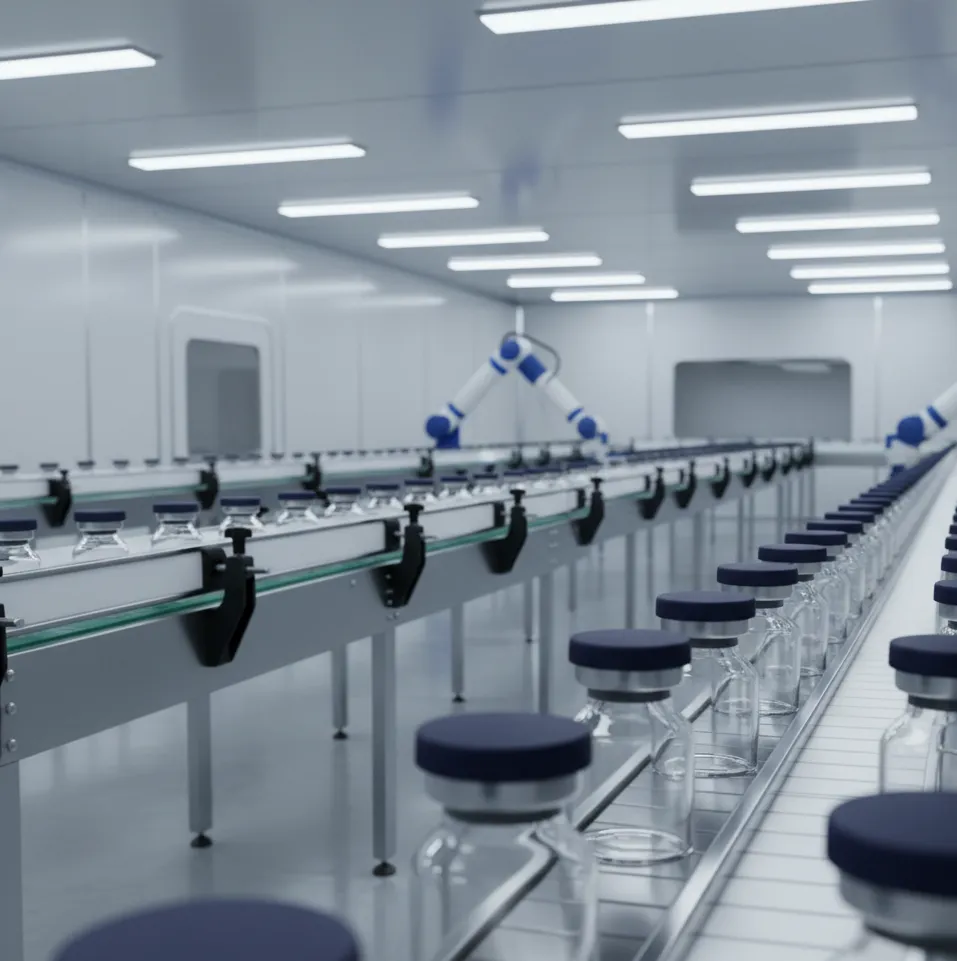
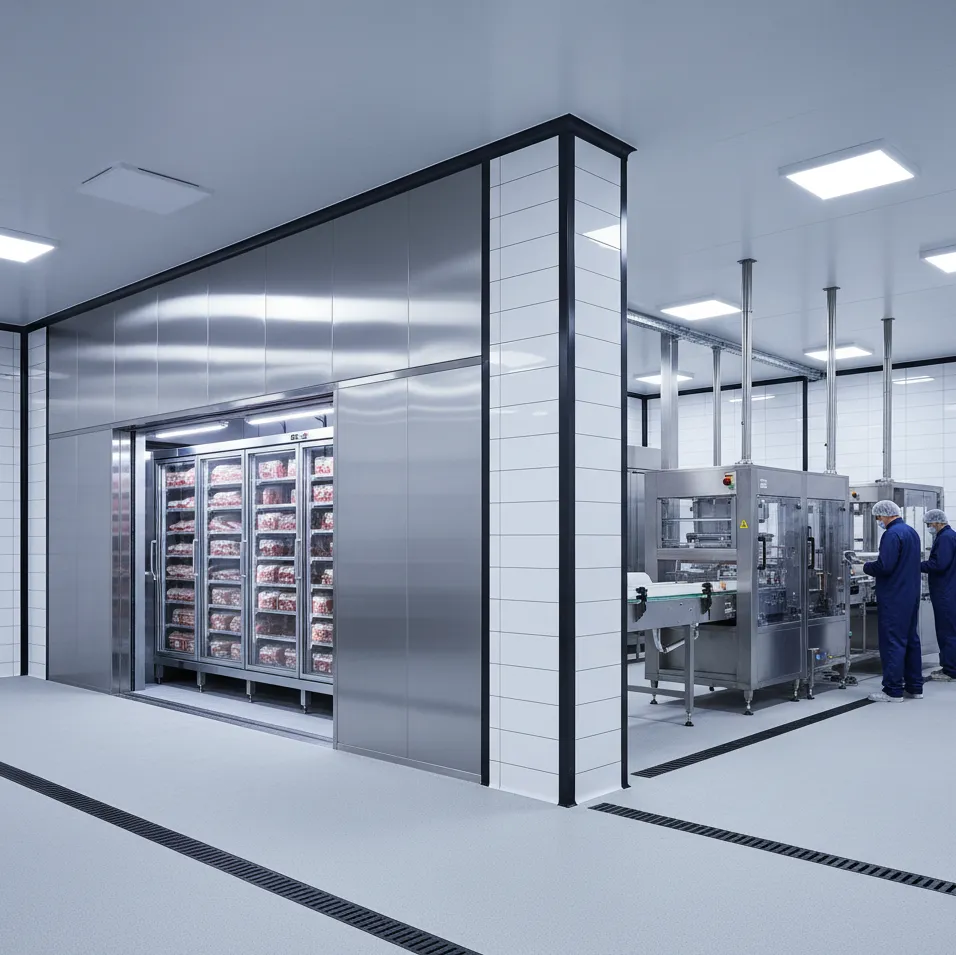
Apt (France) gathers compression, HCR injection and two LSR presses in 550 m² of ISO 8 cleanroom — the only plant in the group where extrusion and moulding share the same floor. Top Tech Silicones (Lombardy, Italy) concentrates the group speciality in liquid silicone: 1,500 m² of cleanroom with 6 LSR presses and a 2K two-shot overmoulding cell for cosmetics, automotive and class II medical devices.

  • Apt · 550 m² ISO 8
  • Top Tech · 1,500 m²
  • 6 LSR presses · Italy
  • 2K overmoulding · Italy
  • ISO 13485 · EN 9100
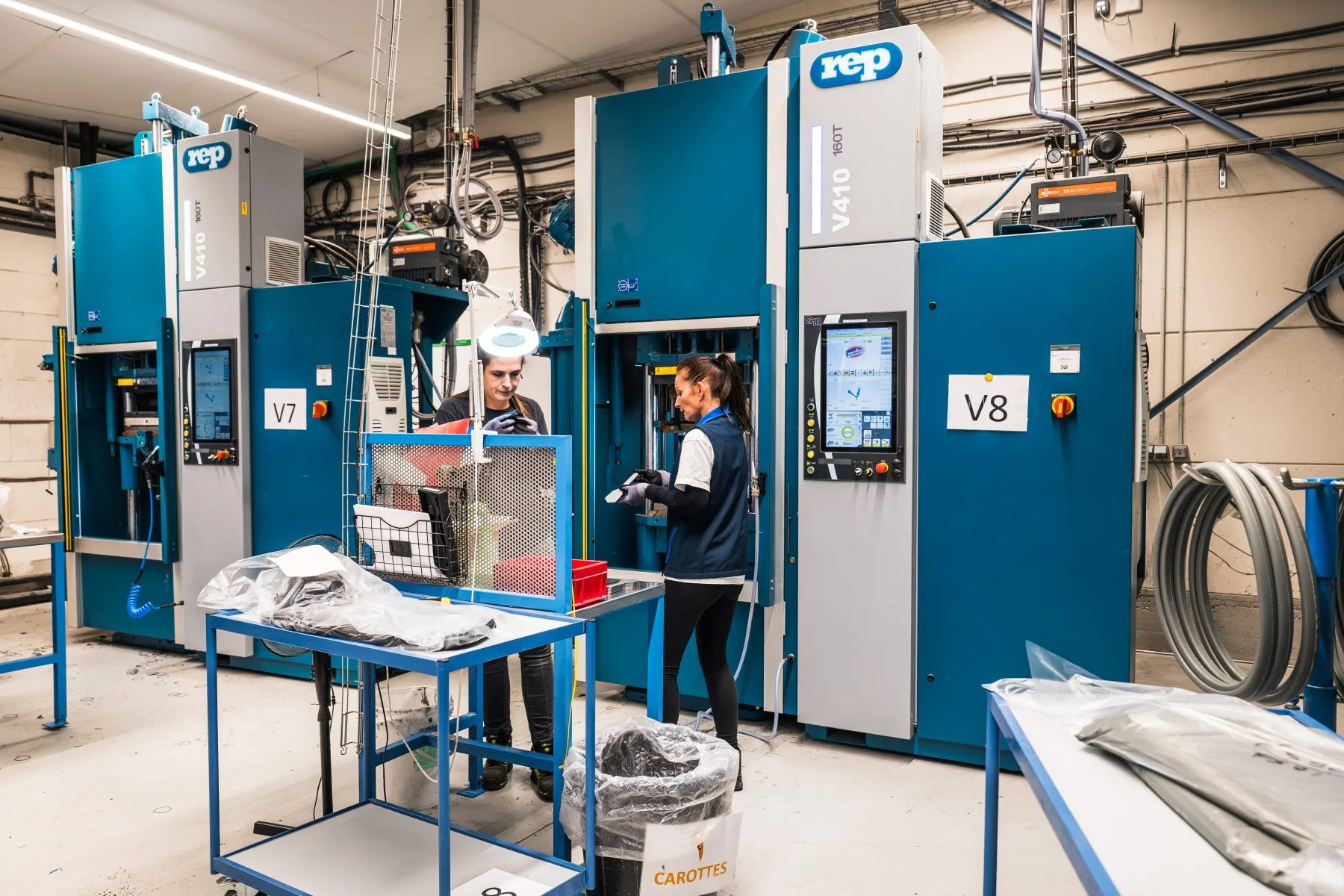
Apt moulding shop · two REP V410 presses (V7 and V8) with operators mid-cycle
Compression mould just opened · purple seal vulcanised on a machined cavity
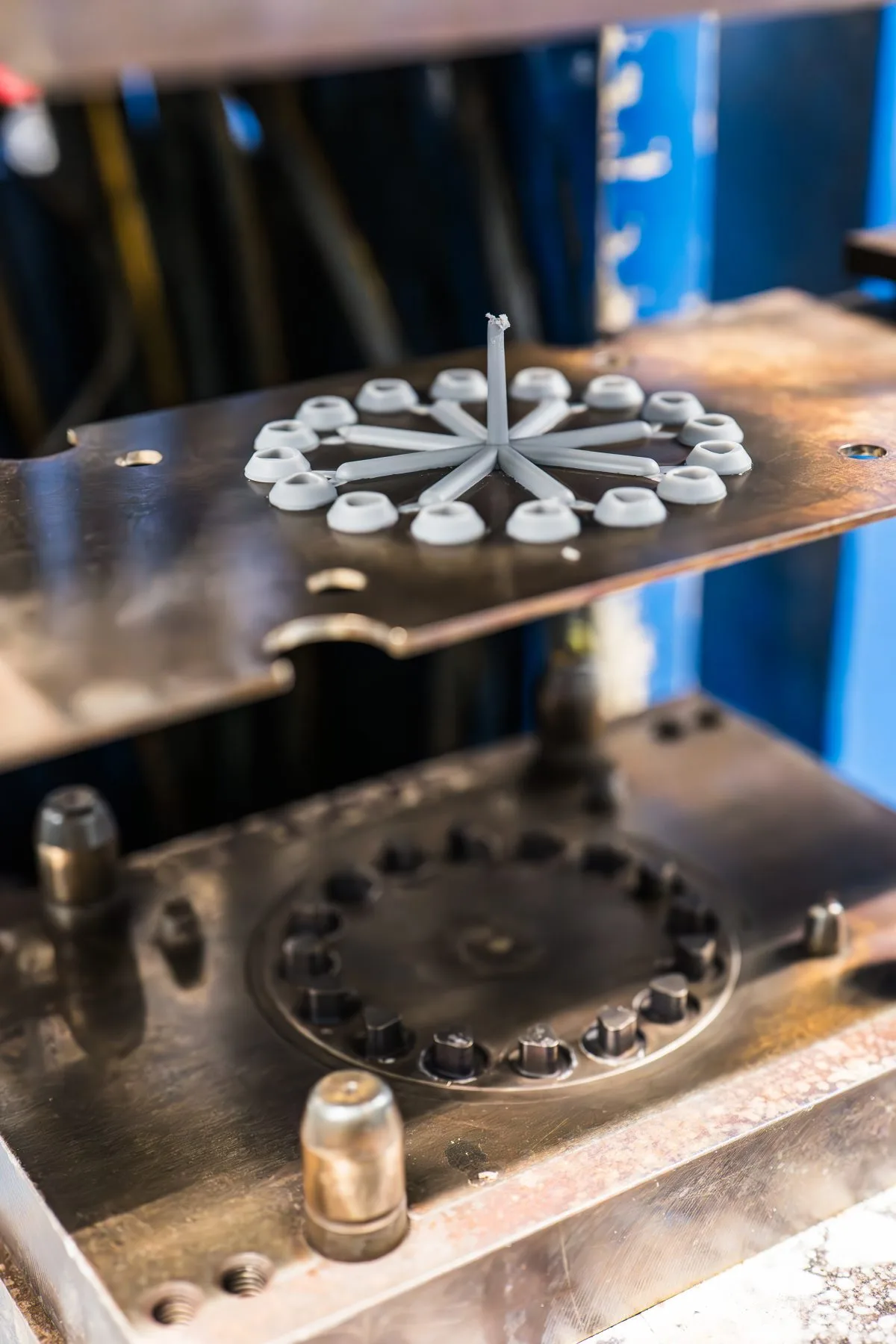
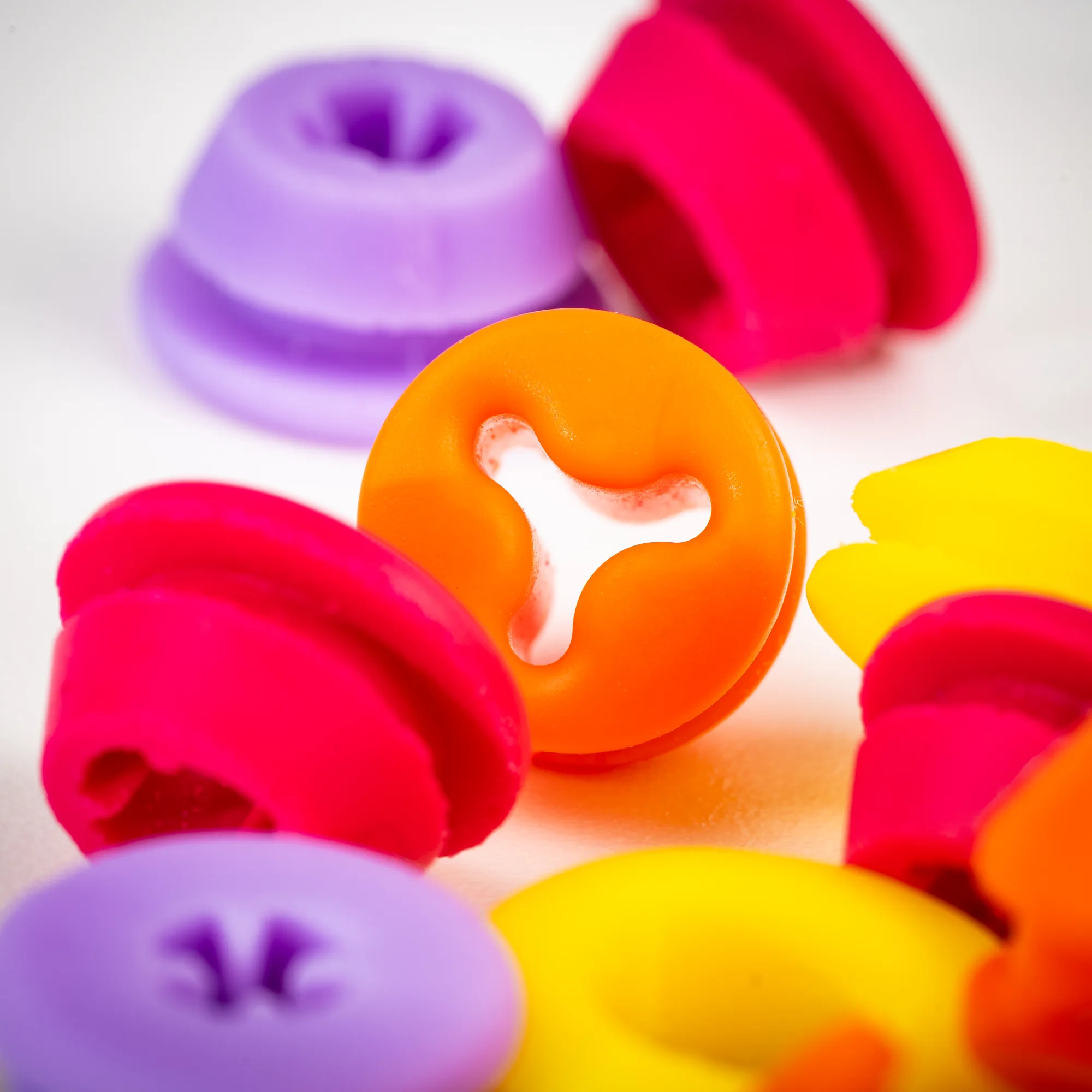
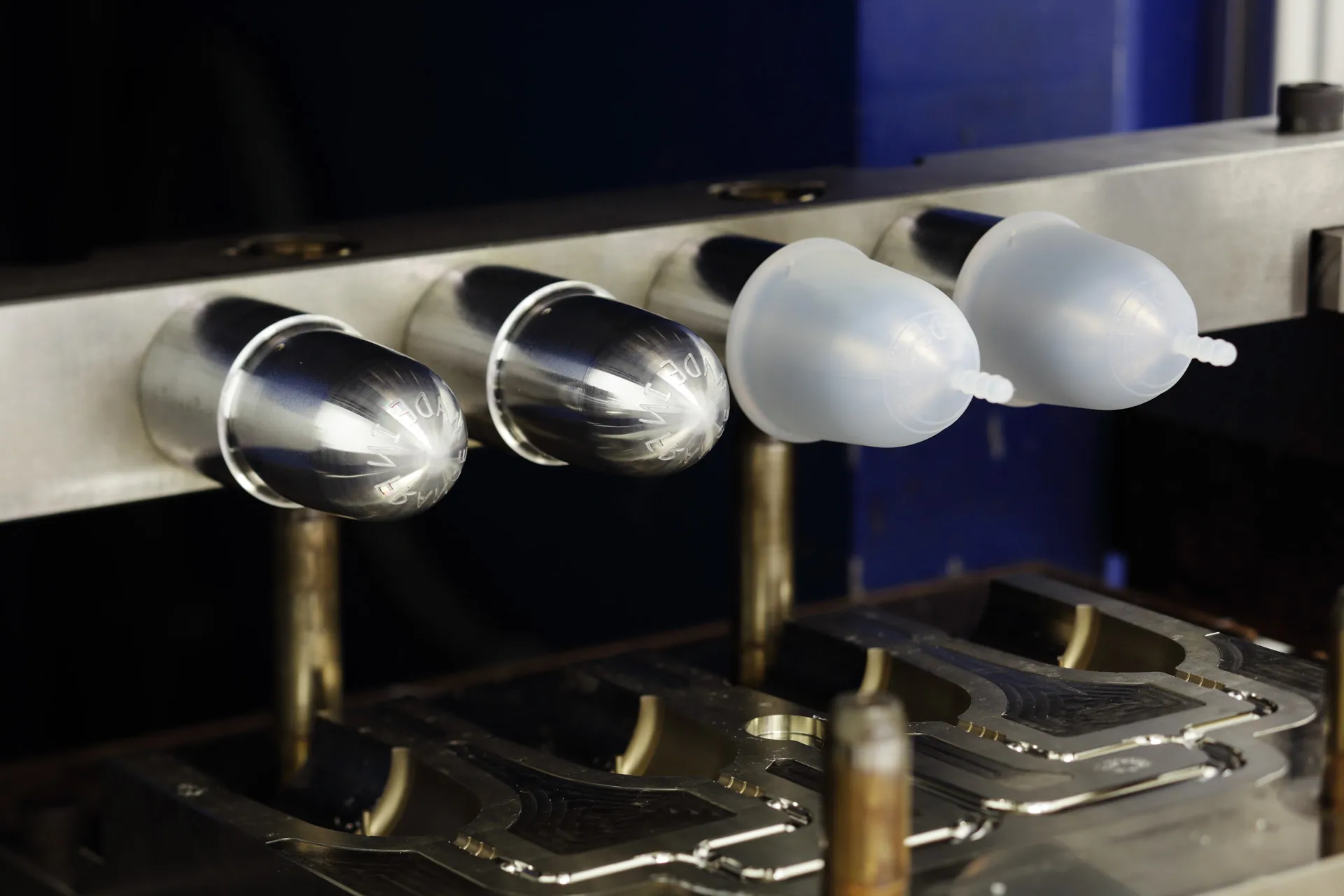
Open injection mould · star-shaped cavities with central runner and freshly ejected parts
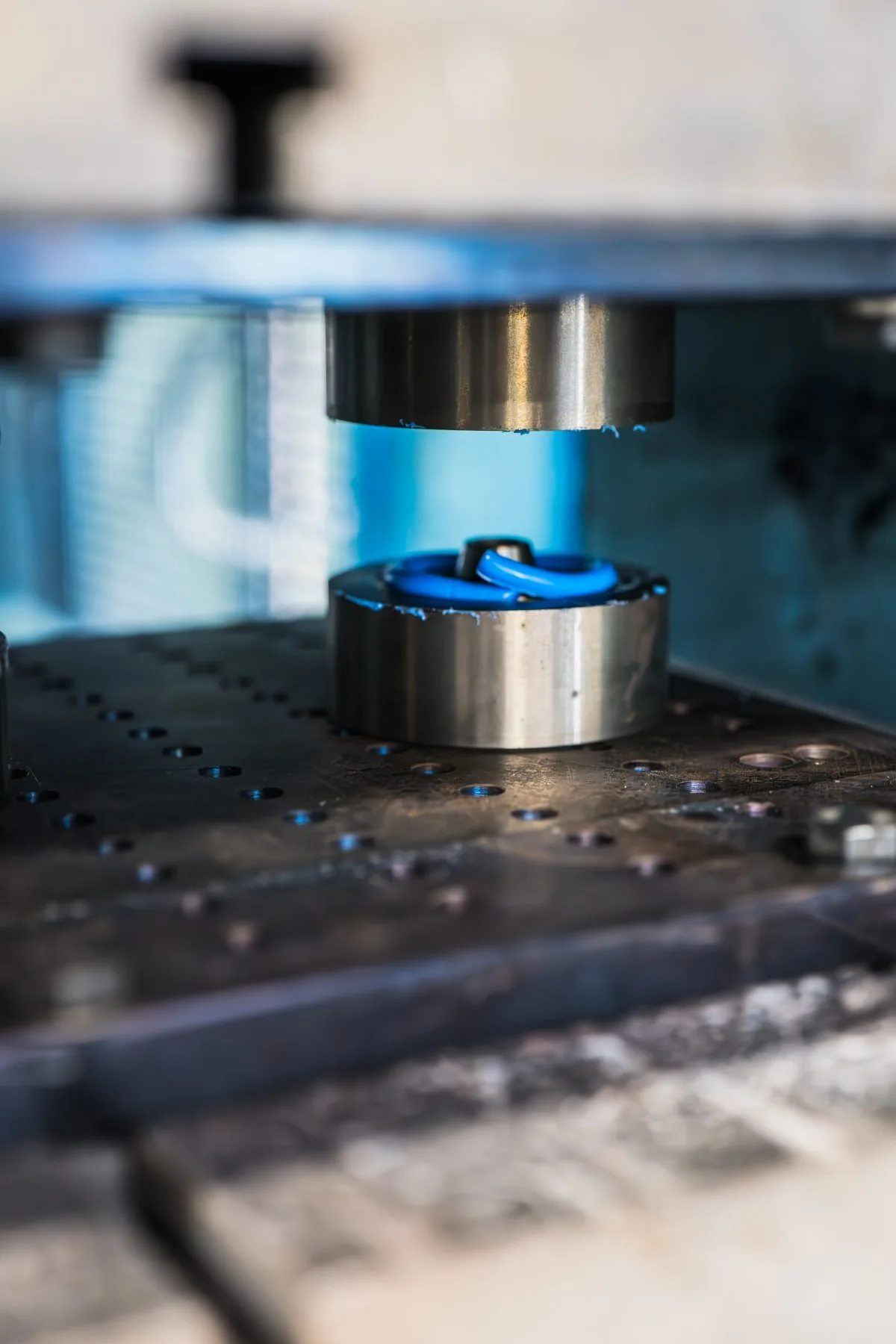
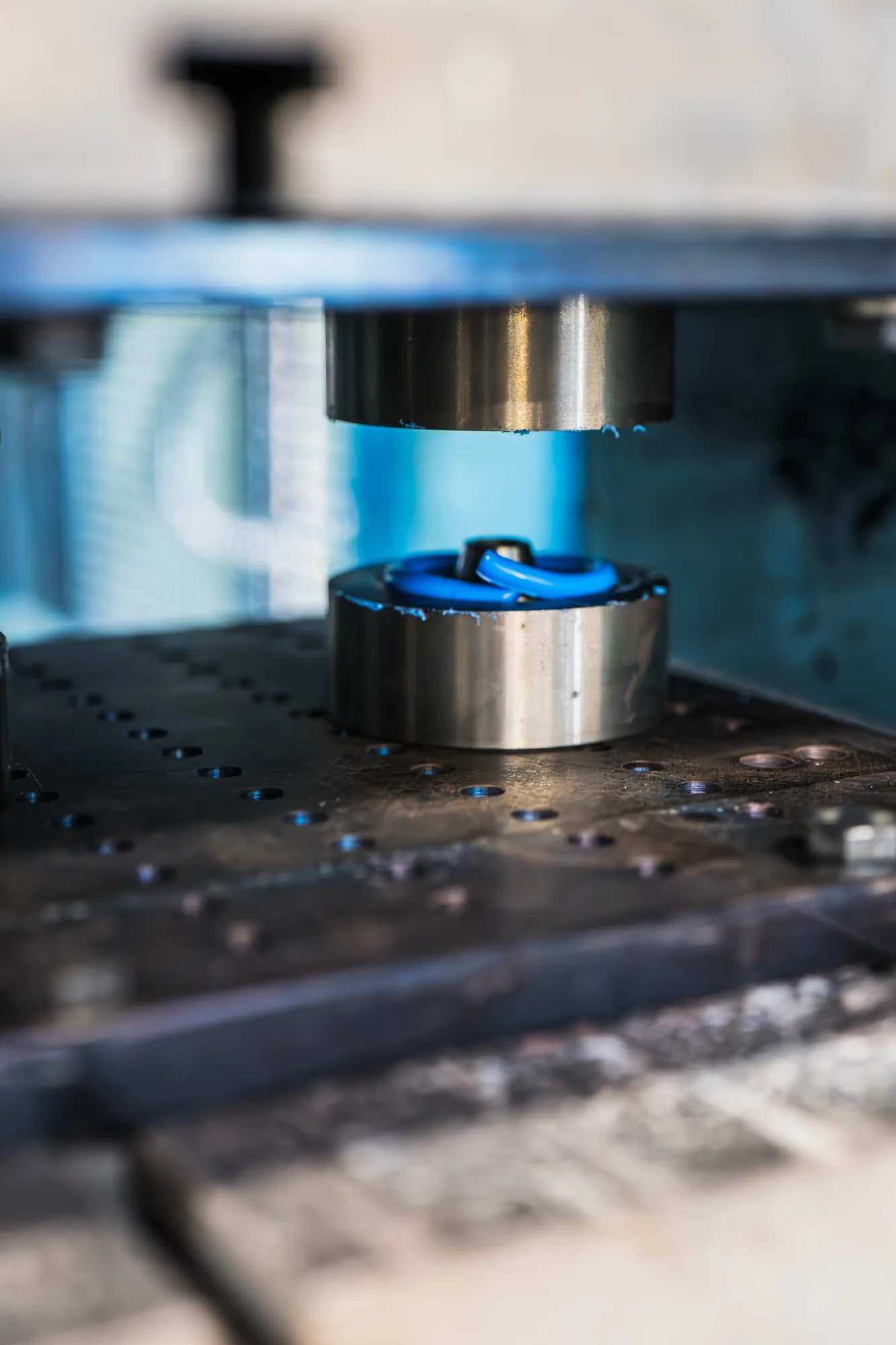
Injection head with blue HCR mass pre-loaded · close-up of the plasticising chamber
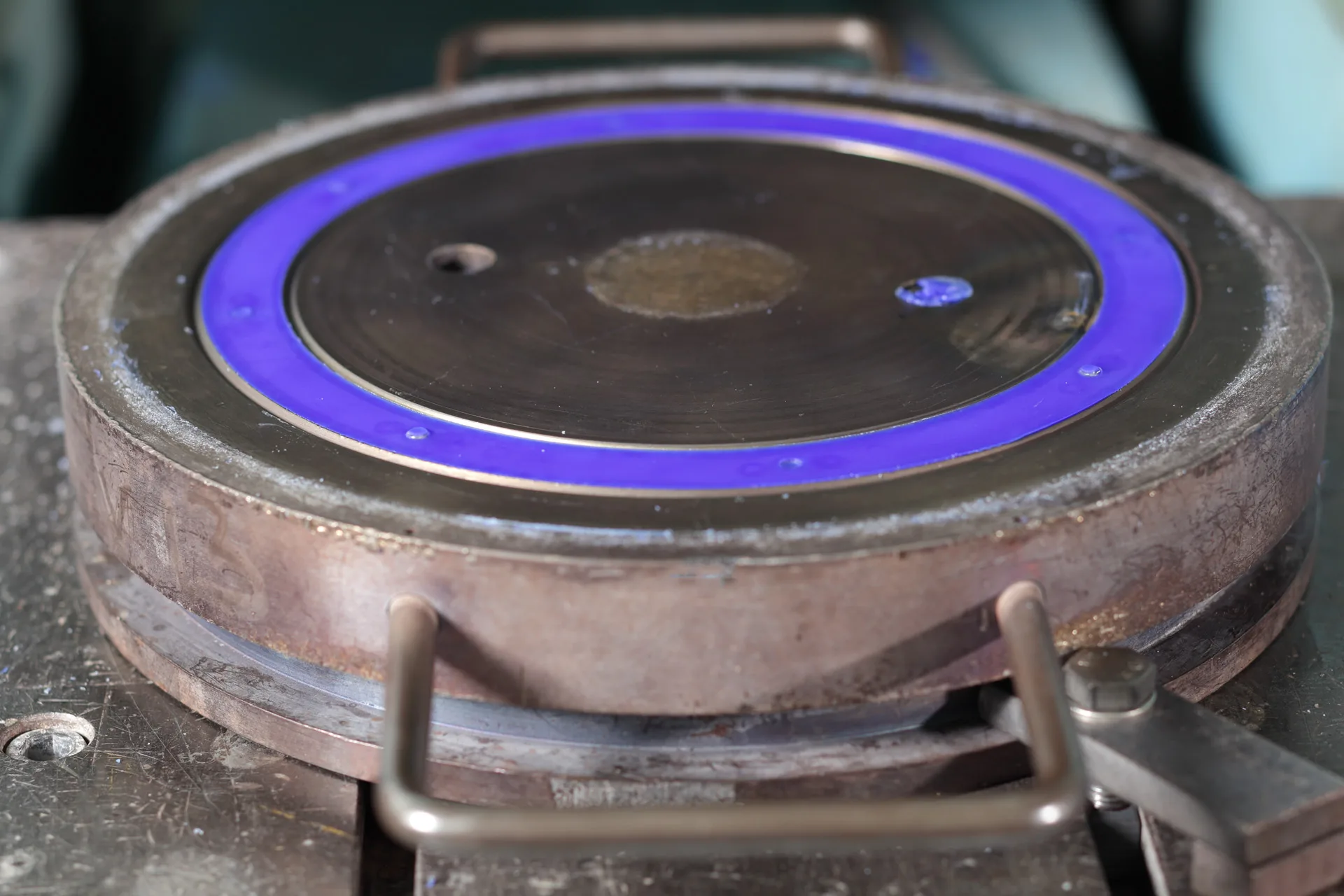
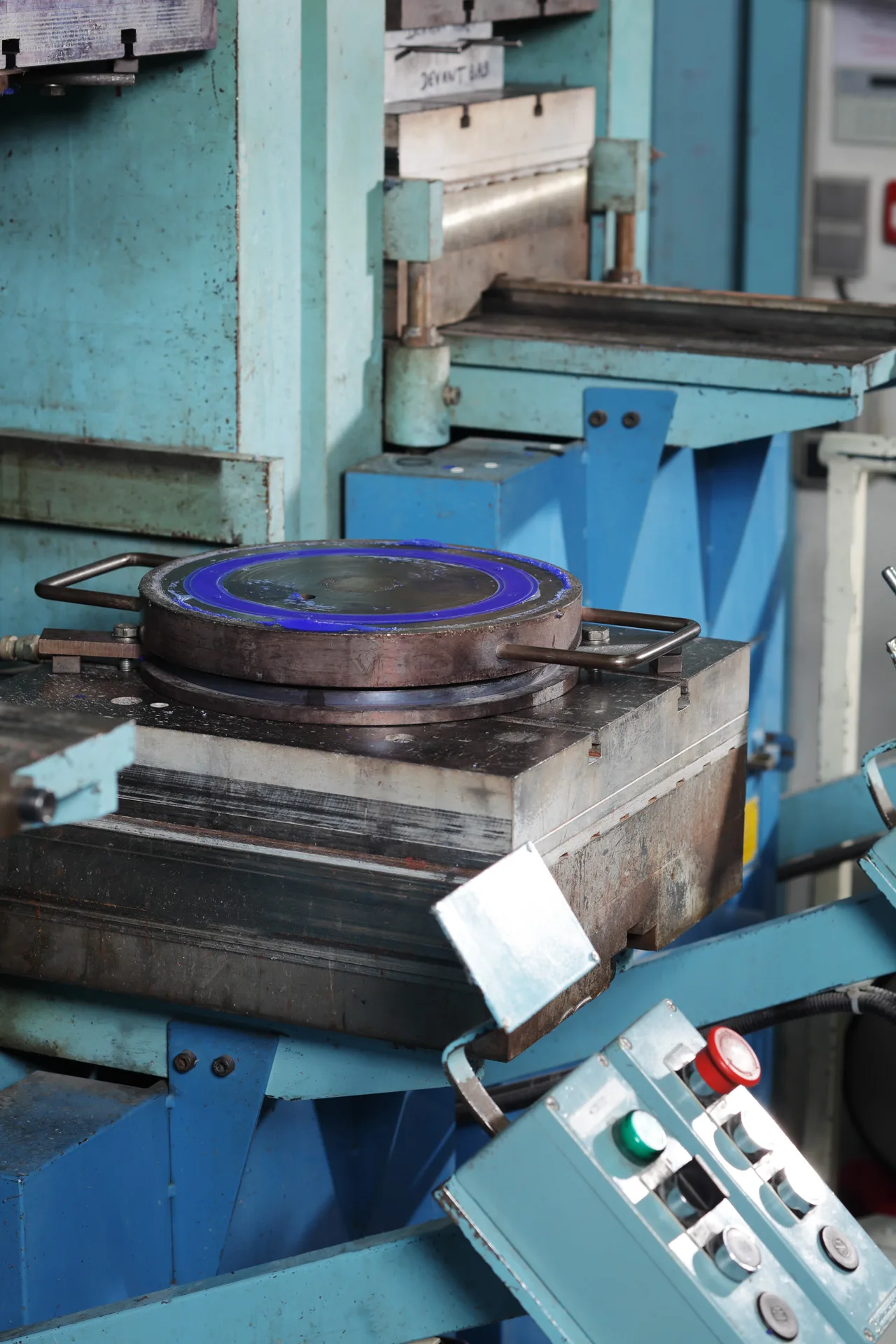
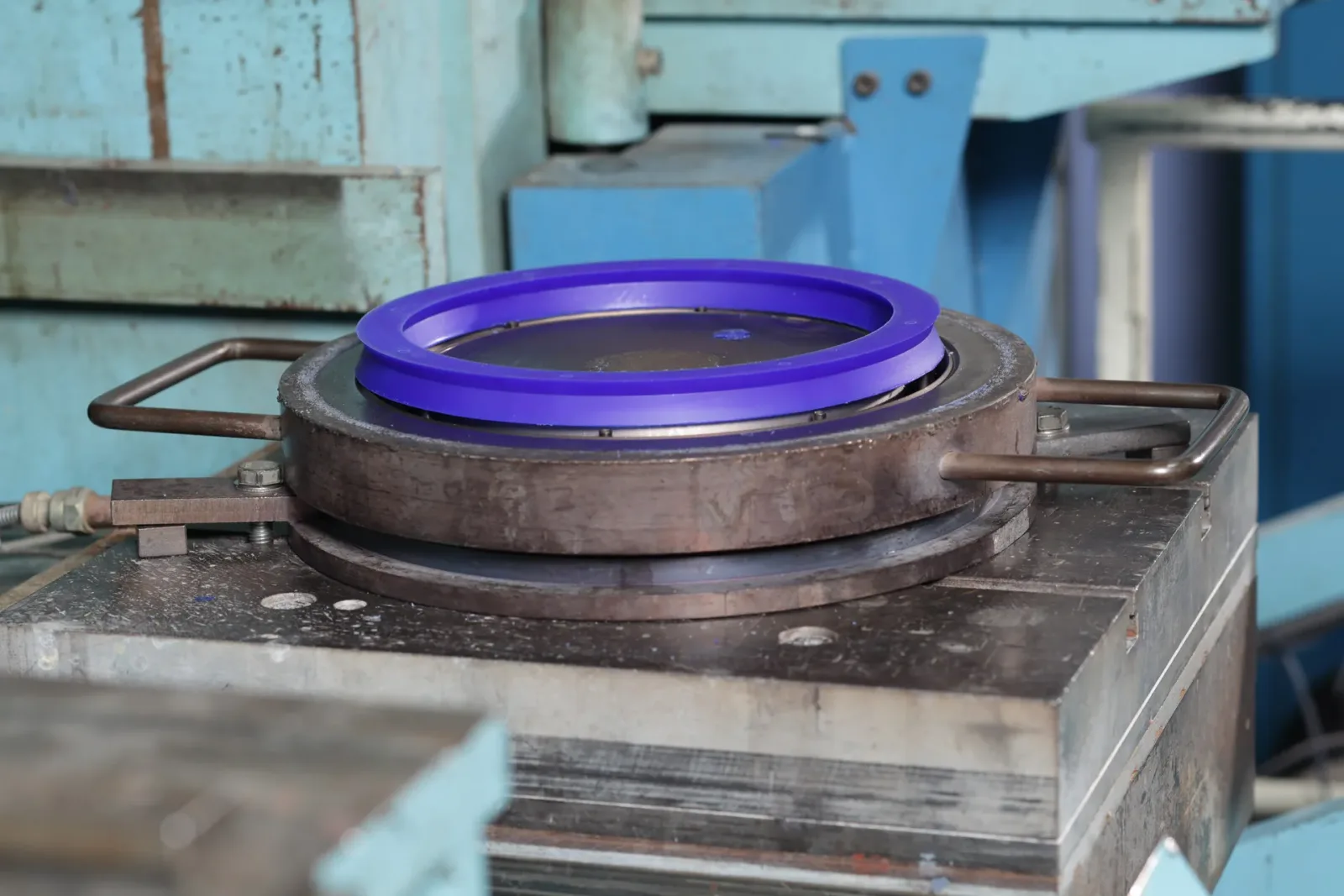
Classic compression press · circular mould with blue seal on the tray before closure
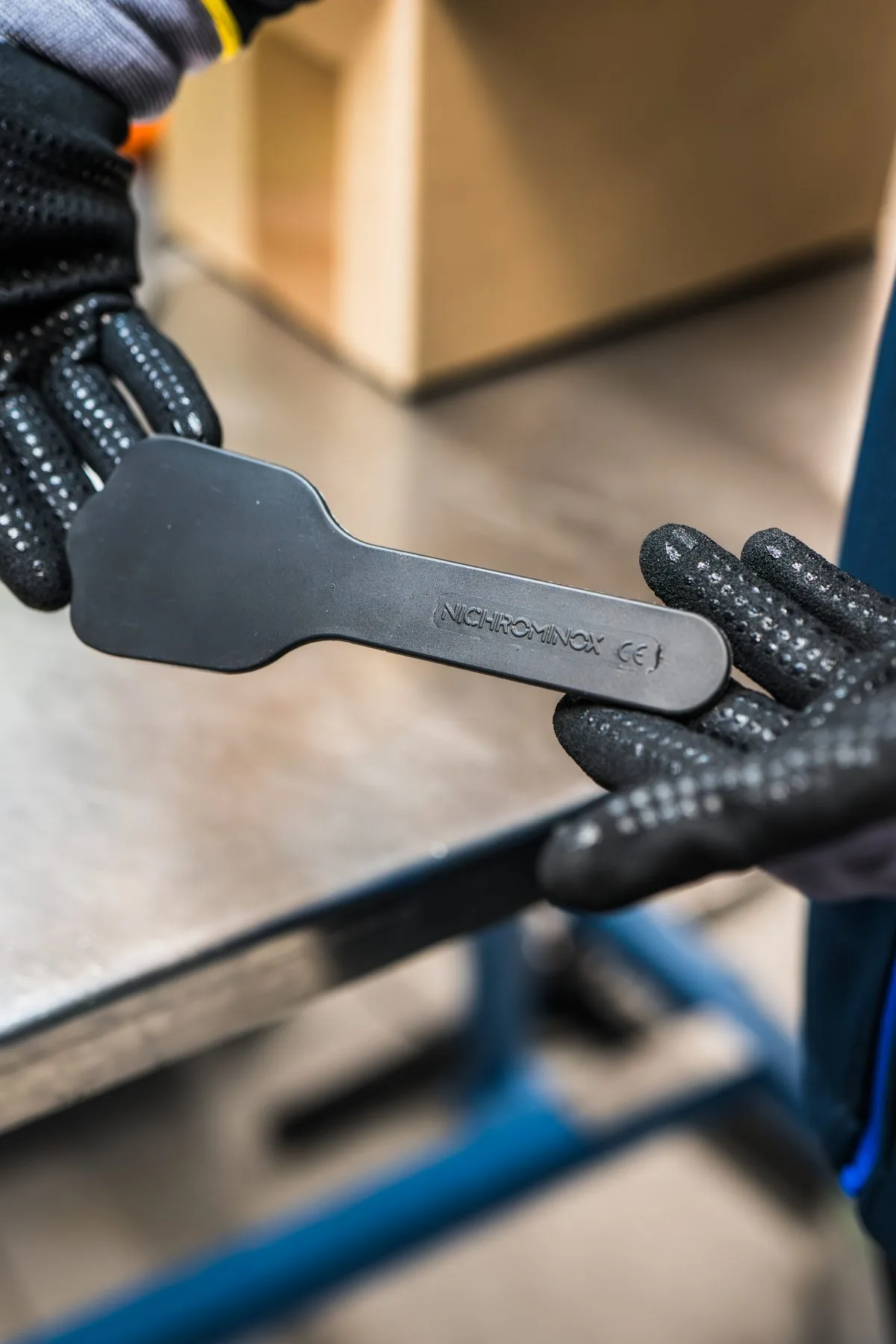
Finished moulded part · NICHROMINOX CE technical marking for a medical device
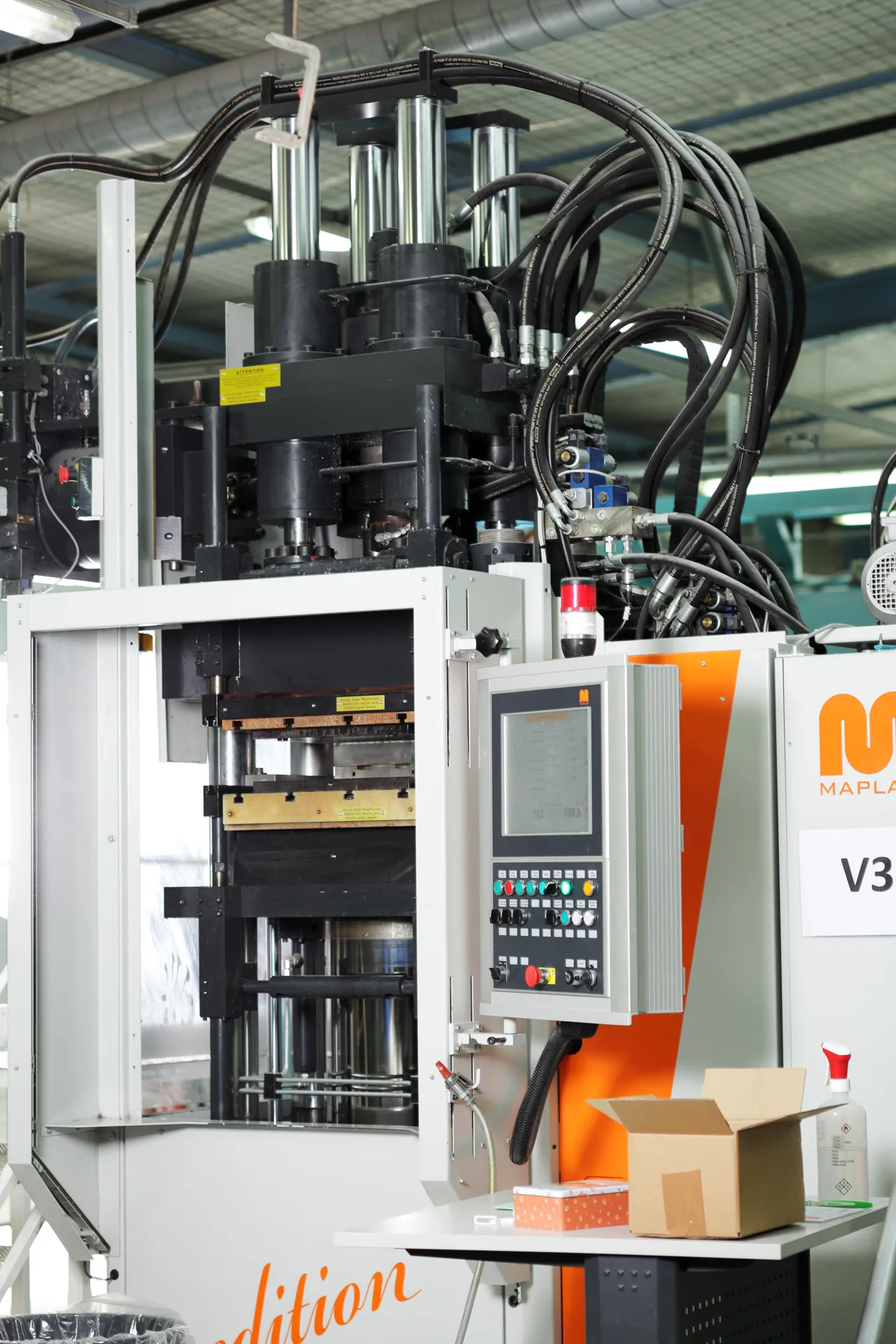
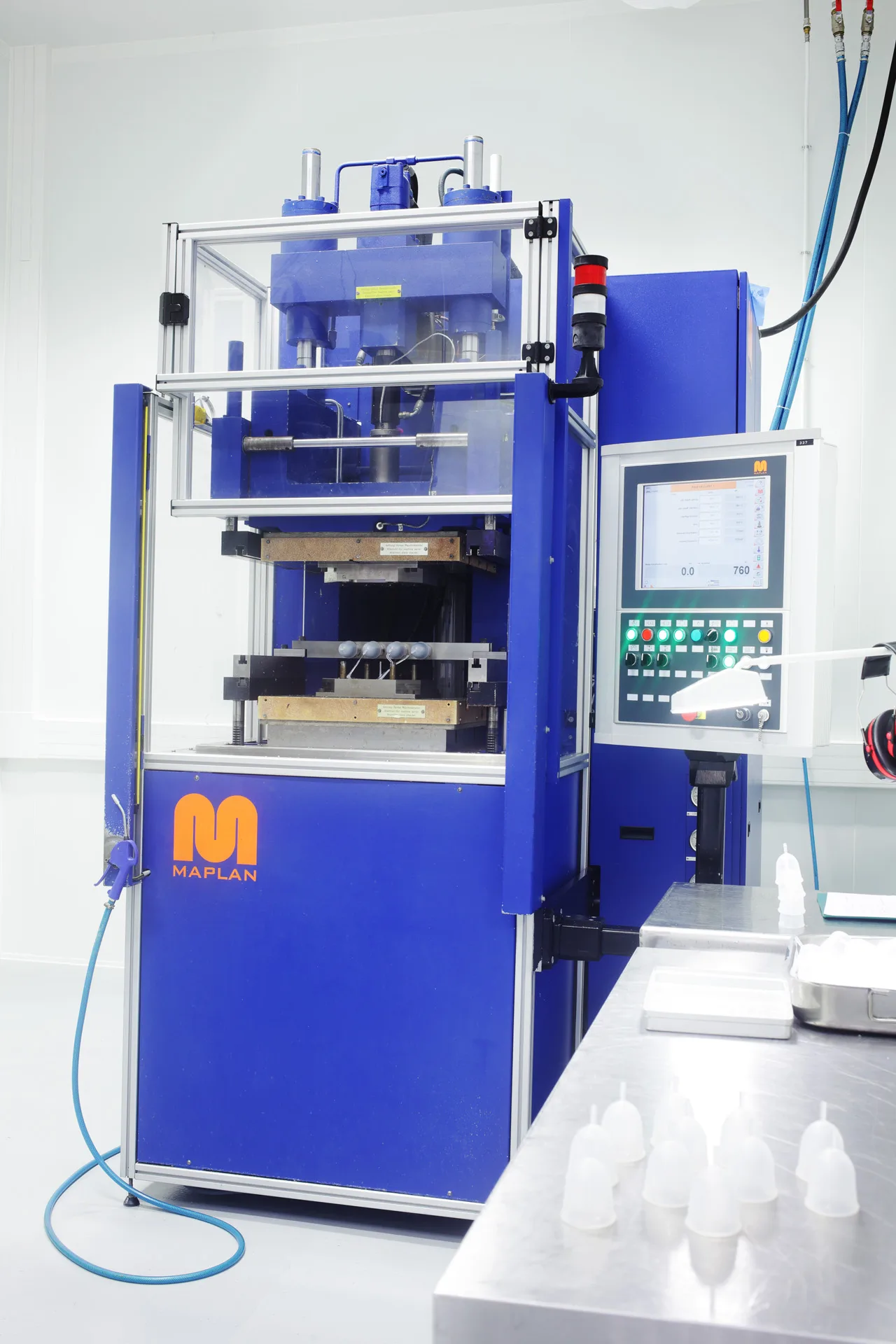
MAPLAN V3 injection press on the shop floor · full-body view with hydraulic system
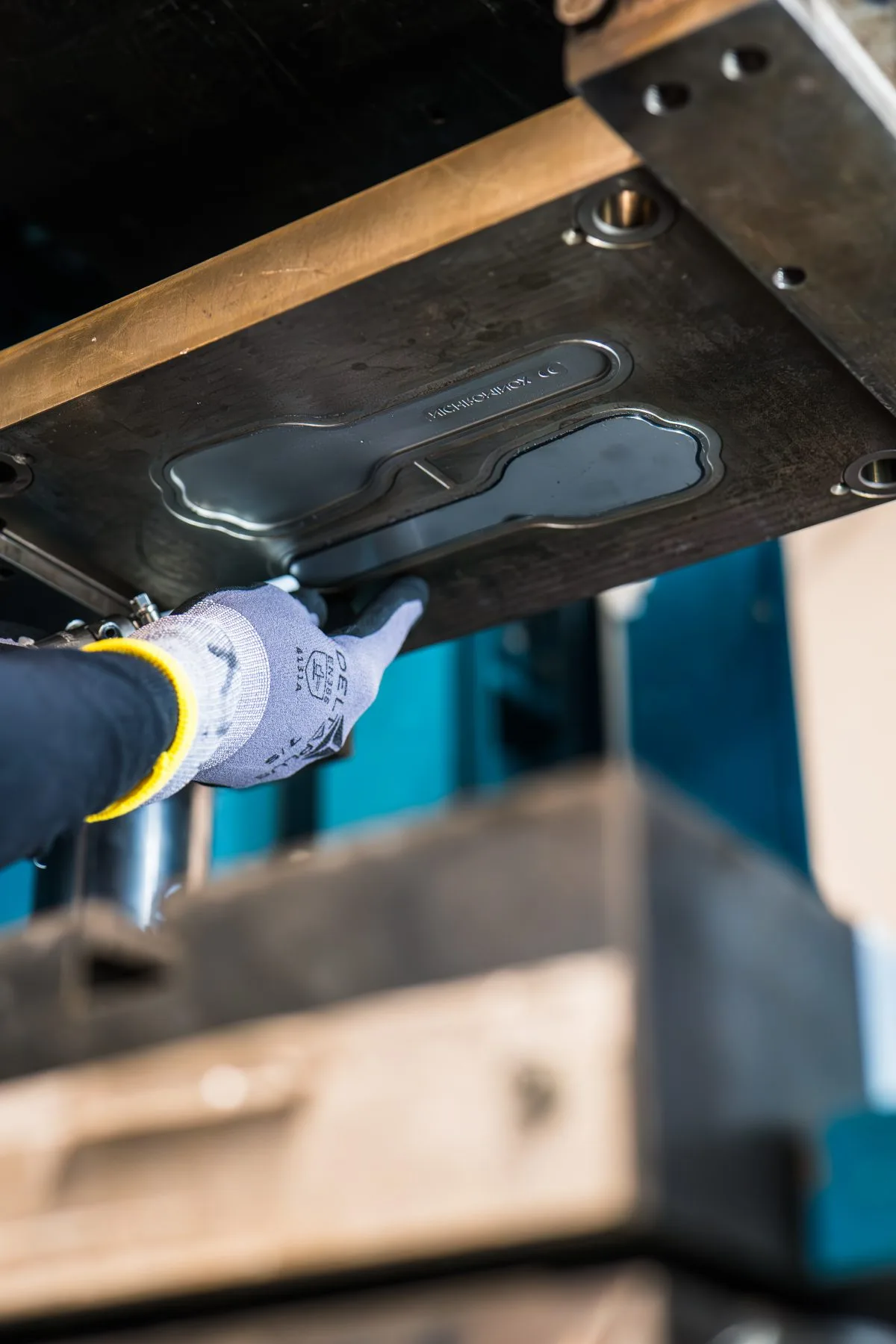
Manual demoulding · large technical part just vulcanised on the mould cavity

Technical comparison · Compression, HCR, LSR

Each variable pushes the part towards one of the three techniques. The design office (D27 · /capacidades/diseno-utillajes) recommends the combination before quoting tooling.

VariableCompressionHCR injectionLSR injection
State of the massPre-weighed solid HCR in ballPre-mixed solid HCRTwo-component liquid A+B
InjectionManual onto hot cavityScrew + nozzleStatic mixer + nozzle
Mould temperature160-200 °C (hot closure)160-200 °C (hot closure)180-220 °C (hot closure)
Typical cycle4-15 min60-180 s20-60 s
Usual cavities1-41-161-64+
Weight per part5 g — 1 kg+1-200 g0.1 g — 200 g
Dimensional toleranceISO 3302-1 M2 standardISO 3302-1 M2 / M3ISO 3302-1 M3 tight
Typical seriesPrototypes · short seriesMedium seriesShort series to millions
GeometryMassive parts, thick wallsMedium partsComplex · thin walls · undercuts
OvermouldingNo (HCR only)Plastic/metal HCR2K plastic-silicone · silicone-silicone
Group plantFrance (Apt) · 550 m² ISO 8France (Apt) · the group's only HCR siteItaly 6 presses · France 2 presses
CertificationISO 9001 + 13485ISO 9001 + 13485 + EN 9100ISO 9001 + 13485 + EN 9100
  • Cycles are indicative for medium parts with 50-70 ShA hardness. Parts with thick walls (>10 mm) or extreme hardness can multiply vulcanising time by 2-3.
  • The choice between HCR and LSR is decided by geometry, series and certification — the French cleanroom can inject HCR and LSR according to the mould; the Italian cleanroom specialises in cosmetic LSR and class II medical devices.
Cross-cutting capabilities

Four lines that cut across the three techniques

Whatever the chosen process, the part goes through the same control and certification stages. The mix comes from our own banbury (/capacidades/formulaciones-silicona), the tooling from the integrated mechanical workshop (/capacidades/diseno-utillajes), the cleanroom applies post-cure and issues the lot's technical sheet.

01

Weights · 0.1 g to 1 kg+

From a tenth of a gram (small medical device, miniature O-ring, press optics) to over a kilo (technical seals, bellows, structural part). The upper limit is set by the press and post-cure oven; compression is the best option for large masses.

02

Moulds · 1 to N cavities

1-cavity moulds for prototypes, 4-8 cavities for medium runs, up to 64+ cavities on small LSR parts with automatic demoulding. Design and machining in our own workshop (Apt) — no external supplier, no file transfer.

03

Post-cure in sealed oven

3 stainless steel ovens with sealed tanks for post-cure under controlled air flow. Removes residual volatiles, stabilises mechanical properties and prepares the part for food (FDA, CE 1935), medical (USP VI, ISO 10993) or aerospace (EN 9100) certification.

04

Lot traceability

Each moulding run travels with a unique lot number from the first charge of mix to packing. Mechanical sheet of the compound (extensometer, Shore A durometer, compression set), raw-material CoA, dimensional control drawings and certificate of conformity archived for ten years for audit.

Short runs to millions of units

From single part to millions · the line stays, only the mould changes

The press fleet works equally well for one-off prototypes, short runs of a hundred units, medium batches of several thousand or continuous production into the millions. What changes between scenarios is the number of mould cavities, the degree of demoulding automation (manual or integrated robot) and the post-cure schedule.

On the Italian LSR side, moulds can carry up to 64+ cavities with automatic ejection and robotic handling for parts of a few grams. In French compression, the same mould can vulcanise prototype runs of 50 units and annual runs of 5,000 without reconfiguring the press. Each lot leaves with the compound's mechanical sheet, control drawings and certificate.

Machine fleet · France and Italy

The two Progress group cleanrooms are complementary, not equivalent. Each technique lives where its optimal fleet sits; the design office assigns the plant at project start.

CapabilityApt · France · ProgressLombardy · Italy · Top Tech
Cleanroom area550 m²1,500 m²
Cleanroom classISO 8 (NF EN ISO 14644)Dedicated cleanroom cosmetic + medical
CompressionYes · vertical presses
HCR injection1 press · the group's only one
LSR injection2 presses6 presses · group specialty
2K bi-material overmouldingPlastic-silicone · silicone-silicone
Post-curing3 sealed stainless-steel ovensOvens dedicated to the LSR line
Extrusion and moulding coexistYes (only plant in the group)No (LSR moulding specialisation)
QMS certificationISO 9001 · ISO 13485 · EN 9100ISO 9001 · ISO 13485
Lead sectorsMedical · railway · aerospaceCosmetic · class II medical · automotive
  • Both cleanrooms operate under the same Progress management system. The choice of plant is decided by technique (compression and HCR only at Apt, 2K overmoulding only at Top Tech) and by volume (large LSR series prefer the 6 Italian presses).
Moulded families

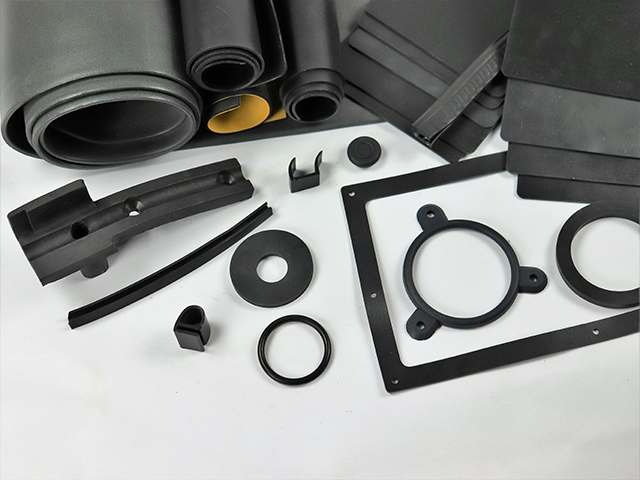
Moulded products in the catalogue

Which moulded part needs producing?

Send us the drawing or sketch, critical dimensions, estimated run size, Shore A hardness, sector (medical, food, rail, automotive, cosmetic) and applicable standard. We confirm the recommended technique (compression, HCR or LSR), the group plant, the number of cavities, tooling lead time and the certifications available. No order commitment.