

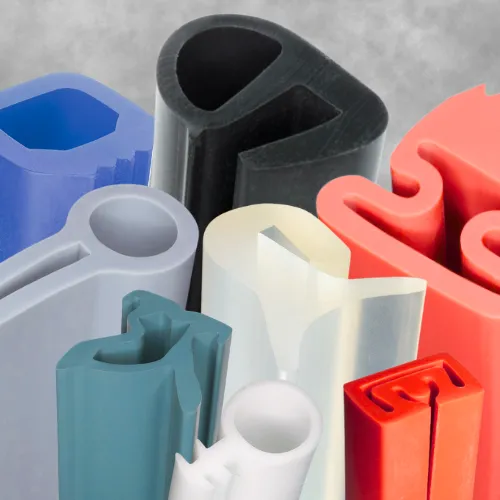
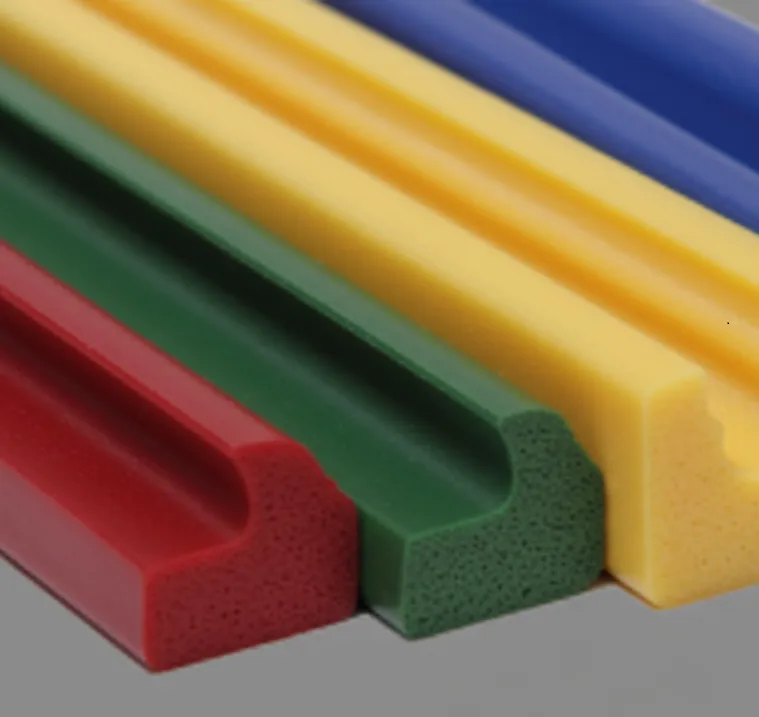


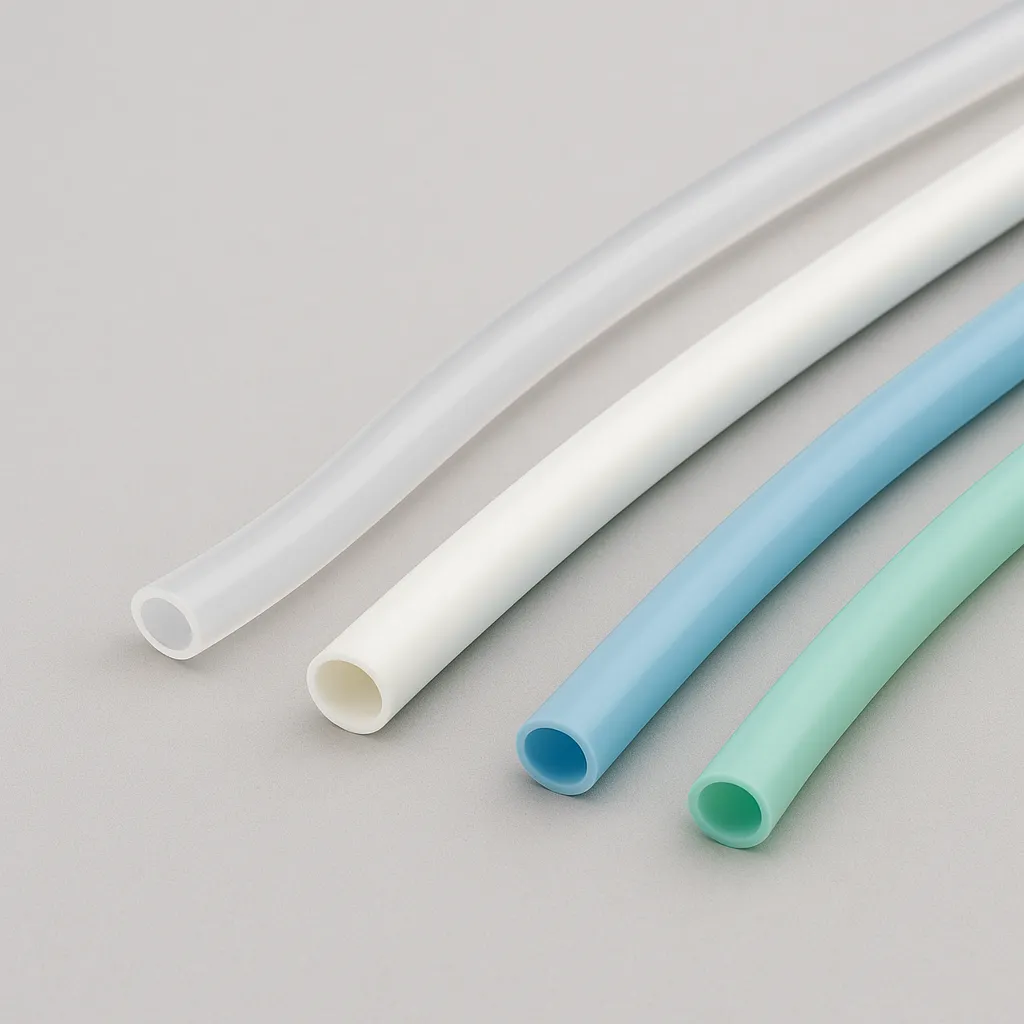


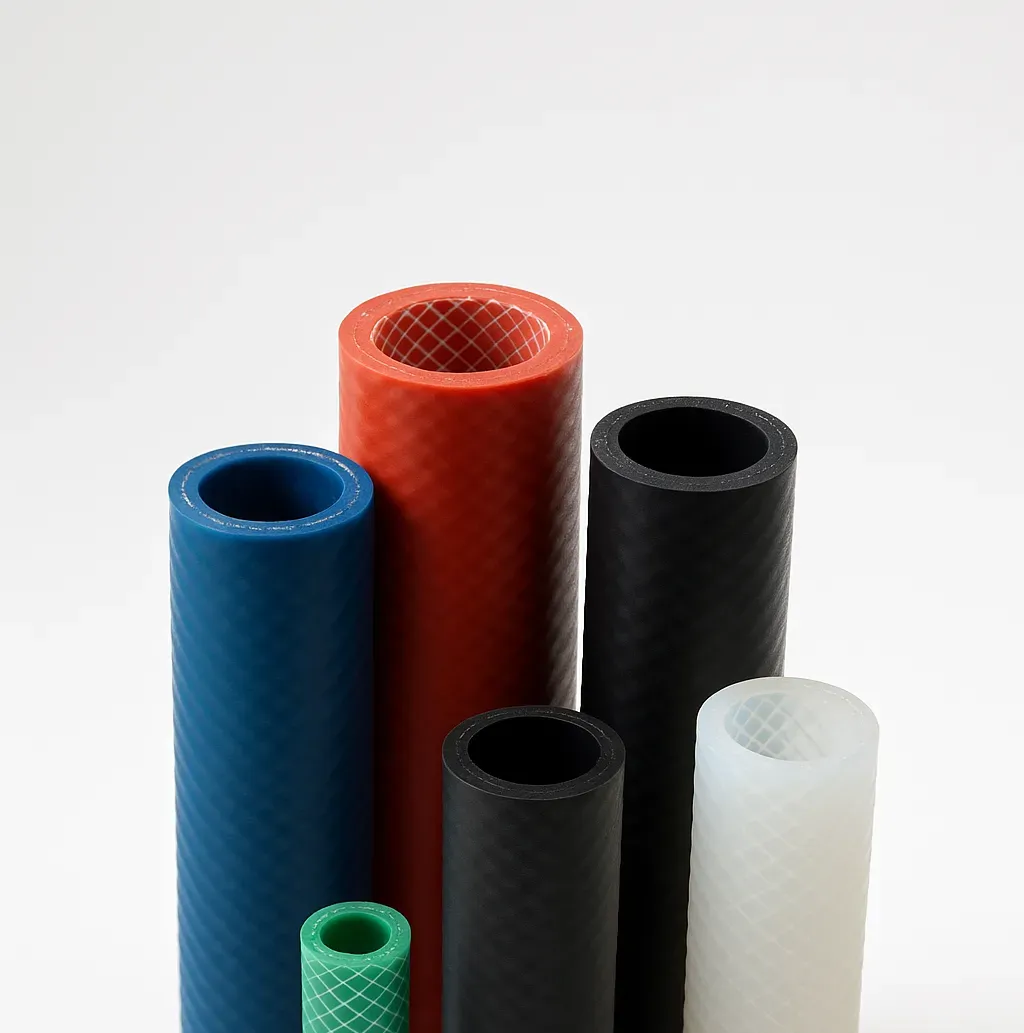
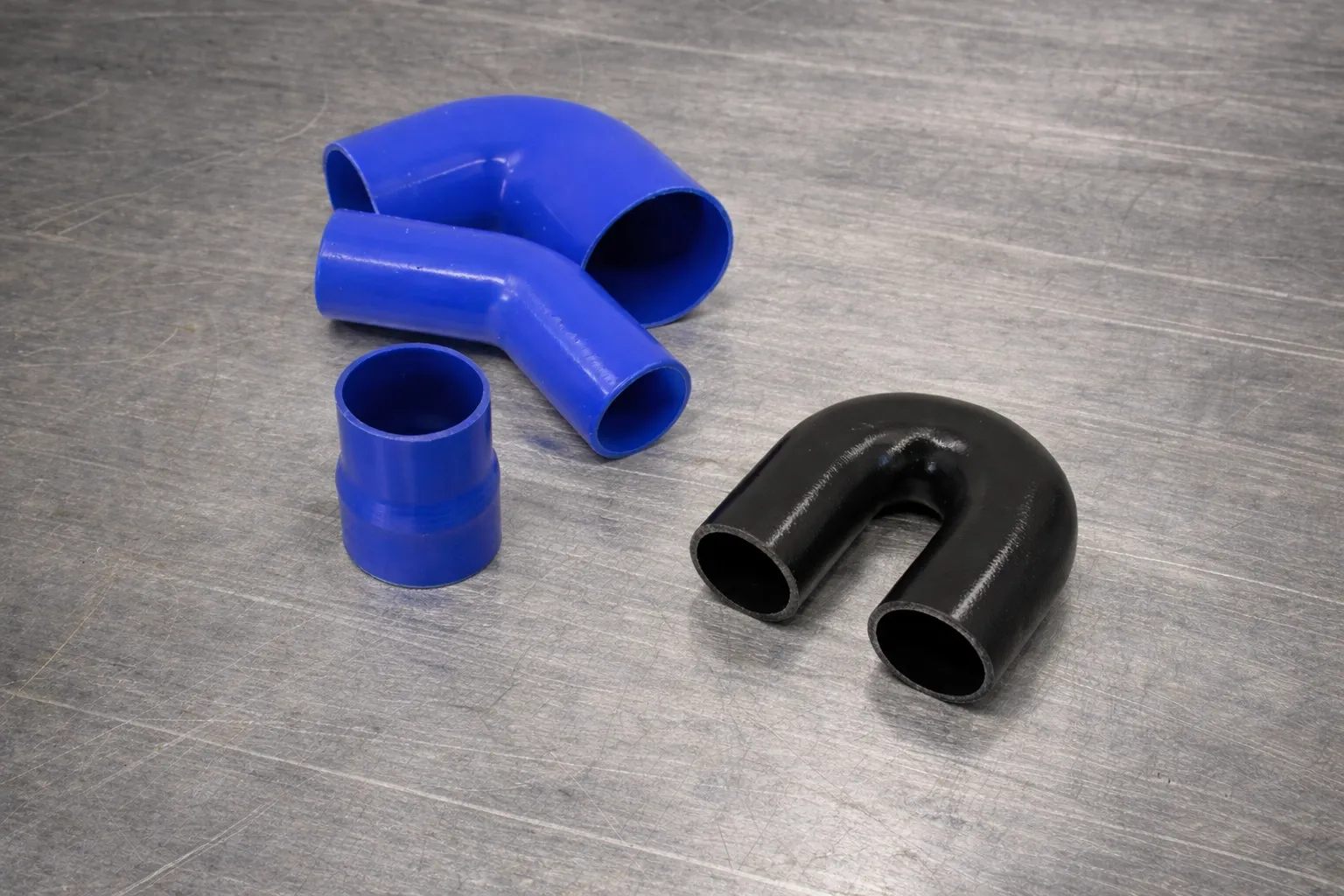
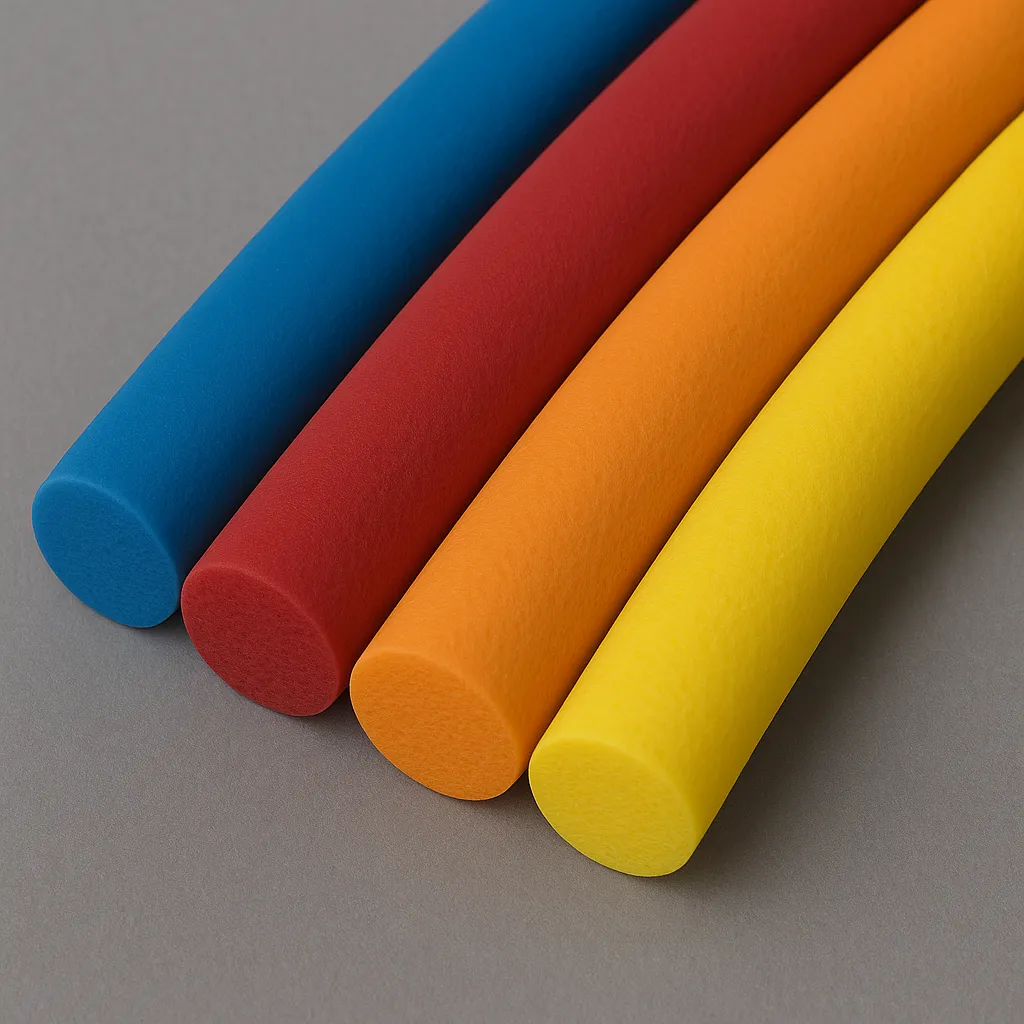
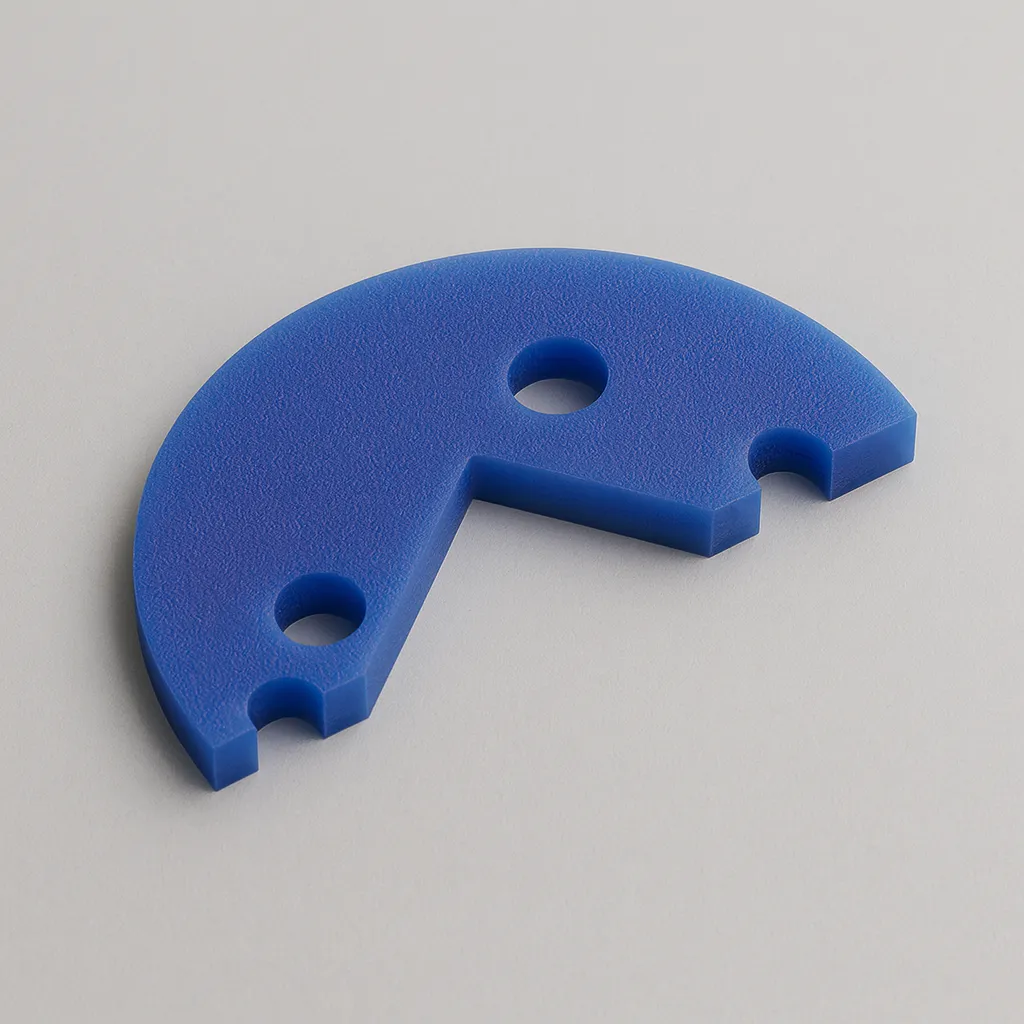















An industrial oven door gasket works permanently compressed and at sustained temperature. In continuous service at 250 °C, standard VMQ silicone is out of range: its limit is +200 °C. The specification is settled in four steps — formulation, hardness, section and post-cure — and skipping any of them is paid for in progressive crushing, loss of contact pressure and thermal leaks.
Why an oven gasket crushes
The failure is not a rupture: it is a loss of recovery. Under constant compression and heat the elastomer flows and stops regaining height when the door opens. As usable height drops, contact pressure falls with it and leaks appear, even though the gasket is still intact. That is why the parameter governing service life is compression set, not hardness or tensile strength.
Step 1: the formulation
Above +200 °C continuous the family is high temperature. Series 9 of the catalogue, peroxide-cured, covers −60 to +300 °C in continuous service with transient peaks to +315 °C, in hardnesses from 40 to 70 Shore A and with FDA certification. At a sustained 250 °C it leaves enough margin for ageing not to consume service life at once, which is exactly what a standard VMQ working at its own limit cannot offer.
Step 2: the hardness
A hardness of 50 Shore A seals well with little closing force, but under permanent compression and heat it crushes sooner. Moving to the 60 to 70 Shore A band raises crush resistance and improves recovery, in exchange for more closing force and poorer adaptation to wide tolerances. The upper band of Series 9 reaches 70 Shore A, so the adjustment is made within the same formulation. Worth remembering that industrial tolerance is ±5 Shore A per batch: asking for «65» admits any value between 60 and 70.
| Criterion | 50 Shore A | 60–70 Shore A |
|---|---|---|
| Closing force required | Low | High |
| Crush resistance | Limited | High |
| Adaptation to wide tolerances | Good | Reduced |
| Behaviour under permanent hot compression | Deforms sooner | Holds its section |
Step 3: the section
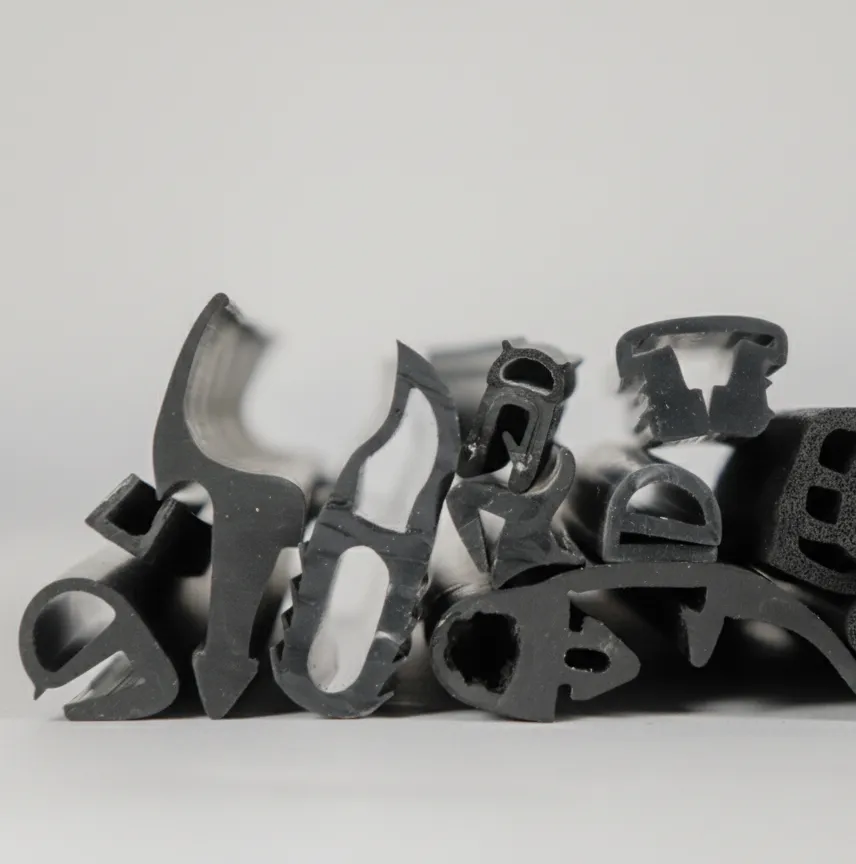
Geometry weighs as much as the material: a thick 40 Shore A wall can respond like a thin 55 profile. On a door gasket under heat, the design goal is to spread compression rather than concentrate it.
- Generous radii instead of sharp corners, which concentrate stress and propagate cracks
- A balanced ratio between height and wall thickness
- Design compression at 20–30 % of section height
- Hollow or lipped section where available closing force is limited
Step 4: the post-cure
High temperature formulations use peroxide curing, which leaves volatile residues after vulcanisation. Post-curing in a static oven, at controlled time and temperature specific to each series, removes those residues and stabilises the polymer structure. Without that stage the mechanical properties at high temperature degrade early and the part does not reach its nominal service life. It is a process operation, not an extra: on an oven gasket it should be taken as included in the order.
What to measure to know it worked
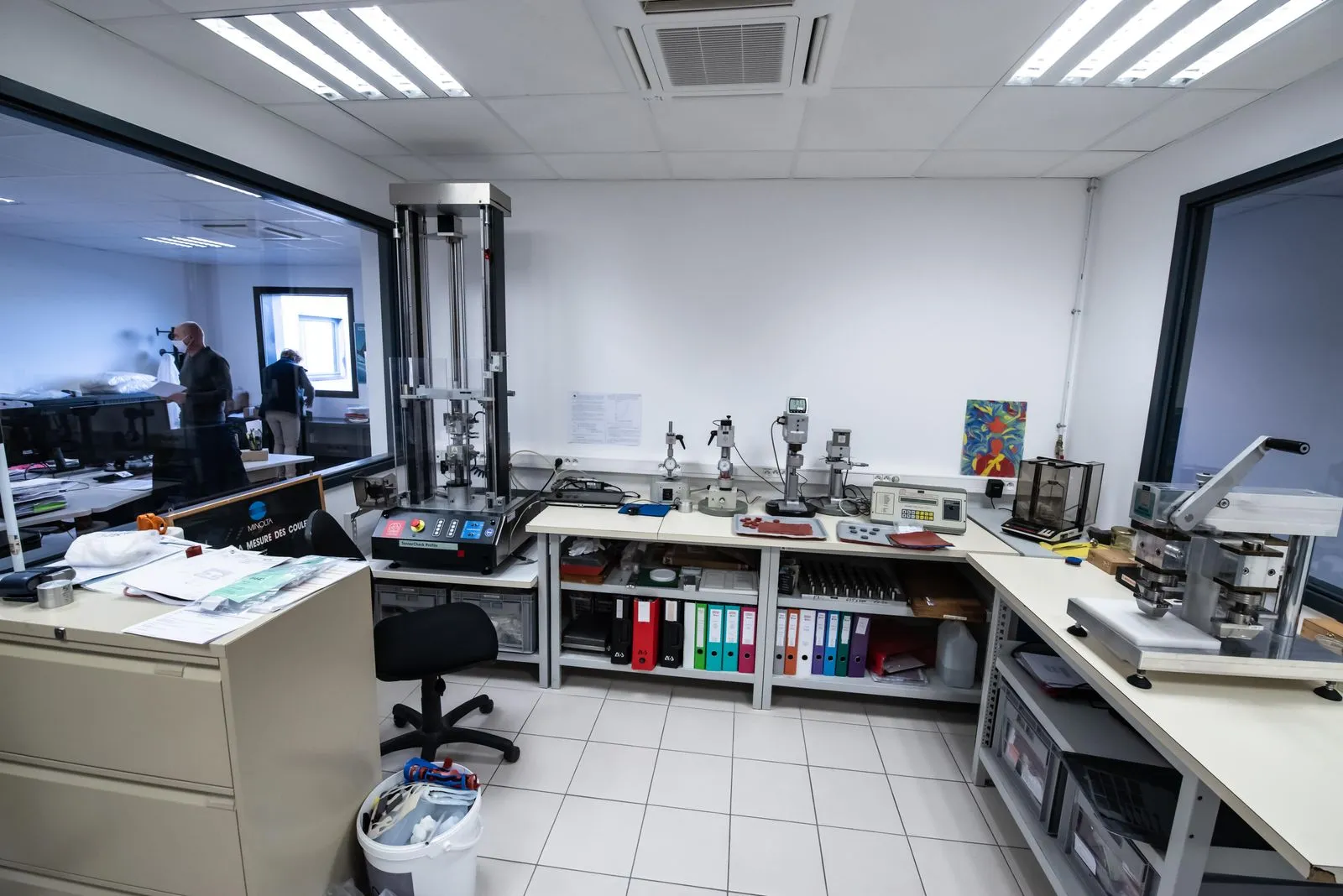
Improvement on an oven gasket is verified on the removed part, not on a feeling of tightness. The three useful indicators are residual height against original height after a known service period, compression set measured in the laboratory with its test conditions, and the actual interval between replacements recorded in the maintenance plan. Without those three figures before and after, any improvement number is an impression, not a measurement.
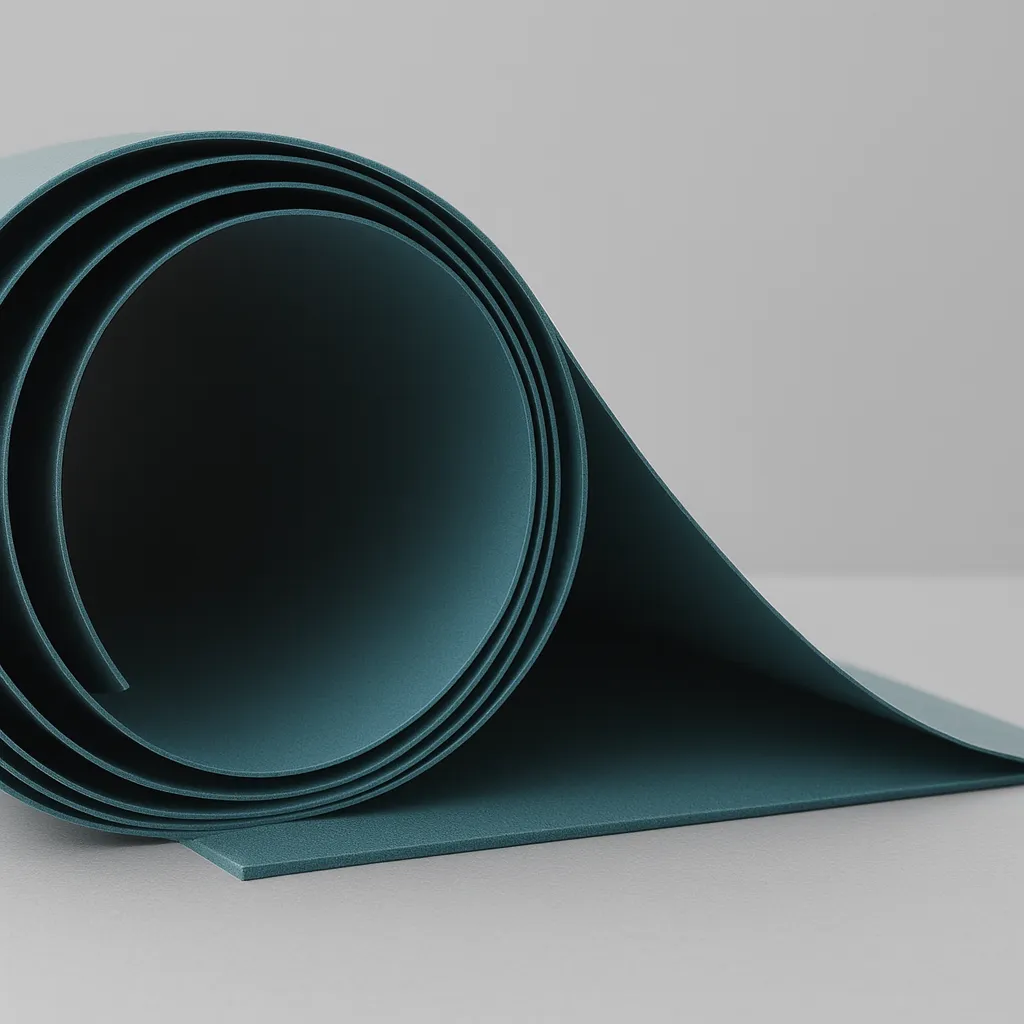
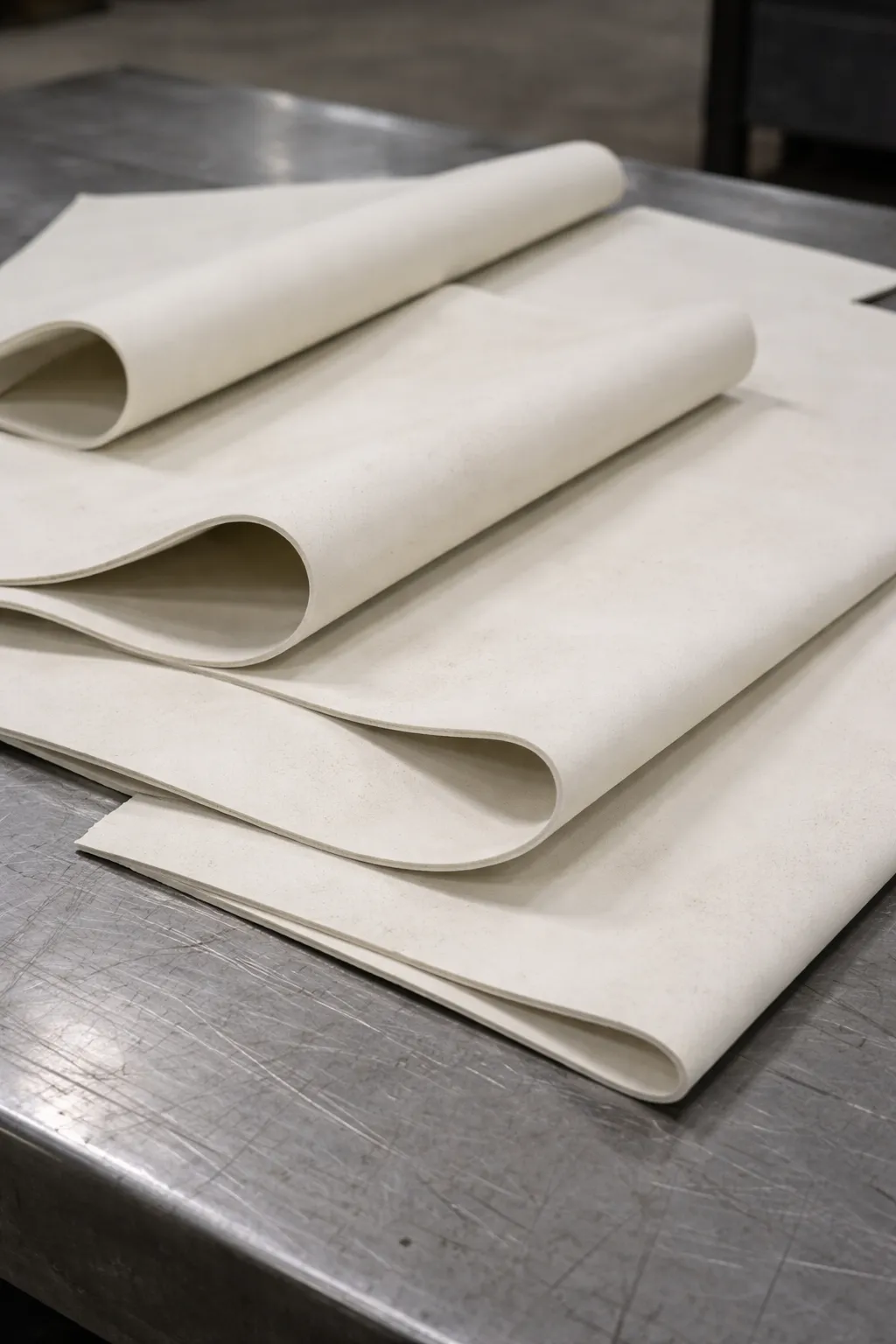
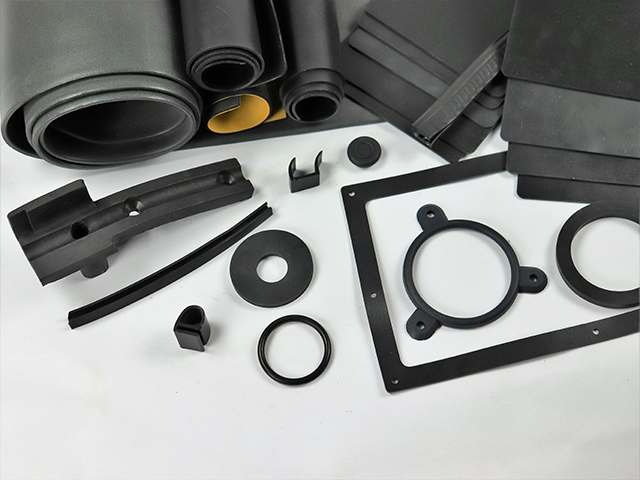
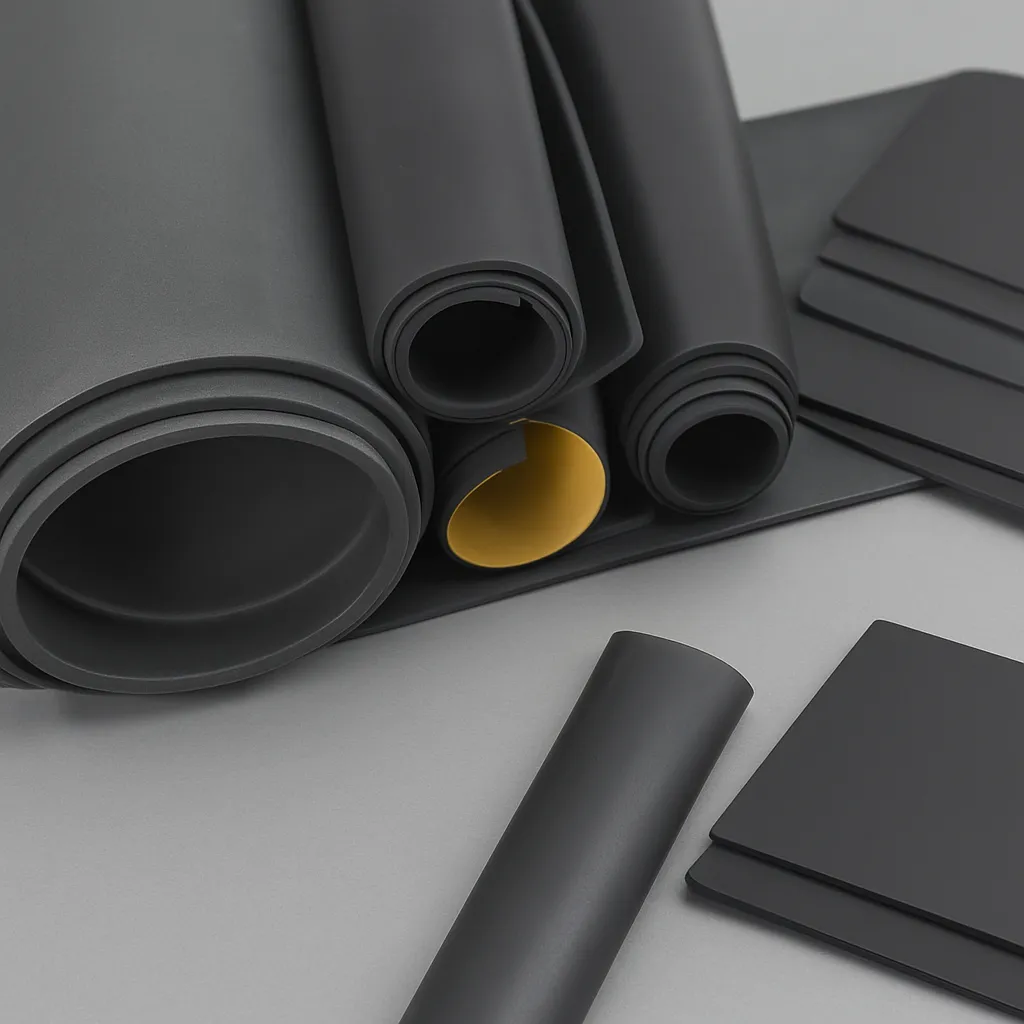
The pages with the detail of each format are silicone gaskets, custom profiles and silicone sheets.
Gasket specification for industrial ovens
The technical team checks service temperature, available closing force and housing section, and confirms series, hardness and post-cure process.
View silicone gaskets →